Collie Homemade Dog Food Recipes & Guide: Vet-Approved


Canine Bible is reader-supported. We receive affiliate commissions via some of our links. Learn more.
This is the most comprehensive guide to homemade dog food for Collies. A big part of owning a dog is ensuring they eat healthy and tasty meals; traditional dog food sometimes doesn’t cut it anymore. Why not make your own instead of buying “premium” dog food from the store? Believe it or not, making food for your dog can provide a better nutritional alternative that’s fresh, tastier, and more customizable. We cover the risks, benefits, and specific breed nutritional advice. We also provide cooking tips and recipes for your Collie’s next home-cooked meal. Let’s dive right in!
Collie Homemade Dog Food Benefits
Here are some main benefits of cooking for your Collie.
Board-certified veterinary nutritionists and diplomates of the American College of Veterinary Nutrition, Jennifer A. Larsen, DVM, MS, Ph.D., and Joe Bartges, DVM, Ph.D., state that feeding homemade dog food comes with significant advantages, such as diet management, appeasing picky eaters, bond-building, combating food intolerance and allergy issues, and avoiding concern over dog food recalls.[1] Further benefits include preventing many conditions associated with a poor diet, such as obesity, poor skin, coat condition, pancreatitis, diabetes, and reduced immunity.
Reasons to Feed Homemade Food to Collies
A homemade, fresh diet can help manage, prevent, and potentially alleviate health problems in Collies.
| Reason | Description | Benefit |
|---|---|---|
| Increased Lifespan | Dogs fed fresh food were found to live longer than those on commercial diets. | Up to 20% longer lifespan—13.1 years vs. 10.4 years.[2] |
| Obesity & Joints | Homemade meals allow precise control of calories, proteins, and nutrients. | Better weight management and reduced risk of joint problems and arthritis.[3] |
| Cancer Prevention | Processed food has been linked to carcinogens and free radicals. Homemade food eliminates them. | Reduces oxidative stress and may lower cancer risk.[4][5] |
| Easy Digestion | Fresh food is softer and more digestible than hard kibble. | Less gastrointestinal stress; reduced risk of bloating and diarrhea. |
| Avoid Allergies | Homemade meals give control over ingredients and eliminate potential triggers. | Helps prevent food sensitivities and allergic reactions. |
| Bioavailability | Fresh meals are absorbed faster and more efficiently by the body. | Better nutrient uptake for immune support, inflammation control, and energy. |
| No Chemicals or Additives | Homemade food avoids preservatives, colorants, and fillers found in many commercial brands. | Cleaner nutrition and fewer toxins entering your dog’s system. |
| Great Taste & Variety | Fresh food appeals more to a dog’s taste, smell, and texture preferences. | Increased appetite and excitement around mealtime. |
| Avoid Unsafe Commercial Food | Many commercial kibbles are feed-grade and may include unsafe by-products. | Safer meals using human-grade, quality-controlled ingredients. |
Collie Homemade Dog Food Risks
Research by the University of California, Davis School of Veterinary Medicine, as well as two studies published in The Journal of Preventive Veterinary Medicine and The Journal of Nutritional Science, found that most homemade dog food recipes lack key essential nutrients. Additionally, some recipes contain dangerously high levels of certain nutrients.[6],[7],[8] Here are the key findings:
| Statistic | Issue |
|---|---|
| 48% | Homemade dog diets had an imprecise determination of ingredients and quantities. |
| 28.3% | Didn’t use any recommended vitamins, minerals, or amino acids. |
| 30.4% | Pet parents admitted to purposely changing the recipe. |
| 40% | Owners didn’t measure the proportions of the ingredients well enough. |
How to Avoid These Risks
- Understand your dog’s nutritional needs
- Do not use inadequate or dangerous recipes
- Ensure your dog’s meal is balanced
- Do not use toxic ingredients
- Understand the impact of food and dietary changes
- Do not neglect your dog’s health conditions
- Switch to homemade gradually
- The diet must be suited for your dog’s life stage (puppies, adults, or seniors)
✅ Consult a veterinarian or veterinary nutritionist through platforms like Vetster (available anytime, anywhere) to ensure your homemade recipe is complete and balanced for your dog’s breed, age, and health needs. You can also chat with an online vet. For further guidance on dog nutrition, consult “Home-Prepared Dog & Cat Diets: the Healthful Alternative” by Donald R. Strombeck, DVM, Ph.D., a renowned veterinary expert. This book is a go-to resource for healthy homemade dog nutrition for most pet nutritionists.


✅ Use a dog gut health test to understand your dog’s microbiome and tailor meals for optimal digestion and nutrient absorption.
✅ Conduct a dog allergy test to identify food sensitivities and avoid ingredients that may trigger allergic reactions.
✅ Supplement homemade food properly with essential vitamins, minerals, and omega fatty acids to prevent nutrient deficiencies. The best supplement to ensure your dog’s meals are complete and balanced is The Farmer’s Dog DIY Nutrient Mix. Alternatively, Ruff Greens VitaSmart is another great option you can sprinkle over your dog’s food for a balanced diet.
How to Make Homemade Food For Collies
Homemade dog food must include the six essential nutrients for proper growth, function, and health: protein, carbohydrates, fats, vitamins, minerals, and water. It’s also important to consider your dog’s weight, size, activity level, and any health conditions.
Protein plays a vital role in a dog’s diet, providing essential amino acids necessary for bodily processes, including the creation of blood glucose for energy. Protein also helps build and repair muscles and other body tissues. It’s necessary to produce new skin cells and grow hair, as well as hormones and enzymes. The proteins in your dog’s diet must have a balanced amino acid profile and be provided in appropriate amounts.
Minimum protein content recommendations for dogs:
Protein sources for dog food include:
Fats play a crucial, multifaceted role in a dog’s diet. Fats come in two forms: saturated and unsaturated. Both are essential to maintain the right balance. Saturated fats, derived from animal sources, enhance the palatability, flavor, and texture of your dog’s food and facilitate the absorption of fat-soluble vitamins A, D, E, and K. On the other hand, essential fatty acids, which are unsaturated fats, include Omega-3 (EPA, DHA, and ALA) and Omega-6 and Omega-9 (LA and AA). These fats are crucial for the development, structure, and function of the body’s cells.
When balanced correctly, they promote healthy skin and coat, support eye health and the nervous system function, regulate hormones, fuel the brain and learning processes, help reduce inflammation, offer insulation and organ protection, support reproductive health, and serve as a reserve for energy storage.
Minimum fat content recommendations for dogs:
Fat sources for dogs include:
Dogs need energy for daily activities, growth, pregnancy, lactation, and exercise. This energy, measured in calories, comes from carbohydrates, proteins, and fats. Omnivorous animals, including dogs, derive some energy from carbohydrates. Carbohydrates supply glucose, which is essential for the brain, nervous system, and other critical organs to function normally in dogs. Carbohydrates should also include 2.5-4.5% fiber.
Carbohydrate sources for dogs include:
Minerals in a dog’s diet are indispensable for bone and dental health, nerve function, enzymatic reactions, fluid balance, oxygen transport, and maintaining the body’s pH level, making them essential for overall health and metabolic processes. Maintaining a proper mineral balance is crucial and should be carefully managed to prevent deficiencies or excesses.
These 12 minerals are known to be essential nutrients for dogs:
Mineral sources for dogs include:
Vitamins in a dog’s diet are integral for maintaining overall health and bodily functions. They support vision and immune health, aid in energy metabolism and nervous system function, provide antioxidant benefits, reduce inflammation, prevent diseases and ailments, and more. Dogs require vitamins, but only in small amounts. Excessive doses of specific vitamins, such as vitamin D, can be harmful to them.[9]
These 12 vitamins are known to be essential nutrients for dogs:
Vitamin sources for dogs include:
Water is vital in a dog’s diet to maintain hydration, support body functions such as digestion, nutrient absorption, and waste excretion, lubricate joints, regulate body temperature, ensure proper organ function, and facilitate metabolic processes. Continuous access to clean water is as crucial as providing nutritious food for overall health and well-being. Generally, dogs should drink 2 to 3 times the amount of their dry food intake daily. However, if water is readily available from various sources, dogs can naturally regulate water consumption daily.
Source: We compiled the data for the table above by referencing the Association of American Feed Control Officials (AAFCO) guidelines and the Nutrient Requirements of Dogs Report by the National Research Council (NRC). The Food and Drug Administration (FDA) utilizes the information from these reports to regulate and ensure the safety of pet foods.
Collie Calorie Requirements
Use our dog calorie calculator to find the exact caloric needs of your dog based on his weight. Ensure you follow the 10% rule if feeding treats to your dog. Food would equal 90% of the total calories, and treats would account for the remaining 10%.
| Type of Dog | 30 lb (14 kg) | 40 lb (18 kg) | 50 lb (23 kg) | 60 lb (27 kg) | 70 lb (32 kg) |
|---|---|---|---|---|---|
| Puppies | 1,240 | 1,580 | 1,920 | 2,260 | 2,600 |
| Inactive Collie | 595 | 755 | 925 | 1,095 | 1,272 |
| Adult Active Collie | 794 | 990 | 1,240 | 1,490 | 1,740 |
| Pregnant Collie | 1,488 | 1,868 | 2,102 | 2,336 | 2,570 |
| Young Active Collie | 893 | 1,133 | 1,381 | 1,629 | 1,876 |
| Senior Active Collie | 694 | 870 | 1,049 | 1,228 | 1,407 |
Nursing Collie kcals vary depending on the number of puppies & weeks into lactation.
Homemade Food For Collie Puppies
A Collie puppy’s dietary requirements differ from those of an adult Collie. Compared to adult dogs, puppies require higher levels of protein, fat, calcium, and phosphorus. Inadequate or excessive amounts of these nutrients can lead to deficiencies, hindered growth, or lifelong health complications.
| Guideline | Details |
|---|---|
| 6 weeks to 5 months | Feed 3–6 meals per day. |
| 6 to 12 months | Feed 2–3 times per day. |
| Do not skip meals | Skipping meals is not recommended during growth and development stages. |
| Feeding is individual | Every puppy is different. Adjust portions based on body condition—cut back if gaining too much weight or increase slightly if underweight. |
Homemade Dog Food Delivery Service
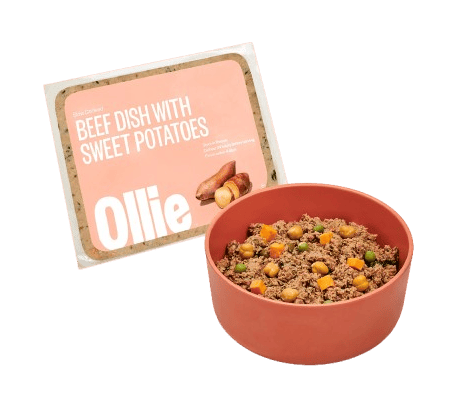
Ollie
Who It’s For: Dog owners seeking the best nutrition for their dogs, with the highest quality ingredients, great taste, and the health benefits of a fresh diet.
Ollie is one of our homemade dog food delivery options. They offer various fresh, homemade dog food options tailored to your dog’s unique dietary needs, age, health conditions, and nutritional goals. For example, if your dog suffers from food-related health issues such as allergies or illnesses, Ollie can create a customized recipe that caters to those needs. Their meals are made with real, human-grade ingredients and delivered to your doorstep. The food is developed by veterinary nutritionists who adhere to AAFCO nutritional guidelines. In our experience, using a dog food delivery service saves you time, allowing you to focus on more important things, such as taking your dog for walks or training. Additionally, you won’t have to worry about the hassle of meal planning, grocery shopping, or cooking, and you can mitigate the risks of cooking for dogs.
Best Homemade Food For Collies
The best homemade food for Collies is a balanced diet that provides optimal nutrients for proper function, taking into account your dog’s nutritional needs and overall health. We highly recommend Ollie as the best homemade food for Collies, adults, and puppies. Don’t feel like cooking for your dog? Here is the most comprehensive guide to help you find the best dog food for Collies.
Best Homemade Food Recipes for Collies
Browse the best homemade food recipes for Collies. We’ve also included a special treat recipe for your dog, enriched with the health benefits of our favorite ingredient: dog CBD oil. CBD oil might help with issues like seizures, anxiety, arthritis, inflammation, pain, and overall wellness.
Note: Consult your vet before adjusting your dog’s diet. The recipes below don’t specify serving sizes, as they depend on your dog’s breed, weight, age, activity level, and health. As a guideline, consider feeding the equivalent amount you’d give in kibble, but always consult your veterinarian for proper portioning.
Blueberry-Banana CBD-Infused Dog Treat For Collies
Treat your dog with these nutritious, therapeutic, and delicious homemade CBD dog treats. They are made with bananas, a great source of essential vitamins and minerals (like potassium, vitamin C, and vitamin B6). Bananas also aid with digestion and provide energy. Coconut is added for skin and coat health, digestion, and reducing allergic reactions.
Remember to consult your vet to ensure CBD is safe for your dog and that you are giving the correct dosage. Alternatively, you can purchase commercially available CBD dog treats, allowing your pup to experience the benefits of CBD without the hassle of cooking.
Ingredients
Directions
- Oven preparation. Preheat oven to 350ºF and brush a dog biscuit baking tray with coconut oil.
- Banana preparation. Mash a ripe banana until smooth, ensuring no large chunks remain.
- Dry ingredients. Blend gluten-free flour and oats in a medium-sized bowl.
- Wet ingredients. In a separate bowl, whisk an egg until beaten. Add coconut oil, water, mashed banana, unsweetened applesauce, and fresh blueberries. Mix well.
- Combining ingredients. Combine the wet mixture with the dry ingredients, stirring until even. Drizzle in CBD oil, stirring again for even distribution.
- Mold filling. Scoop portions of the mixture with a tablespoon and press firmly into the dog-treat baking mold.
- Baking. Bake in the oven for 30 to 40 minutes until the treats are firm to the touch and slightly golden.
- Cooling and storage. Let the treats cool before transferring them to an airtight container for storage.
Chicken & Rice Delight Recipe For Collies
Many dogs have a soft spot for chicken, making this dish a universal favorite among canines. This easy-to-make recipe ensures your dog gets a nourishing and delightful meal. This batch yields approximately four servings, which can be stored in your refrigerator.
Ingredients
Directions
- Chicken preparation. Cut the chicken into half-inch pieces. In a frying pan with 1 tablespoon of vegetable oil, cook the chicken on medium heat for about 15 minutes or until fully cooked. Remove the chicken pieces and set aside the pan drippings.
- Rice preparation. In a pot, cook the rice according to the package instructions or until it’s soft and fluffy. Once done, set aside.
- Gravy creation. Warm the chicken drippings in the pan over medium to low heat. Combine ½ cups of water or chicken broth with ½ cups of flour. Gently stir until the mixture becomes smooth. Continue cooking until it reaches a thick, gravy-like consistency.
- Combining ingredients. Add the cooked chicken, rice, peas, and carrots to the gravy. Simmer the mixture for approximately 10 minutes or until the veggies are tender.
- Cooling. Let the stew cool down to room temperature before serving to ensure it’s safe for your dog.
Turkey, Vegetable & Quinoa Feast Recipe For Collies
As a lean protein, Turkey is excellent for dogs aiming for a healthy weight. This enhanced dog food recipe combines the richness of turkey with the nourishment of vegetables and quinoa – a superfood known for its protein and fiber content. A nourishing blend of lean protein and wholesome veggies, it’s the ideal meal for your dog.
Ingredients
Directions
- Cooking the turkey. Over medium heat, cook the ground turkey in a non-stick skillet until it is fully cooked. Ensure it’s crumbled well to make it easier for your dog to digest.
- Preparing the feast: Combine the quinoa, cooked turkey, and water in a large pot and bring to a boil.
- Simmering. Once boiling, reduce the heat to medium-low. Let it simmer for approximately 15 minutes or until the quinoa becomes soft and translucent.
- Adding vegetables. Introduce the carrots, green beans, and spinach to the pot. Allow the mixture to cook for another 10 minutes, ensuring the vegetables are tender but not overly soft.
- Finishing touches. Once the heat is off, stir in the fish oil and sprinkle with turmeric, ensuring it is well mixed.
- Storing. Let the meal cool to room temperature before serving. Extra portions can be refrigerated and consumed within five days.
Beefy & Veggie Medley Recipes For Collies
This delicious and nourishing recipe is packed with lean protein from grass-fed beef and fortified with the nutritional punch of veggies. Adding eggs and beneficial herbs ensures your dog gets essential vitamins and nutrients.
Ingredients
Directions
- Egg prep: Boil the eggs until they are hard-boiled. Once done, peel and finely chop them.
- Beef cooking. Brown the ground sirloin over medium heat in a large skillet, ensuring it’s thoroughly cooked. Once done, drain off any excess fat.
- Mix & combine. In a large mixing bowl or container, combine the cooked brown rice, browned sirloin, chopped eggs, diced or shredded carrots, peas or green beans, minced parsley, and the optional sprinkle of turmeric. Drizzle with olive or safflower oil.
- Stir together. Using a large spoon or spatula, gently mix all the ingredients until they are evenly distributed and well combined.
- Serve & store. Serve the mixture in your dog’s dish, ensuring it’s cooled to a safe temperature. Store any leftovers in an airtight container in the refrigerator.
More Collies Homemade Food Recipes
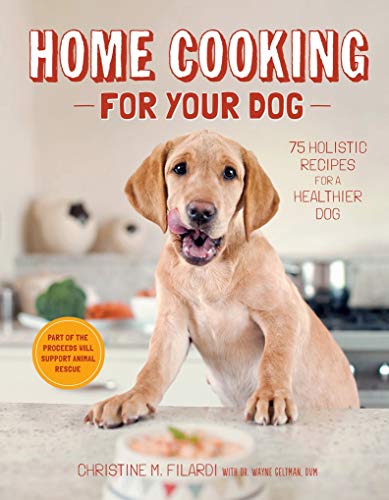
Do you want more homemade dog food recipes and cooking options for your pup? Check out our article on the best vet-approved homemade dog food recipes. Cookbooks can be helpful for a variety of recipes. Our favorite book for homemade food recipes is Home Cooking for Your Dog: 75 Holistic Recipes for a Healthier Dog.
Make Homemade Dog Food Faster & Balanced With This Machine

Chef Paw
The ChefPaw Pet Food Maker is a game-changer for pet parents who want to feed fresh, homemade meals without spending hours in the kitchen. It blends, cooks, and mixes ingredients in one automated device, streamlining the entire process from preparation to cleanup. With a large 6.4 lb batch capacity and cook time of just 40 minutes, you can prep a week’s worth of meals in one go. Its precise temperature control and programmable settings ensure consistent results and safe food handling every time. It also helps eliminate guesswork, making it easier to create balanced meals with the right texture and nutrient retention. Whether you’re cooking in bulk or customizing meals for allergies or preferences, ChefPaw saves time, reduces mess, and supports healthier meals feeding with less effort at a fraction of the cost of premium kibble. Additionally, the free ChefPaw App provides over 50 balanced recipes with step-by-step instructions, detailed nutritional breakdowns, and custom portion guides specifically tailored to your dog.
How to Cook Homemade Food For Collies ( Video)
Watch this video and learn how to cook homemade meals for dogs.
Collies’ Homemade Cooking Tips
Follow these best practices when preparing your dog’s next meal.
- Set a consistent feeding schedule
- Meal prep weekly or monthly
- Measure and control portion sizes depending on your dog’s calorie needs
- Keep meals frozen for 2 to 3 months or refrigerated for about 5 days
- Make a new batch when the food supply is getting low
- If you want to feed different recipes, you can make multiple batches and color-code by ingredients, rotating out the different meals
- Prepare the food in bulk and portion it into containers (one container per meal makes it extra easy)
- Increase portions appropriately as your puppy grows
- Monitor weight to make sure you are feeding the proper amount of calories
Health-Based Dietary Changes In Collies
| Condition | Dietary Needs & Adjustment |
|---|---|
| Coat Color Changes | Increase amino acids, which can be found in protein (over 75 grams per 1000 calories). |
| Concurrent GI Signs | Avoid foods that contain tryptamine and histamine, such as dairy products, fermented vegetables, and meats (including bacon); try a simple ingredient food trial. |
| Chronic Itching and Dermatitis | Fortify the diet with Vitamin E, B Vitamins, Zinc, omega-6, and omega-3 fatty acids found in fish oil; add a dog probiotic; try a simple ingredient food trial. |
| Dull Coat and Scaling | Adjust EPA and DHA levels in the diet (added fish oil being the most common way); try food with added zinc. |
| Dandruff and Crustiness | Add Zinc and Vitamin A levels. |
Monitor Weight And Health
A dog’s weight and gut health are essential indicators of their health, and you need to track them when switching to a new diet (i.e., homemade). Maintaining a healthy weight is easier when your dog is fed the right dog food. If your dog’s weight increases or decreases rapidly, it might be due to food-related health issues. Unbalanced meal plans can cause skin or coat issues, excessive tiredness, allergies, weight loss, malnutrition, and dog obesity. If you notice any of these symptoms while feeding your dog, stop immediately and consult an expert.
Foods Your Collie Should Never Eat
Below is a list of the most common toxic ingredients that dogs should avoid.
Here is the complete list of toxic dog foods. Alternatively, consider buying a magnetic dog list to put on your refrigerator as a reminder when cooking for your dog.

Toxic & Safe List
The Bottom Line
Crafting homemade meals for your Collie is more than just a labor of love—it’s a direct investment in their health, energy, and longevity. By tailoring recipes to their unique needs, you can support joint health, protect against digestive upsets, and provide the balanced nutrition they need to thrive. Still, the key to success lies in consistency, portion control, and working with your veterinarian to ensure every bowl meets your dog’s nutritional requirements. With the right plan, homemade food becomes more than a meal—it becomes the foundation of a healthier, happier life for your Collie.
Are there other alternatives to homemade dog food? Raw dog diets are gaining popularity due to their fantastic health benefits. Check our article on raw food for dogs to learn about the benefits and risks, and get the best raw dog food or even prepare homemade raw dog food. Additionally, if your Collie is prone to food allergies or food-related health issues, consider exploring vegan dog food options. Plant-based diets are also gaining popularity among dogs with food sensitivities and other health issues.
Like It? Subscribe & Share!
Sources
Canine Bible uses only high-quality sources, including peer-reviewed studies, to support the facts within our articles. Read our editorial process and product review methodology to learn more about how we fact-check, test products, and keep our content accurate, reliable, and trustworthy.
- American Kennel Club. (n.d.). Cooking for your dog: Pros and cons of cooking homemade dog food.
- Lippert G, Sapy B. (2003). Relation Between The Domestic Dogs Well-Being and Life Expectancy.
- American Veterinary Medical Association. (2019, February 13). Study finds overweight dogs live shorter lives.
- Podolsky, A. (2019, November 28). Feed the dog not the cancer: The danger of processed dog food. Lyka.
- Harvard Health Publishing. (2018, May). Eating highly processed foods may raise cancer risk. Harvard Health; Harvard Health.
- Pedrinelli, V., Gomes, M. de O. S., & Carciofi, A. C. (2017). Analysis of recipes of home-prepared diets for dogs and cats published in Portuguese. Journal of Nutritional Science, 6.
- Bland, I. M., Guthrie-Jones, A., Taylor, R. D., & Hill, J. (2010). Dog obesity: Veterinary practices’ and owners’ opinions on cause and management. Preventive Veterinary Medicine, 94(3-4), 310–315.
- WebDev, I. E. T. (2013, July 15). Homemade dog food recipes can be risky business, study finds. UC Davis.
- U.S. Food and Drug Administration. (2023, February 9). Vitamin D toxicity in dogs.