This is the most comprehensive guide to finding the best dog probiotics for yeast infections. Yeast overgrowth is a common issue affecting our four-legged friends. One promising approach to managing this is probiotics. Today we dive into the probiotic types best suited to tackle dog yeast infections, backed by the latest research findings. Let’s dive right in!
The Relationship Between Yeast Infection & Probiotics
Most canine “yeast infections” are overgrowth of Malassezia on the skin or in the ears, often triggered by allergies, moisture, or antibiotic-related microbiome disruption. Probiotics don’t kill yeast like a drug, but they can rebalance the gut–skin–immune axis so flares are less frequent and milder. Beneficial strains (e.g., Lactobacillus rhamnosus, L. plantarum, L. reuteri, Bifidobacterium animalis) produce acids and metabolites that lower intestinal pH, crowd out opportunists, and increase IgA and regulatory immune signals that calm inflammation. The nonpathogenic yeast Saccharomyces boulardii can help with GI yeast/diarrhea by competing with harmful microbes and binding toxins. Probiotics are an adjunct, not a cure: active ear or skin infections usually need proper cleaning and topical antifungals, plus management of underlying triggers (food/environmental allergies, humid ears, oily skin). Probiotics fit best alongside allergy control, diet adjustments, and good ear/skin hygiene.
How to Pick The Best Probiotics For Dogs With Yeast
Feature
What to Look For
Why It Matters
Strain-level ID & skin/ear data
Named strains with canine or skin-barrier support (e.g., L. rhamnosus, L. plantarum, L. reuteri, B. animalis); consider S. boulardii for GI issues.
Targets yeast-prone dogs via gut–immune–skin axis; S. boulardii helps diarrhea but isn’t for ear/skin yeast directly.
Guaranteed CFUs
Billions of CFU per daily dose guaranteed through end of shelf life.
Ensures potency for the entire course.
Hypoallergenic excipients
No chicken/dairy/wheat/soy; minimal inactive ingredients.
Avoids triggering allergies that can fuel yeast flares.
Yeast-aware formulation
No brewer’s yeast or sugary additives (glycerin, syrups, maltodextrin). Use S. boulardii only with intent for GI support.
Limits “food” for yeast and avoids confusing yeast-based supplements with probiotics.
Low-histamine tendency
Low-histamine or single/limited-strain blends; introduce slowly.
May reduce itch flares in histamine-sensitive dogs.
Delivery form
Powders/capsules with clean formulas; chews only if sugar-free and trigger-free.
Better tolerance and easy mixing with food.
Prebiotics used thoughtfully
Start probiotic-only or use gentle fibers (e.g., acacia/PHGG); avoid inulin/FOS if they bloat your dog.
Prevents gas while the microbiome resets.
Stability & storage
Shelf-stable or clearly labeled for refrigeration; moisture/heat-protective packaging (desiccant, blister packs).
Keeps live cultures viable.
Dosing & timing
Weight-based; start at ½ dose for 3–5 days; give with food; separate from antibiotics by ~2 hours.
Improves tolerability and survival of strains.
Adjunct care (not a cure)
Use alongside vet-directed ear/skin cleaning and antifungals; manage allergies; dry ears after swims; consider omega-3s.
Yeast infections are local; probiotics help reduce recurrence risk.
Always consult your veterinarian before introducing probiotics toyour dog’s diet. You can get personalized nutritional advice from an online registered vet nutritionist through Vetster—available anytime, anywhere. You can also chat with an online vet and ask them questions about whether your dog could benefit from probiotics or which strains are best. Additionally, at-home dog gut health tests can provide valuable insights by analyzing your dog’s microbiome. Likewise, an at-home dog allergy test can help identify potential food sensitivities that may be contributing to digestive issues. Armed with this information, you can confidently choose the right probiotic and dietary strategy to support your dog’s optimal health.
Best Probiotics For Dogs With Yeast Infection
Here are the best dog probiotics for dogs with yeast infection.
Best Overall Dog Probiotic For Yeast Infection
4.9
★★★★★
Nom Nom
Who It’s For: Dog owners seeking a high-quality, well-rounded probiotic suitable for all breeds and sizes, offering proven health benefits.
Why we recommended it: Nom Nom is a well-known, reputable dog food delivery service in the United States. It’s formulated by veterinary nutrition and microbiology experts using top-quality ingredients at FDA-registered facilities under Good Manufacturing Practice (GMP) guidelines. Each batch is independently tested for product integrity. It’s suitable for all breeds, including puppies (eight weeks or older) and adults. To serve, mix one scoop serving into your dog’s food once daily. After use, reseal and store in a cool, dry place protected from light, high temperatures, and moisture. Nom Nom recommends refrigeration for optimal preservation. Their veterinary nutrition and microbiology team expertly formulates them.
What sets it apart from competitors: It’s enhanced with prebiotic fiber to support the growth of beneficial bacteria.
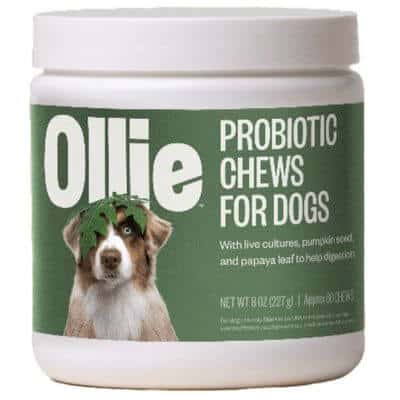
Why we recommended it:Ollie Dog Probiotic Chews are scientifically formulated using five strains of probiotics to help improve digestion and promote gut health in dogs. Veterinarians recommend them for having a balanced and pleasant formula for your furry friend. We love that they boost their probiotic formula with all-natural digestive system-soothing ingredients in these chews, including pumpkin seed and papaya leaf powder.
What sets it apart from competitors: It is made using a cold extrusion process to preserve the potency of every active ingredient.
Why we recommended it:Open Farm is a pet food company that offers a range of dog products, including probiotics. They go to great lengths to source clean and organic ingredients to formulate their probiotics. These probiotics are vet-approved and developed as a part of their commitment to ethical and transparent sourcing practices. You can trace the origin of every ingredient in Open Farm probiotics on their website. Each Probiotic soft chew is made to help support normal gut flora and bowel movement, promoting healthy digestion and gut health.
What sets it apart from competitors: Open Farm is one of the most sustainable dog food brands. It has partnered with How2Recycle to ensure that its probiotic jars are 100% recyclable and do not end up in landfills.
Why we recommended it: Taking care of your dog’s gut health from an early age is essential. A puppy probiotic can help keep your puppy’s tummy happy and healthy. Whether you are looking for a probiotic for puppy diarrhea or want to support their digestion, immune systems, and well-being, The Honest Kitchen Instant Probiotic Goat’s Milk for dogs is a great choice. This probiotic powder supplement for puppies can be served as a nourishing drink by adding water or sprinkling it over dry kibble. It’s ideal for rehabilitation, digestive issues, and general immune support at the gut level for growing puppies. Serve over kibble, hydrate Honest Kitchen food, or offer it alone as a human-grade nightcap.
What sets it apart from competitors: It is made from highly digestible dehydrated goat’s milk from pasture-raised, free-ranging goats in the Pacific Northwest and digestive enzymes. Goat’s milk is especially great for puppies and kittens, as it helps support their digestion, immune systems, and well-being.
Probiotics strains: Lactobacillus case, Lactobacillus acidophilus, Lactobacillus bulgaricus, Bifidobacterium longum, and E. thermopilus.
Pros
Human-grade
No by-products, preservatives, or GMO ingredients.
Cons
One flavor
Cheapest Probiotic For Dogs With Yeast
4.7
★★★★★
Nusentia Dog Miracle
Who It’s For: Budget-conscious dog owners seeking an effective and affordable probiotic option without compromising on quality.
Why we recommended it:Nusentia Dog Miracle Probiotic offers excellent value for dogs, individuals with multiple pets, or those who require multiple servings per day. Nusentia provides the best quantity for your buck, with over 360 scoops per jar. Perfect for combating dog diarrhea, loose stool, yeast overgrowth, gas, bad breath, constipation, skin issues (including itching and scratching), allergies, digestive issues, and gut-related problems in pets.
What sets it apart from competitors: With over 360 billion CFUs of probiotics per jar (or 1 billion per scoop), this brand is confident in the effectiveness of its formula and offers a 60-day 100% money-back guarantee. Includes Inulin, a prebiotic.
Best Probiotic For Dogs With Yeast & Gut & Digestion Issues
4.4
★★★★★
Pawfy
Who It’s For: Dog owners focused on improving their pet’s digestive health, yeast infection or addressing specific gut-related issues like diarrhea or gas.
Why we recommended it:Pawfy probiotics are a great addition to aid with better gut health. Pawfy dog probiotics can improve a dog’s gut health and digestive functioning thanks to their research-based formula. And because it’s jam-packed with natural ingredients (i.e., organic turmeric) and a perfect balance of vitamins A, D3, E, C, B1, B6, B2, and B12 for overall health, it helps boost the immune system and function and increases energy and overall physical well-being. These daily multivitamins and probiotic chews promote overall well-being and health. It has a tasty chicken probiotic flavor that can freshen your dog’s breath and maintain healthy bacteria.
What sets it apart from competitors: Additionally, it delivers pantothenic acid, manganese, folic acid, and biotin to support healthy anatomy and overall well-being.
Why we recommended it:Finn Digestive Dog Probiotics wins the best vet pick spot because they work hand-in-hand with top-notch veterinarians and canine nutritionists to create the best possible probiotic with the best possible ingredients. The Pumpkin, Inulin, and FOS found in Finn help ‘good’ bacteria flourish and stay nourished.
What sets it apart from competitors: The addition of prebiotics provides food and fuel to probiotics, helping to keep them healthy and active. The result is better digestion, enhanced nutrient absorption, improved immune function, and a healthier, happier pup.
Why we recommended it: If you have a small dog breed suffering from an upset stomach, diarrhea, gas, or are looking for the best probiotics for small dogs, Pawlife Soft Chews Probiotics for Dogs 3-in-1 formula is an excellent choice for small dogs. The 2 billion CFUs per chew is perfect for a small dog’s digestive system. Pro Pup promotes a balanced GI tract to support gas, bloating, constipation, diarrhea, indigestion, gut PH levels, and overall stomach discomfort. How much probiotics can I give a small dog? One soft chew per 25 lbs of body weight should work great for your pup. You can break the treat in half if your dog weighs less than 25 lbs.
What sets it apart from competitors: The soft texture of these mouth-watering, chicken-flavored soft chews is easy on small dogs’ teeth. Each soft chew is smaller than a nickel, perfect for a small dog’s mouth.
Why we recommended it: If you are looking for the best dog probiotic pills, Nutramax Proviable-DC Health Supplement for Cats and Dogs is a multi-strain probiotic supplement that supports a healthy intestinal balance in dogs. Each Proviable-DC probiotic capsule can help maintain intestinal balance during times of dietary indiscretion, dietary change, food sensitivities, loose stool, stress induced by travel or kenneling, weaning of puppies and kittens, metabolic disturbances, immune system-related gastrointestinal conditions, and other related issues. Whether your dog has a temporary case of an upset stomach due to boarding stress, antibiotics, or a sensitive system, ProViable probiotic capsules help restore balance. You can use this capsule in conjunction with a dog probiotic paste for extra support and effectiveness.
What sets it apart from competitors: It’s enhanced with two prebiotics, which support the growth of probiotics within the intestinal tract and help them compete against the harmful bacteria that colonize the intestines. The box contains 80 capsules, sufficient for up to three months.
Why we recommended it:Bene-Bac Plus Probiotic Pet Gel is one of the most reputable probiotic supplements on the market. It’s made from 7 different bacterial strains that help crowd out bad bacteria, improve your dog’s appetite, and provide quick energy. Every Bene-Bac Pet Gel multidose syringe contains 15 grams of gel concentration of live-culture probiotic digestive bacteria. Each gram offers a guaranteed 20 million colony-forming units (CFU). Although this doesn’t seem like as many CFUs per serving, most customers have found the product very effective.
What sets it apart from competitors: Bene-Bac probiotics are fat-encapsulated to ensure maximum probiotic survival through the stomach acids of the digestive tract, allowing them to reach the intestines. The easy-to-use dial-a-dose syringe provides the indicated dose, making it simple to administer in any situation.
Another probiotic paste alternative is FullBucket Dog Probiotic Paste. It’s a highly concentrated yeast-based formula that supports natural gut defenses during periods of stress. It contains 12.5 billion CFUs of Saccharomyces cerevisiae boulardii per serving. This formula also includes prebiotics, digestive enzymes, and L-glutamine. It’s the ideal probiotic paste for dogs on antibiotics.
Pros
Easy administration
Dial-a-dose mechanism
1-year date code guarantee
1-gram travel tube for on-the-go treatment
Cons
Not as much quantity for the price
Gel options can get messy
Best Probiotics Spray For Dogs with Yeast
4.7
★★★★★
Florazil
Who It’s For: Busy dog parents looking for a probiotic spray that’s quick to apply and easy to use with any food.
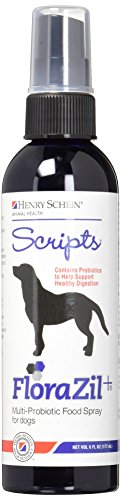
Why we recommended it: Try Florazil+ Multi-Probiotic Food Spray for Dogs, our top pick for the best probiotic spray. It contains an assortment of probiotics that work to aid your dog’s digestive process. It comes in an easy-to-use bottle with 6 ounces of spray. The spray can be applied directly to your dog’s food, making administration a breeze. No refrigeration is necessary, so store it in a convenient location for you. These probiotics are microorganisms beneficial to your dog’s digestive tract, meaning this spray is all-natural. These microorganisms work by enhancing the good bacteria that are already present in the dog’s digestive tract.
What sets it apart from competitors: Enhances palatability for any food.
Why we recommended it:Mary Ruth’s USDA Certified dog organic liquid probiotic offers a proprietary blend (plant-derived and non-GMO) of probiotic strains. This blend is mixed in an enzyme-enriched substrate with water and a proprietary combination of 3 organic types of grass. Liquid dog probiotics are easily absorbed, unlike solid probiotics, which are treated with heat and chemicals. Liquid probiotics are always in their raw state, ensuring shelf stability and maximum potency. This product is human-grade quality, and the strains were explicitly chosen to support dogs’ health. You can add it to your dog’s food or serve it directly into their mouth. Customers report success giving it to their dog now, but you should try whatever works best for you and your dog.
What sets it apart from competitors: No refrigeration is required, and it can be stored in a cool, dry place.
Probiotics strains:Lactobacillus acidophilus, Lactobacillus casei, Bifidobacterium lactis, and B. breve.
Pros
Vegan
Non-GMO
Gluten-free
USDA organic probiotic
Cons
The bottle must be handled carefully, as it can break if dropped
Best Probiotic Powder For Dogs With Yeast
4.7
★★★★★
Honest Paws
Who It’s For: Dog owners preferring a versatile powdered probiotic to mix into meals for seamless feeding.
Why we recommended it: Honest Paws (a top CBD oil and CBD treats company) offers a blend of probiotics formulated by veterinarians, containing six strains of probiotic bacteria. It’s our top pick for the best dog probiotic powder. Honest Paws probiotics for dogs are a unique probiotic supplement that contains Solarplast, an extract of organic spinach rich in antioxidants, and their enzyme partners. Solarplast provides many benefits for healthy aging and optimal biological processes through restoration and repair.
What sets it apart from competitors: It includes Inulin, a natural prebiotic derived from Chicory that stimulates good bacteria.
Why we recommended it:Zesty Paws Probiotic for Dogs Gut Health is among the best canine probiotics. If your dog has a weak immune system, hot spots, allergies, and even bad breath due to poor digestion, this supplement can help Fido kiss goodbye to tummy trouble and other related issues. This brand enhances its formula with Papaya for digestive enzyme support, plus Pumpkin as a fiber and prebiotic source to aid motility and bowel movement in your canine. Along with all its digestive benefits, these tasty soft chews promote a healthy immune response to keep your dog healthy. Oh, and they are grain-free. This is great because it makes them easy to digest, promoting faster wellness for any puppy, adult, or senior dog.
What sets it apart from competitors: Zesty’s formula features Ganeden BC30, a premium Bacillus Coagulans probiotic strain that withstands stomach acid as it reaches the intestines to aid digestion, flora, and gut bacteria. GanedenBC30 helps absorb essential nutrients while promoting healthy bacteria to maintain GI health.
It contains garbanzo and pea flours, which might cause issues for some dogs
Frequently Asked Questions
Probiotics, by themselves, do not “kill” yeast but can inhibit its overgrowth by promoting a balanced gut environment. Strains like Lactobacillus rhamnosus and Saccharomyces boulardii have been shown to be effective in managing yeast overgrowth in dogs by supporting healthy gut flora.
While probiotics are beneficial in supporting gut health and may help manage yeast infections, they are typically not a standalone treatment. A comprehensive approach, possibly including antifungal medications, diet changes, and improved hygiene, is often necessary to fully address yeast infections in dogs.
The most beneficial probiotic strains for dogs with yeast infections include Lactobacillus acidophilus, Lactobacillus rhamnosus, Bifidobacterium bifidum, and Saccharomyces boulardii. These strains help maintain a balanced microbial environment in the gut, which can be crucial for managing yeast overgrowth.
The time it takes for probiotics to show effects in dogs with yeast infections can vary. Some pet owners might notice improvements within a few weeks, but it could take longer depending on the severity of the infection and the dog’s overall health. Consistent, long-term use is typically necessary to achieve significant benefits.
It’s generally recommended to use probiotics specifically formulated for dogs rather than human probiotics. Canine-specific probiotics are designed to meet the unique needs of a dog’s digestive system and ensure the proper strains and dosages are administered for optimal effectiveness.
Yes, probiotics can help manage yeast overgrowth in dogs by promoting a healthy gut flora balance. This balance supports the immune system and can prevent the conditions that allow yeast to thrive and multiply, thereby helping to manage yeast-related issues.
How to Keep Dog Probiotics for Yeast Bacteria Alive
Did you know oxygen and high temperatures can cause probiotic bacteria to die rapidly?
Probiotics for yeast are living microorganisms that have evolved inside your dog’s digestive system, as your dog’s gut is an anaerobic or oxygen-free environment. When you feed your dog probiotics for yeast, you introduce living bacteria into their gastrointestinal tract. If you want your dog to benefit from it, you must know how to keep them alive.
While good manufacturers help you accomplish this to some extent through packaging, there are some storing and handling practices you must follow:
Keep your probiotics for yeast in their original package or bottle. Their packaging has been specially designed to protect living bacteria. Moving them to plastic bags and glass jars may kill the bacteria and reduce your probiotic effectiveness.
Store them in a cool, dry place
Make sure they’re tightly sealed all the time.
Don’t open probiotics for yeast until you are ready to use them.
Discard expired probiotics as they are likely to contain fewer living CFUs
Some probiotics for yeast may need to be refrigerated. The manufacturer will generally state that somewhere on the package.
Never store them in a medicine cabinet in a bathroom where you shower. The heat and humidity from the hot water can kill the probiotics for yeast.
The Bottom Line
In conclusion, choosing the best probiotic for dogs dealing with yeast infections is a decision that can significantly impact your beloved pet’s health and well-being. As discussed throughout this article, the right probiotic can help restore and maintain a healthy balance in your dog’s microbiome, effectively managing yeast overgrowth. From understanding the role of probiotics to sifting through various products available in the market, it’s clear that you, as a responsible pet owner, have an essential role.
Remember, while we’ve shared some of the most effective probiotics for combating yeast infections in dogs, every dog is unique. What works best for one may not be as effective for another. Therefore, consulting with your vet, considering your pet’s needs, and monitoring any changes or improvements after starting a probiotic regimen is crucial. Probiotics are a promising tool in maintaining our pets’ health, but they’re part of a bigger picture that includes proper diet, regular exercise, and timely veterinary care.
Like It? Subscribe & Share!
Sources
Canine Bible uses only high-quality sources, including peer-reviewed studies, to support the facts within our articles. Read our editorial process and product review methodology to learn more about how we fact-check, test products, and keep our content accurate, reliable, and trustworthy.
Dr. Sandra Tashkovska, our esteemed Senior In-House Veterinarian, is passionately committed to sharing her extensive knowledge and experience with our readers, aiming to assist with any issues concerning your non-human family members. A staunch advocate for animal welfare and preventive medicine, she specializes in companion animals, dedicating much of her time to these furry friends. Despite spending two days a week at a local veterinary practice, she aspires to make a broader impact by disseminating crucial information gleaned from her consultations and academic research through her writing.
In addition to her veterinary role, Dr. Tashkovska holds the position of Financial Manager and maintains active membership in the International Veterinary Students' Association (IVSA). Her unwavering commitment to her field and international collaboration shines through her active participation in Erasmus+ and CEEPUS projects, and her volunteer work in Erasmus training courses and Youth exchanges.
Her educational journey is both extensive and diverse. Dr. Tashkovska earned her Masters in Veterinary Medicine from the renowned Ss. Cyril and Methodius University in Skopje, Faculty of Veterinary Medicine, and furthered her education at Summer Schools in Sarajevo and Vienna, where she explored vital topics such as Animal Welfare, Veterinary Ethics and Law, and Communication Skills.
Her pursuit of excellence doesn’t end there. Dr. Tashkovska has actively engaged in numerous prestigious events and training, including the International Veterinary Medicine Student Scientific Research Congresses in Istanbul, the Congress of Veterinarians in Small Practice in Zagreb, and the Eastern European Regional Veterinary Conference, among others. These cumulative experiences continuously augment her professional insight, solidifying her position at the forefront of veterinary medicine.