
10 Best Dog Pain Medications in 2026: Vet-Approved

Canine Bible is reader-supported. We receive affiliate commissions via some of our links. Learn more.
This comprehensive guide will help you understand the best dog pain medications and treatment options available. Pain is a common problem in dogs and can result from various conditions, including arthritis, injuries, surgery, inflammation, and nerve-related issues. So, what is the most effective pain medication for dogs? Choosing the right pain relief depends on your dog’s condition, the cause and severity of their pain, medical history, and overall health. That’s why consulting a veterinarian is essential before starting any pain treatment. In this article, we’ll explore commonly prescribed pain medications for dogs, including nonsteroidal anti-inflammatory drugs (NSAIDs), opioids, nerve pain medications, muscle relaxants, and other veterinary treatments. We’ll also discuss over-the-counter options, supportive therapies, potential side effects, and important safety precautions to help you make informed decisions about your dog’s pain management.
Best Dog Pain Medications – At a Glance
Carprofen (NSAID)

Rimadyl
Why we recommend it: A veterinarian-prescribed NSAID used to control osteoarthritis pain and inflammation and certain postoperative pain.
- FDA-approved active ingredient for canine pain
- Chewable oral formulation
- Requires a prescription and monitoring
OTC Aspirin

PetArmor Aspirin
Why we recommend it: PetArmor Aspirin is a liver-flavored chewable product formulated for temporary pain and inflammation relief in large dogs.
- 300 mg aspirin per chewable tablet
- Liver-flavored 120-count large-dog formula
- Over-the-counter chewable format
Firocoxib (NSAID)
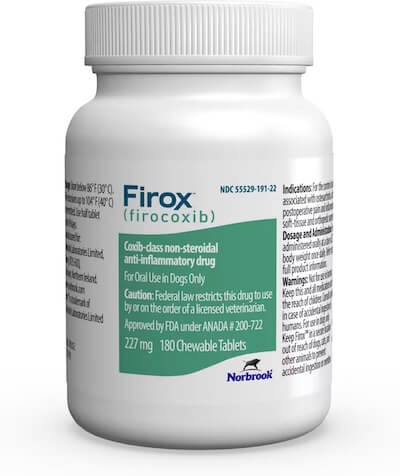
Firox
Why we recommend it: A COX-2-selective veterinary NSAID prescribed for osteoarthritis and approved types of postoperative pain.
- Contains firocoxib, a veterinary NSAID
- Chewable prescription tablets
- Helps manage inflammatory pain
Nerve-Related Pain
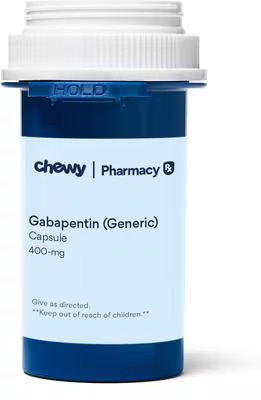
Gabapentin
Why we recommend it: Sometimes prescribed off-label as an adjunct for suspected nerve-related pain; evidence for efficacy in dogs remains limited.
- Oral capsules available in several strengths
- May be used alongside other prescribed care
- Can cause sedation and poor coordination
Inflammatory Conditions
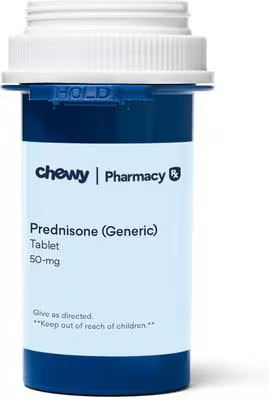
Prednisone
Why we recommend it: A corticosteroid for certain painful inflammatory or immune-mediated conditions, not a general-purpose painkiller.
- Strong anti-inflammatory activity
- Used for specific diagnosed conditions
- Do not combine with NSAIDs
Muscle Spasms

Methocarbamol
Why we recommend it: A prescription muscle relaxant used to reduce painful skeletal muscle spasms in selected canine conditions.
- Helps reduce involuntary muscle contractions
- Oral tablet formulation
- May cause drowsiness or weakness
Veterinary guidance: Pain management depends on your dog’s diagnosis and health history. Follow your veterinarian’s instructions for medication selection, combinations, and monitoring. Retailer offers are subject to eligibility and change.
The Research
Jump to: Full Reviews | Additional Info
The Best Dog Pain Medications According to Vets
The best pain medication for your dog depends on the cause and severity of their pain, underlying health conditions, and whether the discomfort is acute or chronic.
Generally, nonsteroidal anti-inflammatory drugs (NSAIDs) are among the most commonly prescribed medications for managing pain in dogs. Medications such as carprofen, firocoxib, meloxicam, and deracoxib help relieve inflammation and discomfort associated with arthritis, injuries, and surgery. A scientific review identifies NSAIDs as a major treatment option for canine osteoarthritis, although the appropriate medication varies depending on the dog's condition.[1]
Research comparing carprofen and firocoxib for postoperative pain management suggests that both medications have a role in veterinary pain treatment. However, veterinarians must consider the dog's medical history, potential side effects, and response to treatment when selecting an NSAID.[2]
Opioids, including methadone, morphine, and fentanyl, are commonly used for moderate to severe pain, particularly during surgery and recovery. Veterinarians often combine different medications to improve pain control. A 2026 study found that multimodal analgesia provided better postoperative pain management following orthopedic surgery in small-breed dogs.[3]
For persistent or nerve-related pain, veterinarians may prescribe medications such as gabapentin or amantadine alongside other treatments. A clinical study found that adding amantadine to an existing pain management regimen helped improve activity in dogs with osteoarthritis that was not adequately controlled by NSAIDs alone.[4]
Anti-NGF therapy, including bedinvetmab (Librela), is another treatment option for osteoarthritis pain. A 2025 clinical trial comparing bedinvetmab with meloxicam found that both treatments improved pain-related outcomes in dogs with osteoarthritis. However, potential adverse effects must be considered.[5]
Other treatments, including muscle relaxants, local anesthetics, and supportive therapies, may help manage specific types of pain. However, over-the-counter human painkillers can be dangerous for dogs, and corticosteroids are not appropriate for every painful condition. You must consult your veterinarian to determine the safest and most effective pain medication for your dog.
How to Help Prevent Avoidable Pain in Dogs
While not all causes of pain in dogs can be prevented, there are ways to reduce the risk of injuries, joint problems, and mobility issues. Maintaining a healthy weight helps minimize stress on the joints, while regular, low-impact exercise, such as walking and swimming, strengthens muscles and supports flexibility. Avoid excessive jumping, strenuous activities, and sudden increases in exercise intensity, especially for puppies, senior dogs, and breeds prone to joint problems.
Creating a safe home environment can also help prevent injuries. Use non-slip rugs, provide ramps for elevated surfaces, keep your dog's nails trimmed, and offer a supportive bed to reduce joint pressure. Regular veterinary checkups are equally important for detecting early signs of arthritis and other painful conditions. Watch for limping, stiffness, difficulty standing, or reluctance to exercise, and address these symptoms promptly to help protect your dog's long-term comfort and mobility.
Remember to ALWAYS consult with your vet before giving any pain medications to your dog. If you can't reach your vet, you can chat live with a registered online veterinary professional via our online vet chat or video chat support (24 hours a day, 7 days a week). Or use Chewy's online vet services (6 a.m. - midnight ET).
The Reviews
Jump to: The Research | Additional Info
Best Dog Pain Medications
There are several treatments available for managing pain in dogs. Most effective pain medications require a veterinarian's prescription, while certain supplements and supportive therapies are available over the counter. Whether your dog is experiencing arthritis, recovering from surgery, or dealing with injuries or chronic pain, these treatment options can help relieve discomfort, reduce inflammation, and improve mobility under veterinary guidance.
Prescription pain medications for dogs are used to manage different types and levels of pain, including discomfort caused by injuries, surgery, arthritis, and chronic health conditions. Veterinarians may prescribe various medications, such as anti-inflammatory drugs, opioids, nerve pain medications, and muscle relaxants, depending on the underlying cause. Some provide short-term relief for acute pain, while others help manage ongoing discomfort and improve mobility. Because these medications work differently and may carry serious side effects, a veterinarian must assess your dog's condition, medical history, and overall health before recommending treatment.
Overview
The Most Common Prescription Pain Medications for Dogs

Carprofen
Other Prescription Pain Medications for Dogs
Other prescription medications, including firocoxib, meloxicam, and deracoxib, are commonly prescribed to relieve pain and inflammation associated with arthritis, joint problems, and surgical recovery. While these medications work similarly, their approved uses, formulations, and potential side effects vary. A veterinarian can determine which option is most appropriate based on your dog's condition and overall health.
Over-the-counter (OTC) options for dogs include aspirin and supplements designed to support joint and muscle health. However, unlike prescription pain medications, most OTC supplements do not provide direct pain relief. Aspirin is a nonsteroidal anti-inflammatory drug (NSAID) that reduces pain and inflammation by blocking the production of prostaglandins. Although sometimes used in dogs under veterinary direction, aspirin is not FDA-approved for canine pain management and is generally not preferred over prescription NSAIDs. It can cause gastrointestinal irritation, ulcers, bleeding, and kidney problems. Aspirin should never be combined with other NSAIDs or corticosteroids without explicit veterinary instructions.
Overview
The Most Common Over-The-Counter Aspirin for Dogs

Aspirin
Other Over-The-Counter Pain-Relief Options for Dogs
Other non-prescription options include joint supplements, omega-3, and muscle-support products. These supplements help maintain mobility, joint function, and muscle health, particularly in aging dogs. However, they are not substitutes for veterinary-prescribed pain medications.
Nonsteroidal anti-inflammatory drugs (NSAIDs) are commonly prescribed to manage pain and inflammation associated with osteoarthritis, joint problems, and surgical recovery. They work by reducing the production of prostaglandins, substances involved in inflammation and pain. Some NSAIDs are suitable for longer-term arthritis management, while others are intended for short-term postoperative relief. Although effective, these medications can cause gastrointestinal problems, kidney complications, and liver-related side effects. Veterinary monitoring is important, especially during prolonged treatment.
Overview
The Most Common NSAIDs for Dogs
Firocoxib
Other NSAIDs for Dogs
Other NSAIDs, including generic firocoxib, meloxicam, deracoxib, and robenacoxib, are prescribed for different inflammatory pain conditions. Their approved uses and treatment durations vary, so veterinarians select medications based on the dog's diagnosis and overall health.
Opioids are powerful prescription medications used to manage moderate to severe pain in dogs, particularly during surgery, after major injuries, and during recovery from painful procedures. They work by interacting with opioid receptors in the nervous system to reduce pain perception. Veterinarians often combine opioids with other pain medications for more effective relief. However, these drugs require careful supervision because they can cause sedation, changes in heart rate, and respiratory depression.
Overview
The Most Common Opioid for Dogs
Other Opioids for Dogs
Other opioids may be selected depending on the severity of pain, surgical procedure, and individual response to treatment. Most are administered in veterinary hospitals rather than prescribed for routine home use.
Neuropathic pain medications are used to manage discomfort caused by nerve damage or abnormal nerve signaling. Unlike traditional anti-inflammatory drugs, these medications target activity within the nervous system to help reduce pain signals. They may be prescribed for certain spinal conditions, nerve injuries, and persistent pain that is difficult to control. However, evidence supporting some commonly used medications remains limited, and side effects may include sedation, dizziness, and difficulty coordinating movements.
Overview
The Most Common Neuropathic Pain Medications
Gabapentin
Other Neuropathic Pain Medications for Dogs
Other medications, including amantadine and pregabalin, may help manage specific nerve-related or persistent pain conditions. Their effectiveness and appropriate uses vary depending on the underlying diagnosis.
Corticosteroids are prescription medications used to reduce inflammation and suppress excessive immune responses in dogs. They work by mimicking the effects of hormones produced by the adrenal glands. Although they may help relieve discomfort associated with certain inflammatory conditions, corticosteroids are not generally recommended as routine pain medications for arthritis or injuries. Long-term use can cause increased thirst, frequent urination, weight gain, muscle weakness, and greater susceptibility to infections. They must not be combined with NSAIDs unless specifically directed by a veterinarian.
Overview
The Most Common Corticosteroids for Dogs
Prednisone
Other Corticosteroids for Dogs
Other corticosteroids differ in potency, duration of action, and method of administration. They are prescribed according to the underlying medical condition rather than solely for pain relief.
Muscle relaxants are medications used to reduce painful muscle spasms, stiffness, and involuntary muscle contractions in dogs. They work by affecting nerve signals or muscle activity responsible for excessive contractions. Veterinarians may prescribe these medications for certain injuries, spinal disorders, or conditions involving muscle rigidity. Although they can ease discomfort associated with spasms, they do not directly treat every type of pain. Potential side effects include sedation, weakness, and poor coordination.
Overview
The Most Common Muscle Relaxants for Dogs
Methocarbamol
Other Muscle Relaxants for Dogs
Other muscle relaxants may be used for specific conditions involving severe muscle rigidity or abnormal muscle contractions. These medications have different mechanisms of action and are not interchangeable.
Local anesthetics are medications used by veterinarians to temporarily block pain signals in specific areas of a dog's body. They work by preventing nerves from transmitting pain sensations, making them particularly useful during surgery, dental procedures, and certain medical treatments. Unlike medications that affect the entire body, local anesthetics target particular nerves or tissues. Their effects are temporary, and they are often combined with other pain medications for more complete relief. Improper administration can cause serious neurological and cardiovascular complications.
Overview
The Most Common Local Anesthetics for Dogs
Other Local Anesthetics for Dogs
Other local anesthetics vary in how quickly they begin working, how long their effects last, and which procedures they are used for.
Anti-nerve growth factor (anti-NGF) medications are a newer approach to managing osteoarthritis pain in dogs. These treatments use monoclonal antibodies that bind to nerve growth factor, a protein involved in transmitting pain signals. By reducing NGF activity, they can help decrease arthritis-related discomfort and improve mobility. Unlike NSAIDs, anti-NGF therapy does not work primarily by reducing inflammation. However, potential adverse effects and the dog's overall medical condition must be carefully considered before treatment.
Overview
Anti-NGF Medication for Dogs
Other Osteoarthritis Therapies
Librela represents a distinct treatment approach, but other veterinary treatments may also help manage osteoarthritis discomfort. These are not necessarily anti-NGF medications and should be considered separately.
Alpha-2 adrenergic agonists are medications used in veterinary medicine to provide sedation and short-term pain relief during certain procedures. They work by stimulating alpha-2 receptors in the nervous system, reducing the release of certain neurotransmitters involved in alertness and pain signaling. These medications are often combined with other anesthetics or analgesics during surgery and diagnostic procedures. However, they can significantly affect heart rate, blood pressure, and breathing, making professional monitoring essential.
Overview
The Most Common Alpha-2 Analgesics for Dogs
Other Alpha-2 Agonists for Dogs
Other alpha-2 agonists provide sedation and varying degrees of pain relief, particularly during anesthesia and veterinary procedures. Their use depends on the dog's health, required level of sedation, and overall treatment plan.
Additional Information
Jump to: The Research | Full Reviews
Pain Medication for Dogs Dosage
The appropriate pain medication dosage for your dog depends on several factors, including the type and severity of pain, the medication prescribed, your dog's weight, age, and medical history. Different medications require specific dosing schedules, and the amount given to a small dog may differ significantly from that given to a large breed. Some pain medications are intended for short-term use, while others require ongoing treatment and monitoring.
What Is the Safest Pain Medication for Dogs?
The safest pain medication for dogs depends on their condition, overall health, and individual response to treatment. Veterinarian-prescribed NSAIDs, such as carprofen, firocoxib, and meloxicam, are commonly used to manage inflammatory pain and are generally well-tolerated when prescribed appropriately. However, they can cause gastrointestinal, kidney, or liver complications, particularly in dogs with existing health conditions. Other medications, including opioids, gabapentin, and muscle relaxants, may be appropriate for specific types of pain but carry their own risks. Natural supplements may support joint health but are not necessarily safer or effective substitutes for prescription medications.
Frequently Asked Questions
The Bottom Line & Alternatives
With the variety of pain management options available, your dog doesn't have to suffer unnecessarily from arthritis, injuries, or other painful conditions. We hope this guide has helped you understand the different dog pain medications, how they work, and their potential benefits and risks. Remember that every dog responds differently to treatment, and what works for one may not be appropriate for another. Finding the right pain relief requires careful consideration and guidance from your veterinarian. For additional information, explore what dogs can take for pain, how to relieve dog pain at home, and how to tell if your dog is in pain. Prioritizing preventive care, maintaining a healthy weight, and addressing symptoms early can help protect your dog's long-term comfort. You can also explore CBD oil for dogs with pain as a potential supportive option to discuss with your veterinarian, and consider pet insurance to help manage unexpected veterinary expenses.
Like It? Subscribe & Share!
Sources
Canine Bible uses only high-quality sources, including peer-reviewed studies, to support the facts within our articles. Read our editorial process and product review methodology to learn more about how we fact-check, test products, and keep our content accurate, reliable, and trustworthy.
- Pye, C., Bruniges, N., Peffers, M., & Comerford, E. (2022). Advances in the pharmaceutical treatment options for canine osteoarthritis. J Small Anim Pract, 63(10), 721–738.
- Padaliya, N. R., Talekar, S. H., Vagh, A. A., Fefar, D. T., Bhatt, R. H., & Vadalia, J. V. (2024). Comparison of carprofen and firocoxib as analgesic for post-operative pain management in clinical cases of canine orthopaedic surgery. Indian J Anim Sci, 94(6), 502–505.
- Kim, S.-H., Park, S., & Bae, C.-S. (2026). Multimodal analgesia provides superior postoperative pain control following orthopedic surgery in small-breed dogs. Animals, 16(6), 878.
- Lascelles, B. D. X., Gaynor, J. S., Smith, E. S., Roe, S. C., Marcellin-Little, D. J., Davidson, G., Boland, E., & Carr, J. (2008). Amantadine in a multimodal analgesic regimen for alleviation of refractory osteoarthritis pain in dogs. J Vet Intern Med, 22(1), 53–59.
- Innes, J. F., Lascelles, B. D. X., Bell, D., Tulloch, R., McVey, A., Northcott, C., Welbourn, M., Higgins, K., Horakova, V., & Maddox, T. W. (2025). A randomised, parallel-group clinical trial comparing bedinvetmab to meloxicam for the management of canine osteoarthritis. Front Vet Sci, 12, 1502218.