Toy breeds may fit in your tote, but their nutrition needs are anything but tiny. With fast metabolisms, small stomachs, delicate teeth, and a higher risk of blood sugar dips, these little dogs often need food that’s more carefully matched to their size than a standard “small breed” label suggests. The right dog food can help support steady energy, healthy weight, dental health, digestion, and a shiny coat—while the wrong one can leave your pup picky, overweight, or undernourished. For owners of Yorkies, Chihuahuas, Pomeranians, Maltese, Shih Tzus, and other toy breeds, choosing the best food is less about spoiling them and more about protecting their long-term health. In this guide, we’ll break down what to look for in toy breed dog food, which ingredients matter most, and how to choose a formula that fits your dog’s age, activity level, and health needs.
What Is the Best Food for Toy Breeds?
A study published in the Journal of Nutritional Science examined the energy requirements of Yorkshire Terrier puppies, a toy breed, during their first year of growth.[1] The researchers found that energy needs differed from medium and large breed puppies, suggesting that toy breed dogs may benefit from breed-size-specific feeding guidance rather than relying only on general puppy feeding equations.
Focus
What to Choose
Why It Matters
Tiny kibble
Toy, mini, or extra-small breed formulas.
Easier for small mouths to chew and swallow.
Measured calories
Nutrient-rich food served in controlled portions.
Helps support fast metabolisms without overfeeding.
Quality protein
Named meats like chicken, salmon, lamb, turkey, or beef.
Supports lean muscle and daily energy.
Steady energy
Balanced protein, fat, and digestible carbohydrates.
Digestible ingredients, fiber, prebiotics, or probiotics.
May help with gas, stool quality, and sensitivity.
Latest Research in Toy Breed Nutrition
📄Research Update — Toy Breed Nutrition
Toy Breeds Need More Than Just Smaller Portions
Research on size-based canine diets supports the idea that small and toy breeds may benefit from food designed around their body size, energy needs, and feeding habits. For toy breeds, this often means calorie-dense nutrition, small kibble, and carefully measured meals rather than simply feeding less of a standard adult formula.[2]
📊Clinical Focus — Nutrient Balance
Complete and Balanced Nutrition Still Comes First
Commercial dog foods can vary in how closely they match key nutrient requirements, so toy breed owners should prioritize formulas labeled complete and balanced for the dog’s life stage. This is especially important for toy breed puppies, adults, and seniors, where small serving sizes leave less room for nutritional gaps.[3]
⚠️Owner Myth Check — Protein Quality
Ingredient Lists Matter, But Digestibility Matters Too
Studies comparing dog foods with different protein sources show that nutrient digestibility can vary by formula. For toy breeds with tiny stomachs or sensitive digestion, the best choice is not just a trendy protein, but a highly digestible food with quality ingredients that your dog can comfortably eat and use.[4]
Key Facts, Studies & Numbers Owners Should Know
Toy-breed puppies may need more precise feeding guidance: Research on Yorkshire Terrier puppies found their energy needs were lower than standard prediction equations, so general puppy feeding charts may overestimate portions.[1]
Size-specific diets are useful, but portion control still matters: Small-breed foods are designed around size-related needs, but owners should still measure meals carefully to avoid weight gain.[2]
Food safety and manufacturer quality matter: Most sampled small-breed dry foods met microbiological safety standards, but contamination risks and label-claim imbalances show why reputable brands are important.[5]
Homemade diets are risky without expert formulation: Many homemade diets are nutritionally incomplete, so they should only be used with guidance from a veterinary nutrition professional.[6][7]
Mixed feeding should be planned carefully: Combining homemade and commercial foods may increase the risk of imbalance or excess calories if portions and nutrients are not properly managed.[7]
Ingredients That Help & Potential Risks in Toy Breed Dog Food
Diet Factor
Potential Benefit
Food Sources
Risks & Considerations
Animal protein
Supports lean muscle and daily energy.
Chicken, turkey, salmon, lamb, beef, eggs.
Choose digestible formulas; adjust for kidney or liver disease.
Healthy fats
Provide concentrated energy in small meals.
Chicken fat, fish oil, salmon oil, balanced small-breed diets.
Too much fat may upset digestion or increase pancreatitis risk.
Digestible carbohydrates
Provide steady energy and support diet balance.
Rice, oats, barley, sweet potato, peas.
Excess calories can still lead to weight gain.
Fiber
Supports stool quality and digestive comfort.
Pumpkin, beet pulp, oats, psyllium, sweet potato.
Too much may cause gas, loose stool, or reduced appetite.
Prebiotics/probiotics
May help sensitive stomachs and stool consistency.
GI formulas, prebiotic fiber, vet-recommended probiotics.
Use veterinary guidance for dogs with chronic illness.
Monitor calories and dental care if feeding mostly wet food.
Treats and toppers
Can improve palatability for picky toy breeds.
Low-calorie treats, small food toppers, vet-approved options.
Too many extras can unbalance the diet or cause weight gain.
Remember to ALWAYS consult with your vet before making any changes that could affect your dog’s health, nutrition, or well-being. If you can’t reach your vet, you can chat live with a registered online veterinary professional via our online vet chat or video chat support(24 hours a day, 7 days a week). Or use Chewy’s online vet services(6 a.m. – midnight ET). Additionally, at-home dog gut health tests can analyze your dog’s microbiome, offering insights into which nutrients their diet should include. Similarly, at-home dog allergy testing kits can identify ingredients that may not be suitable for your dog, enabling you to choose the right diet and care plan to support optimal digestion, nutrition, and health.
Best Dog Food For Toy Breeds
Here are the best foods for toy breeds this year.
Best Overall Dog Food For Toy Breeds
4.9
★★★★★
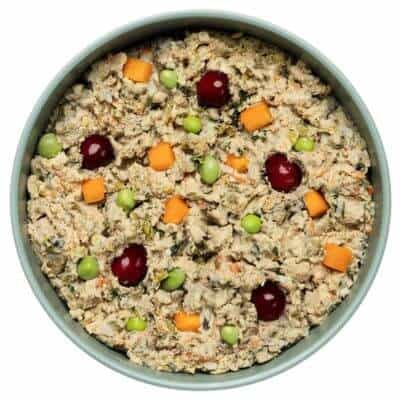
Ollie Fresh Dog Food
Who It’s For: Ideal for toy breed dog owners seeking the most nutritious and tasty diet tailored to the needs of toy breed dogs.
Why we recommended it:Ollie Dog Food Recipes uses USDA-approved proteins and human-grade ingredients without artificial flavors, by-products, or harmful fillers. Its meals are gently cooked at low temperatures to preserve nutrients and flavor. Each recipe is vet-formulated to ensure balanced, science-led nutrition for all life stages. Ollie delivers fresh, homemade-like, pre-portioned meals directly to your door. The meals are shipped in insulated boxes with ice packs to maintain freshness. Ollie is easier for dogs to digest than processed kibble due to its fresh, natural ingredients. Its soft texture makes it particularly suitable for toy breed dogs’ teeth or picky eaters.
What sets it apart from competitors: The brand offers personalized meal plans based on your dog’s age, size, weight, breed, and activity level, ensuring optimal nutrition. It also provides flexible pricing, allowing owners to choose from options such as full-fresh, mixed-bowl, or half-fresh plans.
Get 50% OFF your first order with Canine Bible’s link.
Why we recommended it:Open Farm features a protein-rich diet with 90% humanely raised chicken and turkey, complemented by nutrient-dense ancient grains like quinoa, barley, and brown rice. The inclusion of superfoods such as sweet potatoes, pumpkin, coconut oil, turmeric, and pumpkin enhances its nutritional profile. Moreover, the food contains DHA for cognitive health, a balance of omega-3 and omega-6 fatty acids, and added taurine for heart health. The absence of peas, potatoes, and legumes caters to dogs with specific dietary sensitivities.
What sets it apart from competitors: The smaller kibble size is specifically designed to meet the dental needs and eating habits of toy breed dogs, promoting easier digestion and nutrient absorption. Open Farm’s commitment to ethical sourcing, sustainable practices, and transparency ensures that all ingredients are traceable and responsibly obtained.
Who It’s For: Great for toy breeds who turn their noses up at dry kibble. Wet dog food is highly palatable due to its rich aroma, texture, and flavor, making it an appealing option for dogs.
Why we recommended it:Royal Canin Small Adult Wet Dog Food is ideal for toy breed dogs with high energy needs, sensitive stomachs, or those who prefer a softer texture. This formulation addresses multiple aspects of small-breed health. The food comes in easy-to-open pouches with a chunks-in-gravy texture that appeals to small dogs’ preferences. Its adapted energy content helps promote weight management, which is crucial for toy breeds prone to obesity. The inclusion of highly digestible proteins supports digestive health, while omega-3 fatty acids (EPA and DHA) promote healthy skin and coat.
What sets it apart from competitors: The product offers versatility in feeding options. It can be served alone as a complete meal or used as a topper mixed with other dry food options, catering to dogs who enjoy variety. It supports a dog’s digestive health, encourages a balanced intestinal flora, and helps promote optimal dog stool quality.
Who It’s For: Specifically formulated for toy breed dogs aged seven years and older. It’s ideal for pet owners seeking to support the health of their aging small dogs.
Why we recommended it:Hill’s Science Diet Small & Mini, Senior Adult is a scientifically formulated blend of nutrients designed to address the specific needs of aging toy breed dogs. The food contains a proprietary mix of ingredients that support brain function, interaction, energy, and vitality in older dogs. It also includes balanced minerals to promote heart, kidney, and bladder health, which are common concerns in senior dogs. High-quality protein helps maintain lean muscle mass, while omega-6 fatty acids and vitamin E support healthy skin and a luxurious coat.
What sets it apart from competitors: It features a special blend of prebiotic fibers and antioxidants to support digestion, the immune system, and organ health. This formula has easy-to-digest ingredients that are gentle on older dogs’ stomachs.
Best Dog Food For Toy Breed Puppies
4.7
★★★★★
Blue Buffalo Baby BLUE
Who It’s For: Crafted for toy breed puppies, providing the essential nutrients to support their rapid growth and high energy needs during this critical developmental stage.
Why we recommended it:Blue Buffalo Baby BLUE Natural Small Breed Puppy starts with real chicken as the primary ingredient, ensuring high-quality protein to promote healthy muscle development. It includes DHA and ARA, important fatty acids found in mother’s milk, to support cognitive function and retinal health. The inclusion of wholesome grains, such as oatmeal and brown rice, provides energy for growth and play, while antioxidant-rich LifeSource Bits support immune system health.
What sets it apart from competitors: Blue Buffalo’s commitment to natural ingredients means this recipe contains no chicken or poultry by-product meals and excludes corn, wheat, and soy. The specialized LifeSource Bits, a proprietary blend of antioxidants, vitamins, and minerals, are cold-formed to retain potency, supporting immune health and oxidative balance.
Who It’s For: Tailored for toy breed dogs with food sensitivities, allergies, skin and itching, particularly those requiring a novel protein source to alleviate adverse reactions.
Why we recommended it:JustFoodForDogs Venison & Squash Recipe uses venison from New Zealand as a single novel protein source, which is less commonly found in commercial dog foods, reducing the likelihood of triggering allergies or sensitivities. The inclusion of squash provides dietary fiber that supports digestive health, making it gentle on sensitive stomachs. The recipe is grain-free and preservative-free, which further reduces the risk of allergic reactions. Additionally, the food is hand-prepared in open kitchens, ensuring transparency in the production process.
What sets it apart from competitors: The moisture content is high at 80-82%, which can aid in hydration and digestion. It’s gluten-free and contains no artificial additives or growth hormones. The inclusion of Icelandic-sourced omega-3 fish oil supports healthy skin and coat, which is particularly beneficial for dogs with allergies.
Best Food For Toy Breed Dogs With Sensitive Stomachs
Why we recommended it:Blue Buffalo Basics Limited Ingredient focuses on limited ingredients and easily digestible components. This recipe starts with real turkey as the primary protein source, ensuring high-quality nutrition. It includes easily digestible carbohydrates, such as potatoes and pumpkin, which support gentle digestion. Additionally, omega-3 and omega-6 fatty acids promote healthy skin and a shiny coat, addressing common issues in dogs with sensitivities.
What sets it apart from competitors: It contains ingredients like pea fiber, flaxseed, and dried chicory root. These are prebiotic fibers that promote the growth of beneficial gut bacteria, supporting a balanced intestinal flora, improving stool quality, and improving digestion.
Who It’s For: Suited for toy breed dogs who have difficulty chewing kibble due to dental issues, require a softer diet, are picky eaters, have digestive sensitivities, or need a nutrient-dense diet.
Why we recommended it:The Honest Kitchen Dehydrated Whole Grain Beef Recipe offers a soft-texture, homemade-style diet that’s gentle on sensitive teeth and digestive system when rehydrated with warm water. Additionally, the use of whole grains, such as organic oats and barley, provides easily digestible carbohydrates that don’t require extensive chewing or digestion. Pet owners often praise the food’s palatability, noting increased enthusiasm at mealtime even from picky eaters. The Honest Kitchen emphasizes human-grade standards, producing its food using only human-grade ingredients and human-grade facilities.
What sets it apart from competitors: The gentle dehydration process preserves more nutrients and flavor than traditional kibble, promoting overall health. Dehydrated dog food is lightweight and easy to store and transport, making it ideal for pet owners who want the convenience of feeding their dog nutritious, human-grade meals anytime, anywhere.
Get 50% OFF with code 50CANINE (or 40CANINE for orders under $30)—Use thislink to get started.
Best Grain-Free Food For Toy Breed Dogs
4.6
★★★★★
The Honest Kitchen
Who It’s For: Designed for toy breed dogs, particularly those requiring a grain-free diet or with sensitivities to grains.
Why we recommended it:The Honest Kitchen Whole Food Clusters Small Breed Grain Free uses human-grade ingredients and a unique production process. The food is cold-pressed, slow-roasted, and dehydrated to maintain the taste and nutrition of whole foods. This method preserves nutrients while creating a crunchy texture that appeals to many dogs. The use of real, recognizable ingredients, such as cage-free chicken, vegetables, salmon oil, and probiotics, makes it a wholesome option for pet owners seeking a more natural diet for their dogs.
What sets it apart from competitors: Grain-free, formulated without corn, wheat, soy, GMOs, or artificial preservatives, catering to dogs with grain sensitivities. Its formulas are processed in a human food facility, ensuring a higher standard of quality.
Get 50% OFF with code 50CANINE (or 40CANINE for orders under $30)—Use thislink to get started.
Why we recommended it:Ketona Chicken Recipe Adult Dry Dog Food may help dogs prone to seizures, particularly breeds with epilepsy or other neurological conditions. This food is also suitable for overweight dogs or those needing a low-carbohydrate diet. Its unique low-carb, high-protein formulation mimics a ketogenic diet, which has shown potential benefits in reducing seizure frequency in both humans and dogs. Many pet parents’ Amazon reviews report their dog’s seizures have disappeared after switching to this diet.
What sets it apart from competitors: A significantly lower carbohydrate content, less than 5%, compared to most commercial dry dog foods, combined with a high protein percentage. This composition aims to promote a state of nutritional ketosis, which some studies suggest may have neuroprotective effects and could potentially reduce seizure activity.
Best Freeze-Dried Food For Toy Breed Dogs
4.6
★★★★★
Raw Lil’ Bites Itty Bitty
Who It’s For: This food is ideal for pet owners seeking a high-quality, raw diet option in a convenient freeze-dried format.
Why we recommended it:Stella & Chewy’s Freeze-Dried Raw Lil’ Bites Itty Bitty offers a nutrient-dense formula that closely mimics a dog’s ancestral diet and is tailored to meet toy breeds’ unique nutritional needs. The freeze-drying process preserves the nutritional integrity of raw ingredients without artificial preservatives. This formula boasts a high protein content, with 95% of the recipe comprising grass-fed beef, nutrient-rich organs, and bone. The inclusion of organic fruits and vegetables, such as cranberries, spinach, and blueberries, provides essential vitamins and minerals. Additionally, the addition of probiotics supports digestion and gut health, promoting overall well-being.
What sets it apart from competitors: Focus on toy breed-specific nutrition, with bite-sized pieces perfect for tiny mouths. The limited-ingredient recipe, featuring single-source animal protein, is beneficial for dogs with food sensitivities or allergies. Moreover, the product is free from grains, gluten, corn, soy, eggs, artificial preservatives, or colorings.
Why we recommended it:Bully Max Pro 2X High Calorie & High Protein Dry Dog Food provides a high-calorie density (600 calories per cup) and balanced nutrition, which allows dogs to gain weight effectively without overfeeding. The formula includes 31% protein and 25% fat, providing the necessary nutrients for muscle development and sustained energy. Its inclusion of omega fatty acids supports skin and coat health, while probiotics aid digestion, ensuring the food is well-tolerated even by sensitive stomachs. It’s also suitable for active toy breed dogs with high energy demands or breeds prone to being underweight due to fast metabolisms. The product’s versatility makes it suitable for all breeds and life stages, including pregnant or nursing dogs.
What sets it apart from competitors: Unparalleled caloric density, allowing pet owners to feed smaller portions while achieving noticeable weight gain. Unlike many high-calorie dog foods, it avoids fillers like corn, wheat, and soy, relying instead on premium ingredients that enhance digestibility and reduce bloating.
Best Air-Dried Food For Toy Breed Dogs
4.6
★★★★★
Redbarn Small Breed
Who It’s For: Ideal for pet owners seeking a high-quality, nutrient-dense option that is healthier than traditional kibble.
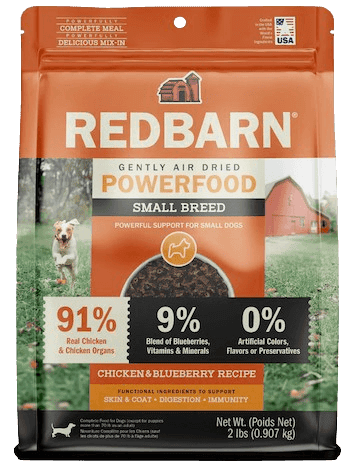
Why we recommended it:Redbarn Small Breed Air Dried Dog Food delivers a high-protein diet, with 91% of the formula comprising real chicken, chicken hearts, and chicken livers. The inclusion of blueberries, salmon oil, and flaxseed enriches the diet with antioxidants, omega fatty acids, and essential vitamins and minerals, supporting immune health, skin and coat condition, and overall vitality. The air-drying process helps retain more natural nutrition than high-heat cooking methods while creating a crunchy texture that appeals to many dogs. Additionally, the food is grain-free and non-GMO, catering to dogs with sensitivities or owners seeking a more natural diet for their pets.
What sets it apart from competitors: The recipe includes high-fiber ingredients and a postbiotic to promote healthy digestion, which is particularly beneficial for toy breeds prone to gastrointestinal issues. The small kibble size is perfect for tiny mouths, making it easier for breeds to chew and digest.
How to Transition Your Toy Breed to a New Diet
Toy breeds can be sensitive to sudden food changes, so switching slowly helps reduce vomiting, loose stool, gas, and picky eating. Use the table below as a simple 7–10 day guide, and slow down if your dog has a sensitive stomach or is switching to a very different formula.
Transition Stage
Old Food
New Food
What to Watch
Days 1–2
75%
25%
Check appetite, stool, gas, and vomiting.
Days 3–4
50%
50%
Keep meals measured; toy breeds gain weight easily.
Days 5–6
25%
75%
Slow down if stools become loose or appetite drops.
Day 7+
0%
100%
Continue monitoring weight, energy, and digestion.
Sensitive dogs
Reduce gradually
Increase slowly
Stretch the switch over 10–14 days if needed.
Picky toy breeds
Mix evenly
Add in small amounts
Avoid too many toppers that add calories.
Puppies or seniors
Do not rush
Use life-stage food
Ask your vet if your dog is fragile or underweight.
Medical concerns
Follow vet plan
Use prescribed diet
Transition only as your veterinarian recommends.
Monitoring Your Toy Breed Dog’s Progress on a New Diet
After switching foods, watch your toy breed’s appetite, stool quality, vomiting, gas, energy level, and overall comfort. Mild stool changes can happen during a transition, but ongoing diarrhea, repeated vomiting, refusal to eat, or unusual tiredness mean the diet may not be a good fit or the transition may be moving too quickly.
Because toy breeds are small, even minor weight changes can matter. Weigh your dog regularly, keep portions measured, and watch for signs the new food is helping, such as steadier energy, better stool quality, healthy skin and coat, and improved mealtime interest.
Toy breed dogs with medical concerns—such as pancreatitis, kidney disease, diabetes, dental disease, allergies, or chronic digestive issues—should be monitored with veterinary guidance. Your vet may recommend a slower transition, a therapeutic diet, or follow-up checks to make sure the new food is supporting your dog safely.
Frequently Asked Questions
The healthiest food for toy breeds is a complete and balanced formula made for toy, mini, or small breeds. Look for small kibble, high-quality animal protein, controlled calories, digestible ingredients, and an AAFCO statement for your dog’s life stage.
Many toy breeds do best on toy- or small-breed formulas because the kibble is easier to chew and the nutrition is designed for smaller portions. These foods can also help owners avoid overfeeding while still meeting daily nutrient needs.
Yes, dry food can be a good choice if the kibble is small enough and the formula is complete and balanced. Crunchy kibble may also support dental care, but it should not replace brushing, dental chews, or vet dental cleanings.
Toy breed puppies need puppy food made for growth, ideally in a toy- or small-breed formula. Choose a calorie-appropriate food with small kibble, quality protein, and balanced nutrients, and feed small, regular meals to support steady energy.
For toy breeds with suspected allergies, limited-ingredient diets, novel-protein formulas, or veterinary hydrolyzed diets may help. A vet-guided food trial is the best way to identify whether food is truly causing itching, ear issues, or digestive symptoms.
Most toy breeds benefit from dog food with a named animal protein such as chicken, turkey, salmon, lamb, beef, or egg. The key is not just “meat,” but a digestible, complete formula that provides balanced nutrition.
Royal Canin and Hill’s both make small-breed and puppy formulas that may suit toy breeds, depending on your dog’s age, size, health needs, and preferences. The best choice is the one that matches your dog’s life stage, is complete and balanced, and agrees with their digestion.
Toy breeds often need smaller kibble, carefully measured portions, calorie-dense nutrition, and regular meals. Because they are small, even slight overfeeding can lead to weight gain quickly.
The Bottom Line
Choosing the best dog food for toy breeds comes down to finding a formula that fits their tiny size, fast metabolism, and everyday health needs. Look for complete and balanced toy- or small-breed food with small kibble, quality protein, digestible ingredients, and calories that are easy to measure accurately. Because toy breeds can gain weight quickly and may be sensitive to sudden diet changes, portion control and a slow transition are just as important as the food itself. If your dog has allergies, dental disease, digestive issues, or other medical concerns, work with your veterinarian to choose the safest option. With the right diet and consistent monitoring, your toy breed can enjoy steady energy, healthy weight, better digestion, and long-term wellness.
If you’re looking for a diet made with real, high-quality ingredients, switch to fresh dog food today and see the difference in your dog’s energy, coat health, and overall well-being. Or, if you want to fuel your toy breed dog’s natural instincts with a biologically appropriate raw diet, discover the best raw dog food brands and start feeding raw today!
Like It? Subscribe & Share!
Sources
Canine Bible uses only high-quality sources, including peer-reviewed studies, to support the facts within our articles. Read our editorial process and product review methodology to learn more about how we fact-check, test products, and keep our content accurate, reliable, and trustworthy.
Canine Bible authorship represents the unified voice of our entire editorial team and our in-house veterinarians rather than a single author. Each article, blog post, and review published under the Canine Bible name undergoes a rigorous review process, involving all team members to guarantee accuracy and up-to-date in accordance with the latest veterinarian research. This collaborative effort is an integral part of our editorial process and aligns with our four pillars of content creation. This approach ensures our content is backed by expert knowledge and factual information, offering our readers reliable, actionable, and trustworthy content.