A high triglyceride reading can feel like a tiny lab number—until you realize it may point to bigger problems brewing in your dog’s body. For many dogs, elevated triglycerides are linked to diet, weight, pancreatitis risk, endocrine issues, or how well they process fat, which makes food choices more than just a preference. Choosing the best dog foods for high triglycerides can help support healthier fat levels, reduce unnecessary strain on the digestive system, and give your dog a better shot at steady energy and long-term comfort. The right diet is usually lower in fat, thoughtfully balanced, and tailored to your dog’s needs—not just whatever bag has the flashiest “healthy” label. For owners, that means learning which ingredients help, which ones can make things worse, and when a prescription or vet-guided diet may be the smarter move. In this guide, we’ll reveal the key nutrition strategies, ingredient tips, and food-selection criteria to help you choose a safer, smarter diet for dogs with high triglycerides.
Can Diet Help With High Triglycerides in Dogs?
Diet cannot always “cure” high triglycerides in dogs, but it can play a major role in helping manage fat levels and reducing stress on the body. The right food may help support a healthier weight, improve fat digestion, lower unnecessary dietary fat, and reduce the risk of flare-ups in dogs prone to issues like pancreatitis. Many dogs with high triglycerides do best on a lower-fat, highly digestible diet with controlled calories, quality protein, and limited fatty treats or table scraps. This is especially important for overweight dogs, dogs with a history of pancreatitis, or dogs with conditions such as diabetes, Cushing’s disease, or hypothyroidism that may contribute to abnormal blood lipid levels. Because triglyceride problems can have several underlying causes, diet changes should be made with a veterinarian’s guidance and monitored through follow-up bloodwork. Supplements, homemade diets, raw foods, or major ingredient changes can be risky if they are not properly balanced or if they add too much fat.
Latest Research on High Triglycerides in a Dog’s Diet
According to the latest research, high triglycerides in dogs are usually managed first with diet. Research focuses on fat content, omega‑3s (fish oil), and sometimes carbohydrate/starch sources.
📄Research Update — Low-Fat Diets
Low-Fat Diets Can Help Lower Triglycerides in Affected Dogs
Research in Miniature Schnauzers with hypertriglyceridemia found that a low-fat diet can influence serum triglyceride and cholesterol concentrations. For dogs with high triglycerides, this supports choosing foods with controlled fat levels rather than high-fat formulas or fatty extras.[1]
📊Clinical Focus — Ultra-Low-Fat Feeding
Some Dogs May Need Stricter Fat Control Than Others
Follow-up research on Miniature Schnauzers with idiopathic hyperlipidemia evaluated changes before and after feeding an ultra-low-fat diet. This highlights why dogs with persistent or severe triglyceride elevations may need a veterinarian-guided therapeutic diet, not just a standard “healthy weight” food.[2]
⚠️Owner Myth Check — Fish Oil & Supplements
Omega-3s May Help, But They Are Not a Free Pass for Extra Fat
A preliminary study in hyperlipidemic Schnauzers found that omega-3 supplementation and dietary factors can influence cholesterol and triglyceride levels. However, fish oil still adds fat and calories, so supplements should be used with veterinary guidance, especially in dogs prone to pancreatitis or severe hypertriglyceridemia.[3]
Key Facts, Studies & Numbers Owners Should Know
Low-fat diets matter: Commercial low-fat diets significantly lowered triglycerides and cholesterol and improved lipoprotein profiles in Miniature Schnauzers with hypertriglyceridemia.[4]
Ultra-low-fat may be needed: Some dogs with primary hyperlipidemia may need ultra-low-fat or home-made ultra-low-fat diets, such as lean meat and rice, with snacks kept very low in fat.[5]
Weight control can improve lipids: In obese dogs, low-calorie, low-fat, high-fiber diets reduced triglycerides and other lipids within 30 days.[4]
Omega-3s can support triglyceride control: Fish oil sources rich in EPA/DHA helped reduce triglycerides and cholesterol, especially when combined with a low-fat, higher-fiber, lower-calorie diet.[6]
Carbohydrate sources may affect results: In diabetic dogs, diets using peas and barley as the main starch sources produced lower fasting and post-meal triglycerides and cholesterol than maize-based or higher-fat diets.[7]
Diet is not always enough: Some dogs, especially those with severe or genetic hypertriglyceridemia, may not fully normalize on diet alone and may need medication such as fenofibrate plus continued low-fat feeding under veterinary guidance.[1][5][8][9]
Ingredients That Help & Potential Risks
Diet Factor
Potential Benefit
Food Sources
Risks & Considerations
Low-fat diet
Helps lower fat intake and support better triglyceride control.
Low-fat prescription diets or low-fat weight-control foods.
Best chosen with a vet, especially for severe cases.
Ultra-low-fat diet
May help dogs with persistent or genetic hypertriglyceridemia.
Therapeutic ultra-low-fat diets or lean meat-and-rice plans.
Home-cooked diets must be vet-formulated and balanced.
Lean protein
Maintains muscle without adding excess dietary fat.
Skinless chicken, turkey, lean white fish, egg whites.
Avoid fatty meats, poultry skin, gravy, and greasy toppers.
Omega-3 fatty acids
May help improve triglyceride and cholesterol levels.
Vet-approved fish oil or EPA/DHA supplements.
Adds fat and calories; dose only with vet guidance.
Fiber
Supports fullness, weight loss, and lipid management.
Carrots, green beans, low-fat vet treats, small apple pieces.
Avoid cheese, bacon, fatty chews, scraps, and rich leftovers.
Remember to ALWAYS consult with your vet before making any changes that could affect your dog’s health, nutrition, or well-being. If you can’t reach your vet, you can chat live with a registered online veterinary professional via our online vet chat or video chat support(24 hours a day, 7 days a week). Or use Chewy’s online vet services(6 a.m. – midnight ET). Additionally, at-home dog gut health tests can analyze your dog’s microbiome, offering insights into which nutrients their diet should include. Similarly, at-home dog allergy testing kits can identify ingredients that may not be suitable for your dog, enabling you to choose the right diet and care plan to support optimal digestion, nutrition, and health.
Best Dog Foods for High Triglycerides
Here are the best dog foods for high triglycerides of this year.
Best Overall Dog Food for High Triglycerides
4.9
★★★★★
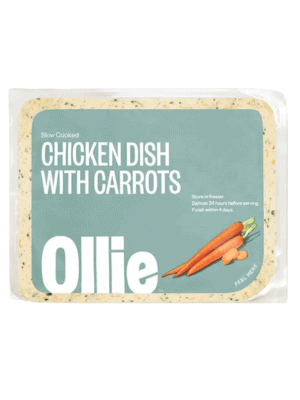
Ollie Chicken Dish With Carrots
Who It’s For: Ideal for dogs who want the highest quality ingredients, palatability, and the most nutritious low-fat formula for dogs.
Why we recommended it:Ollie Chicken Dish With Carrots recipe uses human-grade ingredients, minimal processing, and vet-formulated recipes. Unlike many low-fat kibbles that rely on fillers or artificial additives, this fresh food uses whole ingredients like chicken, chicken livers, carrots, and spinach to deliver essential nutrients without empty calories. It’s naturally lower in calories and fat compared to most commercial dog foods, yet rich in protein to help maintain lean muscle mass during weight loss. The pre-portioned delivery and personalized model also make calorie control easy—no need to second-guess serving sizes.
What sets it apart from competitors: Ollie’s meals are gently cooked and delivered fresh, preserving more nutrients, bioavailability, and flavor than regular kibble. Its lower calorie content compared to other Ollie recipes makes it especially helpful for weight management.
Get 50% OFF your first order with Canine Bible’s link.
Why we recommended it:Open Farm’s Healthy Weight recipe combines lean proteins with a low-fat, high-fiber profile that supports healthy digestion and satiety, important for fat management. Unlike many standard “diet” kibbles, it avoids empty fillers and instead relies on nutrient-dense ingredients, such as pumpkin, coconut oil, and legumes, to provide balanced energy. It includes L-carnitine, which aids fat metabolism, while prebiotic fiber and fructooligosaccharides promote digestive health and beneficial gut bacteria. We love the brand’s commitment to transparency, ethical sourcing, and sustainability.
What sets it apart from competitors: Every ingredient is 100% traceable to its geographic origin, and the brand uses humanely raised, G.A.P.-certified chicken and Ocean Wise-recommended wild-caught whitefish. It also avoids rendered meat meals, artificial preservatives, and fillers, focusing instead on whole, non-GMO ingredients. The company’s environmental efforts, such as recyclable packaging through Terracycle, further distinguish it from other brands.
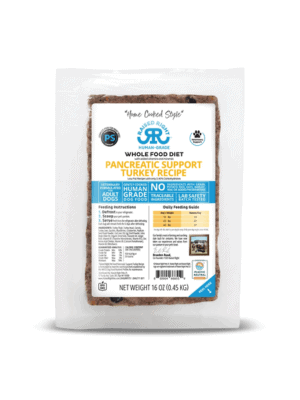
Why we recommended it:Raised Right meets the strict dietary needs of dogs diagnosed with pancreatitis without sacrificing ingredient quality. With exceptionally low fat levels and simple, clean ingredients, it helps minimize pancreatic flare-ups while providing complete and balanced nutrition formulated by veterinarians. The recipes are lab-tested for safety and nutritional adequacy, meeting AAFCO standards for adult maintenance. Raised Right’s commitment to ingredient transparency, batch testing, and omission of unnecessary fillers and preservatives sets a high bar for quality and safety. Both the beef and turkey pancreatic support recipes contain fat levels as low as 3 to 7% (as-fed) and carbohydrates of 2 to 4% (as-fed), making them well-suited for dogs with pancreatitis.
What sets it apart from competitors: Raised Right uses whole, human-grade ingredients (USDA-certified meats and organic vegetables) you can recognize—no rendered meals, preservatives, or fillers. It’s lightly cooked, rather than extruded, which retains more nutrients and makes it easier for sensitive digestive systems to process.
Best Prescription Dog Food for High Triglycerides
4.6
★★★★★
Hill’s Prescription Diet i/d
Who It’s For: Dogs needing a medically prescribed treatment for severe cases of hyperlipidemia, pancreatitis, morbid obesity, or other fat-responsive digestive disorders like protein-losing enteropathy.
Why we recommended it:Hill’s Prescription Diet i/d Low Fat Digestive Care is clinically proven to lower blood triglyceride levels, a key factor in managing pancreatitis and hyperlipidemia, a condition characterized by having abnormally high levels of lipids (fats) in the blood. Its low-fat profile reduces pancreatic strain while providing essential nutrients through highly digestible hydrolyzed chicken protein. The inclusion of ginger soothes the gastrointestinal tract, and omega-3 and omega-6 fatty acids promote skin and coat health, making it a holistic choice for sensitive dogs. The inclusion of ActivBiome+, a proprietary prebiotic blend, supports gut microbiome health, improving stool quality and nutrient absorption, which is critical for dogs with chronic digestive issues.
What sets it apart from competitors: S+OXSHIELD technology helps prevent kidney stones and urinary crystals, addressing common comorbidities in patients with pancreatic disease and obese dogs. It’s available in dry kibble, wet stew, and light gravy formulas to accommodate dogs with dental issues or texture sensitivities.
Best Food for Dogs With High Triglycerides & Sensitive Stomachs
4.6
★★★★★
SquarePet VFS Low Fat Formula
Who It’s For: Adult dogs that need a low-fat diet and are also prone to digestive issues such as vomiting, loose stools, food intolerances, or other gastrointestinal problems.
Why we recommended it:SquarePet’s VFS Digestive Support formula is one of the few dry dog foods that effectively combines a low-fat diet profile with digestive health support. It’s crafted with wild-caught whitefish, a lean protein that’s gentle on digestion. The inclusion of a proprietary GI Health blend, which includes prebiotics and dietary fiber, supports gut microbiome balance. Meanwhile, Omega-3 fatty acids (DHA and EPA) reduce inflammation and improve skin and coat health. Veterinarian-formulated and free from artificial additives, it’s crafted for dogs needing a low-fat diet and digestive reassurance. Owners report fewer episodes of vomiting or diarrhea, even in dogs with chronic gastrointestinal issues.
What sets it apart from competitors: SquarePet’s formula prioritizes sustainable, MSC-certified fish and avoids poultry and beef allergens common in sensitive stomach diets. Its dual focus on low-fat nutrition and prebiotic support distinguishes it from competitors.
Best Dog Food for Senior Dogs with High Triglycerides
4.7
★★★★★
Dr. Tim’s Weight Management
Who It’s For: Senior dogs who are gaining too much fat (weight) due to decreased activity, slowed metabolism, or age-related hormonal shifts.
Why we recommended it:Dr. Tim’s Metabolite Formula is one of the few low-fat options that directly targets fat metabolism through a science-backed nutritional profile. It includes ingredients like L-carnitine to support energy conversion, and it’s carefully balanced with a higher protein-to-fat ratio to help older dogs maintain lean body mass. The recipe also features Omega-3 fatty acids, L-carnitine, and antioxidants, which are important for joint, brain, and fat metabolism, as well as reducing inflammation and supporting immune health in seniors. The inclusion of prebiotics (chicory root) and probiotics (Bacillus coagulans) promotes gut health, addressing common digestive concerns in seniors. Dr. Tim’s uses high-quality meat concentrates and functional fibers, including psyllium husk and beet pulp, to balance satiety and nutrient absorption.
What sets it apart from competitors: This formula actively supports metabolic function through patented ingredients, including DMG (dimethylglycine) and prebiotics, which promote gut health. The kibble is also designed to be easily digestible, which is crucial for older dogs with more sensitive systems.
Best Dog Food for Small Breeds With High Triglycerides
4.7
★★★★★
Eukanuba Fit Body Small Breed
Who It’s For: Designed for small breed adult dogs who are overweight, less active, or prone to weight gain and need support maintaining a healthy fat body level.
Why we recommended it:Eukanuba Fit Body Small Breed stands out for offering a low-fat formula with a high protein content that supports muscle retention while reducing fat. The kibble is specifically shaped for smaller mouths, making it easier to chew and digest. Additionally, it contains L-carnitine—a nutrient that aids in converting fat into energy, which is crucial for dogs that need to slim down without compromising their strength or stamina. It’s particularly beneficial for breeds like Dachshunds, Pomeranians, and Chihuahuas that gain weight easily and have faster metabolisms compared to larger breeds.
What sets it apart from competitors: It’s specifically calibrated for the metabolism and energy needs of small breeds. It also includes added DHA and antioxidants for brain and immune health. The addition of higher levels of glucosamine and chondroitin sulfate (over 50% more than the standard formula) provides enhanced joint support, which is particularly crucial for small breeds that carry extra weight.
Best Dog Food for Large Breeds With High Triglycerides
4.8
★★★★★
Purina Weight Management
Who It’s For: Tailored for large overweight dogs or at risk of weight gain due to age, reduced activity, or breed-related predispositions.
Why we recommended it:Purina Pro Plan’s Large Breed Weight Management formula strikes an effective balance between calorie control and optimal nutrition support for large breeds. Its well-balanced macronutrients help retain lean muscle while promoting fat loss, making it ideal for breeds like Labradors, Great Danes, and Mastiffs—dogs that are prone to obesity but still require robust joint support. The formula is also fortified with glucosamine and EPA, omega-3 fatty acids that support joint function, which is especially important for heavier dogs susceptible to hip and elbow issues. Antioxidants and live probiotics (600 million CFU/lb) are added to support gut health and immune function, critical for aging large breeds.
What sets it apart from competitors: Breed-specific focus tailored to meet the metabolic and structural demands of large breeds. Wheat bran and natural fiber sources aid digestion and help curb hunger, addressing the “always hungry” feedback often associated with diet foods.
Best Dog Food for Puppies With High Triglycerides
4.8
★★★★★
JustFoodForDogs Fish & Sweet Potato
Who It’s For: Lorem ipsum dolor sit amet, consectetur adipiscing elit. orem ipsum dolor sit amet, consectetur adipiscing elit.
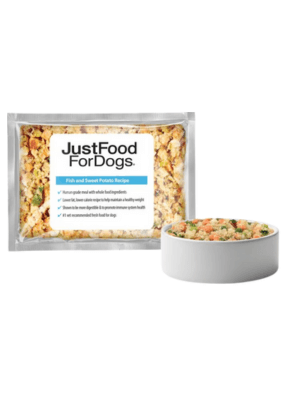
Why we recommended it:JustFoodForDogs’ Fish & Sweet Potato recipe is formulated to provide all essential nutrients growing puppies need, while maintaining a lean protein-to-fat ratio that supports weight management. It’s a vet-recommended option, carefully balanced to meet AAFCO nutrient profiles for puppy growth. The moisture-rich formula promotes hydration and helps dogs feel full on fewer calories—something most dry kibble options can’t offer for weight-conscious pups. The use of wild-caught white fish (cod, pollock, haddock) provides easily digestible protein and a rich supply of omega-3 fatty acids, which promote skin and coat health. High calcium and phosphorus levels meet the nutritional needs of growing puppies, supporting the development of strong bones and tissues.
What sets it apart from competitors: The recipe is hand-prepared in open kitchens using 100% human-grade ingredients and contains no additives, preservatives, or growth hormones, which appeals to owners seeking transparency and quality. We love its fresh, whole-food composition and that all the ingredients are visible in the food. This recipe is also ideal for adults.
Best Food for Dogs With High Triglycerides & Allergies
4.6
★★★★★
Addiction Wild Kangaroo & Apples – Dry Dog Food
Who It’s For: Designed for dogs with food allergies, skin sensitivities, or digestive issues who also need a low-fat diet.
Why we recommended it:Addiction’s Wild Kangaroo & Apples recipe is a rare find in the world of allergy-friendly diets that also support fat loss. With its low-fat content, high protein, and limited ingredients, it delivers clean, focused nutrition that doesn’t overload the digestive system. The formula is grain-free and enriched with antioxidant-rich fruits and vegetables, such as apples, spinach, and cranberries, to support immune and skin health. The use of wild kangaroo as the primary protein source sets this food apart. It’s ultra-lean and ethically sourced, and offers a hypoallergenic alternative to more common proteins like chicken or beef.
What sets it apart from competitors: The food is gently air-dried at low temperatures to retain more nutrients, which appeals to owners seeking a less processed dry food. Plus, kangaroo is naturally lean and rich in CLA (conjugated linoleic acid), which promotes healthy metabolism.
Best Wet Dog Food for High Triglycerides
4.7
★★★★★
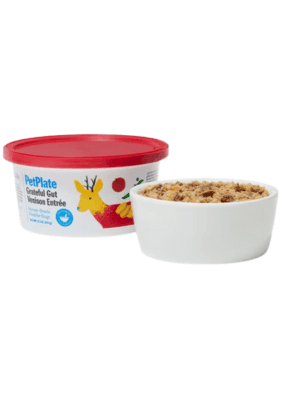
Petplate Lean & Mean Venison
Who It’s For: Ideal for overweight dogs who prefer soft-textured, human-grade foods and need additional hydration, or those with dental issues.
Why we recommended it:PetPlate’s Lean & Mean Venison offers a lean, high-protein profile that promotes fat loss while preserving lean muscle, crucial for healthy weight reduction. The wet, gently cooked format is more hydrating and palatable than dry food, which is a big plus for dogs with low water intake or those who tend to be finicky eaters. Portion-controlled containers make it easy for owners to serve exact calorie amounts without guesswork. This recipe utilizes USDA-inspected venison as its primary ingredient—a novel protein rarely found in mainstream dog foods, which reduces the risk of allergic reactions and makes it ideal for elimination diets. The inclusion of venison liver provides bioavailable vitamins, while apples, carrots, and sweet potatoes offer natural fiber and antioxidants to aid digestion.
What sets it apart from competitors: Prepared in USDA-approved kitchens with 100% human-grade ingredients, the recipe avoids artificial additives, fillers, and common allergens, such as soy and corn.
Best Grain-Free Dog Food for High Triglycerides
4.6
★★★★★
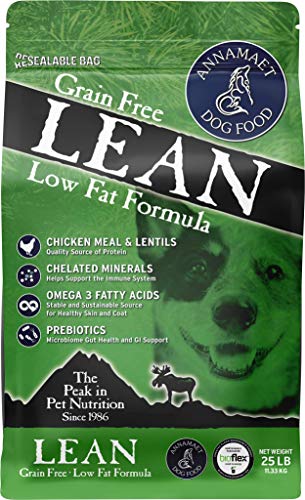
Annamaet Grain-Free Lean
Who It’s For: Designed for adult dogs with high triglycerides while avoiding grains, making it ideal for dogs with grain sensitivities or allergies.
Why we recommended it:Annamaet Grain-Free Lean Reduced Fat Formula features high protein content paired with L-carnitine to boost fat metabolism and maintain lean muscle. The inclusion of Omega-3 fatty acids from menhaden oil and algae-derived DHA supports skin, coat, and cognitive health, while chelated minerals enhance nutrient absorption. It also includes prebiotics and probiotics, such as chicory root and Lactobacillus acidophilus, which support gut-brain health. Their products are holistic and GMO-free, utilizing artisanal production methods that enable small batches and slow cooking.
What sets it apart from competitors: Made in the USA with human-grade ingredients and eco-friendly packaging made from Bio-Flex materials, specifically engineered to biodegrade in landfills, appealing to environmentally conscious buyers. Annamaet Pet Foods is a family-owned and operated company that has provided optimum nutrition to dogs and cats for over 30 years.
Best Fresh Low-Fat Dog Food for High Triglycerides
4.7
★★★★★
JustFoodForDogs Hepatic Support Low Fat
Who It’s For: Designed for dogs with liver disease, compromised liver function, or other hepatic-related health issues.
Why we recommended it:JustFoodForDogs Hepatic Support provides a fresh, minimally processed diet tailored specifically for dogs with liver conditions. It is formulated by veterinary nutritionists to offer the right balance of restricted copper levels, high-quality proteins, and controlled fat content, supporting liver health without overburdening a compromised system. The recipe uses wild-caught cod and eggs for controlled protein quality, paired with low-fat vegetables like zucchini and broccoli to reduce hepatic strain. Each batch is also lab-tested for safety and nutritional adequacy, and the company shares full transparency around its formulations—something rarely matched in the veterinary diet space.
What sets it apart from competitors: Unlike many veterinary prescription diets that are heavily processed, JustFoodForDogs Hepatic Support uses whole-food, restaurant-grade ingredients and prepares them fresh in open kitchens for better palatability and nutrient absorption.
Best Weight Management Dog Food for High Triglycerides
4.9
★★★★★
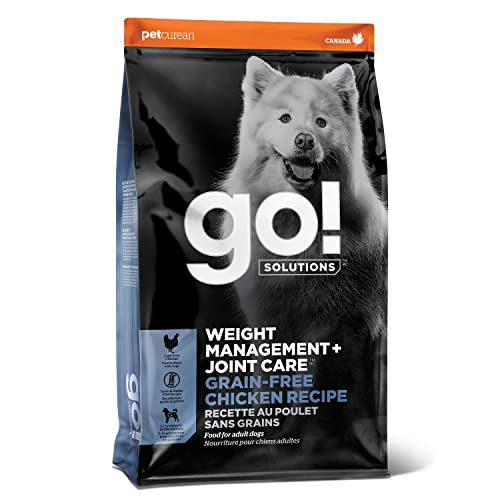
Go! Solutions Weight Management + Joint Care
Who It’s For: Ideal for dogs that need to lose fat while maintaining healthy joints, making it perfect for dogs with joint concerns such as hip dysplasia or arthritis.
Why we recommended it:Go! Solutions Weight Management + Joint Care is crafted with a high-quality blend of protein, fat, and fiber that helps dogs lose weight while preserving lean muscle mass. The recipe includes glucosamine and chondroitin, two key ingredients that support cartilage repair and joint health, improve mobility, and reduce inflammation in dogs that struggle with joint stiffness. The food also features omega fatty acids from salmon oil, which help maintain healthy skin and coat, while being gentle on the digestive system. Made with deboned chicken or salmon as the primary ingredient, even the pickiest eaters can’t resist it.
What sets it apart from competitors: Fiber-rich psyllium husk and chicory root, which promote satiety and help curb hunger between meals. Owners report dogs “stay full longer” and show improved mobility within weeks.
Other Dog Foods for High Triglycerides
Best affordable food for dogs with high triglycerides:Natural Balance Fat Dogs Chicken Meal, Salmon Meal & Barley is a budget-friendly option specifically formulated to help dogs lose fat while maintaining balanced nutrition. It combines high-quality chicken meal and salmon meal proteins with barley for sustained energy and fullness. Its lower calorie count and added fiber also help dogs feel fuller longer, which can help prevent overeating.
Best homemade-style dog food for high triglycerides:Raised Right Pork & Pumpkin Paté for Adult Dogs is crafted with whole foods and a short ingredient list that mirrors a home-cooked meal. This gently cooked paté uses human-grade pork and pumpkin, offering a digestible, high-moisture, low-fat option ideal for sensitive or picky eaters. It’s especially great for those who want homemade-style meals for their dog without the hassle of prepping food at home.
Best food topper for dogs with high triglycerides:Nulo Freestyle Wet Dog Food Topper adds a flavorful, low-fat boost to any kibble or diet plan. Made with high-quality proteins and limited carbohydrates, it supports muscle maintenance without adding unnecessary fat. Owners love how it encourages picky eaters to finish their meals and enhances hydration thanks to its high moisture content. Additionally, it’s free from artificial additives, making it a clean and nutritious choice for enhancing any meal.
Best fat management dog food for high triglycerides:Purina Pro Plan Weight Management Shredded Blend combines crunchy kibble with tender shredded pieces for a texture dogs love while delivering fewer calories per serving. This formula is enriched with probiotics to support digestive health and maintain high protein levels, which help maintain lean muscle mass during fat loss.
How to Transition Your Dog to a New Diet
Switching your dog to a new diet gradually gives the digestive system time to adjust and makes the change easier to tolerate. Start with a small amount of the new food, increase it over several days, and slow down if your dog develops loose stool, vomiting, appetite changes, or discomfort.
Transition Stage
What to Do
Why It Helps
Watch For
Days 1–2
Mix 25% new food with 75% current food.
Gives the gut time to adjust.
Loose stool, vomiting, or refusal to eat.
Days 3–4
Feed 50% new food and 50% current food.
Slowly increases the low-fat diet.
Changes in appetite, stool, or energy.
Days 5–6
Feed 75% new food and 25% current food.
Helps your dog move closer to the full plan.
Digestive upset or signs of discomfort.
Day 7+
Switch to 100% new food if tolerated.
Supports consistent fat and calorie control.
Monitor weight, stool, appetite, and treats.
Slower transition
Extend each stage if your dog is sensitive.
Reduces the risk of stomach upset.
Call your vet if symptoms persist or worsen.
Monitoring Your Dog’s Progress on a New Diet
After switching foods, track your dog’s appetite, stool quality, energy, weight, and any signs of digestive upset. Dogs with high triglycerides often need strict consistency, so avoid fatty treats, table scraps, cheese, bacon, rich leftovers, and high-fat chews that can undo the benefits of a low-fat diet.
Your veterinarian may recommend follow-up bloodwork to check triglycerides, cholesterol, and any related health conditions. This is especially important for dogs with pancreatitis risk, diabetes, Cushing’s disease, hypothyroidism, obesity, or suspected genetic hyperlipidemia.
Contact your vet if your dog refuses food, vomits, has ongoing diarrhea, seems painful, becomes lethargic, or loses weight too quickly. A diet that looks good on paper still needs to work for your dog’s body, bloodwork, and daily comfort.
Frequently Asked Questions
The best dog food for high triglycerides is usually a vet-recommended low-fat or ultra-low-fat diet that is complete, balanced, and appropriate for your dog’s weight and medical history. Some dogs may do well on a low-fat therapeutic food, while severe or persistent cases may need an ultra-low-fat plan or additional treatment.
High triglycerides can happen after a meal, but persistent fasting elevations may be linked to obesity, diabetes, hypothyroidism, Cushing’s disease, pancreatitis, liver or kidney issues, certain medications, high-fat diets, or inherited lipid disorders. Miniature Schnauzers, Shetland Sheepdogs, and Beagles may be more prone to primary hyperlipidemia.
Some dogs show no obvious signs, and high triglycerides are only found on bloodwork. When symptoms do appear, they may include vomiting, diarrhea, abdominal pain, reduced appetite, seizures, eye changes, fatty skin lumps, or signs related to pancreatitis or an underlying disease.
Dogs with high triglycerides should avoid fatty meats, cheese, bacon, sausage, fried foods, rich table scraps, high-fat chews, gravy, butter, and calorie-heavy treats. Even small fatty extras can interfere with a low-fat diet plan.
Fish oil rich in omega-3 fatty acids may help reduce triglyceride and cholesterol levels in some dogs, especially as an add-on to a low-fat diet. However, fish oil still adds fat and calories, so the dose should come from your veterinarian.
High triglycerides may be associated with pancreatitis risk, especially when levels are markedly elevated. Dogs with pancreatitis or pancreatitis risk are often managed with low-fat veterinary diets to help reduce digestive strain and recurrence risk.
Not necessarily. The priority is usually fat control, not simply removing grains or carbohydrates. Some dogs, especially diabetic dogs, may benefit from specific complex carbohydrate and fiber choices, but this should be matched to the dog’s full health picture.
Low triglycerides are usually less concerning than high triglycerides and are not the main diet target for most dogs. The bigger concern is persistent fasting elevation, especially when it is linked to pancreatitis risk, endocrine disease, obesity, or inherited lipid problems.
The Bottom Line
Choosing the best dog food for high triglycerides comes down to one main goal: consistent fat control with the right veterinary guidance. For many dogs, a low-fat or ultra-low-fat diet, measured portions, lean protein, smart fiber sources, and strict limits on fatty treats can make a meaningful difference. Some dogs may also benefit from vet-approved omega-3 support, weight management, or treatment for underlying conditions such as diabetes, hypothyroidism, Cushing’s disease, or pancreatitis risk. Because high triglycerides can vary from mild to severe, follow-up bloodwork is the best way to know whether the diet is working. With the right food plan and regular monitoring, you can help support your dog’s digestion, comfort, energy, and long-term health.
Like It? Subscribe & Share!
Sources
Canine Bible uses only high-quality sources, including peer-reviewed studies, to support the facts within our articles. Read our editorial process and product review methodology to learn more about how we fact-check, test products, and keep our content accurate, reliable, and trustworthy.
Canine Bible authorship represents the unified voice of our entire editorial team and our in-house veterinarians rather than a single author. Each article, blog post, and review published under the Canine Bible name undergoes a rigorous review process, involving all team members to guarantee accuracy and up-to-date in accordance with the latest veterinarian research. This collaborative effort is an integral part of our editorial process and aligns with our four pillars of content creation. This approach ensures our content is backed by expert knowledge and factual information, offering our readers reliable, actionable, and trustworthy content.