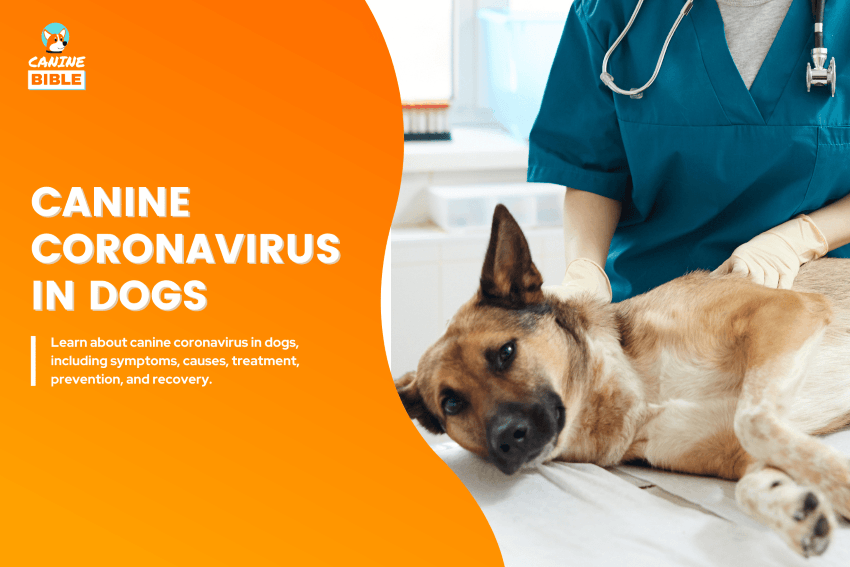
Canine Coronavirus in Dogs: Symptoms, Types, Causes, Signs & Prevention

Canine Bible is reader-supported. We receive affiliate commissions via some of our links. Learn more.
A comprehensive guide to canine coronavirus in dogs, including transmission, symptoms, risk factors, diagnostic testing, treatment, prevention, recovery and what pet parents should know when caring for an infected dog.
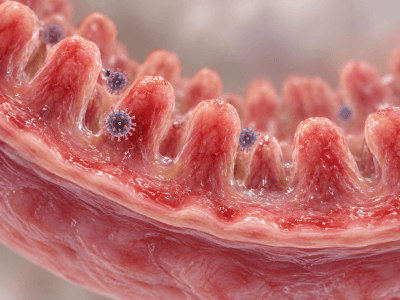
Canine Coronavirus at a Glance
Most common in
Puppies and dogs in kennels, shelters and other multi-dog environments.
Common signs
Diarrhea, vomiting, poor appetite, lethargy and dehydration.
Diagnosis
Physical exam, fecal PCR and testing for other intestinal diseases.
Treatment
Fluids, anti-nausea care, nutrition and supportive treatment.
Prognosis
Most uncomplicated infections improve with appropriate supportive care.
Transmission
Mainly fecal-oral through infected stool and contaminated environments.
What Is Canine Coronavirus in Dogs?
Canine coronavirus, more specifically canine enteric coronavirus (CCoV), is a contagious viral infection that primarily affects a dog’s intestinal tract. The virus spreads mainly through the fecal-oral route when a dog comes into contact with infected feces, contaminated surfaces, bowls, bedding or environments. It commonly causes diarrhea, vomiting, reduced appetite, lethargy and dehydration, although some infected dogs may show only mild signs or no obvious symptoms. Puppies and dogs living in kennels, shelters, breeding facilities or other crowded environments have greater exposure risk. Most uncomplicated cases improve with supportive veterinary care, but illness may become more serious in young puppies, severely dehydrated dogs or dogs infected with other intestinal pathogens such as canine parvovirus. Canine enteric coronavirus is different from SARS-CoV-2, the virus responsible for COVID-19 in people, and is also distinct from canine respiratory coronavirus.


Types
Dogs can develop different types of canine coronavirus, and each can affect the body in different ways. The most recognized form is canine enteric coronavirus (CCoV), which primarily affects the intestines and causes gastrointestinal symptoms such as diarrhea, vomiting, and reduced appetite. Within this group, there are Type I and Type II strains, as well as a rarer pantropic form that may spread beyond the intestines and cause more severe illness. There is also canine respiratory coronavirus (CRCoV), which affects the respiratory tract rather than the digestive system. Understanding these types can help pet parents recognize why symptoms, severity, and treatment needs may vary.
Canine Coronavirus Type I (CCoV-I)
An enteric coronavirus that infects the intestinal tract and is commonly associated with diarrhea, especially in puppies.
Canine Coronavirus Type IIa (CCoV-IIa)
A common enteric strain that primarily affects intestinal cells and may cause diarrhea, vomiting, poor appetite, and dehydration.
Canine Coronavirus Type IIb (CCoV-IIb)
A recombinant enteric form related to canine and feline coronaviruses that has been detected in dogs with gastrointestinal disease.
Pantropic Canine Coronavirus
A rare and more severe form that can spread beyond the intestines and affect multiple organs, potentially causing systemic illness.
Canine Respiratory Coronavirus (CRCoV)
A distinct coronavirus that affects the respiratory tract and is associated with canine infectious respiratory disease complex.


Predisposed Dog Breeds
Canine coronavirus can affect dogs of any breed, and there is no strong evidence that certain breeds are genetically predisposed. Instead, risk is influenced more by age, vaccination status, immune health, and living conditions, with puppies and dogs in shelters, kennels, breeding facilities, or other crowded environments more likely to be exposed.
| Risk Group | Dogs Most Affected | Notes on Risk Factors |
|---|---|---|
| Puppies | Puppies of any breed, particularly young dogs with immature immune systems | Young dogs may be more susceptible to gastrointestinal illness, dehydration, and complications from canine coronavirus. |
| Kennel & Shelter Dogs | Dogs of any breed housed in shelters, boarding kennels, rescues, or other group environments | Close contact, shared surfaces, and exposure to contaminated feces can increase the opportunity for viral transmission. |
| Breeding Facility Dogs | Adult dogs and puppies of any breed living in breeding facilities | Frequent contact between dogs and repeated environmental contamination can facilitate outbreaks within large groups. |
| Newly Introduced Dogs | Dogs recently adopted, transported, boarded, or introduced into multi-dog households | Changes in environment and exposure to unfamiliar dogs may increase contact with infected animals or contaminated areas. |
| Dogs With Coinfections | Dogs of any breed with parvovirus, intestinal parasites, or other gastrointestinal infections | Concurrent infections may worsen diarrhea, vomiting, dehydration, and overall illness severity. |
| Immunocompromised Dogs | Dogs of any breed with weakened immune defenses or serious underlying illness | Reduced immune function may make it more difficult to control infection and may increase the risk of complications. |
| All Breeds | No specific breed is known to have a strong genetic predisposition to canine coronavirus | Risk is influenced more by age, immune status, sanitation, exposure, and living conditions than by breed genetics. |
Causes
Canine coronavirus in dogs usually spreads through direct or indirect contact with infected feces rather than developing from genetic or lifestyle factors. Dogs can become infected by licking contaminated surfaces, sharing bowls or bedding, or spending time in kennels, shelters, breeding facilities, and other multi-dog environments. While any dog can be exposed, understanding how the virus spreads can help pet parents reduce risk through good hygiene, sanitation, isolation of infected dogs, and careful management of high-risk environments.
Fecal-Oral Transmission
Canine coronavirus spreads mainly when a dog ingests viral particles shed in the feces of an infected dog.
Contaminated Surfaces
Bowls, bedding, floors, toys, crates, and other contaminated objects can transfer the virus between dogs.
Close Contact With Infected Dogs
Dogs living or interacting closely with infected animals may encounter contaminated feces, surfaces, or shared environments.
Crowded Environments
Shelters, kennels, breeding facilities, and other multi-dog settings increase opportunities for exposure and transmission.
Poor Sanitation
Inadequate removal of feces and improper cleaning can allow contaminated areas to remain a source of infection.
Young Age
Puppies may be more vulnerable to gastrointestinal illness because their immune systems are still developing.
Coinfections
Canine coronavirus may occur alongside parvovirus, intestinal parasites, or other pathogens, which can make gastrointestinal illness more severe.
Symptoms
Canine coronavirus symptoms in dogs can vary depending on the type of coronavirus, the dog’s age, immune status, and whether other infections are present. Some cases are mild and may go unnoticed, while others become more obvious as gastrointestinal illness progresses. Common signs include diarrhea, vomiting, loss of appetite, lethargy, dehydration, and weight loss, especially in puppies or dogs with more severe infection. Because many of these symptoms can also be caused by parvovirus, parasites, dietary upset, or other intestinal diseases, any persistent or worsening signs should be evaluated by a veterinarian.
- Watery or soft diarrhea
- Vomiting
- Reduced appetite
- Lethargy or decreased activity
- Dehydration
- Abdominal discomfort
- Weakness
- Weight loss
- Dry or tacky gums
- Sunken eyes in severe dehydration
Canine coronavirus primarily affects the gastrointestinal tract and can lead to dehydration.
Stages & Progression of Canine Coronavirus in Dogs
Canine coronavirus in dogs usually follows a short-term clinical course rather than the long-term staging system used for cancer. The progression can vary depending on the dog’s age, immune status, hydration level, and whether other infections are present. In many cases, dogs move from early mild gastrointestinal signs to a more noticeable acute stage of diarrhea, vomiting, and dehydration, followed by gradual recovery with supportive care. Understanding how canine coronavirus progresses can help pet parents and veterinarians recognize worsening symptoms early, guide treatment decisions, and determine the level of monitoring and care a dog may need.
Exposure & Incubation
A dog is exposed to canine coronavirus through infected feces, contaminated surfaces, bowls, bedding, or shared environments. Visible symptoms may not appear immediately.
Early Symptoms
Soft stools or diarrhea, reduced appetite, mild vomiting, lethargy, and decreased activity may begin as intestinal infection becomes more noticeable.
Acute Gastrointestinal Illness
Diarrhea and vomiting may become more pronounced, increasing the risk of dehydration, weakness, electrolyte loss, and complications in puppies or dogs with coinfections.
Recovery
In uncomplicated cases, appetite, hydration, stool quality, energy, and activity gradually improve with appropriate supportive care and monitoring.
This chart is a simplified visual guide rather than a formal staging system. Canine coronavirus does not have standardized Stage I–IV classifications, and individual dogs may progress differently. Puppies, severely dehydrated dogs, and dogs with coinfections may experience a more serious or prolonged course and should be evaluated promptly by a veterinarian.
Top Ways to Prevent Canine Coronavirus in Dogs
Because canine coronavirus is a highly contagious intestinal infection, good hygiene and exposure control are essential. By promptly removing feces, disinfecting contaminated bowls, bedding, and surfaces, isolating infected dogs, and limiting exposure to crowded or high-risk environments, the risk of transmission can be reduced. Preventive veterinary care and careful monitoring of puppies and other vulnerable dogs can also help identify illness early and reduce the risk of complications.
| Prevention Strategy | Why It Helps | How to Do It |
|---|---|---|
| Remove Feces Promptly | Canine coronavirus spreads mainly through the fecal-oral route, so infected stool is an important source of transmission. | Pick up feces immediately, dispose of it safely, and prevent dogs from sniffing, licking, or contacting contaminated stool. |
| Clean & Disinfect Shared Areas | Contaminated floors, crates, bowls, bedding, and other surfaces can contribute to viral spread. | Clean organic debris first, then use an appropriate disinfectant on kennels, floors, bowls, toys, bedding, and commonly touched areas. |
| Isolate Infected Dogs | Separating sick dogs reduces the chance of exposing healthy dogs to contaminated feces and shared environments. | Keep infected dogs in a separate area and use dedicated bowls, bedding, cleaning supplies, and waste-disposal equipment. |
| Limit Exposure to Crowded Environments | Kennels, shelters, breeding facilities, and other high-density settings can increase opportunities for transmission. | Avoid unnecessary exposure to crowded dog environments, particularly for young puppies or dogs with weakened immunity. |
| Quarantine New Dogs | Newly introduced dogs may shed gastrointestinal pathogens before obvious symptoms are noticed. | Keep new arrivals separate initially, monitor their stool, appetite, and energy, and follow veterinary guidance when needed. |
| Wash Hands & Equipment | Good hygiene reduces indirect transfer of contaminated material between dogs and different areas of the home or facility. | Wash hands after handling stool or sick dogs and clean leashes, carriers, feeding equipment, and grooming tools regularly. |
| Discuss Vaccination With Your Vet | Canine coronavirus vaccines are considered non-core and may only be appropriate for certain dogs based on individual risk. | Ask your veterinarian whether coronavirus vaccination is relevant based on your dog’s age, health, lifestyle, and exposure risk. |
| Monitor for Early Symptoms | Early recognition of diarrhea, vomiting, and dehydration allows supportive care to begin before complications become more serious. | Watch for loose stools, vomiting, reduced appetite, lethargy, weakness, or signs of dehydration and contact your veterinarian if symptoms persist or worsen. |
Actionable Resources
If you want to prevent complications, support recovery, or manage digestive symptoms associated with canine coronavirus in your dog, here are some resources to explore under veterinary guidance.
How Is Canine Coronavirus in Dogs Diagnosed
Diagnosing canine coronavirus in dogs requires a comprehensive veterinary evaluation because diarrhea, vomiting, lethargy, and appetite loss can also occur with parvovirus, parasites, bacterial infections, and other gastrointestinal diseases. Key steps may include:
1. Physical Examination
Your veterinarian reviews your dog’s symptoms and medical history and checks hydration, temperature, abdominal comfort, appetite, energy level, and overall condition.
2. Fecal PCR Testing
A fecal sample may be tested with PCR to detect canine coronavirus genetic material and determine whether the virus is being shed in the intestinal tract.
3. Bloodwork & Electrolytes
Blood tests can help evaluate dehydration, electrolyte loss, blood cell changes, organ function, and the overall severity of illness in dogs with vomiting or diarrhea.
4. Rule Out Other Infections
Veterinarians may test for canine parvovirus, intestinal parasites, bacterial infections, or other gastrointestinal pathogens because these conditions can cause similar symptoms or occur as coinfections.
5. Imaging When Needed
Abdominal X-rays or ultrasound may be recommended when symptoms are severe, persistent, or unusual to rule out foreign bodies, intestinal obstruction, or other abdominal disorders.
6. Clinical Assessment & Monitoring
Test results are interpreted alongside symptoms because a positive coronavirus result does not always prove it is the only cause of diarrhea. Hydration, appetite, stool quality, and response to supportive treatment are monitored during recovery.
Early recognition is important because canine coronavirus can cause rapid fluid loss and dehydration, especially in puppies or dogs with other infections. Prompt supportive care can help manage symptoms, prevent complications, and support a smoother recovery.
Nutritional Support & Supplements
Proper nutrition can play an important supportive role for dogs with canine coronavirus by helping maintain hydration, energy, digestive function, and overall recovery during illness. Depending on your dog’s needs, veterinarians may recommend strategies such as highly digestible meals, electrolyte support, probiotics, prebiotic fiber, and appropriate fluid replacement. Nutritional care should be tailored to symptom severity, particularly when vomiting, diarrhea, poor appetite, or dehydration are present.
Important: Nutrition and supplements do not cure canine coronavirus.
Dogs with persistent vomiting, diarrhea, weakness, or dehydration may require veterinary
fluid therapy and medical treatment.
Always discuss supplements, electrolyte products, and dietary changes with your veterinarian,
especially for puppies or severely ill dogs.
Supportive care—such as fluid therapy, nutritional support, rest, and gastrointestinal management—plays a crucial role in helping dogs recover from canine coronavirus and preventing dehydration or weakness. These measures do not directly eliminate the virus, and some supplements or home remedies may be inappropriate or interact with medications, so any diet change, supplement, or treatment plan should be reviewed with your veterinarian.
Over-the-Counter Products
Over-the-counter treatments and supplements mentioned in this article for coronavirus in dogs can be found on Amazon and Chewy.
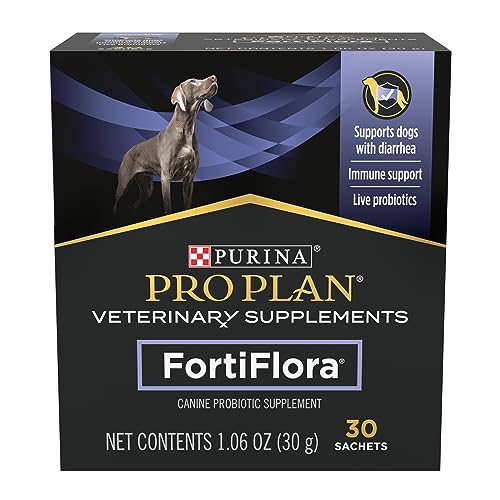


Always consult your veterinarian before starting any new treatment, medication, or home-care regimen for canine coronavirus. Puppies and dogs with persistent vomiting, diarrhea, weakness, or dehydration may require prompt veterinary care. If you can’t reach your vet, you can chat live with a registered online veterinary professional via our online vet chat or video chat support (24 hours a day, 7 days a week). Or use Chewy’s online vet services (6 a.m. – midnight ET).
Treatment & Care
According to current veterinary research, the most effective treatment for canine coronavirus in dogs is supportive care, focused on managing symptoms and preventing dehydration while the infection runs its course. This may include fluid and electrolyte therapy to replace losses from diarrhea or vomiting, anti-nausea medications to control vomiting, digestive support and nutritional management to help maintain energy and gut health, and monitoring for complications or coinfections such as parvovirus or bacterial illness. Severe cases—especially in puppies or dogs with dehydration—may require hospitalization and closer veterinary supervision.
Medications
Common medications used to treat coronavirus in dogs include:
| Medication / Treatment Class | Examples | How It Is Used | Important Considerations |
|---|---|---|---|
| Fluid & Electrolyte Therapy | Oral fluids, subcutaneous fluids, intravenous crystalloids | Replaces fluids and electrolytes lost through diarrhea and vomiting and helps correct dehydration. | Severely dehydrated dogs, especially puppies, may require intravenous fluids and close veterinary monitoring. |
| Anti-Nausea & Antiemetic Medications | Maropitant, ondansetron | Used to reduce nausea and vomiting so affected dogs can better tolerate fluids and food. | These medications do not eliminate the coronavirus itself. They should be prescribed according to the dog’s age, condition, and severity of illness. |
| Gastrointestinal Support | Veterinary gastrointestinal diets, soluble fiber, veterinarian-selected digestive support | Helps reduce digestive stress, support stool quality, and maintain nutrition while the intestinal tract recovers. | Feeding recommendations should be individualized. Dogs with persistent vomiting may need medical stabilization before normal feeding is resumed. |
| Probiotic Support | Veterinary-formulated canine probiotics | May help support a balanced intestinal microbiome and normal stool consistency during gastrointestinal recovery. | Probiotics are supportive rather than antiviral treatment. Product quality and strains vary, so veterinary guidance is recommended. |
| Antibiotics When Indicated | Veterinarian-selected antibiotics | May be used when a veterinarian suspects secondary bacterial infection, sepsis, or significant compromise of the intestinal barrier. | Antibiotics do not treat canine coronavirus itself and are not routinely necessary for uncomplicated viral infection. |
| Antiparasitic Treatment | Fenbendazole or other veterinarian-selected dewormers | Used when intestinal parasites are detected or strongly suspected as a concurrent cause of diarrhea. | Parasites can produce symptoms similar to canine coronavirus or occur at the same time, so fecal testing may be recommended. |
| Coinfection Management | Condition-specific treatment for parvovirus, parasites, bacterial disease, or other gastrointestinal pathogens | Addresses additional infections that may worsen vomiting, diarrhea, dehydration, and overall illness severity. | Puppies with severe gastrointestinal signs should be evaluated promptly because parvovirus and other serious diseases can resemble or occur alongside canine coronavirus. |
| Nutritional Support | Highly digestible veterinary diets, small frequent meals, assisted feeding when medically appropriate | Helps maintain energy and nutrient intake while the digestive tract recovers from illness. | Dogs unable to eat or keep food down may require more intensive veterinary support rather than home feeding alone. |
| Hospitalization & Monitoring | IV fluids, electrolyte monitoring, medications, nutritional support | Used for puppies or dogs with severe dehydration, persistent vomiting, marked weakness, or significant coinfections. | Hospitalized dogs may need repeated bloodwork and monitoring of hydration, glucose, electrolytes, appetite, and stool output. |
| Specific Antiviral Therapy | No routinely established antiviral treatment for uncomplicated CCoV | Treatment generally focuses on supporting hydration, gastrointestinal function, nutrition, and recovery. | Avoid giving human antiviral, antidiarrheal, or other medications unless specifically directed by a veterinarian. |
The best way to get these medications is at Chewy Pet Pharmacy:
Alternative & Integrative Therapies
Supportive and integrative therapies may help manage gastrointestinal symptoms, support hydration and recovery, and improve comfort in dogs with canine coronavirus. Options such as probiotics, bland dietary support, fluid support, rest, and other comfort-focused care may sometimes be used alongside conventional veterinary treatment, but they should always be discussed with your veterinarian to ensure they are safe, appropriate, and not a substitute for needed medical care—especially in puppies or dogs with dehydration.
Surgical Options
Surgery is not a standard treatment for canine coronavirus because this disease primarily affects the intestinal tract and is usually managed with supportive veterinary care, such as fluids, anti-nausea medications, nutritional support, and monitoring. However, if a dog has severe or persistent gastrointestinal signs, veterinarians may use diagnostic procedures or imaging to rule out other conditions that can mimic or complicate coronavirus infection, such as intestinal obstruction, foreign body ingestion, or other abdominal problems. Your veterinarian will determine whether additional procedures are necessary based on your dog’s symptoms, hydration status, overall condition, and response to treatment.
Emotional & Lifestyle Impact
A canine coronavirus infection can be stressful for both dogs and their families. Dogs may experience changes in energy, appetite, hydration, and normal activity, while diarrhea, vomiting, or weakness can temporarily disrupt their daily routine. Puppies and dogs with more severe illness may need closer monitoring and additional supportive care. With prompt veterinary attention, proper hydration, rest, and a calm recovery environment, most dogs can return to their normal routines as they recover.
For Dogs
- May become tired, weak, or less interested in normal activities
- Vomiting and diarrhea can temporarily reduce appetite and energy
- May need extra rest, hydration, and a quiet recovery area
- Temporary isolation from other dogs may disrupt normal routines
- Most uncomplicated cases improve with appropriate supportive care
For Pet Parents
- Managing frequent diarrhea or vomiting can be stressful and time-consuming
- Extra cleaning and disinfection may be needed to reduce viral spread
- Other household dogs may need temporary separation from the infected dog
- Monitor hydration, appetite, stool quality, and energy closely
- Contact your veterinarian if symptoms persist, worsen, or signs of dehydration appear
“A calm environment, careful hydration, good hygiene, and close monitoring can make recovery more comfortable while helping protect other dogs.”
Safer recovery.
Canine Coronavirus Prognosis
A dog’s prognosis with canine coronavirus depends on several factors, including age, hydration status, severity of symptoms, immune health, and whether other infections are present. Most uncomplicated cases are mild and recover well with supportive care, while puppies, severely dehydrated dogs, or dogs with coinfections may require more intensive treatment. Working closely with your veterinarian can help manage dehydration, monitor for complications, and support a safe and comfortable recovery.
Key Factors That Influence Prognosis
Typical Annual Cost of Treating Canine Coronavirus
| Category | Estimated Cost Range | Notes |
|---|---|---|
| Initial Veterinary Examination | $50 – $150 | Includes evaluation of diarrhea, vomiting, hydration, appetite, temperature, and overall condition. |
| Diagnostic Testing | $100 – $400 | May include fecal PCR, bloodwork, electrolyte testing, parvovirus screening, and parasite testing. |
| Outpatient Medications | $50 – $250 | May include anti-nausea medications, gastrointestinal support, probiotics, and other veterinarian-prescribed care. |
| Fluid & Electrolyte Therapy | $100 – $500 | Oral, subcutaneous, or intravenous fluids may be used depending on the severity of dehydration. |
| Nutritional & Digestive Support | $30 – $200 | May include highly digestible veterinary diets, probiotics, electrolyte products, or temporary feeding support. |
| Follow-Up Veterinary Visits | $50 – $200 | Follow-up exams may be needed to reassess hydration, appetite, stool quality, and overall recovery. |
| Hospitalization | $500 – $3,000+ | Severe cases may require IV fluids, medications, nutritional support, laboratory monitoring, and overnight care. |
| Coinfections & Complications | $500 – $5,000+ | Treatment costs may rise substantially if canine parvovirus, bacterial infection, severe dehydration, or another gastrointestinal disease is also present. |
| Advanced Diagnostic Imaging | $300 – $1,000+ | X-rays or ultrasound may be recommended when veterinarians need to rule out intestinal obstruction, foreign bodies, or another abdominal condition. |
| Pet Insurance Coverage | Varies | Coverage depends on the policy, deductible, reimbursement level, exclusions, and whether the condition is considered pre-existing. |
| Typical Treatment Range | Mild / Outpatient Cases: $200 – $800 | Moderate / Hospitalized Cases: $800 – $3,000+ | Severe Cases With Coinfections or Complications: $1,500 – $5,000+ | |
Coronavirus care can add up quickly — from daily medications to possible surgeries. Pet insurance can ease the financial burden and ensure your dog gets the best treatment without compromise. If you want to compare plans and find out which providers offer the best coverage for coronavirus and chronic conditions, check out our full guides to the Best Pet Insurance for Dogs and Best Pet Wellness Plans.
Related Health Conditions
Several digestive conditions can cause symptoms that overlap with canine coronavirus, including vomiting, diarrhea, appetite loss, dehydration, and lethargy. Understanding these related conditions can help dog owners recognize when gastrointestinal signs may have another cause, occur alongside coronavirus, or require additional diagnostic testing. Canine coronavirus may also occur with other intestinal infections, which can make illness more severe.
Frequently Asked Questions
The Bottom Line
Canine coronavirus is a contagious intestinal infection that can cause diarrhea, vomiting, dehydration, and reduced appetite, especially in puppies and dogs living in crowded environments. While most uncomplicated cases are mild and resolve with supportive care, early recognition, proper hydration, good hygiene, and timely veterinary attention can make a major difference in recovery. By isolating infected dogs, disinfecting shared areas, providing appropriate nutrition and fluids, and monitoring for worsening symptoms or coinfections, pet parents can help reduce complications and limit transmission. Ultimately, the goal is not only helping an infected dog recover comfortably, but also protecting other dogs from exposure and preventing future outbreaks.