Food Allergies & Sensitivities in Dogs: Symptoms, Types, Causes, Signs & Prevention

Canine Bible is reader-supported. We receive affiliate commissions via some of our links. Learn more.
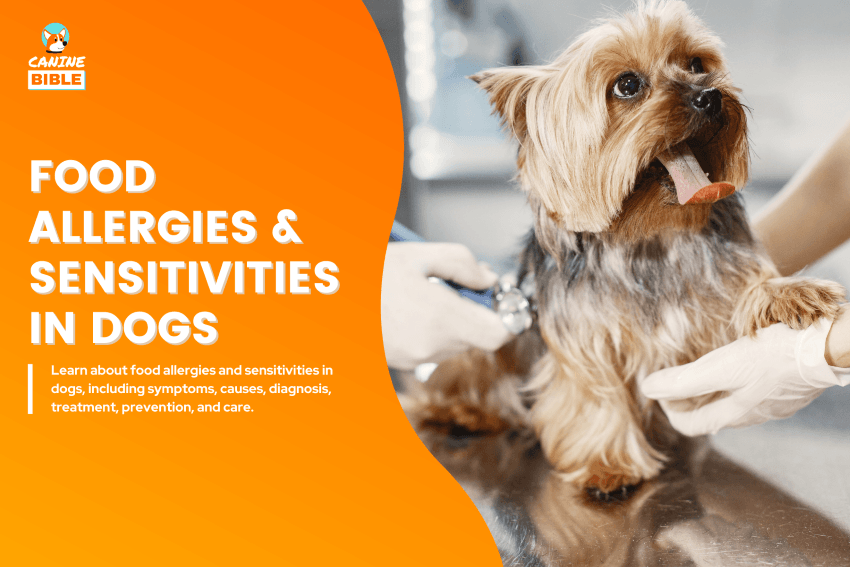
Food allergies and sensitivities are an often-overlooked cause of chronic skin and digestive problems in dogs, affecting an estimated 1 to 2% of all dogs, with much higher rates among dogs with persistent itching or allergic skin disease. Many owners mistake the signs—constant scratching, recurrent ear infections, vomiting, diarrhea, excessive gas, or soft stools—for seasonal allergies, sensitive stomachs, or other illnesses. Left untreated, adverse food reactions can lead to ongoing discomfort, chronic inflammation, poor skin and coat health, and a reduced quality of life. The good news is that with an accurate diagnosis and the right nutrition, most dogs can successfully manage their symptoms and thrive. This guide covers what you need to know about food allergies and sensitivities in dogs—from causes and symptoms to diagnosis, treatment, prevention, and long-term dietary management.
What Are Food Allergies & Sensitivities in Dogs?
Food allergies and sensitivities, in simple terms, are adverse reactions to ingredients in a dog’s diet that can affect the skin, ears, or digestive system. In dogs, they’re most often linked to proteins such as beef, chicken, or dairy, which can trigger an immune response (food allergy) or cause digestive intolerance (food sensitivity). As exposure to the offending ingredient continues, dogs may develop persistent itching, recurrent ear infections, vomiting, diarrhea, or chronic gastrointestinal upset that often worsens without proper diagnosis and dietary management.
Types
Food allergies and sensitivities can occur in several forms, depending on how a dog’s body reacts to certain ingredients:
| Type | Description |
|---|---|
| Food Allergy | An immune-mediated reaction in which the dog’s immune system mistakenly identifies a food protein as harmful. |
| Food Intolerance | A non-immune reaction caused by difficulty digesting or processing certain ingredients, often leading to gastrointestinal upset. |
| Protein Allergy | The most common form of food allergy, typically triggered by proteins such as beef, chicken, dairy, or lamb. |
| Additive Sensitivity | Some dogs react to artificial colors, preservatives, or flavorings rather than the main food ingredients. |
| Multiple Food Allergies | Some dogs become allergic to more than one ingredient, making diagnosis and dietary management more challenging. |
| Cross-Reactivity | Dogs allergic to one protein may occasionally react to closely related protein sources, requiring carefully selected diets. |
Predisposed Dog Breeds
Food allergies and sensitivities can affect any breed, but some dogs have a greater genetic risk of developing adverse food reactions and chronic allergic skin disease.


| Breed Group | Breeds | Notes on Risk Factors |
|---|---|---|
| Sporting Breeds | Labrador Retriever, Golden Retriever, Cocker Spaniel | Frequently affected by allergic skin disease and recurrent ear infections linked to food allergies. |
| Terriers | West Highland White Terrier, Bull Terrier, Staffordshire Bull Terrier | Genetic predisposition to chronic skin allergies and immune-related conditions. |
| Bulldog Breeds | English Bulldog, French Bulldog, American Bulldog | Prone to skin fold irritation and allergic dermatitis that may be worsened by food reactions. |
| Working Breeds | German Shepherd, Boxer, Doberman Pinscher | Higher incidence of chronic gastrointestinal disease and allergic skin disorders in some lines. |
| Toy & Companion Breeds | Shih Tzu, Maltese, Pug, Lhasa Apso | Often experience chronic itching, ear infections, and skin inflammation associated with food sensitivities. |
| Mixed Breeds | Mixed-breed dogs of any size | Food allergies can occur in any dog regardless of breed, especially those with a family history of allergic disease. |
Causes
Food allergies and sensitivities develop when a dog’s immune or digestive system reacts abnormally to certain ingredients in its diet. While the exact cause isn’t always clear, genetics, repeated exposure to specific proteins, and underlying allergic conditions can all increase the risk. Understanding these triggers is the first step toward effective diagnosis, treatment, and long-term management.
Symptoms
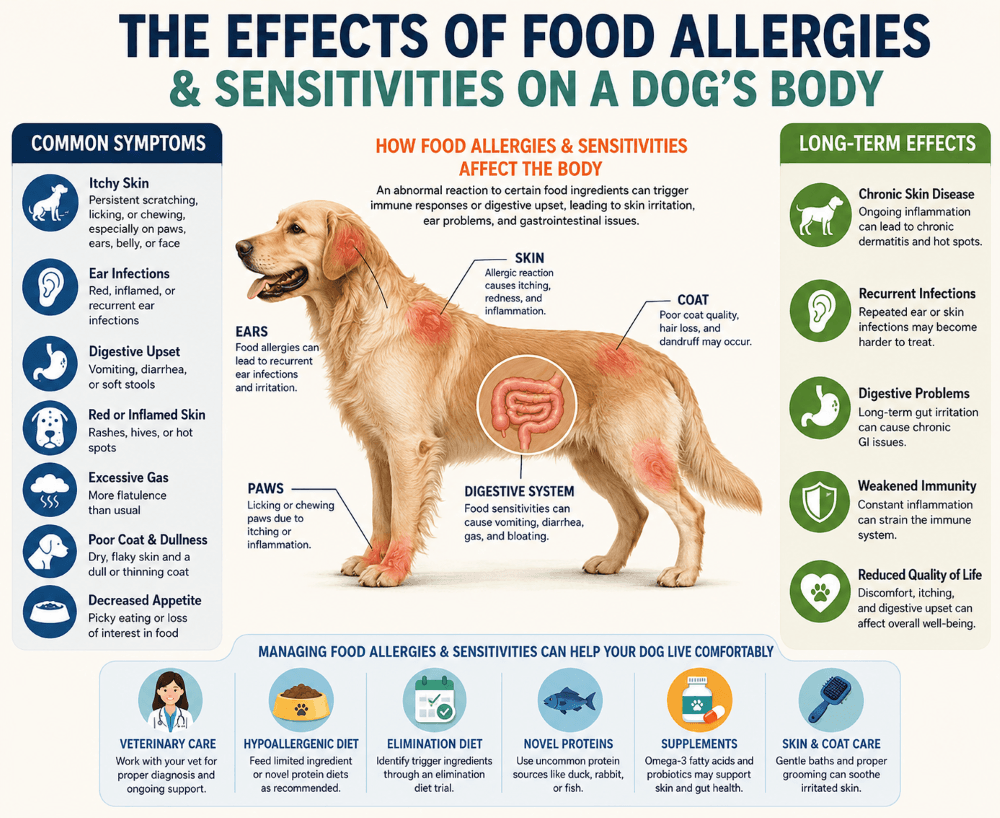
Food allergies and sensitivities in dogs are common causes of chronic skin irritation and digestive upset, often affecting a dog’s comfort and overall well-being. Early signs may be subtle—such as occasional itching or soft stools—but can become persistent and more severe if the underlying food trigger isn’t identified.
This visual guide highlights the most common symptoms of food allergies and sensitivities and how they can affect different parts of a dog’s body, helping you recognize the signs early and seek appropriate veterinary care.


Stages of Food Allergies & Sensitivities
- Early stage: Occasional itching, ear irritation, or mild digestive upset.
- Moderate stage: Persistent scratching, recurrent ear infections, vomiting or diarrhea.
- Advanced stage: Chronic skin disease, ongoing gastrointestinal problems, reduced quality of life.
Top Ways to Prevent Food Allergies & Sensitivities in Dogs
Because food allergies and sensitivities can become chronic and recurring conditions, early recognition and proper nutrition are essential. Identifying trigger ingredients and working with your veterinarian can help reduce flare-ups and support long-term health.
| Prevention Strategy | Why It Helps | How to Do It |
|---|---|---|
| Feed a High-Quality Diet | Supports digestive and immune health while reducing unnecessary additives. | Choose complete, balanced diets made with quality ingredients appropriate for your dog’s life stage. |
| Avoid Unnecessary Diet Changes | Frequent ingredient changes may complicate identifying food triggers. | Switch foods gradually and only when medically necessary or recommended by your veterinarian. |
| Identify Trigger Ingredients | Eliminating allergens prevents recurring skin and digestive symptoms. | Work with your veterinarian to perform a strict elimination diet and food trial. |
| Choose Novel or Hydrolyzed Diets | Reduces exposure to proteins that commonly trigger allergic reactions. | Use prescription hydrolyzed or novel-protein diets when recommended by your veterinarian. |
| Support Gut Health | A healthy digestive system may improve tolerance to foods and reduce inflammation. | Feed balanced nutrition and discuss probiotics or prebiotics with your veterinarian. |
| Avoid Feeding Table Scraps | Prevents accidental exposure to allergens and unnecessary ingredients. | Offer only approved treats and ensure everyone in the household follows the same diet plan. |
| Schedule Regular Vet Checkups | Early diagnosis helps prevent chronic skin and digestive complications. | Seek veterinary care if your dog develops persistent itching, ear infections, or digestive upset. |
Actionable Resources
If you want to prevent or manage food allergies and sensitivities in your dog, here are some helpful resources to explore with your veterinarian.
How Food Allergies & Sensitivities Are Diagnosed in Dogs
Diagnosing food allergies and sensitivities requires a thorough veterinary evaluation to rule out environmental allergies, parasites, infections, and other causes of skin or digestive problems. Key steps include:
- Physical Examination: A veterinarian evaluates the skin, ears, coat, and overall health while reviewing your dog’s medical history.
- Dietary History: A detailed review of current and previous foods, treats, supplements, and table scraps helps identify potential triggers.
- Elimination Diet Trial:
- Novel-Protein or Hydrolyzed Diet – Fed exclusively for 8–12 weeks to determine whether symptoms improve.
- Food Challenge – Previous ingredients are gradually reintroduced to confirm the specific allergen.
- Additional Testing: Skin scrapings, fecal exams, blood work, or allergy testing may be used to rule out other conditions, although they cannot reliably diagnose food allergies.
Early diagnosis is important because identifying the offending ingredient can relieve chronic itching and digestive problems while helping prevent recurring flare-ups and long-term skin damage.
Treatment & Care
According to current veterinary research, the most effective treatment for food allergies and sensitivities in dogs is strict dietary management, combined with elimination of trigger ingredients, prescription hypoallergenic or hydrolyzed diets, and supportive care. In some cases, medications to control itching, treat secondary infections, and improve skin and digestive health may also be needed for the best long-term results.
Always consult your veterinarian before starting any new diet, treatment, or supplement for food allergies and sensitivities. If you can’t reach your vet, you can chat live with a registered online veterinary professional via our online vet chat or video chat support (24 hours a day, 7 days a week). Or use Chewy’s online vet services (6 a.m. – midnight ET).
Conventional Medical Treatments
| Treatments | Benefits / Role |
|---|---|
| Elimination Diet Trial | The gold standard for diagnosing food allergies by identifying the offending ingredient. |
| Hydrolyzed or Novel-Protein Diets | Reduce immune reactions by using proteins the dog’s immune system is less likely to recognize. |
| Anti-Itch Medications | Prescription medications such as oclacitinib or lokivetmab help control itching during flare-ups. |
| Treatment for Secondary Infections | Antibiotics or antifungal medications may be needed to treat skin or ear infections caused by chronic scratching. |
| Omega-3 Fatty Acids & Probiotics | Support skin barrier function, reduce inflammation, and promote digestive health as part of long-term management. |
Supplement Support
| Supplement / Nutrient | Benefits / Role |
|---|---|
| Omega-3 Fatty Acids (Fish Oil) | Help reduce skin inflammation, support the skin barrier, and improve coat quality. |
| Probiotics | Support a healthy gut microbiome and may improve digestive and immune function. |
| Prebiotics | Nourish beneficial gut bacteria and help maintain normal digestive health. |
| Zinc | Supports skin healing, immune function, and maintenance of a healthy coat. |
| Vitamin E | Acts as an antioxidant that helps protect skin cells from oxidative damage. |
| Vitamin A | Supports healthy skin, immune function, and normal tissue repair. |
| Biotin (Vitamin B7) | Helps maintain healthy skin and promotes a stronger, shinier coat. |
| Digestive Enzymes | May improve digestion and reduce digestive discomfort in some sensitive dogs. |
| Colostrum | May help support immune balance and strengthen intestinal barrier function. |
Find the best over-the-counter treatments and supplements for food allergies & sensitivities in dogs on Amazon.

Alternative & Integrative Therapies
| Therapy | Benefits / Role |
|---|---|
| Probiotic Therapy | Supports a healthy gut microbiome, digestive function, and immune balance. |
| Omega-3 Fatty Acid Supplementation | Helps reduce skin inflammation and supports skin and coat health. |
| Medicated Baths | Soothes itchy skin, removes allergens, and helps control secondary skin infections. |
| Herbal Support | Some veterinarian-approved herbal supplements may help support skin health and reduce inflammation. |
| Digestive Enzyme Therapy | May improve digestion and reduce gastrointestinal discomfort in some food-sensitive dogs. |
| Environmental Allergen Management | Reducing exposure to environmental allergens can help dogs with both food and environmental allergies. |
| Integrative Veterinary Care | Combines nutritional therapy, supplements, and conventional medicine for comprehensive long-term management. |
Surgical Options
| Advanced Treatment | Benefits / Role |
|---|---|
| Prescription Hydrolyzed Diets | Uses proteins broken into tiny fragments to minimize immune reactions in dogs with confirmed food allergies. |
| Prescription Novel-Protein Diets | Provides protein sources the dog has not previously eaten, helping avoid allergic triggers. |
| Dermatology Referral | Board-certified veterinary dermatologists can investigate difficult or persistent allergy cases. |
| Long-Term Nutritional Management | Customized feeding plans help prevent flare-ups, improve skin health, and support lifelong symptom control. |
Emotional & Lifestyle Impact
Food allergies and sensitivities affect more than just a dog’s skin or digestive system—they can significantly impact their comfort, behavior, and overall quality of life. Dogs living with chronic itching, ear infections, or digestive upset may become less playful, more restless, or increasingly irritable, as persistent discomfort interferes with sleep, exercise, and daily activities.
For owners, managing food allergies can also be challenging, requiring patience, consistency, and close attention to diet. Daily routines may need to include strict feeding plans, careful ingredient checks, and regular veterinary follow-ups to prevent flare-ups. While long-term management takes commitment, identifying the right diet and avoiding trigger ingredients can dramatically improve a dog’s comfort, happiness, and well-being, allowing them to enjoy a healthier and more active life.
Typical Annual Cost of Treating Food Allergies & Sensitivities in Dogs
| Category | Estimated Annual Cost Range | Notes |
|---|---|---|
| Routine Vet Visits & Diagnostic Testing | $300 – $900 | Physical exams, elimination diet supervision, bloodwork, fecal tests, and follow-up visits. |
| Prescription Diets | $600 – $2,000 | Hydrolyzed or novel-protein diets; cost varies by dog size and brand. |
| Medications | $300 – $1,200 | Anti-itch medications, antibiotics, antifungals, or ear medications during flare-ups. |
| Supplements & Nutritional Support | $200 – $800 | Omega-3 fatty acids, probiotics, digestive enzymes, vitamins, and skin-support supplements. |
| Skin & Ear Care Products | $100 – $600 | Medicated shampoos, ear cleaners, wipes, and topical treatments. |
| Pet Insurance & Wellness Plans | $360 – $960 | May help offset diagnostic, dietary, medication, and specialist costs. |
| Typical Annual Range | Mild Cases: $1,000 – $2,500 | Moderate to Severe Cases: $2,500 – $5,500+ | |
Managing food allergies and sensitivities can become expensive over time, especially when prescription diets, medications, and regular veterinary visits are needed. Pet insurance and wellness plans may help reduce these costs and ensure your dog receives consistent care. If you want to compare coverage options for allergies and chronic conditions, check out our full guide to the Best Pet Insurance for Dogs and Best Pet Wellness Plans.
Other Health Issues Related to Food Allergies & Sensitivities in Dogs
Food allergies and sensitivities can contribute to a range of secondary health problems, particularly when symptoms remain untreated. Chronic inflammation, persistent itching, and digestive upset may lead to additional medical and behavioral concerns beyond the food allergy itself.
- Chronic Ear Infections
- Atopic Dermatitis (Environmental Allergies)
- Secondary Skin Infections (Bacterial or Yeast)
- Hot Spots (Acute Moist Dermatitis)
- Chronic Itching (Pruritus)
- Hair Loss (Alopecia)
- Dry, Flaky Skin
- Gastroenteritis
- Chronic Diarrhea
- Vomiting
- Weight Loss or Poor Body Condition
- Anal Sac Disease
- Behavioral Changes (Irritability, Restlessness)
- Reduced Quality of Life
- Nutritional Deficiencies (if fed an unbalanced elimination diet)
Frequently Asked Questions
The Bottom Line
Food allergies and sensitivities are among the most common causes of chronic skin and digestive problems in dogs, but they don’t have to diminish your dog’s quality of life. While there is no permanent cure for food allergies, early diagnosis, a carefully managed diet, and consistent veterinary care can make a remarkable difference in controlling symptoms and preventing flare-ups. By identifying trigger ingredients, feeding a balanced diet, supporting skin and gut health, and working closely with your veterinarian, you can help your dog stay comfortable, active, and healthy for years to come. Ultimately, the goal isn’t just reducing allergic reactions, but improving your dog’s overall health, comfort, and happiness through lifelong nutritional management.