Hypothyroidism in Dogs: Symptoms, Types, Causes, Signs & Prevention

Canine Bible is reader-supported. We receive affiliate commissions via some of our links. Learn more.
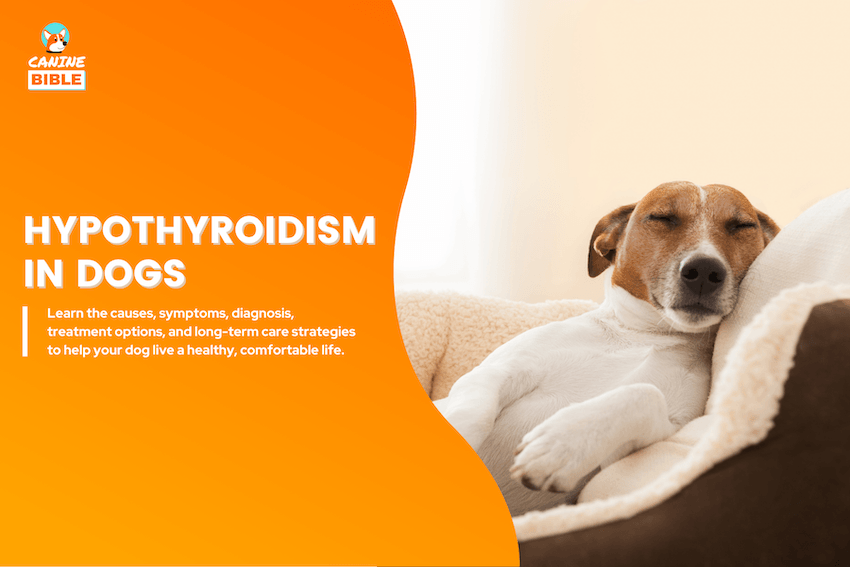
Hypothyroidism is one of the most common hormonal disorders in dogs, particularly affecting middle-aged and senior pets. It often develops gradually, and many owners mistake early signs—such as weight gain, low energy, or changes in coat quality—for normal aging. In reality, these changes can signal an underactive thyroid gland that is slowing down the body’s metabolism. Left untreated, hypothyroidism can impact a dog’s skin, immune system, and overall well-being. The good news is that with proper diagnosis and consistent treatment, most dogs respond very well and regain their normal energy and quality of life. This guide covers everything you need to know about hypothyroidism in dogs—from causes and symptoms to diagnosis, treatment, and long-term care—so you can help your dog stay healthy, active, and comfortable.
What Is Hypothyroidism in Dogs?
Hypothyroidism, in simple terms, is a condition in which the thyroid gland does not produce enough thyroid hormones, leading to a slowdown in the body’s metabolism. In dogs, it is most commonly caused by damage to the thyroid gland itself, often due to autoimmune disease or gradual gland atrophy. As hormone levels drop, multiple body systems begin to function less efficiently, resulting in symptoms like weight gain, lethargy, and skin or coat changes that tend to worsen over time if left untreated.
Types
Hypothyroidism in dogs can develop in several forms, each with different underlying causes:


| Type | Description |
|---|---|
| Primary Hypothyroidism | The most common form, caused by destruction or dysfunction of the thyroid gland, usually due to autoimmune thyroiditis or gland atrophy. |
| Autoimmune Thyroiditis | An immune-mediated condition where the body attacks its own thyroid tissue, gradually reducing hormone production. |
| Idiopathic Thyroid Atrophy | A condition where thyroid tissue is replaced by fat, leading to decreased hormone production without a clear cause. |
| Secondary Hypothyroidism | Rare; occurs when the pituitary gland fails to produce enough thyroid-stimulating hormone (TSH). |
| Congenital Hypothyroidism | Present at birth; leads to growth delays, developmental issues, and dwarfism in affected puppies. |
| Iatrogenic Hypothyroidism | Results from medical treatment, such as surgical removal of the thyroid or radiation therapy. |
| Drug-Induced Hypothyroidism | Can occur as a side effect of certain medications that suppress thyroid function. |
Predisposed Dog Breeds for Hypothyroidism in Dogs
Hypothyroidism is most commonly seen in middle-aged dogs, but certain breeds are more prone to developing the condition due to genetic factors. While it can affect any dog, some breeds have a higher risk and may develop symptoms earlier or more noticeably than others.
| Size / Group | Breeds | Notes on Risk Factors |
|---|---|---|
| Large Breeds | Golden Retriever, Labrador Retriever, Doberman Pinscher, Irish Setter | Higher genetic predisposition to autoimmune thyroiditis, the most common cause of hypothyroidism. |
| Medium Breeds | Cocker Spaniel, Boxer, English Bulldog, Airedale Terrier | Breed-related immune dysfunction and endocrine sensitivity increase risk. |
| Small Breeds | Dachshund, Miniature Schnauzer, Shetland Sheepdog | Less commonly affected, but still at risk—especially with genetic or autoimmune tendencies. |
| Mixed Breeds | All mixed-breed dogs | Risk varies depending on genetic background; may inherit predisposition from affected parent breeds. |
| Age Factor | Middle-aged dogs (4–10 years) | Hypothyroidism most commonly develops in adulthood rather than in puppies or senior dogs. |
| Sex Predisposition | Spayed females and neutered males | Hormonal changes may slightly increase susceptibility compared to intact dogs. |
Causes
Symptoms
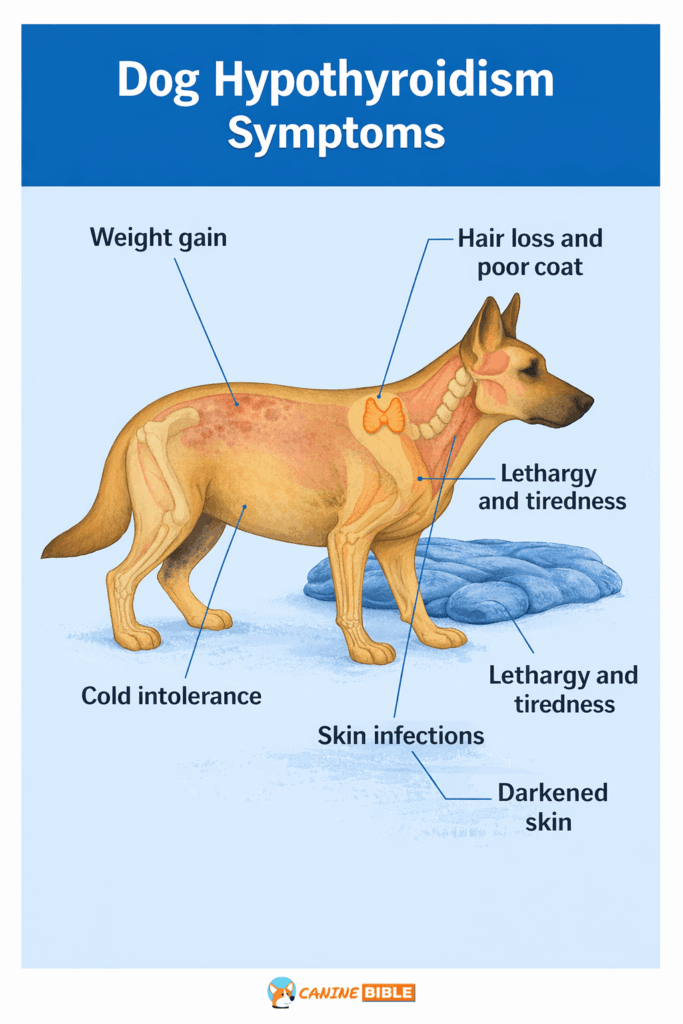
Stages of Hypothyroidism
- Early stage: Subtle signs such as mild lethargy, slight weight gain, or a dull coat that may be mistaken for normal aging.
- Moderate stage: More noticeable symptoms including increased weight gain, hair thinning, skin issues, and reduced activity levels.
- Advanced stage: Pronounced lethargy, significant hair loss, recurring skin infections, darkened skin, and broader metabolic complications.
Top Ways to Prevent Hypothyroidism in Dogs
Because hypothyroidism is typically a lifelong condition that cannot always be prevented, early recognition and proactive care are essential. With timely diagnosis and proper management, symptoms can be effectively controlled, helping your dog maintain a healthy weight, energy levels, and overall well-being for years to come.
| Management Strategy | Why It Helps | How to Do It |
|---|---|---|
| Maintain a Healthy Weight | Supports metabolism and reduces strain on a slowed endocrine system. | Feed balanced portions, avoid excess treats, monitor body condition regularly. |
| Balanced, Nutrient-Rich Diet | Proper nutrition supports hormone production and overall metabolic health. | Ensure adequate iodine, selenium, zinc, and high-quality protein in the diet. |
| Regular Veterinary Checkups | Early detection allows treatment before symptoms become severe. | Schedule routine exams and bloodwork, especially for at-risk breeds. |
| Monitor for Early Symptoms | Recognizing subtle signs leads to faster diagnosis and treatment. | Watch for weight gain, lethargy, hair thinning, and skin changes. |
| Proper Medication Management | Consistent hormone replacement restores normal metabolism. | Administer levothyroxine as prescribed and avoid missed doses. |
| Routine Blood Monitoring | Ensures correct hormone levels and prevents under- or over-treatment. | Follow vet-recommended testing schedules to adjust dosage if needed. |
| Avoid Unnecessary Medications | Some drugs can suppress thyroid function or interfere with hormone levels. | Only use medications prescribed by a veterinarian and review long-term treatments. |
| Support Skin & Coat Health | Helps manage common symptoms like dryness, infections, and hair loss. | Use vet-approved shampoos, omega-3 supplements, and regular grooming. |
Actionable Resources
If you want to support your dog’s thyroid health and manage hypothyroidism effectively, here are some helpful resources to explore under veterinary guidance:


How Hypothyroidism Is Diagnosed in Dogs
Diagnosing hypothyroidism requires a thorough veterinary evaluation, as symptoms can overlap with many other conditions. Key steps include:
- Physical Examination: A veterinarian assesses body condition, skin and coat quality, weight changes, heart rate, and overall energy levels.
- Blood Tests:
- Total T4 (thyroxine): A common initial screening test for thyroid function.
- Free T4: Provides a more accurate measure of active thyroid hormone.
- TSH (thyroid-stimulating hormone): Helps confirm diagnosis when combined with T4 levels.
- Additional Laboratory Tests: Blood work may be used to evaluate cholesterol levels, anemia, or other metabolic changes associated with hypothyroidism.
- Differential Diagnosis: Vets rule out other conditions (such as Cushing’s disease or chronic illness) that can mimic low thyroid hormone levels.
Early diagnosis is important because hypothyroidism is a manageable condition—starting treatment promptly can quickly improve your dog’s energy, skin health, and overall quality of life.
Treatment & Care
Hypothyroidism in dogs is primarily managed with daily thyroid hormone replacement (levothyroxine), which restores normal metabolic function. Alongside medication, maintaining a healthy weight, providing balanced nutrition, and supporting skin and coat health are important. Regular veterinary check-ups and blood tests help ensure the correct dosage and keep your dog healthy and stable long-term.
Always consult your veterinarian before starting any new treatment or supplement for Hypothyroidism. You can get personalized joint-care advice from an online registered vet anytime, anywhere through Dutch. You can also chat with an online vet to ask questions about managing your dog’s Hypothyroidism symptoms, treatment options, and lifestyle adjustments tailored to their condition.
Conventional Medical Treatments
| Treatment | Notes / Examples |
|---|---|
| Thyroid Hormone Replacement | Levothyroxine is the standard treatment; restores normal hormone levels and metabolism (lifelong therapy). |
| Dosage Monitoring & Adjustment | Regular blood tests (T4, free T4, TSH) ensure correct dosing and prevent under- or over-treatment. |
| Skin & Coat Treatments | Medicated shampoos, antibiotics, or antifungals may be needed for secondary skin infections. |
| Weight Management Support | Controlled diet and feeding plans help manage weight gain caused by slowed metabolism. |
| Management of Secondary Conditions | Treatment of issues like ear infections, skin infections, or high cholesterol often seen with hypothyroidism. |
| Dietary Support | Balanced nutrition with adequate iodine, selenium, and high-quality protein supports overall endocrine health. |
| Regular Veterinary Follow-Up | Ongoing monitoring ensures long-term stability and adjustment of treatment as needed. |
Nutritional Support & Supplements
| Supplement / Nutrient | Notes / Examples |
|---|---|
| Iodine | Essential for thyroid hormone production; deficiency can contribute to thyroid dysfunction (balanced intake is key). |
| Selenium | Supports conversion of T4 to active T3 hormone and protects thyroid cells from oxidative damage. |
| Zinc | Important for hormone metabolism, immune function, and maintaining healthy skin and coat. |
| Omega-3 Fatty Acids (Fish Oil) | Help reduce inflammation, support skin health, and improve coat quality often affected by hypothyroidism. |
| Vitamin E | Acts as an antioxidant, supporting immune function and skin repair. |
| High-Quality Protein | Supports muscle maintenance and metabolic function, which can decline in hypothyroid dogs. |
| Probiotics | Support gut health, which may influence hormone balance and nutrient absorption. |
| Vet vs. OTC Supplements | Veterinary guidance ensures proper dosing and avoids nutrient imbalances; OTC products vary in quality. |
Alternative & Integrative Therapies
| Therapy | Notes / Examples |
|---|---|
| Acupuncture | May help support metabolic balance, improve circulation, and reduce lethargy in some dogs. |
| Herbal Support | Certain herbs (under veterinary guidance) may support endocrine and immune function. |
| Massage Therapy | Improves circulation, supports skin and coat health, and may help with muscle stiffness. |
| Skin & Coat Therapies | Topical treatments, medicated baths, and moisturizers help manage dryness, hair loss, and infections. |
| Weight Management Programs | Structured diet and exercise plans help counteract slowed metabolism and prevent obesity. |
| Low-Impact Exercise | Gentle activity like walking helps maintain muscle mass and energy levels without overexertion. |
| Stress Reduction | Minimizing stress supports hormonal balance and overall well-being. |
| Holistic Veterinary Care | Integrative vets combine conventional treatment with complementary therapies for a whole-body approach. |
Surgical Options
| Intervention | Notes / Examples |
|---|---|
| Thyroid Gland Removal (Thyroidectomy) | Rare; usually performed for thyroid tumors. Leads to hypothyroidism requiring lifelong hormone replacement. |
| Radiation Therapy | Used in cases of thyroid cancer; may damage thyroid tissue and result in secondary hypothyroidism. |
| Treatment of Secondary Complications | Procedures may be needed for chronic ear infections, skin lesions, or other complications associated with hypothyroidism. |
| Advanced Diagnostic Procedures | Imaging (ultrasound, CT, MRI) or biopsy may be used to evaluate thyroid abnormalities or rule out tumors. |
| Specialist (Endocrinology) Care | Referral to a veterinary specialist for complex or atypical cases requiring advanced management. |
Emotional & Lifestyle Impact
Hypothyroidism affects more than just a dog’s metabolism—it can influence their daily life and overall well-being. Dogs with this condition may become less energetic, more withdrawn, or less interested in play, as low hormone levels can lead to fatigue and reduced motivation.
For owners, it can be challenging to notice these gradual changes and manage a lifelong condition. Daily routines may shift to include consistent medication, regular vet visits, and closer monitoring of weight, skin, and behavior. With proper care, patience, and consistency, however, most dogs regain their energy and personality, allowing pet parents to maintain a strong, happy bond with their companion.
Typical Annual Cost of Treating Hypothyroidism
| Category | Estimated Annual Cost Range | Notes |
|---|---|---|
| Routine Vet Visits & Bloodwork | $200 – $600 | Includes exams and thyroid monitoring (T4, free T4, TSH levels). |
| Medication (Levothyroxine) | $100 – $500 | Daily lifelong treatment; cost depends on dog size and dosage. |
| Follow-Up Testing | $100 – $400 | Periodic blood tests to adjust medication and ensure proper hormone levels. |
| Skin & Infection Treatments | $100 – $600 | May include medicated shampoos, antibiotics, or antifungals for secondary issues. |
| Diet & Supplements | $150 – $600 | Special diets or supplements to support metabolism and skin health. |
| Insurance & Wellness Plans | $300 – $900 | Helps cover ongoing medication, testing, and vet visits. |
| Typical Annual Range | Well-Managed Cases: $300 – $800 | With Complications: $800 – $2,500+ | |
Managing hypothyroidism in dogs can involve ongoing costs—from daily medication to regular blood tests and veterinary check-ups. Pet insurance can help ease this financial burden and ensure your dog receives consistent, high-quality care without compromise. If you want to compare plans and find out which providers offer the best coverage for chronic conditions like hypothyroidism, check out our full guide to the Best Pet Insurance for Dogs.
Frequently Asked Questions
The Bottom Line
Hypothyroidism is a common and manageable condition in dogs, and it doesn’t have to define their lives. While there is no cure, early diagnosis, consistent medication, and regular veterinary care can make a significant difference in maintaining your dog’s health and well-being. With proper treatment, most dogs regain their energy, maintain a healthy weight, and enjoy a normal, active life. Ultimately, the goal is not just managing the condition, but improving quality of life—helping your dog stay happy, comfortable, and thriving for years to come.