
12 Best Organic Dog Foods for Sensitive Stomachs 2026: Vet-Approved


Canine Bible is reader-supported. We receive affiliate commissions via some of our links. Learn more.
This is my comprehensive guide to finding the best organic dog food for sensitive stomachs. I know how frustrating it can be when your dog struggles with frequent diarrhea, vomiting, excessive gas, or food sensitivities, making even simple mealtimes stressful. I’ve researched and compared the best organic dog foods for sensitive stomachs, evaluating their ingredient quality, digestibility, nutritional value, and suitability for different dietary needs. From organic dry and wet food to grain-free, limited-ingredient, and specialized formulas, I’ll help you understand which options may work best for your dog. I’ll also cover what to look for, which ingredients to avoid, and how to transition your dog safely to an organic diet so you can make a more informed feeding decision.
Best Organic Dog Food For Sensitive Stomachs – At a Glance
Best Overall
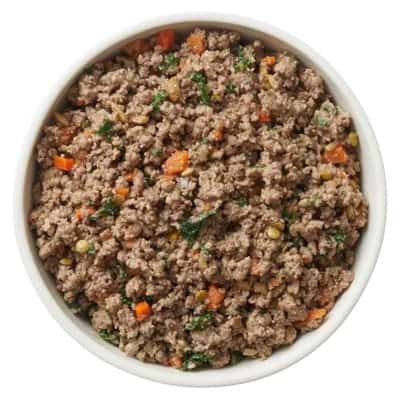
The Farmer's Dog
Why we recommend it: Personalized, gently cooked meals pair recognizable ingredients with portions tailored to each dog's needs.
 Puppy
 Adult
 Senior
Best Dry Food

Open Farm
Why we recommend it: GoodGut combines kibble, probiotic cubes, and microbiome-supporting fibers for digestive regularity.
Puppy
Adult
Senior
Best Grain-Free

The Honest Kitchen
Why we recommend it: Human-grade chicken clusters offer grain-free whole-food nutrition, with pumpkin and probiotics for digestion.
Puppy
Adult
Senior
Best Wet Food

JustFoodForDogs
Why we recommend it: A moisture-rich, low-fat turkey-and-rice meal offers a gentle option for dogs that struggle with richer foods.
Adult
Senior
Best Puppy Food

Open Farm
Why we recommend it: Gently cooked puppy food combines animal proteins, salmon DHA, and prebiotic fiber for sensitive digestion.
Puppy
Adult
Senior
Best Senior Food

JustFoodForDogs
Why we recommend it: Gently cooked lamb and rice provide moisture-rich nutrition and a soft texture suited to many older dogs.
Adult
Senior
Best Skin & Stomach

Open Farm
Why we recommend it: Fish protein, gentle grains, and microbiome support help nourish sensitive digestion, skin, and coat.
Puppy
Adult
Senior
Best Prescription

Hill's Prescription Diet
Why we recommend it: A veterinary digestive diet with highly digestible ingredients and ActivBiome+ fiber supports stool quality.
Adult
Senior
Best Raw Food

Maev
Why we recommend it: Frozen raw chicken, vegetables, prebiotics, and probiotics offer convenient portions for adult raw feeders.
Adult
Best High-Protein

Redbarn
Why we recommend it: A 30% protein air-dried beef-and-lamb recipe includes prebiotic fiber and postbiotics for digestive support.
Puppy
Adult
Senior
Best Dehydrated

Dr. Harvey's
Why we recommend it: A dehydrated base mix lets owners choose protein, with added protein and oil required for a complete meal.
Latest Research on the Best Foods for Dogs with Sensitive Stomachs
According to the latest research, specialized dog foods formulated with highly digestible ingredients, appropriate fiber levels, and gut-supporting nutrients can help improve digestive health in dogs with sensitive stomachs. Veterinary studies suggest that tailored diets may improve stool consistency, reduce diarrhea, and support a healthier gut microbiome, highlighting the importance of choosing a formula that meets your dog's individual digestive needs.
Specialized Diets Can Improve Chronic Digestive Problems in Dogs
A 2026 veterinary consensus statement recommends dietary trials as an initial treatment for clinically stable dogs with chronic inflammatory enteropathy. Highly digestible, hydrolyzed-protein, novel-protein, and other therapeutic diets may help depending on the dog's condition. Supporting this approach, a 2023 randomized clinical trial found that 19 of 23 dogs with non-protein-losing chronic enteropathy responded to their initial dietary treatment, highlighting the importance of choosing a formula suited to individual digestive needs.[1],[2]
Fiber-Enriched Diets May Improve Stool Consistency and Digestive Comfort
A 2026 veterinary study involving 32 dogs with chronic enteropathy found that increasing dietary fiber was associated with improved stool consistency in 28 dogs. Similarly, a 2022 prospective study of 31 dogs with chronic large-bowel diarrhea found that a fiber-enriched therapeutic diet improved digestive symptoms, with 68% achieving complete clinical resolution by day 56. These findings suggest that appropriately formulated fiber-rich diets can help manage certain digestive problems, although fiber requirements vary between dogs.[3],[4]
A Specialized Digestive Diet Helped Dogs Recover Faster From Acute Diarrhea
A 2025 randomized, double-blind clinical trial involving 111 dogs with mild to moderate acute diarrhea compared two highly digestible diets. Dogs receiving a specialized formula containing probiotics, prebiotics, and other digestive-supporting ingredients regained normal stool consistency in an average of 3.6 days, compared with 5.9 days for the control group. The specialized diet also improved measures of gut microbial balance. However, the study evaluated the complete formula, so the benefits cannot be attributed to any single ingredient.[5]
How Organic Food Affects A Dog's Stomach
| Organic Food Type/Ingredient | Digestive Impact | Stool Quality | Notes |
|---|---|---|---|
| Certified organic ingredients | Variable | Varies | Limits certain synthetic inputs; organic status alone does not improve digestion |
| Organic dry kibble | Moderate to High | Often firm | Convenient and consistent; digestibility depends on formulation |
| Organic whole grains | Generally good when cooked | Often firm | Provides digestible carbohydrates and fiber for regular bowel movements |
| Organic grain-free formulas | Variable | Varies | Useful for specific grain intolerances; not inherently easier to digest |
| Organic fiber-rich ingredients | Supports gut function | May improve consistency | Appropriate fiber levels support bowel regularity; excess may cause gas |
| Organic wet food | Formula-dependent | Varies | Moisture-rich and palatable; some dogs tolerate soft meals better |
| Organic limited-ingredient diets | Depends on ingredients | May improve | May help avoid known food triggers when carefully formulated |
| Organic raw food | Variable | Varies | No proven digestive advantage; harmful bacteria pose additional risks |
| Organic dehydrated food | Variable | Varies | Shelf-stable and often rehydrated; digestibility depends on ingredients |
Special Considerations
- Nutritional adequacy: Choose food labeled complete and balanced for your dog's life stage. Organic certification alone does not guarantee nutritional adequacy.
- Persistent digestive issues: Frequent vomiting, diarrhea, or recurring stomach problems may indicate an underlying condition that requires veterinary evaluation rather than simply switching foods.
| Food or Ingredient to Avoid | Reason | Potential Effects |
|---|---|---|
| High-Fat Organic Dog Foods | Rich, fatty formulas may be poorly tolerated by dogs with digestive sensitivities | Vomiting, diarrhea, pancreatitis risk |
| Organic Dairy Ingredients | Lactose can be difficult to digest for dogs with lactose intolerance | Gas, bloating, loose stools |
| Organic Foods Containing Known Allergens | Organic proteins can still trigger reactions in dogs with diagnosed food allergies | Vomiting, diarrhea, itchy skin |
| Excessively High-Fiber Organic Formulas | Too much fiber or a poorly tolerated fiber source can disrupt digestion | Gas, bloating, increased stools |
| Organic Raw Meat Diets | Raw ingredients can carry harmful bacteria despite organic certification | Foodborne illness, vomiting, diarrhea |
| Unbalanced Homemade Organic Diets | Organic ingredients alone do not ensure complete and balanced nutrition | Nutrient deficiencies, weight loss, poor health |
| Organic Foods With Multiple New Ingredients | Introducing several unfamiliar ingredients makes digestive triggers harder to identify | Gas, diarrhea, difficulty identifying sensitivities |
| Rich Organic Treats & Table Scraps | Extra fats, unfamiliar ingredients, or large portions can upset sensitive stomachs | Vomiting, loose stools, abdominal discomfort |
| Organic Foods Containing Onion or Garlic | These ingredients are toxic to dogs regardless of organic certification | Vomiting, diarrhea, red blood cell damage |
Remember to ALWAYS consult with your vet before making any changes that could affect your dog’s health, nutrition, or well-being. If you can't reach your vet, you can chat live with a registered online veterinary professional via our online vet chat or video chat support (24 hours a day, 7 days a week). Or use Chewy's online vet services (6 a.m. - midnight ET). Additionally, at-home dog gut health tests can analyze your dog’s microbiome, offering insights into which nutrients their diet should include. Similarly, at-home dog allergy testing kits can identify ingredients that may not be suitable for your dog, enabling you to choose the right diet and care plan to support optimal digestion, nutrition, and health.
Best Organic Dog Food For Sensitive Stomachs
Here are the organic dog foods for sensitive stomachs this year.
Best Overall Organic Dog Food for Sensitive Stomachs
The Farmer's Dog
Who It's For: Dog owners seeking a well-rounded organic diet with gentle, digestible ingredients to help keep their sensitive pups comfortable after meals.
Why we recommended it: The Farmer’s Dog creates meals tailored to your dog’s needs, considering dietary requirements, calorie intake, age, size, preferences, health issues such as food sensitivities, and more. When you order The Farmer’s Dog, you can select the most common symptoms caused by stomach sensitivities that your dog may be experiencing, and they’ll tailor their recipes to match your dog’s specific health needs. (See below.)

What sets it apart from competitors: Unlike many competitors, The Farmer’s Dog exclusively uses wholesome, USDA-approved ingredients fit for human consumption. Meals are pre-portioned and delivered directly to your door, making it a hassle-free option for busy pet parents.
How this formula works for sensitive stomachs: The Farmer’s Dog supports sensitive stomachs by using limited, highly digestible ingredients with no artificial additives. Each meal contains a single-source animal protein—such as beef, chicken, turkey, or pork—paired with easily digestible vegetables like sweet potatoes and carrots. The inclusion of fiber-rich foods, such as lentils and chickpeas, helps promote stable digestion, while healthy fats support nutrient absorption. Because the food is gently cooked rather than extruded at high temperatures, it retains its natural moisture, making it easier for dogs to digest than dry kibble. Owners with sensitive-stomach dogs often report firmer stools, reduced bloating, and fewer instances of vomiting after switching to this diet.
Open Farm
Who It's For: Dog owners who prefer convenient, easy-to-store kibble made with organic ingredients that are gentle on their dog's sensitive digestive system.
How this formula works for sensitive stomachs: This recipe supports sensitive stomachs by combining gentle soluble and insoluble fiber sources like psyllium seed husk, dried chicory root, pumpkin, oats, and barley, which can help regulate stool quality and support steadier digestion. It also includes a broad mix of probiotic fermentation products plus yeast culture, which may help maintain a healthier gut microbiome and improve tolerance to everyday feeding. Ingredients like apple cider vinegar and rosemary extract appear in small amounts and are more supportive than central, while the overall formula leans into digestive balance rather than a very rich or heavily indulgent profile.
Best Organic Grain-Free Dog Food for Sensitive Stomachs

The Honest Kitchen Clusters
Who It's For: Dog owners whose pups need to avoid certain grains and who want an organic, grain-free formula that supports comfortable digestion.
📢 Discount code below 💸
Recipes: Chicken, beef & turkey
Protein: 26%
Fat: 14.5%
Fiber: 5%
Calories: 422 kcal/cup
Why we recommended it: The Honest Kitchen whole food clusters grain-free bridges the gap between fresh, whole-food nutrition and the convenience of dry kibble. Unlike traditional kibble, which is often heavily processed at high temperatures, Whole Food Clusters are gently dehydrated and slow-roasted to retain more natural nutrients. This process makes it easier for dogs to digest while also offering the crunch and shelf-stability of dry food.
What sets it apart from competitors: The Honest Kitchen stands out by using 100% human-grade ingredients and being made in facilities that produce human food, meaning it meets the same quality and safety standards as human food. Their preparation methods and facilities meet safety standards seven times those of feed grade.
How this formula works for sensitive stomachs: This formula supports digestive health by eliminating common irritants such as corn, wheat, and soy while incorporating gut-friendly ingredients like probiotics (Bacillus coagulans) and fiber-rich pumpkin paired with easily digestible carbohydrates like lentils and sweet potatoes. The 5% fiber content, sourced from pumpkin and apples, supports digestion without overwhelming the system, while the absence of grains reduces the risk of inflammation for dogs with gluten sensitivities. The moderate protein and fat content also prevents digestive overload, making it a good option for dogs with food sensitivities. Moreover, these clusters are dehydrated rather than extruded; they retain more moisture than traditional kibble, reducing the risk of dehydration-related digestive issues.
Get 50% OFF with code 50CANINE (or 40CANINE for orders under $30) — Use this link to get started.
JustFoodForDogs
Who It's For: Dogs with delicate digestion that prefer soft, moisture-rich meals, and owners who want wholesome organic ingredients in every bowl.
Recipes: Turkey & rice
Protein: 5%
Fat: 1 to 4%
Fiber: 1%
Calories: 304 kcal/cup
What sets it apart from competitors: The Tetra Pak technology is a standout feature. While most fresh or vet-recommended diets require freezing, this shelf-stable formula retains freshness for up to two years without refrigeration until opened—ideal for emergencies or travel. Competitors often use higher-fat proteins or synthetic fortification. Still, JustFoodForDogs relies on cold-pressed oils (such as sunflower, coconut, and flaxseed) to deliver omega fatty acids naturally, reducing inflammation without harsh processing.
How this formula works for sensitive stomachs: The recipe’s ultra-low fat content (1-4%) and limited ingredients reduce the workload on the pancreas and intestines, making it easier for dogs to absorb nutrients without irritation. The low-fiber (1%) and low-residue design minimizes stool volume and gas, while the inclusion of easily digestible white rice provides gentle carbohydrates for energy. Though white rice is less nutrient-dense than brown rice, its simplicity helps avoid overwhelming sensitive systems. The moisture-rich texture also supports hydration, benefiting dogs prone to digestive issues such as constipation or dehydration.
Best Organic Dog Food For Puppies With Sensitive Stomachs
Open Farm Puppy Recipe
Who It's For: Puppy owners looking for an organic, growth-appropriate diet that nourishes developing bodies while being gentle on sensitive tummies.
Recipe: Chicken, salmon. pork
Protein: 43%
Fat: 8.5%
Fiber: 3%
Calories: 312 kcal/cup
What sets it apart from competitors: This recipe uses sous vide to preserve enzymes, flavors, nutrients, and bioavailability, a critical factor for puppies with developing digestive tracts. All meat is humanely raised without antibiotics, and the brand is one of the few to offer full ingredient traceability.
How this formula works for sensitive stomachs: The recipe is designed to be gentle on a puppy’s digestive system by using limited, highly digestible ingredients. It uses human-grade proteins and digestible carbohydrates, such as butternut squash, which provide energy without causing bloating or gas. The chia seeds, rich in omega-3 fatty acids and fiber, promote healthy bowel movements, while chicory root acts as a prebiotic, feeding beneficial gut bacteria and supporting a balanced gut microbiome. Additionally, the inclusion of turmeric provides anti-inflammatory benefits, helping soothe the digestive tract and reduce inflammation that may contribute to stomach sensitivity.
Best Organic Dog Food For Seniors With Sensitive Stomachs
JustFoodForDogs Lamb & Rice
Who It's For: Owners of aging dogs who want an organic, easy-to-eat diet that supports their senior's changing nutritional needs and sensitive digestion.
Recipes: Lamb & rice
Protein: 7.5%
Fat: 5%
Fiber: 1.5%
Calories: 336 kcal/cup
What sets it apart from competitors: This meal is lightly cooked and frozen to maintain freshness without artificial preservatives while preserving enzymes and bioavailability, critical for seniors with weakened digestion.
How this formula works for sensitive stomachs: Lamb serves as a novel protein source, reducing the risk of triggering food allergies common in dogs. Brown rice offers a source of complex carbohydrates that help stabilize digestion, regulate bowel movements, and minimize bloating or diarrhea. The inclusion of prebiotic-rich spinach and cauliflower adds soluble fiber to support healthy gut motility, and blueberries provide antioxidants to reduce oxidative stress and support immune health. Safflower and fish oil supply omega-3 and omega-6 fatty acids, which soothe gastrointestinal inflammation and promote skin, coat, and brain health.
Best Organic Dog Food for Sensitive Stomach and Skin
Open Farm Digestive Health
Who It's For: Dog owners whose pups struggle with both digestive discomfort and skin sensitivities and need a thoughtfully formulated organic diet.
Recipes: Pollock & oatmeal
Protein: 28%
Fat: 10%
Fiber: 4.5%
Calories: 410 kcal/cup
What sets it apart from competitors: The recipe's inclusion of prebiotics, probiotics, and postbiotics supports a balanced gut microbiome, which is not commonly found in standard dog foods.
How this formula works for sensitive stomachs: This formula contains gut-supporting ingredients and skin-nourishing nutrients to aid dogs with sensitive stomachs and skin. Wild-caught Alaskan pollock, a novel protein source, reduces the risk of allergic reactions associated with more common proteins. Pollock also offers omega-3 fatty acids, which help reduce gut inflammation and soothe irritated skin. Oatmeal and barley supply soluble fiber for smooth digestion, while pumpkin and dried chicory root act as prebiotics to support a balanced gut microbiome. The inclusion of dried Bacillus coagulans fermentation product (a probiotic) further strengthens digestion, improving stool consistency and reducing stomach discomfort. For skin health, flaxseed, sunflower oil, and coconut oil provide essential fatty acids that help hydrate the skin, reduce itching, and strengthen the skin barrier. Antioxidant-rich ingredients like blueberries, cranberries, and turmeric support anti-inflammatory benefits, further protecting the skin from irritation.
Best Organic Prescription Food for Dogs with Sensitive Stomachs
Hill's Digestive Care
Who It's For: Dog owners managing diagnosed digestive conditions with veterinary guidance who prefer organic ingredients when suitable therapeutic options exist.
Recipes: Chicken
Protein: 22%
Fat: 10%
Fiber: 4%
Calories: 356 kcal/cup
What sets it apart from competitors: The inclusion of ActivBiome+, a proprietary blend of prebiotic fibers that supports digestive and microbiome health.
How this formula works for sensitive stomachs: This recipe supports sensitive stomachs through easily digestible ingredients and gut-soothing mechanisms. Brewer's rice and corn provide low-irritant carbohydrates to reduce digestive strain, while chicken meal and egg products supply gentle, high-quality protein to minimize allergic reactions. Dried beet pulp acts as a prebiotic fiber, nourishing beneficial gut bacteria to stabilize stool and improve digestion. Fish oil and flaxseed deliver anti-inflammatory omega-3 fatty acids (EPA/DHA) to calm intestinal inflammation. Lactic acid helps balance gut pH for optimal nutrient absorption, and L-Tryptophan promotes relaxation, helping address stress-related digestive upset. Pressed cranberries/beta-carotene provide antioxidants to protect the gut lining. It's also fortified with B vitamins and antioxidants to replenish nutrients lost due to digestive issues.
Best Organic Raw Dog Food for Dogs with Sensitive Stomachs
Maev
Who It's For: Dog owners considering organic raw meals for sensitive pups who prioritize nutritional balance, food safety, and veterinary guidance.
📢 Discount code below 💸
Recipes: Chicken
Protein: 48.13%
Fat: 19.25%
Fiber: 7.32%
Calories: 122 kcal/cup
What sets it apart from competitors: Maev’s build-your-bowl model pairs a chosen protein with a targeted wellness formula. Its individually frozen pieces can also be measured by the cup and served directly from the freezer.
How this formula works for sensitive stomachs: This formula supports dogs with sensitive stomachs by eliminating unnecessary fillers and using clean, whole-food ingredients to improve digestion and reduce allergic reactions. Raw diets are not exposed to high temperatures during kibble production, preserving essential nutrients such as enzymes, vitamins, and amino acids. These nutrients support a healthy immune system, reducing the likelihood of inflammatory responses.
Get 20% OFF your order with the code CANINE20 — Use this link to get started.
Best Organic High-Protein Dog Food for Sensitive Stomachs

Redbarn Digestive Health
Who It's For: Owners of active dogs with sensitive stomachs who want an organic, protein-rich diet that supports their pup's energy and digestive comfort.
Recipes: Beef
Protein: 30%
Fat: 25%
Fiber: 7%
Calories: 389 kcal/cup
What sets it apart from competitors: The formula includes prebiotics (from ingredients like dried chicory root) and probiotics (added post-cooking to ensure viability), which nourish beneficial gut bacteria and maintain balance. Redbarn's commitment to using 93% real beef, beef lung, beef liver, and lamb distinguishes it from many competitors.
How this formula works for sensitive stomachs: This formula combines easily digestible novel proteins (beef, beef lung, beef liver, and lamb) that are less likely to trigger food sensitivities, thereby reducing gastrointestinal irritation. For digestive support, Miscanthus Grass provides insoluble fiber to promote healthy stool formation, while Fructooligosaccharides (FOS) act as a prebiotic, feeding beneficial gut bacteria and maintaining a balanced microbiome, which helps regulate digestion and reduce symptoms such as diarrhea or constipation. Salmon Oil and Flaxseed reduce inflammation, and chelated minerals ensure efficient nutrient absorption without irritating the stomach. Dried Yeast and Yeast Culture enhance digestion through natural enzymes and probiotics, while vitamins and electrolytes support overall health.
Best Organic Dehydrated Dog Food for Sensitive Stomachs

Dr. Harvey's Canine Health Miracle Dog Food
Who It's For: Dog owners who prefer convenient, shelf-stable meals made with organic ingredients that can be rehydrated for their sensitive pups.
Recipes: Beef
Protein: 9%
Fat: 3%
Fiber: 5%
Calories: 3,098 kcal/kg
What sets it apart from competitors: Its dehydrated nature preserves enzymes and nutrients better than extrusion (used in kibble), reducing digestive strain.
How this formula works for sensitive stomachs: Formulated with gut-friendly, easily digestible ingredients to support dogs with sensitive stomachs. Organic rolled oats, barley, triticale, spelt, brown rice, and kamut provide soluble fiber, which aids digestion and helps maintain firm stools. Sweet potatoes and carrots offer gentle, digestible carbohydrates that soothe the digestive tract and reduce irritation. Beets, broccoli, celery, and green beans serve as prebiotic fibers, supporting a healthy gut microbiome. Dried ground fennel, ginger, and peppermint provide natural digestive enzymes and anti-inflammatory properties, reducing bloating, gas, and stomach discomfort. Additionally, dried kelp and lecithin support digestion by promoting nutrient absorption.
You can also opt for The Honest Kitchen Human Grade Dehydrated Whole Grain Dog Food, which does not require additional protein.
Homemade Dog Food for Sensitive Stomach

Recipes
Who It's For: Dogs who need medical-grade digestive support for a rapid, clinically proven, and effective formula to stop stomach sensitivity symptoms or support overall digestive wellness.
Homemade dog food can be an excellent solution for dogs with sensitive stomachs, as it lets you control the ingredients and avoid common triggers such as fillers, artificial additives, and excessive fat. The best homemade meals focus on easily digestible proteins, gut-friendly carbohydrates, natural dog probiotics, and healthy fats to support digestion while minimizing irritation. To learn more, check out our dedicated guide on homemade dog food to discover more vet-approved recipes, nutrition tips, and feeding guidelines. Additionally, if you’d like to make healthy snacks for your pup that don't cause tummy sensitivities, explore our collection of homemade dog treat recipes that are delicious and easy to prepare. To ensure your homemade meals are nutritionally complete, consider using a DIY Nutrient Kit from JustFoodForDogs or The Farmer's Dog, which provides essential vitamins and minerals to balance your dog's diet. Remember to always talk to your vet first.
Other Organic Dog Foods For Sensitive Stomachs
How to Transition Your Dog to an Organic Diet for Sensitive Stomachs
Switching to organic dog food should be done gradually, especially if your dog has a sensitive stomach. A slow transition gives their digestive system time to adjust to different ingredients, fiber levels, and nutrient profiles. Follow this 10-day feeding schedule to introduce the new organic food while minimizing sudden dietary changes.
| Transition Stage | Old Food | New Organic Food | Feeding Guidelines |
|---|---|---|---|
| Before Starting | 100% | 0% | Choose a complete, balanced organic formula appropriate for your dog's needs. |
| Days 1–2 | 90% | 10% | Mix a small amount of organic food into regular meals. |
| Days 3–4 | 75% | 25% | Increase the organic portion while keeping meal times consistent. |
| Days 5–6 | 50% | 50% | Serve equal portions of old and new food by daily calorie allowance. |
| Days 7–8 | 25% | 75% | Make organic food the main portion of each meal. |
| Days 9–10 | 0% | 100% | Complete the switch if your dog is tolerating the new diet. |
| Extra-Sensitive Dogs | Gradually decrease | Gradually increase | Extend the transition to 14 days or longer if needed. |
| Feeding Consistency | Phase out | Full daily portion | Adjust serving sizes for calorie differences and avoid introducing other new foods. |
Monitoring Your Dog’s Progress on an Organic Diet for Sensitive Stomachs
After your dog has switched to organic food, pay attention to their appetite, stool quality, and overall digestive comfort. Healthy signs include a consistent appetite, well-formed stools, and fewer episodes of vomiting, gas, or diarrhea. Keep a simple record of digestive symptoms to determine whether they're improving, staying the same, or worsening.
Also monitor your dog's energy levels, body weight, and general behavior over the following weeks. Unexpected weight loss, reduced energy, or persistent digestive problems may indicate that the new formula isn't meeting their needs. Dogs with chronic gastrointestinal conditions, food allergies, or other medical concerns should be monitored with veterinary guidance. Seek prompt veterinary care for repeated vomiting, significant lethargy, or severe diarrhea.
Frequently Asked Questions
The Bottom Line
Finding the best organic dog food for sensitive stomachs starts with understanding your dog's nutritional needs and individual food sensitivities. While organic ingredients appeal to owners seeking fewer synthetic inputs in food production, organic certification alone doesn't guarantee easier digestion or better digestive health. The right formula should provide complete and balanced nutrition, digestible ingredients, appropriate fiber, and fat levels that suit your dog's tolerance. Whether you choose organic kibble, wet food, or another feeding option, nutritional quality and ingredient compatibility should guide your decision. Introducing a new diet gradually can help minimize digestive upset and make the change more comfortable for your pup. Paying attention to stool consistency, appetite, energy levels, and overall well-being will help you determine whether the food is working. With thoughtful food choices and veterinary guidance when needed, you can find an organic diet that supports your dog's digestive comfort and long-term health.
Want to learn more about feeding your dog for better digestive health? Explore our guide to the best organic dog foods for additional options. If your pup struggles with ingredient sensitivities, our roundup of the best limited-ingredient dog foods can help you explore simpler formulas. You can also discover the best probiotics for dogs to learn about additional ways to support gut health.
Like It? Subscribe & Share!
Sources
- ACVIM–endorsed statement: consensus statement and systematic review on guidelines for the diagnosis and treatment of chronic inflammatory enteropathy in dogs
- Randomized controlled trial of hydrolyzed fish diets in dogs with chronic enteropathy
- Increased dietary fiber intake improves fecal and clinical activity scores in dogs with chronic enteropathy
- A prospective multicenter study of the efficacy of a fiber-supplemented dietary intervention in dogs with chronic large bowel diarrhea
- A new highly digestible prescription diet containing Bacillus velezensis DSM 15544, fructo-oligosaccharides, plasma immunoglobulin, yeast and sepiolite for the management of acute diarrhea in dogs—a randomized double-blinded, controlled trial