Your dog’s bowl may be doing more for their teeth than you think—or quietly making plaque buildup worse. Dental health matters because tartar, bad breath, sore gums, and tooth loss can affect not just your dog’s mouth, but also how comfortably they eat, chew, and enjoy daily life. The right dog food will not replace brushing or vet cleanings, but it can help support cleaner teeth by encouraging chewing, reducing plaque buildup, and promoting better oral hygiene between cleanings. For dogs that resist toothbrushes or already struggle with bad breath, choosing a dental-friendly diet can be a simple, everyday way to support their mouth health. In this guide, we’ll break down the best dog foods for dental health, what ingredients and textures to look for, and how to choose an option that fits your dog’s size, chewing habits, and overall needs.
Can Diet Help With Dental Health in Dogs?
Diet cannot replace toothbrushing, professional dental cleanings, or regular veterinary exams, but it can play a helpful role in supporting cleaner teeth and fresher breath. The right dog food may help reduce plaque and tartar buildup by encouraging chewing, creating gentle mechanical action against the teeth, or including ingredients designed to support oral hygiene. Some dogs may benefit from dental-specific kibble, larger textured pieces, or vet-recommended dental diets, especially if they are prone to bad breath, visible tartar, or plaque accumulation.
That said, diet works best as part of a complete dental care routine—not as a cure for dental disease. Dogs with red gums, loose teeth, mouth pain, bleeding, heavy tartar, or trouble chewing should be checked by a veterinarian before switching foods. Dental chews, supplements, raw bones, homemade diets, or major food changes should also be chosen carefully, since some can be too hard, poorly balanced, or unsafe for certain dogs. For the best results, choose dental foods that fit your dog’s size, chewing style, and health needs, and ask your vet whether a therapeutic dental diet is appropriate.
Latest Research on Dental Health in Dogs
According to the latest research, diet can support your dog’s teeth, but no food replaces brushing. Research focuses on texture, special “dental” formulations, and chews rather than specific brand names.
📄Research Update — Dental Nutrition
Diet Can Support Dental Health, But It Is Not a Complete Dental Plan
Current research on canine periodontal care shows that home dental strategies can help reduce plaque and support oral health, but food alone should not replace brushing, veterinary exams, or professional cleanings. Dental-friendly diets work best as one part of a consistent oral care routine.[1]
📊Clinical Focus — Dental Food Texture
Dental Kibble May Help Reduce Plaque and Support Healthier Gums
Studies on dental foods suggest that specially designed kibble can help limit plaque accumulation and support gingival health in dogs. Size, shape, and texture matter because dental diets are often made to encourage chewing and create a gentle cleaning action against the tooth surface.[2]
⚠️Owner Myth Check — Crunchy Food & Clean Teeth
Not Every Dry Food Cleans Teeth the Same Way
Regular dry food is often assumed to clean teeth simply because it is crunchy, but research shows dental benefits depend on the food’s design and how the dog chews it. Diets made specifically for oral care may reduce plaque, stain, and calculus more effectively than standard kibble.[3]
Key Facts, Studies & Numbers Owners Should Know
Commercial food with some dry kibble may help: A large study of 17,184 dogs found that dogs eating commercial food with at least some dry kibble had better oral health than dogs fed home-prepared diets, with all-dry diets showing the strongest benefit.[4]
Wet, soft, and home-prepared diets may carry more plaque risk: Several studies link softer foods and home-prepared diets with higher plaque, calculus, and periodontal disease compared with harder dry foods.[4][5][6]
Dental-specific kibble shows stronger results than regular kibble: Research on dental diets found about 39% less plaque and 36–42% less calculus compared with typical dry food, likely because of larger, textured pieces and a dental-focused formulation.[2][3][7]
Dental chews can add measurable support: Trials and reviews show that daily dental chews may help reduce plaque, calculus, gingivitis, and bad breath, especially when they are textured or include ingredients such as polyphosphates.[8]
Chew safety matters:Chew toys and some bones may mechanically remove plaque, but very hard items such as antlers, hooves, and hard nylon can increase the risk of tooth fractures, so choices should match the dog’s size and chewing style.[9]
Some ingredients show promise, but evidence varies: Polyphosphate salts may help limit calculus formation, and black soldier fly larvae meal has been linked with improved oral bacteria and odor-related benefits, but other additives still need stronger dosing and formulation research.[7][9]
Good Foods and Bad Foods for Your Dog’s Teeth
Good Foods / Ingredients
Why They Help
Bad Foods / Ingredients
Why They Can Hurt
Dental-specific kibble
Textured pieces encourage chewing and help reduce plaque contact.
Sticky soft treats
Can cling to teeth and leave residue near the gums.
VOHC-accepted dental chews
Designed to help reduce plaque, tartar, and bad breath.
Sugary treats
Sugar can feed oral bacteria and worsen buildup.
Carrots
Crunchy, low-calorie, and less sticky than many treats.
Candy or chocolate
Unsafe for dogs and harmful to oral health.
Green beans
Low-starch, fiber-rich, and gentle as a snack.
Xylitol
Highly toxic to dogs, even in small amounts.
Cucumber slices
Hydrating, low-calorie, and easy on sensitive mouths.
Sweetened peanut butter
Added sugar is unhelpful; some versions contain xylitol.
Apple slices, no seeds
Crunchy and hydrating when served in small pieces.
Molasses or honey-heavy treats
Sticky sugars can coat teeth and feed bacteria.
Lean cooked chicken
Provides protein without sticky sauces or added sugar.
Fatty table scraps
Often greasy, salty, and coated in unsafe seasonings.
Plain cooked turkey
Soft protein option for dogs with chewing sensitivity.
Onion or garlic
Toxic to dogs and can irritate overall health.
Low-starch dry food
May leave less sticky carbohydrate residue after meals.
High-starch biscuits
Can crumble into sticky particles around teeth.
Balanced calcium and phosphorus
Supports strong teeth and bone structure.
Unbalanced homemade diets
May lack minerals needed for healthy teeth and gums.
Omega-3 sources
May support normal gum and inflammatory balance.
Cooked bones
Can splinter, injure the mouth, or fracture teeth.
Fresh parsley
May help freshen breath in small, safe amounts.
Antlers, hooves, hard nylon
Too hard for many dogs and may crack teeth.
Remember to ALWAYS consult with your vet before making any changes that could affect your dog’s health, nutrition, or well-being. If you can’t reach your vet, you can chat live with a registered online veterinary professional via our online vet chat or video chat support(24 hours a day, 7 days a week). Or use Chewy’s online vet services(6 a.m. – midnight ET). Additionally, at-home dog gut health tests can analyze your dog’s microbiome, offering insights into which nutrients their diet should include. Similarly, at-home dog allergy testing kits can identify ingredients that may not be suitable for your dog, enabling you to choose the right diet and care plan to support optimal digestion, nutrition, and health.
Best Dog Foods for Dental Health
Here are the best dog foods for dental health this year.
Best Overall Dog Food for Dental Health
4.9
★★★★★
The Farmer’s Dog
Who It’s For: Dog owners who want a dependable everyday food that supports cleaner teeth, fresher breath, healthy gums, and complete nutrition without making mealtime complicated or overly clinical.
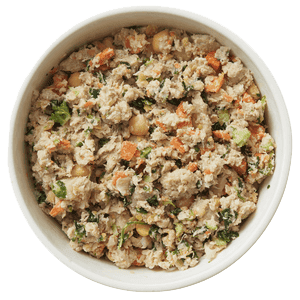
Why we recommended it:The Farmer’s Dog offers gently cooked, fresh meals made with whole proteins, vegetables, fiber-rich ingredients, and added vitamins and minerals for complete daily feeding. Its soft texture can be helpful for dogs with chewing discomfort, missing teeth, or reduced interest in dry food, while still providing a fully balanced meal. From a dental-health angle, this food is strongest as a clean, digestible base diet rather than a tooth-cleaning formula. Fresh meals do not create the same abrasive chewing action as dental kibble, so plaque control still depends on brushing, dental chews, and veterinary care. The recipes are designed for puppies, adults, and seniors, which makes them adaptable across life stages. The fresh format can also make daily feeding more consistent without relying on dry-food texture for dental support.
What sets it apart from competitors: It offers a personalized meal plan with portions built around the dog’s profile rather than a one-size scoop from a bag. The food is also prepared in human-food facilities, gently cooked, quickly frozen, and shipped as ready-to-serve packs, giving it a different production and handling model than shelf-stable dry diets.
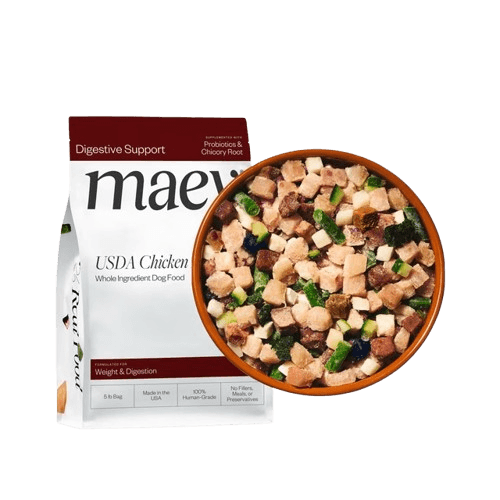
Who It’s For: Dog owners seeking a higher-end dental food with carefully chosen ingredients, strong daily nutrition, and added oral-care support for cleaner teeth, fresher breath, and healthy gums.
Why we recommended it:Maev Whole Ingredient Dog Food features raw recipes made with human-grade meat, organ meat, produce, and targeted supplement blends for complete daily feeding. The formula uses recognizable ingredients such as beef or chicken, liver, potatoes, green beans, zucchini, blueberries, kale, and peanut butter, giving the diet a whole-food structure rather than a pelletized texture. Its value is more about reducing reliance on soft, sticky, heavily processed meals than acting as a mechanical tooth cleaner. The frozen texture may encourage more chewing than canned food, but it should not be treated as a replacement for proven plaque-control habits. Chicory root and probiotics add digestive support, which can matter for dogs transitioning away from standard kibble or dealing with stool irregularity. Its raw format also means safe handling, proper storage, and gradual transition are especially important.
What sets it apart from competitors: Maev arrives as frozen raw, whole-ingredient food that is ready to portion without cooking, rehydrating, or mixing from scratch. It also offers function-focused recipes, such as digestion, joint, calming, skin and coat, and puppy support, instead of using one general formula for every feeding goal.
Get 30% OFF your order with the code CANINE30 —Use this link to get started.
Best Dry Dog Food for Dental Health
4.6
★★★★★
Hill’s Science
Who It’s For: Dog owners who prefer crunchy kibble that encourages chewing, helps support cleaner teeth, and still provides complete nutrition for everyday feeding and long-term wellness.
Why we recommended it:Hill’s Science Oral Care Dry Dog Food features clinically proven fiber technology designed to gently scrub the tooth surface as a dog chews. Its larger, textured kibble helps extend contact time with the teeth, which matters because plaque control depends partly on mechanical disruption before tartar hardens. The formula uses chicken, brown rice, whole grains, powdered cellulose, chicken fat, flaxseed, vitamins, and minerals to provide complete adult maintenance nutrition. From a dental-health standpoint, this food is useful because it works during an existing daily habit: eating. It also includes omega fatty acids, vitamin E, vitamin C, and added mineral support, so the recipe is not narrowly focused on teeth at the expense of broader adult nutrition. For best results, it should still be paired with brushing, routine exams, and professional cleanings when needed.
What sets it apart from competitors: This is a consumer-available dental diet with Veterinary Oral Health Council acceptance for both plaque and tartar claims, which gives it a more verifiable dental-care position than standard dry foods labeled only for “oral care.”
Best Wet Dog Food for Dental Health
4.7
★★★★★
JustFoodForDogs
Who It’s For: Dogs that need softer meals but still benefit from balanced nutrition, fresher breath support, gentle ingredients, and daily oral wellness without tough chewing or dry kibble.
Why we recommended it:JustFoodForDogs Pantry Fresh contains chicken, white rice, carrots, spinach, apples, chicken liver, oils, and added nutrients in a gently cooked formula. The soft texture is useful for dogs with tender mouths, missing teeth, senior chewing changes, or reduced appetite, since it does not require the same bite force as dry dental kibble. Its moisture-rich consistency can also help make meals easier to eat for dogs that are less interested in dry food. This recipe should be viewed as a wet food that supports comfortable feeding, not a food that scrubs teeth. Because softer meals can leave more residue around the gumline, daily dental care remains especially important. It can be served as a complete meal or topper, which gives flexibility for dogs transitioning from kibble or needing a more appealing bowl.
What sets it apart from competitors: The Tetra Pak format gives this wet food a pantry-stable structure that does not require freezer space before opening, which is unusual among fresh-style meals. That makes it easier to keep on hand for travel, boarding, or backup feeding without relying on frozen storage.
Best Dental Health Food for Dogs with Allergies
4.5
★★★★★
Dylan’s Pet
Who It’s For: Dog owners managing food sensitivities who need a dental-friendly formula that avoids common triggers while still supporting teeth, gums, digestion, and daily mealtime comfort.
Why we recommended it:Dylan’s Pet Quinoa Recipes feature vet-formulated, quinoa-based meals made with organic ingredients and built for sensitive dogs. The recipes use plant-based protein sources such as quinoa, chickpeas, black beans, green peas, and pea protein to help provide amino acid coverage without relying on common triggers like beef, chicken, or dairy. That is important for dogs with suspected food sensitivities because reducing repeat exposure to problem proteins can make daily feeding easier to manage. This food is not designed to scrape teeth, but its ingredient approach may appeal to dogs that need a gentler allergy-focused bowl while dental care is handled separately. The Quinoa Black Bean Recipe is positioned as the higher-protein option for active dogs, while the Quinoa Chickpea Recipe gives another legume-based choice for rotation or preference.
What sets it apart from competitors: It offers a subscription-based custom meal-plan setup, which gives this food a different buying model than most allergy-focused dry foods or canned limited-ingredient diets. Its use of compostable packaging also adds a structural sustainability angle that is uncommon in the frozen dog food space.
Best Dog Food for Puppies’ Dental Health
4.7
★★★★★
Open Farm
Who It’s For: Puppy owners who want a growth-focused food that supports strong teeth, healthy gums, safe chewing habits, and balanced nutrition from the start of early life and development.
Why we recommended it:Open Farm Ancient Grains Dry Dog Food for Puppies features a chicken-and-salmon dry kibble made with fish ingredients and added nutrients for growth. The recipe includes DHA and omega fatty acids, which are especially useful during puppy development because they help nourish the brain, vision, skin, and coat while the body is growing quickly. Calcium and phosphorus are included for mineral support, which matters for developing bones and teeth during the first year of life. Its kibble format gives puppies something to chew, but it should not be treated like a therapeutic dental diet or a substitute for brushing. The ancient grain blend adds digestible carbohydrates and fiber from ingredients such as oats, millet, brown rice, and quinoa, giving growing dogs a steady energy source without relying on peas, potatoes, or legumes.
What sets it apart from competitors: Open Farm offers a trace-your-bag system that lets each bag connect back to ingredient origins and available lot information, giving this recipe a level of supply-chain visibility many puppy kibbles do not provide. It also combines puppy-focused ancient-grain nutrition with large-breed growth suitability, rather than limiting the recipe to smaller or average-size puppies only.
Who It’s For: Senior dogs that need easy-to-eat nutrition with dental support for aging teeth, gum comfort, fresher breath, and steady daily nourishment without overly hard textures now.
Why we recommended it: The Freshpet Dog Food is a fully cooked roll made with chicken, chicken liver, chicken broth, cranberries, salmon, sweet potatoes, carrots, spinach, brown rice, pumpkin, blueberries, and added vitamins and minerals. Its soft texture is especially useful for aging dogs with sensitive teeth or weaker chewing comfort, since it does not require hard biting. The recipe includes omega-3 fatty acids, EPA and DHA, and glucosamine, which are relevant for senior dogs because mobility, joint comfort, and cognitive sharpness often become bigger feeding priorities with age. Antioxidant-rich fruits and vegetables add nutritional support for normal immune function, while the fresh, moist texture may make meals more appealing for picky seniors. This food is about comfort and senior nutrition, not mechanical plaque removal. Because moist foods can linger around the gumline, it should be paired with consistent oral-care habits.
What sets it apart from competitors: The roll format gives this recipe a practical senior-feeding advantage: portions can be sliced along serving marks, then diced, mashed, or mixed depending on chewing ability. It is also built specifically around aging-dog needs, combining senior-focused nutrition with a refrigerated, ready-to-serve format rather than using a standard adult wet-food profile.
Best Grain-Free Dog Food for Dental Health
4.5
★★★★★
Redbarn
Who It’s For: Dog owners who prefer grain-free feeding and want a dental-conscious formula that supports chewing, fresher breath, balanced nutrition, and everyday oral care needs at mealtime.
Why we recommended it: The Redbarn Powerfood Air Dried Dog Food blends animal sources with fruits and vegetables into a format designed for measured daily feeding. Ingredients emphasize recognizable meats up front, plus fiber-containing plant ingredients that help bulk stools and support gut motility. Because it’s air-dried, the texture is softer than kibble, which can be easier on teeth and jaws for dogs that don’t crunch hard. The recipe’s limited use of grains reduces exposure to certain carbohydrate sources that some dogs tolerate poorly, and the inclusion of whole-food components contributes bioavailable micronutrients beyond isolated supplements. Handling and portioning are also simple, which makes it practical during feeding transitions. The formula keeps the focus on whole-food components while still meeting complete-and-balanced adult maintenance standards.
What sets it apart from competitors: It combines an air-dried production method with whole-muscle meat emphasis, positioning it between raw/frozen foods and extruded kibble. It offers the convenience and shelf stability of dry formats without relying on high-heat extrusion or heavy preservatives, a structural approach that few mainstream brands pair with whole-muscle-first recipes.
Best Prescription Dental Dog Food
4.8
★★★★★
Hill’s Prescription Diet
Who It’s For: Dogs with vet-diagnosed dental concerns that need a therapeutic diet designed to help manage plaque, tartar, gum health, and long-term oral care at home between cleanings.
Why we recommended it:Hill’s Prescription Diet t/d Dental Care Dry Dog Food uses a clinically tested triple-action fiber matrix designed to clean the tooth surface as the dog bites through the kibble. The larger shape and fibrous texture help the tooth sink into the piece before it breaks, creating more contact along the tooth and closer to the gumline than many ordinary dry foods. The formula is also complete and balanced for adult maintenance, with antioxidants and S+OXSHIELD nutrient standards included for broader daily health considerations. Hill’s notes that exclusive feeding has been shown to reduce plaque, stain, and tartar buildup, but it should still be used as part of a full dental plan that includes exams and professional cleanings when needed. It should also be chosen with veterinary guidance to make sure it fits the dog’s dental status and overall medical needs.
What sets it apart from competitors: It is a veterinary-only therapeutic dental diet accepted by the Veterinary Oral Health Council for both plaque and tartar reduction. That separates it from many oral-care kibbles that rely on general dental wording without the same prescription status or dual VOHC claim.
Best Dental Food for Dogs With Tartar Buildup & Plaque
4.7
★★★★★
Royal Canin
Who It’s For: Dog owners dealing with visible tartar or plaque who want food that supports cleaner teeth alongside brushing, dental chews, regular vet care, and noticeably better breath.
Why we recommended it:Royal Canin Dental Care features a specialized kibble texture made to encourage chewing and create a brushing-like effect against the teeth. That matters because plaque starts as a soft film after meals and can harden into tartar when minerals in saliva bind to it over time. The formula includes sodium tripolyphosphate, an ingredient used to help limit tartar formation by binding calcium in the mouth before it mineralizes on the tooth surface. This is a maintenance diet rather than a treatment for dental disease, so it works best alongside brushing, dental chews, and regular cleanings. The nutrition profile is designed for adult maintenance, making it a practical daily food for dogs that need tartar-focused support built into their normal feeding routine.
What sets it apart from competitors: The large-dog-specific dental design is built around both tooth contact and bite size for dogs in the 56–100 lb range. Royal Canin also reports 46% less tartar formation in 28 days with exclusive feeding, giving this retail dental food a measurable result rather than a vague oral-care claim.
Best Dog Chew for Bad Breath after Food
4.6
★★★★★
Barkbox
Who It’s For: Dogs that need an after-meal chew to help freshen breath, encourage chewing, and reduce leftover food residue between brushings, cleanings, dental checkups, or daily meals.
Why we recommended it: The Barkbox Bright Original Dog Dental Chew Sticks use a ridged stick design that gives the teeth more surface contact while a dog chews. That texture matters because chewing can help disturb soft debris before it settles along the gumline and contributes to breath issues. The formula includes ingredients such as pea protein, potato flour or starch, vegetable glycerin, gelatin, parsley, alfalfa nutrient concentrate, turmeric, and peppermint oil, depending on the size and retail version. For dogs with post-meal breath, the combination of chewing time and breath-focused ingredients makes this a practical add-on after food rather than a full diet change. These chews are not complete and balanced food, so they should be counted as treats within the day’s calorie intake. They also need supervision, since any chew can become a choking or swallowing risk if a dog gulps instead of chewing.
What sets it apart from competitors: It offers a 30-count Original chew format that keeps the routine simple without toothpaste, mixing, or a separate applicator step. The weight-based sizing system also makes it easier to match the chew to the dog’s mouth size instead of using one universal stick for every breed.
Best Low-Starch Dog Food for Dental Health
4.5
★★★★★
Ketona
Who It’s For: Dog owners who want lower-starch food to support cleaner teeth, balanced energy, and fewer sticky residues without sacrificing complete nutrition or overall daily bowl appeal.
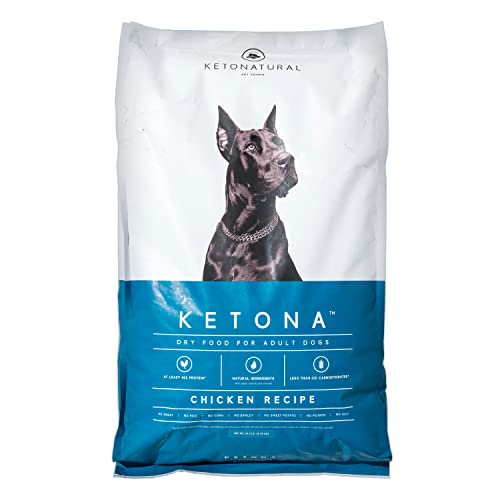
Why we recommended it: The Ketona Dry Dog Food uses chicken, chicken meal, peas, chicken fat, pea protein, ground miscanthus grass, flaxseed, and added vitamins and minerals in a low-starch dry formula. Its dry texture gives dogs more chewing activity than wet or soft foods, which can help reduce post-meal residue, though it is not a dental diet or a substitute for brushing. That starch-conscious structure is the main reason it fits this category, since it avoids heavy grain, potato, rice, or sweet potato content. The high animal-protein structure supports lean tissue maintenance, while fat provides concentrated energy for dogs that do well on richer dry diets. Ground miscanthus grass and flaxseed contribute fiber, which can help balance stool quality in a formula that is otherwise very protein-dense. Because the recipe is calorie-dense, careful measuring matters for less active dogs or dogs prone to gaining weight.
What sets it apart from competitors: Ketona publishes both starch and sugar maximums, which many dry foods do not clearly separate from general carbohydrate claims. It also aims to deliver a raw-style carbohydrate level in a shelf-stable kibble format, creating a rare middle ground between ultra-low-carb feeding and everyday dry-food convenience.
Best Raw Dog Food for Dental Health
4.8
★★★★★
We Feed Raw
Who It’s For: Dog owners interested in raw feeding who want a carefully balanced option that supports chewing, freshness, healthy gums, and overall dental wellness with thoughtful care.
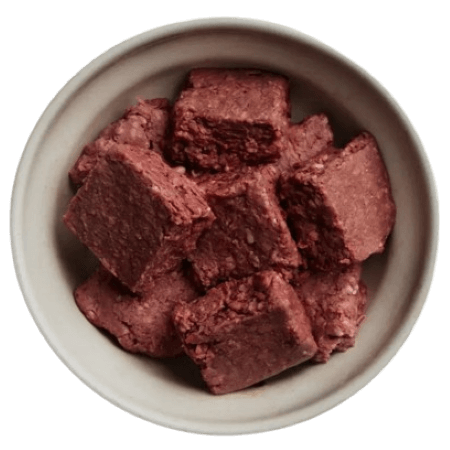
Why we recommended it:We Feed Raw patties are made from about 80% muscle meat, 10% finely ground bone, 10% organ meat, plus added vitamins and minerals for complete daily nutrition. This structure gives dogs animal-based protein, natural moisture, organ-derived micronutrients, and calcium-phosphorus support from ground bone without requiring a homemade raw formulation. From a dental-health standpoint, the main benefit is ingredient simplicity and reduced reliance on sticky, starch-heavy meals, not mechanical plaque scraping. Because the texture is soft once thawed, it should be paired with brushing, safe dental chews, and regular cleanings for true tartar control. The recipes are formulated for all life stages, including large-breed puppies, which is important because growing dogs need carefully balanced minerals rather than guesswork.
What sets it apart from competitors: We Feed Raw uses a personalized meal-plan model that portions frozen raw meals around the dog’s profile instead of leaving serving amounts entirely to manual calculation. Its patties also go through high-pressure processing, a cold-water pressure method used to reduce harmful bacteria while keeping the food raw.
Get 25% OFF your order with the code CB25. Use Canine Bible’s link to get started.
Other Dog Foods for Dental Health (Clean Teeth)
Best Budget Dog Food for Dental Health:Natural Balance Limited Ingredient is the winner for dogs that need a simple, affordable dry food that still fits a dental-conscious routine. Its kibble texture gives dogs something to chew, while the limited-ingredient approach is helpful for pups with sensitive stomachs or common protein triggers. The salmon recipe uses salmon as the single animal protein source, with brown rice for fiber and added omega fatty acids for skin and coat support. It is not a prescription dental diet, but it is a practical budget pick when paired with brushing, dental chews, and routine cleanings.
Best Freeze-Dried Dog Food for Dental Health:GetJoy Freeze Dried Raw Dog Food stands out because it gives dogs a shelf-stable raw-style meal without the mess of frozen raw food. The freeze-dried format can be served hydrated as a meal or dry as a topper, which makes it flexible for dogs that need more variety at mealtime. Its USDA-sourced proteins, whole-food ingredients, and Belly Biotics blend make it especially useful for dogs whose dental routine is part of a bigger gut-health and wellness plan. It does not replace brushing, but it is a smart choice for dogs that need a less processed food format with easy daily use.
Best Dog Food With Crowded Teeth:Nom Nom Freshly-Made Frozen Grain-Free Dog Food wins for dogs with crowded teeth because its soft, gently cooked texture is easier to manage than large or very hard kibble. Crowded teeth can trap food more easily, so a meal that is simple to chew and portion can make feeding more comfortable while dental care handles plaque control. This recipe provides complete nutrition for dogs of all ages and uses beef, vegetables, and vitamins in a grain-free, small-batch cooked format. It is a strong fit for dogs that need a softer bowl without switching to a basic canned food.
Best Dental Dog Food for Large Dogs:Eukanuba Adult Large Breed Dry Dog Food is the winner for large dogs because its crunchy S-shaped kibble is designed to help reduce tartar buildup as dogs chew. The formula is made for adult dogs over 15 months and over 55 pounds, which makes the kibble size and nutrition better suited to bigger breeds. It also includes chicken as the first ingredient, plus glucosamine and chondroitin for mobility support, which is especially relevant for large dogs. This makes it a practical daily dry food for big dogs that need both dental chewing action and large-breed nutrition.
How to Transition Your Dog to a New Dental Health Food
Switching to a new dental-friendly dog food should be gradual, even if the new food is healthier or better suited to your dog’s teeth. A slow transition gives the digestive system time to adjust and helps you spot problems like loose stool, vomiting, or appetite changes before they become bigger issues. Use the table below as a simple starting point, and slow the pace if your dog has a sensitive stomach or a medical condition.
Transition Stage
Food Mix
What to Do
Watch For
Days 1–2
75% old food, 25% new food.
Mix well and keep portions consistent.
Check appetite, stool, gas, or vomiting.
Days 3–4
50% old food, 50% new food.
Continue normal mealtimes and avoid adding new treats.
Loose stool means the switch may need to slow down.
Days 5–6
25% old food, 75% new food.
Make sure your dog is chewing comfortably, especially with dental kibble.
Watch for mouth pain, food dropping, or refusal to chew.
Days 7–10
100% new food.
Feed the full new diet if digestion and appetite look normal.
Monitor breath, stool, energy, and weight.
Sensitive dogs
Extend each step by several days.
Move more slowly for dogs with allergies, GI issues, or picky eating.
Call your vet if vomiting, diarrhea, or poor appetite continues.
Prescription dental diets
Follow your veterinarian’s plan.
Use the diet as directed, especially for tartar, plaque, or gum concerns.
Do not switch therapeutic diets without vet guidance.
Wet, fresh, or raw foods
Transition slowly and store properly.
Refrigerate or freeze as directed and clean bowls after meals.
Soft foods may need extra brushing or dental chews.
Dental-care routine
Keep brushing and chews consistent.
Use food as one part of oral care, not the whole plan.
Persistent bad breath or bleeding gums needs a vet exam.
Monitoring Your Dog’s Progress on a New Dental Health Diet
After switching foods, pay close attention to your dog’s appetite, stool quality, vomiting, gas, energy level, and weight. A good fit should be easy to eat, well-tolerated, and appropriate for your dog’s body condition—not just helpful for teeth. If your dog seems hungry, gains weight, loses weight, or starts refusing meals, adjust portions or talk with your vet.
For dental health, watch whether breath, chewing comfort, gum redness, and visible buildup improve, stay the same, or worsen over several weeks. Food can support an oral-care routine, but sudden bad breath, bleeding gums, loose teeth, drooling, or chewing on one side may point to dental disease that needs veterinary care. Dogs with allergies, senior health issues, pancreatitis, kidney disease, diabetes, or prescription diet needs should be monitored with veterinary guidance during any food change.
Frequently Asked Questions
The best dog food for dental health is usually a dental-specific dry food with larger, textured kibble designed to encourage chewing and help reduce plaque and tartar. Look for formulas with veterinary dental claims, VOHC acceptance when available, and complete balanced nutrition for your dog’s life stage.
Dry food may offer more chewing action than wet food, especially when the kibble is large and textured. However, regular kibble is not automatically a dental food, and wet food may still be better for dogs with painful teeth, missing teeth, or chewing difficulty.
Sticky, sugary, or soft foods that cling to the teeth can contribute to residue and plaque buildup. Avoid candy, sweet baked goods, table scraps, and very hard chews such as antlers, hooves, or hard bones, which may fracture teeth.
Toothbrushing is the most effective home-care habit, but dental diets, VOHC-accepted chews, safe chew toys, and routine veterinary cleanings can all help. A complete diet with proper minerals and nutrients also supports healthy gums and overall oral wellness.
Small dogs often need dental food with kibble sized for smaller mouths but still large enough to encourage chewing. Choose a small-breed dental formula or vet-recommended oral-care food that fits your dog’s weight, bite size, and chewing comfort.
Yes, soft food can be helpful for dogs with sore mouths, missing teeth, senior dental changes, or difficulty chewing. It will not scrape teeth like dental kibble, so brushing, dental wipes, chews, or vet-recommended care become even more important.
Feed a complete and balanced diet with appropriate calcium, phosphorus, protein, and essential nutrients, especially during puppy growth. For adult dogs, focus on preventing plaque and gum disease through brushing, safe chews, dental foods, and regular veterinary dental checks.
The Bottom Line
Choosing the best dog food for dental health starts with understanding what food can and cannot do. Dental-specific kibble, low-starch formulas, fresh meals, raw diets, and dental chews can all support cleaner teeth in different ways, but none of them replace brushing, routine vet exams, or professional cleanings when needed. The right choice depends on your dog’s age, size, chewing ability, sensitivities, and whether they need a true dental diet or simply a healthier daily food that fits their routine. If your dog has bad breath, visible tartar, red gums, loose teeth, or trouble chewing, check with your veterinarian before switching foods. With the right diet and consistent home dental care, you can help keep your dog’s teeth cleaner, breath fresher, and mealtimes more comfortable.
Like It? Subscribe & Share!
Sources
Canine Bible uses only high-quality sources, including peer-reviewed studies, to support the facts within our articles. Read our editorial process and product review methodology to learn more about how we fact-check, test products, and keep our content accurate, reliable, and trustworthy.
Canine Bible authorship represents the unified voice of our entire editorial team and our in-house veterinarians rather than a single author. Each article, blog post, and review published under the Canine Bible name undergoes a rigorous review process, involving all team members to guarantee accuracy and up-to-date in accordance with the latest veterinarian research. This collaborative effort is an integral part of our editorial process and aligns with our four pillars of content creation. This approach ensures our content is backed by expert knowledge and factual information, offering our readers reliable, actionable, and trustworthy content.