Hyperkeratosis in Dogs: Symptoms, Types, Causes, Signs & Prevention

Canine Bible is reader-supported. We receive affiliate commissions via some of our links. Learn more.
A comprehensive guide to hyperkeratosis in dogs, including causes, common symptoms, diagnosis, treatment, long-term care and when thickened skin on the nose or paw pads needs veterinary attention.
Hyperkeratosis at a Glance
Most common in
Often older dogs; inherited forms may affect younger dogs.
Common signs
Thick, dry, crusty skin; cracks, discomfort or limping.
Diagnosis
Physical examination; skin testing or biopsy if needed.
Treatment
Vet-approved moisturizers, skin care and treatment of the cause.
Prognosis
Often manageable, depending on the underlying cause.
Long-term care
Regular monitoring and ongoing skin care may be needed.
What Is Hyperkeratosis in Dogs?
Hyperkeratosis is a thickening of the outer layer of skin caused by excess buildup of keratin, a protective protein found in the skin, hair and nails. In dogs, it most often affects the nose (nasal hyperkeratosis) or paw pads (footpad hyperkeratosis), causing dry, hard, crusty skin or sometimes hair-like projections. Some cases develop with age or result from inherited skin disorders; others occur alongside infections, immune-mediated conditions or other illnesses. Mild cases may cause little discomfort, but deep cracks can become painful, bleed or develop secondary infections. Treatment focuses on keeping affected skin comfortable and addressing any underlying cause.


Types
Dogs can develop different types of hyperkeratosis, depending on the area affected and the underlying cause. The condition most commonly appears on the nose or paw pads, but it may also be linked to inherited disorders, age-related changes, or other health conditions. Understanding the different types of hyperkeratosis can help pet parents recognize symptoms early and better understand treatment and long-term care needs.
Nasal Hyperkeratosis
Excess keratin buildup on the nose, causing dry, thick, rough or crusty skin that may crack.
Paw Pad Hyperkeratosis
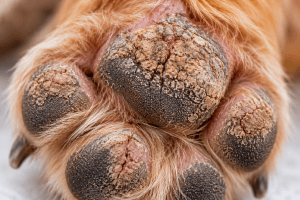
Thickening of the paw pads that can create hard, rough or horn-like growths and painful cracks.
Nasodigital Hyperkeratosis
Hyperkeratosis affecting both the nose and paw pads, producing excessive keratin in both areas.
Idiopathic Hyperkeratosis
Thickening of the nose or paw pads without an identifiable underlying cause, often requiring ongoing skin care.
Hereditary Hyperkeratosis
An inherited disorder of skin keratinization seen in certain breeds, often appearing during puppyhood or early adulthood.
Age-Related Hyperkeratosis
Thickened, dry or crusty skin that may develop on the nose or paw pads as dogs grow older.


Infection-Associated Hyperkeratosis
Excessive skin thickening linked to certain infections, including canine distemper or leishmaniasis.
Immune-Mediated Skin Disease
Conditions such as pemphigus foliaceus can cause crusting and skin thickening that may resemble or accompany hyperkeratosis.
Nutritional or Metabolic Causes
Disorders such as zinc-responsive dermatosis can produce scaling, crusting and thickened skin that require targeted treatment.
Predisposed Dog Breeds
While hyperkeratosis can affect any dog, certain breeds have a higher genetic risk. Factors such as age, genetics, and inherited traits make some breeds more prone to specific forms of hyperkeratosis than others.
| Risk Category | Breeds | Notes on Risk Factors |
|---|---|---|
| Hereditary Nasal Hyperkeratosis | Labrador Retriever, Greyhound | Certain inherited keratinization disorders cause thick, dry, crusty skin on the nose. Symptoms often begin at a young age, particularly in affected Labrador Retrievers. |
| Hereditary Footpad Hyperkeratosis | Irish Terrier, Kromfohrländer | Genetic mutations can cause excessive keratin buildup on the paw pads. Affected dogs may develop hardened pads, painful cracks, and difficulty walking during puppyhood. |
| Familial Footpad Hyperkeratosis | Dogue de Bordeaux | An inherited skin disorder can cause abnormal thickening of the paw pads. Severe cases may result in deep fissures, secondary infections, and lameness. |
| Rare Hereditary Forms | Rottweiler | Rare inherited forms of footpad hyperkeratosis have been documented. Affected dogs may develop excessive skin thickening, cracking, and painful paw lesions. |
| Other Genetically Susceptible Breeds | Bedlington Terrier, Welsh Terrier, German Hunting Terrier | Genetic variants associated with hereditary footpad hyperkeratosis have been identified in certain breeds. Individual risk depends on the specific mutation and inheritance. |
| Age-Related Hyperkeratosis | All breeds, particularly senior dogs | Older dogs of any breed may develop thickened, dry, or crusty skin on the nose or paw pads. These changes are not always caused by inherited disorders. |
Causes
Hyperkeratosis in dogs usually develops from a combination of genetic, age-related, and underlying health factors rather than a single cause. While some forms cannot be completely prevented, understanding the factors that may increase risk can help pet parents make informed decisions about skin care, early detection, and treatment.
Genetics
Some dogs inherit genetic mutations that disrupt normal skin keratinization, causing excessive keratin buildup on the nose or paw pads.
Age
Hyperkeratosis becomes more common in older dogs as age-related changes in skin renewal can contribute to thickened, dry, or crusty skin.
Infectious Diseases
Certain infections, including canine distemper and leishmaniasis, can cause abnormal skin thickening, crusting, and hyperkeratosis of the paw pads or nose.
Immune-Mediated Conditions
Immune-mediated diseases such as pemphigus foliaceus can cause crusting, scaling, and thickened skin that may resemble or accompany hyperkeratosis.
Nutritional Imbalances
Zinc deficiency or impaired zinc absorption can disrupt normal skin development and cause scaling, crusting, and thickened paw pads.
Underlying Medical Conditions
Certain systemic illnesses, including hepatocutaneous syndrome, can cause abnormal skin changes, severe paw pad crusting, and hyperkeratosis.
Unknown Causes (Idiopathic)
Some dogs develop hyperkeratosis without an identifiable cause. These cases may require ongoing moisturizing, monitoring, and supportive skin care.
Symptoms
Hyperkeratosis symptoms in dogs can vary depending on the type, location, severity, and underlying cause of the condition. Some signs may be subtle at first, while others become more noticeable as excess keratin builds up. Common symptoms include thickened skin, dryness, crusting, rough or hardened paw pads, cracked skin, bleeding, pain, or difficulty walking. Because these symptoms can also be caused by other skin conditions, any persistent or unusual changes should be evaluated by a veterinarian.
- Thickened skin on the nose or paw pads
- Dry, rough, or hardened skin
- Crusty or flaky skin buildup
- Hair-like or horn-like keratin projections
- Cracks or fissures in affected skin
- Bleeding from deep skin cracks
- Pain or tenderness when touched
- Limping or difficulty walking
- Redness, swelling, or secondary infection
- Excessive licking or chewing of the paws
Hyperkeratosis most commonly affects the nose and paw pads.
Stages & Progression of Hyperkeratosis in Dogs
Hyperkeratosis in dogs can progress at different rates depending on the underlying cause, location, and severity of keratin buildup. Although hyperkeratosis has no formal staging system, veterinarians assess how advanced the skin thickening is, whether cracking or infection has developed, and which treatment options may be most appropriate. Understanding the progression of the condition can also provide important insight into prognosis, potential complications, and the level of care your dog may need.
Mild Dryness
Early changes may include slightly dry, rough, or thickened skin on the nose or paw pads, usually without significant discomfort.
Keratin Buildup
Excess keratin becomes more noticeable, producing thicker, harder, or crusty skin. Regular veterinary-guided skin care may help.
Cracking & Discomfort
Thickened skin may develop painful fissures, bleeding, or tenderness. Paw pad involvement can cause limping or reluctance to walk.
Severe Complications
Deep cracks may lead to secondary infection, significant pain, or difficulty walking. Prompt veterinary treatment is important.
This chart is a simplified visual guide, not an official veterinary staging system. Hyperkeratosis does not always progress through these severity levels, and some dogs remain stable with appropriate care. The rate of progression and prognosis depend on the underlying cause, affected areas, and response to treatment.
Top Ways to Prevent Hyperkeratosis in Dogs
Because hyperkeratosis is often a genetic, age-related, or underlying health-related condition, complete prevention is not always possible. By maintaining proper nose and paw pad care, providing a balanced diet, and scheduling regular veterinary checkups, the risk of complications can be significantly reduced. Proactive care helps detect skin changes early, improving your dog’s comfort and overall skin health.
| Prevention Strategy | Why It Helps | How to Do It |
|---|---|---|
| Maintain Regular Nose & Paw Pad Care | Proper skin care helps reduce dryness, cracking, and discomfort associated with excessive keratin buildup. | Inspect the nose and paw pads regularly and use veterinarian-approved moisturizers or paw balms as recommended. |
| Feed a Balanced, High-Quality Diet | Essential nutrients, including zinc, support normal skin function and healthy keratin production. | Provide a complete and balanced diet appropriate for your dog’s age and health. Use supplements only when recommended by a veterinarian. |
| Protect Paws From Harsh Surfaces | Hot pavement, rough terrain, and extreme cold can irritate sensitive paw pads and worsen existing cracks. | Avoid walking on excessively hot or abrasive surfaces, use protective dog boots when appropriate, and check paws after outdoor activities. |
| Schedule Regular Veterinary Checkups | Routine examinations help identify abnormal skin thickening and underlying conditions before complications become more serious. | Schedule annual or biannual veterinary examinations based on your dog’s age and health, including regular nose and paw pad assessments. |
| Keep Skin Clean & Dry | Good hygiene helps reduce irritation and the risk of secondary infections in cracked or damaged skin. | Gently clean dirty paws with lukewarm water, dry thoroughly, and avoid harsh soaps or products that irritate the skin. |
| Maintain Vaccinations & Infection Prevention | Certain infections, including canine distemper, can cause paw pad hyperkeratosis. Preventing these infections reduces associated risks. | Keep core vaccinations current and follow veterinarian-recommended parasite prevention, including appropriate protection in areas where leishmaniasis occurs. |
| Avoid Cutting or Peeling Thickened Skin | Removing hardened keratin improperly can cause bleeding, pain, and secondary infections. | Never cut, pull, or peel thickened skin at home. Ask your veterinarian about safe moisturizing treatments or professional trimming when needed. |
| Monitor for Early Signs | Recognizing changes early allows for prompt treatment and may prevent painful cracking, infection, or difficulty walking. | Check for excessive crusting, rough skin, cracks, bleeding, or limping, and report persistent or worsening symptoms to your veterinarian. |
Actionable Resources
If you want to manage hyperkeratosis in your dog and reduce dryness, cracking, or discomfort, here are some helpful resources to explore under veterinary guidance.
How Is Hyperkeratosis in Dogs Diagnosed
Diagnosing hyperkeratosis in dogs requires a comprehensive veterinary evaluation to determine the type, location, severity, and underlying cause of the condition. Key steps include:
1. Physical Examination
Your veterinarian examines the nose, paw pads, and surrounding skin for excessive keratin buildup, dryness, crusting, cracks, inflammation, or signs of infection.
2. Medical History
Your veterinarian reviews your dog’s age, breed, family history, symptom onset, and previous skin problems to identify possible hereditary, age-related, or underlying medical causes.
3. Skin Testing
Skin scrapings, cytology, or microbial testing may be performed when needed to check for parasites, secondary infections, or other skin conditions that resemble hyperkeratosis.
4. Laboratory Tests
Bloodwork and other targeted tests may help identify underlying illnesses, nutritional disorders, or infections associated with abnormal skin thickening when clinically indicated.
5. Skin Biopsy
A skin biopsy may be recommended for unusual, severe, or persistent lesions. Tissue examination helps distinguish hyperkeratosis from immune-mediated, inflammatory, or other skin disorders.
6. Diagnosis & Cause Assessment
Your veterinarian evaluates the findings to determine the likely cause and appropriate care. Breed-specific genetic testing may be considered when an inherited form is suspected and a validated test is available.
Early detection is important because hyperkeratosis can be managed more effectively before severe skin thickening, painful cracks, or secondary infections develop—helping improve your dog’s comfort and overall quality of life.
Nutritional Support & Supplements
Proper nutrition can play an important supportive role for dogs with hyperkeratosis by helping maintain healthy skin, normal keratin production, skin barrier function, and overall quality of life during treatment. Depending on your dog’s needs, veterinarians may recommend a complete, balanced diet and supplements such as omega-3 fatty acids or targeted nutrients like zinc when medically indicated. Supplements should be used under veterinary guidance, as nutritional support alone cannot cure all forms of hyperkeratosis.
Important: Nutritional support cannot cure inherited or age-related hyperkeratosis, and excess zinc or vitamin A can be harmful.
Always discuss supplements with your veterinarian. Treatment may also require topical skin care and management of underlying conditions.
Supportive care—such as regular nose and paw pad moisturizing, pain management, nutritional support, and lifestyle adjustments—plays a crucial role in maintaining comfort and quality of life during treatment. These measures help manage symptoms but do not cure hyperkeratosis, so any skin care routine, diet, or supplement plan should be reviewed with your veterinarian to ensure safe and effective management.
Over-the-Counter Products
Over-the-counter treatments and supplements mentioned in this article for hyperkeratosis in dogs can be found on Amazon and Chewy.


Always consult your veterinarian before starting any new treatment, medication, or home-care regimen for canine hyperkeratosis. Puppies and dogs with persistent vomiting, diarrhea, weakness, or dehydration may require prompt veterinary care. If you can’t reach your vet, you can chat live with a registered online veterinary professional via our online vet chat or video chat support (24 hours a day, 7 days a week). Or use Chewy’s online vet services (6 a.m. – midnight ET).
Treatment & Care
According to veterinary dermatology guidance, the most effective treatments for hyperkeratosis in dogs are multimodal, combining several approaches to manage symptoms and improve skin health. These may include veterinarian-approved moisturizers and paw balms to soften thickened skin, gentle keratin removal by a veterinary professional when necessary, and medications or targeted therapies to treat underlying conditions, relieve discomfort, and prevent secondary infections.
Medications
Common medications used to treat hyperkeratosis in dogs include:
| Medication / Class | Examples | How It Is Used | Important Considerations |
|---|---|---|---|
| Moisturizers / Emollients | Veterinarian-approved paw balms, moisturizing ointments, emollient creams | Used to soften thickened keratin, reduce dryness, and help prevent cracking of the nose or paw pads. | These are a mainstay of supportive care, but they do not cure the underlying cause. Only use products safe for dogs, especially on areas your dog may lick. |
| Keratolytic / Softening Products | Veterinarian-prescribed urea-based products, salicylic-acid-containing formulations, other keratin-softening topicals | May be used to soften excess keratin and help reduce crusting or hard buildup on the nose or paw pads. | These products can irritate sensitive or cracked skin if used incorrectly. They should only be used under veterinary guidance. |
| Topical Antiseptics / Antimicrobials | Chlorhexidine wipes or solutions, veterinarian-selected antiseptic products | Used when hyperkeratosis is complicated by superficial bacterial overgrowth or when cracked skin needs infection control. | Overuse or inappropriate products may worsen irritation. Concentration and frequency should be determined by your veterinarian. |
| Topical Antibiotics / Antifungals | Mupirocin, silver sulfadiazine, miconazole or other veterinarian-prescribed topicals | May be prescribed when secondary bacterial or yeast infections develop in cracked or damaged skin. | These medications treat secondary infection, not the hyperkeratosis itself. The correct product depends on the organism involved and lesion location. |
| Systemic Antibiotics | Cephalexin, amoxicillin-clavulanate, other veterinarian-selected oral antibiotics | Used when deep cracks or lesions become infected and topical treatment alone is not sufficient. | Antibiotics should only be used when clinically indicated. Culture, cytology, or examination may help guide drug selection. |
| Anti-Inflammatory / Immunomodulatory Drugs | Prednisone, prednisolone, cyclosporine | May be used when hyperkeratosis is associated with immune-mediated or inflammatory skin disease. | These drugs are not appropriate for every case and can have important side effects. Treatment plans must be individualized and monitored by a veterinarian. |
| Pain Management | Gabapentin, veterinarian-prescribed analgesics, selected NSAIDs | Used to help manage discomfort when deep fissures, inflamed paw pads, or painful walking are present. | Pain-control plans vary by dog. NSAIDs are not safe for all patients and should never be combined with certain medications unless specifically directed by a veterinarian. |
| Zinc Supplementation | Zinc methionine, zinc gluconate, other veterinarian-recommended zinc supplements | May be used in dogs with zinc-responsive dermatosis or suspected zinc-related skin abnormalities contributing to hyperkeratosis. | Zinc supplementation is not appropriate for every dog. Excess zinc can be harmful, so it should only be given under veterinary supervision. |
| Vitamin A / Retinoid Therapy | Vitamin A supplementation, other veterinarian-directed keratinization therapies | In selected cases, these therapies may be considered to help manage disorders of keratinization. | These are not routine for all dogs with hyperkeratosis. Excess vitamin A or inappropriate use can cause side effects, so monitoring is important. |
| Underlying Disease-Specific Treatment | Condition-specific therapy based on diagnosis | If hyperkeratosis is linked to an underlying disease, treatment focuses on managing that condition in addition to local skin care. | Hyperkeratosis may be secondary to inherited disorders, infections, immune-mediated disease, nutritional problems, or systemic illness. Successful treatment often depends on identifying and managing the root cause. |
The best way to get these medications is at Chewy Pet Pharmacy:
Alternative & Integrative Therapies
Integrative and supportive therapies can help manage symptoms, reduce discomfort, and improve quality of life for dogs with hyperkeratosis. Options such as moisturizing paw balms, gentle paw soaks, protective booties, and veterinarian-supervised keratin removal may be used alongside conventional treatment, but should always be discussed with your veterinarian to ensure they are safe and appropriate for your dog.
Surgical Options
Surgery is rarely necessary for hyperkeratosis in dogs, as most cases can be managed with topical treatments and supportive skin care. However, when excessive keratin buildup causes severe discomfort, deep cracks, or difficulty walking, a veterinarian may perform careful removal of thickened skin, debridement of damaged tissue, obtain a biopsy, relieve pain, or improve quality of life. Your veterinarian or veterinary dermatologist will determine whether a procedure is appropriate based on the severity, affected location, underlying cause, and your dog’s overall health.
Emotional & Lifestyle Impact
A hyperkeratosis diagnosis can be challenging for both dogs and their families. Dogs may experience changes in comfort, mobility, activity levels, and behavior, especially when thickened skin causes painful cracks or irritation. With proper skin care, veterinary treatment, and lifestyle adjustments, many dogs can continue to enjoy happy, comfortable lives while managing the condition.
For Dogs
- May experience discomfort from dry, cracked skin
- Possible limping or reluctance to walk or play
- May lick or chew irritated paws more frequently
- Can still enjoy normal activities with proper skin care and support
For Pet Parents
- It’s normal to feel concerned about your dog’s comfort
- Maintain a consistent nose and paw pad care routine
- Monitor for cracks, bleeding, infection, or pain
- Work with your veterinarian on long-term management
- Focus on keeping your dog comfortable, active, and happy
Hyperkeratosis may require ongoing care, but it doesn’t have to limit your dog’s happiness. Small acts of care, comfort, and love can make a meaningful difference every day.
Brighter tomorrows.
Dog Hyperkeratosis Prognosis
A dog’s hyperkeratosis prognosis depends on several factors, including the underlying cause, severity of skin thickening, response to treatment, overall health, and level of supportive care. Many dogs can manage the condition successfully for long periods with proper skin care, while others may require ongoing treatment to prevent painful cracks and infections. Working closely with your veterinary team can help guide treatment decisions, manage symptoms, and maintain the best possible quality of life for your dog.
Key Factors That Influence Prognosis
Typical Annual Cost of Treating Canine Hyperkeratosis
| Category | Estimated Annual Cost Range | Notes |
|---|---|---|
| Initial Diagnosis & Veterinary Examination | $75 – $250 | Includes a veterinary examination, assessment of nose and paw pad thickening, and review of symptoms and possible underlying causes. |
| Skin Testing & Biopsy | $150 – $900+ | May include skin cytology, cultures, bloodwork, or biopsy when the diagnosis is uncertain or an underlying medical condition is suspected. |
| Moisturizing Balms & Topical Skin Care | $40 – $240 | Veterinarian-approved nose balms, paw moisturizers, and keratin-softening products used regularly to manage dryness, thickening, and cracking. |
| Professional Keratin Trimming & Debridement | $75 – $500 | Veterinary removal of excessive keratin or damaged tissue when necessary. Some dogs require repeated procedures to maintain comfort. |
| Follow-Up Veterinary Examinations | $75 – $300 | Periodic examinations to monitor skin condition, evaluate treatment response, and identify painful cracks or secondary infections. |
| Medications & Infection Treatment | $50 – $350+ | May include prescription topical treatments, antibiotics for confirmed infections, and veterinarian-prescribed pain relief when needed. |
| Nutritional Support & Supplements | $50 – $400 | Optional omega-3 supplements, targeted nutrients, or therapeutic diets when recommended to address nutritional deficiencies or associated skin disorders. |
| Protective Paw Care & Accessories | $25 – $150 | Protective dog boots, paw coverings, and other accessories that reduce friction, prevent irritation, and protect sensitive paw pads. |
| Underlying Disease Treatment | $200 – $2,000+ | Additional treatment may be required when hyperkeratosis is linked to infections, immune-mediated disease, or other systemic conditions. Costs depend on the diagnosis. |
| Pet Insurance Coverage | Varies | Coverage depends on policy terms, deductibles, exclusions, and whether hyperkeratosis is considered a pre-existing condition. |
| Typical Annual Range | Mild / Routine Management: $100 – $600 | Complicated / Intensive Treatment: $500 – $2,500+ | |
Hyperkeratosis care can add up quickly — from daily medications to possible surgeries. Pet insurance can ease the financial burden and ensure your dog gets the best treatment without compromise. If you want to compare plans and find out which providers offer the best coverage for hyperkeratosis and chronic conditions, check out our full guides to the Best Pet Insurance for Dogs and Best Pet Wellness Plans.
Related Health Conditions
Some health conditions are closely linked to hyperkeratosis because they may cause excessive skin thickening, affect similar areas of the body, or produce overlapping symptoms. Understanding these related conditions can help dog owners recognize potential warning signs, distinguish hyperkeratosis from other skin disorders, and better understand the diagnostic and treatment options their veterinarian may recommend.
- Ichthyosis
- Zinc-Responsive Dermatosis
- Canine Distemper
- Pemphigus Foliaceus
- Discoid Lupus Erythematosus
- Hepatocutaneous Syndrome
- Seborrhea & Dog Dandruff
- Skin Allergies
- Hot Spots
- Bacterial Skin Infections (Pyoderma)
- Leishmaniasis
- Paw Pad Dermatitis
Frequently Asked Questions
The Bottom Line
Hyperkeratosis in dogs is a skin condition that can cause discomfort, painful cracking, and mobility problems, but it’s important to remember that many cases can be successfully managed with proper care. Early detection, veterinary-guided treatments, and consistent nose and paw pad moisturizing can help dogs maintain healthier, more comfortable skin. Although some forms require lifelong management, understanding the warning signs, scheduling regular veterinary checkups, and maintaining a balanced diet and appropriate skin care routine can make a meaningful difference in your dog’s well-being. Above all, your love, care, and commitment can help your dog enjoy a happy, active, and comfortable life despite the condition.