Dog Food Alternatives: 10 Options to Feed Instead of Kibble (Vet-Approved)


Canine Bible is reader-supported. We receive affiliate commissions via some of our links. Learn more.
If you run out of dog food, you can temporarily feed your dog certain plain, dog-safe human foods such as cooked lean meat, rice, eggs, and some vegetables. However, these foods should usually be a short-term substitute unless the diet has been properly balanced for long-term feeding. Not every food in your kitchen is safe for dogs, and even healthy ingredients can cause problems if you overlook portions, seasonings, or nutrient balance. Your dog’s age, size, health conditions, and dietary needs can also affect which alternatives are appropriate. Homemade meals, emergency substitutes, and occasional food toppers each require a slightly different approach. Some common human foods are nutritious for dogs, while others can cause digestive upset or even serious toxicity. Understanding what you can safely feed, what to avoid, and when a homemade diet needs veterinary guidance can help you make a better choice for your dog.
Quick Safety Check Before Feeding Your Dog Something Else
Before reaching into the refrigerator or pantry, make sure the food you are considering is appropriate for your dog. Ask these questions first:
Also check ingredient labels on packaged human foods. Xylitol, for example, may appear in products such as sugar-free foods, baked goods, supplements, and some nut butters, and may also be labeled birch sugar or wood sugar. Suspected xylitol ingestion in dogs should be treated as an emergency.
Remember to ALWAYS consult with your vet before making any changes that could affect your dog’s health, nutrition, or well-being. If you can’t reach your vet, you can chat live with a registered online veterinary professional via our online vet chat or video chat support (24 hours a day, 7 days a week). Or use Chewy’s online vet services (6 a.m. – midnight ET). Additionally, at-home dog gut health tests can analyze your dog’s microbiome, offering insights into which nutrients their diet should include. Similarly, at-home dog allergy testing kits can identify ingredients that may not be suitable for your dog, enabling you to choose the right diet and care plan to support optimal digestion, nutrition, and health.
10 Safe Foods Dogs Can Eat When Dog Food Is Unavailable
If you unexpectedly run out of dog food, several common kitchen staples can work as short-term alternatives for a healthy adult dog. Keep everything plain, fully cooked when appropriate, and free from seasonings, sauces, butter, onions, garlic, and excess fat.
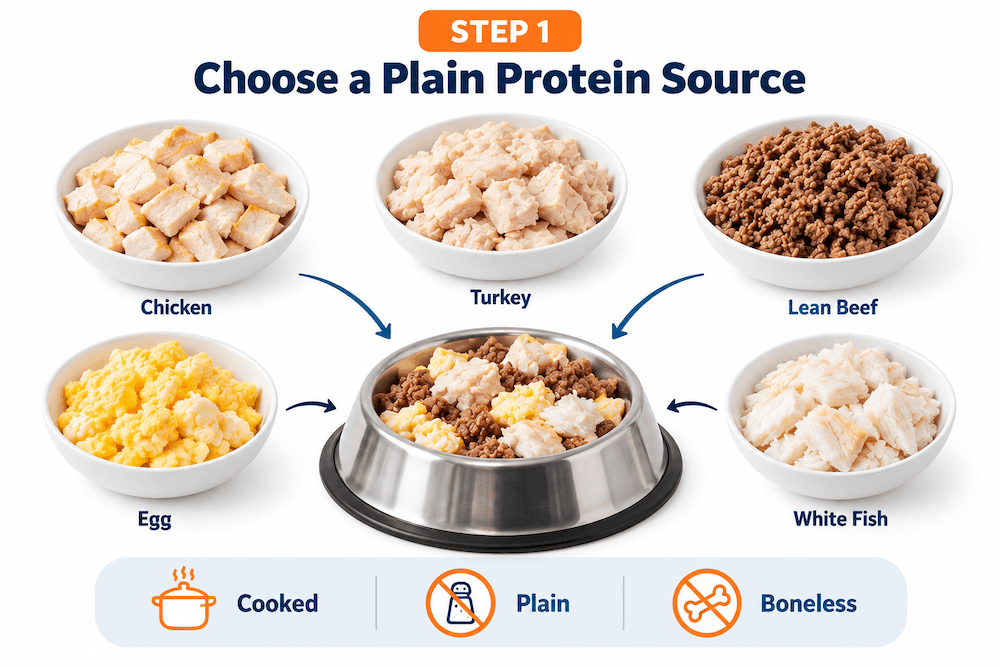
1. Cooked Chicken
Plain, skinless, boneless chicken is an easy source of protein for a temporary dog meal. Cook it thoroughly and remove the skin, visible fat, and all bones before serving.
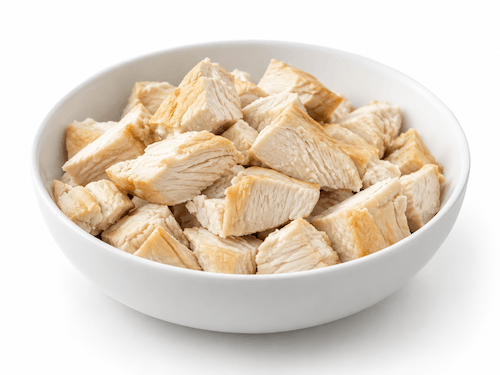
2. Cooked Turkey
Plain cooked turkey can also provide protein when regular dog food is unavailable. Choose skinless, boneless meat and avoid deli turkey, gravy, stuffing, or seasoned leftovers because they may contain excessive salt, fat, onions, or garlic.


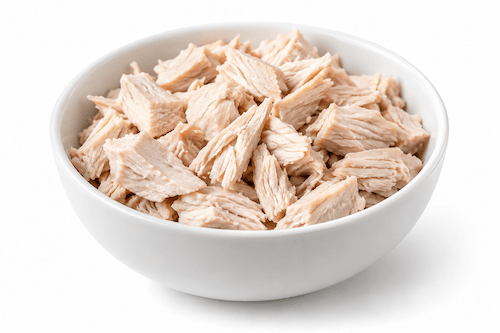
3. Lean Beef
Fully cooked lean ground beef or small pieces of lean beef can provide protein and calories for a short-term meal. Drain excess grease and avoid fatty cuts, seasonings, sauces, and cooked bones.
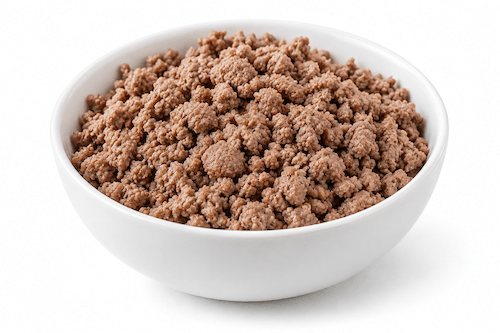
4. Eggs
Fully cooked eggs are a convenient protein-rich option that many dogs tolerate well. Scramble, boil, or poach them without butter, oil, salt, cheese, or seasoning.
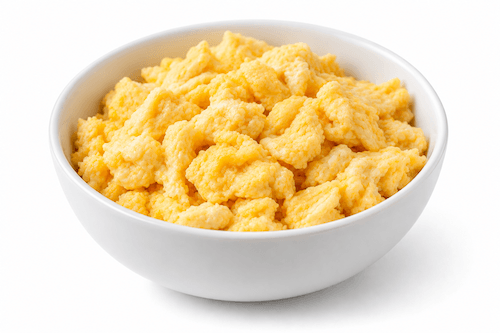
5. White Fish
Plain cooked white fish such as cod or tilapia can provide a lean source of protein. Cook it thoroughly and carefully remove every bone before offering it to your dog.
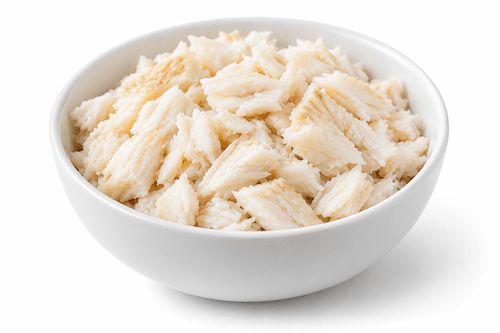
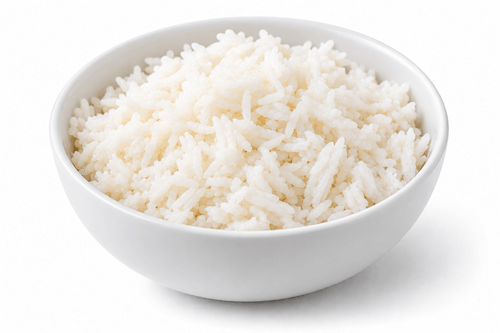
6. White Rice
Plain cooked white rice is an easy carbohydrate source that can help add calories to a temporary meal. It should be served alongside another appropriate food rather than used as the dog’s only food for an extended period.
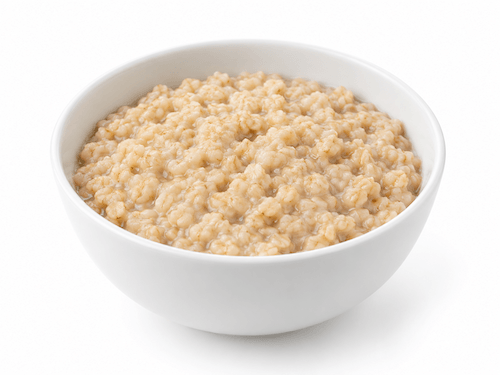
7. Oatmeal
Plain oatmeal cooked in water can provide carbohydrates and fiber when dog food is temporarily unavailable. Avoid flavored instant oatmeal, added sugar, artificial sweeteners, milk, raisins, or other mix-ins.
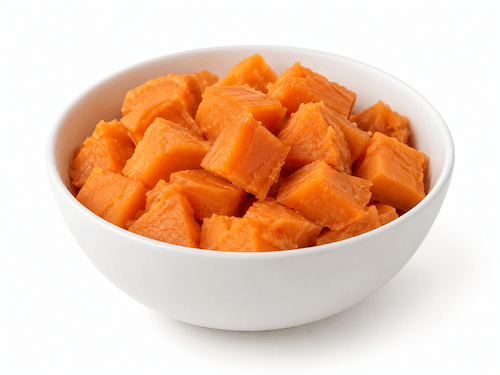
8. Sweet Potato
Cooked sweet potato can provide carbohydrates, fiber, and additional calories as part of a simple temporary meal. Serve it plain and cooked thoroughly without butter, sugar, salt, spices, or sweet toppings.


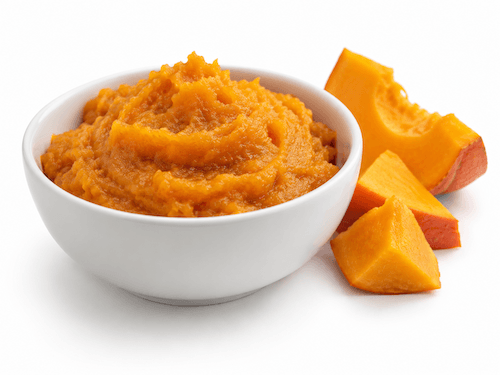
9. Pumpkin
Plain cooked pumpkin or 100% pure canned pumpkin can be used as a small addition to a temporary meal. It provides fiber but should not make up most of the meal, and pumpkin pie filling should be avoided because it contains added ingredients.
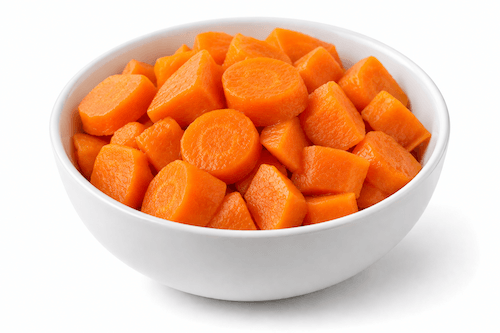
10. Carrots
Plain carrots can add fiber and variety to a temporary meal and can be served cooked or cut into appropriately sized pieces. They work best as a small addition rather than as the primary source of calories or protein.
Fruit and vegetables can add variety and fiber, but they do not replace the protein, calories, essential fats, vitamins, minerals, and overall nutrient balance normally supplied by a complete dog food.
What You Should Not Feed Your Dog When Dog Food Is Not Available
Running out of dog food does not make ordinary leftovers automatically safe. Some human foods can cause poisoning, gastrointestinal illness, choking, dental injury, or intestinal obstruction.
| Food or Ingredient | Main Concern | What to Do |
|---|---|---|
| Grapes and raisins | Can cause serious kidney injury. | Contact a veterinarian promptly after suspected ingestion. |
| Onions and garlic | Can damage red blood cells. | Avoid fresh, cooked, dried, and powdered forms. |
| Xylitol | Can cause dangerous low blood sugar and liver injury. | Treat suspected ingestion as an emergency. |
| Chocolate | Contains compounds that are toxic to dogs. | Risk varies with chocolate type, amount eaten, and dog size. |
| Caffeine | Can cause potentially serious stimulant effects. | Keep coffee, tea, energy drinks, grounds, and caffeine products away. |
| Alcohol | Can cause serious neurologic and metabolic effects. | Keep alcoholic drinks and alcohol-containing foods inaccessible. |
| Macadamia nuts | Can cause weakness and other toxic effects. | Do not use them as a snack or meal ingredient. |
| Cooked bones | Can damage teeth or cause choking or digestive injuries. | Remove all bones before serving meat. |
| Raw yeast dough | Can expand and produce alcohol in the digestive tract. | Keep uncooked dough completely inaccessible. |
| Fatty leftovers | May trigger vomiting or pancreatitis in susceptible dogs. | Choose lean, plainly cooked foods instead. |
| Heavily seasoned foods | May contain unsafe ingredients, excessive salt, or too much fat. | Feed ingredients plain. |
| Corn cobs and large fruit pits | Can cause intestinal obstruction. | Keep them away from dogs. |
Other Emergency Feeding Options for Dogs
If another complete and balanced dog food is available, it is generally a better temporary choice than relying on improvised human-food meals. Make sure it is appropriate for your dog’s life stage and does not conflict with allergies, medical conditions, or prescription-diet requirements.
A small amount of cat food is unlikely to cause problems for most healthy adult dogs, but it should not be used as a regular replacement because it is formulated for feline nutritional needs and is typically richer than dog food. Larger amounts may cause digestive upset, particularly in dogs with sensitive stomachs or difficulty tolerating higher-fat foods.
Other pantry options for an isolated emergency meal can include plain cooked pasta, quinoa, green beans, peas, or a small amount of canned tuna packed in water. Keep these foods plain and use them only as a short-term solution, since none should be relied on by itself as a complete replacement for dog food.
How to Make a Temporary Meal for Your Dog
A temporary meal does not need to imitate kibble ingredient-for-ingredient. The goal is to provide a simple, tolerable meal without introducing unnecessary risks until an appropriate complete diet is available again.
Step 1: Choose a Protein
Start with a plain, fully cooked protein your dog already tolerates, such as chicken, turkey, lean beef, egg, or boneless white fish. Remove skin, bones, excess fat, and any seasoning before serving.
Step 2: Add a Simple Carbohydrate if Needed
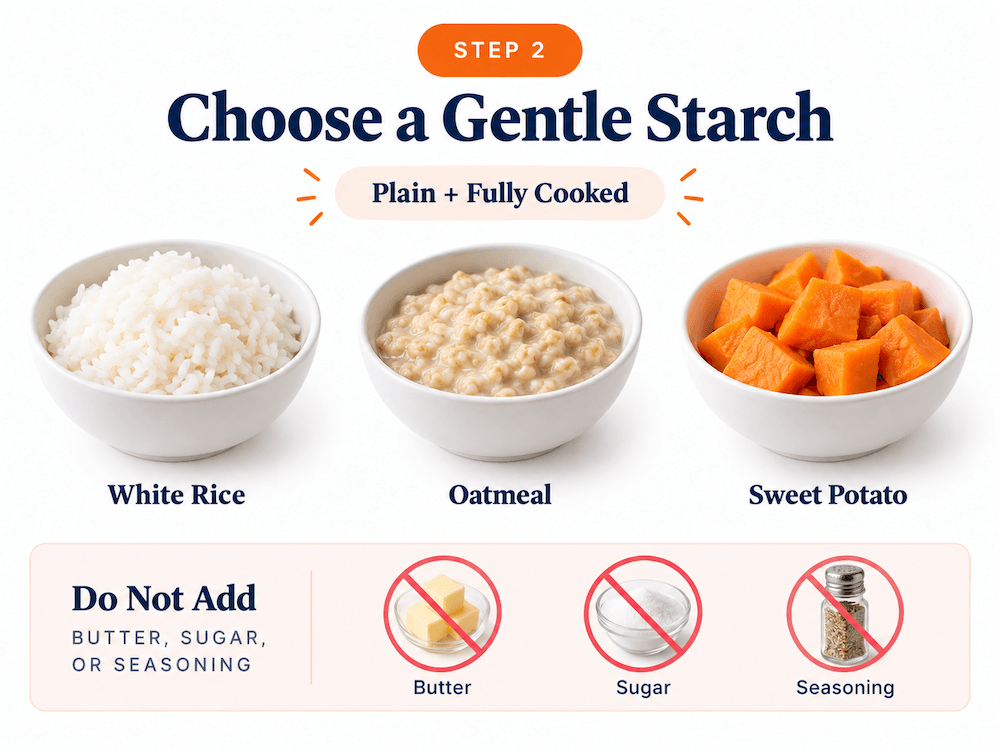
Plain cooked rice, oatmeal, or sweet potato can add calories and help make the temporary meal more substantial. Cook them without butter, salt, sugar, milk, sauces, or flavored seasonings.
Step 3: Keep Vegetables Secondary
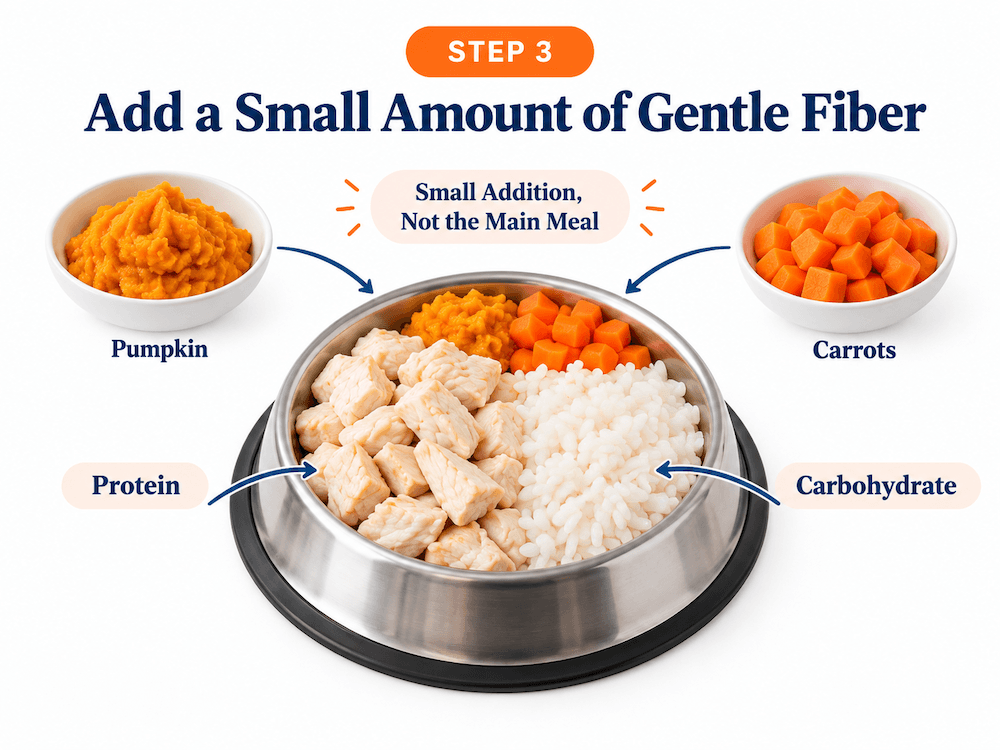
A small amount of plain pumpkin or carrots can add fiber and variety to the meal. Vegetables should remain an addition rather than replacing the main protein or making up most of the meal.
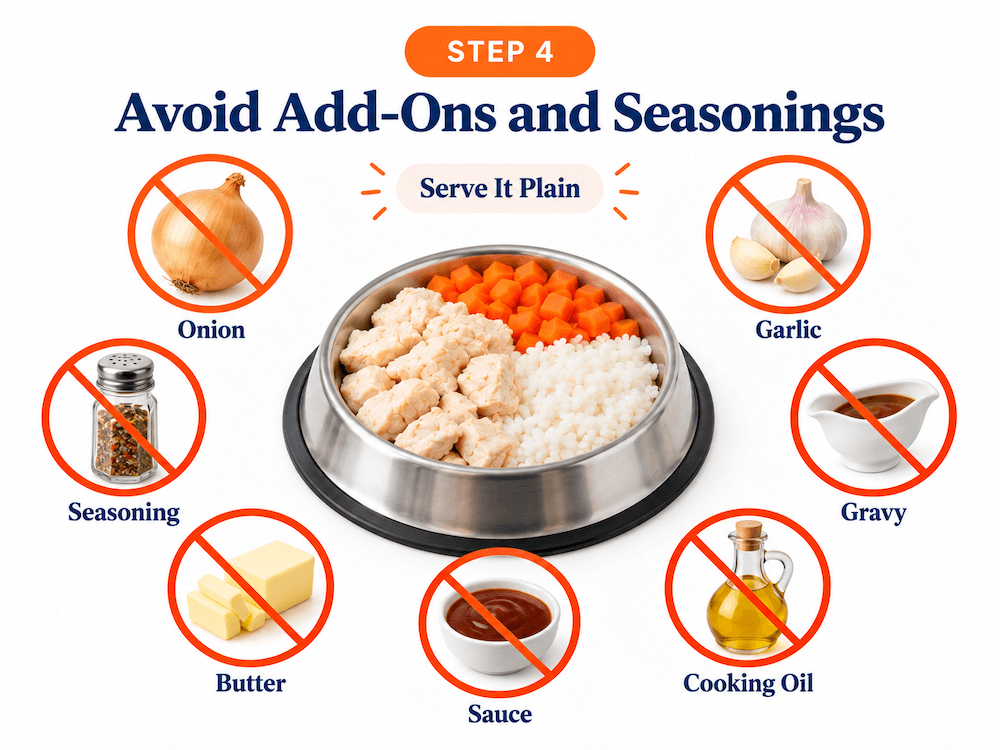
Step 4: Skip the Flavorings
Keep every ingredient plain and avoid onions, garlic, seasoning blends, gravy, butter, rich sauces, and excessive cooking oil. Foods prepared for people often contain ingredients or levels of fat and sodium that are inappropriate for a temporary dog meal.
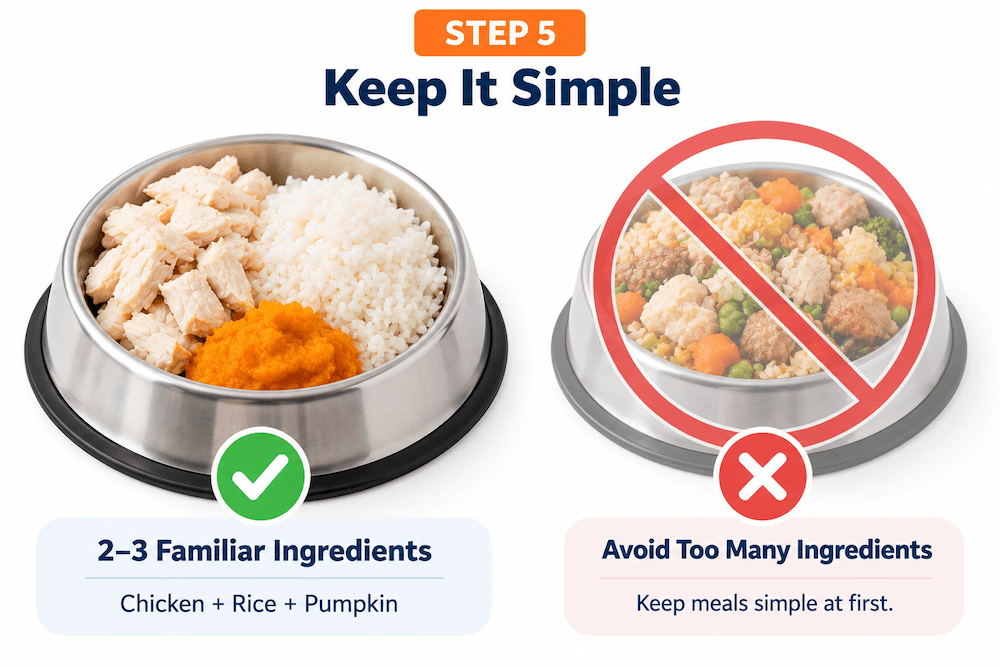
Step 5: Keep the Ingredient List Simple
Use two or three familiar ingredients rather than combining many different foods in one meal. Keeping the meal simple makes it easier to avoid unsafe additions and identify the cause if your dog develops digestive upset.
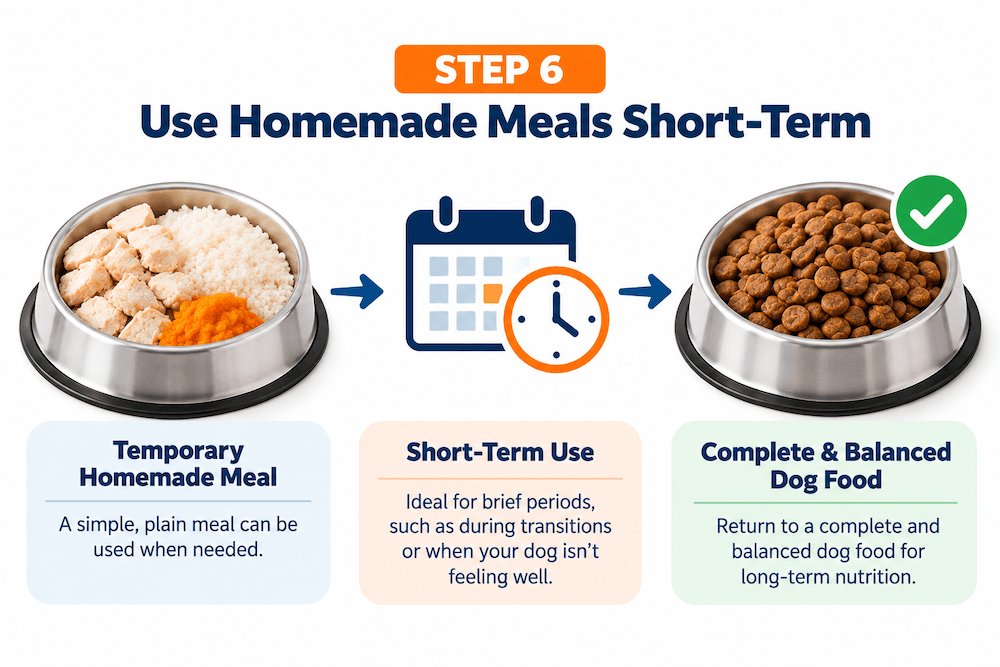
Step 6: Return to a Complete Diet
Use the temporary meal only as a short-term bridge until your dog’s regular food or another complete and balanced diet is available. Plain kitchen foods can provide calories for a brief period, but they are not automatically formulated to meet all of a dog’s long-term nutritional requirements.
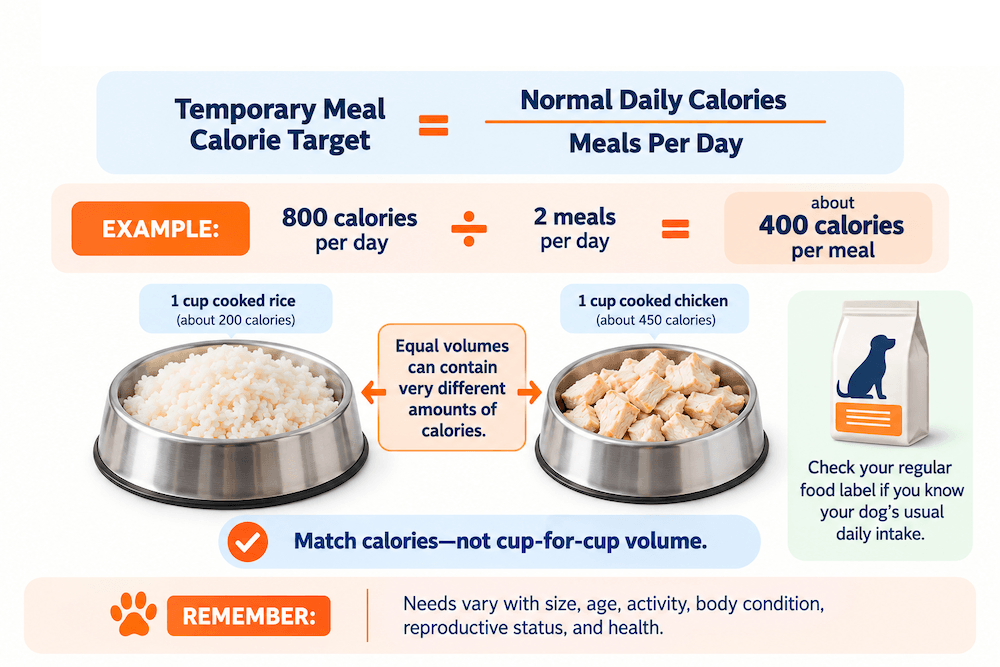
How Much Temporary Food Should I Feed My Dog?
Try to keep the temporary meal reasonably close to the amount of energy your dog normally receives at that meal, rather than automatically serving the same volume as their usual kibble. Different foods can vary substantially in calorie density, so one cup of a homemade mixture may provide far fewer or far more calories than one cup of dog food.
How Long Can a Dog Eat Human Food Instead of Dog Food?
For an otherwise healthy adult dog, plain dog-safe human food is most appropriate for an unexpected meal or a brief gap while you obtain the dog’s usual food or another nutritionally complete option. The concern is not that chicken, rice, eggs, or vegetables suddenly become harmful after a particular number of meals; it is that repeatedly feeding an improvised menu can leave important nutritional requirements unmet.
A useful way to think about it is:
When You Should Not Improvise Your Dog’s Diet
Some dogs have nutritional or medical needs that make random substitutions much less appropriate. In these situations, ask your veterinarian what to use temporarily instead of assembling a meal from whatever happens to be available.
| Dog | Why Extra Care Is Needed |
|---|---|
| Puppies | Growth requires carefully balanced nutrients, especially minerals. |
| Pregnant or nursing dogs | Energy and nutrient needs are much higher than adult maintenance. |
| Dogs on prescription diets | Therapeutic diets may restrict or modify specific nutrients. |
| Dogs with pancreatitis or fat intolerance | Fatty meats and rich leftovers may worsen symptoms. |
| Dogs with food allergies | Substitutes may introduce excluded ingredients or disrupt a food trial. |
| Dogs with diabetes | Meal composition, amount, and timing can affect management. |
| Dogs with chronic disease | Kidney, liver, or heart disease may require nutrient adjustments. |
| Medically fragile senior dogs | Underlying conditions may change what foods are appropriate. |
How to Transition Your Dog Back to Regular Dog Food
If your dog ate only one substitute meal and feels completely normal, many healthy dogs can return to their usual food at the next scheduled meal. Dogs with sensitive digestive systems or those that have eaten temporary food for several meals may do better with a gradual transition.
| Stage | Regular Dog Food | Temporary Food |
|---|---|---|
| Start | 25% | 75% |
| Next stage | 50% | 50% |
| Next stage | 75% | 25% |
| Finish | 100% | 0% |
Each stage can last one or more meals depending on how long your dog ate the substitute and how well the transition is tolerated. Slow down if stools become noticeably softer or other mild digestive changes appear. Repeated vomiting, significant diarrhea, abdominal discomfort, or loss of appetite should not be managed simply by continuing to switch foods.
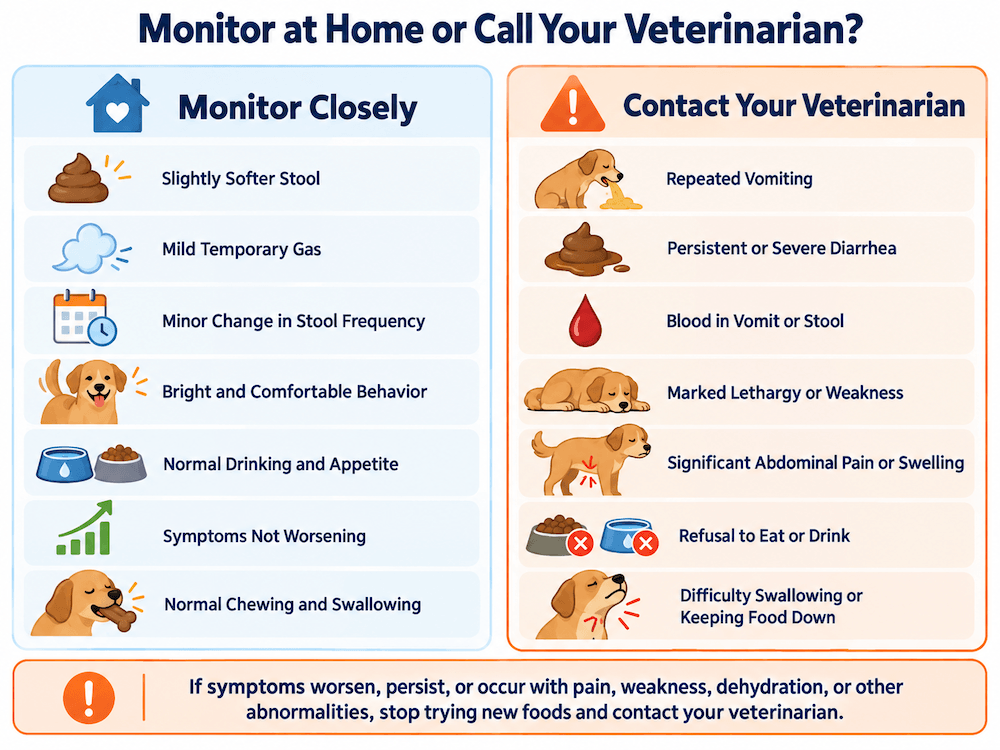
Signs Your Dog Isn’t Handling the Food Change Well
A minor stool change after eating an unusual meal is different from persistent or severe digestive illness. Pay attention to your dog’s overall behavior, comfort, appetite, and hydration rather than focusing on a single bowel movement.
What If My Dog Refuses Dog Food but Will Eat Human Food?
If dog food is available but your dog suddenly refuses it, the problem is different from simply running out of food. Continually replacing refused meals with increasingly appealing table food may hide an appetite problem and can also teach some dogs that refusing their regular meal results in a higher-value alternative.
A healthy adult dog that skips one meal after a routine change but remains bright, active, hydrated, and comfortable may simply need observation while you check whether the food is fresh and whether anything in the dog’s routine has changed. Watch for these more concerning signs:
| What You Notice | What to Do |
|---|---|
| Skips one meal but otherwise normal | Monitor briefly and check food freshness and routine changes. |
| Repeated vomiting or diarrhea | Contact your veterinarian. |
| Lethargy or abdominal discomfort | Seek veterinary advice rather than offering more foods. |
| Drooling or nausea | Watch closely and contact your veterinarian if persistent. |
| Difficulty chewing or swallowing | Arrange prompt veterinary evaluation. |
| Refuses multiple meals | Investigate the appetite change with your veterinarian. |
| Reduced interest in water | Contact your veterinarian, especially with other symptoms. |
| Only accepts high-value human food | Address the pattern instead of continually changing foods. |
How to Choose a Complete and Balanced Dog Food Alternative
If your normal dog food will be unavailable for more than a brief period, you do not necessarily need to recreate it at home. Dry, canned, fresh, frozen, gently cooked, and other commercial formats can all potentially serve as alternatives if they provide complete and balanced nutrition for your dog’s appropriate life stage.
Do not assume that a product is nutritionally complete simply because it is described as fresh, natural, premium, human-grade, raw, freeze-dried, air-dried, or gently cooked. Those terms describe other characteristics of the food and do not automatically establish that it can serve as the dog’s sole diet.
What About Raw Food Instead of Dog Food?
Raw meat is not necessary for a temporary substitute meal. Cooking animal proteins provides a simpler way to reduce exposure to potentially harmful bacteria, while bones introduce additional risks involving teeth, choking, and the gastrointestinal tract.
If your dog normally eats a complete commercial raw diet, random pieces of raw meat are not nutritionally equivalent to that diet.
The same nutritional rule applies regardless of format: raw, fresh, frozen, canned, dry, or gently cooked food should provide complete and balanced nutrition if it is going to serve as the dog’s regular diet.
When to Call a Veterinarian About Feeding Your Dog Alternative Food
If your healthy adult dog eats a simple temporary meal and remains energetic, comfortable, hydrated, and free from significant digestive symptoms, brief monitoring is usually reasonable. Contact your veterinarian if your dog repeatedly refuses food, develops persistent digestive upset, has a medical condition, normally eats a prescription diet, or needs homemade food beyond a short-term emergency.
Seek advice sooner for puppies, very small dogs, pregnant or nursing dogs, diabetic dogs, and medically fragile dogs, since inappropriate substitutions or missed meals can affect them more quickly. These dogs may need a more carefully chosen alternative rather than an improvised meal.
Seek prompt veterinary care for repeated vomiting, significant weakness, severe or persistent diarrhea, blood in vomit or stool, abdominal pain or swelling, collapse, or difficulty swallowing. If your dog may have eaten xylitol, grapes or raisins, chocolate, onions, garlic, alcohol, caffeine, or another toxin, do not wait for symptoms before getting veterinary advice.
What Veterinary Research Shows About Dog Food Alternatives
The Merck Veterinary Manual explains that a complete and balanced diet supplies the nutrients required for the dog’s intended life stage and notes that properly formulated home-cooked diets can support dogs successfully. It also emphasizes that creating a nutritionally complete home-prepared diet is difficult and recommends formulation by a veterinary nutrition specialist for long-term feeding.[1]
A 2013 study by Stockman and colleagues in the Journal of the American Veterinary Medical Association evaluated 200 published home-prepared dog-food recipes. About 95% had at least one essential nutrient below established recommendations, and more than 80% had multiple deficiencies, illustrating why an appealing collection of whole foods does not necessarily form a balanced diet.[2]
Veterinary nutrition guidance also cautions against assuming traditional combinations such as chicken and rice are nutritionally complete. VCA notes that such home-prepared combinations can be deficient in numerous essential nutrients, making them more appropriate as limited-purpose foods when specifically indicated than as routine long-term nutrition.[3]
Food safety matters as well. The FDA identifies foods including grapes and raisins, onions, garlic, chocolate, macadamia nuts, alcohol, and xylitol among potentially hazardous items for pets, while research on commercial raw-meat diets has documented bacterial contamination that can create risks for dogs and people in the household.
Frequently Asked Questions
The Bottom Line
When dog food is temporarily unavailable, healthy adult dogs can usually eat simple, plain foods such as cooked lean meat, eggs, rice, oatmeal, or sweet potato. The safest temporary meals use familiar ingredients without seasonings, sauces, excess fat, or potentially toxic foods. Because human foods vary widely in calorie density, portions should be based on your dog’s usual energy intake rather than matching their regular food cup for cup. These temporary meals are best used only as a short-term bridge because ordinary combinations of meat, grains, and vegetables are not automatically complete and balanced. Puppies, dogs with chronic health conditions, and dogs eating prescription diets need extra care before their usual food is replaced. If your dog refuses normal food despite having access to it, consider whether illness, pain, or another problem could be affecting their appetite. For long-term homemade feeding, use a nutritionally complete plan designed for your dog’s individual needs.
If you’re exploring alternatives to commercial dog food, start with our complete guide to human foods dogs can and can’t eat for a quick safety reference. For dog parents interested in home cooking, our vet-reviewed homemade dog food recipes explain how balanced meals differ from temporary substitutes. You can also learn how much homemade food to feed a dog based on calories, body size, and life stage. These guides can help you move from an occasional substitute meal to a more informed long-term feeding plan.