Neapolitan Mastiff Dog Breed Information: Traits, Facts, Care & More

Canine Bible is reader-supported. We receive affiliate commissions via some of our links. Learn more.
Neapolitan Mastiff Distribution Map
Click a country to see estimated Neapolitan Mastiff population numbers.
Estimated Neapolitan Mastiff Population by Country (Top 10)
Population numbers are directional estimates, not official registry counts.
Neapolitan Mastiff
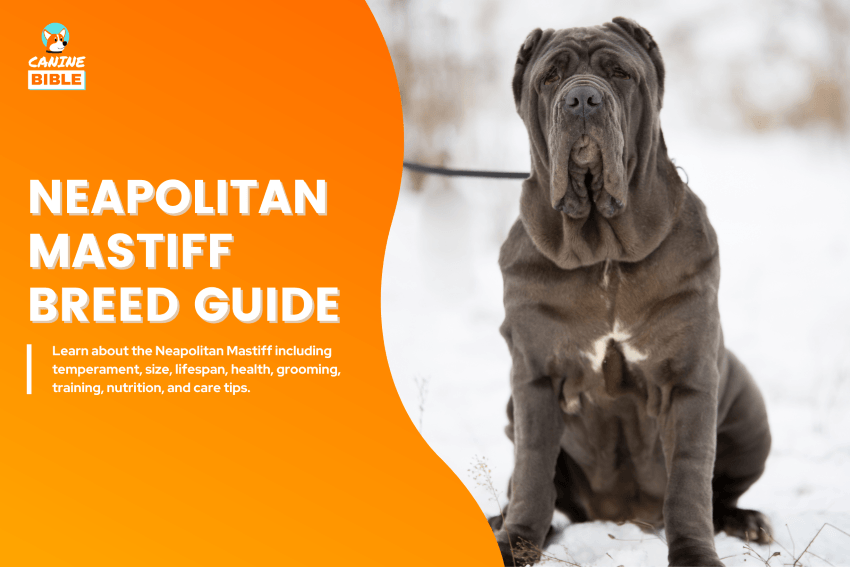
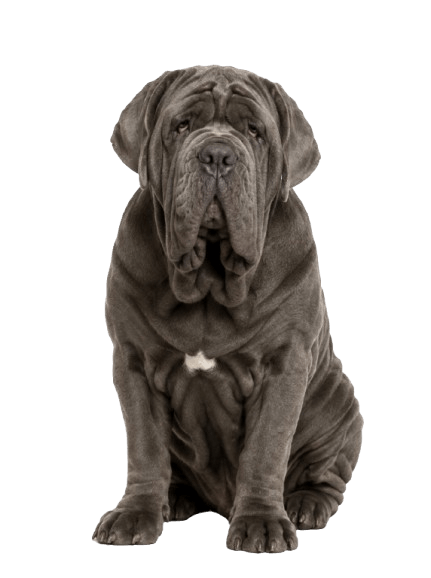
Neapolitan Mastiffs are giant, loyal, and protective guardian dogs known for their massive build, loose, wrinkled skin, and calm, watchful temperament. Originally bred in southern Italy to guard homes and estates, today’s Neapolitan Mastiffs thrive as devoted family companions with experienced owners. Despite their imposing appearance, they are affectionate and deeply bonded to their families. They require early socialization, consistent training, moderate exercise, and ample space to accommodate their impressive size comfortably.
- Breed popularity ranking: 113 of 202
- Club: United States Neapolitan Mastiff Club
- Population: 20,000+ (estimated in the U.S.)
- Hypoallergenic: No
- Temperament: Loyal, protective, calm, affectionate
- Price: $2,000 – $5,000
- Best for: Experienced owners seeking a loyal, protective family guardian with a calm and devoted personality.

Weight
110–150 lbs

Height
24–31 inches

Lifespan
7–9 years
Breed Group
Working Group


Neapolitan Mastiff Growth Chart
Scientific Classification
History and Origin
The Neapolitan Mastiff traces its origins to southern Italy, particularly the Naples region, where its ancestors descended from ancient Roman Molossian war dogs used for guarding estates, protecting livestock, and accompanying soldiers. Following the fall of the Roman Empire, these powerful mastiffs remained valued as working guardians on farms and rural properties, where strength, loyalty, and an intimidating presence were essential.
By the 19th and mid-20th centuries, the breed survived largely in southern Italy despite declining numbers. After World War II, Italian breeder Piero Scanziani played a pivotal role in preserving and standardizing the Neapolitan Mastiff by selecting dogs that exemplified the breed’s massive frame, loose skin, and protective temperament. His efforts helped establish the modern breed standard.
Historically, the breed’s story reflects a remarkable continuity: from ancient Roman guardian dogs to one of the world’s most distinctive mastiff breeds. The Neapolitan Mastiff gained broader international recognition during the second half of the 20th century and was officially recognized by the American Kennel Club in 2004. Today’s Neapolitan Mastiff remains renowned for its ancient heritage, exceptional guarding instincts, unwavering loyalty, and unmistakable wrinkled appearance.
Appearance
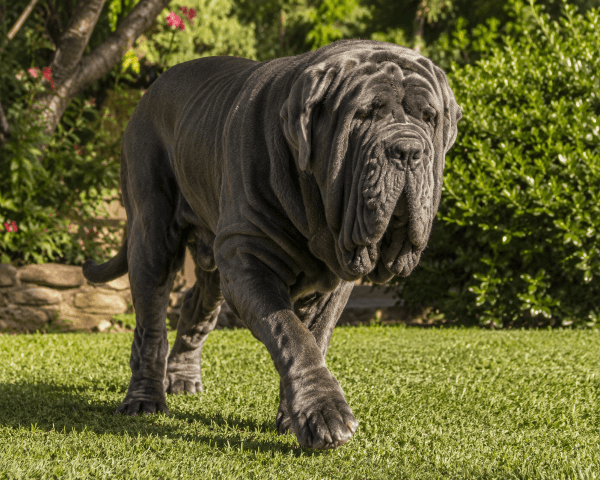
The Neapolitan Mastiff possesses a massive, imposing build and distinctive wrinkled skin that gives them a powerful, dignified appearance despite their calm nature. With their broad head, deep facial folds, muscular bodies, loose skin, and short, dense coats, Neapolitan Mastiffs are unmistakable guardian dogs known for their watchful expression, commanding presence, and ancient mastiff heritage.
Neapolitan Mastiff Breed Appearance
Hover or tap each numbered marker to explore key breed features.

1. Body Build
Neapolitan Mastiffs have a massive, rectangular, and heavily boned body with a broad chest and powerful frame. Their muscular build is balanced by loose, abundant skin that creates the breed’s signature wrinkled appearance. Despite their immense size, they move with a steady, deliberate, and surprisingly fluid gait.
2. Coat Type
The Neapolitan Mastiff has a short, dense, and smooth coat that lies close to the body. The coat is firm to the touch and requires minimal grooming. Its most distinctive feature is not the coat itself but the loose, thick skin that forms deep folds over the head, neck, and body.
3. Coat Colors
Neapolitan Mastiffs commonly appear in blue, black, mahogany, and tawny, with blue being the breed’s most recognizable color. Some dogs may display brindle striping or a small white patch on the chest or toes. Solid colors are generally preferred and emphasize the breed’s imposing appearance.


4. Facial Markings
Facial markings are created primarily by the Neapolitan Mastiff’s abundant wrinkles rather than coat patterns. Deep folds cover the forehead, cheeks, and muzzle, while heavy lips and drooping jowls give the breed its distinctive solemn, watchful expression.
5. Chest Markings
The chest is broad, deep, and heavily muscled, contributing to the breed’s powerful silhouette. A small white patch on the chest is acceptable in many dogs, though most have a solid-colored chest matching the rest of the coat. The prominent forequarters reinforce the breed’s guardian appearance.
6. Tail
The Neapolitan Mastiff’s tail is thick at the base and tapers toward the tip. It is carried low when relaxed and rises slightly when the dog is alert without curling over the back. The tail complements the breed’s balanced, powerful outline.
7. Ears
Neapolitan Mastiff ears are medium-sized, triangular, and naturally drop close to the cheeks. Their low-set position blends with the breed’s wrinkled head, enhancing its calm and imposing expression. Ear cropping was once common but is now prohibited or discouraged in many countries.
8. Eyes
Their eyes are medium-sized, deep-set, and typically amber to brown, depending on coat color. The eyes often appear partially hooded because of the surrounding loose skin, creating a thoughtful, protective, and slightly serious expression.
9. Nose
The nose is large, broad, and well-developed, with wide nostrils that support the breed’s powerful muzzle. It is usually black on black dogs and slate-colored on blue dogs, harmonizing with the coat color while completing the breed’s distinctive facial features.
10. Feet
Neapolitan Mastiff feet are large, round, and compact with thick pads and well-arched toes. Their sturdy feet provide the stability needed to support the breed’s tremendous weight while allowing confident, balanced movement across a variety of surfaces.
11. Overall Expression
Neapolitan Mastiffs have a calm, dignified, and protective expression. Their deep wrinkles, drooping jowls, heavy brow, and steady gaze create an unmistakably powerful presence. Combined with their massive frame and composed demeanor, they project confidence, loyalty, and quiet strength.
Sexual Dimorphism
Male and female Neapolitan Mastiffs share the same distinctive wrinkled appearance, loose skin, and powerful guardian build. The primary differences are size, head mass, and overall substance, while both sexes should display the breed’s characteristic strength, confidence, and calm demeanor.
- Typically larger and heavier with a broader chest, thicker neck, and more massive bone structure.
- Usually has a larger head with more pronounced wrinkles, heavier jowls, and a distinctly masculine expression.
- Generally stands taller and carries greater overall substance while maintaining balanced movement and breed type.
- Usually slightly smaller and lighter with a more refined yet still muscular and substantial frame.
- Head and facial wrinkles remain prominent but are often less massive than those of mature males.
- Retains the same protective temperament, loose skin, and characteristic breed expression despite a more feminine outline.
Photo Gallery
Neapolitan Mastiff Traits & Characteristics
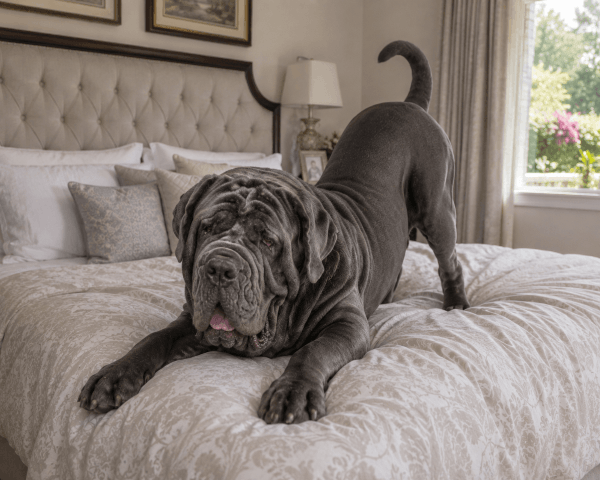
Neapolitan Mastiffs are calm, loyal, and naturally protective. Despite their massive size, they are gentle, affectionate, and deeply devoted to their families. They tend to be reserved around strangers, instinctive guardians, and highly attached to their families. Neapolitan Mastiffs are intelligent, confident, and independent, but they require early socialization, consistent training, and experienced handling. Their steady temperament makes them excellent family protectors, provided they receive proper guidance, structure, and companionship.
Core Traits
The further out a point is along a spoke, the stronger that trait is in the breed (on a scale of 1 to 10).
Remember: Dogs are individuals and not all dogs, even those of the same breed, will exhibit all the same qualities.
| Trait | Score | Description |
|---|---|---|
| Temperament | 9 | Calm, confident, and devoted, Neapolitan Mastiffs are gentle family guardians with a naturally protective nature. |
| Sociability & Friendliness | 7 | Affectionate with family but naturally reserved around strangers. Early socialization helps develop balanced behavior. |
| Intelligence | 8 | Highly intelligent and observant, though they prefer to think independently rather than obey blindly. |
| Trainability | 7 | Responds best to patient, consistent, positive training from an experienced owner starting at an early age. |
| Energy Level | 5 | Moderate energy with a calm indoor demeanor. Daily walks and mental stimulation are usually sufficient. |
| Shedding Level | 5 | Moderate seasonal shedder with a short coat that requires only routine brushing and basic maintenance. |
| Protective Instinct | 10 | One of the breed's defining traits. Naturally protective and highly capable as a family and property guardian. |
| Loyalty | 10 | Forms exceptionally strong bonds with its family and is deeply devoted throughout its life. |
| Barking Level | 3 | Generally quiet and only barks when necessary to alert owners of a genuine concern. |
| Adaptability | 6 | Adapts well to calm households with adequate space but prefers stable routines and experienced handling. |
Complete Traits Overview
Exercise & Activity Breakdown
Neapolitan Mastiffs are calm, powerful dogs with moderate energy levels. While they don't require the intense physical activity of high-endurance breeds, they do require regular daily exercise and mental stimulation to maintain a healthy weight, support joint health, and prevent boredom or destructive behavior.
- Puppy (0–12 months): At this stage, Neapolitan Mastiff puppies are still developing their bones and joints. Short, controlled walks, supervised play, early obedience training, and interactive games help build confidence and encourage healthy development while avoiding excessive strain or high-impact exercise.
- Adult (1–6 years): Adult Neapolitan Mastiffs benefit from daily walks, structured play, canine sports, and mentally stimulating activities. Puzzle toys, scent work, obedience training, and low-impact exercises help keep them physically fit while satisfying their intelligent, protective nature.
- Senior (7+ years): As they age, Neapolitan Mastiffs may become less active but still require gentle daily walks and light exercise to maintain mobility and muscle tone. Low-impact activities, brain games, and a consistent routine help support their physical health, cognitive function, and overall well-being.
Neapolitan Mastiff Daily Activity Breakdown
Nutrition
Neapolitan Mastiffs need a high-quality diet that matches their life stage (e.g., puppy, adult, senior). As a giant breed with a slower metabolism and rapid growth during puppyhood, it's important to feed them food specifically formulated for large or giant breed dogs to support healthy bones, joints, muscle development, and overall well-being.
These diets should include a balanced mix of nutrients to support joint health, heart function, skin, and immune health. Because Neapolitan Mastiffs are prone to orthopedic issues and bloat, portion control and nutrient-dense, large-breed formulas are essential. As they age, a diet rich in omega-3s, antioxidants, and joint-supporting nutrients like glucosamine and chondroitin can help maintain mobility and reduce age-related joint discomfort. Read our "Best Neapolitan Mastiff Dog Food Guide" to explore targeted nutrition tips and top food recommendations.
Nutritional Breakdown by Activity Level for Neapolitan Mastiff
Common Health Issues
Neapolitan Mastiffs are loyal, powerful dogs, but like many giant breeds, they can be prone to several inherited and age-related health conditions. Common issues may include hip and elbow dysplasia, gastric dilatation-volvulus (bloat), heart disease, eye disorders, skin fold infections, and orthopedic problems. Understanding these risks can help owners recognize early warning signs, schedule regular veterinary checkups, and make informed decisions about nutrition, exercise, weight management, and preventive healthcare.
*GDV: Gastric Dilatation
*CLT: Cruciate Ligament Tears
*DM: Demodectic Mange
Recommended Health Tests for Neapolitan Mastiffs
Routine veterinary exams and breed-appropriate screenings are important for early detection and prevention.
Proactive health monitoring, responsible breeding, and regular veterinary care can help your Neapolitan Mastiff enjoy a healthier, more comfortable life while reducing the risk of many breed-related conditions.
💡 Due to this breed's increased susceptibility to orthopedic, cardiac, and other inherited health conditions, we recommend considering pet insurance and a wellness plan to help manage unexpected veterinary expenses. Check out our best pet insurance and best pet wellness guides to find a suitable plan for your pet.
Care Requirements
| Grooming Task | Recommended Frequency | Importance | Tools Needed | Recommended Product |
|---|---|---|---|---|
| Brushing | 1–2 times per week | Removes loose hair, distributes natural oils, and keeps the short coat and skin folds healthy. | Slicker brush, de-shedding tool, grooming mitt | Hertzko Self Cleaning Slicker Dog Brush (View on Amazon) |
| Bathing | Every 6–8 weeks (or as needed) | Keeps the coat and skin folds clean, reduces odor, and helps prevent skin infections. | dog-safe shampoo, conditioner, towel, hair dryer (optional) | OUAI Fur Bébé Pet Shampoo (View on Amazon) |
| Nail Trimming | Every 3–4 weeks | Prevents overgrown nails that can affect gait, joint health, and overall comfort in this giant breed. | dog nail clippers, nail grinder, styptic powder | Coastal Pet Safari Nail Clipper (View on Amazon) |
| Ear Cleaning | Every 2–4 weeks | Helps prevent wax buildup and ear infections, especially in the breed's folded ears. | Ear cleaning solution, cotton balls or pads (no Q-tips) | Zymox Ear Cleanser (View on Amazon) |
| Oral Care (Brushing Teeth) | Daily | Reduces plaque and tartar buildup, promotes healthy gums, and supports overall long-term health. | Dog toothbrush, enzymatic toothpaste, dental chews | Greenies Dental Care Chews (View on Amazon) |
Neapolitan Mastiff Dog Trainability
Neapolitan Mastiffs are intelligent, calm, and independent guardian dogs. While they're capable learners, their strong-willed nature and natural protectiveness can make training both rewarding and challenging. Consistent, structured training that emphasizes patience, positive reinforcement, and confident leadership is essential. They respond best to calm guidance, food rewards, and respectful handling—especially when training begins early and sessions remain short, engaging, and consistent.
When compared to other breeds, Neapolitan Mastiffs benefit from early socialization, steady leadership, and ongoing obedience training. Their intelligence and protective instincts thrive in environments with clear expectations and routine. With patience, repetition, and firm yet positive guidance, they develop into loyal, well-mannered, and dependable family guardians.
Dog Breed Trainability Comparison
Intelligence
According to canine psychologist Stanley Coren (author of The Intelligence of Dogs - View on Amazon), dog intelligence can be broken down into three types:
- Instinctive Intelligence – What a dog is bred to do (herding, guarding, retrieving).
- Adaptive Intelligence – A dog’s ability to solve problems and learn from the environment.
- Working & Obedience Intelligence – How quickly a dog learns commands and obeys them.
IQ Comparison
Neapolitan Mastiffs are known for their strong instinctive intelligence and calm, independent decision-making, especially in situations involving protection and family guardianship. Though they rank lower in obedience-based IQ studies than some working breeds, they excel at assessing unfamiliar situations, remaining composed under pressure, and making thoughtful decisions rather than responding impulsively. Their intelligence is best demonstrated in guardian work, obedience training, and real-world problem-solving rather than repetitive command drills.
Neapolitan Mastiffs thrive when training is consistent and purposeful. While their independent nature may challenge first-time owners, they're capable learners who respond best to patient leadership and positive reinforcement. Their natural confidence and protective instincts allow them to excel in roles that require sound judgment, loyalty, and dependable decision-making rather than speed or constant obedience.
Dog Breed Intelligence Comparison
Breeding
Neapolitan Mastiffs are prized for their loyalty, protective instincts, and calm temperament. Like many purebred dogs, however, they can be prone to inherited health conditions such as hip dysplasia, elbow dysplasia, dilated cardiomyopathy (DCM), cherry eye, and gastric dilatation-volvulus (bloat/GDV). This makes responsible breeding essential. Ethical breeders should perform comprehensive health screenings before breeding to help reduce the risk of passing on hereditary disorders. Proper spacing between litters is important to protect the health of both the dam and puppies, and only physically sound, mentally stable Neapolitan Mastiffs should be bred.
- Age: Neapolitan Mastiffs should not be bred until they are fully mature—typically between 24 and 30 months of age.
- Litter size: A typical Neapolitan Mastiff litter includes 6–10 puppies.
- Temperament: Breeding dogs should display stable temperaments—calm, confident, protective, and loyal, without signs of aggression, fearfulness, or excessive nervousness.
Is The Neapolitan Mastiff A Good Family Dog?
If the conditions below align with your lifestyle, experience level, and living situation, a Neapolitan Mastiff could be an exceptional companion and devoted family guardian. Otherwise, you may want to consider another breed that better matches your household and daily routine.
✅ = Ideal / Strong Match | ⚠️ = Needs Consideration | ❌ = Not Recommended
| Suitability | Category | Score (1–10) | Notes |
|---|---|---|---|
| ✅ | Family Bonding | 9 | Deeply devoted and protective of family members. |
| ⚠️ | Child Friendliness | 7 | Gentle with respectful children but requires supervision due to massive size. |
| ⚠️ | Good With Other Pets | 7 | Generally accepts other pets when properly socialized from a young age. |
| ⚠️ | Maintenance Level | 7 | Low coat maintenance but regular skin-fold cleaning and drool management are required. |
| ⚠️ | Monthly Expenses | 9 | Large food consumption, veterinary care, and giant-breed expenses increase ownership costs. |
| ❌ | Home Size Compatibility | 4 | Best suited to spacious homes with secure yards rather than apartments. |
| ✅ | Lifestyle Match | 7 | Ideal for calm households with experienced owners and moderate activity levels. |
| ⚠️ | Trainability | 7 | Intelligent but independent; requires consistent, confident training. |
| ✅ | Alone Time Tolerance | 7 | Can tolerate moderate time alone but prefers being close to its family. |
| ⚠️ | Shedding & Drool Level | 9 | Moderate shedding combined with heavy drooling throughout the year. |
| ❌ | Hypoallergenic | 1 | Not hypoallergenic due to dander, shedding, and heavy saliva production. |
| ✅ | Protectiveness | 10 | Exceptionally protective with strong natural guarding instincts. |
| ⚠️ | Mental Stimulation Needs | 7 | Benefits from obedience work, scent games, and regular interaction. |
| ⚠️ | Climate Tolerance | 5 | Poor heat tolerance; performs best in cooler climates with shade and fresh water. |
| ⚠️ | Life Expectancy | 5 | Typically lives 7–9 years, which is relatively short for dogs. |
| ✅ | Barking Level | 3 | Generally quiet and only barks when there is a genuine reason. |
| ❌ | Travel Friendliness | 4 | Large size makes travel and transportation more challenging. |
| ⚠️ | Potty Training Ease | 7 | Usually responds well to consistent routines and positive reinforcement. |
Average Score: 6.94 / 10
Perfect Owner Profile for a Neapolitan Mastiff
The perfect Neapolitan Mastiff owner is someone who wants a calm, loyal dog with strong protective instincts. Neapolitan Mastiffs are best suited for people who can provide confident leadership, early socialization, and consistent training. They thrive with owners who can offer daily companionship, structured guidance, moderate exercise, and firm but positive boundaries to manage their independent nature and guardian instincts.
A Neapolitan Mastiff is an excellent fit for experienced individuals, couples, or families with older children who understand how to interact respectfully with a giant breed. The ideal owner should be patient, responsible, and comfortable handling a large, powerful dog that forms deep bonds with its family. While they are relatively calm indoors, they need adequate space, ongoing socialization, and an owner committed to responsible ownership and lifelong training.
Annual Cost of Ownership
| Category | Estimated Annual Cost (USD) |
|---|---|
| Food & Treats | $900 – $1,500 |
| Routine Vet Care | $500 – $900 |
| Vaccinations & Preventatives | $300 – $600 |
| Pet Insurance | $700 – $1,500 |
| Grooming | $250 – $600 |
| Training & Socialization | $300 – $800 |
| Toys & Enrichment | $150 – $350 |
| Supplies (bed, bowls, leash, etc.) | $250 – $600 |
| Emergency Vet Fund (recommended) | $1,000 – $2,500 |
| Boarding or Pet Sitting | $500 – $1,200 |
$4,850 – $10,550
Best Places to Get A Neapolitan Mastiff
Online marketplaces: For pre-screened, healthy puppies, Pawrade and PuppySpot are recommended resources that offer puppies from reputable U.S. breeders.
Rescue shelters: While Neapolitan Mastiffs are less common than many breeds, they do occasionally appear in breed-specific rescues and local shelters. Check regional animal shelters, Mastiff rescue organizations, and online adoption communities for available dogs.
Breeders: Finding a reputable Neapolitan Mastiff breeder requires careful research due to the breed's complex health considerations and the importance of responsible breeding practices. Be prepared to travel if quality breeders are not available locally. Always request health clearances for both parents, veterinary records, and information about temperament testing before purchasing a puppy. The Neapolitan Mastiff Club of America breeder referral program is an excellent resource for locating ethical, responsible breeders.
Avoid breeders who:
- Don’t provide health clearances for both parents
- Don’t allow visits to meet the dogs or see their living conditions
- Have frequent litters with no waiting list
- Emphasize appearance over health and temperament
Frequently Asked Questions
Neapolitan Mastiff Breed Connections
Neapolitan Mastiffs belong to the ancient Molosser family, descending from massive war and guardian dogs of ancient Rome. This section highlights the breed's origins, closely related breeds, and other dogs commonly compared with or admired by Neapolitan Mastiff enthusiasts.
Ancestry & Lineage
The Neapolitan Mastiff descends from ancient Molossian and Roman war dogs that were developed into powerful guardians throughout southern Italy.
- Molossian Dogs
- Roman War Dogs
- Italian Mastiffs
- Ancient Guardian Dogs
Related Breeds
These breeds share Mastiff ancestry, similar guardian instincts, giant size, or powerful Molosser characteristics.
- Cane Corso
- English Mastiff
- Bullmastiff
- Dogue de Bordeaux
- Tibetan Mastiff
- Boerboel
- Spanish Mastiff
- Fila Brasileiro
Commonly Compared Breeds
Prospective owners often compare Neapolitan Mastiffs with other giant guardian breeds when choosing a loyal protector for the home and family.
- Cane Corso
- English Mastiff
- Bullmastiff
- Rottweiler
- Great Dane
- Boerboel
- Dogue de Bordeaux
- Saint Bernard
Breeds Neapolitan Mastiff Owners Also Love
Neapolitan Mastiff enthusiasts often appreciate other large, loyal guardian breeds known for their calm confidence, protective instincts, and strong family bonds.
- Cane Corso
- English Mastiff
- Bullmastiff
- Boerboel
- Rottweiler
- Dogue de Bordeaux
- Great Pyrenees
- Saint Bernard
Surprising Neapolitan Mastiff Facts
-
They descend from ancient Roman war dogs: The Neapolitan Mastiff traces its lineage to massive Molossian dogs that accompanied Roman armies and later guarded estates throughout southern Italy.
-
Their wrinkles served a purpose: The breed's loose skin was historically valued because it helped protect vital areas during confrontations with predators or intruders.
-
They are natural guardians: Neapolitan Mastiffs are known for quietly watching over their family and property, often relying on their imposing presence instead of excessive barking.
-
Every wrinkle is part of breed type: The loose skin around the head, neck, and body is one of the Neapolitan Mastiff's most recognizable and defining physical characteristics.
-
They nearly disappeared after World War II: Dedicated Italian breeders helped preserve and rebuild the breed, leading to its modern recognition around the world.
-
They are gentle despite their size: Although they can weigh well over 100 pounds, well-socialized Neapolitan Mastiffs are typically calm, affectionate, and deeply devoted to their families.