Great Pyrenees Dog Breed Information: Traits, Facts, Care & More

Canine Bible is reader-supported. We receive affiliate commissions via some of our links. Learn more.
Great Pyrenees
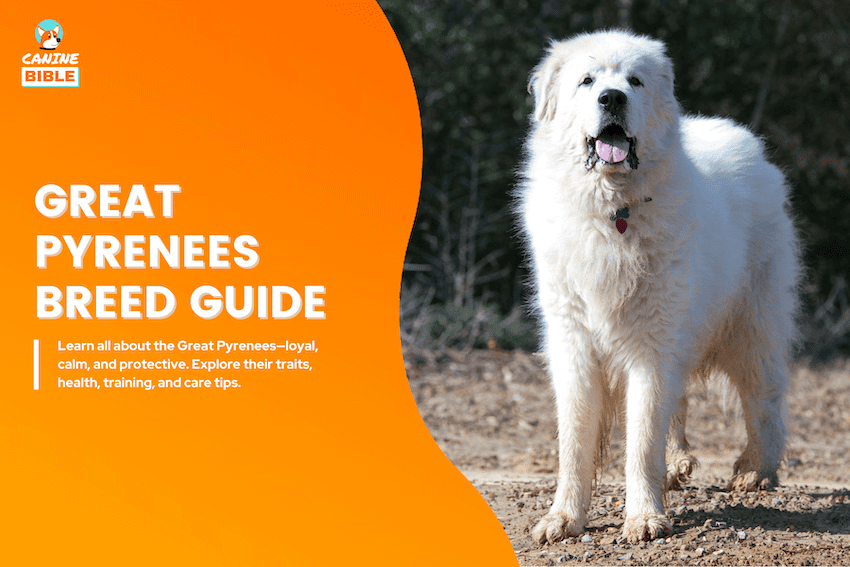
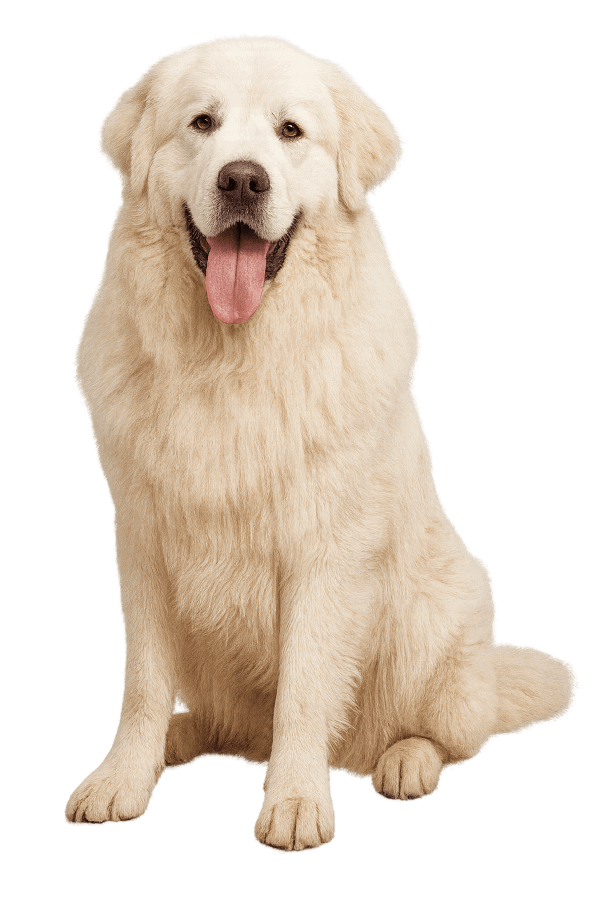
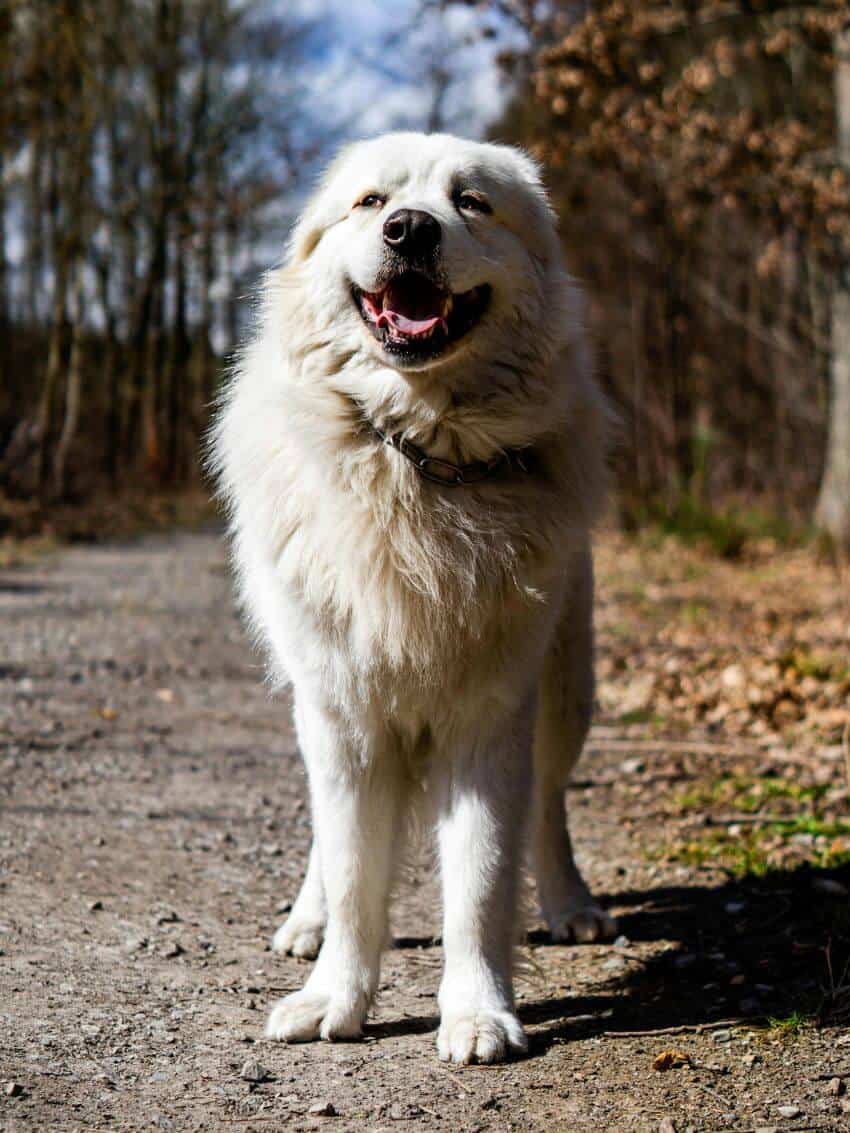
Great Pyrenees are calm, majestic, and devoted working dogs originally bred to guard flocks in the snowy mountain regions of France and Spain. These gentle giants are known for their thick, weather-resistant double coats, powerful build, and steadfast loyalty. Today’s Great Pyrenees continue to excel as livestock guardians, family protectors, and loving companions. Despite their imposing size, Great Pyrenees have a gentle and patient demeanor, especially with children. They are independent thinkers with a calm nature but will spring into action when their loved ones are threatened. Daily exercise, socialization, and regular grooming are essential for their well-being. While they enjoy outdoor space, they thrive when given a purpose and strong bonds with their humans. These noble dogs make excellent companions for those seeking a loyal, protective, and affectionate large breed.
- Breed popularity ranking: 66 of 202
- Club: Great Pyrenees Club of America
- Population: 50,000+ (estimated in the U.S.)
- Price: $1,000 – $2,500

Weight
85–160 lbs

Height
25–32 inches

Lifespan
10–12 years


Breed Group
Working Group
Great Pyrenees Growth Chart
History and Origin
The Great Pyrenees, a noble and powerful guardian breed known for its calm demeanor and protective instincts, traces its origins to the Pyrenees Mountains of southern France and northern Spain. For centuries, these majestic dogs were bred by shepherds to guard flocks against predators such as wolves and bears. Their thick, weather-resistant coats and strong, imposing presence made them ideal for working in harsh mountain climates.
Historically, Great Pyrenees were essential to pastoral life and often worked independently, making their own decisions while watching over livestock. Their loyalty, patience, and courageous nature earned them high regard not only among shepherds but also within royal courts—most notably in 17th-century France, where they were declared the Royal Dog of France by King Louis XIV.
The breed gained wider recognition in the 20th century and was officially recognized by the American Kennel Club (AKC) in 1933. Today, the Great Pyrenees remains a devoted family companion and reliable working dog, admired for its regal appearance, gentle temperament, and unwavering dedication to those it loves.


Appearance
| Feature | Description |
|---|---|
| Body Build | Large, sturdy, and muscular with a majestic, well-proportioned frame |
| Coat Type | Thick double coat with a dense, woolly undercoat and long, coarse outer coat |
| Coat Colors | Primarily white; may have gray, tan, reddish-brown, or badger markings |
| Facial Markings | May include dark masks or symmetrical patches around the eyes and ears |
| Chest Markings | Usually white, with possible light markings; thickly coated and full |
| Tail | Long and plumed, carried low or curled over the back when alert |
| Ears | Small to medium-sized, V-shaped, lying flat against the head |
| Eyes | Dark brown, almond-shaped, with a calm, intelligent expression |
| Nose | Black, broad, and square-shaped |
| Feet | Large, rounded, and compact with well-padded toes |
| Overall Expression | Regal, composed, and watchful with a gentle, protective demeanor |
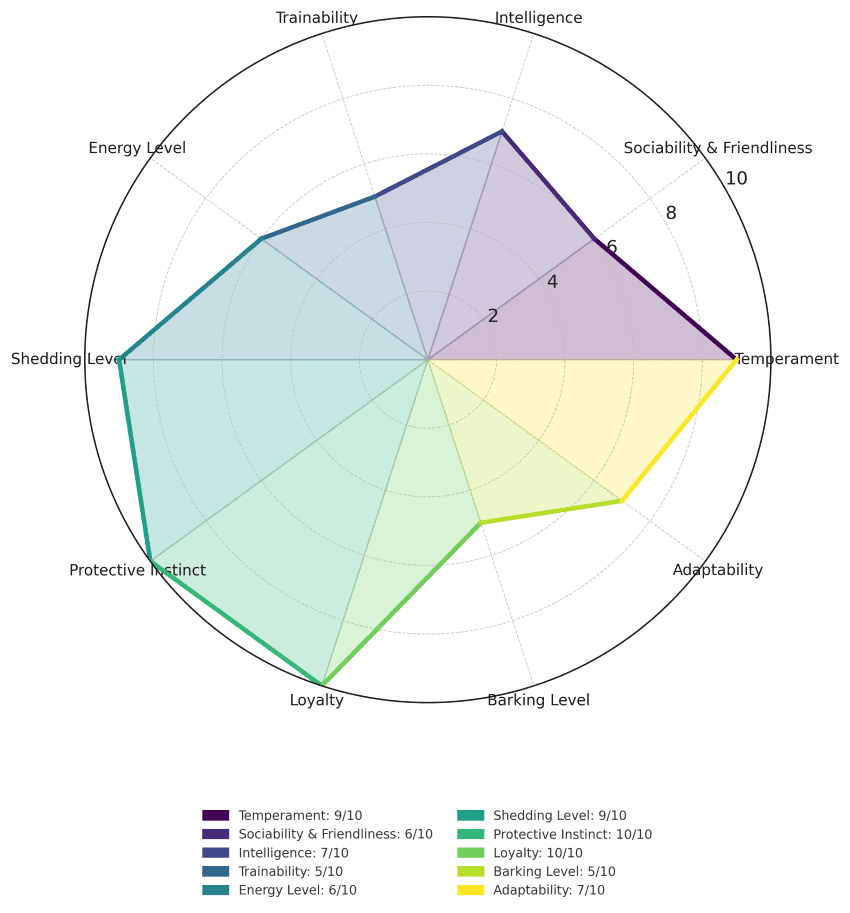
Great Pyrenees Characteristics
The further out a point is along a spoke, the stronger that trait is in the breed (on a scale of 1 to 10).
| Trait | Score | Description |
|---|---|---|
| Temperament | 9 | Calm and composed, the Great Pyrenees is known for being gentle, especially with children and livestock. |
| Sociability & Friendliness | 6 | Affectionate with family but reserved and aloof with strangers; not overly social. |
| Intelligence | 7 | Smart and independent-minded, though they often think for themselves rather than follow commands. |
| Trainability | 5 | Can be stubborn and slow to obey; requires patient, consistent training with positive reinforcement. |
| Energy Level | 6 | Moderate energy—enjoys daily walks and outdoor time but also values rest and calm environments. |
| Shedding Level | 9 | Heavy seasonal shedders with a thick double coat that requires regular brushing to manage. |
| Protective Instinct | 10 | Bred to guard flocks, they are fearless protectors and very alert to perceived threats. |
| Loyalty | 10 | Deeply devoted and watchful over their family, often forming strong emotional bonds. |
| Barking Level | 5 | Will bark when necessary—especially at night or when guarding—but not overly vocal without cause. |
| Adaptability | 7 | Adapts to different climates and homes, though prefers space and a calm setting over city life. |
Exercise & Activity Breakdown
Great Pyrenees are calm, independent working dogs with a strong protective instinct. While they aren’t high-energy dogs, they do require consistent daily activity and mental engagement to prevent boredom-related behaviors such as digging, excessive barking, or roaming.
- Puppy (0–12 months): At this stage, Great Pyrenees puppies are curious and observant. Short, supervised walks, interactive games, gentle playtime, and early socialization are important to build trust and confidence. Basic training and exposure to new environments help lay a foundation for their guardian instincts.
- Adult (1–6 years): Adult Great Pyrenees thrive with moderate daily exercise, such as long walks, light hiking, or patrolling a fenced yard. Mental stimulation like scent work, canine sports, boundary training, and interactive problem-solving activities can help satisfy their intelligent, independent minds.
- Senior (7+ years): As they age, Great Pyrenees tend to slow down but still benefit from daily gentle walks and time outdoors. Low-impact mental activities like puzzle feeders and routine tasks help maintain their cognitive health and emotional balance.
Great Pyrenees Daily Activity Breakdown
Nutrition
Great Pyrenees need a high-quality diet tailored to their life stage (e.g., puppy, adult, senior). As a giant breed with a slower metabolism and a thick, weather-resistant coat, it’s crucial to feed them food specifically formulated for large or giant breed dogs to support their joint health, bone development, and overall well-being.
These diets should include balanced nutrients to promote skin and coat health, heart function, and immune support. Because Great Pyrenees are prone to conditions like hip dysplasia, bloat, and weight gain, portion control and formulas with joint-supporting ingredients are essential. As they age, a diet rich in omega-3s, antioxidants, taurine, and glucosamine can help maintain cardiovascular health, mobility, and cognitive sharpness. Read our “Best Great Pyrenees Dog Food Guide” to explore targeted nutrition tips and top food recommendations.
Nutritional Breakdown by Activity Level for Great Pyrenees
Common Health Issues
Most Great Pyrenees are healthy, but like all dogs, they can be prone to certain health conditions. Common health concerns include:
*ALGY: Allergies
Recommended Health Tests for Great Pyrenees:
Proactive health measures, attentive care, and regular veterinary visits can help ensure your Great Pyrenees lives a happy and healthy life as your loyal companion.
💡 Due to this breed’s high proclivity to health issues, we recommend getting pet insurance for financial protection against unexpected medical emergencies, ensuring your pet receives the best possible care without the burden of high out-of-pocket expenses. Check out our best pet insurance guide to find a suitable plan for your pet.
Care Requirements
| Grooming Task | Recommended Frequency | Importance | Tools Needed | Recommended Product |
|---|---|---|---|---|
| Brushing | Daily to every other day | Prevents mats and tangles, removes loose fur, and promotes healthy skin | Slicker brush, de-shedding tool, grooming mitt | Hertzko Self Cleaning Slicker Dog Brush (View on Amazon) |
| Bathing | Every 6–8 weeks | Keeps coat clean, reduces odor, and helps control shedding | dog-safe shampoo, conditioner, towel, hair dryer (optional) | OUAI Fur Bébé Pet Shampoo (View on Amazon) |
| Nail Trimming | Every 4–6 weeks | Prevents overgrowth, pain, and potential injury while walking | dog nail clippers, nail grinder, styptic powder | Coastal Pet Safari Nail Clipper (View on Amazon) |
| Ear Cleaning | Every 2–3 weeks | Prevents ear infections, especially in floppy-eared breeds | Ear cleaning solution, cotton balls or pads (no Q-tips) | Zymox Ear Cleanser (View on Amazon) |
| Oral Care (Brushing Teeth) | 2–3 times per week | Reduces plaque and tartar buildup, prevents gum disease and bad breath | Dog toothbrush, enzymatic toothpaste, dental chews | Greenies Dental Care Chews (View on Amazon) |
Great Pyrenees Dog Trainability
Great Pyrenees are intelligent, calm, and independent-minded working dogs. While they are capable learners, their strong-willed nature and instinct to think for themselves—traits developed from centuries of guarding livestock without human direction—can make training more challenging for inexperienced owners. Consistent, structured training that focuses on respect, trust-building, and gentle, reward-based reinforcement is essential. They respond best to calm, patient leadership and routines that avoid harsh discipline or repetitive drilling.
When compared to other breeds, Great Pyrenees require early socialization, strong leadership, and consistent boundaries to thrive. Their independence means they may not always obey instantly, but with firm guidance, mutual respect, and a predictable environment, they become reliable, loyal, and dignified companions.

Intelligence
According to canine psychologist Stanley Coren (author of The Intelligence of Dogs – View on Amazon), dog intelligence can be broken down into three types:
- Instinctive Intelligence – What a dog is bred to do (herding, guarding, retrieving).
- Adaptive Intelligence – A dog’s ability to solve problems and learn from the environment.
- Working & Obedience Intelligence – How quickly a dog learns commands and obeys them.
IQ Comparison
Great Pyrenees are known for their independent intelligence and calm observation skills, shaped by centuries of working solo in the mountains guarding livestock. Rather than aiming to please, they make decisions based on instinct and situational awareness—traits that reflect a different kind of intelligence not always measured in obedience-based IQ tests. Their ability to assess threats and act without instruction makes them exceptional in roles requiring autonomy and responsibility.
Great Pyrenees excel in environments where their judgment and intuition are respected. While they may not be eager to perform tricks or follow repetitive commands, they’re incredibly intelligent in the context of problem-solving and situational thinking. Their quiet confidence and guardian instincts allow them to act wisely and protectively, making them among the smartest working breeds in terms of practical, real-world intelligence.
Dog Breed Intelligence Comparison
Breeding
Great Pyrenees are cherished for their loyalty, protective instincts, and gentle nature. Like many large, purebred dogs, however, they are susceptible to inherited health issues such as hip dysplasia, elbow dysplasia, bloat (GDV), hypothyroidism, osteosarcoma, and entropion. This makes responsible breeding essential. Ethical breeders should perform thorough health screenings and genetic testing to reduce the risk of passing on serious conditions. Proper spacing between litters is important to protect the health of both the dam and her puppies. Only structurally sound, mentally stable Great Pyrenees should be bred.
- Age: Great Pyrenees should not be bred until they are fully mature—typically between 24 and 30 months of age.
- Litter size: A typical Great Pyrenees litter includes 6–10 puppies.
- Temperament: Breeding dogs should have even, confident temperaments—calm, steady, and attentive, without signs of aggression, extreme shyness, or anxiety.
Is The Great Pyrenees A Good Family Dog?
If the conditions below align with your lifestyle, personal preferences, and living situation, a Great Pyrenees could be a wonderful pet for your family. Otherwise, you may want to consider other breeds.
✅ = Ideal / Strong Match | ⚠️ = Needs Consideration | ❌ = Not Recommended
| Suitability | Category | Score (1–10) | Notes |
|---|---|---|---|
| ✅ | Family Bonding | 9 | Loyal and devoted; deeply bonded with their people and protective of family. |
| ⚠️ | Child Friendliness | 7 | Gentle but best with older, respectful children due to large size. |
| ⚠️ | Good With Other Pets | 6 | Can coexist with pets, especially when socialized early. |
| ⚠️ | Maintenance Level | 8 | Thick double coat needs regular brushing and seasonal de-shedding. |
| ⚠️ | Monthly Expenses | 7 | Larger dogs have higher food, supplement, and grooming costs. |
| ❌ | Home Size Compatibility | 3 | Needs a large home or yard; not suited for apartment living. |
| ✅ | Lifestyle Match | 8 | Great for calm households with space and time for training. |
| ⚠️ | Trainability | 6 | Intelligent but stubborn; needs patient, firm, positive reinforcement. |
| ⚠️ | Alone Time Tolerance | 5 | May develop separation anxiety if left alone for long hours. |
| ⚠️ | Shedding & Drool Level | 8 | Sheds heavily and may drool, especially in warmer months. |
| ❌ | Hypoallergenic | 2 | Heavy shedder; not suitable for allergy sufferers. |
| ✅ | Protectiveness | 9 | Natural guardian instincts; very alert and watchful. |
| ✅ | Mental Stimulation Needs | 7 | Needs purpose, tasks, and outdoor time to stay content. |
| ✅ | Climate Tolerance | 9 | Excels in cold climates thanks to dense coat; heat-intolerant. |
| ⚠️ | Life Expectancy | 6 | Large breed lifespan is shorter; average is 10–12 years. |
| ⚠️ | Barking Level | 7 | Vocal and alert; barks at intruders or unfamiliar activity. |
| ⚠️ | Travel Friendliness | 5 | Large size makes travel harder; crate-trained transport advised. |
| ⚠️ | Potty Training Ease | 6 | Can be slow but consistent and firm training helps. |
Average Score: 6.78 / 10
Annual Cost of Ownership
| Category | Estimated Annual Cost (USD) |
|---|---|
| Food & Treats | $700 – $1,200 |
| Routine Vet Care | $400 – $700 |
| Vaccinations & Preventatives | $300 – $500 |
| Pet Insurance | $350 – $650 |
| Grooming | $150 – $300 |
| Training & Socialization | $300 – $500 |
| Toys & Enrichment | $100 – $200 |
| Supplies (bed, bowls, leash, etc.) | $200 – $300 |
| Emergency Vet Fund (recommended) | $500 – $1,000 |
| Boarding or Pet Sitting | $400 – $600 |
$3,400 – $5,950
Best Places to Get A Great Pyrenees
Online marketplaces: For pre-screened, healthy puppies, Pawrade and PuppySpot are recommended resources that offer puppies from reputable U.S. breeders.
Rescue shelters: While Great Pyrenees are rarely available at local shelters, opportunities can occasionally arise. Check your local animal shelters or dog rescue organizations for information. Online communities, such as Facebook groups, can also be helpful resources.
Breeders: Finding a reputable Great Pyrenees breeder can be challenging due to the complex nature of breeding this large, purebred working dog. Start by searching locally within your state. You may need to travel out of state if local options are unavailable. If purchasing from a breeder further away, consider the possibility of shipping the puppy if pickup is not an option. It’s essential to request medical records and health certifications for both parents. The American Great Pyrenees Association’s approved breeder list is a trusted resource for finding ethical breeders.
Avoid breeders who:
- Don’t provide health clearances for both parents
- Don’t allow visits to meet the dogs or see their living conditions
- Have frequent litters with no waiting list
- Emphasize appearance over health and temperament