Tibetan Mastiff Dog Breed Information: Traits, Facts, Care & More

Canine Bible is reader-supported. We receive affiliate commissions via some of our links. Learn more.

Tibetan Mastiff
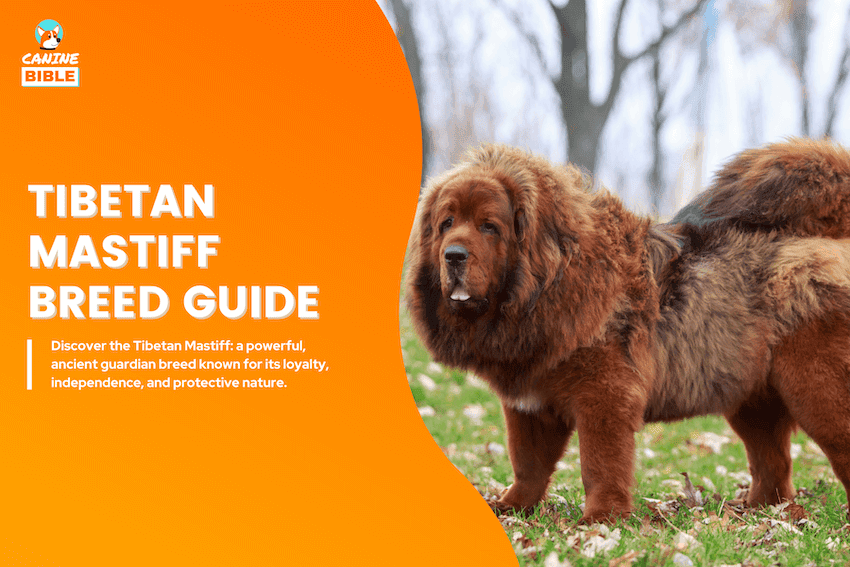
Tibetan Mastiffs are powerful, independent, and protective giant dogs known for their massive build, thick double coat, and strong guarding instincts. Originating from the Himalayas, they were bred to protect livestock and property from predators such as wolves, leopards, and even snow leopards. Today’s Tibetan Mastiffs are still natural guardians but also make loyal and affectionate companions for experienced owners. Despite their calm demeanor indoors, they are territorial, strong-willed, and require consistent training and early socialization. Tibetan Mastiffs thrive in homes with large yards and are not ideal for apartment living. Their dense coats need regular grooming, especially during seasonal shedding. These majestic dogs are best suited for owners who appreciate their independent nature and can provide firm leadership, proper socialization, and space to roam. With the right family, they are deeply devoted and form strong bonds with their people.
- Breed popularity ranking: 131 of 202
- Club: Tibetan Mastiff Club of America
- Population: ~10,000–15,000 (estimated in the U.S.)
- Price: $1,500 – $5,000+

Weight
70–150 lbs

Height
24–30 inches

Lifespan
10–12 years


Breed Group
Working Group
Tibetan Mastiff Growth Chart
History and Origin
The Tibetan Mastiff, one of the most ancient and revered dog breeds, originated thousands of years ago in the Himalayan regions of Tibet, Nepal, and India. Bred by nomadic cultures and Tibetan monks, this massive guardian dog was tasked with protecting monasteries, villages, and livestock from predators such as wolves, bears, and snow leopards. Their natural guarding instincts, independence, and immense strength made them invaluable to the people of the high plateaus.
Unlike modern companion breeds, the Tibetan Mastiff’s lineage is steeped in mystery and tradition, with historical references dating back to 1100 B.C. They were regarded as sacred protectors, often tied during the day and released at night to roam and guard. Their imposing presence and thunderous bark earned them a legendary reputation across Asia and beyond.
Though relatively rare outside of their native regions until the 19th century, Tibetan Mastiffs were introduced to Europe and the United States through explorers and traders. Today, while they maintain their role as devoted guardians, they have also gained recognition as majestic companions. Their rarity and cultural significance, combined with their ancient heritage, make them one of the most unique and prized dog breeds in the world.


Appearance
| Feature | Description |
|---|---|
| Body Build | Large, powerful, and substantial with heavy bone; slightly longer than tall and well-balanced. |
| Coat Type | Abundant double coat: dense, woolly undercoat with a coarse, straight outer coat; pronounced mane/ruff in males. |
| Coat Colors | Black, black & tan, brown (liver), blue/blue‑gray, various shades of gold (from pale to deep red); sable and minimal white markings permitted. |
| Facial Markings | Often tan points above eyes (“eyebrows”), on muzzle, chest, legs, and underside of tail; mask may be darker. |
| Chest | Deep and broad with well-sprung ribs; forechest noticeable without exaggeration. |
| Tail | High-set, heavily feathered; carried curled over the back or to one side when alert. |
| Ears | Medium, V-shaped, pendant and set high; drop forward close to head, tips rounded. |
| Eyes | Medium, almond to oval, deep-set; shades of brown (darker preferred); expression dignified and watchful. |
| Nose | Large and broad; black (or self-colored on dilute coats) with wide open nostrils. |
| Feet | Large, strong, tight and well-arched (“cat-like”) with thick pads and feathering between toes. |
| Overall Expression | Noble, imposing guardian; calm and aloof with strangers, loyal and protective with family. |

Tibetan Mastiff Characteristics
The further out a point is along a spoke, the stronger that trait is in the breed (on a scale of 1 to 10).

| Trait | Score | Description |
|---|---|---|
| Temperament | 6 | Independent and strong-willed, Tibetan Mastiffs are calm yet reserved, especially with strangers. |
| Sociability & Friendliness | 4 | Can be aloof with strangers and other pets, though affectionate and gentle with family. |
| Intelligence | 7 | Highly intelligent but tend to think for themselves, which can make them appear stubborn. |
| Trainability | 4 | Training is challenging due to their independence. Requires an experienced and consistent handler. |
| Energy Level | 5 | Moderate energy levels; content with daily walks and free play in a secure yard. |
| Shedding Level | 8 | Heavy seasonal shedders with a thick double coat that needs regular grooming. |
| Protective Instinct | 10 | One of the most protective breeds; deeply instinctual guardians of family and property. |
| Loyalty | 9 | Devoted and loyal to their family, though they may bond more strongly with one person. |
| Barking Level | 8 | Vocal and alert, especially at night, often barking to warn of potential intruders. |
| Adaptability | 4 | Less adaptable to apartment life or urban settings; thrives best in large spaces or rural homes. |
Exercise & Activity Breakdown
Tibetan Mastiffs are large, powerful guardian dogs with an independent and calm nature. While they are not as high-energy as some working breeds, they still require daily exercise and mental stimulation to prevent boredom, restlessness, or destructive behavior. Their protective instincts mean they thrive in secure outdoor spaces where they can patrol and observe their surroundings.
- Puppy (0–12 months): At this stage, Tibetan Mastiff puppies are energetic and curious but should avoid excessive high-impact exercise to protect their growing joints. Short walks, gentle play sessions, early interactive games, early training, and controlled socialization are important. Activities like tug toys, basic fetch, and puzzle games help build focus and strengthen bonds.
- Adult (1–6 years): Adult Tibetan Mastiffs benefit from long daily walks, canine sports, free play in securely fenced areas, and mentally stimulating activities. They enjoy patrolling large yards, obedience training, and engaging in problem-solving games. While not suited for high-intensity canine sports, they need consistent exercise to stay healthy and balanced.
- Senior (7+ years): As they age, Tibetan Mastiffs may become less active and require shorter, slower walks to maintain mobility. Gentle exercise, light play, and continued mental engagement through low-impact brain games support their overall health and emotional well-being. A steady routine helps prevent stress and keeps them comfortable in their senior years.lity.
Tibetan Mastiff Daily Activity Breakdown
Nutrition
Tibetan Mastiffs need a high-quality diet tailored to their life stage (puppy, adult, senior) and their large, powerful build. As a giant breed with slow maturation and a predisposition to joint issues, it’s essential to feed them food specifically formulated for large or giant breed dogs to support bone health, steady growth, and overall well-being.
Their diets should include balanced nutrients to promote joint support, coat health, immune function, and dental care. Because Tibetan Mastiffs are prone to obesity if overfed, portion control and nutrient-dense formulas are critical. Puppy diets should be carefully managed to avoid overly rapid growth, which can stress developing joints. As they age, a diet rich in omega-3 fatty acids, glucosamine, chondroitin, and antioxidants can help maintain mobility, support heart health, and reduce inflammation. Read our “Best Tibetan Mastiff Dog Food” guide to explore targeted nutrition tips and top food recommendations.
Nutritional Breakdown by Activity Level for Tibetan Mastiff
Common Health Issues
Most Tibetan Mastiffs are healthy, but like all dogs, they can be prone to certain health conditions. Common health concerns include:
*OCD: Osteochondritis Dissecans
*PRA Progressive Retinal Atrophy
*EIN: Ear Infections
*OBST: Obesity
*ATD: Autoimmune Disorders
Recommended Health Tests for Tibetan Mastiffs:
Proactive health measures, attentive care, and regular veterinary visits can help ensure your Tibetan Mastiff lives a happy and healthy life as your loyal companion.
💡 Due to this breed’s high proclivity to health issues, we recommend getting pet insurance for financial protection against unexpected medical emergencies, ensuring your pet receives the best possible care without the burden of high out-of-pocket expenses. Check out our best pet insurance guide to find a suitable plan for your pet.
Care Requirements
| Grooming Task | Recommended Frequency | Importance | Tools Needed | Recommended Product |
|---|---|---|---|---|
| Brushing | 2–3 times per week (daily during shedding season) | Prevents mats, removes loose fur, and maintains the thick double coat | Slicker brush, undercoat rake, de-shedding tool | Hertzko Self Cleaning Slicker Dog Brush (View on Amazon) |
| Bathing | Every 6–8 weeks | Keeps coat clean without stripping natural oils; overbathing can dry skin | dog-safe shampoo, conditioner, towel, dryer (optional) | OUAI Fur Bébé Pet Shampoo (View on Amazon) |
| Nail Trimming | Every 4–6 weeks | Prevents discomfort, splitting, and posture issues in large breeds | dog nail clippers, nail grinder, styptic powder | Coastal Pet Safari Nail Clipper (View on Amazon) |
| Ear Cleaning | Every 3–4 weeks | Prevents ear infections; important for thick-coated breeds in humid climates | Ear cleaning solution, cotton balls or pads (no Q-tips) | Zymox Ear Cleanser (View on Amazon) |
| Oral Care (Brushing Teeth) | Several times per week (daily if possible) | Reduces tartar buildup, prevents gum disease and bad breath | Dog toothbrush, enzymatic toothpaste, dental chews | Greenies Dental Care Chews (View on Amazon) |
Tibetan Mastiff Dog Trainability
Tibetan Mastiffs are intelligent, strong-willed, and highly independent dogs. While they are capable of learning commands, their natural guarding instincts and stubborn streaks often make training a challenge, especially for first-time dog owners. Consistent, patient training that uses firm leadership combined with positive reinforcement is essential. They respond best to clear rules, rewards, and short, purposeful sessions—though they may not always seek to please like more obedient breeds.
When compared to other breeds, Tibetan Mastiffs require early socialization, strong boundaries, and experienced handling to prevent dominance or territorial behavior. Their independence means they thrive in environments where training emphasizes respect and mutual trust. With persistence, structure, and confident guidance, they grow into loyal, protective, and well-balanced companions.

Intelligence
According to canine psychologist Stanley Coren (author of The Intelligence of Dogs – View on Amazon), dog intelligence can be broken down into three types:
- Instinctive Intelligence – What a dog is bred to do (herding, guarding, retrieving).
- Adaptive Intelligence – A dog’s ability to solve problems and learn from the environment.
- Working & Obedience Intelligence – How quickly a dog learns commands and obeys them.
IQ Comparison
Tibetan Mastiffs are known for their independent intelligence and strong instincts, especially in environments where guarding and decision-making are required. Unlike many breeds that seek to please, Tibetan Mastiffs use their intelligence selectively, often choosing when to respond based on their judgment. This self-reliant nature made them excellent livestock guardians in the Himalayas, where they had to think and act without constant human direction. Their intelligence is best expressed through problem-solving, territorial awareness, and protective behavior, rather than obedience-based tasks. While they may not rank high in traditional IQ studies focused on command repetition, their ability to assess situations and act independently reflects a different kind of canine intelligence.
Tibetan Mastiffs excel when training emphasizes respect and trust. While their stubborn streak can challenge novice owners, their sharp awareness and protective instincts make them remarkably effective guardians. With patient, consistent guidance, they reveal a unique form of intelligence rooted in independence and loyalty.
Dog Breed Intelligence Comparison
Breeding
Tibetan Mastiffs are valued for their majestic presence, protective instincts, and deep loyalty. Like many large and ancient breeds, however, they can be prone to inherited health conditions such as hip dysplasia, elbow dysplasia, hypothyroidism, eye problems, and gastric dilatation–volvulus (bloat). This makes responsible breeding essential. Ethical breeders should conduct comprehensive health screenings and genetic testing to help reduce the risk of passing on serious conditions. Proper spacing between litters is important to protect the health of both the dam and puppies, ensuring only physically sound and mentally stable Tibetan Mastiffs are bred.
- Age: Tibetan Mastiffs should not be bred until they are fully mature—typically between 24 and 36 months of age, due to their slow developmental growth.
- Litter size: A typical Tibetan Mastiff litter includes 5–12 puppies.
- Temperament: Breeding dogs should demonstrate sound temperaments—calm, confident, and protective, without signs of extreme aggression, fearfulness, or instability.
Is The Tibetan Mastiff A Good Family Dog?
If the conditions below align with your lifestyle, personal preferences, and living situation, a Tibetan Mastiff could be a wonderful pet for your family. Otherwise, you may want to consider other breeds.
✅ = Ideal / Strong Match | ⚠️ = Needs Consideration | ❌ = Not Recommended
| Suitability | Category | Score (1–10) | Notes |
|---|---|---|---|
| ✅ | Family Bonding | 9 | Deeply loyal and devoted; forms strong bonds with household. |
| ⚠️ | Child Friendliness | 6 | Best with older, respectful kids; supervise due to size and guarding instinct. |
| ⚠️ | Good With Other Pets | 5 | Can be territorial; early socialization needed. |
| ⚠️ | Maintenance Level | 6 | Weekly brushing; heavy seasonal shed. Occasional trimming/baths. |
| ⚠️ | Monthly Expenses | 8 | High food intake, preventative care, and supplies for a giant breed. |
| ❌ | Home Size Compatibility | 3 | Prefers large home with secure yard; not ideal for apartments. |
| ⚠️ | Lifestyle Match | 5 | Best for experienced owners comfortable with independent guardian breeds. |
| ⚠️ | Trainability | 4 | Independent and strong‑willed; requires patience and consistency. |
| ⚠️ | Alone Time Tolerance | 6 | Moderate; may become vocal/territorial if under‑exercised. |
| ⚠️ | Shedding & Drool Level | 6 | Seasonal heavy shedding; drool typically low for a mastiff‑type. |
| ❌ | Hypoallergenic | 2 | Not hypoallergenic; sheds and produces dander. |
| ✅ | Protectiveness | 9 | Natural guardian; early training to manage alert barking and boundaries. |
| ⚠️ | Mental Stimulation Needs | 6 | Moderate; benefit from scent games, patrol walks, and problem‑solving. |
| ⚠️ | Climate Tolerance | 6 | Excellent cold tolerance; limit exertion in heat. |
| ⚠️ | Life Expectancy | 5 | Typically 10–12 years with good care and weight management. |
| ⚠️ | Barking Level | 8 | Can be vocal at night; train quiet cues and manage triggers. |
| ❌ | Travel Friendliness | 3 | Large size and guardian nature make travel/logistics challenging. |
| ⚠️ | Potty Training Ease | 6 | Generally clean; consistency and routine help. |
Average Score: 5.72 / 10
Annual Cost of Ownership
| Category | Estimated Annual Cost (USD) |
|---|---|
| Food & Treats | $1,200 – $2,000 |
| Routine Vet Care | $400 – $700 |
| Vaccinations & Preventatives | $300 – $600 |
| Pet Insurance | $600 – $1,200 |
| Grooming | $150 – $350 |
| Training & Socialization | $300 – $600 |
| Toys & Enrichment | $150 – $300 |
| Supplies (bed, bowls, leash, etc.) | $200 – $400 |
| Emergency Vet Fund (recommended) | $600 – $1,200 |
| Boarding or Pet Sitting | $500 – $900 |
$4,400 – $8,250
Best Places to Get A Tibetan Mastiff
Online marketplaces: For pre-screened, healthy puppies, Pawrade and PuppySpot are recommended resources, offering puppies from reputable U.S. breeders.
Rescue shelters: While Tibetan Mastiffs are rarely available at local shelters, opportunities can occasionally arise. Check your local animal shelters or dog rescue organizations for information. Online communities, such as Facebook groups, can also be helpful resources.
Breeders: Finding a reputable Tibetan Mastiff breeder can be challenging due to the complex nature of breeding this large, purebred working dog. Start by searching locally within your state. You may need to travel out of state if local options are unavailable. If purchasing from a breeder further away, consider the possibility of shipping the puppy if pickup is not an option. It’s essential to request medical records and health certifications for both parents. The American Tibetan Mastiff Association’s approved breeder list is a trusted resource for finding ethical breeders.
Avoid breeders who:
- Don’t provide health clearances for both parents
- Don’t allow visits to meet the dogs or see their living conditions
- Have frequent litters with no waiting list
- Emphasize appearance over health and temperament