Miniature Dachshund Dog Breed Information: Complete Guide

Canine Bible is reader-supported. We receive affiliate commissions via some of our links. Learn more.

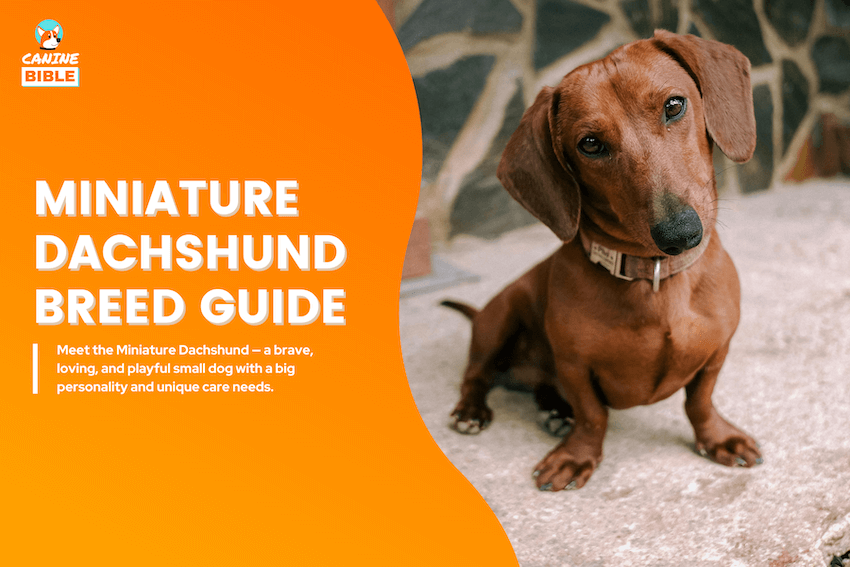
Miniature Dachshund
Miniature Dachshunds are playful, brave, and affectionate little dogs known for their long bodies, short legs, and big personalities. Originally bred in Germany to hunt badgers and other burrowing animals, these “mini” versions of the standard Dachshund retain the same courageous hunting spirit in a smaller, more apartment-friendly package. Despite their size, Miniature Dachshunds are confident, alert, and often fearless—making them both entertaining companions and excellent watchdogs. They bond deeply with their families and love to be involved in daily activities. While they adapt well to small spaces, they require regular exercise and mental stimulation to prevent boredom and weight gain. With their loyal nature and charming antics, Miniature Dachshunds make devoted pets for individuals or families seeking a spirited and loving small dog.
- Breed popularity ranking: 9 of 202
- Club: Dachshund Club of America
- Population: 500,000+ (estimated in the U.S.)
- Hypoallergenic: No
- Temperament: Playful, curious, loyal, brave
- Price: $800 – $2,500

Weight
8–11 lbs

Height
5–6 inches

Lifespan
12–16 years


Breed Group
Hound Group
Miniature Dachshund Growth Chart
History and Origin
The Miniature Dachshund, a spirited and affectionate breed, originated in Germany several centuries ago. Bred down from the standard Dachshund, these smaller dogs were developed to hunt smaller prey such as rabbits and other burrowing animals while retaining the same courage and determination as their larger counterparts. The name “Dachshund” translates to “badger dog” in German, reflecting their original role as fearless underground hunters.
The Miniature Dachshund’s development focused on refining the breed’s compact size without sacrificing its hunting instincts or lively temperament. Breeders selectively paired smaller Dachshunds to create a version that could fit into tighter spaces underground yet remain agile and energetic. Over time, their distinctive long body, short legs, and alert nature became iconic, making them both functional hunters and beloved companions.
Officially recognized by major kennel clubs like the American Kennel Club (AKC) in the late 19th century, the Miniature Dachshund quickly became a favorite worldwide. Today, while they’re more commonly found curled up on sofas than chasing prey, their bold spirit and affectionate personality continue to make them one of the most popular toy-sized hounds in the world.


Appearance
| Feature | Description |
|---|---|
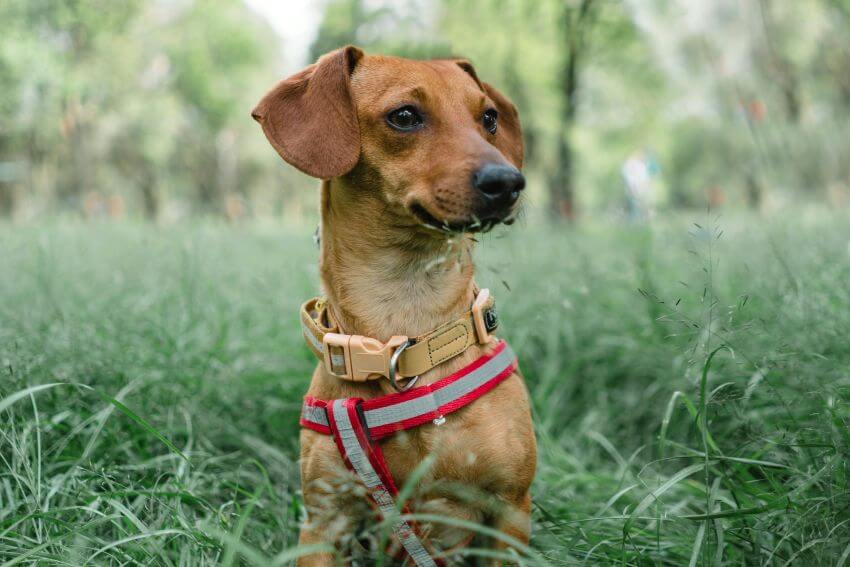
| Body Build | Long, muscular, and low to the ground with short legs and a sturdy frame. |
| Coat Type | Comes in three varieties: smooth, longhaired, or wirehaired. |
| Coat Colors | Black and tan, red, chocolate, cream, blue, dapple, brindle, and piebald patterns. |
| Facial Markings | Varies by coat; expressive eyebrows and a long, narrow muzzle. |
| Chest Markings | Deep and broad chest, sometimes with lighter or patterned fur on the front. |
| Tail | Moderately long, tapering, and carried in line with the back — never curled. |
| Ears | Long, rounded, and set near the top of the head, hanging close to the cheeks. |
| Eyes | Medium-sized, almond-shaped, and dark with a friendly, intelligent expression. |
| Nose | Prominent and black or self-colored depending on coat color. |
| Feet | Compact and well-arched with strong nails for digging. |
| Overall Expression | Alert, bold, and curious with a confident, determined look. |
Miniature Dachshund Characteristics
The further out a point is along a spoke, the stronger that trait is in the breed (on a scale of 1 to 10).

| Trait | Score | Description |
|---|---|---|
| Temperament | 8 | Curious, brave, and spirited, Miniature Dachshunds have a lively personality and love to explore their surroundings. |
| Sociability & Friendliness | 7 | Affectionate with their family but can be reserved or cautious around strangers and other dogs. |
| Intelligence | 8 | Bright and clever, they quickly understand commands, though they may prefer doing things their own way. |
| Trainability | 6 | Can be stubborn and independent; training requires patience and positive reinforcement. |
| Energy Level | 7 | Energetic and playful, but their short legs mean shorter bursts of activity are usually enough. |
| Shedding Level | 4 | Low to moderate shedders, depending on coat type (smooth, long-haired, or wire-haired). |
| Protective Instinct | 9 | Excellent watchdogs; their bold nature and loud bark make them protective despite their small size. |
| Loyalty | 10 | Deeply devoted to their owners and can become very attached to one person in the household. |
| Barking Level | 8 | Prone to barking at new sights and sounds; consistent training helps manage excessive barking. |
| Adaptability | 7 | Adaptable to apartment living but prefer consistent companionship and dislike being left alone for long periods. |
Exercise & Activity Breakdown
Miniature Dachshunds are lively, intelligent, and determined little dogs with a love for play and exploration. Although small, they were bred as hunters and still possess strong instincts that require daily exercise and mental engagement. Regular walks and enrichment activities help prevent obesity, boredom, and back-related issues—common concerns for this long-bodied breed.
- Puppy (0–12 months): At this stage, Miniature Dachshund puppies are curious and full of energy. Short, gentle walks, soft play sessions, and basic obedience training help channel their enthusiasm. Activities like mini fetch, beginner scent games, and early interactive games promote focus and socialization.
- Adult (1–6 years): Adult Miniature Dachshunds thrive on daily walks, sniffing games, and light agility or scent-tracking activities that stimulate their natural hunting instincts. Avoid excessive jumping or climbing to protect their spine. Puzzle toys, canine sports (like Earthdog trials), and playtime with owners keep them fit and mentally sharp.
- Senior (7+ years): As Miniature Dachshunds age, they may slow down but still benefit from gentle, consistent exercise to maintain muscle tone and mobility. Short walks, mild fetch sessions, and low-impact brain games support joint health and emotional well-being. Maintaining a steady routine helps prevent stiffness and anxiety.
Miniature Dachshund Daily Activity Breakdown
Nutrition
Miniature Dachshunds need a well-balanced, high-quality diet tailored to their life stage (puppy, adult, or senior). As a small breed with a long spine and a tendency toward obesity, it’s important to feed them food formulated for small or miniature breed dogs to support healthy weight, muscle tone, and joint strength. Proper nutrition helps protect their back, maintain energy levels, and promote overall wellness.
Their diet should include lean protein for muscle maintenance, omega-3 fatty acids for joint and coat health, and antioxidants to support the immune system. Because Dachshunds are prone to back problems and weight gain, portion control and nutrient-dense, small-bite formulas are essential. As they age, diets enriched with glucosamine, chondroitin, and omega-3s can help maintain joint mobility and spinal health. Read our “Best Miniature Dachshund Dog Food” guide to explore targeted nutrition tips and top food recommendations.
Nutritional Breakdown by Activity Level for Miniature Dachshund
Common Health Issues
Most Miniature Dachshunds are healthy, but like all dogs, they can be prone to certain health conditions. Common health concerns include:
*EP: Eye Problem
*SI: Skin Issues
Recommended Health Tests for Miniature Dachshunds:
Proactive health measures, attentive care, and regular veterinary visits can help ensure your Miniature Dachshund lives a happy and healthy life as your loyal companion.
💡 Due to this breed’s high proclivity to health issues, we recommend getting pet insurance for financial protection against unexpected medical emergencies, ensuring your pet receives the best possible care without the burden of high out-of-pocket expenses. Check out our best pet insurance guide to find a suitable plan for your pet.
Care Requirements
| Grooming Task | Recommended Frequency | Importance | Tools Needed | Recommended Product |
|---|---|---|---|---|
| Brushing | 2–3×/week (daily for long/wire coats) | Prevents mats and tangles, removes loose fur, and promotes healthy skin | Slicker brush, de-shedding tool, grooming mitt | Hertzko Self Cleaning Slicker Dog Brush (View on Amazon) |
| Bathing | Every 4–6 weeks | Keeps coat clean, reduces odor, and helps control shedding | dog-safe shampoo, conditioner, towel, hair dryer (optional) | OUAI Fur Bébé Pet Shampoo (View on Amazon) |
| Nail Trimming | Every 2–3 weeks | Prevents overgrowth, pain, and potential injury while walking | dog nail clippers, nail grinder, styptic powder | Coastal Pet Safari Nail Clipper (View on Amazon) |
| Ear Cleaning | Every 2–3 weeks (check weekly) | Prevents ear infections, especially in floppy-eared breeds | Ear cleaning solution, cotton balls or pads (no Q-tips) | Zymox Ear Cleanser (View on Amazon) |
| Oral Care (Brushing Teeth) | Daily | Reduces plaque and tartar buildup, prevents gum disease and bad breath | Dog toothbrush, enzymatic toothpaste, dental chews | Greenies Dental Care Chews (View on Amazon) |
Miniature Dachshund Dog Trainability
Miniature Dachshunds are intelligent, curious, and strong-willed little dogs. While they’re eager to please their owners, their independent nature and hunting instincts can make training a bit of a challenge. Consistent, patient training that focuses on positive reinforcement works best. They respond well to praise, treats, and short, engaging sessions that keep their attention without overwhelming them. Because of their natural stubbornness, Dachshunds may try to test boundaries, especially during puppyhood. Crate training, early socialization, and clear routines help reinforce good behavior and prevent undesirable habits such as barking or digging.
When compared to other breeds, Miniature Dachshunds benefit from calm persistence, reward-based methods, and early exposure to different people and environments. Their intelligence shines when training feels like play. With patience, structure, and plenty of encouragement, Dachshunds become well-behaved, affectionate, and confident companions.

Intelligence
According to canine psychologist Stanley Coren (author of The Intelligence of Dogs – View on Amazon), dog intelligence can be broken down into three types:
- Instinctive Intelligence – What a dog is bred to do (herding, guarding, retrieving).
- Adaptive Intelligence – A dog’s ability to solve problems and learn from the environment.
- Working & Obedience Intelligence – How quickly a dog learns commands and obeys them.
IQ Comparison
Miniature Dachshunds are known for their clever problem-solving skills and strong independent streak. Bred as hunters, they rely on instinct, determination, and quick thinking to track and flush out prey. This makes them excellent at adaptive intelligence—learning through experience and observation rather than repetition alone. While they may not always follow commands immediately, it’s often because they prefer to think for themselves first. Their sharp noses and curiosity make them adept at scent work, puzzle-solving, and interactive games that challenge their minds. They respond best to training that keeps them mentally stimulated and rewarded for effort, rather than overly repetitive routines.
Miniature Dachshunds excel when training taps into their natural instincts. Though their independent nature can test a trainer’s patience, their intelligence and perseverance make them quick to learn when properly motivated. With consistency, creativity, and rewards, they reveal just how bright and capable these small hounds truly are.
Dog Breed Intelligence Comparison
Breeding
Miniature Dachshunds are beloved for their courage, intelligence, and affectionate nature. However, like many purebred dogs, they are prone to certain hereditary health conditions such as Intervertebral Disc Disease (IVDD), obesity, dental disease, diabetes, and heart disease. Because of these risks, responsible breeding practices are essential. Ethical breeders should conduct health screenings and genetic testing to reduce the likelihood of passing on serious spinal, metabolic, or cardiac conditions. Breeding Dachshunds requires careful attention to physical health, especially spinal structure. Overbreeding or breeding dogs with back issues can increase the risk of IVDD in offspring. Proper spacing between litters and breeding only sound, well-structured Dachshunds helps maintain the breed’s integrity and vitality.
- Age: Miniature Dachshunds should not be bred until they are fully mature—typically between 18 and 24 months of age.
- Litter size: A typical Miniature Dachshund litter includes 4–6 puppies.
- Temperament: Breeding dogs should display stable, confident, and affectionate temperaments—friendly, curious, and loyal, without signs of aggression, extreme shyness, or anxiety.
Is The Miniature Dachshund A Good Family Dog?
If the conditions below align with your lifestyle, personal preferences, and living situation, a Miniature Dachshund could be a wonderful pet for your family. Otherwise, you may want to consider other breeds.
✅ = Ideal / Strong Match | ⚠️ = Needs Consideration | ❌ = Not Recommended
| Suitability | Category | Score (1–10) | Notes |
|---|---|---|---|
| ✅ | Family Bonding | 9 | Affectionate, people-oriented; bonds closely with household. |
| ⚠️ | Child Friendliness | 7 | Best with gentle, supervised kids; protect the back when handling. |
| ⚠️ | Good With Other Pets | 6 | Can coexist with pets; prey drive and bossiness may appear. |
| ⚠️ | Maintenance Level | 5 | Smooth coat is low-maintenance; long/wire coats need more care. |
| ⚠️ | Monthly Expenses | 6 | Routine care plus potential IVDD prevention/insurance costs. |
| ✅ | Home Size Compatibility | 9 | Great for apartments; needs ramps and no stair jumping. |
| ✅ | Lifestyle Match | 8 | Enjoys daily walks/sniffing games and plenty of cuddle time. |
| ✅ | Trainability | 6 | Smart but stubborn; short, positive sessions work best. |
| ⚠️ | Alone Time Tolerance | 4 | May develop separation anxiety; build independence gradually. |
| ⚠️ | Shedding & Drool Level | 5 | Light–moderate shedding (more in long/wire); minimal drool. |
| ❌ | Hypoallergenic | 2 | Not hypoallergenic; produces dander and sheds. |
| ⚠️ | Protectiveness | 7 | Alert watchdog tendencies; early socialization helps. |
| ✅ | Mental Stimulation Needs | 8 | Sniffaris, puzzle feeders, and scent games are ideal. |
| ⚠️ | Climate Tolerance | 5 | Sensitive to cold (smooth coats); avoid heat overexertion. |
| ✅ | Life Expectancy | 9 | Typically 12–16 years with weight management and back care. |
| ⚠️ | Barking Level | 7 | Vocal/territorial; train quiet cue and reward calm. |
| ✅ | Travel Friendliness | 7 | Compact traveler; crate/seat-belt harness recommended. |
| ⚠️ | Potty Training Ease | 5 | Can be slow to housetrain; consistent routine is key. |
Average Score: 6.39 / 10
Annual Cost of Ownership
| Category | Estimated Annual Cost (USD) |
|---|---|
| Food & Treats | $400 – $700 |
| Routine Vet Care | $300 – $500 |
| Vaccinations & Preventatives | $200 – $400 |
| Pet Insurance | $250 – $500 |
| Grooming | $80 – $200 |
| Training & Socialization | $150 – $350 |
| Toys & Enrichment | $80 – $180 |
| Supplies (bed, bowls, leash, etc.) | $100 – $200 |
| Emergency Vet Fund (recommended) | $400 – $800 |
| Boarding or Pet Sitting | $250 – $450 |
$2,210 – $4,280
Best Places to Get A Miniature Dachshund
Online marketplaces: For pre-screened, healthy puppies, Pawrade and PuppySpot are recommended resources, offering puppies from reputable U.S. breeders.
Rescue shelters: While Miniature Dachshunds are rarely available at local shelters, opportunities can occasionally arise. Check your local animal shelters or dog rescue organizations for information. Online communities, such as Facebook groups, can also be helpful resources.
Breeders: Finding a reputable Miniature Dachshund breeder can be challenging due to the complex nature of breeding this large, purebred working dog. Start by searching locally within your state. You may need to travel out of state if local options are unavailable. If purchasing from a breeder further away, consider the possibility of shipping the puppy if pickup is not an option. It’s essential to request medical records and health certifications for both parents. The American Miniature Dachshund Association’s approved breeder list is a trusted resource for finding ethical breeders.
Avoid breeders who:
- Don’t provide health clearances for both parents
- Don’t allow visits to meet the dogs or see their living conditions
- Have frequent litters with no waiting list
- Emphasize appearance over health and temperament