Staffordshire Bull Terrier Dog Breed Information: Complete Guide

Canine Bible is reader-supported. We receive affiliate commissions via some of our links. Learn more.

Staffordshire Bull Terrier
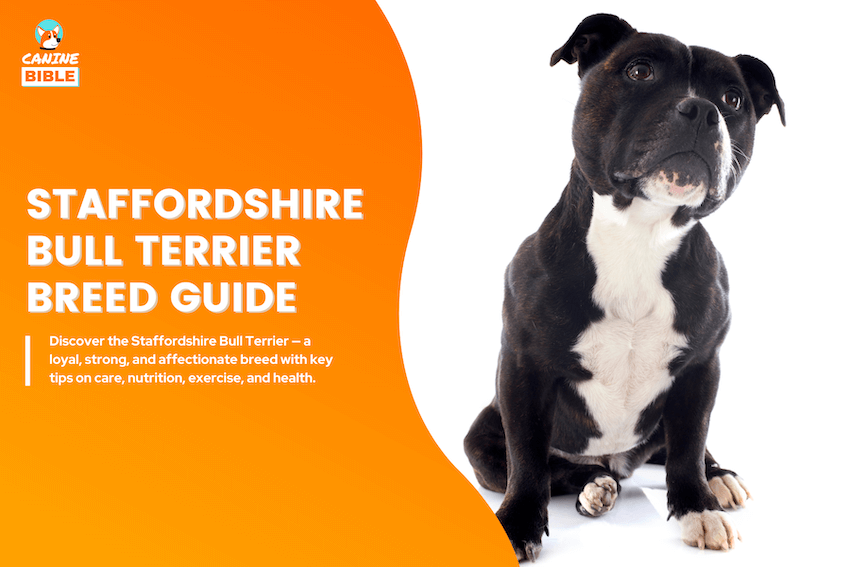
Staffordshire Bull Terriers are courageous, affectionate, and muscular dogs celebrated for their strength, intelligence, and loving nature. Originally bred in 19th-century England for bull-baiting and later as loyal family companions, “Staffies” are known today for their unmatched devotion to their families—especially children, earning them the nickname “nanny dog.” Despite their tough appearance, Staffordshire Bull Terriers are gentle, playful, and thrive on human companionship. They require consistent training, socialization, and regular exercise to channel their high energy and strong will positively. Their short coat is easy to maintain, and their expressive faces and loyal hearts make them beloved members of many homes.
- Breed popularity ranking: 77 of 202
- Club: Staffordshire Bull Terrier Club of America
- Population: 70,000+ (estimated in the U.S.)
- Hypoallergenic: No
- Temperament: Brave, loyal, affectionate, intelligent, energetic
- Price: $1,000 – $2,500

Weight
24–38 lbs

Height
14–16 inches

Lifespan
12–14 years


Breed Group
Terrier Group
Staffordshire Bull Terrier Growth Chart
History and Origin
The Staffordshire Bull Terrier, a courageous and affectionate breed, traces its origins to early 19th-century England. It was developed by crossing the now-extinct Old English Bulldog with various terriers, combining the strength and tenacity of the Bulldog with the agility and intelligence of the terrier. Originally bred for bull-baiting and later for ratting and dog fighting, the breed’s reputation was forged in working-class communities where these dogs were prized for their bravery, loyalty, and unbreakable spirit.
When blood sports were outlawed in the mid-1800s, devoted enthusiasts worked to reshape the breed’s image, emphasizing its gentler nature and family-friendly temperament. Over time, the Staffordshire Bull Terrier evolved from a fighting dog to a devoted companion known for its affection toward humans, especially children.
The breed was officially recognized by The Kennel Club (UK) in 1935 and later by the American Kennel Club in 1975. Today, the Staffordshire Bull Terrier stands as a symbol of resilience and loyalty—celebrated for its courage, intelligence, and loving heart that belies its muscular frame.


Appearance
| Feature | Description |
|---|---|
| Body Build | Muscular, stocky, and powerfully built with a broad chest and strong stance. |
| Coat Type | Short, smooth, and close to the body with a natural sheen. |
| Coat Colors | Brindle, fawn, red, black, blue, white, or any mix of these with white markings. |
| Facial Markings | Distinct, expressive features with a broad skull and pronounced cheek muscles. |
| Chest Markings | Often white or lighter in color, emphasizing the deep, wide chest. |
| Tail | Medium length, low-set, tapering to a fine point; carried straight or slightly curved. |
| Ears | Small, half-pricked or rose-shaped, positioned high on the head. |
| Eyes | Dark and round with a keen, intelligent, and courageous expression. |
| Nose | Black, with wide nostrils that complement the strong muzzle. |
| Feet | Well-padded, strong, and medium-sized with black nails preferred. |
| Overall Expression | Bold, fearless, and affectionate; combines strength with a friendly demeanor. |

Staffordshire Bull Terrier Characteristics
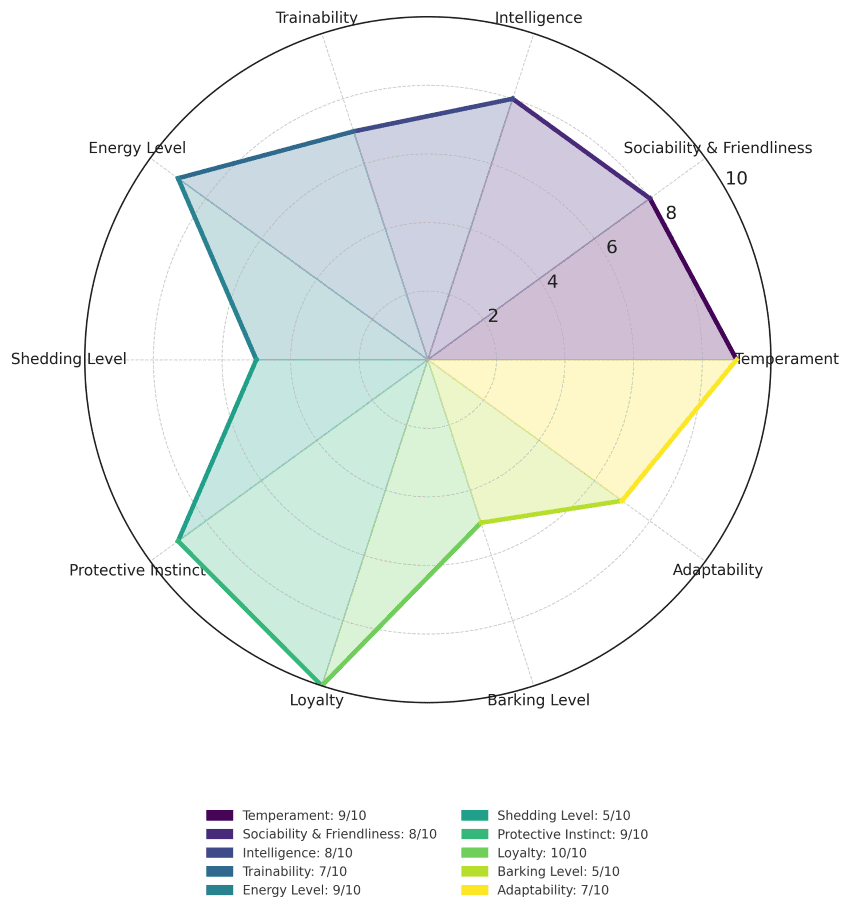
The further out a point is along a spoke, the stronger that trait is in the breed (on a scale of 1 to 10).
| Trait | Score | Description |
|---|---|---|
| Temperament | 9 | Known for their affectionate and courageous nature, Staffordshire Bull Terriers are gentle with family yet bold and confident in spirit. |
| Sociability & Friendliness | 8 | Highly social with humans and great with children, though they may be wary or dominant around unfamiliar dogs. |
| Intelligence | 8 | Smart and quick to pick up commands, especially when training is consistent and fun-based. |
| Trainability | 7 | Willing to learn but can be strong-willed; requires firm, positive reinforcement methods. |
| Energy Level | 9 | Energetic and powerful, they thrive with daily exercise, play, and mental stimulation. |
| Shedding Level | 5 | Moderate shedders with a short, easy-to-maintain coat that benefits from weekly brushing. |
| Protective Instinct | 9 | Instinctively protective of loved ones, they make loyal watchdogs without unnecessary aggression. |
| Loyalty | 10 | Extremely loyal and people-oriented, often referred to as “nanny dogs” for their devotion to family. |
| Barking Level | 5 | Not excessive barkers; usually vocal only to alert or communicate excitement. |
| Adaptability | 7 | Adaptable to apartment living if exercised enough, though happiest with access to a yard and family interaction. |
Exercise & Activity Breakdown
Staffordshire Bull Terriers are muscular, energetic, and highly affectionate dogs that thrive on physical activity and mental stimulation. They have strong athletic builds and require consistent exercise to stay fit, balanced, and well-behaved. Without proper outlets for their energy, Staffies may develop destructive habits or restlessness. Daily interaction, play, and training are essential to keep this intelligent and loyal breed happy.
- Puppy (0–12 months): Young Staffies are lively and eager to explore. Begin with short, gentle walks, basic obedience training, and early socialization to build confidence and good manners. Interactive games, light fetch games, and mental challenges help develop focus and strengthen bonds with their owners.
- Adult (1–6 years): Adult Staffordshire Bull Terriers need at least an hour of vigorous exercise daily, including brisk walks, canine sports, agility drills, and off-leash play in secure areas. Activities like tug-of-war, puzzle toys, and obedience games engage their minds while satisfying their natural drive for activity and companionship.
- Senior (7+ years): As they age, Staffies may slow down but still benefit from regular, moderate exercise to maintain joint health and prevent weight gain. Short walks, gentle play sessions, and low-impact activities keep them active while supporting mobility and emotional well-being.
Staffordshire Bull Terrier Daily Activity Breakdown
Nutrition
Staffordshire Bull Terriers need a high-quality diet that matches their life stage (puppy, adult, senior) and energetic lifestyle. As a muscular and athletic medium-sized breed, they benefit from food formulated for active or medium breeds to maintain lean muscle mass, joint health, and sustained energy levels. Proper nutrition helps prevent obesity, supports their strong physique, and promotes long-term health.
Their diet should include high-quality animal protein for muscle development, healthy fats for energy and coat health, and complex carbohydrates for endurance. Since Staffies are prone to conditions such as skin allergies and joint issues, it’s important to include omega-3 fatty acids, antioxidants, and joint-supporting nutrients like glucosamine and chondroitin. Regular portion control and avoiding filler-heavy foods help prevent weight gain and maintain optimal condition. “Best Staffordshire Bull Terrier Dog Food” guide to explore targeted nutrition tips and top food recommendations.
Nutritional Breakdown by Activity Level for Staffordshire Bull Terrier
Common Health Issues
Most Staffordshire Bull Terriers are healthy, but like all dogs, they can be prone to certain health conditions. Common health concerns include:
*PL: Patellar Luxation
*HC: Hereditary Cataract
*PS: Pulmonic Stenosis
*DM: Demodectic Mange
Recommended Health Tests for Staffordshire Bull Terriers:
Proactive health measures, attentive care, and regular veterinary visits can help ensure your Staffordshire Bull Terrier lives a happy and healthy life as your loyal companion.
💡 Due to this breed’s high proclivity to health issues, we recommend getting pet insurance for financial protection against unexpected medical emergencies, ensuring your pet receives the best possible care without the burden of high out-of-pocket expenses. Check out our best pet insurance guide to find a suitable plan for your pet.
Care Requirements
| Grooming Task | Recommended Frequency | Importance | Tools Needed | Recommended Product |
|---|---|---|---|---|
| Brushing | 2–3× per week (daily during seasonal shedding) | Prevents mats and tangles, removes loose fur, and promotes healthy skin | Slicker brush, de-shedding tool, grooming mitt | Hertzko Self Cleaning Slicker Dog Brush (View on Amazon) |
| Bathing | Every 6–8 weeks or as needed | Keeps coat clean, reduces odor, and helps control shedding | dog-safe shampoo, conditioner, towel, hair dryer (optional) | OUAI Fur Bébé Pet Shampoo (View on Amazon) |
| Nail Trimming | Every 2–3 weeks | Prevents overgrowth, pain, and potential injury while walking | dog nail clippers, nail grinder, styptic powder | Coastal Pet Safari Nail Clipper (View on Amazon) |
| Ear Cleaning | Every 2–4 weeks; after swims/baths | Prevents ear infections, especially in floppy-eared breeds | Ear cleaning solution, cotton balls or pads (no Q-tips) | Zymox Ear Cleanser (View on Amazon) |
| Oral Care (Brushing Teeth) | Daily (or at least 3–4× per week) | Reduces plaque and tartar buildup, prevents gum disease and bad breath | Dog toothbrush, enzymatic toothpaste, dental chews | Greenies Dental Care Chews (View on Amazon) |
Staffordshire Bull Terrier Dog Trainability
Staffordshire Bull Terriers are intelligent, determined, and eager-to-please dogs with a strong desire to bond closely with their owners. While they learn quickly, their independent streak and high energy can make training challenging without consistency. Structured, positive reinforcement training that uses clear commands, rewards, and patience works best. Staffies thrive on praise, treats, and interactive play—especially when training sessions are active, engaging, and built around their need for companionship.
When compared to other breeds, Staffordshire Bull Terriers respond best to confident, consistent leadership and early socialization. Their loyalty and eagerness to please make them highly trainable when given firm guidance and positive feedback. With mental stimulation, regular exercise, and strong owner bonds, they develop into obedient, well-mannered, and affectionate companions.

Intelligence
According to canine psychologist Stanley Coren (author of The Intelligence of Dogs – View on Amazon), dog intelligence can be broken down into three types:
- Instinctive Intelligence – What a dog is bred to do (herding, guarding, retrieving).
- Adaptive Intelligence – A dog’s ability to solve problems and learn from the environment.
- Working & Obedience Intelligence – How quickly a dog learns commands and obeys them.
IQ Comparison
Staffordshire Bull Terriers are known for their emotional intelligence, quick learning ability, and strong problem-solving skills—especially when motivated by human interaction and reward-based training. They rank above average in obedience and working intelligence, learning new commands with focus and enthusiasm. Their alert minds and determination make them excel in obedience training, agility courses, and canine sports, where they can channel their energy and strength productively.
Staffies thrive when mentally challenged through structured play and interactive learning. While their strong will and bold personality can test inexperienced owners, they respond exceptionally well to patient, consistent routines and positive reinforcement. Their keen understanding of human emotions and eagerness to please make them not only intelligent learners but deeply intuitive companions.
Dog Breed Intelligence Comparison
Breeding
Staffordshire Bull Terriers are valued for their courage, intelligence, and affectionate temperament. Like many purebred dogs, however, they are susceptible to certain hereditary conditions such as hip dysplasia, hereditary cataracts, L-2-HGA (L-2-hydroxyglutaric aciduria), patellar luxation, and skin allergies. This makes responsible breeding practices essential to ensure the long-term health and stability of the breed. Ethical breeders should perform comprehensive health screenings and genetic testing before breeding to prevent the transmission of genetic disorders. Proper rest between litters is important to protect the health of both the dam and the puppies, ensuring that only physically sound and emotionally balanced dogs are bred.
- Age: Staffordshire Bull Terriers should not be bred until they are fully mature—typically between 18 and 24 months of age.
- Litter size: A typical Staffordshire Bull Terrier litter includes 4–6 puppies.
- Temperament: Breeding dogs should display stable, friendly, and confident temperaments, free from aggression, shyness, or anxiety, to uphold the breed’s reputation as a loyal and affectionate family companion.
Is The Staffordshire Bull Terrier A Good Family Dog?
If the conditions below align with your lifestyle, personal preferences, and living situation, a Staffordshire Bull Terrier could be a wonderful pet for your family. Otherwise, you may want to consider other breeds.
✅ = Ideal / Strong Match | ⚠️ = Needs Consideration | ❌ = Not Recommended
| Suitability | Category | Score (1–10) | Notes |
|---|---|---|---|
| ✅ | Family Bonding | 10 | Exceptionally affectionate and people-oriented; thrives as a close companion. |
| ⚠️ | Child Friendliness | 8 | Generally great with kids; supervise due to strength and enthusiastic play. |
| ⚠️ | Good With Other Pets | 6 | Can be dog-selective; early socialization and management recommended. |
| ✅ | Maintenance Level | 3 | Low grooming needs; short coat benefits from weekly brushing. |
| ⚠️ | Monthly Expenses | 7 | Medium—quality diet, routine vet care, training, and enrichment. |
| ✅ | Home Size Compatibility | 8 | Can do well in apartments with daily exercise and mental work. |
| ✅ | Lifestyle Match | 8 | Best for active owners who enjoy walks, play, and training sessions. |
| ✅ | Trainability | 8 | Responsive and eager to please; thrives with positive, consistent methods. |
| ⚠️ | Alone Time Tolerance | 4 | Very people-focused; may struggle with long periods alone. |
| ✅ | Shedding & Drool Level | 4 | Light to moderate shedding; minimal drool for most individuals. |
| ❌ | Hypoallergenic | 2 | Not hypoallergenic; produces dander and sheds. |
| ⚠️ | Protectiveness | 8 | Natural guardian instincts; socialization helps ensure polite manners. |
| ✅ | Mental Stimulation Needs | 8 | Needs puzzles, training, and varied activities to prevent boredom. |
| ⚠️ | Climate Tolerance | 5 | Does best in moderate climates; monitor in heat/cold. |
| ✅ | Life Expectancy | 8 | Typically 12–14 years with proper care and healthy weight. |
| ⚠️ | Barking Level | 5 | Moderate—usually vocal with alerts; training curbs nuisance barking. |
| ✅ | Travel Friendliness | 8 | Generally adaptable traveler with crate training and routine breaks. |
| ✅ | Potty Training Ease | 7 | Usually learns quickly with structure and consistent schedules. |
Average Score: 6.50 / 10
Annual Cost of Ownership
| Category | Estimated Annual Cost (USD) |
|---|---|
| Food & Treats | $600 – $900 |
| Routine Vet Care | $400 – $650 |
| Vaccinations & Preventatives | $250 – $450 |
| Pet Insurance | $350 – $650 |
| Grooming | $80 – $180 |
| Training & Socialization | $200 – $400 |
| Toys & Enrichment | $120 – $250 |
| Supplies (bed, bowls, leash, etc.) | $150 – $300 |
| Emergency Vet Fund (recommended) | $400 – $800 |
| Boarding or Pet Sitting | $350 – $600 |
$2,900 – $5,780
Best Places to Get A Staffordshire Bull Terrier
Online marketplaces: For pre-screened, healthy puppies, Pawrade and PuppySpot are recommended resources, offering puppies from reputable U.S. breeders.
Rescue shelters: While Staffordshire Bull Terriers are rarely available at local shelters, opportunities can occasionally arise. Check your local animal shelters or dog rescue organizations for information. Online communities, such as Facebook groups, can also be helpful resources.
Breeders: Finding a reputable Staffordshire Bull Terrier breeder can be challenging due to the complex nature of breeding this large, purebred working dog. Start by searching locally within your state. You may need to travel out of state if local options are unavailable. If purchasing from a breeder further away, consider the possibility of shipping the puppy if pickup is not an option. It’s essential to request medical records and health certifications for both parents. The American Staffordshire Bull Terrier Association’s approved breeder list is a trusted resource for finding ethical breeders.
Avoid breeders who:
- Don’t provide health clearances for both parents
- Don’t allow visits to meet the dogs or see their living conditions
- Have frequent litters with no waiting list
- Emphasize appearance over health and temperament