10 Best Dog Foods for Hypoglycemia in 2026: Vet-Approved

Best Dog Foods for Hypoglycemia

Canine Bible is reader-supported. We receive affiliate commissions via some of our links. Learn more.

This content was reviewed and fact-checked by veterinarian Dr. Aukse Caraite, DVM.

A dog’s blood sugar can fall dangerously low faster than many owners realize, turning mild weakness or shakiness into a potential medical emergency. For dogs prone to hypoglycemia, the right food can play an important role in providing steady energy, supporting more stable glucose levels, and reducing the dramatic peaks and crashes that may follow poorly balanced meals. Nutrient-dense formulas with appropriate protein, fat, carbohydrates, and meal timing can be especially important for puppies, toy breeds, highly active dogs, and dogs with underlying medical conditions. However, diet is only one part of managing hypoglycemia, and recurring episodes should always be evaluated by a veterinarian to determine the underlying cause. Choosing the right food can make daily management easier while helping owners feel more confident about keeping their dog properly fueled. In this guide, we’ll break down the best dog foods for hypoglycemia, what nutritional features to look for, and how to choose an option that fits your dog’s individual needs.

Latest Research on Diet & Hypoglycemia in Dogs

According to the latest research, meal frequency, nutrient balance, and carbohydrate selection may all play a role in supporting more stable blood glucose levels in dogs with hypoglycemia. Current evidence also suggests that different carbohydrate sources can produce varying glucose and insulin responses, making dietary composition an important consideration.

📄 Research Update — Hypoglycemia Nutrition

Frequent Small Meals Can Help Support Dogs Prone to Low Blood Sugar

Once a hypoglycemic dog has been stabilized, veterinary guidance commonly recommends frequent small meals containing complex carbohydrates. Regular feeding can help limit long fasting periods, but the diet should always reflect the underlying cause of the dog’s hypoglycemia.[1]

📊 Clinical Focus — Insulinoma Feeding

Balanced Meals With Protein, Fat, and Complex Carbohydrates May Help

For dogs with insulinoma-related hypoglycemia, veterinary literature recommends several small daily meals containing protein, fat, and complex carbohydrates. Simple sugars are generally limited during routine feeding because rapid glucose rises may stimulate additional insulin release.[2]

⚠️ Nutrition Insight — Carbohydrate Choice

Not All Carbohydrate Sources Affect Blood Glucose the Same Way

Research in dogs shows that different carbohydrate sources can produce different post-meal glucose and insulin responses. This supports choosing carbohydrates carefully rather than simply increasing or eliminating them when feeding a dog vulnerable to blood sugar fluctuations.[3]

Ingredients That Help Dogs with Hypoglycemia

Certain ingredients may help support steadier blood glucose responses in dogs with hypoglycemia by slowing digestion, moderating glucose absorption, or promoting a more gradual post-meal rise in blood sugar. Their benefits can vary depending on the dog, the underlying cause of hypoglycemia, and how each ingredient is incorporated into the overall diet.

Ingredient Potential Benefit for Hypoglycemia Important Caution
Lentils May produce a slower, more prolonged post-meal glucose response Should be part of a complete, balanced formula
Peas Showed a later glucose and insulin response in canine feeding research Benefits depend on processing and the overall diet
Sorghum May support a more gradual post-meal glucose response Individual glucose responses can still vary
Psyllium Soluble fiber may slow digestion and intestinal glucose absorption Excess amounts may affect stools or food intake
Beta-Glucans Fiber may help reduce rapid changes in post-meal blood glucose Canine hypoglycemia evidence remains limited
Lentils + Soluble Fiber Used together to improve glycemic stability in a canine insulinoma case Evidence comes primarily from insulinoma management

Table data sources: [3],[4]

Remember to ALWAYS consult with your vet before making any changes that could affect your dog’s health, nutrition, or well-being. If you can’t reach your vet, you can chat live with a registered online veterinary professional via our online vet chat or video chat support (24 hours a day, 7 days a week). Or use Chewy’s online vet services (6 a.m. – midnight ET). Additionally, at-home dog gut health tests can analyze your dog’s microbiome, offering insights into which nutrients their diet should include. Similarly, at-home dog allergy testing kits can identify ingredients that may not be suitable for your dog, enabling you to choose the right diet and care plan to support optimal digestion, nutrition, and health.

Best Dog Foods for Hypoglycemia

Here are our picks for the best dog foods for hypoglycemia this year.

Best Overall Dog Food for Hypoglycemia
4.9

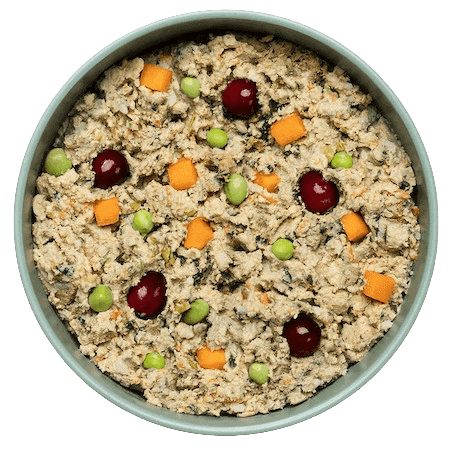
ollie fresh dog food chicken recipe

Ollie Chicken Recipe

Who It’s For: Dogs prone to low blood sugar that need a balanced, nutrient-dense diet to support steady energy and consistent daily feeding.

Recipe: Chicken & turkey

Protein: 30.8%

Fats: 11.5%

Fiber: 7.7%

Calories: 1,298 kcal/kg

Why we recommended it: Ollie Chicken Fresh Recipe combines high-quality, human-grade chicken as the primary protein with wholesome, low-glycemic ingredients like carrots, rice, spinach, peas, and cranberries. These ingredients provide a gentle, balanced blend of proteins, vegetables, and complex carbohydrates that support healthy digestion and blood sugar management. The slow-cooked preparation preserves nutrients and flavor without fillers, artificial preservatives, or harmful additives.

What sets it apart from competitors: Ollie personalizes meal plans based on your dog’s age, weight, breed, and health considerations. The company sources all ingredients with a strong emphasis on quality and transparency—meats are USDA Process Verified human-grade, and produce is carefully selected from trusted growers. The cooking process is meticulous, with small-batch, low-temperature cooking maintaining nutrient density. 

Best Dry Dog Food for Hypoglycemia

4.7

Signature

Who It’s For: Dog owners seeking a convenient kibble that provides balanced nutrition and dependable calories for dogs vulnerable to blood sugar drops.

Recipe: Turkey, 11 more

Protein: 32%

Fats: 14.5%

Fiber: 4%

Calories: 395 kcal/cup

Why we recommended it: Zignature Turkey Limited Ingredient Formula Dry Dog Food starts with turkey as the first ingredient, offering a lean, easily digestible protein source high in riboflavin and selenium. It avoids common allergens—no chicken, eggs, wheat, corn, soy, potatoes, or tapioca, making it cleaner for sensitive dogs.

What sets it apart from competitors: It uses low-glycemic fiber sources instead of high-carb fillers, which supports stable blood sugar and digestive health. Unlike many “grain‑free” formulas that rely heavily on legumes and starches, this recipe avoids potatoes and tapioca—which helps reduce glycemic spikes. Additionally, it includes probiotics and digestibility-focused nutrients, giving digestive support beyond the protein-first focus.

Best Dog Food for Hypoglycemia & Pancreatitis

4.7

Raised Right

Who It’s For: Dogs managing both low blood sugar and pancreatitis that need a carefully balanced diet suited to digestive and energy-management needs.

Recipe: Turkey

Protein: 45%

Fats: 3%

Fiber: 14%

Calories: 926 kcal/kg

Why we recommended it: Raised Right Pancreatic Support combines low glycemic, limited-ingredient recipes with comprehensive veterinary oversight, having been formulated by respected veterinary nutritionists like Dr. Karen Becker. Unlike many commercial foods, this line explicitly avoids high-fat meats, grains, potatoes, and fillers, using only simple, easily digestible whole foods such as lean meats, select vegetables, and fruits. The home-cooked style and transparent sourcing further reinforce trust in the brand among pet owners managing long-term health conditions. The food is delivered frozen for maximum freshness and food safety, with batches prepared in USDA-inspected kitchens.

What sets it apart from competitors: These formulas offer under 5% carbohydrates, minimizing pancreatic workload, and contain low fat (depending on beef or turkey recipe) to reduce digestive strain. The lean protein sources (beef or turkey) are paired with fiber-rich, low-glycemic vegetables and moderate antioxidants like cranberries and zucchini.

Best Air-Dried Dog Food for Hypoglycemia

4.7

Open Farm

Who It’s For: Dogs prone to hypoglycemia that benefit from a calorie-dense, minimally processed food that makes smaller, frequent meals easier to serve.

Recipe: Surf & turf

Protein: 29%

Fats: 24%

Fiber: 4.5%

Calories: 422 kcal/cup 

Why we recommended it: Open Farm Air-Dried Dog Food uses a low-temperature air-drying process to create a concentrated, jerky-like food that can be served as either a full meal or topper. The recipe is made with 90% meat and features ocean whitefish, beef, beef kidney, beef liver, and salmon alongside sweet potato, pumpkin, and other plant ingredients. Its calorie-dense format makes it easier to divide a daily ration into smaller portions without requiring a large food volume at each feeding. For dogs whose hypoglycemia management includes frequent small meals, that combination of protein, fat, and a complex-carbohydrate source such as sweet potato is relevant.

What sets it apart from competitors: Each bag carries a lot code that can be used in Open Farm’s traceability system to view ingredient origins and available safety-testing information for that specific production lot. The company also publishes a third-party-assessed carbon footprint of 2.57 kg CO2e per pound for this individual recipe, which adds a level of product-specific supply-chain disclosure.

Best Prescription Dog Food for Hypoglycemia

4.5

Royal Canin

Who It’s For: Dogs with medically complex hypoglycemia that need a veterinarian-directed diet tailored to an underlying health condition.

Flavor: Chicken

Protein: 35%

Fat: 10%

Fiber: 10%

Calories: 316 kcal/cup

Why we recommended it: Royal Canin Veterinary Diet Adult Glycobalance Dry Dog Food provides a balanced blend of high protein with reduced starch, using a fiber-dense formula designed to slow carbohydrate absorption and reduce glycemic response after meals. The protein level promotes lean muscle mass, while fiber content helps moderate glucose peaks—both key for diabetic dogs. The food is also fortified with antioxidants to support immune health and L-carnitine to promote lean body mass, which is vital for diabetic dogs who are prone to muscle wasting.

What sets it apart from competitors: Unlike many “low-glycemic” foods that rely on low‑glycemic buzzwords, Glycobalance’s structure is rooted in veterinary nutrition research. Its use of soluble and insoluble dietary fiber (such as beet pulp) helps slow digestion and modulates blood sugar.

Best Small Dog Breed Food for Hypoglycemia

4.6

Farmina N&D

Who It’s For: Small and toy breeds prone to blood sugar drops, needing calorie-dense nutrition in appropriately sized portions for frequent feeding.

Flavor: Chicken & pomegranate

Protein: 34%

Fat: 11%

Fiber: 6.4%

Calories: 3,375 kcal/kg

Why we recommended it: Farmina N&D Ancestral Grain Chicken & Pomegranate Mini Light Dry Dog Food uses limited organic grains—spelt and oats—for balanced energy release. It’s also enriched with inulin, fructooligosaccharides, psyllium husk, and beet pulp, offering both soluble and insoluble fiber for digestive regulation. A suite of antioxidants (including green tea, rosemary extracts, pomegranate, blueberry), plus aloe vera, turmeric, and natural tocopherols, provides anti-inflammatory support rarely seen in low-glycemic small-breed kibbles.

What sets it apart from competitors: This formula delivers lean, easy-to-digest energy. The inclusion of whole spelt and oats provides a low‑glycemic carbohydrate base, which helps prevent rapid blood sugar rises. Additionally, L‑carnitine supports fat metabolism, while omega-3s from herring oil, antioxidants, and B vitamins help manage oxidative stress and energy production. This mix helps a small dog maintain steady blood sugar, stay fuller longer, and sustain metabolic health between meals.

Best Grain-Free Dog Food for Hypoglycemia

4.5

Pulsar

Who It’s For: Dogs prone to hypoglycemia that require or do better on a grain-free diet while still receiving balanced calories and steady nutrition.
Flavor: 5

Protein: 28.0%

Fat: 15%

Fiber: 5%

Calories: 410 kcal/cup

Why we recommended it: Horizon Pulsar Grain‑Free Recipe Dry Dog Food leans on whole, non-GMO peas and lentils as primary carbohydrate sources rather than grains or high-glycemic fillers. This means the food provides slow-release carbohydrates that help keep post-meal blood sugar fluctuations in check—a major benefit for dogs suffering from metabolic conditions. It uses human-grade, non‑GMO ingredients with an emphasis on pulses and fresh produce, offering antioxidants from items like carrots, apples, broccoli, bok choy, and blueberries—all uncommon in low-glycemic dog foods.

What sets it apart from competitors: It contains post‑cooking probiotics (about 600 million cfu/lb), taurine for heart health, and chelated minerals, which increase nutrient absorption—features that elevate it beyond many standard grain-free options. It’s made in Canada by a family-owned company that controls much of its supply chain. 

Best Dehydrated Dog Food for Hypoglycemia

4.5

Canisource

Who It’s For: Dogs vulnerable to low blood sugar whose owners want a nutrient-dense, rehydratable meal that works well for regular, consistent feeding.

Flavor: Turkey

Protein: 31%

Fat: 16%

Fiber: 3%

Calories: 480 kcal/cup

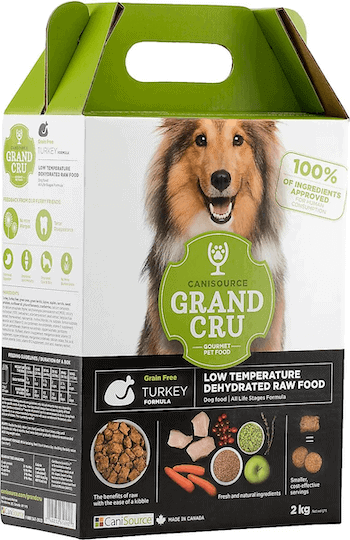
Why we recommended it: CaniSource Grand Cru Turkey Grain‑Free Dehydrated Dog Food is dehydrated at low temperature, which retains more vitamins, minerals, and amino acids than typical kibble, delivering nutrient-dense protein from turkey and turkey liver as primary ingredients. The inclusion of green peas, lentils, sweet potatoes, and flaxseed provides fiber and lower‑glycemic carbohydrates that help slow glucose absorption. The moderate fiber content also aids in stabilizing blood sugar by slowing glucose absorption in the gut. Additionally, the absence of grains minimizes fast-digesting carbohydrates that can elevate blood sugar quickly.

What sets it apart from competitors: It’s made with human‑grade ingredients, tested under Clean Label standards, and excludes meat meals, by‑products, artificial colors, or flavors. It features prebiotics (MOS, FOS), probiotics, beet and elderberry extracts, and chelated minerals, boosting nutrient absorption and gut health—elements not always guaranteed in dehydrated lines.

Best Food for Senior Dogs with Hypoglycemia

4.9

Wysong

Who It’s For: Senior dogs prone to low blood sugar that need easy-to-eat, nutrient-dense meals supporting consistent calorie intake and daily energy.

Flavor: Turkey

Protein: 40.0% 

Fat: 14% 

Fiber: 5%

Calories: 369 kcal/cup

Why we recommended it: Wysong Optimal Senior Dry Dog Food provides exceptionally high protein levels—often surpassing most senior formulas on the market—while keeping carbohydrates low with a healthy glycemic index. The formula’s rich nutrient profile, enhanced with organic ingredients, probiotics, enzymes, antioxidants, and a precise ratio of omega fatty acids, makes it particularly beneficial for seniors. It also incorporates chelated minerals that are easier to absorb, plus prebiotic fiber sources like beet pulp, flaxseed, and inulin to support digestion and metabolic stability. For seniors, these attributes help balance energy needs with weight and glucose regulation.

What sets it apart from competitors: Wysong’s formula delivers exceptionally high animal-based protein, with minimal starch. Its emphasis on nutrigenomics and enzymatic preservation (through low-processing methods) helps retain bioavailable nutrients—traits rarely found in typical prescription diets.

Best Dog Food for Sensitivities & Hypoglycemia

4.6

Nulo Freestyle

Who It’s For: Dogs with food sensitivities and low blood sugar concerns that need gentle, balanced nutrition without sacrificing dependable calorie intake.

Flavor: Alaska pollock

Protein: 30%

Fat: 17%

Fiber: 6%

Calories: 407 kcal/cup

Why we recommended it: Nulo FreeStyle Limited Ingredient Pollock & Lentil Recipe combines high protein content with low glycemic, limited carbohydrates, which is key for dogs needing stable glucose levels without compromising on essential nutrients. The inclusion of advanced probiotics (GanedenBC30®) assists in digestive and immune health, helping sensitive dogs better absorb nutrients and maintain gut balance.

What sets it apart from competitors: Its use of a novel, single-source fish protein combined with lentils and peas as low-glycemic carbs, avoiding higher glycemic ingredients like potatoes or tapioca. The formula contains no common allergy triggers such as chicken, eggs, corn, wheat, soy, or artificial additives. 

How to Transition Your Dog to a New Diet for Hypoglycemia

Dogs prone to hypoglycemia can benefit from a gradual food transition that reduces digestive upset without disrupting their usual feeding routine. Unless your veterinarian recommends otherwise, introduce the new food over about 7–10 days while keeping meals consistent and watching closely for signs of low blood sugar.

Transition Stage Old Food New Food What to Watch
Days 1–2 About 75% About 25% Keep normal meal times and monitor appetite.
Days 3–4 About 60% About 40% Check stool quality, energy, and food tolerance.
Day 5 About 50% About 50% Pause here if mild digestive upset develops.
Day 6 About 40% About 60% Continue consistent portions and meal timing.
Days 7–8 About 25% About 75% Watch for weakness, shakiness, or unusual fatigue.
Days 9–10 Small remaining amount Mostly new food Confirm your dog is eating reliably.
After Transition None 100% Continue the feeding schedule recommended by your vet.
If Problems Occur Return to the last tolerated ratio Increase more slowly Contact your vet for persistent or worsening signs.

Monitoring Your Dog’s Progress on a New Diet for Hypoglycemia

After the switch, monitor your dog’s appetite, stool quality, vomiting, energy level, and willingness to eat each meal. Also watch whether signs associated with low blood sugar—such as weakness, trembling, poor coordination, confusion, or unusual tiredness—become less frequent or worsen.

Track body weight as well, since unexplained loss or gain can indicate that portions or calorie intake need adjusting. Dogs with recurrent hypoglycemia or other medical conditions should be monitored with veterinary guidance, and severe weakness, collapse, disorientation, or seizures require urgent veterinary attention.

The Bottom Line

Choosing the best dog food for hypoglycemia starts with understanding why your dog’s blood sugar is dropping and matching their diet to those needs. Consistent meals, balanced nutrition, appropriate carbohydrate sources, and adequate calories can all play a role in supporting steadier energy throughout the day. Dogs with conditions such as insulinoma, liver disease, pancreatitis, or other medical concerns may need more individualized dietary planning. Any new food should be introduced gradually while you monitor appetite, digestion, weight, energy, and signs of low blood sugar. No single formula is ideal for every hypoglycemic dog, so veterinary guidance is especially important when episodes are recurrent or severe. With the right food and feeding routine, you can make daily nutrition more predictable and better support your dog’s overall well-being.


Like It? Subscribe & Share!

* indicates required

Sources

Canine Bible uses only high-quality sources, including peer-reviewed studies, to support the facts within our articles. Read our editorial process and product review methodology to learn more about how we fact-check, test products, and keep our content accurate, reliable, and trustworthy.

  1. Hypoglycemia in dogs: Causes, management, and diagnosis
  2. Current Trends in Diagnosis, Treatment and Prognosis of Canine Insulinoma
  3. Effects of six carbohydrate sources on dog diet digestibility and post-prandial glucose and insulin response
  4. Adjuvant nutritional management of canine insulinoma: A case report

Similar Posts