A dog that spends more time snoozing than sprinting can still have a big appetite—but feeding those calories without adjusting for activity can quickly lead to unwanted weight gain. The best dog foods for inactive dogs provide balanced nutrition with appropriate calories, quality protein, and satisfying fiber to help maintain lean muscle while supporting a healthy body condition. This matters because excess weight can place additional stress on the joints, heart, and metabolism, especially in senior dogs, couch-loving breeds, or pets recovering from reduced activity. Choosing the right formula can help your dog feel satisfied without routinely consuming more energy than they burn. Portion control still matters, but starting with food designed around lower energy needs can make healthy weight management much easier. In this guide, we’ll break down the best dog foods for inactive dogs, what nutritional features to prioritize, and how to choose the right option for your dog’s age, size, and lifestyle.
Best Dog Foods for Inactive Dogs According to Science
Inactive dogs may benefit from diets that control calories while providing balanced nutrition, adequate protein, moderate fat, and appropriate fiber to support lean muscle and healthy body weight. Because lower activity reduces energy needs and can increase the risk of excess weight gain, calorie intake should be tailored to each dog’s age, size, body condition, and individual metabolism. According to current canine nutrition research, these are the most effective dog foods for inactive dogs:
Nutrient / Diet Component
Why It Matters for Inactive Dogs
Important Caution
Controlled Calories
Helps match intake to lower energy needs
Needs vary by age, size, health, and metabolism
High-Quality Protein
Helps maintain lean muscle during calorie control
Higher protein may not suit every medical condition
Dietary Fiber
May improve fullness and support weight control
Too much can reduce digestibility
Moderate Dietary Fat
Helps keep calorie density manageable
Dogs still need essential fatty acids
Nutrient-Dense Nutrition
Provides essential nutrients with fewer calories
Simply cutting portions may reduce nutrient intake
Protein + Fiber
May support satiety and healthy body composition
Evidence is strongest in overweight dogs
Healthy Body Condition
Helps prevent excess weight from low activity
Adjust portions as weight and condition change
Individualized Feeding
Accounts for differences in daily energy needs
Use feeding guides only as a starting point
Table data sources:[1],[2],[3],[4],[5]
Key Nutrients That Inactive Dogs Need
Inactive dogs still require a complete supply of essential nutrients to support joints, metabolism, muscle function, skin and coat health, immunity, and overall body maintenance. Nutrients such as omega-3 fatty acids, L-carnitine, vitamins, minerals, and adequate water help maintain normal physiological function even when daily energy needs are lower.
Key Nutrient
Why It Matters for Inactive Dogs
Omega-3 Fatty Acids (EPA & DHA)
Support joint, skin, heart, and inflammatory health
L-Carnitine
Supports normal fat metabolism and energy production
Glucosamine & Chondroitin
Help support cartilage and joint function
Calcium & Phosphorus
Support healthy bones and skeletal strength
Vitamin E
Provides antioxidant support for cells and tissues
B Vitamins
Support normal metabolism and cellular energy processes
Zinc
Supports skin, coat, immune function, and tissue health
Water
Supports hydration, digestion, circulation, and normal body functions
Remember to ALWAYS consult with your vet before making any changes that could affect your dog’s health, nutrition, or well-being. If you can’t reach your vet, you can chat live with a registered online veterinary professional via our online vet chat or video chat support(24 hours a day, 7 days a week). Or use Chewy’s online vet services(6 a.m. – midnight ET). Additionally, at-home dog gut health tests can analyze your dog’s microbiome, offering insights into which nutrients their diet should include. Similarly, at-home dog allergy testing kits can identify ingredients that may not be suitable for your dog, enabling you to choose the right diet and care plan to support optimal digestion, nutrition, and health.
Best Dog Foods for Inactive Dogs
Here are the best dog foods for inactive dogs of this year.
Best Overall Dog Food for Inactive Dogs
4.9
★★★★★
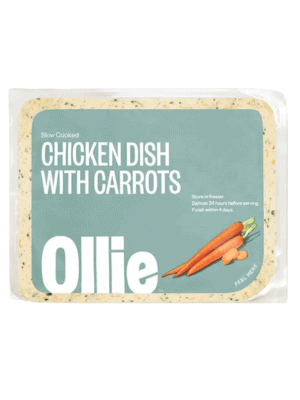
Ollie Chicken Dish With Carrots
Who It’s For: Dog owners who want balanced, lower-calorie nutrition that helps less-active dogs maintain lean muscle, healthy weight, and steady energy.
Why we recommended it:Ollie Chicken Dish With Carrots recipe uses human-grade ingredients, minimal processing, and vet-formulated recipes. Unlike many low-fat kibbles that rely on fillers or artificial additives, this fresh food uses whole ingredients like chicken, chicken livers, carrots, and spinach to deliver essential nutrients without empty calories. It’s naturally lower in calories and fat compared to most commercial dog foods, yet rich in protein to help maintain lean muscle mass during weight loss. The pre-portioned delivery and personalized model also make calorie control easy—no need to second-guess serving sizes.
What sets it apart from competitors: Ollie’s meals are gently cooked and delivered fresh, preserving more nutrients, bioavailability, and flavor than regular kibble. Its lower calorie content compared to other Ollie recipes makes it especially helpful for weight management.
Get 50% OFF your first order with Canine Bible’s link.
Who It’s For: Dog owners seeking convenient kibble with controlled calories and satisfying nutrition for dogs that spend more time resting than exercising.
Why we recommended it:Open Farm’s Healthy Weight recipe combines lean proteins with a low-fat, high-fiber profile that supports healthy digestion and satiety, important for fat management. Unlike many standard “diet” kibbles, it avoids empty fillers and instead relies on nutrient-dense ingredients, such as pumpkin, coconut oil, and legumes, to provide balanced energy. It includes L-carnitine, which aids fat metabolism, while prebiotic fiber and fructooligosaccharides promote digestive health and beneficial gut bacteria. We love the brand’s commitment to transparency, ethical sourcing, and sustainability.
What sets it apart from competitors: Every ingredient is 100% traceable to its geographic origin, and the brand uses humanely raised, G.A.P.-certified chicken and Ocean Wise-recommended wild-caught whitefish. It also avoids rendered meat meals, artificial preservatives, and fillers, focusing instead on whole, non-GMO ingredients. The company’s environmental efforts, such as recyclable packaging through Terracycle, further distinguish it from other brands.
Who It’s For: Inactive dogs with medical needs that require veterinarian-directed nutrition to manage weight, metabolism, or another diagnosed health condition.
Why we recommended it:Hill’s Prescription Diet i/d Low Fat Digestive Care is clinically proven to lower blood triglyceride levels, a key factor in managing pancreatitis and hyperlipidemia, a condition characterized by having abnormally high levels of lipids (fats) in the blood. Its low-fat profile reduces pancreatic strain while providing essential nutrients through highly digestible hydrolyzed chicken protein. The inclusion of ginger soothes the gastrointestinal tract, and omega-3 and omega-6 fatty acids promote skin and coat health, making it a holistic choice for sensitive dogs. The inclusion of ActivBiome+, a proprietary prebiotic blend, supports gut microbiome health, improving stool quality and nutrient absorption, which is critical for dogs with chronic digestive issues.
What sets it apart from competitors: S+OXSHIELD technology helps prevent kidney stones and urinary crystals, addressing common comorbidities in patients with pancreatic disease and obese dogs. It’s available in dry kibble, wet stew, and light gravy formulas to accommodate dogs with dental issues or texture sensitivities.
Best Food for Inactive Dogs with Sensitive Stomachs
4.6
★★★★★
SquarePet VFS Low Fat Formula
Who It’s For: Less-active dogs with sensitive digestion that need gentle, easy-to-digest nutrition without excessive calories that may promote weight gain.
Why we recommended it:SquarePet’s VFS Digestive Support formula is one of the few dry dog foods that effectively combines a low-fat diet profile with digestive health support. It’s crafted with wild-caught whitefish, a lean protein that’s gentle on digestion. The inclusion of a proprietary GI Health blend, which includes prebiotics and dietary fiber, supports gut microbiome balance. Meanwhile, Omega-3 fatty acids (DHA and EPA) reduce inflammation and improve skin and coat health. Veterinarian-formulated and free from artificial additives, it’s crafted for dogs needing a low-fat diet and digestive reassurance. Owners report fewer episodes of vomiting or diarrhea, even in dogs with chronic gastrointestinal issues.
What sets it apart from competitors: SquarePet’s formula prioritizes sustainable, MSC-certified fish and avoids poultry and beef allergens common in sensitive stomach diets. Its dual focus on low-fat nutrition and prebiotic support distinguishes it from competitors.
Best Food for Inactive Senior Dogs
4.7
★★★★★
Dr. Tim’s Weight Management
Who It’s For: Older, less-active dogs that need controlled calories, quality protein, and supportive nutrition to maintain muscle and a healthy body condition.
Why we recommended it:Dr. Tim’s Metabolite Formula is one of the few low-fat options that directly targets fat metabolism through a science-backed nutritional profile. It includes ingredients like L-carnitine to support energy conversion, and it’s carefully balanced with a higher protein-to-fat ratio to help older dogs maintain lean body mass. The recipe also features Omega-3 fatty acids, L-carnitine, and antioxidants, which are important for joint, brain, and fat metabolism, as well as reducing inflammation and supporting immune health in seniors. The inclusion of prebiotics (chicory root) and probiotics (Bacillus coagulans) promotes gut health, addressing common digestive concerns in seniors. Dr. Tim’s uses high-quality meat concentrates and functional fibers, including psyllium husk and beet pulp, to balance satiety and nutrient absorption.
What sets it apart from competitors: This formula actively supports metabolic function through patented ingredients, including DMG (dimethylglycine) and prebiotics, which promote gut health. The kibble is also designed to be easily digestible, which is crucial for older dogs with more sensitive systems.
Best Food for Inactive Small Breed Dogs
4.7
★★★★★
Eukanuba Fit Body Small Breed
Who It’s For: Small inactive dogs that need calorie-conscious nutrition in appropriately sized portions to help prevent weight gain despite lower activity levels.
Why we recommended it:Eukanuba Fit Body Small Breed stands out for offering a low-fat formula with a high protein content that supports muscle retention while reducing fat. The kibble is specifically shaped for smaller mouths, making it easier to chew and digest. Additionally, it contains L-carnitine—a nutrient that aids in converting fat into energy, which is crucial for dogs that need to slim down without compromising their strength or stamina. It’s particularly beneficial for breeds like Dachshunds, Pomeranians, and Chihuahuas that gain weight easily and have faster metabolisms compared to larger breeds.
What sets it apart from competitors: It’s specifically calibrated for the metabolism and energy needs of small breeds. It also includes added DHA and antioxidants for brain and immune health. The addition of higher levels of glucosamine and chondroitin sulfate (over 50% more than the standard formula) provides enhanced joint support, which is particularly crucial for small breeds that carry extra weight.
Best Food for Large Breed Inactive Dogs
4.8
★★★★★
Purina Weight Management
Who It’s For: Large, less-active dogs that need controlled calories and balanced nutrition to maintain healthy weight while reducing excess strain on their joints.
Why we recommended it:Purina Pro Plan’s Large Breed Weight Management formula strikes an effective balance between calorie control and optimal nutrition support for large breeds. Its well-balanced macronutrients help retain lean muscle while promoting fat loss, making it ideal for breeds like Labradors, Great Danes, and Mastiffs—dogs that are prone to obesity but still require robust joint support. The formula is also fortified with glucosamine and EPA, omega-3 fatty acids that support joint function, which is especially important for heavier dogs susceptible to hip and elbow issues. Antioxidants and live probiotics (600 million CFU/lb) are added to support gut health and immune function, critical for aging large breeds.
What sets it apart from competitors: Breed-specific focus tailored to meet the metabolic and structural demands of large breeds. Wheat bran and natural fiber sources aid digestion and help curb hunger, addressing the “always hungry” feedback often associated with diet foods.
Best Dog Food for Inactive Puppies
4.8
★★★★★
JustFoodForDogs Fish & Sweet Potato
Who It’s For: Puppies with temporarily low activity that still need complete growth nutrition, carefully portioned to support development without overfeeding.
Why we recommended it:JustFoodForDogs’ Fish & Sweet Potato recipe is formulated to provide all essential nutrients growing puppies need, while maintaining a lean protein-to-fat ratio that supports weight management. It’s a vet-recommended option, carefully balanced to meet AAFCO nutrient profiles for puppy growth. The moisture-rich formula promotes hydration and helps dogs feel full on fewer calories—something most dry kibble options can’t offer for weight-conscious pups. The use of wild-caught white fish (cod, pollock, haddock) provides easily digestible protein and a rich supply of omega-3 fatty acids, which promote skin and coat health. High calcium and phosphorus levels meet the nutritional needs of growing puppies, supporting the development of strong bones and tissues.
What sets it apart from competitors: The recipe is hand-prepared in open kitchens using 100% human-grade ingredients and contains no additives, preservatives, or growth hormones, which appeals to owners seeking transparency and quality. We love its fresh, whole-food composition and that all the ingredients are visible in the food. This recipe is also ideal for adults.
Best Food for Inactive Dogs with Allergies
4.6
★★★★★
Addiction Wild Kangaroo & Apples – Dry Dog Food
Who It’s For: Inactive dogs with food sensitivities or allergies that need limited or carefully selected ingredients without unnecessary calories from overfeeding.
Why we recommended it:Addiction’s Wild Kangaroo & Apples recipe is a rare find in the world of allergy-friendly diets that also support fat loss. With its low-fat content, high protein, and limited ingredients, it delivers clean, focused nutrition that doesn’t overload the digestive system. The formula is grain-free and enriched with antioxidant-rich fruits and vegetables, such as apples, spinach, and cranberries, to support immune and skin health. The use of wild kangaroo as the primary protein source sets this food apart. It’s ultra-lean and ethically sourced, and offers a hypoallergenic alternative to more common proteins like chicken or beef.
What sets it apart from competitors: The food is gently air-dried at low temperatures to retain more nutrients, which appeals to owners seeking a less processed dry food. Plus, kangaroo is naturally lean and rich in CLA (conjugated linoleic acid), which promotes healthy metabolism.
Best Wet Dog Food for Inactive Dogs
4.7
★★★★★
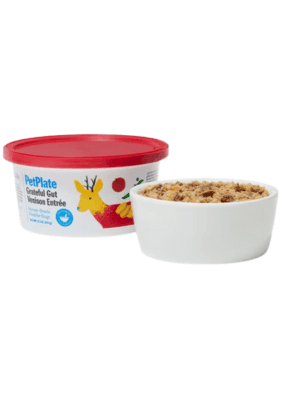
Petplate Lean & Mean Venison
Who It’s For: Dog owners seeking moisture-rich, portion-friendly meals that can satisfy less-active dogs while helping manage daily calorie intake.
Why we recommended it:PetPlate’s Lean & Mean Venison offers a lean, high-protein profile that promotes fat loss while preserving lean muscle, crucial for healthy weight reduction. The wet, gently cooked format is more hydrating and palatable than dry food, which is a big plus for dogs with low water intake or those who tend to be finicky eaters. Portion-controlled containers make it easy for owners to serve exact calorie amounts without guesswork. This recipe utilizes USDA-inspected venison as its primary ingredient—a novel protein rarely found in mainstream dog foods, which reduces the risk of allergic reactions and makes it ideal for elimination diets. The inclusion of venison liver provides bioavailable vitamins, while apples, carrots, and sweet potatoes offer natural fiber and antioxidants to aid digestion.
What sets it apart from competitors: Prepared in USDA-approved kitchens with 100% human-grade ingredients, the recipe avoids artificial additives, fillers, and common allergens, such as soy and corn.
Best Grain-Free Dog Food for Inactive Dogs
4.6
★★★★★
Annamaet Grain-Free Lean
Who It’s For: Inactive dogs whose owners prefer grain-free nutrition with balanced calories and quality protein to support muscle without encouraging weight gain.
Why we recommended it:Annamaet Grain-Free Lean Reduced Fat Formula features high protein content paired with L-carnitine to boost fat metabolism and maintain lean muscle. The inclusion of Omega-3 fatty acids from menhaden oil and algae-derived DHA supports skin, coat, and cognitive health, while chelated minerals enhance nutrient absorption. It also includes prebiotics and probiotics, such as chicory root and Lactobacillus acidophilus, which support gut-brain health. Their products are holistic and GMO-free, utilizing artisanal production methods that enable small batches and slow cooking.
What sets it apart from competitors: Made in the USA with human-grade ingredients and eco-friendly packaging made from Bio-Flex materials, specifically engineered to biodegrade in landfills, appealing to environmentally conscious buyers. Annamaet Pet Foods is a family-owned and operated company that has provided optimum nutrition to dogs and cats for over 30 years.
Best Food for Inactive Dogs to Support Joint Health
4.99
★★★★★
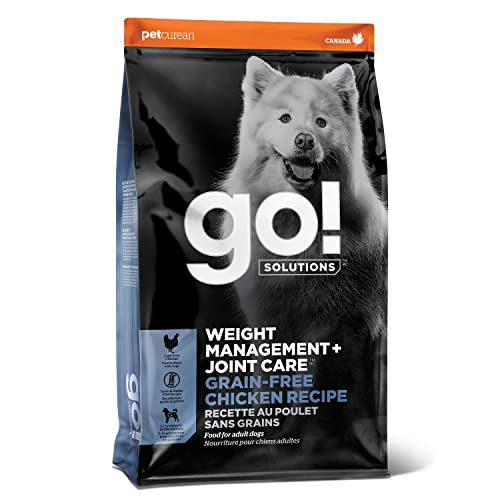
Go! Solutions Weight Management + Joint Care
Who It’s For: Inactive dogs needing weight-conscious nutrition with joint-supportive nutrients to help maintain mobility while limiting excess stress from weight gain.
Why we recommended it:Go! Solutions Weight Management + Joint Care is crafted with a high-quality blend of protein, fat, and fiber that helps dogs lose weight while preserving lean muscle mass. The recipe includes glucosamine and chondroitin, two key ingredients that support cartilage repair and joint health, improve mobility, and reduce inflammation in dogs that struggle with joint stiffness. The food also features omega fatty acids from salmon oil, which help maintain healthy skin and coat, while being gentle on the digestive system. Made with deboned chicken or salmon as the primary ingredient, even the pickiest eaters can’t resist it.
What sets it apart from competitors: Fiber-rich psyllium husk and chicory root, which promote satiety and help curb hunger between meals. Owners report dogs “stay full longer” and show improved mobility within weeks.
Best Food for Fat Management of Inactive Dogs
4.7
★★★★★
Purina Pro Plan
Who It’s For: Inactive dogs that need moderate fat and controlled calories to help manage body weight while still supporting lean muscle and daily nutrition.
Why we recommended it: The Purina Pro Plan Weight Management Dry Dog Food is formulated for adult dogs that need weight control while helping maintain lean muscle mass. Its optimized protein-to-fat ratio supports muscle retention during weight loss. Real chicken is the first ingredient, and natural prebiotic fiber helps nourish beneficial intestinal bacteria, while guaranteed live Bacillus coagulans probiotics provide additional digestive support. The recipe continues to supply essential vitamins, minerals, amino acids, and fatty acids while calories are managed through controlled portions. Its feeding amounts can also be adjusted according to the dog’s activity level, body condition, and weight-management goals.
What sets it apart from competitors: Its shredded-blend format combines crunchy kibble with tender shredded pieces, providing more texture variation than weight-management foods made entirely from uniform kibble. The feeding guide also separates weight-maintenance portions from a 25% calorie-reduction plan, giving odog parents a defined starting point for either maintaining or reducing body weight.
Other Dog Foods for Inactive Dogs
Best affordable food for inactive dogs:Natural Balance Fat Dogs Chicken Meal, Salmon Meal & Barley is a budget-friendly option specifically formulated to help dogs lose fat while maintaining balanced nutrition. It combines high-quality chicken meal and salmon meal proteins with barley for sustained energy and fullness. Its lower calorie count and added fiber also help dogs feel fuller longer, which can help prevent overeating.
Best homemade-style food for inactive dogs:Raised Right Pork & Pumpkin Paté for Adult Dogs is crafted with whole foods and a short ingredient list that mirrors a home-cooked meal. This gently cooked paté uses human-grade pork and pumpkin, offering a digestible, high-moisture, low-fat option ideal for sensitive or picky eaters. It’s especially great for those who want homemade-style meals for their dog without the hassle of prepping food at home.
Best food topper for inactive dogs:Nulo Freestyle Wet Dog Food Topper adds a flavorful, low-fat boost to any kibble or diet plan. Made with high-quality proteins and limited carbohydrates, it supports muscle maintenance without adding unnecessary fat. Owners love how it encourages picky eaters to finish their meals and enhances hydration thanks to its high moisture content. Additionally, it’s free from artificial additives, making it a clean and nutritious choice for enhancing any meal.
How to Transition Your Inactive Dog to a New Diet
Switching foods gradually helps your dog’s digestive system adjust and can reduce diarrhea, vomiting, or refusal to eat. For inactive dogs, measure each portion carefully because the old and new foods may contain different calories per cup. The schedule below provides a simple 7-day transition for most healthy dogs.
Transition Stage
Old Food
New Food
What to Do
Days 1–2
75%
25%
Mix thoroughly and keep meals measured.
Days 3–4
50%
50%
Continue if digestion remains normal.
Days 5–6
25%
75%
Slow down if stomach upset develops.
Day 7+
0%
100%
Feed the new diet at its recommended portion.
Monitoring Your Inactive Dog’s Progress on a New Diet
After the switch, monitor appetite, stool quality, vomiting, and energy level. Mild digestive changes can occur during a transition, but persistent diarrhea, repeated vomiting, poor appetite, unusual tiredness, or worsening symptoms warrant veterinary advice.
Check your dog’s weight and body condition regularly, especially if the new diet is intended to prevent weight gain or support weight loss. Changes should be gradual; unexpected weight gain or loss may mean portions need adjustment. Inactive dogs with underlying medical conditions should have dietary changes and progress monitored with veterinary guidance.
The Bottom Line
The best dog food for an inactive dog should provide complete nutrition without supplying more calories than your dog regularly burns. Look for formulas with appropriate calorie density, quality protein to help maintain lean muscle, and enough fiber to support fullness and digestive health. Portion control is just as important as the food itself, since even a well-formulated diet can contribute to weight gain when overfed. Remember that inactivity does not automatically mean a dog needs a weight-loss diet, so consider body condition, age, health, and individual energy needs when choosing food. Regularly checking your dog’s weight and adjusting portions can help keep small changes from becoming larger problems. Dogs with medical conditions or unexplained changes in weight or activity should be evaluated by a veterinarian before major dietary changes. Ultimately, the right diet should help your less-active dog maintain a healthy body condition while still providing all the nutrients needed for long-term health.
Canine Bible uses only high-quality sources, including peer-reviewed studies, to support the facts within our articles. Read our editorial process and product review methodology to learn more about how we fact-check, test products, and keep our content accurate, reliable, and trustworthy.
Canine Bible authorship represents the unified voice of our entire editorial team and our in-house veterinarians rather than a single author. Each article, blog post, and review published under the Canine Bible name undergoes a rigorous review process, involving all team members to guarantee accuracy and up-to-date in accordance with the latest veterinarian research. This collaborative effort is an integral part of our editorial process and aligns with our four pillars of content creation. This approach ensures our content is backed by expert knowledge and factual information, offering our readers reliable, actionable, and trustworthy content.