Irish Wolfhound Dog Breed Information: Traits, Facts, Care & More

Canine Bible is reader-supported. We receive affiliate commissions via some of our links. Learn more.
Irish Wolfhound Distribution Map
Click a country to see estimated Irish Wolfhound population numbers.
Estimated Irish Wolfhound Population by Country (Top 10)
Population numbers are directional estimates, not official registry counts.
Irish Wolfhound
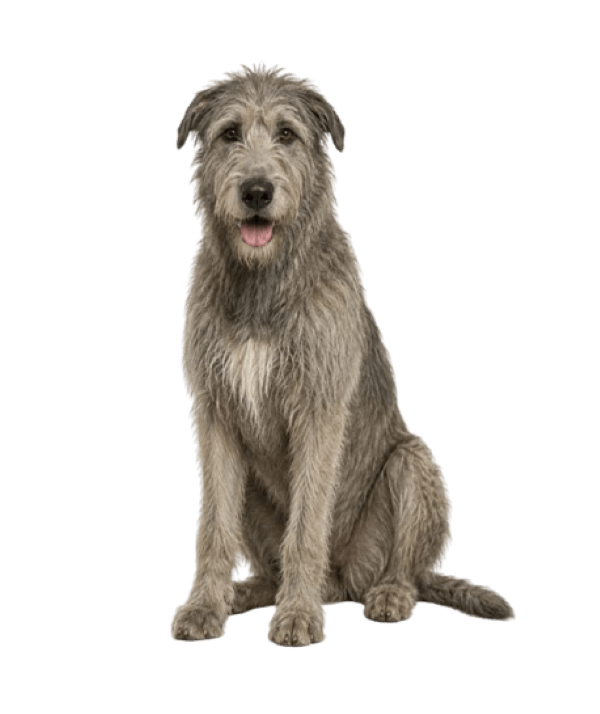
Irish Wolfhounds are calm, gentle, and dignified giant dogs known for their impressive height and affectionate nature. Originally bred in Ireland to hunt wolves and large game, today’s Irish Wolfhounds thrive as devoted family companions and loyal guardians. Despite their enormous size, they possess a patient temperament and a sensitive spirit that keeps them closely connected to their families. Irish Wolfhounds form strong bonds with their owners and enjoy companionship and moderate activity. They adapt well to home life but need regular exercise and ample space to stay healthy and content.
- Breed popularity ranking: 76 of 202
- Club: Irish Wolfhound Club of America
- Population: 40,000+ (estimated in the U.S.)
- Hypoallergenic: No
- Temperament: Gentle, loyal, dignified, patient
- Price: $1,500 – $3,500
- Best for: Owners seeking a giant, calm companion with a loving nature and strong family devotion.

Weight
105–180 lbs

Height
30–35 inches

Lifespan
6–8 years
Breed Group
Hound Group
Irish Wolfhound Growth Chart
Scientific Classification
History and Origin
The Irish Wolfhound traces its origins to ancient Ireland, where it was developed as a noble hunting and war dog used to pursue wolves, elk, and wild boar. Its ancestors were large Celtic hounds valued for their speed, strength, and courage, and over centuries these dogs became symbols of prestige among Irish chieftains and nobility. The breed’s development began as powerful sighthounds were selectively bred for size, endurance, and the ability to hunt formidable game across rugged landscapes.


By the Middle Ages and early modern period, Irish Wolfhounds were renowned throughout Europe, though their numbers declined as wolves and large game disappeared from Ireland. Their reputation as majestic hunters led to their export as prized gifts to royalty and aristocrats. By the 1800s, however, the breed had become exceedingly rare, prompting dedicated enthusiasts to begin efforts to restore and preserve the historic Irish hound.
Historically, the breed’s story reflects a remarkable revival: from ancient Celtic hunting companion to near extinction and eventually a carefully reconstructed giant breed. The Irish Wolfhound gained wider recognition in the late 19th and early 20th centuries and was officially recognized by the American Kennel Club in 1897. Today’s Irish Wolfhound is the result of ancient heritage, selective restoration, dedicated preservation, and modern breed-standard development.
Appearance
The Irish Wolfhound dog breed possesses a commanding presence and rugged elegance that give them a noble, imposing appearance despite their gentle nature. With their rough, wiry coat, towering athletic frame, deep chest, long legs, and distinctive bearded face, Irish Wolfhounds are majestic giant dogs known for their dignified expression and graceful strength.
Irish Wolfhound Breed Appearance
Hover or tap each numbered marker to explore key breed features.

1. Body Build
Irish Wolfhounds have a tall, powerful, and well-balanced body with a deep chest and long legs. Their giant frame is athletic rather than bulky, giving them a noble, commanding presence. Despite their immense size, they move with surprising grace and efficiency, reflecting their heritage as swift hunting hounds.
2. Coat Type
The Irish Wolfhound has a rough, wiry coat made up of a harsh outer layer and a softer undercoat. This weather-resistant coat protects the breed during outdoor work and hunting. The coat is especially pronounced around the face, creating the breed’s characteristic beard, eyebrows, and rugged expression.
3. Coat Colors
Irish Wolfhounds come in several colors, including gray, brindle, black, white, red, wheaten, and fawn. Gray is among the most commonly recognized shades, but the breed displays a variety of accepted coat colors and patterns. Some Irish Wolfhounds may also exhibit subtle shading or mixed-color coats.
4. Facial Markings
Facial markings vary depending on the dog’s coat color and pattern. Most Irish Wolfhounds have a long head with dark, intelligent eyes, a strong muzzle, and a distinctive beard. Their facial expression often conveys gentleness, dignity, and quiet confidence.


5. Chest Markings
The chest is broad and deep, contributing to the breed’s powerful and athletic outline. Chest coloring may be lighter, darker, or match the rest of the coat, depending on the dog’s color pattern. The prominent chest helps create the Irish Wolfhound’s imposing yet elegant appearance.
6. Tail
The Irish Wolfhound’s tail is long, slightly curved, and carried low when relaxed. It typically hangs naturally behind the body and complements the breed’s balanced silhouette. This strong tail aids movement and reflects the breed’s calm and composed demeanor.
7. Ears
Irish Wolfhound ears are small relative to their head and are usually carried folded back in a rose shape. They become more alert when the dog is attentive or interested. Their placement contributes to the breed’s noble and expressive appearance.
8. Eyes
Their eyes are dark, oval-shaped, and gentle. Irish Wolfhounds often have a calm, intelligent, and observant expression. The eyes should appear clear and expressive, adding to the breed’s kind and dignified personality.
9. Nose
The nose is usually black, though it may appear slightly lighter in some coat colors. It is large, well-developed, and proportionate to the breed’s long muzzle. Together with the eyes and beard, the nose helps complete the Irish Wolfhound’s distinguished look.
10. Feet
Irish Wolfhound feet are large, round, and well-arched. Their strong pads support steady, efficient movement across varied terrain. Despite their great size, the feet should appear balanced and functional with the rest of the body.
11. Overall Expression
Irish Wolfhounds have a calm, noble, and self-assured expression. Their gentle temperament and impressive stature often make them appear both powerful and approachable. The combination of kind eyes, a rugged coat, and an upright posture gives them their signature dignified look.
Sexual Dimorphism
Male and female Irish Wolfhounds share the same overall breed type, rough coat, and noble appearance, but males are noticeably larger and more massive. Differences are most apparent in height, bone structure, musculature, and overall presence rather than coat color or breed-standard features.
- Typically taller, heavier, and more powerful in overall build, with broader shoulders, chest, and bone structure.
- Often displays a more imposing silhouette with greater muscle mass and a larger head typical of giant sighthounds.
- Breed standards set a higher minimum height and weight for males than for females.
- Usually slightly smaller and more refined in frame while retaining the breed’s characteristic height and strength.
- May appear more elegant and feminine through the head, neck, and body proportions without sacrificing athleticism.
- No breed-standard differences in accepted coat colors, markings, or coat texture compared with males.
Photo Gallery
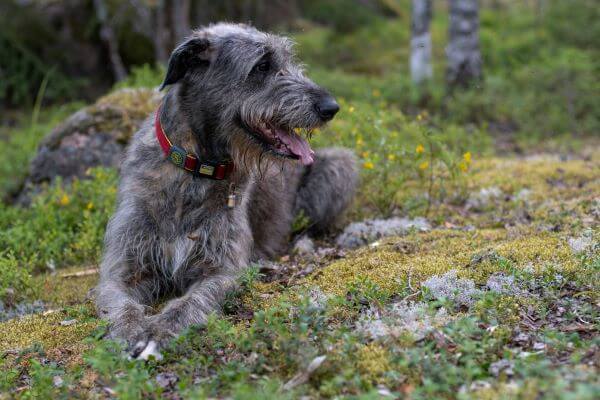
Irish Wolfhound Traits & Characteristics
Irish Wolfhounds are calm, gentle, and deeply devoted companions. Despite their enormous size, they are patient, sensitive, and often remarkably easygoing around people. They tend to be affectionate family dogs, forming strong bonds with their households and displaying a naturally friendly disposition. Irish Wolfhounds are intelligent, dignified, and observant, but they can also be independent thinkers without consistent training. Their kind nature makes them excellent companions, but they do best with early socialization, positive guidance, and regular physical activity.
Core Traits
The further out a point is along a spoke, the stronger that trait is in the breed (on a scale of 1 to 10).
Remember: Dogs are individuals and not all dogs, even those of the same breed, will exhibit all the same qualities.
| Trait | Score | Description |
|---|---|---|
| Temperament | 10 | Exceptionally gentle and calm, Irish Wolfhounds are known for their patient, dignified, and affectionate nature. |
| Sociability & Friendliness | 9 | Friendly with family, strangers, and other dogs. They are typically welcoming rather than suspicious. |
| Intelligence | 8 | Intelligent and perceptive dogs that learn well, though they often display an independent mindset. |
| Trainability | 7 | Responds best to patient, positive training. Their sensitive nature does not tolerate harsh methods. |
| Energy Level | 6 | Moderately active with daily exercise needs, but generally calm and relaxed indoors. |
| Shedding Level | 6 | Moderate shedding year-round with a rough coat that benefits from regular brushing and maintenance. |
| Protective Instinct | 4 | More likely to deter through size than behavior. Generally gentle and not naturally protective. |
| Loyalty | 10 | Deeply devoted to their family and known for forming strong emotional bonds with their people. |
| Barking Level | 3 | Typically quiet dogs that bark infrequently and are not known for excessive vocalization. |
| Adaptability | 7 | Adaptable to various home environments provided they receive adequate space, exercise, and companionship. |
Complete Traits Overview
Exercise & Activity Breakdown
Irish Wolfhounds are calm and gentle giant dogs with moderate exercise needs and a relaxed temperament. While they enjoy daily activity and opportunities to stretch their long legs, they do not require the intense endurance work of many sporting breeds. Regular exercise, social interaction, and age-appropriate activity help maintain muscle tone, mobility, and overall well-being.
- Puppy (0–12 months): At this stage, Irish Wolfhound puppies are rapidly growing and developing. Short, controlled play sessions, socialization, and basic training lay the foundation for healthy development. Activities like gentle walks, supervised exploration, and early interactive games help build confidence while protecting growing joints.
- Adult (1–6 years): Adult Irish Wolfhounds benefit from daily walks, moderate exercise, canine sports, and mentally stimulating activities. Puzzle toys, obedience training, and controlled off-leash exercise in secure areas can help keep them mentally sharp and physically fit while supporting healthy joint and muscle development.
- Senior (7+ years): As they age, Irish Wolfhounds may become less active but still need regular low-impact exercise to support mobility and muscle health. Gentle walks, light play sessions, and a consistent routine help maintain comfort and quality of life while reducing stiffness associated with aging.
Irish Wolfhound Daily Activity Breakdown
Nutrition
Irish Wolfhounds need a high-quality diet that aligns with their life stage (e.g., puppy, adult, senior). As a giant breed with a slower growth rate and substantial body mass, it’s important to feed them food specifically formulated for large or giant breed dogs to support healthy development, muscle maintenance, and overall well-being.
These diets should include a balanced mix of nutrients to support bone and joint health, heart function, and immune support. Because Irish Wolfhounds are prone to orthopedic issues and certain cardiac conditions, portion control and nutrient-dense, large-breed formulas are essential. As they age, a diet rich in omega-3s, antioxidants, and joint-supporting nutrients like glucosamine can help maintain mobility and quality of life. Read our "Best Irish Wolfhound Dog Food Guide" to explore targeted nutrition tips and top food recommendations.
Nutritional Breakdown by Activity Level for Irish Wolfhound
Common Health Issues
Irish Wolfhounds are generally gentle, healthy dogs, but like many giant breeds, they can be prone to certain health concerns. Common issues may include dilated cardiomyopathy, gastric dilatation-volvulus (bloat), osteosarcoma, hip and elbow dysplasia, liver shunt disorders, and progressive retinal atrophy. Understanding these risks can help owners spot early warning signs, schedule routine veterinary checkups, and make proactive choices around diet, exercise, weight management, and preventive care.
*PRA: Progressive Retinal Atrophy
*VWD: Von Willebrand Disease
*ALGY: Allergies
Recommended Health Tests for Irish Wolfhound
Routine veterinary exams and breed-appropriate screenings are important for early detection and prevention.
Proactive health measures, attentive care, and regular veterinary visits can help ensure your Irish Wolfhound lives a happy and healthy life as your loyal companion.
💡 Due to this breed's elevated risk for serious health conditions, we recommend obtaining pet insurance and a wellness plan for financial protection against unexpected medical emergencies, helping ensure your dog receives the best possible care without the burden of substantial out-of-pocket expenses. Check out our best pet insurance and best pet wellness guides to find a suitable plan for your pet.
Care Requirements
| Grooming Task | Recommended Frequency | Importance | Tools Needed | Recommended Product |
|---|---|---|---|---|
| Brushing | 1–2 times per week | Removes loose hair, prevents matting in the rough coat, and helps maintain healthy skin and coat condition | Slicker brush, de-shedding tool, grooming mitt | Hertzko Self Cleaning Slicker Dog Brush (View on Amazon) |
| Bathing | Every 6–8 weeks | Keeps the coat clean, controls odor, and helps maintain skin health without over-drying the coat | dog-safe shampoo, conditioner, towel, hair dryer (optional) | OUAI Fur Bébé Pet Shampoo (View on Amazon) |
| Nail Trimming | Every 3–4 weeks | Prevents overgrowth, discomfort, altered gait, and stress on joints in this giant breed | dog nail clippers, nail grinder, styptic powder | Coastal Pet Safari Nail Clipper (View on Amazon) |
| Ear Cleaning | Every 2–4 weeks | Helps prevent wax buildup, irritation, and ear infections while allowing early detection of problems | Ear cleaning solution, cotton balls or pads (no Q-tips) | Zymox Ear Cleanser (View on Amazon) |
| Oral Care (Brushing Teeth) | 2–3 times per week | Reduces plaque and tartar buildup, supports long-term dental health, and helps prevent periodontal disease | Dog toothbrush, enzymatic toothpaste, dental chews | Greenies Dental Care Chews (View on Amazon) |
Irish Wolfhound Dog Trainability
Irish Wolfhounds are intelligent, gentle, and dignified companion dogs. While they learn readily, their independent nature and calm temperament can make training feel more thoughtful than fast-paced. Consistent, structured training that uses clear, positive reinforcement techniques is essential. They respond well to praise, rewards, and respectful guidance—especially when training is kept calm, engaging, and suited to their sensitive disposition.
When compared to other breeds, Irish Wolfhounds benefit from early socialization, steady leadership, and positive reinforcement. Their intelligence and willingness to cooperate flourish in environments built on trust and consistency. With patience, repetition, and gentle encouragement, they develop into confident, well-mannered companions.
Dog Breed Trainability Comparison
Intelligence
According to canine psychologist Stanley Coren (author of The Intelligence of Dogs - View on Amazon), dog intelligence can be broken down into three types:
- Instinctive Intelligence – What a dog is bred to do (herding, guarding, retrieving).
- Adaptive Intelligence – A dog’s ability to solve problems and learn from the environment.
- Working & Obedience Intelligence – How quickly a dog learns commands and obeys them.
IQ Comparison
Irish Wolfhounds are known for their quiet intelligence and thoughtful nature, especially in environments that encourage companionship, consistency, and gentle guidance. Though not ranked among the highest obedience-driven breeds, they possess strong problem-solving abilities and a remarkable capacity to learn through experience. Their calm demeanor and independent thinking make them well-suited for sighthound activities, advanced obedience work, and companion roles, often thriving when training is respectful and purposeful.
Irish Wolfhounds excel when training is built on trust and patience. While their independent streak may challenge owners expecting instant responses, they are perceptive learners who respond well to positive reinforcement and consistency. Their gentle temperament and natural wisdom allow them to develop into reliable, dignified companions with proper guidance and socialization.
Dog Breed Intelligence Comparison
Breeding
Irish Wolfhounds are cherished for their gentle nature, dignity, and loyal temperament. Like many purebred dogs, however, they can be prone to inherited health conditions such as dilated cardiomyopathy, hip dysplasia, elbow dysplasia, osteosarcoma, hypothyroidism, and gastric dilatation-volvulus (bloat). This makes responsible breeding essential. Ethical breeders should conduct health screenings and genetic testing to help reduce the risk of passing on serious conditions. Proper spacing between litters is important to protect the health of both the dam and puppies, and only physically healthy, mentally stable Irish Wolfhounds should be bred.
- Age: Irish Wolfhounds should not be bred until they are fully mature—typically between 24 and 30 months of age.
- Litter size: A typical Irish Wolfhound litter includes 6–10 puppies.
- Temperament: Breeding dogs should have sound temperaments—gentle, calm, and confident, without signs of aggression, fearfulness, or extreme nervousness.D
Is The Irish Wolfhound A Good Family Dog?
If the conditions below align with your lifestyle, personal preferences, and living situation, an Irish Wolfhound could be a wonderful pet for your family. Otherwise, you may want to consider other breeds.
✅ = Ideal / Strong Match | ⚠️ = Needs Consideration | ❌ = Not Recommended
| Suitability | Category | Score (1–10) | Notes |
|---|---|---|---|
| ✅ | Family Bonding | 9 | Deeply loyal and affectionate; forms strong bonds with family members. |
| ✅ | Child Friendliness | 8 | Generally gentle and patient with children, though supervision is advised due to size. |
| ✅ | Good With Other Pets | 7 | Usually gets along well with dogs but may have some prey drive toward smaller animals. |
| ⚠️ | Maintenance Level | 5 | Moderate grooming needs, but giant-breed care requires ongoing attention. |
| ⚠️ | Monthly Expenses | 4 | Large food requirements and healthcare costs can be substantial. |
| ❌ | Home Size Compatibility | 4 | Best suited to homes with ample indoor and outdoor space. |
| ✅ | Lifestyle Match | 8 | Excellent for owners who enjoy calm companionship and regular outdoor activity. |
| ⚠️ | Trainability | 7 | Intelligent and willing but matures slowly and benefits from patient training. |
| ⚠️ | Alone Time Tolerance | 5 | Prefers companionship and may become lonely if left alone too often. |
| ⚠️ | Shedding & Drool Level | 5 | Moderate shedding with occasional drooling, especially after eating or drinking. |
| ❌ | Hypoallergenic | 2 | Produces dander and sheds, making it unsuitable for most allergy sufferers. |
| ⚠️ | Protectiveness | 6 | More of a gentle watchdog than a true guard dog despite its imposing size. |
| ⚠️ | Mental Stimulation Needs | 7 | Benefits from enrichment, training, and varied activities to stay engaged. |
| ⚠️ | Climate Tolerance | 6 | Handles cooler weather well but may struggle in extreme heat. |
| ❌ | Life Expectancy | 4 | Like many giant breeds, has a relatively short lifespan of about 6–8 years. |
| ✅ | Barking Level | 3 | Generally quiet and not known for excessive barking. |
| ❌ | Travel Friendliness | 4 | Its giant size can make travel and transportation more challenging. |
| ⚠️ | Potty Training Ease | 7 | Usually learns house rules well with consistency and routine. |
Average Score: 5.61 / 10
Perfect Owner Profile for an Irish Wolfhound
The perfect Irish Wolfhound owner is someone who appreciates a giant dog with a gentle, dignified temperament. Irish Wolfhounds are best suited to people who can provide space, companionship, and moderate daily exercise. They thrive with owners who can offer consistent training, gentle leadership, regular walks, and a comfortable environment that accommodates their large size and slower maturity.
An Irish Wolfhound is a great fit for families, couples, or individuals who enjoy a calm and affectionate companion. The ideal owner should be patient, attentive, and prepared for the responsibilities that come with a giant breed, including higher food and veterinary costs. While generally relaxed indoors, Irish Wolfhounds still need socialization, enrichment, and an owner committed to supporting their physical and emotional well-being throughout their relatively short lifespan.
Annual Cost of Ownership
| Category | Estimated Annual Cost (USD) |
|---|---|
| Food & Treats | $1,000 – $1,800 |
| Routine Vet Care | $500 – $900 |
| Vaccinations & Preventatives | $300 – $600 |
| Pet Insurance | $800 – $1,800 |
| Grooming | $150 – $400 |
| Training & Socialization | $200 – $500 |
| Toys & Enrichment | $150 – $300 |
| Supplies (bed, bowls, leash, etc.) | $250 – $600 |
| Emergency Vet Fund (recommended) | $1,000 – $2,500 |
| Boarding or Pet Sitting | $400 – $1,000 |
$4,750 – $10,400
Best Places to Get An Irish Wolfhound
Online marketplaces: For pre-screened, healthy puppies, Pawrade and PuppySpot are recommended resources that offer puppies from reputable U.S. breeders.
Rescue shelters: While Irish Wolfhounds are less common in local shelters, opportunities do occasionally arise through breed-specific rescues and adoption groups. Check local shelters, giant-breed rescue organizations, and online communities for available dogs in need of homes.
Breeders: Finding a reputable Irish Wolfhound breeder can require patience due to the breed’s rarity and the careful breeding practices involved. Start by searching within your region, but be prepared to travel if necessary. Always request health testing results, pedigree information, and veterinary records for both parents. The Irish Wolfhound Club of America (IWCA) breeder directory is a trusted resource for locating ethical, health-conscious breeders.
Avoid breeders who:
- Don’t provide health clearances for both parents
- Don’t allow visits to meet the dogs or see their living conditions
- Have frequent litters with no waiting list
- Emphasize appearance over health and temperament
Frequently Asked Questions
Irish Wolfhound Breed Connections
Irish Wolfhounds are ancient sighthounds with deep roots in Ireland. This section shows where the breed comes from, which breeds are closely related, and which dogs are often compared with or admired by Irish Wolfhound enthusiasts.
Ancestry & Lineage
The Irish Wolfhound descends from ancient Celtic war and hunting hounds that were developed in Ireland to hunt wolves, elk, and large game.
- Ancient Celtic Hounds
- Irish Hunting Hounds
- Gaelic Wolf Dogs
- Historic Irish Sighthounds
Related Breeds
These breeds share sighthound heritage, similar structure, giant size, or historical connections to hunting and coursing traditions.
- Scottish Deerhound
- Greyhound
- Borzoi
- Sloughi
- Azawakh
- Saluki
- Galgo Español
- Afghan Hound
Commonly Compared Breeds
People often compare Irish Wolfhounds with other giant breeds when choosing a large companion known for calm temperament, impressive size, and gentle nature.
- Scottish Deerhound
- Great Dane
- Leonberger
- Newfoundland
- Saint Bernard
- Mastiff
- Bernese Mountain Dog
- Borzoi
Breeds Irish Wolfhound Owners Also Love
Irish Wolfhound fans often appreciate other gentle giant breeds and dignified companions that combine loyalty, calmness, and strong family bonds.
- Scottish Deerhound
- Great Dane
- Leonberger
- Newfoundland
- Saint Bernard
- Bernese Mountain Dog
- Mastiff
- Greyhound
Surprising Irish Wolfhound Facts
-
They were once used to hunt wolves: Irish Wolfhounds were originally bred to track and bring down wolves in Ireland, helping protect livestock and contributing to the species' eventual disappearance from the region.
-
They are among the tallest dog breeds: Irish Wolfhounds often stand taller at the shoulder than any other recognized breed, with some males exceeding 35 inches in height.
-
Ancient Irish nobility prized them: these giant hounds were highly valued by kings and nobles, and were frequently given as prestigious gifts throughout Europe.
-
They combine speed with size: despite their towering stature and powerful build, Irish Wolfhounds are true sighthounds capable of surprising speed and agility.
-
The breed nearly disappeared: after wolves became extinct in Ireland, numbers declined dramatically until dedicated breeders revived and standardized the breed in the 1800s.
-
They're known as gentle giants: although imposing in appearance, Irish Wolfhounds are widely admired for their calm, patient temperament and affectionate nature with their families.