Borzoi Dog Breed Information: Traits, Facts, Care & More

Canine Bible is reader-supported. We receive affiliate commissions via some of our links. Learn more.

Borzoi
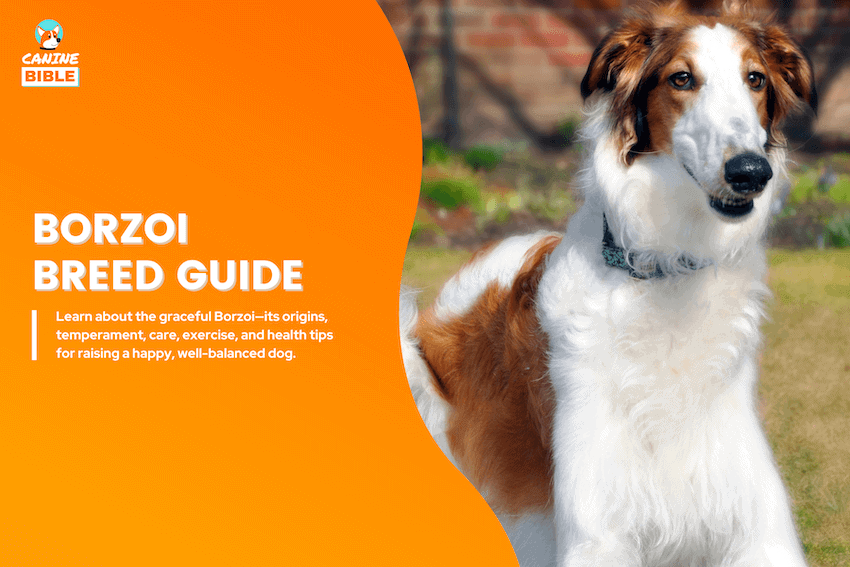
Borzois are elegant, intelligent, and gentle giants known for their graceful appearance and calm, dignified demeanor. Originally bred in Russia to hunt wolves and other game, today’s Borzois are admired for their beauty, loyalty, and quiet companionship. Despite their large size, they are typically calm indoors and adapt well to peaceful home environments. Borzois are independent thinkers with a sensitive nature, forming deep bonds with their families while maintaining an aloof attitude toward strangers. They require regular exercise and enjoy open spaces to stretch their long legs, but they also appreciate lounging in comfort at home. These aristocratic dogs make devoted companions for experienced owners who can appreciate their refined temperament and need for gentle handling.
- Breed popularity ranking: 101 of 202
- Club: Borzoi Club of America
- Population: 10,000–15,000 (estimated in the U.S.)
- Hypoallergenic: No
- Temperament: Calm, intelligent, independent, gentle
- Price: $1,500 – $5,000

Weight
60–105 lbs

Height
26–32 inches

Lifespan
9–14 years



Breed Group
Hound Group (Sighthound)
Borzoi Growth Chart
History and Origin
The Borzoi, an ancient and aristocratic breed, was developed in Russia hundreds of years ago for the purpose of hunting wolves, foxes, and hares across the vast open plains. Originally bred by Russian nobility, the Borzoi combined the speed and grace of Arabian sighthounds with the strength and endurance needed to chase game over long distances and through harsh climates. The breed became a symbol of prestige and elegance among the Russian aristocracy, often featured in royal hunts and court life.
Unlike many modern breeds, the Borzoi’s lineage is steeped in centuries of selective breeding aimed at achieving both beauty and utility. Their tall, slender frame and flowing coat were ideal for both performance and appearance, making them as admired for their regal looks as for their hunting prowess.
Following the Russian Revolution, many Borzois were nearly lost, but enthusiasts in Europe and the United States preserved the breed through careful breeding programs. Today, the Borzoi stands as a graceful reminder of its noble past—valued as a loyal, gentle companion and admired for its quiet dignity, athletic ability, and striking appearance.


Appearance
| Feature | Description |
|---|---|
| Body Build | Tall, lean sighthound with a deep chest, narrow waist, and slightly arched loin; elegant and aerodynamic |
| Coat Type | Long, silky coat that can be flat, wavy, or slightly curly; heavier feathering on neck, hindquarters, and tail |
| Coat Colors | All colors and patterns common: white, black, cream, gold, red, sable, brindle, and various pied/parti combinations |
| Facial Markings | Long, narrow head with a slight Roman nose; markings vary (blaze, mask, or none) depending on coat pattern |
| Chest Markings | Often lighter or white areas on chest are seen in parti/pied dogs; solid colors may have minimal contrast |
| Tail | Long, low-set, and gracefully curved (sickle-shaped); carried low with a sweeping plume |
| Ears | Small and fine; set high and back; typically lie folded (rose ears) and may lift slightly when alert |
| Eyes | Dark, almond-shaped, and slightly oblique; soft, intelligent, and calm expression |
| Nose | Usually black; long muzzle with well-developed nostrils |
| Feet | Hare-footed (elongated) with well-arched toes and strong pads for speed and traction |
| Overall Expression | Aristocratic, graceful, and reserved; gentle at home yet keen and athletic in the field |

Borzoi Characteristics
The further out a point is along a spoke, the stronger that trait is in the breed (on a scale of 1 to 10).

| Trait | Score | Description |
|---|---|---|
| Temperament | 8 | Gentle, calm, and dignified, Borzois are known for their graceful demeanor and affectionate nature toward their families. |
| Sociability & Friendliness | 6 | Borzois are polite but reserved with strangers. They bond closely with their family but rarely display overt friendliness to everyone. |
| Intelligence | 7 | Intelligent and independent thinkers, Borzois learn quickly but prefer to do things on their own terms. |
| Trainability | 5 | Somewhat stubborn and sensitive, Borzois respond best to calm, patient training and gentle encouragement. |
| Energy Level | 6 | While they enjoy daily exercise and sprints, Borzois are surprisingly relaxed indoors and love lounging around the home. |
| Shedding Level | 8 | Heavy seasonal shedders with a long, silky coat that needs regular brushing to prevent tangles. |
| Protective Instinct | 3 | Not protective by nature—Borzois are gentle observers rather than guard dogs. |
| Loyalty | 8 | Extremely devoted and gentle with their families, though they show affection in subtle, quiet ways. |
| Barking Level | 3 | Generally quiet and not prone to barking, Borzois prefer to express themselves through body language rather than noise. |
| Adaptability | 6 | Adaptable to calm environments, though they need space to run safely and may struggle in overly noisy or crowded households. |
Exercise & Activity Breakdown
Borzois are elegant and athletic sighthounds known for their calm temperament indoors and their incredible bursts of speed outdoors. While they don’t require constant high-intensity exercise, they do need daily physical activity and mental stimulation to stay fit, healthy, and emotionally balanced. Because of their hunting instincts, secure environments and leash control are essential during outdoor activities.
- Puppy (0–12 months): At this stage, Borzoi puppies are full of curiosity and energy. Gentle play sessions, socialization, and basic leash training are key to building confidence and trust. Avoid overexertion, as their long bones and joints are still developing. Activities like light fetch, interactive games, short walks, and controlled exploration help establish a healthy routine.
- Adult (1–6 years): Adult Borzois thrive on daily walks, open-space runs in secure fenced areas, and mentally engaging activities. They enjoy lure coursing, puzzle toys, obedience training, canine sports, and free running where it’s safe. Regular exercise maintains their lean physique and supports heart and muscle health while preventing boredom and anxiety.
- Senior (7+ years): As they age, Borzois may slow down but still benefit from daily gentle walks and light play to preserve joint flexibility and mental alertness. Low-impact activities and mental enrichment—such as sniffing games or leisurely strolls—help them maintain a calm and content disposition.
Borzoi Daily Activity Breakdown
Nutrition
Borzois need a high-quality diet tailored to their size, age, and activity level (e.g., puppy, adult, senior). As a large, athletic breed with a lean frame and sensitive digestive system, it’s important to feed them food specifically formulated for large or giant breed dogs to support joint health, muscle maintenance, and overall well-being.
These diets should include balanced nutrients to support heart function, bone and joint strength, and healthy skin and coat. Because Borzois are prone to bloat (gastric dilatation-volvulus) and sensitive digestion, slow-feeding practices and easily digestible, nutrient-rich formulas are recommended. A diet containing omega-3 fatty acids, glucosamine, chondroitin, and antioxidants helps maintain mobility, heart health, and coat quality throughout their life. Read our “Best Borzoi Dog Food” guide to explore targeted nutrition tips and top food recommendations.
Nutritional Breakdown by Activity Level for Borzoi
Common Health Issues
Most Borzois are healthy, but like all dogs, they can be prone to certain health conditions. Common health concerns include:
*SOA: Sensitivity to Anesthesia
*DM: Degenerative Myelopathy
*E/S*: Epilepsy/Seizures
*SI*: Skin Issues
Recommended Health Tests for Borzois:
Proactive health measures, attentive care, and regular veterinary visits can help ensure your Borzoi lives a happy and healthy life as your loyal companion.
💡 Due to this breed’s high proclivity to health issues, we recommend getting pet insurance for financial protection against unexpected medical emergencies, ensuring your pet receives the best possible care without the burden of high out-of-pocket expenses. Check out our best pet insurance guide to find a suitable plan for your pet.
Care Requirements
| Grooming Task | Recommended Frequency | Importance | Tools Needed | Recommended Product |
|---|---|---|---|---|
| Brushing | 3–4×/week (daily during seasonal sheds) | Prevents mats and tangles, removes loose fur, and promotes healthy skin | Slicker brush, de-shedding tool, grooming mitt | Hertzko Self Cleaning Slicker Dog Brush (View on Amazon) |
| Bathing | Every 6–8 weeks (or as needed) | Keeps coat clean, reduces odor, and helps control shedding | dog-safe shampoo, conditioner, towel, hair dryer (optional) | OUAI Fur Bébé Pet Shampoo (View on Amazon) |
| Nail Trimming | Every 3–4 weeks | Prevents overgrowth, pain, and potential injury while walking | dog nail clippers, nail grinder, styptic powder | Coastal Pet Safari Nail Clipper (View on Amazon) |
| Ear Cleaning | Every 2–4 weeks | Prevents ear infections, especially in floppy-eared breeds | Ear cleaning solution, cotton balls or pads (no Q-tips) | Zymox Ear Cleanser (View on Amazon) |
| Oral Care (Brushing Teeth) | Daily | Reduces plaque and tartar buildup, prevents gum disease and bad breath | Dog toothbrush, enzymatic toothpaste, dental chews | Greenies Dental Care Chews (View on Amazon) |
Borzoi Dog Trainability
Borzois are intelligent, independent, and graceful dogs known for their calm demeanor and quiet confidence. While they are capable learners, their independent nature and sighthound instincts can make training more challenging for first-time owners. Gentle, consistent training that emphasizes positive reinforcement and patience works best. They respond to calm leadership, praise, and rewards rather than harsh corrections or repetitive drills.
When compared to other breeds, Borzois benefit most from short, focused training sessions and a peaceful learning environment. Their sensitivity and dignity require respect and understanding during training. With positive motivation, early socialization, and gentle consistency, Borzois can become well-behaved, loyal companions who reflect both elegance and intelligence.

Intelligence
According to canine psychologist Stanley Coren (author of The Intelligence of Dogs – View on Amazon), dog intelligence can be broken down into three types:
- Instinctive Intelligence – What a dog is bred to do (herding, guarding, retrieving).
- Adaptive Intelligence – A dog’s ability to solve problems and learn from the environment.
- Working & Obedience Intelligence – How quickly a dog learns commands and obeys them.
IQ Comparison
Borzois are known for their refined intelligence and calm, analytical nature. Rather than displaying obedience-driven intelligence like some breeds, they show independent problem-solving skills and strong situational awareness—traits developed from their hunting origins. Their intelligence lies in their ability to think for themselves, make quick decisions in the field, and adapt to changing situations without constant direction.
Borzois may not rank as high in obedience-based IQ studies due to their independent streak, but this should not be mistaken for a lack of intelligence. When training is based on mutual respect and positive engagement, Borzois reveal their sharp memory, graceful responsiveness, and deep emotional sensitivity. Their intelligence expresses itself through subtle understanding and quiet cooperation rather than eager compliance, reflecting the thoughtful and dignified spirit of the breed.
Dog Breed Intelligence Comparison
Breeding
Borzois are cherished for their grace, intelligence, and gentle temperament. Like many purebred dogs, however, they can be prone to inherited health conditions such as gastric dilatation-volvulus (bloat), hip dysplasia, osteosarcoma, hypothyroidism, and dilated cardiomyopathy (DCM). This makes responsible breeding essential. Ethical breeders should perform genetic testing, heart evaluations, and orthopedic screenings to reduce the risk of passing on these serious health issues. Proper spacing between litters is important to protect the health of both the dam and puppies, and only physically sound, emotionally stable Borzois should be bred.
- Age: Borzois should not be bred until they are fully mature—typically between 24 and 30 months of age due to their slow physical development.
- Litter size: A typical Borzoi litter includes 6–8 puppies.
- Temperament: Breeding dogs should have calm, gentle, and stable temperaments, showing no signs of aggression, fearfulness, or excessive shyness.
Is The Borzoi A Good Family Dog?
If the conditions below align with your lifestyle, personal preferences, and living situation, a Borzoi could be a wonderful pet for your family. Otherwise, you may want to consider other breeds.
✅ = Ideal / Strong Match | ⚠️ = Needs Consideration | ❌ = Not Recommended
| Suitability | Category | Score (1–10) | Notes |
|---|---|---|---|
| ✅ | Family Bonding | 8 | Deeply attached and gentle at home; forms strong bonds with primary caretakers. |
| ⚠️ | Child Friendliness | 6 | Generally patient but large size can knock over small kids; supervise play. |
| ⚠️ | Good With Other Pets | 6 | Usually good with dogs; strong prey drive toward small animals—manage carefully. |
| ⚠️ | Maintenance Level | 6 | Weekly brushing; heavier seasonal shedding requires more upkeep. |
| ⚠️ | Monthly Expenses | 7 | Large-breed food, preventative care, and supplies increase ongoing costs. |
| ⚠️ | Home Size Compatibility | 6 | Best with space and a secure yard; adaptable indoors if exercise needs are met. |
| ✅ | Lifestyle Match | 7 | Suits calm households that provide daily walks and occasional sprints. |
| ⚠️ | Trainability | 5 | Intelligent yet independent; prefers short, positive sessions. |
| ⚠️ | Alone Time Tolerance | 6 | Can handle moderate alone time; thrives with human company and routine. |
| ⚠️ | Shedding & Drool Level | 6 | Moderate to heavy seasonal shedding; generally low drool. |
| ❌ | Hypoallergenic | 1 | Not hypoallergenic—shedding and dander present. |
| ⚠️ | Protectiveness | 4 | Reserved with strangers but not typically a guard dog. |
| ✅ | Mental Stimulation Needs | 7 | Benefits from scent games, lure coursing, and puzzle toys. |
| ✅ | Climate Tolerance | 7 | Handles cold well; monitor carefully in heat and avoid midday exertion. |
| ⚠️ | Life Expectancy | 6 | Average 9–14 years with proper care and weight management. |
| ✅ | Barking Level | 3 | Typically quiet; may alert-bark briefly. |
| ⚠️ | Travel Friendliness | 6 | Calm travelers when properly secured; size requires roomy vehicle/crate. |
| ⚠️ | Potty Training Ease | 6 | Usually steady with routine; consistency and schedule help. |
Average Score: 5.72 / 10
Annual Cost of Ownership
| Category | Estimated Annual Cost (USD) |
|---|---|
| Food & Treats | $900 – $1,500 |
| Routine Vet Care | $400 – $700 |
| Vaccinations & Preventatives | $300 – $500 |
| Pet Insurance | $400 – $800 |
| Grooming | $200 – $400 |
| Training & Socialization | $250 – $500 |
| Toys & Enrichment | $150 – $300 |
| Supplies (bed, bowls, leash, etc.) | $200 – $350 |
| Emergency Vet Fund (recommended) | $500 – $1,000 |
| Boarding or Pet Sitting | $400 – $700 |
$3,700 – $6,750
Best Places to Get A Borzoi
Online marketplaces: For pre-screened, healthy puppies, Pawrade and PuppySpot are recommended resources, offering puppies from reputable U.S. breeders.
Rescue shelters: While Borzois are rarely available at local shelters, opportunities can occasionally arise. Check your local animal shelters or dog rescue organizations for information. Online communities, such as Facebook groups, can also be helpful resources.
Breeders: Finding a reputable Borzoi breeder can be challenging due to the complex nature of breeding this large, purebred working dog. Start by searching locally within your state. You may need to travel out of state if local options are unavailable. If purchasing from a breeder further away, consider the possibility of shipping the puppy if pickup is not an option. It’s essential to request medical records and health certifications for both parents. The American Borzoi Association’s approved breeder list is a trusted resource for finding ethical breeders.
Avoid breeders who:
- Don’t provide health clearances for both parents
- Don’t allow visits to meet the dogs or see their living conditions
- Have frequent litters with no waiting list
- Emphasize appearance over health and temperament