Osteochondritis Dissecans (OCD) in Dogs: Symptoms, Types, Causes, Signs & Prevention

Canine Bible is reader-supported. We receive affiliate commissions via some of our links. Learn more.
A comprehensive guide to osteochondritis dissecans (OCD) in dogs, including causes, risk factors, common symptoms, diagnosis, treatment options, prognosis and what pet parents should know about this developmental joint condition.
Osteochondritis Dissecans (OCD) at a Glance
Most common in
Young, rapidly growing large and giant-breed dogs.
Common signs
Lameness, joint pain, stiffness, swelling and reduced movement.
Diagnosis
Orthopedic examination and X-rays, with CT or arthroscopy when needed.
Treatment
Activity restriction in select cases or surgery to treat damaged cartilage.
Prognosis
Often excellent for shoulder OCD; outcome varies with other joints.
Common locations
Shoulder, elbow, stifle (knee) and hock joints.
What Is Osteochondritis Dissecans in Dogs?
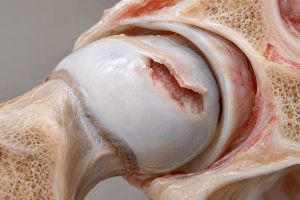
Osteochondritis dissecans (OCD) is a developmental joint disorder that occurs when abnormal cartilage at the end of a growing bone becomes thickened, weakened and begins to separate from the underlying bone. A crack or flap of cartilage may form, and in some dogs the fragment can break free and remain within the joint as a loose piece sometimes called a “joint mouse.” The resulting irritation causes inflammation, pain and lameness and may contribute to osteoarthritis over time. OCD most often develops in young, rapidly growing medium, large and giant-breed dogs and commonly affects the shoulder, although the elbow, stifle and hock can also be involved. Its exact cause is not fully understood, but genetics, rapid growth, nutritional factors and joint trauma are considered important contributors.


Types
Dogs can develop osteochondritis dissecans (OCD) in different joints, and each type can affect movement in different ways. OCD most commonly occurs in the shoulder, but it can also affect the elbow, stifle (knee), or hock (ankle). The location of the lesion often influences the severity of lameness, the treatment approach, and the long-term prognosis. Understanding the most common types of OCD can help pet parents recognize why symptoms and recovery outcomes may vary from one dog to another.
Shoulder OCD
The most common form of OCD in dogs, typically affecting cartilage on the humeral head within the shoulder joint. Dogs may develop forelimb lameness that becomes more noticeable after exercise.
Elbow OCD
A less common form involving abnormal cartilage within the elbow, often near the medial humeral condyle. It can cause forelimb pain, stiffness and persistent lameness.
Stifle (Knee) OCD
OCD of the stifle usually affects a femoral condyle within the knee joint. Dogs may show hind-leg lameness, stiffness, joint swelling and discomfort during movement.
Hock (Ankle) OCD
This form affects the talus within the hock joint and may cause hind-limb lameness, swelling and reduced joint movement. Long-term arthritis can be a concern in affected dogs.
Predisposed Dog Breeds
Osteochondritis Dissecans (OCD) is more common in certain large and giant dog breeds, particularly during periods of rapid growth. Genetics, body size, growth rate, nutrition, and joint development can all contribute to a dog’s risk of developing OCD.


| Size / Group | Breeds | Notes on Risk Factors |
|---|---|---|
| Giant Breeds | Great Dane, Newfoundland, Saint Bernard, Irish Wolfhound | Rapid skeletal growth and large adult body size may increase stress on developing joint cartilage, making giant breeds particularly susceptible to osteochondrosis and OCD. |
| Large Retrievers | Labrador Retriever, Golden Retriever, Flat-Coated Retriever | Retrievers are among the large breeds reported with OCD, particularly involving the shoulder. Genetics and rapid growth are believed to contribute to susceptibility. |
| Large Working Breeds | Rottweiler, Bernese Mountain Dog, German Shepherd, Doberman Pinscher | Large working breeds may be predisposed because of inherited skeletal traits, rapid juvenile growth, and greater mechanical loading on developing joints. |
| Large Sporting Breeds | English Setter, Irish Setter, German Shorthaired Pointer, Weimaraner | Some large sporting breeds develop OCD during puppyhood or adolescence, when cartilage and underlying bone are still developing rapidly. |
| Large Herding Breeds | Old English Sheepdog, Border Collie, Australian Shepherd | OCD is less consistently reported across herding breeds, but larger individuals may be susceptible when genetic predisposition and rapid growth occur together. |
| Other At-Risk Dogs | Other rapidly growing medium, large, and giant-breed dogs | Breed is only one risk factor. Male sex, genetics, rapid growth, excessive calorie or mineral intake, joint trauma, and body size may also influence the development of OCD. |
Causes
Osteochondritis Dissecans (OCD) in dogs is believed to develop from a combination of genetic, developmental, nutritional, and mechanical factors rather than a single cause. Rapid growth, inherited susceptibility, large body size, excess calorie or mineral intake, and repeated stress on developing joints may all contribute to abnormal cartilage formation. Understanding these risk factors can help pet parents support healthy growth and reduce unnecessary strain on a young dog’s joints.
Genetics
Inherited traits appear to play an important role in OCD, which is why the condition occurs more often in certain large and giant dog breeds.
Rapid Growth
Fast skeletal growth during puppyhood can place greater demands on developing cartilage and bone, increasing the likelihood of abnormal joint development.
Large Body Size
Medium, large, and especially giant-breed dogs are more commonly affected because their rapidly developing joints support greater body weight during growth.
Excess Calorie Intake
Overfeeding a growing puppy can accelerate weight gain and skeletal growth, placing additional stress on immature joints and potentially increasing the risk of osteochondrosis.
Nutritional & Mineral Imbalances
Excess calcium, unbalanced mineral intake, or inappropriate supplementation during growth may interfere with normal bone and cartilage development in susceptible puppies.
Joint Stress & Trauma
Repetitive impact or injury to an immature joint may worsen cartilage damage in a genetically susceptible dog, although trauma alone is not considered the primary cause of OCD.
Abnormal Cartilage Development
OCD develops when growing joint cartilage does not mature normally into bone. The thickened cartilage may weaken, crack, or separate and form a painful cartilage flap.
Symptoms
Symptoms of Osteochondritis Dissecans (OCD) in dogs can vary depending on the joint affected, severity of the cartilage damage, and stage of the condition. Signs often develop in young, rapidly growing dogs and may become more noticeable after exercise. Common symptoms include limping, joint pain, stiffness, swelling, reduced range of motion, reluctance to run or play, and difficulty getting up or using the affected limb normally. Because these signs can also occur with other orthopedic conditions, persistent or worsening lameness should be evaluated by a veterinarian.
- Limping or persistent lameness
- Lameness that worsens after exercise
- Joint pain or tenderness
- Stiffness after rest or activity
- Swelling around the affected joint
- Reduced range of motion
- Reluctance to run, jump, or play
- Difficulty getting up or lying down
- Shortened or abnormal stride
- Muscle loss in a chronically affected limb
OCD most commonly affects the shoulder but can also involve the elbow, stifle, and hock.
Stages & Progression of Osteochondritis Dissecans (OCD) in Dogs
Osteochondritis Dissecans (OCD) in dogs can progress differently depending on the joint affected, severity of cartilage damage, age of the dog, and whether a cartilage flap has formed or detached. As the condition advances, damaged cartilage can lead to increasing joint inflammation, pain, lameness, and eventually osteoarthritis. Understanding the stage of OCD can help veterinarians determine how advanced the joint damage is, whether conservative care or surgery may be appropriate, and what the long-term outlook may be.
Abnormal Cartilage Development
During rapid growth, areas of developing joint cartilage may fail to mature normally into bone. Early changes may cause few or no obvious symptoms.
Cartilage Thickening & Weakening
Abnormally thick cartilage receives inadequate support from the underlying bone and may begin to weaken, crack, or become vulnerable to separation.
Cartilage Flap & Joint Inflammation
A fissure or cartilage flap may develop and partially or fully separate from the underlying bone, causing pain, inflammation, stiffness, and persistent lameness.
Chronic Joint Degeneration
Ongoing cartilage damage and inflammation can contribute to osteoarthritis, reduced joint motion, chronic discomfort, muscle loss, and long-term lameness.
This chart is a simplified illustration of how OCD may progress. Osteochondritis dissecans does not have a universally accepted four-stage clinical staging system, and not every dog progresses through these changes in the same way or at the same rate.
Top Ways to Help Prevent Osteochondritis Dissecans (OCD) in Dogs
Because OCD is a multifactorial developmental joint disorder, prevention focuses on supporting healthy growth and reducing stress on developing joints. Feeding a properly balanced large-breed puppy diet, avoiding overfeeding, maintaining a lean body condition, and preventing excessive high-impact exercise during growth may help lower risk. Since genetics also play an important role, choosing responsible breeders and scheduling regular veterinary checkups can help identify joint concerns early and support healthier long-term development.
| Risk-Reduction Strategy | Why It Helps | How to Do It |
|---|---|---|
| Feed an Appropriate Puppy Diet | Balanced nutrition supports steady bone and cartilage development during periods of rapid growth. | Feed a complete diet formulated for your puppy’s expected adult size. Large and giant-breed puppies should receive food specifically designed for controlled growth. |
| Avoid Overfeeding | Excess calorie intake can accelerate growth and increase body weight, placing greater stress on developing joints. | Measure meals, monitor body condition, and adjust portions with your veterinarian as your puppy grows. |
| Maintain a Lean Body Condition | Extra body weight increases mechanical stress on immature joints and may worsen orthopedic problems. | Keep your dog lean enough that the ribs can be easily felt without a thick layer of fat and maintain a visible waist. |
| Avoid Excess Mineral Supplementation | Too much calcium or an improper mineral balance can interfere with normal skeletal development in rapidly growing puppies. | Avoid adding calcium, phosphorus, or other mineral supplements unless specifically recommended by your veterinarian. |
| Use Age-Appropriate Exercise | Moderate activity supports healthy muscles and joints, while repeated high-impact exercise may place unnecessary stress on developing cartilage. | Favor controlled walks and moderate play while limiting repetitive jumping, forced running, and intense exercise during rapid growth. |
| Reduce Repetitive Joint Trauma | Repeated impact or injury may aggravate vulnerable cartilage in dogs already predisposed to OCD. | Limit repeated jumping from heights, hard landings, slippery surfaces, and strenuous activity that causes limping or pain. |
| Choose Responsible Breeding | Genetics play an important role in OCD, particularly in predisposed large and giant dog breeds. | Choose breeders who screen for orthopedic disease and avoid breeding dogs known to have OCD or significant hereditary joint problems. |
| Monitor Growing Puppies for Lameness | Early recognition of joint pain or abnormal movement can lead to faster diagnosis and may help limit further joint damage. | Watch for limping, stiffness, swelling, reduced activity, shortened stride, or reluctance to run and play, and report persistent signs to your veterinarian. |
| Schedule Regular Veterinary Checkups | Routine examinations can identify developmental orthopedic problems before severe joint changes develop. | Keep regular puppy wellness visits and ask your veterinarian about orthopedic evaluation if your dog belongs to a predisposed breed or develops persistent lameness. |
Actionable Resources
If you want to help reduce the risk of Osteochondritis Dissecans (OCD) or support your dog’s joint health, here are some practical resources to consider alongside veterinary guidance. Genetics cannot be changed, but appropriate nutrition, controlled growth, healthy body weight, and joint support may help protect developing joints.
How Is Osteochondritis Dissecans (OCD) in Dogs Diagnosed
Diagnosing Osteochondritis Dissecans (OCD) in dogs requires a thorough veterinary evaluation to identify the affected joint, assess the severity of cartilage damage, and rule out other causes of lameness. Key steps include:
1. Medical History
Your veterinarian reviews your dog’s age, breed, growth history, activity level, previous injuries, and when the lameness or stiffness first appeared. OCD is often suspected in young, rapidly growing large or giant-breed dogs.
2. Orthopedic Examination
The veterinarian observes your dog walking and examines the limbs and joints for pain, swelling, muscle loss, reduced range of motion, and other abnormalities that help identify which joint is affected.
3. X-Rays
Radiographs are the primary imaging test used to diagnose OCD. They may reveal abnormal joint surfaces, defects beneath the cartilage, loose fragments, or secondary osteoarthritis. Both corresponding joints may be imaged because OCD can occur on both sides.
4. Advanced Imaging
CT or MRI may be recommended when standard X-rays do not clearly define the lesion or when a complex joint is involved. These tests can provide more detailed information about bone, cartilage, and surrounding joint structures.
5. Arthroscopy
Arthroscopy allows a veterinarian or veterinary surgeon to examine the inside of the joint with a small camera. It can confirm cartilage damage and may allow a loose or damaged cartilage flap to be removed during the same procedure.
6. Diagnosis & Treatment Planning
Findings from the examination and imaging are combined to determine the location and severity of the OCD lesion. Your veterinarian can then recommend activity restriction, pain management, rehabilitation, or surgical treatment based on the affected joint and degree of damage.
Early detection is important because Osteochondritis Dissecans (OCD) often responds best when identified before significant cartilage damage and arthritis develop—allowing for more effective treatment and better long-term joint function.
Nutritional Support & Supplements
Proper nutrition can play an important supportive role for dogs with Osteochondritis Dissecans (OCD) by helping maintain a healthy body weight, joint comfort, muscle support, and overall mobility. Depending on your dog’s needs, veterinarians may recommend strategies such as a balanced growth diet for puppies, joint-support supplements, omega-3 fatty acids, glucosamine, chondroitin, green-lipped mussel, and other cartilage-support nutrients as part of a broader treatment and management plan.
Important: Nutrition and supplements can support joint
health but cannot repair a detached cartilage flap or replace appropriate
veterinary treatment.
Avoid adding calcium, phosphorus, or other growth supplements to a
balanced puppy diet unless your veterinarian specifically recommends them.
Supportive care—such as pain management, weight control, nutritional support, controlled exercise, and rehabilitation—plays an important role in maintaining comfort and joint function in dogs with Osteochondritis Dissecans (OCD). These measures do not repair damaged or detached cartilage, so any diet, supplement, exercise, or pain-management plan should be reviewed with your veterinarian and used alongside the recommended orthopedic treatment.
Over-the-Counter Products
Over-the-counter treatments and supplements mentioned in this article for osteochondritis dissecans in dogs can be found on Amazon and Chewy.


Always consult your veterinarian before starting any new treatment, medication, or home-care regimen for canine osteochondritis dissecans. Puppies and dogs with persistent vomiting, diarrhea, weakness, or dehydration may require prompt veterinary care. If you can’t reach your vet, you can chat live with a registered online veterinary professional via our online vet chat or video chat support (24 hours a day, 7 days a week). Or use Chewy’s online vet services (6 a.m. – midnight ET).
Treatment & Care
Treatment for Osteochondritis Dissecans (OCD) in dogs depends on the joint affected, severity of the cartilage damage, age of the dog, and degree of lameness. Management may include activity restriction, weight control, pain and anti-inflammatory medications, physical rehabilitation, and joint-supportive nutrition. In dogs with persistent symptoms or unstable cartilage flaps, arthroscopy or surgery may be recommended to remove damaged cartilage and stimulate healing of the underlying bone.
Medications
Common medications used to treat osteochondritis dissecans in dogs include:
| Medication / Class | Examples | How It Is Used | Important Considerations |
|---|---|---|---|
| Nonsteroidal Anti-Inflammatory Drugs (NSAIDs) | Carprofen, meloxicam, deracoxib, firocoxib | Commonly used to reduce joint pain and inflammation in dogs with OCD, especially before surgery, during recovery, or in dogs being managed conservatively. | These drugs can affect the stomach, intestines, kidneys, and liver. They should only be used under veterinary supervision and generally should not be combined with corticosteroids. |
| Pain-Relief Medications | Grapiprant and other veterinarian-selected pain relievers | May be used in some dogs to help control joint discomfort, particularly when a veterinarian wants an alternative pain-control option as part of an individualized treatment plan. | Not every pain medication is appropriate for every dog. Response varies, and your veterinarian will decide whether this class fits your dog’s age, health, and degree of pain. |
| Analgesic Adjuncts | Gabapentin, amantadine | Sometimes added to a multimodal pain-management plan when dogs have ongoing discomfort or need additional support during recovery or long-term joint care. | These medications do not correct the OCD lesion itself. They may cause drowsiness or coordination changes in some dogs, especially when therapy is first started. |
| Opioid Pain Medications | Buprenorphine, tramadol, other veterinarian-prescribed opioids | More commonly used for short-term pain control after surgery or during periods of more severe discomfort. | Use depends on the dog’s needs and the veterinarian’s pain-control plan. Sedation, constipation, or decreased activity may occur with some opioid medications. |
| Polysulfated Glycosaminoglycans (PSGAGs) | Adequan Canine and similar veterinarian-directed joint therapies | Used in some dogs to support joint health, help protect cartilage, and assist in managing secondary osteoarthritis associated with OCD. | These products are supportive therapies rather than a cure. They are typically prescribed as part of a broader plan that may also include rehabilitation, weight control, and pain management. |
| Joint Supplements / Nutraceuticals | Glucosamine, chondroitin sulfate, MSM, green-lipped mussel | Often used to support cartilage health and joint comfort, especially in dogs with chronic joint changes or secondary osteoarthritis. | Product quality varies, and benefits may be modest or gradual. These supplements do not remove cartilage flaps or replace surgical treatment when surgery is needed. |
| Omega-3 Fatty Acids | Fish oil, marine omega-3 supplements | May help support a healthy inflammatory response and improve overall joint comfort as part of long-term management. | High doses may cause gastrointestinal upset in some dogs. Dosing should be discussed with a veterinarian, especially if your dog is taking other medications. |
| Corticosteroids | Prednisone, prednisolone | These are not routine long-term treatments for OCD but may be used selectively in special situations when a veterinarian determines anti-inflammatory therapy is needed. | Corticosteroids can cause increased thirst, urination, appetite, and muscle loss with longer use. They generally should not be given together with NSAIDs unless specifically directed by a veterinarian. |
| Sedation / Anesthesia Medications | Veterinarian-selected anesthetic and perioperative drugs | Required when dogs undergo diagnostic imaging, arthroscopy, or surgery to evaluate and treat OCD lesions. | These medications are used only under veterinary supervision. Pre-anesthetic assessment and monitoring are important, especially in young, large-breed dogs undergoing orthopedic procedures. |
| Rehabilitation & Supportive Therapy | Structured physical rehabilitation, cold therapy, controlled exercise | While not medications, these therapies are often paired with medical treatment to improve joint function, maintain muscle mass, and support recovery after surgery or during conservative management. | Rehabilitation plans should be tailored to the affected joint and the dog’s stage of recovery. Overexertion can worsen lameness or delay healing. |
The best way to get these medications is at Chewy Pet Pharmacy:
Alternative & Integrative Therapies
Integrative and supportive therapies can help manage pain, improve mobility, reduce stiffness, and support quality of life for dogs with Osteochondritis Dissecans (OCD). Options such as physical rehabilitation, hydrotherapy, therapeutic laser, acupuncture, massage, and controlled low-impact exercise may be used alongside conventional treatment. These therapies do not repair damaged cartilage or replace surgery when it is needed, so they should always be discussed with your veterinarian or a veterinary rehabilitation professional to ensure they are safe and appropriate for your dog.
Surgical Options
Surgery is an important treatment option for many dogs with Osteochondritis Dissecans (OCD), especially when a cartilage flap is unstable, lameness persists, or conservative management does not provide enough relief. Depending on the joint and severity of the lesion, surgery may be used to remove damaged or detached cartilage, smooth the affected joint surface, stimulate healing of the underlying bone, and reduce ongoing pain and inflammation. Arthroscopy is commonly preferred when appropriate because it is minimally invasive, although open joint surgery may be needed in some cases. Your veterinarian or veterinary surgeon will determine whether surgery is appropriate based on the joint involved, lesion size and location, degree of cartilage damage, age of the dog, and overall orthopedic health.
Emotional & Lifestyle Impact
Osteochondritis Dissecans (OCD) can affect both a dog’s comfort and daily routine, especially when pain or lameness limits normal activity. Dogs may become less willing to run, jump, play, climb stairs, or participate in activities they previously enjoyed, and some may become frustrated or withdrawn during periods of exercise restriction or recovery. With appropriate treatment, rehabilitation, weight management, and thoughtful changes at home, many dogs can maintain a comfortable, active, and enjoyable quality of life.
For Dogs
- May experience pain, stiffness, or reduced mobility
- Exercise restrictions can limit running, jumping, and play
- May become frustrated or less active during recovery
- May need rehabilitation or assistance with daily movement
- Can still enjoy gentle play, enrichment, affection, and family time
For Pet Parents
- Managing activity restrictions can require patience and planning
- Recovery may involve medications, rehabilitation, and follow-up visits
- Home changes may be needed to make movement safer and easier
- Monitoring weight and activity becomes especially important
- Focus on gradual recovery, comfort, and safe ways to stay engaged
“OCD may temporarily change how your dog moves and plays, but with appropriate treatment, rehabilitation, and patience, many dogs can return to a comfortable and active life.”
Brighter tomorrows.
Dog Osteochondritis Dissecans (OCD) Prognosis
A dog’s prognosis with Osteochondritis Dissecans (OCD) depends on several factors, including the joint affected, severity of cartilage damage, age at diagnosis, response to treatment, and development of osteoarthritis. Many dogs—especially those with shoulder OCD—can achieve a good to excellent outcome with appropriate treatment and rehabilitation, while lesions in the elbow, stifle, or hock may have a more guarded long-term outlook. Working closely with your veterinarian can help guide treatment, manage discomfort, support recovery, and preserve the best possible mobility and quality of life for your dog.
Key Factors That Influence Prognosis
Typical Annual Cost of Treating Canine Osteochondritis Dissecans (OCD)
| Category | Estimated Cost Range | Notes |
|---|---|---|
| Initial Veterinary Evaluation | $100 – $300 | Includes physical and orthopedic examination, gait assessment, and review of your dog’s symptoms and growth history. |
| X-Rays & Diagnostic Imaging | $300 – $1,000+ | Radiographs are commonly used to identify OCD lesions. Sedation and imaging of both corresponding joints may increase cost. |
| CT, MRI or Advanced Imaging | $800 – $2,500+ | May be recommended when standard X-rays do not clearly define the lesion or when a more complex joint is involved. |
| Arthroscopy or OCD Surgery | $2,000 – $5,000+ | May include arthroscopic examination, removal of damaged cartilage or loose fragments, debridement, and stimulation of the underlying bone. |
| Medications & Pain Management | $100 – $600+ | May include veterinarian-prescribed NSAIDs, analgesics, or other medications used before or after surgery and during recovery. |
| Physical Rehabilitation | $500 – $2,500+ | May include rehabilitation sessions, therapeutic exercises, hydrotherapy, range-of-motion work, or other mobility support. |
| Follow-Up Exams & Imaging | $200 – $1,000+ | Follow-up visits help monitor healing, lameness, joint function, and the development of secondary osteoarthritis. |
| Joint Supplements & Nutritional Support | $200 – $1,000+ / year | May include omega-3 fatty acids, glucosamine, chondroitin, joint-supportive diets, or other veterinarian-recommended products. |
| Long-Term Arthritis Management | $300 – $2,000+ / year | Dogs that develop secondary osteoarthritis may require ongoing medication, rehabilitation, weight management, or joint-supportive care. |
| Pet Insurance Coverage | Varies | Coverage depends on the policy, deductible, reimbursement level, and whether OCD or related orthopedic disease is considered pre-existing. |
| Typical Overall Range | Conservative Management: approximately $500 – $2,500+ | Surgical Treatment & Rehabilitation: approximately $3,000 – $8,000+ | |
Osteochondritis dissecans (OCD) care can add up quickly — from daily medications to possible surgeries. Pet insurance can ease the financial burden and ensure your dog gets the best treatment without compromise. If you want to compare plans and find out which providers offer the best coverage for osteochondritis dissecans (OCD) and chronic conditions, check out our full guides to the Best Pet Insurance for Dogs and Best Pet Wellness Plans.
Related Health Conditions
Some orthopedic conditions are closely related to Osteochondritis Dissecans (OCD) because they can affect the same joints, cause similar lameness or pain, or contribute to secondary joint degeneration. Understanding these related conditions can help pet parents recognize overlapping symptoms and better understand the diagnostic and treatment options their veterinarian may recommend.
- Arthritis
- Elbow Dysplasia
- Hip Dysplasia
- Osteoarthritis
- Cruciate Ligament Injuries
- Panosteitis
- Hypertrophic Osteodystrophy
- Joint Trauma or Cartilage Injury
- Developmental Orthopedic Disease
- Degenerative Joint Disease
Frequently Asked Questions
The Bottom Line
Osteochondritis Dissecans (OCD) in dogs is a developmental joint disorder that can cause pain, lameness, and long-term cartilage damage, but many dogs can achieve a good quality of life with early diagnosis and appropriate treatment. Prompt veterinary evaluation, weight management, controlled exercise, rehabilitation, and surgery when needed can help improve comfort and preserve joint function. By recognizing early signs, supporting healthy growth, and following your veterinarian’s recovery plan, you can give your dog the best chance for comfortable movement and long-term mobility.