Cruciate Ligament Injuries in Dogs: Symptoms, Types, Causes, Signs & Prevention

Canine Bible is reader-supported. We receive affiliate commissions via some of our links. Learn more.
A comprehensive guide to cruciate ligament injuries in dogs, including causes, risk factors, warning signs, diagnosis, treatment options, surgery, recovery, prognosis and what pet parents should know when caring for a dog with an injured knee.
Cruciate Ligament Injuries at a Glance
Higher risk in
Overweight dogs and certain medium-to-large breeds.
Common signs
Hind-leg limping, stiffness, pain and difficulty rising.
Diagnosis
Orthopedic exam, drawer or tibial thrust testing and X-rays.
Treatment
Surgery, pain control, activity restriction and rehabilitation.
Prognosis
Generally good; 85–90% significantly improve after surgical repair.
Other knee risk
Many affected dogs later develop cruciate disease in the opposite knee.
What Are Cruciate Ligament Injuries in Dogs?
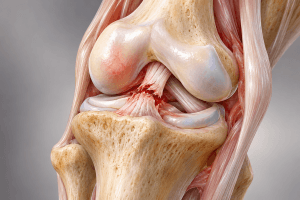
Cruciate ligament injuries affect the ligaments that stabilize a dog’s stifle, or knee joint. The cranial cruciate ligament (CCL), which is similar to the anterior cruciate ligament (ACL) in humans, prevents excessive forward movement and rotation of the tibia relative to the femur. In many dogs, the ligament gradually weakens and degenerates before partially tearing or rupturing completely, although sudden traumatic injuries can also occur. Damage to the CCL makes the knee unstable, leading to pain, inflammation, limping and progressive osteoarthritis. The unstable joint may also damage the meniscus, a cartilage structure that helps cushion the knee. Some dogs develop mild or intermittent lameness with a partial tear, while a complete rupture may cause sudden severe limping or an inability to bear normal weight on the affected leg.


Types
Dogs can develop different types of cruciate ligament injuries, and each can affect the knee joint in different ways. Some dogs experience a partial tear, where the ligament is damaged but still intact, while others suffer a complete rupture that causes greater instability and pain. Cruciate injuries may develop gradually over time due to degeneration of the ligament or occur suddenly after activity or trauma. Understanding the most common types can help pet parents recognize why symptoms, treatment options, and recovery outcomes can vary so widely.
Partial Cranial Cruciate Ligament Tear
The ligament is damaged but not completely torn, often causing intermittent limping, stiffness and gradually worsening knee pain.
Complete Cranial Cruciate Ligament Rupture
The ligament tears completely, creating significant knee instability and often causing sudden, pronounced hind-leg lameness.
Degenerative Cruciate Ligament Disease
The ligament gradually weakens over time rather than tearing from one major injury, eventually leading to a partial or complete rupture.
Acute Traumatic Tear
A sudden tear that may occur during twisting, jumping, running or other forceful movements that place excessive stress on the knee.
Bilateral Cruciate Disease
Both knees are affected. Some dogs injure one cruciate ligament first and later develop similar disease in the opposite knee.


Cruciate Injury With Meniscal Damage
Knee instability may damage the meniscus, the cartilage that cushions the joint, causing additional pain and sometimes clicking or popping.
Caudal Cruciate Ligament Injury
A less common injury involving the caudal cruciate ligament, which helps prevent excessive backward movement of the tibia.
Multiligament Knee Injury
Severe trauma can damage the cruciate ligament along with other stabilizing structures of the knee, resulting in significant joint instability.
Predisposed Dog Breeds
While cruciate ligament injuries can affect any dog, certain breeds are more prone to developing them. Factors such as body size, joint structure, genetics, weight, activity level, and inherited orthopedic traits can increase the risk of cranial cruciate ligament damage in some breeds more than others.
| Size / Group | Breeds | Notes on Risk Factors |
|---|---|---|
| Large & Giant Breeds | Newfoundland, Mastiff, Saint Bernard | These breeds have a higher reported incidence of cranial cruciate ligament disease. Large body size, joint conformation, excess weight and ligament degeneration may contribute to increased stress on the knee. |
| Retriever Breeds | Labrador Retriever, Chesapeake Bay Retriever | Retrievers are among the breeds commonly affected by cruciate disease. A genetic mode of inheritance has been demonstrated in Labrador Retrievers. |
| Working & Guarding Breeds | Rottweiler, Akita, Boxer | These athletic, muscular breeds may be predisposed to cruciate ligament disease. Genetics, skeletal conformation, body weight and repetitive stress on the knee can influence risk. |
| Terrier-Type Breeds | Staffordshire Terrier | Staffordshire Terriers are among the breeds reported to have a higher incidence of cranial cruciate ligament disease. Maintaining a lean body condition may help reduce unnecessary stress on the knee joints. |
| Documented Genetic Risk | Newfoundland, Labrador Retriever | Genetic inheritance has been demonstrated in these breeds, indicating that susceptibility to cruciate ligament degeneration can be influenced by inherited traits rather than injury alone. |
| Dogs With Additional Risk Factors | Dogs of any breed, size or age | Excess body weight, poor physical conditioning, abnormal limb or knee conformation and certain orthopedic problems can increase the likelihood of cranial cruciate ligament disease regardless of breed. |
Causes
Cruciate ligament injuries in dogs usually develop from a combination of ligament degeneration, genetics, body size, excess weight, joint structure, age, and activity rather than from a single traumatic event. In many dogs, the cranial cruciate ligament gradually weakens over time before partially or completely tearing. Sudden twisting, jumping, running, or slipping can also trigger injury, especially when the ligament is already compromised. Understanding these risk factors can help pet parents support healthy body weight, joint health, conditioning, and early evaluation of persistent limping.
Ligament Degeneration
In many dogs, the cranial cruciate ligament gradually weakens and deteriorates over time before partially or completely tearing.
Genetics & Breed
Inherited traits can influence ligament strength, limb structure, and knee stability, making some breeds more susceptible to cruciate disease.
Excess Body Weight
Overweight dogs place greater mechanical stress on their knee joints, which can increase strain on an already weakened cruciate ligament.
Joint & Limb Conformation
Differences in knee anatomy, tibial slope, and overall limb alignment can affect joint mechanics and increase stress on the cruciate ligament.
Age
Cruciate disease can occur at many ages, but gradual ligament degeneration and accumulated joint stress may increase susceptibility over time.
Sudden Twisting or Trauma
Slipping, jumping, changing direction quickly, or other forceful movements can trigger a tear, particularly when the ligament is already weakened.
Poor Conditioning & Activity
Weak supporting muscles, inconsistent exercise, or sudden bursts of strenuous activity may increase stress on the knee and contribute to injury.
Symptoms
Symptoms of cruciate ligament injuries in dogs can vary depending on whether the ligament damage is partial or complete, how long the injury has been present, and whether one or both knees are affected. Some signs may be subtle at first, while others become more noticeable as joint instability and inflammation worsen. Common warning signs include hind-leg limping, stiffness after rest, difficulty rising, reluctance to run or jump, sitting with one leg extended, reduced activity, pain, and swelling around the knee. Because many of these symptoms can also be caused by other orthopedic conditions, any persistent or unusual lameness should be evaluated by a veterinarian.
Common Symptoms
- Hind-leg limping or lameness
- Difficulty bearing weight on the affected leg
- Stiffness, especially after rest
- Difficulty standing up or lying down
- Reluctance to run, jump, or climb stairs
- Sitting with the affected leg extended outward
- Pain or tenderness around the knee
- Swelling or thickening around the knee joint
- Reduced activity or reluctance to exercise
- Loss of muscle mass in the affected hind leg
Cruciate ligament injuries primarily affect the stifle (knee) and can alter normal hind-leg movement.
Stages & Progression of Cruciate Ligament Injuries in Dogs
Cruciate ligament injuries in dogs can progress at different rates depending on whether the ligament is partially torn, completely ruptured, or gradually degenerating over time. As the ligament weakens, the knee may become increasingly unstable, leading to pain, inflammation, lameness, meniscal damage, and progressive arthritis. Understanding how advanced the injury is, how much joint instability is present, and whether other knee structures are affected helps veterinarians determine the most appropriate treatment. The stage of the injury can also provide important insight into recovery, long-term joint health, and the level of care your dog may need.
Early Degeneration
The cranial cruciate ligament begins to weaken and deteriorate. Some dogs may show mild stiffness, intermittent limping, or no obvious signs at first.
Partial Tear
Part of the ligament fibers tear, causing increasing pain, inflammation, and instability. Lameness may come and go or become progressively more noticeable.
Complete Rupture
The ligament may rupture completely, resulting in significant knee instability, more pronounced hind-leg lameness, and an increased risk of meniscal injury.
Chronic Joint Changes
Ongoing instability can contribute to progressive osteoarthritis, joint thickening, reduced range of motion, muscle loss, and persistent discomfort.
This chart is a simplified visual guide rather than a formal staging system. Cruciate ligament disease does not always progress through each phase in a predictable order or timeframe. Some dogs develop sudden rupture, while others experience gradual degeneration and intermittent lameness over time.
Top Ways to Prevent Cruciate Ligament Injuries in Dogs
Because cruciate ligament injuries often result from a combination of genetics, joint structure, body weight, conditioning, and gradual ligament degeneration, prevention focuses on reducing unnecessary stress on the knees and supporting overall joint health. Maintaining a healthy weight, providing regular low-impact exercise, avoiding sudden intense activity, keeping nails trimmed for better traction, and addressing orthopedic problems early may help lower the risk of injury. Routine veterinary checkups can also help identify joint changes, weakness, or mobility problems before they become more severe.
| Prevention Strategy | Why It Helps | How to Do It |
|---|---|---|
| Maintain a Healthy Weight | Excess body weight places additional stress on the knee joints and can increase strain on the cranial cruciate ligament. | Feed measured portions, limit high-calorie treats, monitor body condition, and work with your veterinarian on a weight-management plan if needed. |
| Provide Regular, Consistent Exercise | Strong muscles help support the knees and stabilize the hind limbs, while inconsistent activity may increase injury risk. | Provide daily walks and controlled exercise appropriate for your dog’s age, breed, fitness level, and existing joint health. |
| Avoid Sudden Intense Activity | Sudden sprinting, twisting, jumping, or abrupt changes in direction can place additional stress on a weakened cruciate ligament. | Build activity levels gradually and avoid going from long periods of inactivity directly into strenuous running, jumping, or rough play. |
| Improve Traction at Home | Slippery flooring can cause the hind legs to slide or twist, increasing stress on the knee joints. | Use non-slip rugs or runners on slick floors, especially in areas where your dog frequently walks, turns, or gets up. |
| Keep Nails & Paw Fur Trimmed | Proper paw contact with the ground can improve traction and reduce slipping during normal movement. | Trim nails regularly and keep excess hair between the paw pads controlled so your dog can maintain better grip on flooring. |
| Support Healthy Muscle Conditioning | Well-conditioned thigh and core muscles help stabilize the hind limbs and reduce unnecessary strain on the knees. | Use controlled walks, gentle hills, balance exercises, swimming, or rehabilitation exercises when appropriate and veterinarian-approved. |
| Address Orthopedic Problems Early | Abnormal gait, joint disease, or limb alignment problems can alter knee mechanics and increase stress on the cruciate ligament. | Have persistent limping, stiffness, abnormal posture, or mobility changes evaluated by a veterinarian before they become more severe. |
| Schedule Regular Veterinary Checkups | Routine examinations can help identify excess weight, joint pain, muscle weakness, or early orthopedic changes. | Schedule regular wellness exams and discuss mobility screening, weight management, and joint health if your dog is considered higher risk. |
| Monitor for Early Lameness | Partial cruciate tears may begin with subtle or intermittent limping before progressing to greater knee instability. | Watch for hind-leg limping, stiffness after rest, difficulty rising, reluctance to jump, or changes in normal activity and report persistent signs to your veterinarian. |
Actionable Resources
If you want to help protect your dog’s knees, support recovery, or reduce stress on the joints after a cruciate ligament injury, these resources may be useful alongside veterinary guidance.
How Are Cruciate Ligament Injuries in Dogs Diagnosed
Diagnosing cruciate ligament injuries in dogs requires a thorough veterinary evaluation to determine whether the ligament is partially torn, completely ruptured, or affected by chronic degeneration. Veterinarians also assess the degree of knee instability, pain, inflammation, and whether complications such as meniscal injury or arthritis are present. Key steps include:
1. History & Physical Exam
Your veterinarian reviews when the limping began, whether it developed suddenly or gradually, your dog’s activity level, previous injuries, and any changes in mobility. The hind limbs are examined for pain, swelling, muscle loss, and joint instability.
2. Gait Assessment
The veterinarian watches your dog walk, trot, stand, sit, and rise to look for hind-leg lameness, reduced weight-bearing, shortened stride, stiffness, or abnormal positioning of the affected limb.
3. Knee Stability Tests
Cranial drawer and tibial thrust tests are used to check for abnormal movement within the stifle joint. Excessive forward movement of the tibia can indicate loss of stability from a damaged cranial cruciate ligament.
4. X-Rays
X-rays cannot usually show the cruciate ligament itself, but they can reveal joint swelling, osteoarthritis, changes around the knee, and help rule out fractures or other orthopedic causes of hind-leg lameness.
5. Meniscal & Joint Assessment
The veterinarian evaluates the knee for signs of meniscal injury, joint thickening, pain, reduced range of motion, or clicking. Meniscal damage may occur alongside a cruciate ligament tear and can contribute to persistent discomfort.
6. Additional Testing if Needed
Mild or partial tears can sometimes be difficult to confirm during an awake examination. Sedation may allow a more accurate stability assessment, while ultrasound, CT, MRI, or arthroscopy may be considered in selected cases when the diagnosis remains uncertain or additional joint damage is suspected.
Early identification and treatment are important because cruciate ligament injuries can worsen over time, leading to greater knee instability, meniscal damage, muscle loss, and progressive arthritis. Prompt veterinary evaluation may help reduce discomfort, preserve mobility, and improve long-term joint function.
Nutritional Support & Supplements
Proper nutrition can play an important supportive role for dogs with cruciate ligament injuries by helping maintain a healthy body weight, lean muscle mass, joint health, and overall mobility during recovery. Depending on your dog’s needs, veterinarians may recommend strategies such as a balanced calorie-controlled diet and supplements containing omega-3 fatty acids, glucosamine, chondroitin, green-lipped mussel, or other joint-support nutrients. Nutrition and supplements should complement—not replace—appropriate veterinary treatment, rehabilitation, and weight management.
Important: Supplements cannot repair a torn cruciate
ligament or replace surgery, rehabilitation, pain management, or other
veterinary treatment when these are needed.
Always discuss supplements and dietary changes with your veterinarian,
especially if your dog takes medications or is preparing for or recovering
from cruciate ligament surgery.
Supportive care—such as pain management, nutritional support, physical rehabilitation, and lifestyle adjustments—plays a crucial role in maintaining comfort, mobility, and quality of life for dogs with cruciate ligament injuries. These measures do not repair a torn ligament on their own and may not replace surgery or other veterinary treatment when needed, so any diet, supplement, exercise, or recovery plan should be reviewed with your veterinarian.
Over-the-Counter Products
Over-the-counter treatments and supplements mentioned in this article for cruciate ligament injuries in dogs can be found on Amazon and Chewy.



Always consult your veterinarian before starting any new treatment, medication, or home-care regimen for canine cruciate ligament injuries. Puppies and dogs with persistent vomiting, diarrhea, weakness, or dehydration may require prompt veterinary care. If you can’t reach your vet, you can chat live with a registered online veterinary professional via our online vet chat or video chat support (24 hours a day, 7 days a week). Or use Chewy’s online vet services (6 a.m. – midnight ET).
Treatment & Care
According to current veterinary orthopedic practice, the most effective treatment for cruciate ligament injuries in dogs is often multimodal, combining several approaches for the best outcome. These may include surgery to stabilize the knee, pain management and anti-inflammatory medications to improve comfort, and physical rehabilitation to restore strength, mobility, and function. In some dogs—especially with partial tears, smaller body size, or specific medical considerations—conservative management with rest, weight control, joint support, and controlled exercise may also be recommended.
Medications
Common medications used to treat cruciate ligament injuries in dogs include:
| Medication / Class | Examples | How It Is Used | Important Considerations |
|---|---|---|---|
| Nonsteroidal Anti-Inflammatory Drugs (NSAIDs) | Carprofen, meloxicam, firocoxib, deracoxib | Commonly prescribed to reduce knee pain and inflammation associated with cruciate ligament injury, osteoarthritis, and recovery after orthopedic surgery. | NSAIDs can affect the stomach, intestines, kidneys, and liver. Veterinary monitoring may include bloodwork, particularly with longer-term use. They should not generally be combined with corticosteroids or another NSAID unless specifically directed by a veterinarian. |
| Adjunct Pain Medication | Gabapentin | May be added to a multimodal pain-control plan when additional comfort is needed during injury management or surgical recovery. | Can cause sedation, weakness, or incoordination in some dogs. It does not stabilize the knee or repair the damaged ligament. |
| Chronic Pain Adjunct | Amantadine | Sometimes used alongside other pain medications in dogs with persistent orthopedic discomfort or osteoarthritis associated with chronic knee instability. | Usually forms part of a broader pain-management plan rather than being used alone. Veterinary supervision is required, especially when other medications are being given. |
| Opioid Analgesics | Buprenorphine, methadone and other veterinarian-selected opioids | May be used in the hospital around the time of cruciate ligament surgery or for short-term control of more severe orthopedic pain. | These medications are generally used under close veterinary supervision. Sedation, gastrointestinal effects, and other adverse effects may occur. |
| Activity-Control Medications | Trazodone or other veterinarian-prescribed calming medications | May be prescribed to help some dogs remain calm during periods of strict activity restriction following injury or orthopedic surgery. | These medications do not treat the ligament itself. Dosing and suitability depend on the individual dog and any other medications being used. |
| Joint-Support Injectable Therapy | Polysulfated glycosaminoglycan (PSGAG) | May be used in selected dogs to support joint health and help manage osteoarthritis that develops secondary to chronic knee instability. | This is an adjunctive treatment and does not reconnect or repair a torn cranial cruciate ligament. A veterinarian should determine whether it is appropriate. |
| Gastrointestinal Support Medications | Omeprazole, famotidine, sucralfate when clinically indicated | May be prescribed in selected dogs when gastrointestinal irritation, ulcer risk, or digestive complications are a concern during treatment. | These medications are not routinely needed for every dog taking pain medication and should be used according to veterinary guidance. |
| Antibiotics | Veterinarian-selected perioperative antibiotics when indicated | May be used around orthopedic surgery to reduce or treat bacterial infection when clinically appropriate. | Antibiotics do not treat the cruciate ligament injury itself and are not routinely required for uncomplicated ligament tears managed without infection. |
| Joint-Support Supplements | Omega-3 fatty acids, glucosamine, chondroitin, green-lipped mussel, undenatured type II collagen | May be incorporated into a long-term joint-care plan to support comfort, mobility, cartilage health, or management of secondary osteoarthritis. | Supplements do not repair a torn ligament and product quality can vary. Discuss them with your veterinarian, especially if your dog takes prescription medications. |
| Multimodal Pain Management | Combination of veterinarian-selected medications and supportive care | Pain control may combine medications with weight management, activity restriction, physical rehabilitation, and surgical stabilization when appropriate. | Medication can improve comfort but cannot restore mechanical stability to a completely ruptured cruciate ligament. Dogs with significant instability may require surgical treatment for the best functional outcome. |
The best way to get these medications is at Chewy Pet Pharmacy:
Alternative & Integrative Therapies
Integrative and supportive therapies can help manage pain, improve mobility, reduce stiffness, and support recovery in dogs with cruciate ligament injuries. Options such as acupuncture, laser therapy, massage, physical rehabilitation, hydrotherapy, and comfort-focused care may be used alongside conventional treatment. These approaches do not repair a torn ligament on their own, but they may help improve comfort and function when used as part of a veterinarian-guided treatment plan.
Surgical Options
Surgery is one of the most important treatment options for many dogs with cruciate ligament injuries, especially when the knee is unstable or the dog has significant lameness. Depending on the dog’s size, activity level, anatomy, and severity of the injury, surgery may be used to stabilize the knee joint, improve limb function, reduce pain, and help slow the progression of arthritis. Common procedures may include TPLO (tibial plateau leveling osteotomy), TTA (tibial tuberosity advancement), lateral suture stabilization, or meniscal treatment when needed. Your veterinarian or veterinary surgeon will determine which surgical approach is most appropriate based on your dog’s condition, overall health, and long-term mobility needs.
Emotional & Lifestyle Impact
A cruciate ligament injury can be physically and emotionally challenging for both dogs and their families. Dogs may experience pain, limping, reduced activity, frustration from restricted movement, and difficulty doing normal activities like running, jumping, climbing stairs, or getting comfortable. Recovery may also require rest, rehabilitation, weight management, home adjustments, and sometimes surgery, which can temporarily disrupt daily routines. With thoughtful care, pain control, and support, many dogs can regain comfort, mobility, and enjoy a good quality of life.
For Dogs
- Pain or stiffness may reduce normal activity and play
- Restricted exercise can cause frustration or restlessness
- May need help with stairs, jumping, or slippery floors
- Recovery may involve weeks of controlled activity and rehabilitation
- Can still enjoy affection, enrichment, and gentle time with family
For Pet Parents
- Managing activity restriction can require patience and consistency
- Home routines may need temporary changes during recovery
- Ramps, non-slip flooring, and supportive bedding may be helpful
- Follow rehabilitation and medication instructions closely
- Focus on gradual progress, comfort, and safe mobility
Recovery from a cruciate ligament injury takes time, but steady progress, appropriate treatment, and thoughtful support can help your dog return to a comfortable and active life.
Happier days.
Dog Cruciate Ligament Injury Prognosis
A dog’s prognosis after a cruciate ligament injury depends on several factors, including the severity of the tear, degree of knee instability, presence of meniscal damage, treatment approach, body weight, age, overall health, and rehabilitation. Many dogs regain good comfort and function with appropriate treatment, especially when joint instability is addressed and recovery guidelines are followed. However, arthritis can continue to develop over time, and some dogs may later experience cruciate disease in the opposite knee. Working closely with your veterinary team can help guide treatment decisions, support recovery, and maintain the best possible mobility and quality of life for your dog.
Key Factors That Influence Prognosis
Typical Annual Cost of Treating Canine Cruciate Ligament Injuries
| Category | Estimated Cost Range | Notes |
|---|---|---|
| Initial Examination & Diagnosis | $150 – $600 | May include a veterinary examination, orthopedic assessment, cranial drawer or tibial thrust testing, and evaluation of hind-leg lameness. |
| X-Rays & Sedation | $250 – $800 | X-rays help evaluate joint swelling, arthritis, bone changes, and other causes of lameness. Sedation may be recommended for accurate positioning or knee stability testing. |
| Conservative Management | $500 – $2,500+ | May include activity restriction, pain medication, weight management, rehabilitation, joint support, and repeated veterinary rechecks when surgery is not pursued. |
| Lateral Suture / Extracapsular Surgery | $1,500 – $4,000+ | Uses a strong synthetic suture outside the knee to limit abnormal movement. This approach is often considered for smaller or less-active dogs. |
| TPLO Surgery | $3,500 – $7,500+ | Tibial plateau leveling osteotomy changes the mechanics of the knee to provide functional stability. It is commonly recommended for medium-to-large or active dogs. |
| TTA Surgery | $3,000 – $6,500+ | Tibial tuberosity advancement alters knee mechanics by repositioning part of the tibia. Costs vary by hospital, dog size, implants, and surgical complexity. |
| Pain & Anti-Inflammatory Medications | $100 – $800+ | May include veterinarian-prescribed NSAIDs, gabapentin, or other analgesics before surgery, during recovery, or for long-term arthritis management. |
| Physical Rehabilitation | $500 – $2,500+ | May include rehabilitation examinations, therapeutic exercises, hydrotherapy, massage, laser therapy, and progressive strengthening after injury or surgery. |
| Follow-Up Exams & Imaging | $200 – $1,000+ | Follow-up visits may be needed to monitor healing, adjust activity, evaluate implants, and determine when normal exercise can gradually resume. |
| Joint Supplements & Nutritional Support | $200 – $1,200 / year | May include omega-3 fatty acids, glucosamine, chondroitin, green-lipped mussel, therapeutic joint diets, or weight-management nutrition. |
| Home Mobility & Safety Support | $100 – $1,000+ | Non-slip rugs, ramps, orthopedic bedding, support harnesses, or other mobility aids may make recovery safer and more comfortable. |
| Treatment of the Opposite Knee | Potentially Similar to Initial Treatment | Some dogs later develop cruciate ligament disease in the opposite knee, which can result in additional diagnostic, surgical, and rehabilitation expenses. |
| Pet Insurance Coverage | Varies | Coverage depends on the policy, deductible, reimbursement level, waiting period, and whether cruciate ligament disease is considered pre-existing or subject to orthopedic exclusions. |
| Typical Overall Range | Conservative Management: approximately $500 – $2,500+ | Surgical Treatment & Rehabilitation: approximately $3,000 – $8,000+ per affected knee | |
Cruciate Ligament Injuries care can add up quickly — from daily medications to possible surgeries. Pet insurance can ease the financial burden and ensure your dog gets the best treatment without compromise. If you want to compare plans and find out which providers offer the best coverage for cruciate ligament injuries and chronic conditions, check out our full guides to the Best Pet Insurance for Dogs and Best Pet Wellness Plans.
Related Health Conditions
Some health conditions are closely linked to cruciate ligament injuries in dogs because they can affect the joints, alter gait and weight-bearing, increase strain on the knees, or contribute to long-term mobility problems. Understanding these related conditions can help dog owners recognize overlapping symptoms, anticipate possible complications, and better understand the diagnostic and treatment options their veterinarian may recommend.
- Arthritis
- Meniscal Injuries
- Patellar Luxation
- Hip Dysplasia
- Obesity
- Muscle Atrophy
- Opposite Cruciate Ligament Disease
- Intervertebral Disc Disease (IVDD)
- Chronic Pain
- Reduced Mobility / Gait Abnormalities
Frequently Asked Questions
The Bottom Line
Cruciate ligament injuries in dogs can be painful and disruptive, but with timely veterinary care, appropriate treatment, and consistent rehabilitation, many dogs can regain good mobility and quality of life. Early recognition of signs such as hind-leg limping, stiffness, difficulty rising, or reluctance to jump can help prevent further joint damage and guide treatment sooner. Maintaining a healthy weight, providing controlled exercise, following recovery instructions, and supporting long-term joint health can all make a meaningful difference. With patience, proper care, and close veterinary guidance, many dogs can return to comfortable, active lives after a cruciate ligament injury.