What to Do When Your Dog Has Cancer: 9 Key Steps


Canine Bible is reader-supported. We receive affiliate commissions via some of our links. Learn more.
Learning that your dog has cancer can feel overwhelming, but the next steps depend on the type of cancer, its stage, your dog’s overall health, and the treatment options available. Acting promptly with veterinary guidance can help you understand the diagnosis and make informed decisions about your dog’s care and quality of life. Cancer does not always mean the same prognosis, and some types can be treated or managed successfully for months or even years. Your veterinarian may discuss surgery, chemotherapy, radiation therapy, medications, palliative care, or a combination of approaches depending on your dog’s situation. You may also need to consider changes in appetite, pain, mobility, energy levels, and behavior as treatment progresses. Knowing which symptoms require urgent veterinary attention and how to keep your dog comfortable at home can make an enormous difference. This guide explains what to do after a cancer diagnosis, what treatment and supportive-care options may be available, and how to make thoughtful decisions throughout your dog’s care.
What to Know About Cancer in Dogs
| Topic | What to Know |
|---|---|
| What Cancer Is | Cancer is uncontrolled abnormal cell growth that can affect almost any tissue or organ. |
| Types | Dogs can develop many cancers, including lymphoma, mast cell tumors, bone cancer, and carcinomas. |
| Causes | Age, genetics, hormones, environmental factors, and random DNA changes may contribute. |
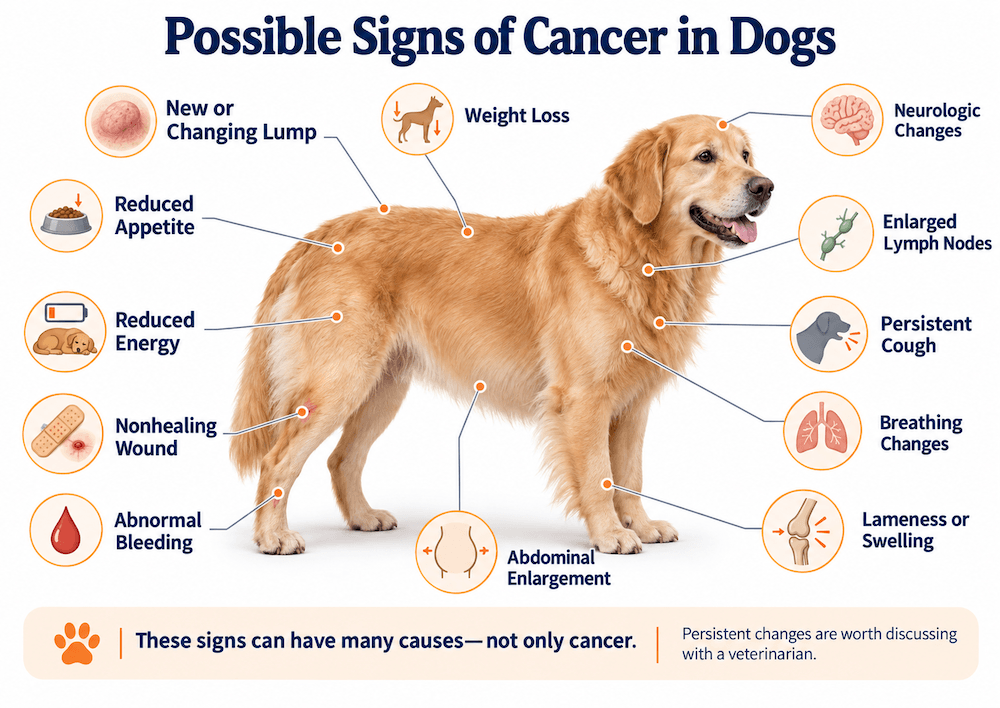
| Signs | Lumps, weight loss, appetite changes, bleeding, lameness, fatigue, or other persistent changes may occur. |
| Diagnosis | Testing may include bloodwork, imaging, needle samples, biopsies, and pathology. |
| Grade & Stage | These help describe how aggressive the cancer is and how far it has spread. |
| Treatment | Options may include surgery, chemotherapy, radiation, targeted therapy, or palliative care. |
| Prognosis | Outlook varies widely depending on cancer type, location, stage, and treatment response. |
| Quality of Life | Comfort, appetite, mobility, pain, and enjoyment should be monitored throughout care. |
| Veterinary Care | Early evaluation helps clarify treatment options and address symptoms before they worsen. |
Want to Double Check If Your Dog Has Cancer?
You can use the Oncotect At-Home Cancer Screening Test Kit for Dogs, which allows you to collect a urine sample at home and send it for laboratory analysis. The test is designed to provide additional information about cancer risk that you can discuss with your veterinarian, especially if your dog is older, belongs to a higher-risk breed, or has concerning symptoms.
If the screening result is concerning—or your dog already has symptoms such as unexplained lumps, weight loss, persistent lethargy, abnormal bleeding, or changes in appetite—schedule a veterinary examination rather than relying on the test alone. Diagnosing cancer typically requires additional testing such as bloodwork, imaging, cytology, or biopsy.

Oncotect
Who It’s For: Dog owners who want a practical, vet-guided screening option that balances ease, credibility, and useful insight for monitoring cancer risk from home between routine checkups.
What to Do After Your Dog Is Diagnosed With Cancer
The word cancer describes many different diseases, so avoid making major decisions from the diagnosis name alone. The information that matters next depends on the tumor type and may include pathology, grade, stage, location, evidence of spread, and your dog’s current symptoms.
1. Confirm the Diagnosis
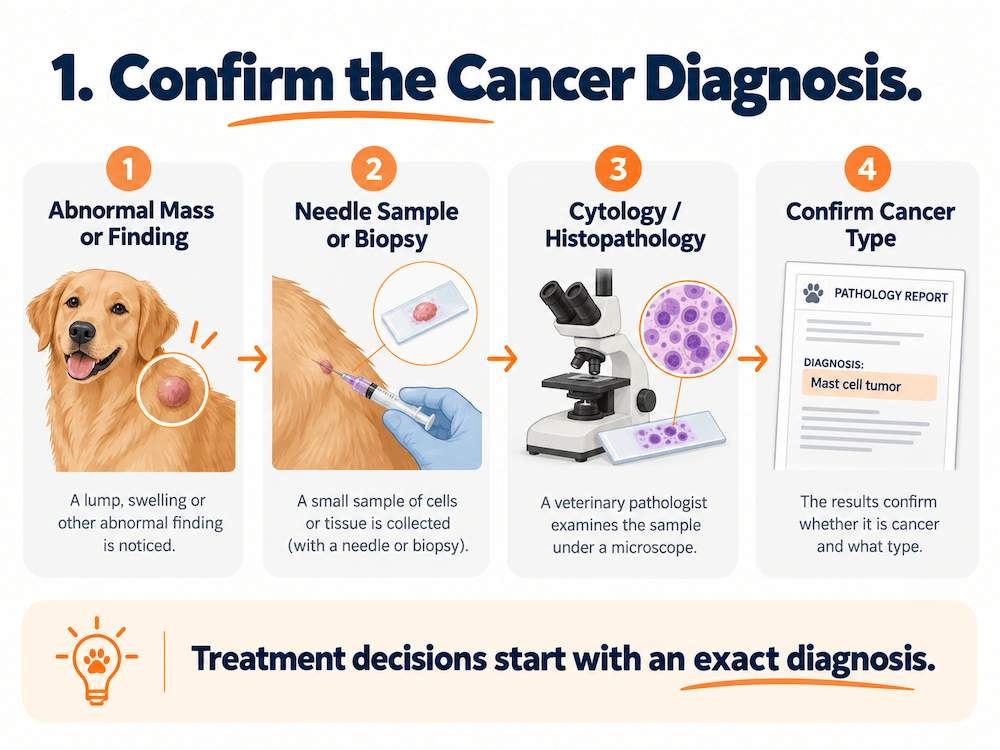
Before making treatment decisions, make sure the cancer diagnosis is as specific as possible. Depending on the tumor, confirmation may involve fine-needle aspiration, cytology, biopsy, or histopathology. Ask whether the exact tumor type and subtype are known and whether a pathology review would add useful information.
2. Determine the Cancer Grade and Stage
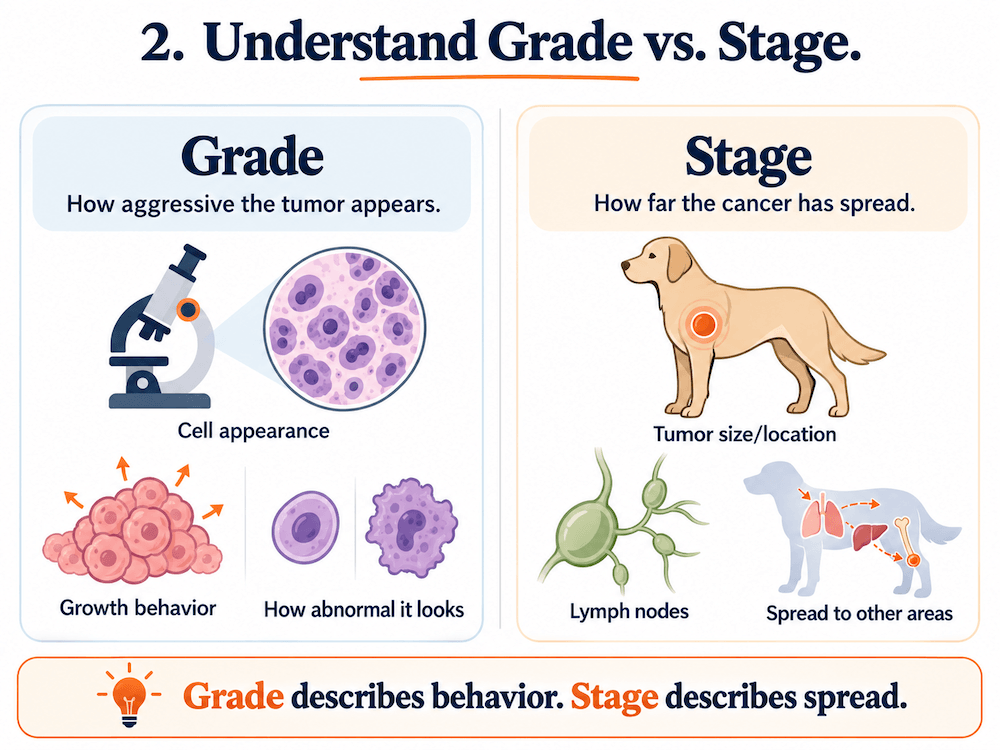
Ask whether grade, stage, or both are relevant to your dog’s cancer. Grade generally describes how abnormal the tumor cells look and may provide clues about aggressiveness, while stage describes how much cancer is present and whether it has spread. Not every cancer uses the same grading or staging system, so your veterinarian can explain which information matters most.


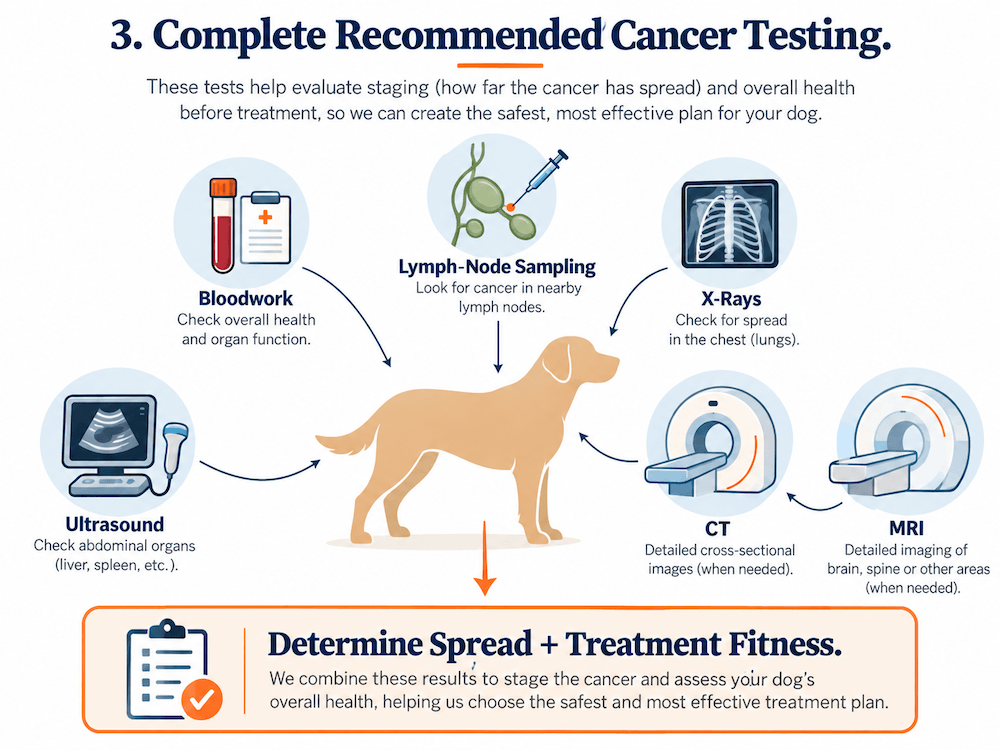
3. Complete Any Recommended Staging and Health Tests
Additional testing may be needed to determine whether the cancer has spread and whether your dog is healthy enough for treatment. Depending on the diagnosis, this may include bloodwork, urinalysis, lymph-node sampling, chest X-rays, ultrasound, CT, MRI, or other imaging. These tests are selected according to the cancer type rather than performed automatically for every dog.
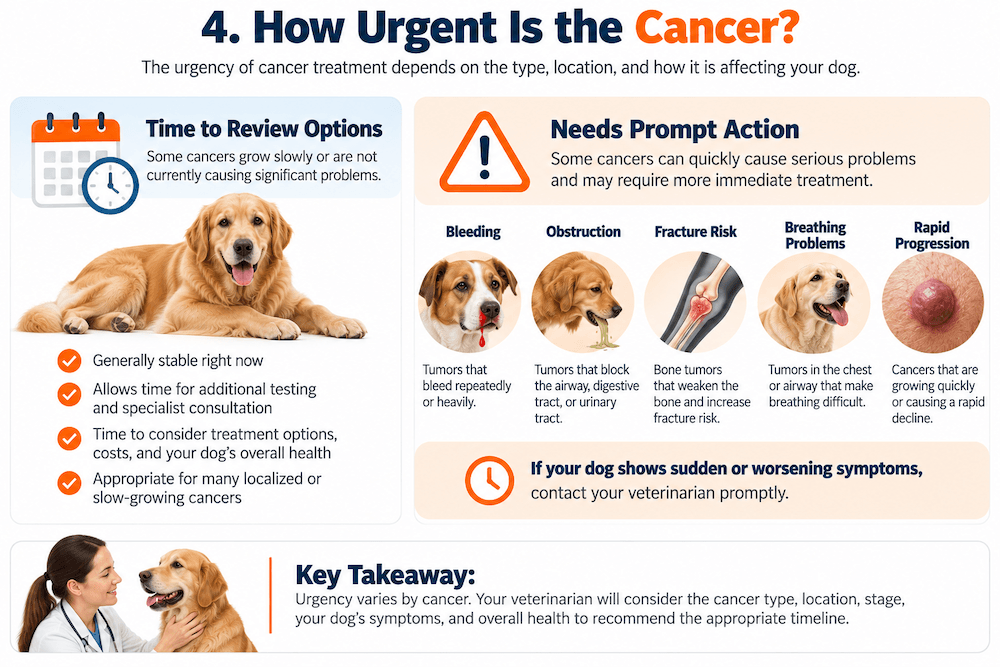
4. Find Out What Is Time-Sensitive
Ask your veterinarian how quickly a decision needs to be made. Some cancers allow enough time to obtain a specialist opinion and compare treatment options, while others can rapidly cause bleeding, obstruction, fractures, breathing problems, or other serious complications.
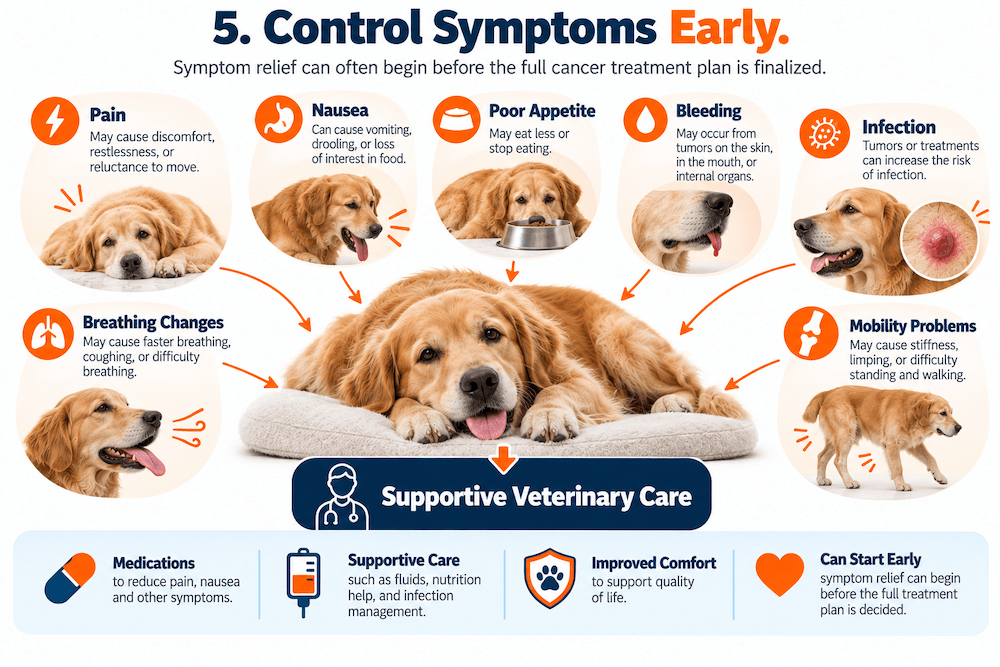
5. Control Pain and Other Current Symptoms
Cancer treatment planning should not delay relief from symptoms your dog is already experiencing. Pain, nausea, appetite loss, bleeding, breathing changes, infection, constipation, or mobility issues may require immediate supportive treatment.
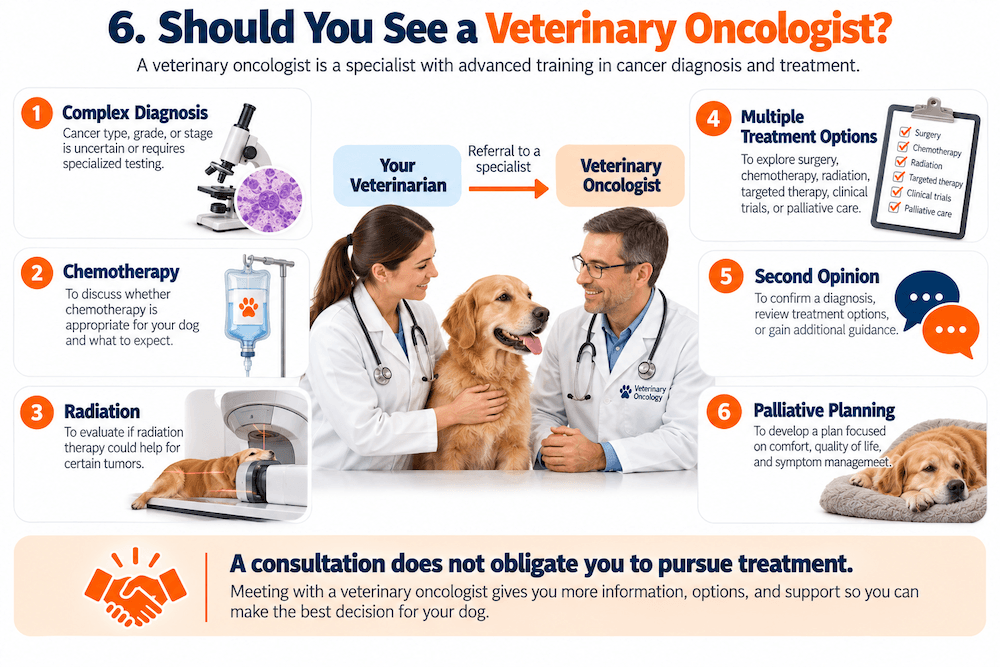
6. Ask Whether You Should See a Veterinary Oncologist
A referral may be worthwhile when the diagnosis is complicated, several treatment options are available, or specialized care such as chemotherapy or radiation is being considered. A veterinary oncologist can help clarify prognosis, treatment goals, expected side effects, and alternatives.
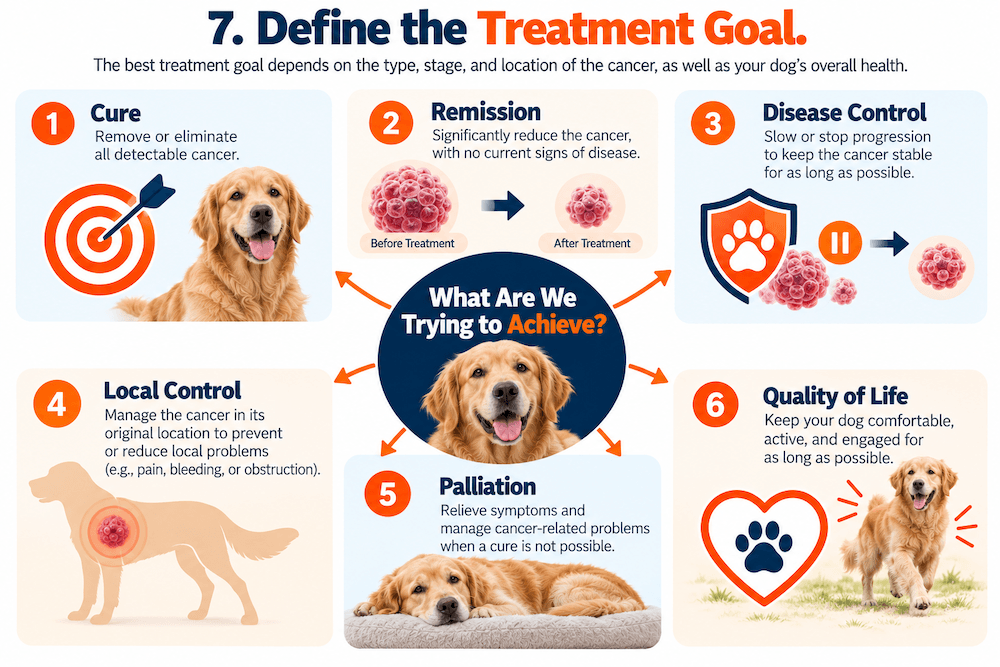
7. Define the Goal of Treatment
Before choosing therapy, ask what the treatment is realistically intended to accomplish. Depending on the cancer, the goal may be cure, remission, slowing progression, local tumor control, symptom relief, or preserving quality of life.
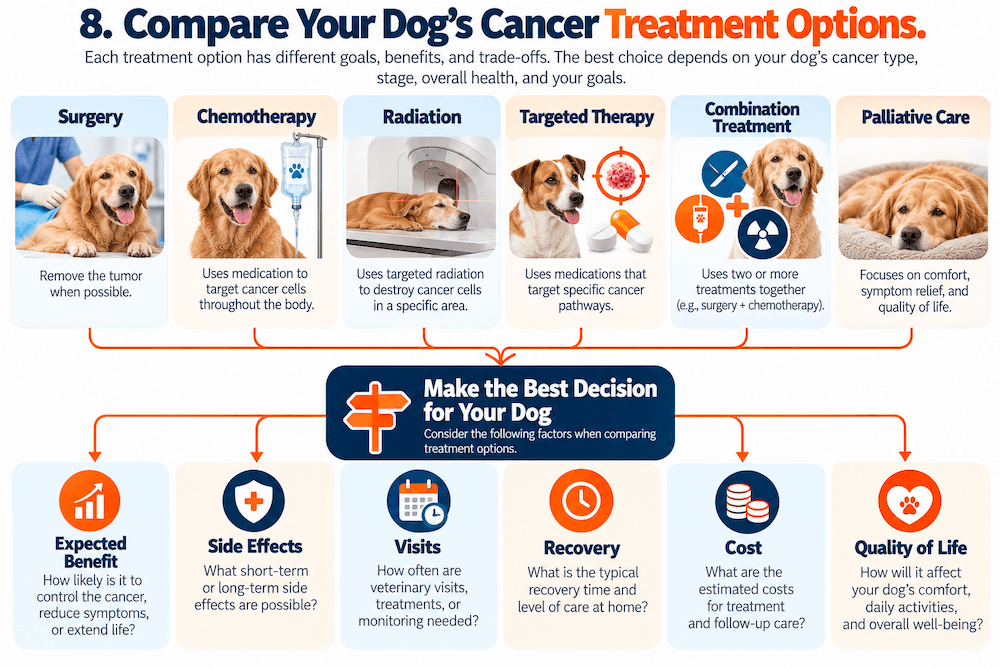
8. Review the Treatment Options and Their Trade-Offs
Ask what treatments are reasonable for your dog and what happens with treatment versus without it. Compare expected benefits, side effects, number of visits, anesthesia requirements, recovery time, cost, and how the plan may affect daily life.


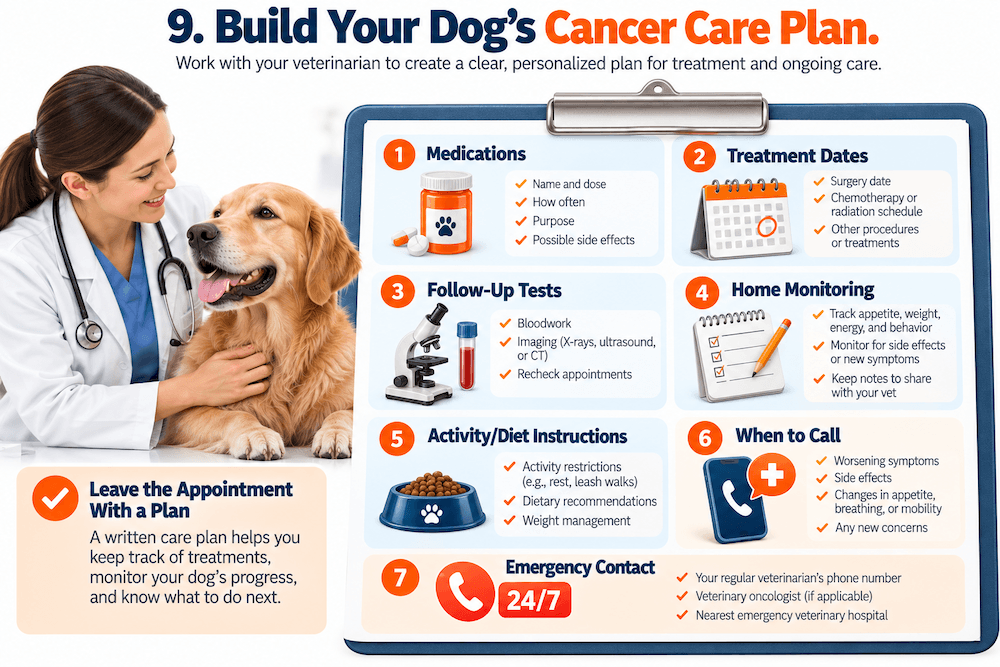
9. Make a Written Care and Follow-Up Plan
Before leaving the appointment, make sure you understand what happens next. Write down medications, treatment dates, monitoring instructions, diet or activity restrictions, follow-up testing, and which symptoms should trigger a call. Ask who to contact after hours and whether the oncology team has specific emergency instructions. Having a written plan can reduce confusion once treatment begins.
Common Types of Cancer in Dogs
Cancer in dogs can develop in almost any tissue. The following are among the important cancers dog owners may encounter, but behavior and prognosis can vary substantially even within the same cancer category.
| Cancer Type | Common Location or Presentation | What Owners Should Know |
|---|---|---|
| Lymphoma | Lymph nodes or other organs | Often systemic and commonly treated with chemotherapy. |
| Mast Cell Tumor | Skin or subcutaneous tissue | Behavior ranges from relatively localized to aggressive. |
| Osteosarcoma | Most often long bones | Can cause severe pain, lameness, and fracture risk. |
| Hemangiosarcoma | Spleen, heart, liver, other sites | May cause sudden internal bleeding or collapse. |
| Melanoma | Mouth, digits, skin | Behavior depends greatly on tumor location. |
| Mammary Tumor | Mammary glands | May be benign or malignant; pathology determines behavior. |
| Soft Tissue Sarcoma | Skin, muscle, connective tissues | Often locally invasive; complete local control matters. |
| Urothelial Carcinoma | Bladder or urinary tract | Can interfere with normal urination as disease progresses. |
| Brain Tumor | Brain or surrounding tissues | May cause seizures or behavioral and neurologic changes. |
| Other Carcinomas | Nasal cavity, mouth, lungs, organs | Treatment depends heavily on location, stage, and subtype. |
What Causes Cancer in Dogs?
Cancer develops when cells acquire changes that allow uncontrolled growth. In most individual dogs, there is no way to identify one specific cause.
The presence of a risk factor does not mean an owner caused the disease, and many dogs develop cancer without an identifiable preventable exposure.
Signs of Cancer in Dogs
Cancer can affect almost any organ, so there is no single set of symptoms. Many possible cancer signs are also caused by noncancerous diseases, which is why persistent or unexplained changes require veterinary evaluation rather than assumptions.
Treatment Options for Dogs With Cancer
Treatment depends on the tumor’s biological behavior rather than cancer being treated as one disease.
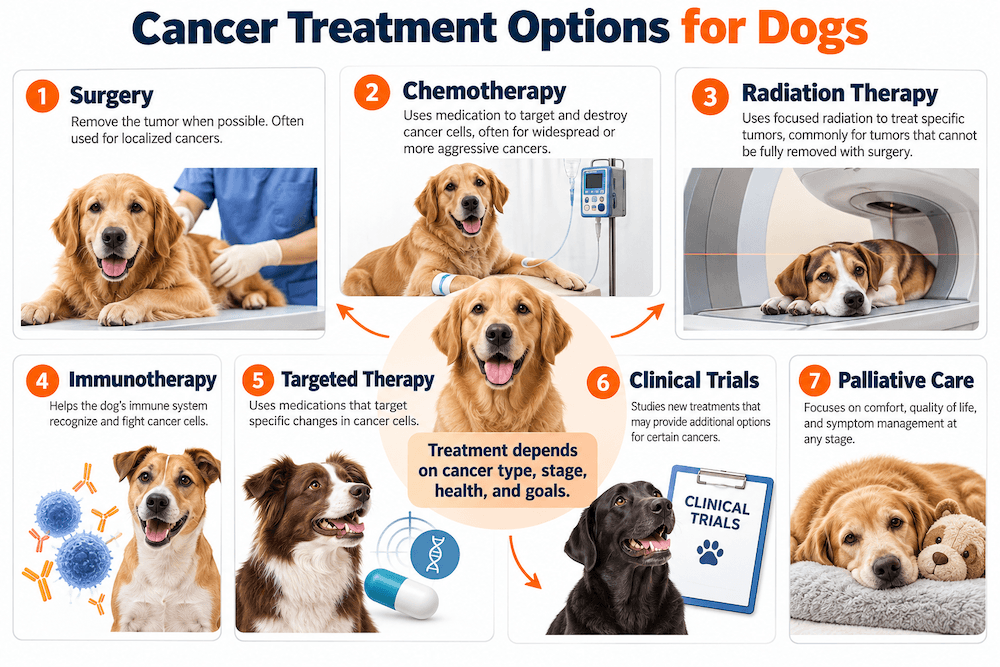
What Cancer Treatment Is Like for Dogs
Treatment experiences vary by cancer, protocol, and individual dog. Veterinary oncology plans generally aim to obtain meaningful cancer control while preserving acceptable day-to-day quality of life.
| Treatment | What Usually Happens | Common Considerations |
|---|---|---|
| Surgery | Tumor removal followed by recovery and pathology review. | Pain control, wound care, margins, and activity restriction. |
| Chemotherapy | Oral or injectable drugs given on a planned schedule. | Blood counts, appetite, GI signs, and infection risk. |
| Radiation | Precisely targeted treatments delivered over one or more sessions. | Positioning, anesthesia or sedation, and local tissue effects. |
| Follow-Up | Rechecks assess response, side effects, and overall health. | May include examinations, bloodwork, imaging, or measurements. |
| Adjustments | Treatment may be delayed, reduced, changed, or stopped. | Decisions depend on response, toxicity, and quality of life. |
If your dog receives chemotherapy, follow the clinic’s instructions for safely handling medications and bodily waste because precautions vary by drug and treatment protocol.
Paying for Cancer Treatment
Cancer care can range from relatively simple symptom management to months of specialized treatment. Ask for estimates before committing to a protocol so you can compare the expected benefit and total burden of realistic options.
| Option | What to Consider |
|---|---|
| Full-Course Estimate | Ask for total expected costs, including tests, treatment, and follow-up care. |
| Pet Insurance | Review coverage, deductibles, limits, exclusions, and pre-existing condition rules. |
| Financing | Ask whether payment plans or third-party financing are available. |
| Lower-Cost Protocols | Discuss less intensive options when standard treatment is not practical. |
| Teaching Hospitals & Trials | Explore specialty centers or clinical trials for additional treatment options. |
| Assistance Programs | Some charities may help with eligible veterinary expenses. |
| Palliative Care | Focus spending on comfort and symptom control when cancer treatment is not feasible. |
Financial limitations are a legitimate part of medical decision-making. Your veterinary team needs to know your constraints to help design a plan that is actually sustainable.
How to Care for a Dog With Cancer at Home
Home care should make normal activities easier while preserving as much independence and routine as possible.
What to Feed a Dog With Cancer
There is no single scientifically established “cancer diet” that is appropriate for every dog. The practical priority is usually a complete and balanced diet that your dog will reliably eat while maintaining healthy body weight and muscle.
Monitor weight and muscle condition rather than focusing only on the number on the scale. Treatment, nausea, altered taste or smell, pain, swallowing problems, digestive disease, and cancer itself can all reduce food intake.
Nutrition goal: Provide adequate calories, protein, essential nutrients, and hydration while accounting for any other medical conditions.
Make eating easier: Smaller meals, a highly palatable appropriate food, warming suitable food, or changing texture may help some dogs.
Avoid unnecessary disruption: Do not make a dramatic diet change simply because cancer was diagnosed unless there is a medical or nutritional reason.
What If Your Dog Won’t Eat?
If your dog with cancer stops eating or their appetite steadily declines, contact your veterinary or oncology team rather than repeatedly switching foods. Nausea, pain, treatment side effects, swallowing difficulty, or the cancer itself may be contributing, and addressing the cause is often more effective than simply offering different meals. Smaller portions, softer textures, warmed food, or a more calorie-dense complete diet may help in some cases, while anti-nausea medication, pain control, appetite support, or assisted nutrition may be needed. Avoid force-feeding a dog that is nauseated, distressed, or having trouble swallowing, as this can worsen food aversion and may be unsafe.
Should Dogs With Cancer Eat Raw Food?
Raw diets are generally not recommended for dogs undergoing cancer treatment, particularly when cancer or chemotherapy may reduce immune defenses. Raw animal products can contain disease-causing bacteria, creating unnecessary infection risk for both the dog and people handling the food or contaminated saliva and feces.
Can You Give Supplements to a Dog With Cancer?
Do not assume a supplement is harmless because it is sold without a prescription. Bring the actual product name, ingredient list, concentration, and dose to your veterinarian or oncologist before using it.
| Supplement Concern | Why It Matters |
|---|---|
| Drug Interactions | Ingredients may change medication effects or metabolism. |
| Bleeding Risk | Some products may affect platelets or blood clotting. |
| Surgery | Certain supplements may need to stop before procedures. |
| High-Dose Antioxidants | Potential treatment interactions should be reviewed individually. |
| Herbal or CBD Products | Potency, quality, sedation, and drug interactions may vary. |
| Multiple Products | Using several together makes interactions harder to identify. |
How to Tell If a Dog With Cancer Is in Pain
Dogs do not need to cry or whimper to be in pain. Chronic cancer pain may appear as subtle changes in posture, movement, sleep, appetite, or social behavior.
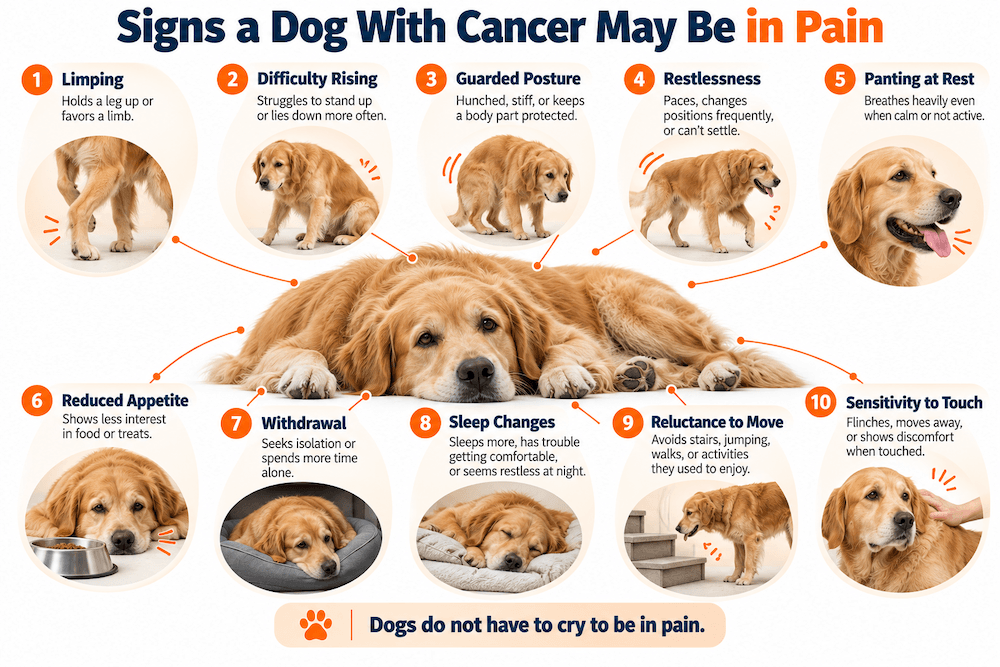
Managing Common Cancer Symptoms and Treatment Side Effects
Supportive care can make the difference between a treatment plan that is tolerable and one that becomes too burdensome. Contact your veterinary team when symptoms appear rather than changing medications or adding remedies independently.
| Problem | What You May Notice | What to Do |
|---|---|---|
| Pain | Restlessness, limping, guarding, panting, withdrawal | Request a veterinary pain-control plan. |
| Nausea | Drooling, lip licking, food avoidance, swallowing | Ask about antinausea treatment. |
| Vomiting | One or repeated episodes | Report persistent or repeated vomiting promptly. |
| Diarrhea | Loose, frequent, or watery stool | Monitor hydration and contact the treatment team. |
| Appetite Loss | Smaller meals, skipped meals, food refusal | Address nausea, pain, and calorie intake early. |
| Weight Loss | Falling body weight or muscle loss | Review calorie intake and nutrition plan. |
| Constipation | Straining, infrequent stool, hard stool | Ask before adding laxatives or dietary products. |
| Fatigue | Extra sleeping or reduced stamina | Track severity and recovery between treatments. |
| Mobility Problems | Weakness, stiffness, limping, difficulty standing | Discuss pain control and mobility support. |
| Tumor Wound/Bleeding | Discharge, odor, ulceration, or blood | Request wound-care instructions and evaluation. |
| Anxiety/Restlessness | Pacing, poor sleep, inability to settle | Check for pain, breathing problems, or nausea. |
Cancer Emergencies: When to Get Immediate Veterinary Help
Some cancer complications can become life-threatening quickly. Seek urgent veterinary care if your dog develops labored breathing, blue or gray gums, collapse, pale gums, sudden severe weakness, or a rapidly swollen abdomen, as these may indicate respiratory distress, internal bleeding, or shock.
Repeated seizures, prolonged seizure activity, severe disorientation, uncontrolled pain, heavy bleeding, or a sudden inability to stand or walk also require immediate assessment. Dogs with urinary tract tumors should be treated urgently if they repeatedly strain to urinate but produce little or no urine.
If your dog is receiving chemotherapy, radiation, or other cancer treatment, follow the emergency instructions provided by your oncology team. Some treatment-related complications can become serious before obvious outward signs appear.
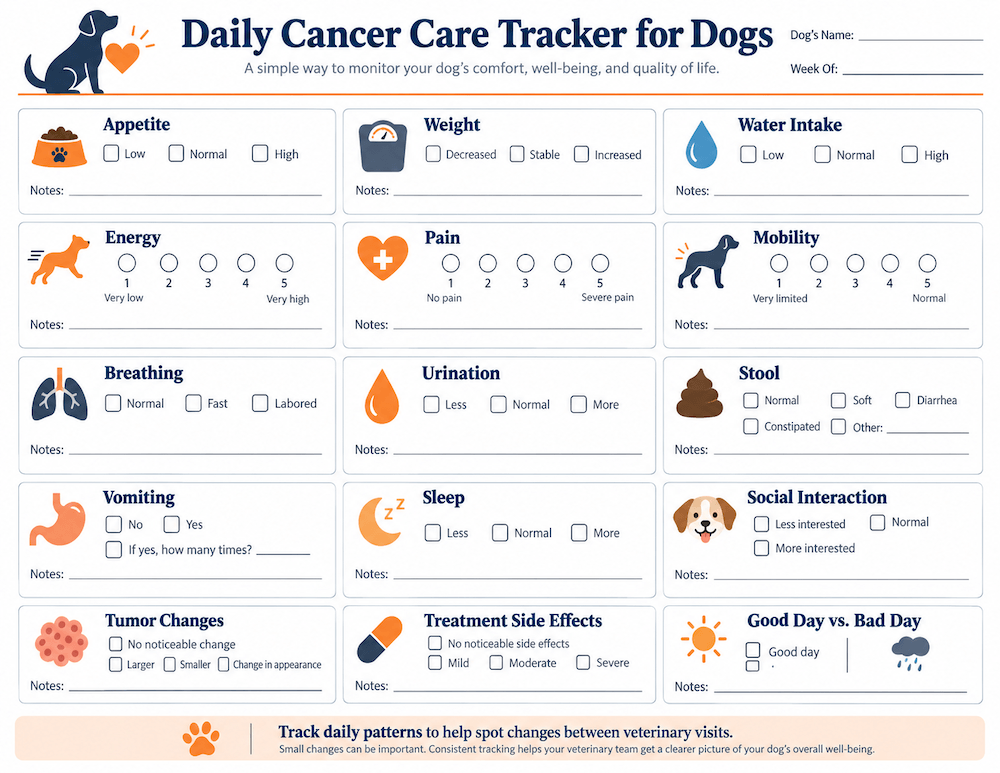
How to Monitor Your Dog During Cancer Treatment
A written log can reveal gradual changes that are difficult to recognize from memory alone. Record unusual findings and note whether they occur after treatment, improve between visits, or steadily worsen.
How Will You Know If Cancer Treatment Is Working?
Veterinarians assess treatment response using whatever measurements make sense for the particular cancer. This may include physical examinations, lymph-node or tumor measurements, bloodwork, imaging, repeat sampling, and changes in cancer-related symptoms.
| Response | What It Generally Means |
|---|---|
| Complete Remission | No measurable evidence of cancer remains on assessment. |
| Partial Response | Measurable cancer has decreased but has not disappeared. |
| Stable Disease | Cancer has not meaningfully shrunk or progressed. |
| Progressive Disease | Cancer has grown, spread, or otherwise worsened. |
What Not to Do When Your Dog Has Cancer
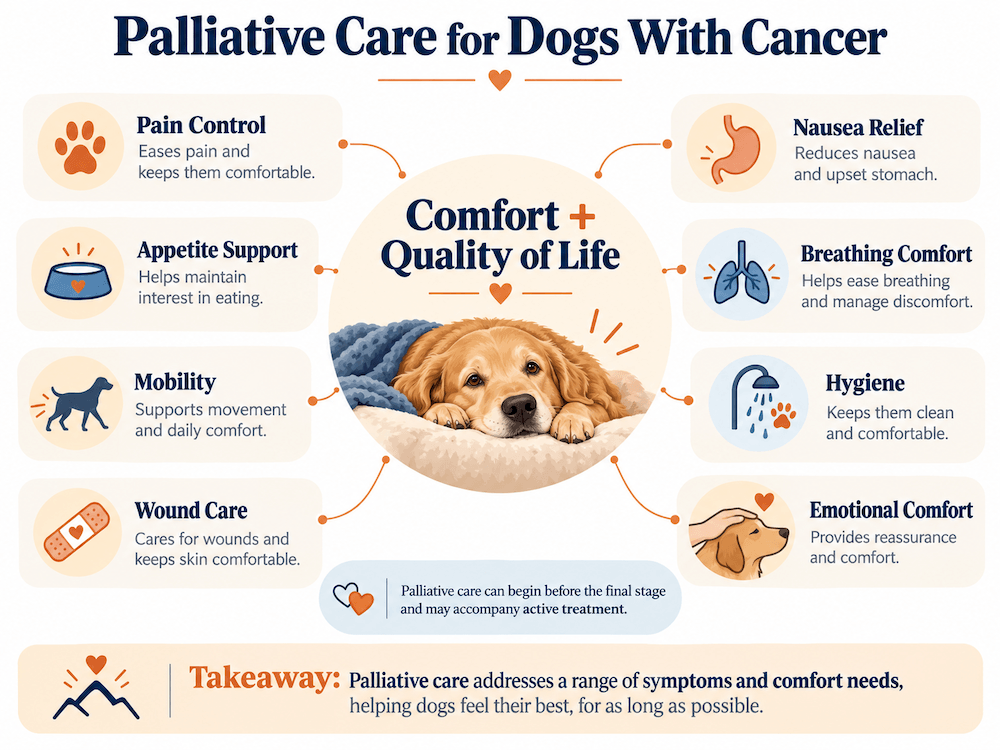
What Is Palliative Care for Dogs With Cancer?
Palliative care focuses on comfort and function rather than eliminating the cancer. Importantly, it does not have to wait until the final days of life; palliative measures can begin at diagnosis and may be used alongside surgery, chemotherapy, radiation, or other active cancer treatment.
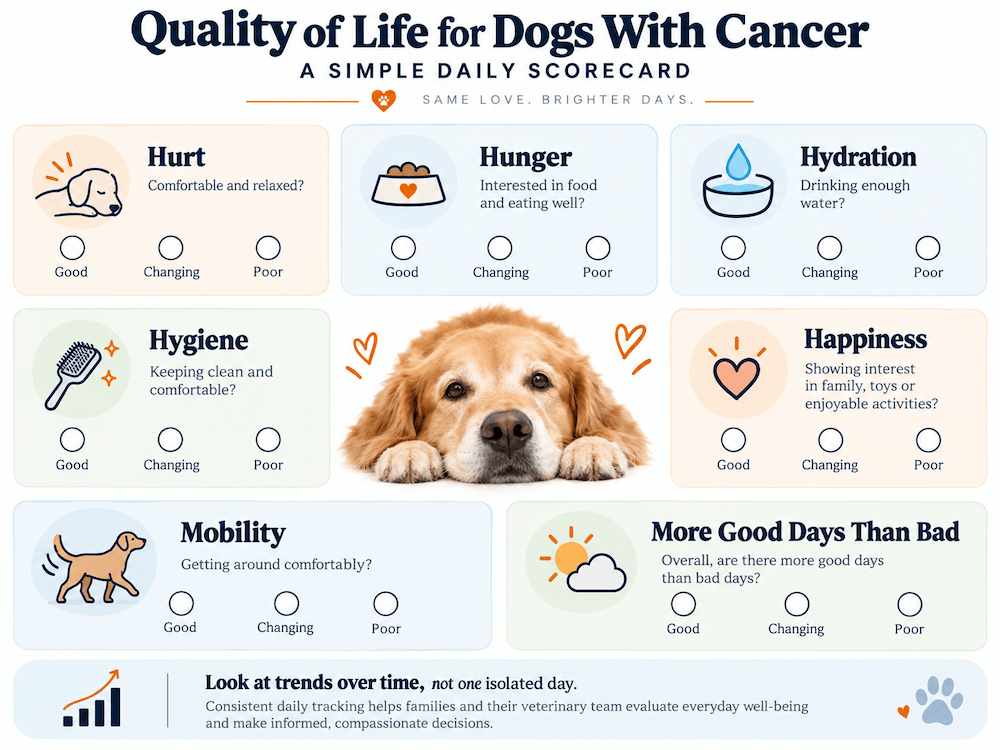
How to Measure Your Dog’s Quality of Life
Quality of life is more useful when assessed as a trend over time rather than based on one difficult afternoon. A commonly used framework examines seven areas of everyday well-being.
How to Know When It May Be Time to Say Goodbye
There is rarely one perfect sign that tells a family exactly when euthanasia should occur. The decision becomes more concerning when symptoms cannot be adequately controlled, and your dog can no longer comfortably participate in basic or meaningful parts of daily life.
Discussing these signs before a crisis occurs can help your family establish boundaries for what you consider an acceptable quality of life.
Taking Care of Yourself While Caring for a Dog With Cancer
Caring for a dog with cancer can involve anticipatory grief, disrupted schedules, difficult decisions, and financial pressure long before the end of life. Keeping yourself organized and supported can also make it easier to advocate for your dog.
What Veterinary Research Says About Cancer Treatment in Dogs
Peer-reviewed veterinary literature supports treating canine cancer according to the specific tumor type, stage, expected response, and individual dog, rather than using a one-size-fits-all approach. The 2026 Journal of the American Animal Hospital Association oncology guidelines emphasize confirming the diagnosis, staging when appropriate, combining treatment modalities when beneficial, and integrating pain control, nutrition, supportive care, and quality-of-life monitoring throughout treatment.[1]
Quality of life is also an important treatment outcome, not just survival time. Research published in the Journal of Small Animal Practice found that owners of dogs receiving multidrug chemotherapy for lymphoma generally considered their dogs’ quality of life acceptable during treatment despite treatment-related complications; a later review in the Journal of Veterinary Internal Medicine likewise emphasized the importance of measuring quality of life in veterinary cancer studies and clinical decision-making.[2]
Monitoring between appointments may help veterinarians recognize treatment effects and changing quality of life earlier. A recent study published in Veterinary and Comparative Oncology tested the Canine Cancer Outcome Measure (CAN-COM) in dogs receiving chemotherapy and found that owners could successfully complete daily symptom assessments and weekly quality-of-life evaluations at home; the tool still requires further validation. The same journal has also published standardized canine tumor-response criteria that use repeat measurements and imaging to distinguish response, stable disease, and progression during treatment.[3]
Frequently Asked Questions
The Bottom Line
A cancer diagnosis can feel overwhelming, but understanding the exact cancer type, stage, treatment options, and expected outcomes can make the next steps more manageable. Some dogs may benefit from surgery, chemotherapy, radiation, or other cancer-directed treatments, while others may be better supported with palliative care. Nutrition, pain control, mobility, symptom management, and a comfortable home environment all play important roles throughout care. Regular monitoring helps you and your veterinary team identify treatment side effects, cancer progression, and changes in quality of life. Because every cancer behaves differently, prognosis and treatment decisions should be based on your individual dog rather than the diagnosis alone. As your dog’s needs change, the care plan may need to change with them. The most important goal is to balance meaningful treatment with comfort, function, and a good quality of life.