If your dog’s waistline has quietly disappeared under a layer of extra fluff, their food bowl may be the best place to start making a change. Choosing the best dog foods for overweight dogs matters because excess weight can put added strain on joints, reduce mobility, and make everyday activity harder. The right formula should help control calories while still providing enough protein, fiber, essential fats, vitamins, and minerals to keep your dog satisfied and well-nourished. Just as important, a weight-management diet needs to support gradual, sustainable weight loss rather than leaving your dog constantly hungry. With shelves packed with “light,” “healthy weight,” and “low-calorie” formulas, knowing which claims actually matter can be confusing. In this guide, we’ll break down the best dog foods for overweight dogs, the key ingredients and nutritional features to look for, and how to choose the right option for your dog’s needs.
Latest Research on the Best Foods for Overweight Dogs
According to the latest research, effective dog foods for overweight dogs combine controlled calorie intake with a nutrient profile that supports fat loss while helping preserve lean body mass. Recent studies particularly support purpose-formulated hypocaloric diets with adequate protein and fiber, while emphasizing that calorie control remains a major driver of successful weight reduction.
📄Research Update — Weight-Loss Nutrition
Hypocaloric Diet Composition Can Influence Weight Loss and Body Composition
A 2025 meta-analysis of 20 studies found that hypocaloric diets with higher protein and fiber were associated with weight reduction and better preservation of lean mass in overweight and obese dogs. Lower dietary fat and carbohydrate levels were also associated with greater reductions in body fat, highlighting the importance of both calorie density and nutrient composition when selecting a weight-management food.[1]
📊Clinical Focus — Fat Loss & Lean Mass
A Therapeutic Weight-Loss Diet May Help Preserve Lean Body Mass
In a 2023 randomized study of 30 overweight and obese dogs, both calorie-restricted diets produced weight loss, but dogs fed a therapeutic weight-loss diet enriched with protein, fish oil, and soy germ meal lost significantly more body fat and maintained lean body mass compared with dogs fed the control diet. The therapeutic diet was also associated with improvements in several metabolic markers.[2]
⚠️Weight Management — Calorie Control
Diet-Based Calorie Restriction Is a Key Driver of Weight Loss
A randomized clinical trial in overweight pet dogs compared a therapeutic weight-loss diet with increased physical activity alone. Dogs receiving dietary calorie restriction lost a median of 10% of their starting body weight, while the activity-only group did not achieve significant weight loss, reinforcing the central role of controlled food intake in canine weight-management programs.[3]
Key Dietary Tips for Overweight Dogs
Managing an overweight dog requires reducing daily calorie intake while ensuring they still receive balanced, essential nutrients.
Core Dietary Strategy
What to Do
Calorie restriction
Feed fewer calories than your dog burns, targeting a safe weight loss rate of 1% to 2% of body weight per week.
High protein & fiber
Choose specialized or therapeutic foods with higher protein to preserve lean muscle mass and added fiber to help your dog feel full.
Precise portioning
Use a kitchen gram scale rather than volume measuring cups for accurate daily food tracking.
Limit treats
Restrict treats and table scraps to no more than 10% of your dog’s total daily calories, and deduct that amount from their main meals.
Add healthy fillers
Mix low-calorie additions like green beans or plain canned pumpkin into meals to increase hydration and satiety.
Remember to ALWAYS consult with your vet before making any changes that could affect your dog’s health, nutrition, or well-being. If you can’t reach your vet, you can chat live with a registered online veterinary professional via our online vet chat or video chat support(24 hours a day, 7 days a week). Or use Chewy’s online vet services(6 a.m. – midnight ET). Additionally, at-home dog gut health tests can analyze your dog’s microbiome, offering insights into which nutrients their diet should include. Similarly, at-home dog allergy testing kits can identify ingredients that may not be suitable for your dog, enabling you to choose the right diet and care plan to support optimal digestion, nutrition, and health.
Best Dog Food for Overweight Dogs
Here are the best dog foods for overweight dogs this year.
Best Overall Dog Food for Overweight Dogs
4.9
★★★★★
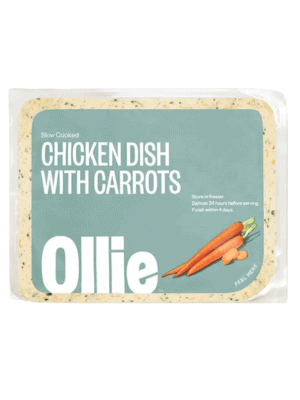
Ollie Chicken Dish With Carrots
Who It’s For: Dog owners who want a balanced, lower-calorie diet that supports healthy weight loss while keeping overweight dogs satisfied and well-nourished.
Why we recommended it:Ollie Chicken Dish With Carrots recipe uses human-grade ingredients, minimal processing, and vet-formulated recipes. Unlike many weight-loss kibbles that rely on fillers or artificial additives, this fresh food uses whole ingredients like chicken, chicken livers, carrots, and spinach to deliver essential nutrients without empty calories. It’s naturally lower in calories and fat compared to most commercial dog foods, yet rich in protein to help maintain lean muscle mass during weight loss. The pre-portioned delivery and personalized model also make calorie control easy—no need to second-guess serving sizes.
What sets it apart from competitors: Ollie’s meals are gently cooked and delivered fresh, preserving more nutrients, bioavailability, and flavor than regular kibble. Its lower calorie content compared to other Ollie recipes makes it especially helpful for weight management.
Get 50% OFF your first order with Canine Bible’s link.
Who It’s For: Dog owners seeking convenient, portion-friendly kibble with controlled calories, ample protein, and fiber to help overweight dogs feel full.
Why we recommended it:Open Farm’s Healthy Weight recipe combines lean proteins with a low-fat, high-fiber profile that supports healthy digestion and satiety, important for weight management. Unlike many standard “diet” kibbles, it avoids empty fillers and instead relies on nutrient-dense ingredients, such as pumpkin, coconut oil, and legumes, to provide balanced energy. It includes L-carnitine, which aids fat metabolism, while prebiotic fiber and fructooligosaccharides promote digestive health and beneficial gut bacteria. We love the brand’s commitment to transparency, ethical sourcing, and sustainability.
What sets it apart from competitors: Every ingredient is 100% traceable to its geographic origin, and the brand uses humanely raised, G.A.P.-certified chicken and Ocean Wise-recommended wild-caught whitefish. It also avoids rendered meat meals, artificial preservatives, and fillers, focusing instead on whole, non-GMO ingredients. The company’s environmental efforts, such as recyclable packaging through Terracycle, further distinguish it from other brands.
Why we recommended it:JustFoodForDogs’ Fish & Sweet Potato recipe is formulated to provide all essential nutrients growing puppies need, while maintaining a lean protein-to-fat ratio that supports weight management. It’s a vet-recommended option, carefully balanced to meet AAFCO nutrient profiles for puppy growth. The moisture-rich formula promotes hydration and helps dogs feel full on fewer calories—something most dry kibble options can’t offer for weight-conscious pups. The use of wild-caught white fish (cod, pollock, haddock) provides easily digestible protein and a rich supply of omega-3 fatty acids, which promote skin and coat health. High calcium and phosphorus levels meet the nutritional needs of growing puppies, supporting the development of strong bones and tissues.
What sets it apart from competitors: The recipe is hand-prepared in open kitchens using 100% human-grade ingredients and contains no additives, preservatives, or growth hormones, which appeals to owners seeking transparency and quality. We love its fresh, whole-food composition and that all the ingredients are visible in the food. This recipe is also ideal for adults.
Best Wet Dog Food for Overweight Dogs
4.7
★★★★★
Petplate Lean & Mean Venison
Who It’s For: Dog owners who want a moisture-rich, satisfying meal with controlled calories to help overweight dogs manage portions and stay fuller longer.
Why we recommended it:PetPlate’s Lean & Mean Venison offers a lean, high-protein profile that promotes fat loss while preserving lean muscle, crucial for healthy weight reduction. The wet, gently cooked format is more hydrating and palatable than dry food, which is a big plus for dogs with low water intake or those who tend to be finicky eaters. Portion-controlled containers make it easy for owners to serve exact calorie amounts without guesswork. This recipe utilizes USDA-inspected venison as its primary ingredient—a novel protein rarely found in mainstream dog foods, which reduces the risk of allergic reactions and makes it ideal for elimination diets. The inclusion of venison liver provides bioavailable vitamins, while apples, carrots, and sweet potatoes offer natural fiber and antioxidants to aid digestion.
What sets it apart from competitors: Prepared in USDA-approved kitchens with 100% human-grade ingredients, the recipe avoids artificial additives, fillers, and common allergens, such as soy and corn.
Best Dog Food for Overweight Dogs with Allergies
4.6
★★★★★
Addiction Wild Kangaroo & Apples
Who It’s For: Overweight dogs with food allergies that need limited or carefully selected ingredients while still supporting safe, gradual weight management.
Why we recommended it:Addiction’s Wild Kangaroo & Apples recipe is a rare find in the world of allergy-friendly diets that also support weight loss in overweight dogs. With its low-fat content, high protein, and limited ingredients, it delivers clean, focused nutrition that doesn’t overload the digestive system. The formula is grain-free and enriched with antioxidant-rich fruits and vegetables, such as apples, spinach, and cranberries, to support immune and skin health. The use of wild kangaroo as the primary protein source sets this food apart. It’s ultra-lean and ethically sourced, and offers a hypoallergenic alternative to more common proteins like chicken or beef.
What sets it apart from competitors: The food is gently air-dried at low temperatures to retain more nutrients, which appeals to owners seeking a less processed dry food. Plus, kangaroo is naturally lean and rich in CLA (conjugated linoleic acid), which promotes healthy metabolism.
Best Dog Food for Overweight Senior Dogs
4.7
★★★★★
Dr. Tim’s Weight Management Metabolite
Who It’s For: Senior dogs carrying extra weight who need controlled calories, quality protein, and age-friendly nutrition to support mobility and lean muscle.
Why we recommended it:Dr. Tim’s Metabolite Formula is one of the few weight control options that directly targets fat metabolism through a science-backed nutritional profile. It includes ingredients like L-carnitine to support energy conversion, and it’s carefully balanced with a higher protein-to-fat ratio to help older dogs maintain lean body mass. The recipe also features Omega-3 fatty acids, L-carnitine, and antioxidants, which are important for joint, brain, and fat metabolism, as well as reducing inflammation and supporting immune health in seniors. The inclusion of prebiotics (chicory root) and probiotics (Bacillus coagulans) promotes gut health, addressing common digestive concerns in seniors. Dr. Tim’s uses high-quality meat concentrates and functional fibers, including psyllium husk and beet pulp, to balance satiety and nutrient absorption.
What sets it apart from competitors: This formula actively supports metabolic function through patented ingredients, including DMG (dimethylglycine) and prebiotics, which promote gut health. The kibble is also designed to be easily digestible, which is crucial for older dogs with more sensitive systems.
Best Large-Breed Dog Food for Overweight Dogs
4.8
★★★★★
Purina Pro Plan Large Breed Weight Management
Who It’s For: Large-breed dogs that need weight-control nutrition with balanced calories and joint-supportive nutrients to reduce strain from excess body weight.
Why we recommended it:Purina Pro Plan’s Large Breed Weight Management formula strikes an effective balance between calorie control and optimal nutrition support for large breeds. Its well-balanced macronutrients help retain lean muscle while promoting fat loss, making it ideal for breeds like Labradors, Great Danes, and Mastiffs—dogs that are prone to obesity but still require robust joint support. The formula is also fortified with glucosamine and EPA, omega-3 fatty acids that support joint function, which is especially important for heavier dogs susceptible to hip and elbow issues. Antioxidants and live probiotics (600 million CFU/lb) are added to support gut health and immune function, critical for aging large breeds.
What sets it apart from competitors: Breed-specific focus tailored to meet the metabolic and structural demands of large breeds. Wheat bran and natural fiber sources aid digestion and help curb hunger, addressing the “always hungry” feedback often associated with diet foods.
Best Small-Breed Dog Food for Overweight Dogs
4.7
★★★★★
Eukanuba Fit Body Small Breed
Who It’s For: Small overweight dogs that need nutrient-dense, calorie-controlled meals in appropriately sized portions to support steady weight loss.
Why we recommended it:Eukanuba Fit Body Small Breed stands out for offering a calorie-smart formula with a high protein content that supports muscle retention while reducing fat. The kibble is specifically shaped for smaller mouths, making it easier to chew and digest. Additionally, it contains L-carnitine—a nutrient that aids in converting fat into energy, which is crucial for dogs that need to slim down without compromising their strength or stamina. It’s particularly beneficial for breeds like Dachshunds, Pomeranians, and Chihuahuas that gain weight easily and have faster metabolisms compared to larger breeds.
What sets it apart from competitors: It’s specifically calibrated for the metabolism and energy needs of small breeds. It also includes added DHA and antioxidants for brain and immune health. The addition of higher levels of glucosamine and chondroitin sulfate (over 50% more than the standard formula) provides enhanced joint support, which is particularly crucial for small breeds that carry extra weight.
Best Prescription Dog Food for Overweight Dogs
4.8
★★★★★
Hill’s Prescription Diet r/d Weight Loss
Who It’s For: Overweight dogs that need veterinarian-guided weight management with therapeutic nutrition designed for controlled calorie intake and satiety.
Why we recommended it:Hill’s Prescription Diet r/d is one of the most widely trusted therapeutic weight-loss diets available. It has been clinically tested to help reduce body fat by up to 22% in just eight weeks. The formula is low in calories and fat but high in fiber, which promotes a feeling of fullness and supports healthy digestion. The high L-carnitine content helps metabolize fat while maintaining lean muscle, ensuring safe, gradual weight loss without nutritional gaps. It’s best suited for dogs under veterinary care for weight-related health conditions, such as joint stress, diabetes, or heart disease, and for owners who want a vet-formulated solution with proven results. It’s specifically formulated to support satiety and fat metabolism at a therapeutic level.
What sets it apart from competitors: Its use of powdered cellulose (a non-fermentable fiber) creates bulk without excess calories, a unique feature compared to diets relying on fermentable fibers like beet pulp. It also contains taurine for heart health and S+OXSHIELD to reduce the risk of urinary crystals, addressing secondary complications of obesity.
Best Dog Food for Overweight Dogs with Sensitive Stomachs
4.6
★★★★★
SquarePet VFS Digestive Support
Who It’s For: Overweight dogs with sensitive stomachs that need gentle, digestible ingredients plus controlled calories for comfortable weight management.
Why we recommended it:SquarePet’s VFS Digestive Support formula is one of the few dry dog foods that effectively combines weight control with gut health. It’s crafted with wild-caught whitefish, a lean protein that’s gentle on digestion. The inclusion of a proprietary GI Health blend, which includes prebiotics and dietary fiber, supports gut microbiome balance. Meanwhile, Omega-3 fatty acids (DHA and EPA) reduce inflammation and improve skin and coat health. Veterinarian-formulated and free from artificial additives, it’s crafted for dogs needing both weight control and digestive reassurance. Owners report fewer episodes of vomiting or diarrhea, even in dogs with chronic gastrointestinal issues.
What sets it apart from competitors: SquarePet’s formula prioritizes sustainable, MSC-certified fish and avoids poultry and beef allergens common in sensitive stomach diets. Its dual focus on low-fat nutrition and prebiotic support distinguishes it from competitors.
Best Grain-Free Dog Food for Overweight Dogs
4.6
★★★★★
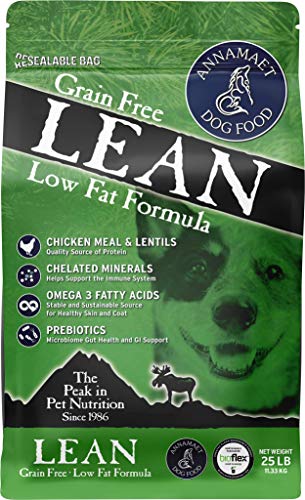
Annamaet Grain-Free Lean
Who It’s For: Dog owners seeking a grain-free formula with controlled calories and satisfying protein for overweight dogs that do better without grains.
Why we recommended it:Annamaet Grain-Free Lean Reduced Fat Formula features high protein content paired with L-carnitine to boost fat metabolism and maintain lean muscle. The inclusion of Omega-3 fatty acids from menhaden oil and algae-derived DHA supports skin, coat, and cognitive health, while chelated minerals enhance nutrient absorption. It also includes prebiotics and probiotics, such as chicory root and Lactobacillus acidophilus, which support gut-brain health. Their products are holistic and GMO-free, utilizing artisanal production methods that enable small batches and slow cooking.
What sets it apart from competitors: Made in the USA with human-grade ingredients and eco-friendly packaging made from Bio-Flex materials, specifically engineered to biodegrade in landfills, appealing to environmentally conscious buyers. Annamaet Pet Foods is a family-owned and operated company that has provided optimum nutrition to dogs and cats for over 30 years.
Best Food for Joint & Hip Health of Overweight Dogs
4.9
★★★★★
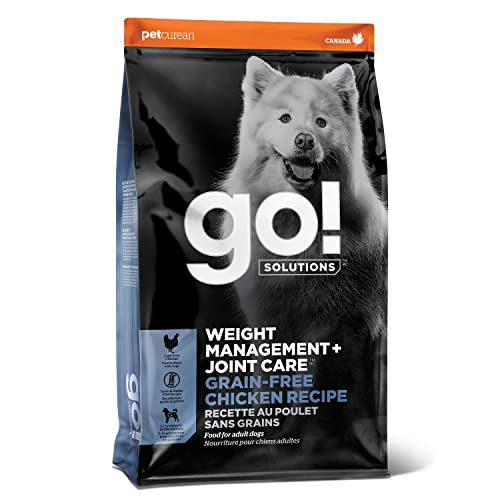
Go! Solutions Weight Management + Joint Care
Who It’s For: Overweight dogs needing calorie control plus joint-supportive nutrients to help reduce excess load on hips and maintain comfortable movement.
Why we recommended it:Go! Solutions Weight Management + Joint Care is crafted with a high-quality blend of protein, fat, and fiber that helps dogs lose weight while preserving lean muscle mass. The recipe includes glucosamine and chondroitin, two key ingredients that support cartilage repair and joint health, improve mobility, and reduce inflammation in dogs that struggle with joint stiffness. The food also features omega fatty acids from salmon oil, which help maintain healthy skin and coat, while being gentle on the digestive system. Made with deboned chicken or salmon as the primary ingredient, even the pickiest eaters can’t resist it.
What sets it apart from competitors: Fiber-rich psyllium husk and chicory root, which promote satiety and help curb hunger between meals. Owners report dogs “stay full longer” and show improved mobility within weeks.
Other Dog Foods for Overweight Dogs
Best homemade-style dog food for overweight dogs:Raised Right Pork & Pumpkin Paté for Adult Dogs stands out for its simple, homemade-style ingredients and limited carbohydrate content. This gently cooked paté is rich in animal protein while maintaining moderate fat levels, making it an ideal choice for dogs that need to lose weight without compromising their nutrition. It’s made with whole foods you can recognize, like pork, pumpkin, and organic spearmint. Owners love that it’s lightly cooked rather than heavily processed, and many report noticeable improvements in their dog’s weight, energy, and coat quality. If you’re looking for a weight loss dog food that feels closer to home cooking, this is one of the healthiest choices.
Best affordable dog food for overweight dogs:Natural Balance Fat Dogs is a budget-friendly option that doesn’t compromise on quality or results. Formulated specifically for overweight dogs, it features a lower calorie density while maintaining a good protein-to-fat ratio to support lean muscle. It also includes added fiber to help dogs feel fuller longer, a key factor in successful weight management. For cost-conscious pet parents looking to help their dog slim down, Natural Balance Fat Dogs is a smart pick.
Best food for weight management in overweight dogs:Purina Pro Plan Weight Management Shredded Blend Chicken & Rice offers a balanced approach to weight loss by combining high-protein kibble with tender shredded pieces. It’s enriched with probiotics for digestive health and has a slightly higher protein content than many weight management formulas, helping maintain muscle during weight loss. Plus, its targeted nutrient blend supports joint health, a major bonus for overweight dogs prone to mobility issues. If you need a proven formula backed by science, Purina Pro Plan is hard to beat.
Best dog food topper for overweight dogs:Nulo Freestyle Puppy & Dog Wet Dog Food Topper makes managing your dog’s weight easier — and tastier. Packed with high-quality animal protein and low in carbohydrates, this topper can enhance your dog’s regular weight management food without adding unnecessary calories. It’s made without artificial fillers or grains, focusing instead on simple, nutritious ingredients like turkey, cod, or chicken. Many owners find that adding this topper keeps their dogs excited about mealtime, especially when cutting calories otherwise makes food less appealing. If you’re looking for a simple way to add variety while keeping the diet on track, Nulo Freestyle is a top pick.
How to Transition Your Overweight Dog to a Weight-Loss Diet
Changing foods gradually gives your dog’s digestive system time to adjust and can reduce the chance of stomach upset. Most dogs can transition over about 7–10 days, although dogs with sensitive digestion may need a slower change.
Transition Stage
Old Food
New Weight-Loss Food
What to Do
Days 1–2
75%
25%
Mix both foods thoroughly and keep meals measured.
Days 3–4
50%
50%
Continue the change if your dog is tolerating the mixture well.
Days 5–6
25%
75%
Increase the new food while keeping portions consistent.
Day 7+
0%
100%
Feed the new diet as directed; slow the transition if digestive upset occurs.
Monitoring Your Dog’s Progress on a Weight-Loss Diet
After the switch, watch your dog’s appetite, stool quality, vomiting, and energy level. Mild digestive changes can occur during a food transition, but persistent diarrhea, repeated vomiting, refusal to eat, or marked lethargy should be discussed with your veterinarian.
Track weight and body condition regularly rather than relying only on appearance. Look for steady progress and note whether any existing symptoms improve or worsen after the diet change. Dogs with ongoing medical conditions, significant obesity, or prescription diets should have their progress monitored with veterinary guidance so the feeding plan can be adjusted safely.
When a Weight-Loss Diet May Not Be Enough
Some overweight dogs need more than a dietary change, particularly when endocrine disorders such as hypothyroidism or Cushing’s disease, certain medications, chronic pain, limited mobility, or household feeding habits contribute to excess weight. In these cases, a veterinarian may recommend diagnostic testing, treatment of an underlying condition, medication adjustments, a tailored activity plan, or a more structured veterinary weight-management program.
The Bottom Line
Choosing the best dog foods for overweight dogs starts with finding a nutritionally complete formula that supports controlled calorie intake without sacrificing essential nutrition. Protein, fiber, appropriate fat levels, and nutrient density can all play important roles in a well-designed weight-management diet. The right choice should also match your dog’s age, size, health needs, and preferred food type. Gradually transitioning to the new food can make the change easier on your dog’s digestive system. Once the new diet is established, regular weight checks, body-condition monitoring, and attention to appetite, stools, and energy can help you judge how well the plan is working. Dogs with significant excess weight or underlying medical concerns may need additional veterinary support alongside dietary changes. With consistent portions, an appropriate food, and ongoing monitoring, owners can take a more structured approach to helping their dogs reach and maintain a healthier weight.
Canine Bible uses only high-quality sources, including peer-reviewed studies, to support the facts within our articles. Read our editorial process and product review methodology to learn more about how we fact-check, test products, and keep our content accurate, reliable, and trustworthy.
Canine Bible authorship represents the unified voice of our entire editorial team and our in-house veterinarians rather than a single author. Each article, blog post, and review published under the Canine Bible name undergoes a rigorous review process, involving all team members to guarantee accuracy and up-to-date in accordance with the latest veterinarian research. This collaborative effort is an integral part of our editorial process and aligns with our four pillars of content creation. This approach ensures our content is backed by expert knowledge and factual information, offering our readers reliable, actionable, and trustworthy content.