When a dog’s immune system starts attacking its own healthy tissues, even something as routine as mealtime can take on greater importance. Canine lupus is a complex autoimmune condition that may affect the skin, joints, kidneys, blood cells, and other organs, making balanced nutrition especially important for supporting overall health alongside veterinary treatment. While food cannot cure lupus, the right diet can help maintain a healthy weight, provide high-quality protein and essential fatty acids, and support the body during periods of inflammation or reduced appetite. Choosing poorly suited food may also make digestive sensitivities, weight changes, or other treatment-related challenges harder to manage. The best dog foods for lupus prioritize complete nutrition, digestibility, appropriate fat and protein levels, and ingredients suited to your dog’s individual medical needs. In this guide, we’ll break down the best dog foods for lupus, what nutrients and ingredients to look for, what to avoid, and how to choose the right option with your veterinarian.
Can Diet Help Dogs with Lupus?
Diet can help dogs with lupus by making day-to-day treatment easier to manage, especially when medications affect appetite, thirst, or digestion. Consistent meal timing, measured portions, and foods that your dog tolerates well can reduce unnecessary digestive stress and make it easier to give oral medications with meals when directed. Because treatment plans can change over time, any major dietary adjustment should be discussed with your veterinarian to ensure it fits your dog’s medications and current health status.
Latest Research on Diet & Lupus in Dogs
According to the latest research, there is no proven therapeutic diet for canine lupus, and nutrition is best used as supportive care alongside veterinary treatment. Current evidence suggests that dietary strategies should be individualized, with particular attention to overall nutritional adequacy and complications such as kidney involvement.
📄Research Update — Canine Lupus Nutrition
No Specific Dog Food Has Been Proven to Treat Lupus
Canine lupus research has not established a therapeutic “lupus diet” or identified a specific food that controls the disease. A comprehensive review of canine cutaneous lupus found only limited and inconsistent evidence for dietary changes, so nutrition should be considered supportive rather than a replacement for veterinary treatment.[1]
📊Nutrition Focus — Fatty Acids
Fatty Acids Have Been Used as Supportive Care in Canine Cutaneous Lupus
An early case series involving German Shorthaired Pointers with lupoid dermatosis, now classified within the canine cutaneous lupus spectrum, recommended fatty acids alongside symptomatic treatment. However, the study involved only five dogs and did not establish that fatty acids—or foods rich in them—can control lupus on their own.[2]
⚠️Evidence Check — Omega-3s & Lupus
Omega-3s Are an Adjunct, Not a Proven Lupus Treatment
In a study of six German Shorthaired Pointers with exfoliative cutaneous lupus, dogs received omega-3 fatty acids as a mild anti-inflammatory supplement while researchers evaluated other therapies. Because omega-3s were not tested as an isolated dietary treatment—and disease still progressed—the study does not show that omega-3 supplementation or an omega-3-rich food can treat canine lupus.[3]
Key Dietary Requirements for Dogs with Lupus
Dogs with lupus may have different nutritional needs depending on their symptoms, disease severity, and any organ involvement. The goal is to choose a diet that supports overall health, maintains adequate nutrition, and can be adjusted as their condition changes.
Dietary Requirement
What to Look For
Why It Matters
Reliable calorie intake
Palatable food that helps maintain body weight and normal intake.
Poor appetite and weight loss have been documented in dogs with systemic lupus.[4]
Easy-to-eat texture
Wet or softened food if oral lesions make eating uncomfortable.
Partial anorexia and oral ulceration have occurred in canine SLE cases.[5]
Kidney-guided food choice
A veterinarian-selected diet when proteinuria or renal disease is present.
Renal disorders occurred in 65% of dogs in a 75-case canine SLE study.[6]
Remember to ALWAYS consult with your vet before making any changes that could affect your dog’s health, nutrition, or well-being. If you can’t reach your vet, you can chat live with a registered online veterinary professional via our online vet chat or video chat support(24 hours a day, 7 days a week). Or use Chewy’s online vet services(6 a.m. – midnight ET). Additionally, at-home dog gut health tests can analyze your dog’s microbiome, offering insights into which nutrients their diet should include. Similarly, at-home dog allergy testing kits can identify ingredients that may not be suitable for your dog, enabling you to choose the right diet and care plan to support optimal digestion, nutrition, and health.
Best Dog Foods for Lupus
Here are the best dog foods for Lupus this year.
Best Overall Dog Food for Lupus
4.9
★★★★★
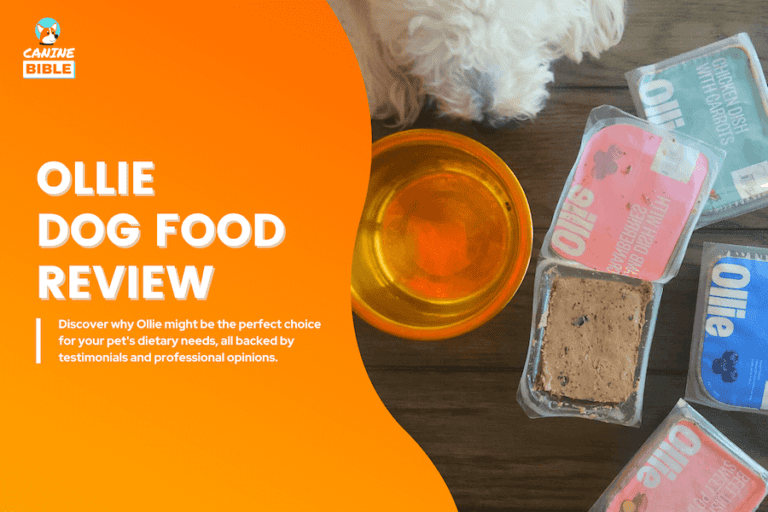
Ollie
Who It’s For: Dog owners seeking balanced, highly digestible nutrition to support dogs with lupus while meeting everyday protein, fat, and nutrient needs.
Why we recommended it:Ollie Fresh Dog Food features meat as the first ingredient across its beef, chicken, turkey, lamb, and pork fresh recipes, paired with organ meats, fruits, vegetables, grains or other carbohydrate sources, and added vitamins and minerals. Whole-food ingredients such as carrots, spinach, sweet potatoes, squash, and berries contribute fiber and naturally occurring nutrients, while salmon oil in applicable recipes supplies omega-3 fatty acids that support brain, joint, skin, and coat health. The recipes are developed with veterinary nutritionists and use 100% human-grade ingredients without by-products, fillers, artificial flavoring, or preservatives. Ollie gently cooks the meals in licensed human-grade kitchens that meet or exceed FDA and USDA standards for human-grade food manufacturing. Their naturally moist fresh format also contributes water with each serving while retaining a soft, ready-to-serve texture.
What sets it apart from competitors: Ollie calculates daily portions using factors including a dog’s age, weight, breed, and activity level, then pairs its personalized feeding plans with in-app Health Check-ins for tracking areas such as digestion and weight. Every production batch also undergoes microbial testing before release, adding batch-level safety verification to the individualized subscription model.
Get 50% OFF your first order with Canine Bible’s link.
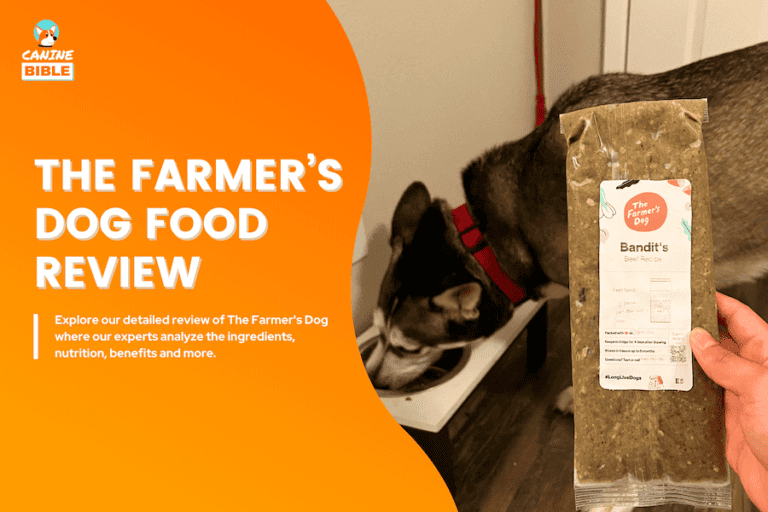
Why we recommended it:Freshpet Fresh Dog Food uses fresh animal proteins alongside vegetables, fruits, grains, or other plant ingredients, with added vitamins, minerals, and amino acids providing complete daily nutrition. Real meat is the first ingredient, and the recipes contain no meat meals, meat powders, by-products, artificial preservatives, or artificial flavors. Freshpet gently steam-cooks its meals at lower temperatures than conventional dry-kibble extrusion, then keeps them refrigerated to maintain their fresh, moisture-rich format. Certain recipes incorporate fish or fish oil as sources of omega-3 fatty acids, while fruits and vegetables contribute fiber and naturally occurring plant nutrients. The recipes are developed under the oversight of veterinary nutritionists, veterinarians, food scientists, and other nutrition specialists.
What sets it apart from competitors: Freshpet produces its refrigerated foods in three U.S. manufacturing facilities and maintains a cold-chain distribution model extending to more than 36,000 Freshpet fridges across North America. Its entire U.S. product line has also earned Clean Label Project Certification and the Purity Award after third-party testing against more than 100 potential contaminants, adding an unusually broad verification layer to that retail-fresh model.
Best Dry Dog Food for Lupus
4.7
★★★★★
Open Farm
Who It’s For: Dog owners seeking convenient, complete dry food that supports steady nutrition and easy daily feeding for dogs managing lupus.
Why we recommended it:Open Farm Ancient Grains Dry Dog Food combines animal-derived protein with unrefined grains such as oats, quinoa, millet, sorghum, and brown rice, depending on the recipe. These grains provide carbohydrate energy, fiber, vitamins, and minerals, while pumpkin, carrots, apples, and other produce add further fiber and naturally occurring plant nutrients. Animal proteins and concentrated fish ingredients supply amino acids needed for normal muscle maintenance and tissue repair. Herring meal, salmon oil, and other marine ingredients in applicable recipes contribute omega-3 fatty acids, including EPA and DHA, that support healthy skin and coat and normal neurological function. The standard ancient grains recipes are also free of peas, potatoes, legumes, corn, wheat, soy, artificial flavors, and artificial preservatives.
What sets it apart from competitors: Every bag connects to Open Farm’s lot-code traceability system, allowing individual ingredients to be traced to their geographic origins along with available sourcing and safety-testing information. Animal proteins also carry third-party certifications such as Global Animal Partnership, Certified Humane, or Ocean Wise depending on the source, adding verified sourcing standards beyond a general ingredient-origin claim.
Why we recommended it:JustFoodForDogs Pantry Fresh Joint & Skin Support combines pork loin and tenderloin with quinoa, kale, carrots, Fuji apples, plant oils, fish oil, and a recipe-specific nutrient blend. Pork provides animal-derived protein, while quinoa and the fruits and vegetables contribute fiber and naturally occurring vitamins, minerals, and plant nutrients. Fish oil supplies EPA and DHA to support healthy skin and coat, while sunflower and coconut oils provide additional dietary fats. Type II collagen is incorporated into the nutrient blend to support healthy joints and mobility, giving the recipe a second targeted benefit beyond skin and coat nutrition. The food uses 100% human-grade ingredients and contains no feed-grade ingredients, additives, preservatives, or added growth hormones. It combines whole-food ingredients, marine omega-3s, and targeted joint nutrition, which gives it useful nutritional relevance.
What sets it apart from competitors: It uses Tetra Pak technology to cook the food at low heat under pressure inside its packaging, creating a preservative-free whole-food meal that remains shelf-stable before opening. Unopened packages can be stored at room temperature for up to two years from manufacture, providing fresh-style feeding without the continuous refrigeration or freezing required by most fresh diets
Best Prescription Dog Food for Lupus
4.5
★★★★★
Purina Pro Plan
Who It’s For: Dogs with lupus that need veterinarian-directed nutrition for related concerns such as kidney issues, food sensitivities, or weight control.
Why we recommended it:Purina Pro Plan Veterinary Diets Dog Food uses targeted therapeutic nutrition to support dogs with joint conditions rather than providing only general mobility support. Fish-derived ingredients and fish oil supply long-chain omega-3 fatty acids that help nutritionally manage joint conditions and reduce inflammation associated with them. Glucosamine provides additional support for healthy cartilage, while the formula’s protein-to-calorie balance helps maintain lean muscle that contributes to functional movement. Antioxidants, including a high level of vitamin E, help defend against free radicals and oxidative stress. Brewers rice, trout, salmon meal, poultry ingredients, egg, and fish oil provide the broader protein, carbohydrate, and fat base of the diet. Together, these features give it a more targeted nutritional approach to cartilage, inflammation, and muscle maintenance than a standard adult dry food.
What sets it apart from competitors: It was evaluated in a randomized prospective clinical trial of 48 dogs recovering from TPLO surgery, where dogs fed the joint-support test diet showed greater postoperative peak vertical force and vertical impulse than those fed the control maintenance diet. This provides measured functional evidence behind the formula’s joint-mobility positioning rather than relying solely on ingredient-based claims.
Best Puppy Food for Lupus
4.7
★★★★★
Raised Right
Who It’s For: Puppies with lupus that need complete growth nutrition while supporting healthy development, digestion, and changing medical needs.
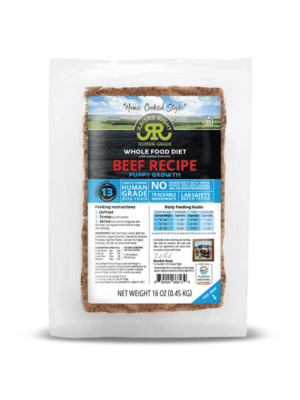
Why we recommended it:Raised Right Human Grade Puppy Food centers its beef, chicken, and turkey puppy recipes on a single animal species, combining muscle meat, heart, liver, produce, oils, and targeted mineral sources for growth. Organ meats provide animal-derived protein and naturally occurring micronutrients, while dicalcium phosphate and eggshell powder supply calcium and phosphorus sources needed during skeletal development. Cod liver oil appears throughout the puppy line, while the Beef and Turkey recipes also include flaxseed oil as additional fatty-acid sources. Carrots, cranberries or blueberries, kelp, and spearmint add whole-food ingredients without relying on starch-heavy fillers such as rice, oats, potatoes, or corn. Every ingredient meets standards for human consumption, and the meals are gently cooked in a USDA-inspected human-grade facility to the required pathogen-kill temperature before being frozen.
What sets it apart from competitors: Raised Right laboratory-tests every batch for pathogens such as E. coli, Salmonella, and Listeria and uses a hold-and-release system, with finished-batch results posted publicly before shipment. Its ingredient-sourcing map also traces components back to current suppliers, creating transparency from ingredient origin through finished-food safety testing.
Why we recommended it:Open Farm Senior Grain-Free Dog Kibble combines humanely raised turkey and chicken with whitefish meal and herring meal to provide animal-derived protein that supports lean muscle maintenance as dogs age. Green-lipped mussel is included for hip and joint support, while glucosamine and chondroitin provide additional nutritional support for cartilage and mobility. Salmon oil, herring meal, whitefish meal, and flaxseed contribute omega-3 fatty acids, including EPA and DHA from the marine ingredients. Pumpkin, sweet potato, lentils, and flaxseed add fiber and other nutrients that support digestive regularity and overall nutritional variety. Coconut oil, taurine, vitamins, and chelated minerals further round out the formula. The recipe is also free of corn, wheat, soy, artificial flavors, and artificial preservatives.
What sets it apart from competitors: Each bag connects to Open Farm’s lot-code traceability system, allowing ingredient origins, sourcing details, and available safety information to be checked for the specific production lot. Its turkey and chicken are also third-party certified to Global Animal Partnership welfare standards, adding independently verified sourcing criteria alongside that ingredient-level transparency.
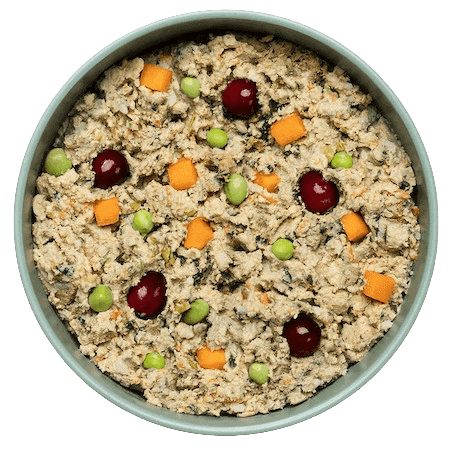
Why we recommended it:The Honest Kitchen Grain-free Dog Food combines gently cooked animal proteins with potatoes, vegetables, fruits, seeds, oils, vitamins, and minerals in a grain-free dehydrated format. The current recipes provide several protein options, while ingredients such as pumpkin, carrots, apples, spinach, cranberries, and other produce broaden the whole-food nutrient profile depending on the formula. Flaxseed appears throughout the range, while fish oil is included in applicable recipes as an additional source of fatty acids that support healthy skin and coat. Taurine, kelp, vitamins, and chelated minerals further round out the nutritional profile. The animal proteins are cooked to an internal temperature of at least 165°F before dehydration rather than being served raw. Adding warm water restores the food into a moisture-rich meal, with a 10-pound box producing approximately 40 pounds of prepared food.
What sets it apart from competitors: Wholemade is produced to The Honest Kitchen’s human-grade standard, meaning its ingredients come from the human food supply chain and the food is made in facilities meeting human-food safety standards. The grain-free dehydrated recipes are also backed by comprehensive in-home feeding trials conducted by a third-party veterinary group, adding finished-diet validation to the shelf-stable format.
Get 50% OFF with code 50CANINE (or 40CANINE for orders under $30)—Use thislink to get started.
Best Food for Dogs with Allergies & Lupus
4.5
★★★★★
Brothers
Who It’s For: Dogs managing lupus alongside food allergies that need carefully selected proteins and ingredients to avoid known dietary triggers.
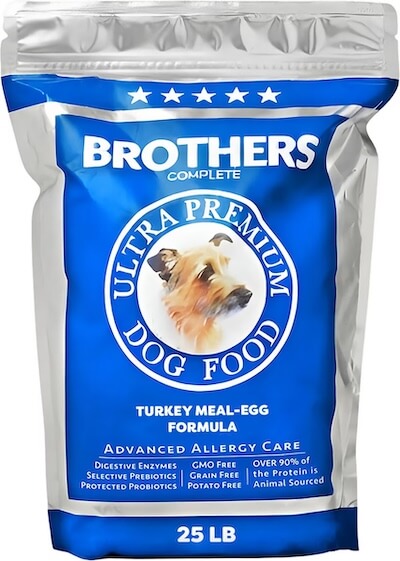
Why we recommended it:Brothers Dog Food Advanced Allergy Care takes a gut-centered approach to allergy-conscious feeding, combining animal-derived proteins with lower-glycemic carbohydrate sources and targeted digestive ingredients. Cassava, peas, and pea starch provide the carbohydrate base, while long-chain inulin acts as a prebiotic for beneficial intestinal bacteria. Added Enterococcus faecium, Lactobacillus acidophilus, and Lactobacillus casei fermentation products provide probiotic support, alongside amylase, protease, lipase, cellulase, lactase, and hemicellulase for dietary breakdown. Ground flaxseed and whole-cell algae contribute omega-3 fatty acids, including DHA from the algae, while pumpkin, vegetables, and cranberry pomace broaden the ingredient profile. The recipes are also made without grains, potatoes, sweet potatoes, soy, or artificial preservatives, keeping the ingredient framework relatively focused.
What sets it apart from competitors: Brothers adds its digestive enzymes and encapsulated probiotics after the primary cooking process, with the encapsulation designed to prevent premature activation and the company reporting 99.8% probiotic viability until mealtime. The food is also processed at lower temperatures in small batches and kept cool during warehouse storage, combining protected microbial delivery with unusually controlled post-production handling.
Best Food for Dogs with Sensitive Stomachs & Lupus
4.7
★★★★★
Open Farm
Who It’s For: Dogs with lupus and sensitive digestion that need gentle, highly digestible food designed to support regular stools and meal tolerance.
Why we recommended it:Open Farm GoodGut Dry Dog Food approaches sensitive digestion through a varied fiber system built into a complete daily diet. Psyllium seed husk provides gel-forming soluble fiber that supports stool quality and healthy gut motility, while dried chicory root supplies prebiotic fiber for beneficial intestinal bacteria. Rice bran, tomato pomace, pumpkin, and citrus pulp add additional insoluble and fermentable fibers that broaden the digestive-support profile. Animal proteins provide amino acids for normal muscle maintenance, while oats and barley contribute carbohydrate energy and additional fiber. Salmon oil, flaxseed, and New Zealand green-lipped mussels in applicable recipes provide fatty acids and other nutrients that support healthy skin, coat, and joint mobility. GoodGut is vet-formulated as a complete diet, building digestive support into everyday feeding rather than requiring a separate digestive supplement.
What sets it apart from competitors: GoodGut’s Kibble+ system pairs prebiotic- and postbiotic-containing kibble with separate freeze-dried raw cubes that serve as the primary delivery system for live probiotics, providing 2 billion CFU per pound at formulation. Those cubes use Open Farm’s CanineCulture™ blend developed with Lifeway, creating a distinct two-part delivery system rather than simply applying probiotics to conventional kibble.
Why we recommended it:Get Joy Freeze-Dried Raw Dog Food combines USDA-sourced animal proteins and organ meats with sorghum, pumpkin, flaxseed, salmon oil, and supplemental vitamins and minerals. The beef recipe includes heart, kidney, and liver, while the Chicken recipe pairs chicken with chicken liver, providing animal-derived protein and naturally occurring micronutrients. Sorghum provides carbohydrate energy, while pumpkin supplies soluble fiber that supports normal digestion and stool quality. Salmon oil contributes EPA and DHA for healthy joints, brain, skin, and coat, while flaxseed adds a plant-based omega-3 source. The recipes contain no seed oils, rendered meals, synthetic binders, or artificial preservatives and are formulated by ACVN board-certified veterinary nutritionists. The low-temperature freeze-dried format also keeps the food shelf-stable and easy to serve without conventional high-heat cooking.
What sets it apart from competitors: Get Joy builds Belly Biotics™ directly into every freeze-dried meal, combining inulin, a yeast-culture postbiotic, and five live probiotic strains that retain 3 billion CFU per pound rather than requiring a separate digestive supplement. That integrated prebiotic-probiotic-postbiotic system gives the food a more specialized gut-support structure than many freeze-dried raw diets centered primarily on meat and organ content.
Best Raw Dog Food for Lupus
4.6
★★★★★
Darwin’s
Who It’s For: Dog owners considering raw feeding for a dog with lupus who want a nutritionally complete formula selected with veterinary guidance.
Why we recommended it:Darwin’s BioLogics Raw Food for Dogs builds its frozen recipes primarily around raw meat, organs, and edible bone, accompanied by vegetables and a small targeted nutrient blend. Beef, chicken, turkey, and blended recipes provide several protein choices, while organ meats such as liver, heart, kidney, and gizzard contribute animal-derived protein and naturally occurring vitamins and minerals depending on the formula. Vegetables such as sweet potato, carrots, squash, lettuce, and celery add fiber and additional whole-food nutrients without grains or filler-heavy ingredients. Cod liver oil appears across the recipes, while flaxseed or sunflower oil is used depending on the formula to help round out the fatty-acid profile. The meals remain raw and frozen, retaining their naturally high moisture content, and are formulated with veterinary nutrition and animal-nutrition experts.
What sets it apart from competitors: BioLogics uses the same core recipes as Darwin’s premium Natural Selections line but substitutes conventional meats and vegetables for its antibiotic-free meats and organic produce, allowing Darwin’s to price BioLogics about 15% lower. The meals are also portioned and delivered frozen directly to the home, providing a more structured raw-feeding system than sourcing and balancing raw ingredients independently.
Best Air-Dried Dog Food for Lupus
4.5
★★★★★
Sundays for Dogs
Who It’s For: Dog owners seeking concentrated, minimally processed air-dried food that delivers complete nutrition in small, palatable portions.
Why we recommended it:Sundays for Dogs Air-Dried Dog Food centers its beef, chicken, turkey, and fish recipes on named animal proteins, with organ meats included in the meat-based formulas alongside grains, seeds, fruits, and vegetables. Ingredients such as pumpkin, kale, blueberries, turmeric, ginger, and flaxseed broaden the whole-food nutrient profile depending on the recipe. Fish oil appears in the chicken, turkey, and fish formulas, while flaxseed is used across the range as an additional fatty-acid source. The recipes are made without meat meals, by-products, artificial flavors, or synthetic vitamin supplements, relying instead on meat, grains, seeds, and whole-food ingredients to round out the formulation. The foods are formulated by veterinarian Dr. Tory Waxman and board-certified veterinary nutritionists, with additional review from an animal-nutrition PhD and human-food scientist.
What sets it apart from competitors: Sundays uses a low-temperature air-drying process with a pathogen-control kill step, creating shelf-stable food without conventional high-heat kibble extrusion, freezing, or rehydration. Sealed bags stay fresh for up to 12 months and opened food is best used within about eight weeks, giving it a particularly convenient format compared with refrigerated, frozen, or raw diets.
Other Dog Foods for Lupus
Best Food for Picky Eater Dogs with Lupus:A Pup Above Fresh Dog Food stands out for dogs that turn their noses up at ordinary kibble because its fresh meals are gently cooked sous-vide, helping retain natural aromas, moisture, and flavor. The recipes are made in USDA-inspected human-grade kitchens and formulated with veterinary nutritionist input to provide complete, balanced nutrition. Its whole-food format also supplies quality protein and naturally occurring nutrients that can fit into a lupus-conscious feeding plan. Every batch is tested for pathogens including E. coli, Listeria, and Salmonella before leaving the facility. That combination of palatability, fresh texture, nutritional completeness, and careful preparation makes it our winner for finicky dogs needing a thoughtfully selected everyday diet.
Best Budget Dog Food for Lupus:Purina ONE Plus Joint Health Dry Dog Food offers targeted joint-support nutrients in an accessible dry-food format, making it a practical option for feeding long-term. Fish oil supplies omega-3 fatty acids, while glucosamine is included to support joint health and mobility in adult dogs. The recipe provides 27% minimum protein to help maintain muscle, which is important because strong muscles help support aging or uncomfortable joints. It is also highly digestible and has been substantiated as complete and balanced for adult maintenance through AAFCO feeding tests. For dogs whose lupus concerns are closely tied to joint wear and mobility, it delivers useful functional nutrition without moving into the cost range of many therapeutic or fresh diets.
Best Dehydrated Dog Food for Lupus:The Honest Kitchen Wholemade Limited Ingredient is built around just six key whole-food ingredients plus the vitamins and minerals needed for nutritional completeness. That simpler ingredient structure can be useful for dogs with food sensitivities, particularly when identifying which ingredients fit comfortably into their diet is a priority. Gentle dehydration removes moisture while preserving much of the food’s taste and nutritional character, and adding warm water creates a soft, moisture-rich meal in about three minutes. The line includes several protein choices, allowing greater flexibility without abandoning the limited-ingredient approach. Its combination of human-grade standards, minimal processing, hydration, and controlled ingredient variety earns it the dehydrated category.
Best Vegan Dog Food for Lupus:Petaluma Plant-Based Dog Food provides complete adult nutrition without animal-derived meat, using a mixture of plant proteins rather than relying on a single source. Marine microalgae supplies DHA omega-3 fat, while flaxseed, sweet potato, and turmeric add functional nutrients relevant to skin, cellular health, and normal inflammatory signaling. The adult baked recipe supplies 27% minimum protein and is formulated to meet AAFCO requirements for adult maintenance. Petaluma gently bakes the food instead of using conventional extrusion, and approximately half of the adult recipe’s ingredients are organic. It is our vegan pick because it combines a fully plant-based formulation with intentional attention to essential amino acids, DHA, taurine, and other nutrients dogs still require regardless of protein source.
Best Food for Dogs with Lupus & Joint Inflammation:AvoDerm Natural Advanced Joint Health Dog Food is formulated specifically around mobility support rather than adding a token joint ingredient to a general maintenance diet. Chicken cartilage naturally supplies glucosamine and chondroitin sulfate, with guaranteed minimum levels of 1,300 mg/kg and 2,800 mg/kg respectively. Flaxseed, avocado, and avocado oil contribute fatty acids, while the recipe also supplies both omega-3 and omega-6 fats for skin and general cellular function. Its 30% minimum protein provides substantial amino acid support for maintaining the muscle surrounding and stabilizing joints. With concentrated cartilage-support nutrients plus a nutrient profile aimed at keeping dogs active, it is the most purpose-built choice here for joint-related inflammation and lupus concerns.
Best Food for Dogs with Lupus & Stomach Inflammation:Forza10 Active Colon Dry Dog Food is designed specifically for dogs dealing with digestive problems such as chronic colitis, diarrhea, constipation, flatulence, and inflammatory bowel concerns. Hydrolyzed proteins reduce protein molecules into smaller components, an approach commonly used when dietary sensitivity and gastrointestinal irritation need to be managed more carefully. Psyllium husk contributes functional fiber for stool regulation, while MOS and FOS provide prebiotic support for the intestinal microbiome. Dried algae, fish oil, yucca, and rosemary round out a formulation that is focused far more heavily on gastrointestinal function than a standard maintenance kibble. That targeted combination makes Active Colon the winner when digestive inflammation and irregular stools are the primary feeding concerns.
Best Food for Dogs with Lupus & Skin Inflammation:Diamond Naturals Skin & Coat Dry Dog Food approaches skin support through fatty acids, protein, digestive health, and antioxidant nutrition rather than relying on a single skin-focused ingredient. Salmon provides animal protein and omega-3 fatty acids, while flaxseed, chia seed, and coconut broaden the fatty-acid profile that helps maintain the skin barrier and coat. Its K9 Strain Probiotics provide at least 80 million CFU per pound to support digestion and immune function, two systems that can influence how well a dog handles dietary and environmental stressors. Pumpkin, blueberries, kale, carrots, and other plant foods add fiber and phytonutrients that complement the formula’s vitamin and mineral fortification. For dogs dealing with dry, irritated, or inflammation-prone skin, the combination of omega fats, digestive support, and complete all-life-stage nutrition makes Diamond Naturals a well-rounded winner in this category.
How to Transition Your Dog to a New Diet for Lupus
Dogs with lupus may be more sensitive to changes in appetite, digestion, or overall condition, so switching foods gradually can help reduce unnecessary stomach upset. Unless your veterinarian recommends a different schedule, use the plan below to introduce the new diet over about 7–10 days.
Transition Stage
Old Food
New Food
What to Do
Days 1–2
75%
25%
Start slowly and keep meal times consistent.
Days 3–4
50%
50%
Continue if your dog is eating and digesting normally.
Days 5–6
25%
75%
Increase the new food if the transition remains well tolerated.
Days 7–10
0%
100%
Feed the new diet fully once your dog has adjusted.
If Problems Develop
Increase temporarily
Reduce temporarily
Slow the transition and contact your veterinarian if symptoms persist.
Monitoring Your Dog’s Progress on a New Diet for Lupus
After the switch, watch your dog’s appetite, stool quality, vomiting, energy level, and body weight. These changes can help show whether the new food is being tolerated or whether adjustments may be needed.
Also pay attention to whether your dog’s overall lupus-related condition appears stable, improving, or worsening. Diet alone should not be expected to control lupus, so dogs with systemic disease, kidney involvement, ongoing weight loss, or medication-related concerns should be monitored with veterinary guidance.
Keep your veterinarian informed if your dog stops eating, develops persistent diarrhea or vomiting, loses weight unexpectedly, becomes unusually lethargic, or experiences a noticeable worsening of existing symptoms.
Frequently Asked Questions
Not usually. Dogs with autoimmune disease generally need nutritionally complete food suited to their age, body condition, symptoms, and any organ involvement rather than a universal “autoimmune diet.”
It can be appropriate when formulated by a board-certified veterinary nutritionist. Improvised homemade diets can lack essential nutrients, so they should not replace a balanced commercial diet without professional formulation.
No. Diet can support overall nutrition and help manage certain secondary concerns, but canine lupus requires veterinary diagnosis and medical management.
Some may benefit, particularly when lupus is accompanied by kidney disease, gastrointestinal problems, food sensitivities, or another condition requiring therapeutic nutrition. Prescription diets should be selected with your veterinarian.
Omega-3 fatty acids have anti-inflammatory properties and have been used as supportive care in some dogs with cutaneous lupus. However, they are not a proven standalone treatment for lupus and should be given in an appropriate veterinary-recommended amount.
There is no established list of foods that every dog with lupus must avoid. Focus on eliminating ingredients your dog cannot tolerate and avoid unbalanced diets, excessive treats, and unnecessary supplements that could interfere with a carefully managed feeding plan.
The Bottom Line
Choosing the best dog food for lupus starts with matching nutrition to your dog’s individual symptoms, age, body condition, and overall health. There is no single diet proven to treat lupus, but a complete, balanced, and well-tolerated food can help support everyday nutrition. Dogs with poor appetite, oral discomfort, kidney involvement, or digestive sensitivities may need additional dietary adjustments. Any food change should be introduced gradually to reduce digestive upset and make the transition easier to evaluate. After switching diets, monitor appetite, stool quality, weight, energy, and any changes in existing symptoms. Dogs with lupus should continue to receive veterinary care, especially when complications or medications affect their nutritional needs. With thoughtful food selection and regular monitoring, owners can build a feeding plan that supports their dog’s health alongside appropriate medical treatment.
Like It? Subscribe & Share!
Sources
Canine Bible uses only high-quality sources, including peer-reviewed studies, to support the facts within our articles. Read our editorial process and product review methodology to learn more about how we fact-check, test products, and keep our content accurate, reliable, and trustworthy.
Canine Bible authorship represents the unified voice of our entire editorial team and our in-house veterinarians rather than a single author. Each article, blog post, and review published under the Canine Bible name undergoes a rigorous review process, involving all team members to guarantee accuracy and up-to-date in accordance with the latest veterinarian research. This collaborative effort is an integral part of our editorial process and aligns with our four pillars of content creation. This approach ensures our content is backed by expert knowledge and factual information, offering our readers reliable, actionable, and trustworthy content.