Why Does My Dog Eat Grass? 13 Behavioral & Scientific Reasons


Canine Bible is reader-supported. We receive affiliate commissions via some of our links. Learn more.
Watching your dog stop to munch on grass can leave you wondering whether this habit is harmless or a sign of something more. The reason dogs eat grass isn’t always straightforward, and the behavior may mean different things in different situations. Some dogs nibble on grass occasionally, while others eat it frequently or suddenly develop a strong interest in it. But does eating grass mean your dog has an upset stomach, and should you worry if they vomit afterward? The amount of grass your dog eats, how often it happens, and any accompanying symptoms can offer important clues. There are also potential risks to consider, particularly when dogs graze in areas treated with chemicals or contaminated by parasites. Understanding what’s normal, what’s potentially concerning, and when to contact your veterinarian can help you make sense of your dog’s grass-eating habits.
Is Eating Grass Safe for Dogs?
Eating small amounts of grass is generally safe for healthy dogs, but the surrounding environment can pose risks. Grass may be contaminated with chemicals, parasites, or harmful plants, while excessive consumption can sometimes cause digestive problems. Understanding these potential hazards can help you decide where your dog can safely graze.
| Potential Risk | Why It Matters |
|---|---|
| Pesticides and herbicides | Certain lawn chemicals can cause irritation or poisoning. |
| Fertilizers | Some products contain ingredients harmful if swallowed. |
| Parasites and bacteria | Contaminated grass or soil may expose dogs to infections. |
| Toxic plants | Poisonous weeds or nearby plants may be accidentally consumed. |
| Sharp grass awns | Seed heads can lodge in the mouth or throat. |
| Excessive grass consumption | Large amounts may cause vomiting or gastrointestinal obstruction. |
13 Reasons Why Dogs Eat Grass
Grass eating is a common canine behavior, but not every dog grazes for the same reason. Some explanations are supported by observations of normal feeding behavior, while others involve possible dietary needs, learned responses, or medical conditions. The frequency, circumstances, and accompanying symptoms can help distinguish these possibilities, although grass eating alone rarely identifies a specific cause.
1. Natural Foraging Instincts
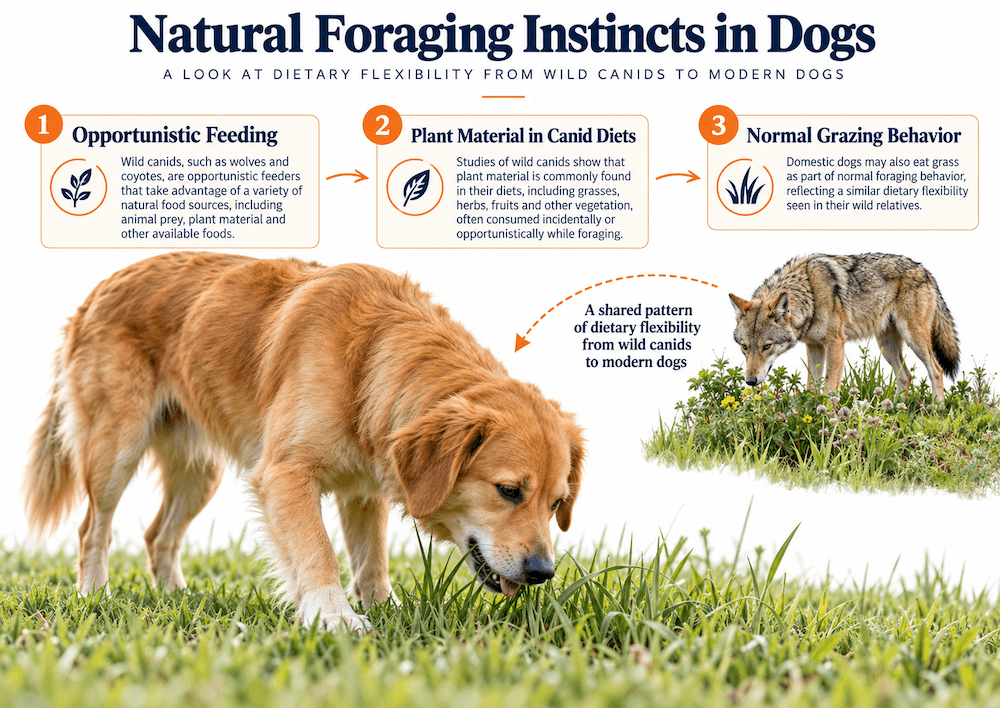
Dogs may eat grass because plant consumption is part of their natural feeding behavior, rather than something they do only when hungry or sick. Although dogs primarily obtain nutrition from their regular food, their evolutionary history includes opportunistic feeding on a variety of food sources, including plant material. This inherited tendency may help explain why healthy, well-fed dogs sometimes graze without any obvious trigger, although its precise evolutionary function remains uncertain.
2. Enjoyment of Grass Taste and Texture
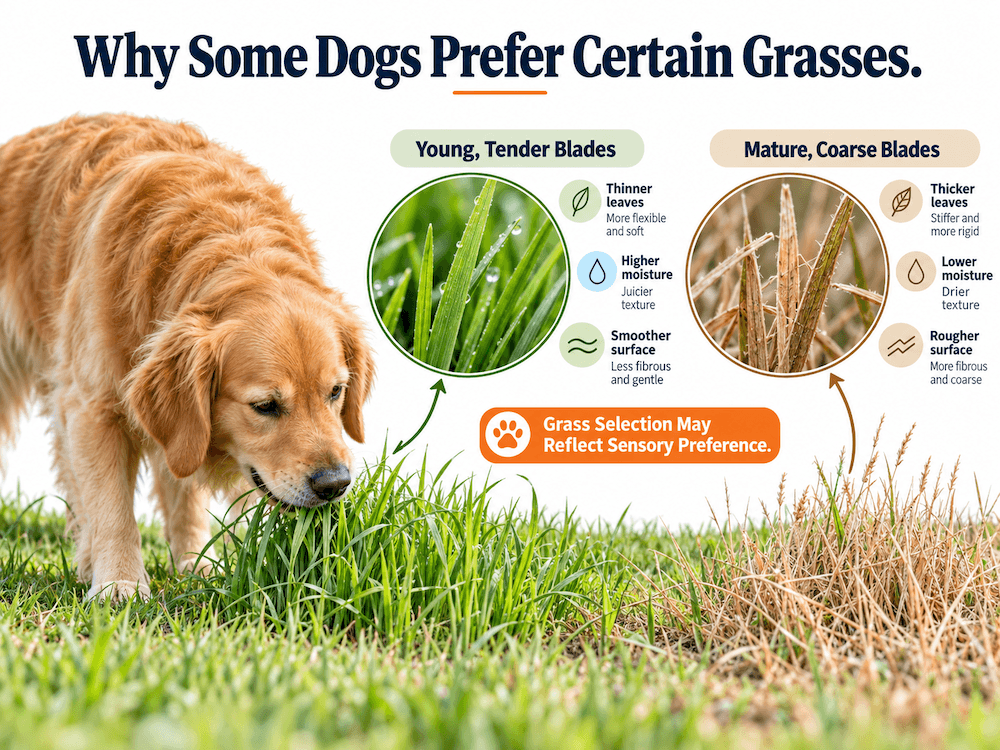
Some dogs appear to eat grass simply because they find certain grasses appealing. Tender shoots, fresh blades, and differences in moisture or texture may influence which patches they select, although specific taste preferences are not fully understood. A dog that repeatedly chooses particular grass types while otherwise behaving normally may be grazing because of sensory preference rather than a nutritional or medical need.


3. Curiosity and Oral Exploration
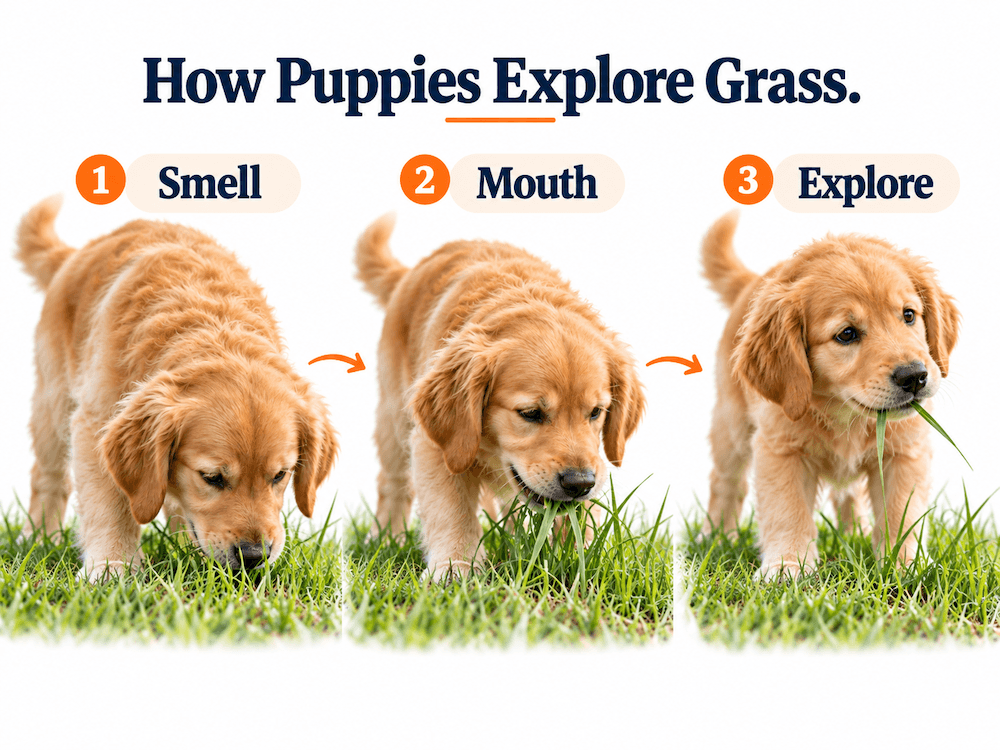
Dogs use their noses and mouths to investigate unfamiliar objects, and grass can become part of normal environmental exploration. Puppies and younger dogs may sniff, mouth, chew, and occasionally swallow grass while learning about their surroundings. This exploratory behavior is more likely when dogs encounter unfamiliar vegetation, particularly if they investigate several objects rather than consistently seeking grass alone.
4. Hunger and Meal Timing
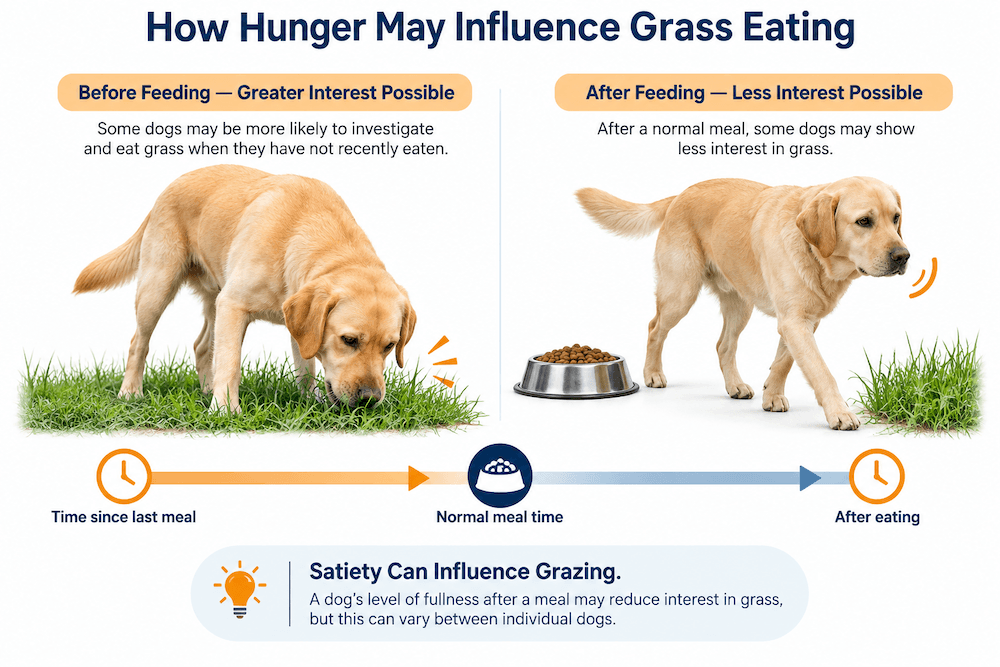
A dog may be more inclined to eat grass when its stomach is relatively empty. Hunger can increase food-seeking behavior, making accessible vegetation more attractive even though grass provides little usable energy. If your dog consistently grazes before breakfast or dinner but shows less interest afterward, meal timing may be influencing the behavior.
5. Seeking Additional Dietary Fiber
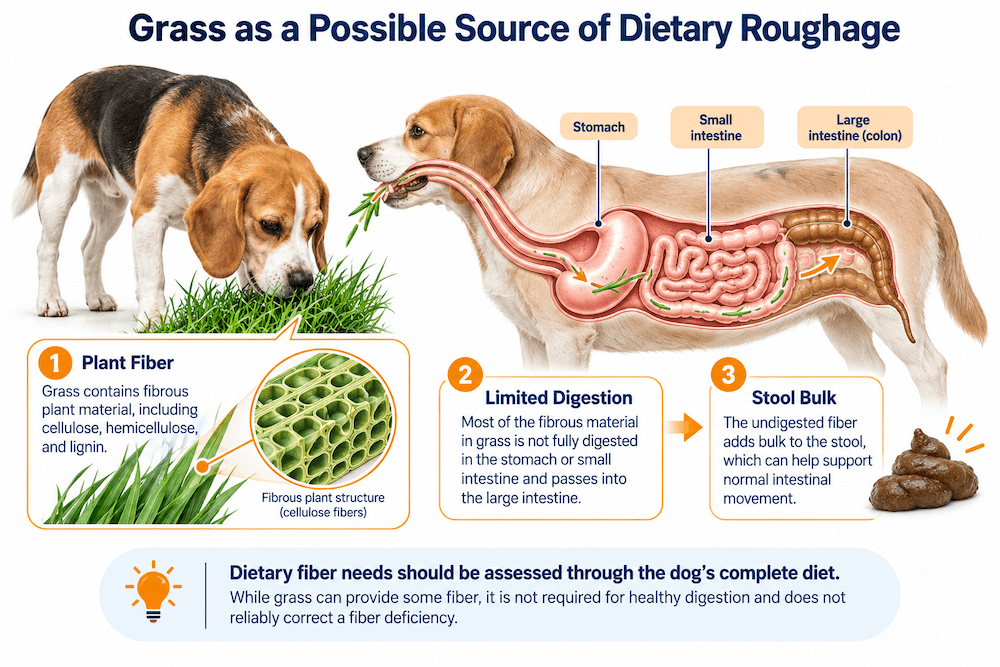
Grass contains fibrous plant material, and one possible explanation for grazing is an attempt to obtain additional roughage. Dietary fiber contributes to normal stool formation and gastrointestinal function, but it has not been established that dogs routinely recognize or correct low fiber intake by eating grass. This possibility deserves consideration when a dog has an unusual diet or stool problems, although grass eating alone does not establish a fiber deficiency.
6. Possible Nutritional Imbalances
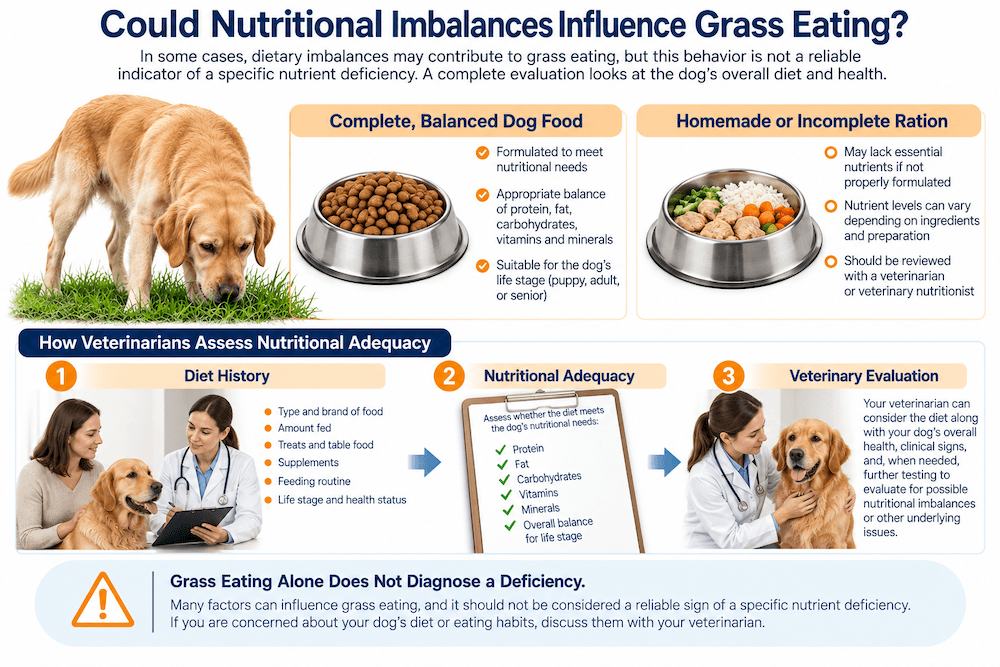
In uncommon cases, an inadequate or improperly balanced diet may contribute to unusual eating behavior. Dogs with nutritional deficiencies or disorders affecting nutrient absorption can sometimes develop altered appetites or begin consuming inappropriate substances. However, there is little evidence that ordinary grass eating specifically indicates a vitamin or mineral deficiency, especially in dogs receiving a complete and balanced diet.
7. Boredom or Insufficient Mental Stimulation
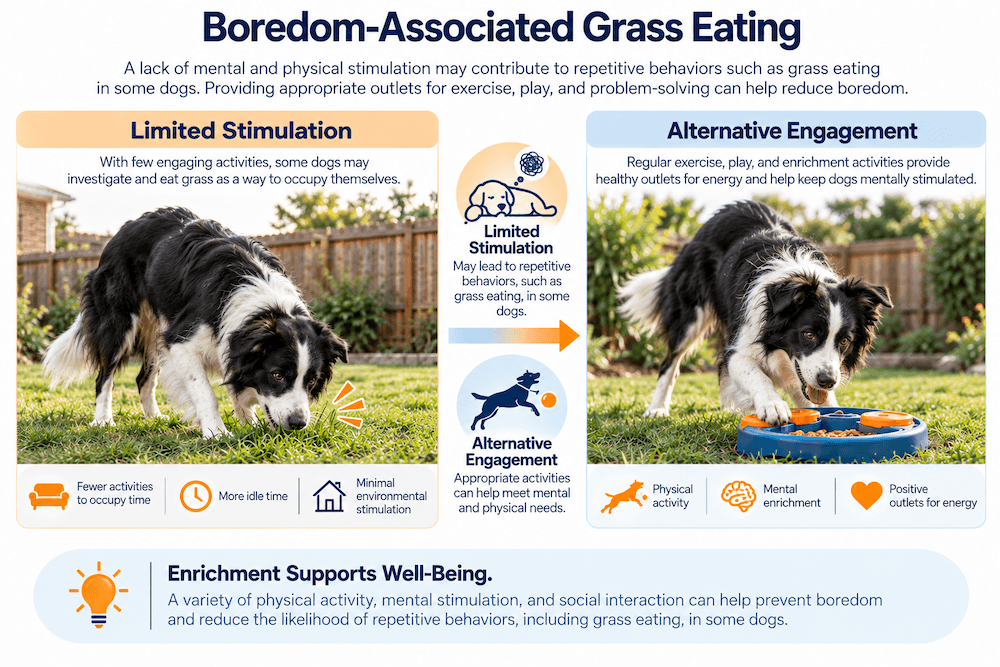
Dogs without enough engaging activities may develop repetitive behaviors that occupy their time, including chewing or grazing on readily available grass. This may be particularly noticeable in dogs spending long periods in a yard with little interaction, exploration, or structured activity. Grass becomes an accessible object to investigate or manipulate, although boredom cannot be confirmed solely from the behavior.


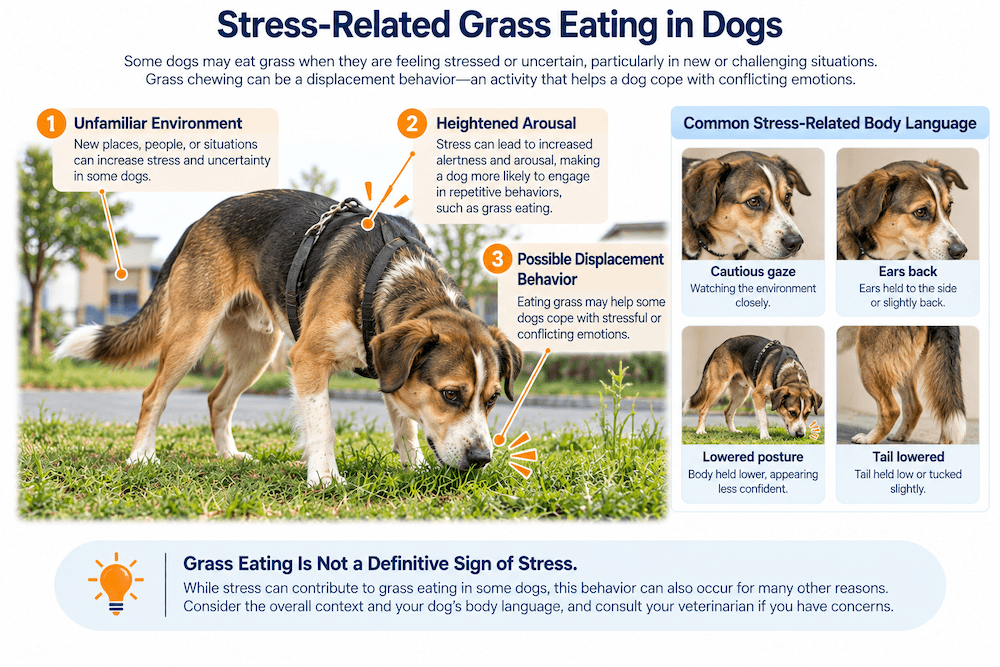
8. Stress or Anxiety-Related Behavior
Some dogs may engage in grass chewing as a displacement or stress-related behavior during uncomfortable situations. Repetitive oral activity can occur alongside heightened arousal, although there is limited direct evidence establishing grass eating as a reliable anxiety response. If grazing increases around unfamiliar environments, separation-related distress, or other stressful events, the dog’s broader behavior and body language should be evaluated.
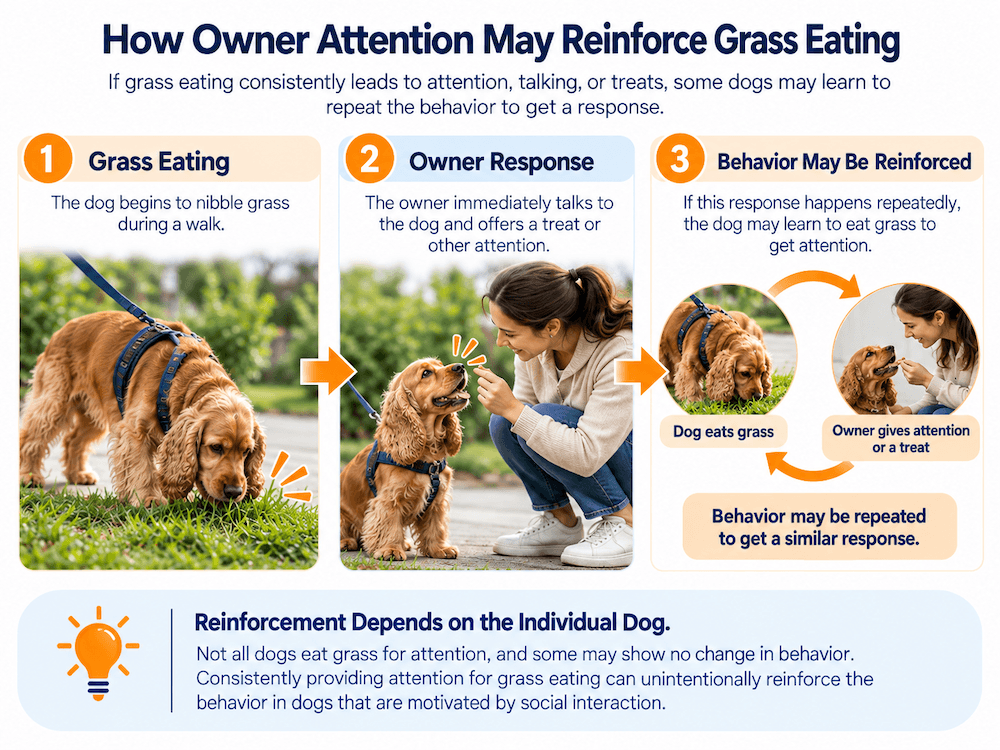
9. Learned Attention-Seeking Behavior
Some dogs discover that eating grass changes how their owners respond. If grazing consistently leads to talking, physical interaction, or treats offered to distract the dog, those consequences may reinforce the behavior. This explanation is more plausible when a dog repeatedly approaches grass while its owner is watching and the behavior reliably produces interaction.
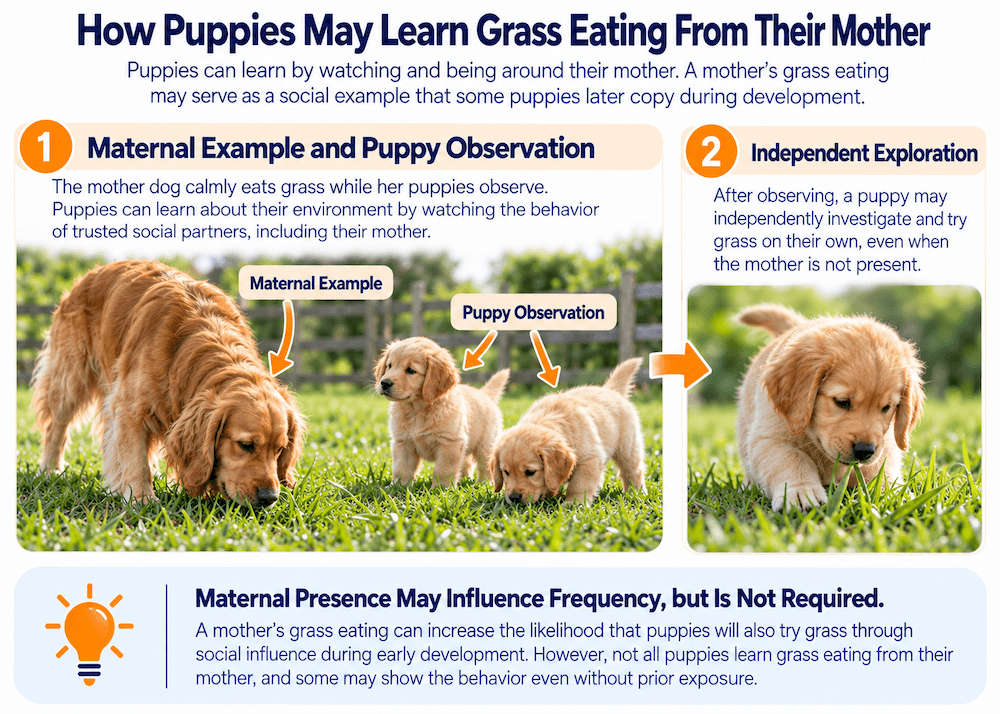
10. Learning From Other Dogs
Young puppies may develop an interest in grass through social exposure to grass-eating dogs, especially their mothers. Observing another dog investigate or consume grass can influence a puppy’s willingness to interact with the same material, although puppies also eat grass independently. This means early social experience may affect how frequently the behavior occurs without being necessary for it to develop.
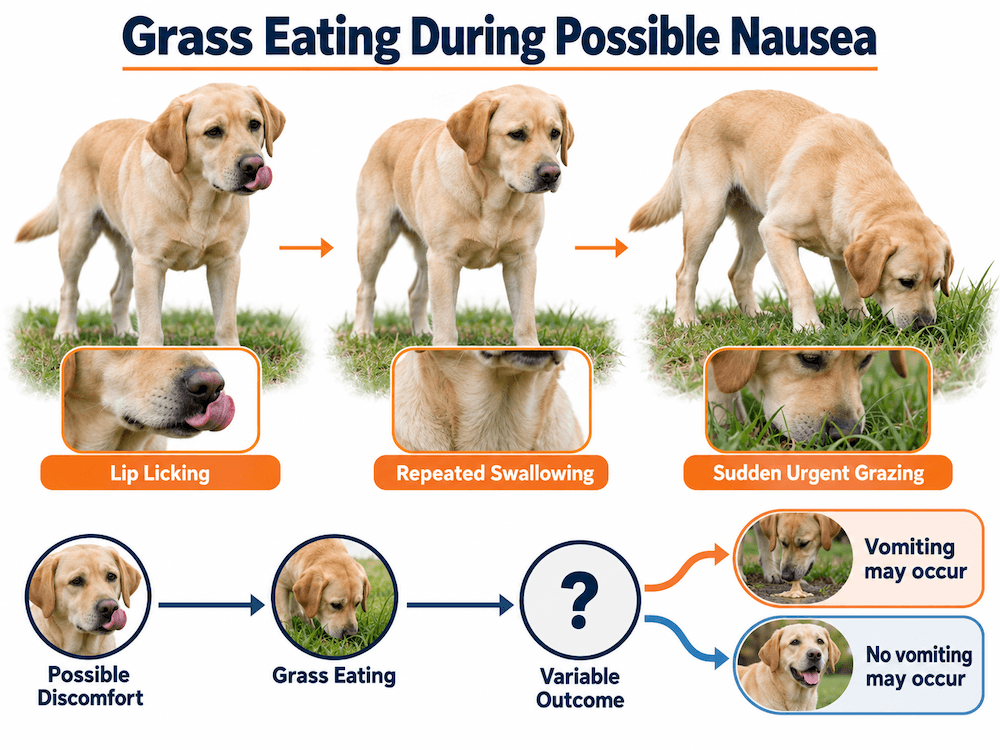
11. Temporary Nausea or Stomach Discomfort
A dog experiencing temporary gastrointestinal discomfort may sometimes seek grass during an episode of nausea, although the reason for this association remains uncertain. Some dogs appear restless, lick their lips, swallow repeatedly, or urgently graze before vomiting. These signs suggest that the dog may already feel unwell, but they do not establish that it deliberately eats grass to induce vomiting.
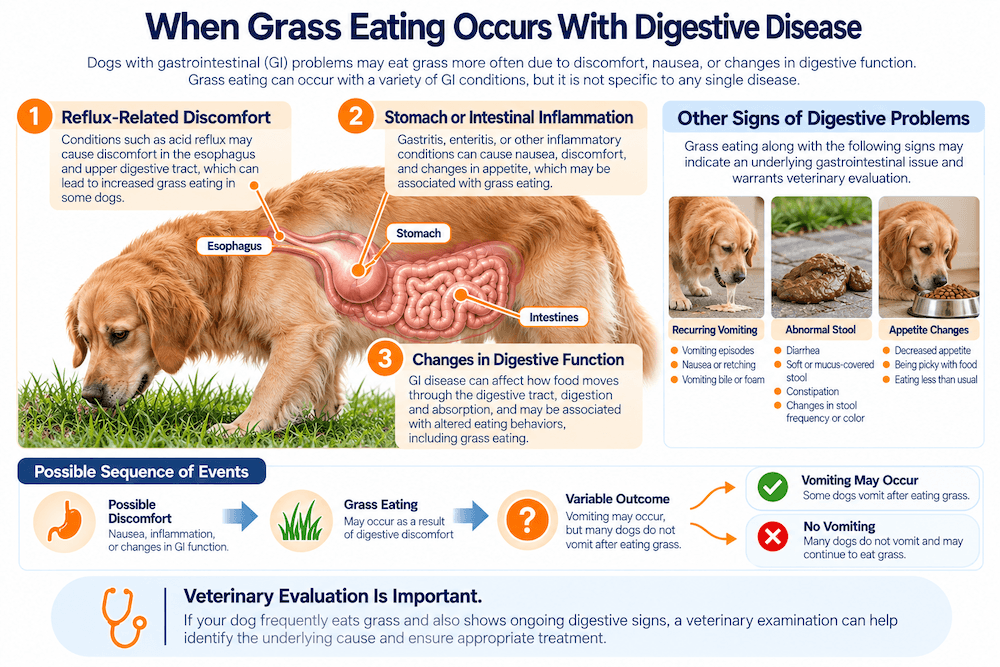
12. Underlying Gastrointestinal Disorders
Persistent changes in grass eating may occasionally accompany an ongoing digestive health problem, including conditions such as gastric reflux, chronic intestinal inflammation, or other gastrointestinal diseases. These disorders can disrupt normal digestive function and produce recurring discomfort, altered appetite, vomiting, or abnormal stools. Grass eating is not a specific symptom of any one digestive disease, so veterinary assessment is necessary when it occurs alongside persistent or recurring illness.
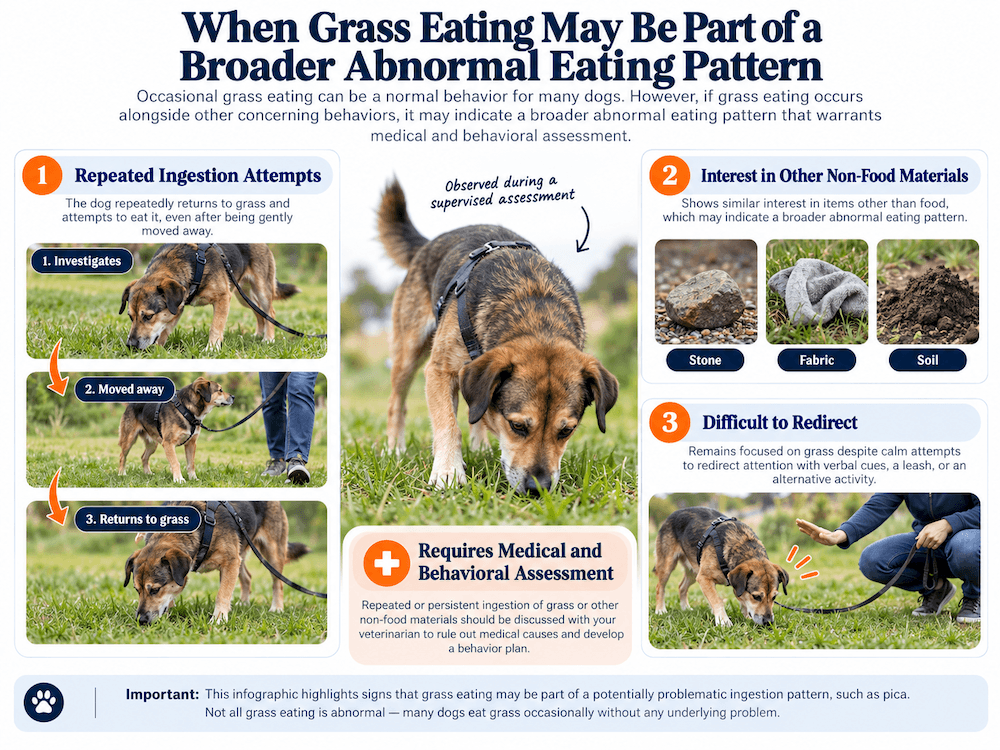
13. Compulsive Eating or Broader Pica-Related Behavior
In some dogs, persistent consumption of inappropriate materials may reflect a broader abnormal eating pattern, particularly when grass eating occurs alongside swallowing dirt, fabric, stones, or other non-food objects. These behaviors can involve medical problems, behavioral disturbances, or compulsive tendencies that make ingestion difficult to interrupt. Ordinary grass grazing is not automatically pica, but persistent, difficult-to-interrupt consumption of multiple non-food materials warrants professional evaluation.
Dog Eating Grass in Different Situations
The timing and circumstances of grass eating can provide clues about what motivates your dog. While the same behavior may have different explanations, observing when it happens and whether other symptoms appear can help you distinguish normal grazing from potentially concerning patterns.
| Situation | Possible Explanation | What to Observe |
|---|---|---|
| Eating grass in the morning | Hunger or an empty stomach. | Timing around meals and signs of nausea. |
| Eating grass during walks | Natural foraging or curiosity. | Relaxed versus frantic grazing. |
| Eating grass after meals | Habit or taste preference. | Frequency and consistency of grazing. |
| Suddenly eating lots of grass | Possible digestive discomfort. | Vomiting, drooling, or other symptoms. |
| Eating grass and dirt | Exploration or abnormal ingestion behavior. | Repeated swallowing of soil or other objects. |
| Eating grass when left alone | Possible boredom or learned behavior. | Activity levels and access to enrichment. |
What Happens When a Dog Eats Grass?
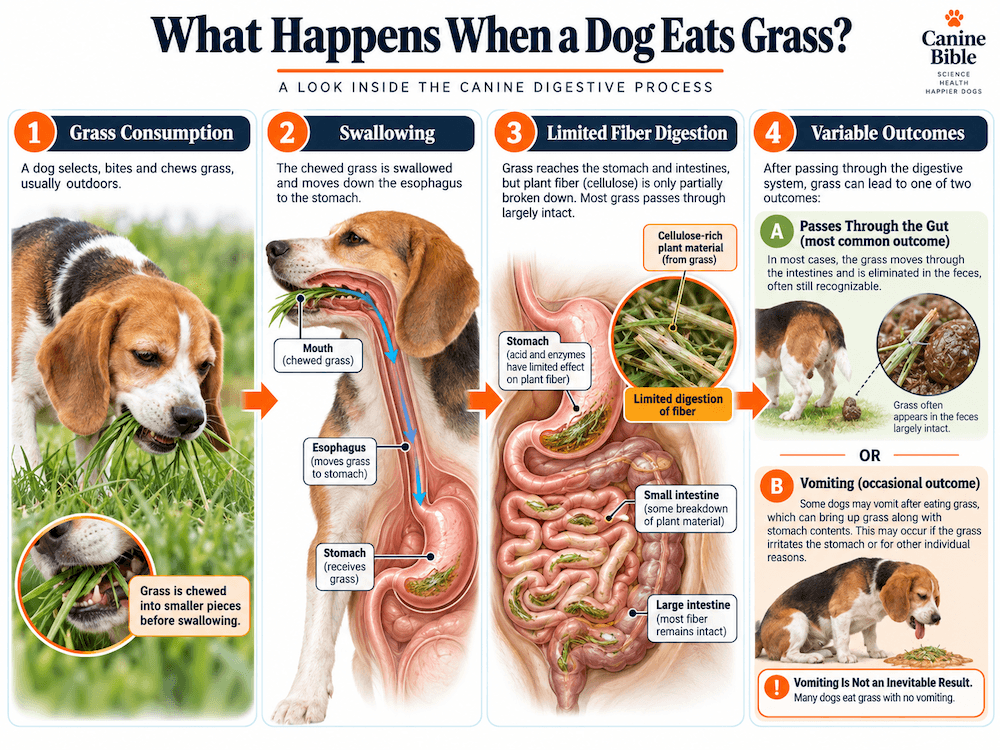
Grass is mostly made of water and plant structures containing cellulose, a tough fiber that dogs cannot efficiently break down with their own digestive enzymes. Much of the recognizable grass material may pass through the digestive tract without being fully digested, although some plant components can be processed by intestinal microorganisms. Swallowing long blades or large quantities may also irritate the digestive tract or contribute to gastrointestinal problems.
Vomiting after grass eating does not necessarily mean the dog intended to vomit. A dog might already be nauseated before grazing, while another may vomit after consuming plant material for reasons that are not always clear. Because most grass-eating episodes do not end in vomiting, grass should not be viewed as a reliable natural treatment for an upset stomach.
How to Tell Normal Grass Eating From a Concerning Pattern
The most useful clues are changes in your dog’s usual behavior and overall health, rather than grass eating alone. A dog that has occasionally grazed for years may have a normal individual habit, while sudden intense grazing in a dog that previously ignored grass deserves closer observation.
| What to Observe | Usually Less Concerning | Potentially Concerning |
|---|---|---|
| Frequency | Occasional grazing consistent with the dog’s usual habits. | Sudden, substantial increase or persistent, unusual consumption. |
| Eating intensity | Calm nibbling followed by normal activities. | Frantic gulping or unusually large amounts. |
| Response to redirection | Comfortably moves away when encouraged. | Repeatedly returns despite attempts to redirect. |
| Vomiting | No vomiting or other signs of illness. | Repeated vomiting, retching, or inability to retain water. |
| Appetite and energy | Normal meals, activity, and interaction. | Reduced appetite, weakness, or unusual lethargy. |
| Stool changes | Normal stool consistency and regular bowel movements. | Persistent diarrhea, blood, or difficulty passing stool. |
| Other ingestion | Interest remains limited to occasional vegetation. | Repeatedly consumes stones, fabric, soil, or other objects. |
Can Excessive Grass-Eating Indicate a Health Problem?
Although occasional grazing is usually harmless, sudden or excessive grass eating may accompany an underlying health condition, particularly when other symptoms are present. Grass eating alone cannot diagnose a disease, but changes in appetite, digestion, or behavior can provide important clues. The following conditions may warrant veterinary consideration.
| Possible Health Condition | Other Symptoms to Watch For |
|---|---|
| Stomach irritation or nausea | Lip licking, repeated swallowing, drooling, or vomiting. |
| Gastroesophageal reflux | Repeated swallowing, regurgitation, or discomfort after meals. |
| Chronic intestinal disease | Recurring diarrhea, vomiting, weight loss, or reduced appetite. |
| Intestinal parasites | Loose stools, abdominal discomfort, or unexplained weight loss. |
| Nutritional deficiency or malabsorption | Weight loss, poor coat condition, or abnormal stools. |
| Pica or compulsive ingestion | Repeatedly swallowing non-food objects or difficult-to-interrupt eating behavior. |
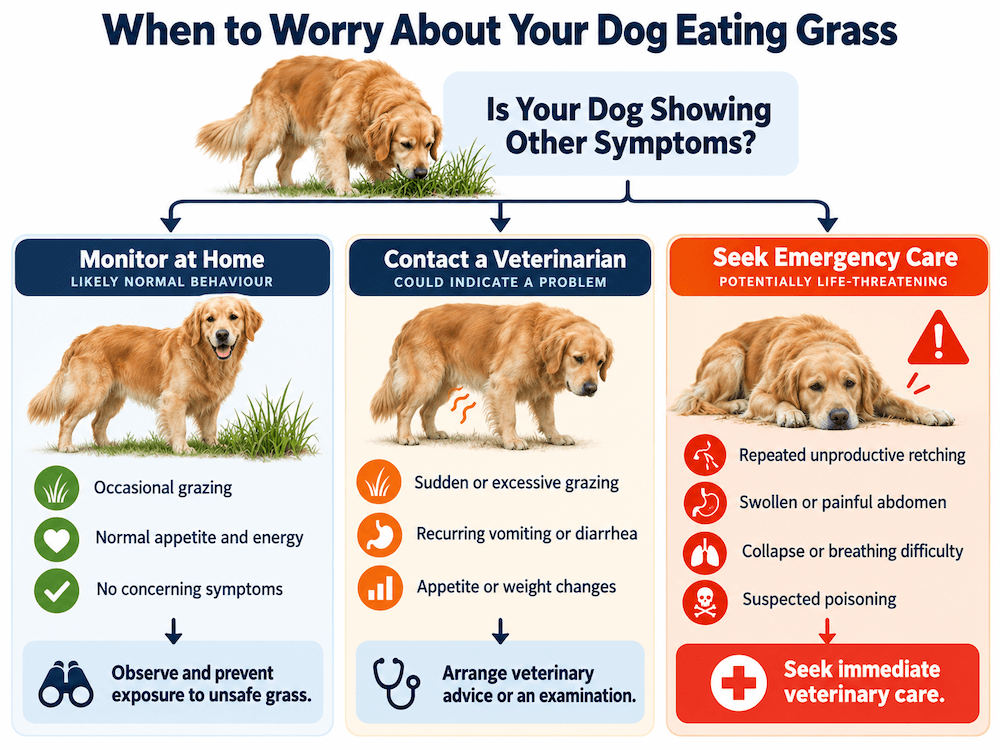
When Should You Worry About Your Dog Eating Grass?
The urgency depends on how your dog behaves and whether other symptoms appear. Occasional grazing in an otherwise healthy dog rarely requires treatment, but sudden changes or recurring digestive problems deserve veterinary attention. Serious symptoms such as collapse, repeated unproductive retching, or suspected poisoning require emergency care.
What Should You Do If Your Dog Eats Grass?
If your dog eats a few blades of grass and otherwise appears healthy, immediate intervention is usually unnecessary. However, checking the environment and observing your dog’s response can help prevent avoidable problems.
How Veterinarians Evaluate Excessive Grass-Eating
Veterinarians assess your dog’s medical history, eating habits, and behavioral patterns to determine whether excessive grass-eating has an underlying cause. They may ask when the behavior began, how frequently it occurs, whether it happens around mealtimes, and whether your dog’s diet, environment, or medications have recently changed. Keeping a record of these details, along with photos or videos of unusual behavior, can help with the assessment.
A physical examination may include checking your dog’s abdomen, mouth, hydration, and overall body condition. Depending on the findings, your veterinarian may recommend fecal testing, bloodwork, diagnostic imaging, or a dietary assessment to investigate possible gastrointestinal, nutritional, or behavioral concerns. Not every dog that eats grass requires diagnostic testing; the approach depends on its medical history, symptoms, and examination results.
How to Stop Your Dog From Eating Grass
Not every dog needs to stop eating grass, especially when grazing is occasional and harmless. However, reducing unwanted or excessive grass eating may be appropriate when the behavior becomes persistent, occurs in unsafe environments, or creates health concerns.
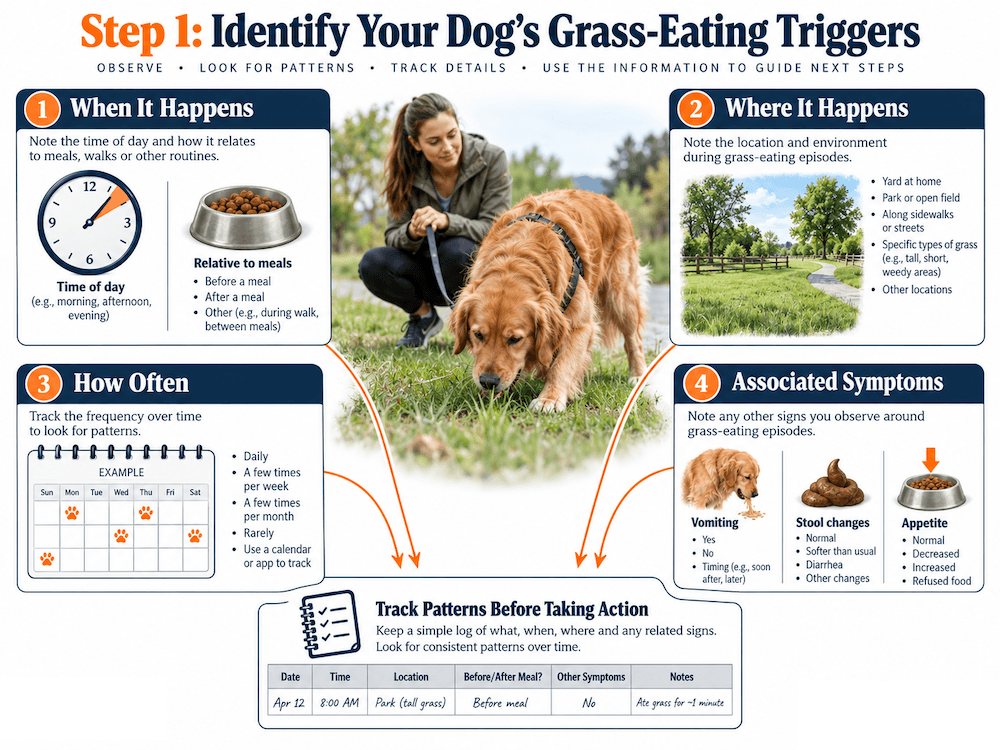
Step 1: Identify When and Why Your Dog Eats Grass
Observe your dog’s grass-eating habits to identify patterns and potential triggers, including meal timing, outdoor activities, and changes in routine. Record how frequently grazing occurs and whether your dog shows unusual symptoms before or afterward. If the behavior is sudden, excessive, or accompanied by illness, seek veterinary advice before treating it as a training problem.
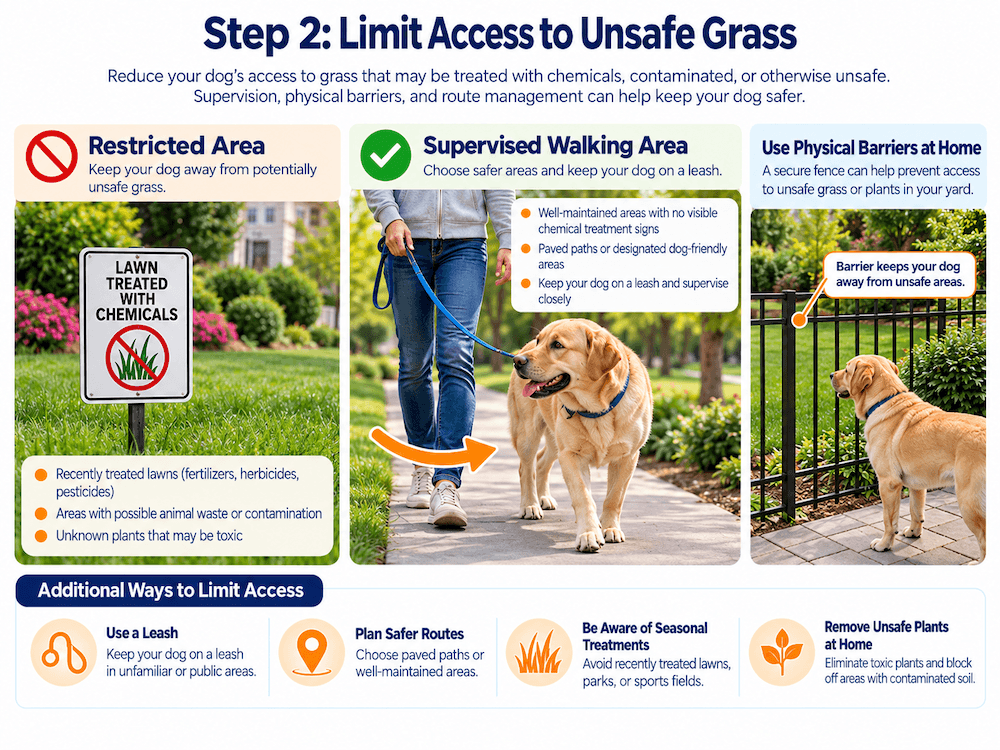
Step 2: Limit Access to Unsafe Grass
Use environmental management to prevent your dog from grazing in areas where chemicals, waste, or unidentified plants may be present. Keep your dog on a suitable leash during walks, supervise outdoor time, and use secure barriers to restrict access to problematic patches. Avoid forcibly pulling grass from your dog’s mouth unless necessary for immediate safety, as this can create unnecessary conflict or risk injury.
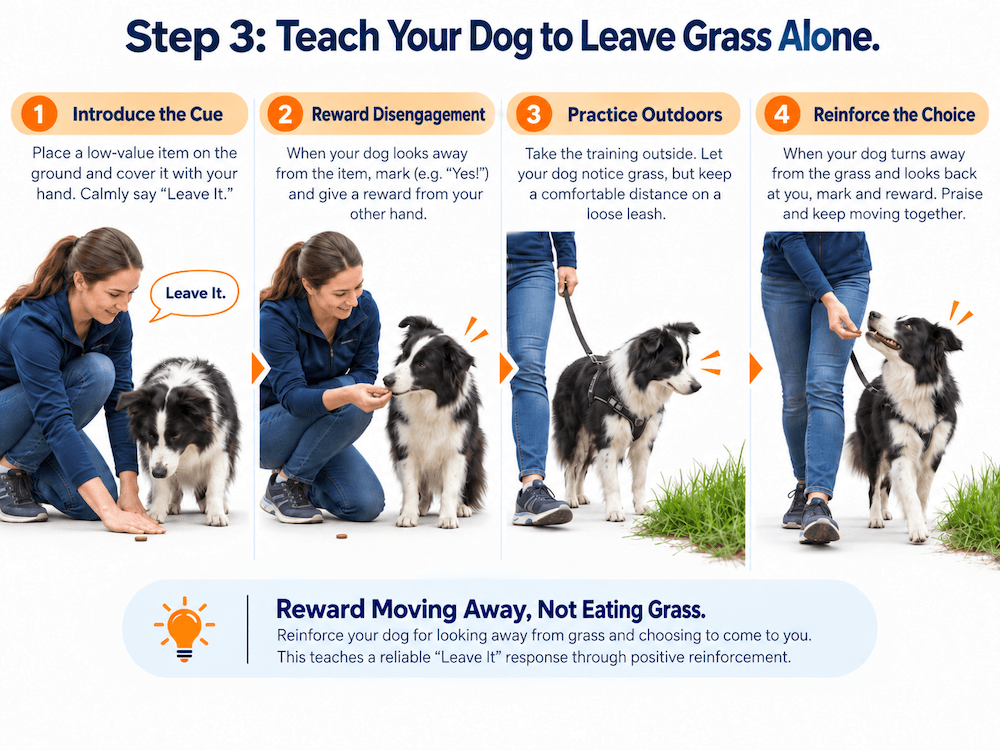
Step 3: Teach the “Leave It” Command
A reliable “leave it” cue can help your dog disengage from grass before swallowing it. Begin practicing indoors with a low-value item, rewarding your dog when it looks away or moves back without taking it. Gradually practice around grass at a manageable distance, rewarding successful disengagement and never relying on punishment or leash corrections.
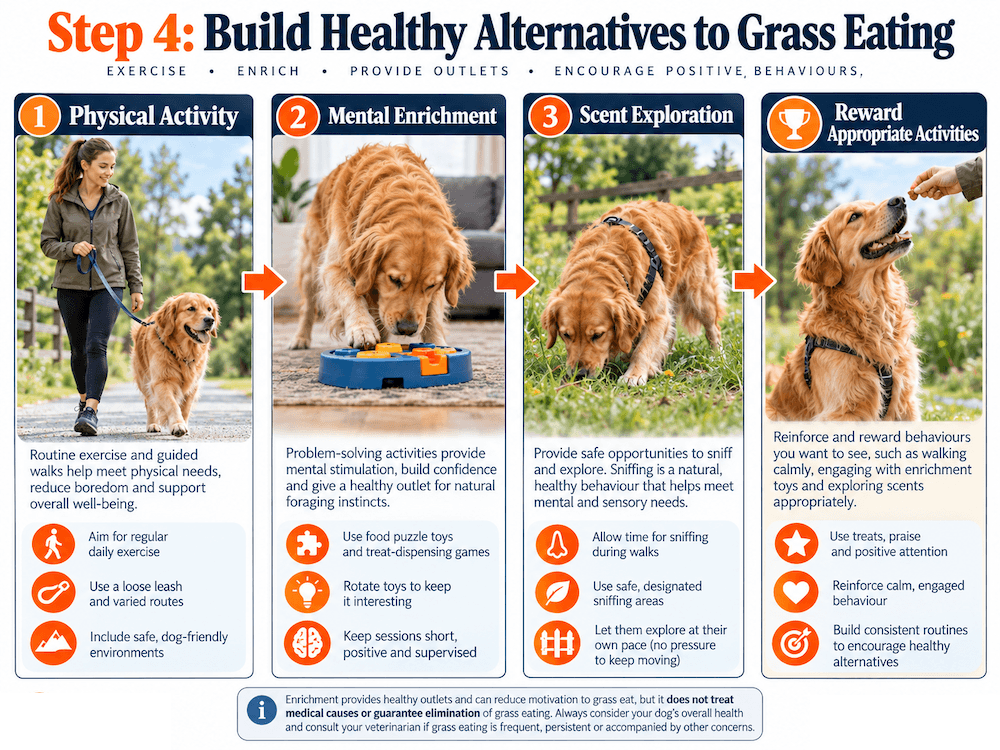
Step 4: Provide Appropriate Alternative Activities
Offer engaging alternatives to grazing through regular exercise, scent-based games, interactive feeding toys, and supervised play. Choose activities that suit your dog’s age, physical condition, and preferences, particularly during times when unwanted grazing commonly occurs. Maintain a consistent routine and reinforce appropriate activities so your dog has rewarding options besides eating grass.
What Research Says About Why Dogs Eat Grass
Grass eating is common among otherwise healthy dogs, and vomiting is not its usual outcome. In a 2008 study published in Applied Animal Behaviour Science, Sueda, Hart, and Cliff analyzed 1,571 qualifying owner surveys about plant-eating dogs. Only 9% of dogs were reported to frequently appear ill before eating plants, while 22% frequently vomited afterward. These findings challenge the assumption that grass eating primarily serves to induce vomiting, although the owner-reported data and selection of plant-eating dogs limit broader conclusions.[1]
Hunger and early developmental experiences may influence grazing frequency. In a 2007 controlled study, Bjone, Brown, and Price observed 12 dogs and found that they spent more time eating grass before their regular meals than afterward.[2] A separate 2009 investigation by the same researchers examined grass eating in young puppies and the possible influence of their mothers’ behavior. These findings suggest that meal-related conditions and early social experiences can influence grazing, but the studies were relatively small and do not explain every dog’s behavior.[3]
The theory that dogs deliberately eat grass to make themselves vomit has limited scientific support. In a 2010 experiment published in Applied Animal Behaviour Science, McKenzie, Brown, and Price recorded only two vomiting events across 374 grass-eating events. Dogs also spent less time eating grass during a diet-induced episode of loose stools than when producing normal stools. Although this weakens the idea that grass is routinely used to treat digestive disturbances, it does not exclude associations with other symptoms, particularly nausea.[4]
Frequently Asked Questions
The Bottom Line
Grass eating is common in dogs and usually reflects natural foraging instincts, sensory preferences, or established habits rather than illness. The reason can differ between dogs and even from one situation to another. Although hunger or digestive discomfort may sometimes play a role, grass eating does not necessarily indicate a nutritional deficiency or an attempt to induce vomiting. Occasional grazing is generally harmless when your dog maintains a normal appetite, energy level, and digestion. However, sudden, excessive, or frantic grass eating deserves attention, particularly when accompanied by other symptoms. Keeping your dog away from chemically treated lawns, contaminated vegetation, and unfamiliar plants helps minimize potential risks. By recognizing your dog’s normal habits and responding appropriately to concerning changes, you can better protect their health and well-being.
For more insight into unusual eating behaviors, explore our guides on why dogs eat poop and pica in dogs. If your dog frequently vomits after grazing, learn about the possible causes and warning signs in our guide to vomiting in dogs. You can also explore our article on upset stomach in dogs to better understand digestive discomfort and when veterinary care may be necessary.