The Complete Guide to Dogs Eating Dates: Good or Bad?


Canine Bible is reader-supported. We receive affiliate commissions via some of our links. Learn more.
Yes, dogs can eat dates in moderation, and this naturally sweet fruit can offer some nutritional benefits. However, before adding dates to your pup’s diet, there are a few important factors to consider. While whole, pitted dates without added sugar or artificial sweeteners are generally safe, some preparations—like processed date snacks or dates coated in syrups—contain excess sugar, which can harm dogs. Plus, what about the pits and tough fibrous skin? Is dried or fresh better for dogs? Can too many dates cause digestive upset due to their high sugar and fiber content? This guide will explore the benefits, potential risks, and the safest way to incorporate dates into your dog’s diet.
Are Date Good For Dogs?
Dates can be a healthy and nutritious dog treat when given in moderation
Always ensure you feed plain, pitted dates in very small amounts. Avoid giving dates with added sugar, coatings, or syrups, as these can be harmful to dogs. Also, never feed whole dates with pits—date pits can be difficult to digest and may pose a choking or intestinal blockage risk.
Benefits
100 grams (3.5-ounce oz) of dates contain the following nutrients:
Dates Nutrition Chart (100g)
Nutrient Analysis
| Component | Description | Nutritional Value (per 100g of Dates) | Safe for Dogs? |
|---|---|---|---|
| Water | Provides moisture but low due to drying | 20.5g | ✅ Safe |
| Calories | High-calorie fruit rich in natural sugars | 277 kcal | ⚠️ Safe in very small amounts |
| Carbohydrates | Mainly sugar-based carbs | 75g | ⚠️ Safe (tiny portions only) |
| Natural Sugars | Fructose, glucose, sucrose | 66.5g | ⚠️ Very high — limit strictly |
| Fiber | Aids digestion but too much may cause loose stools | 6.7g | ✅ Safe (in tiny amounts) |
| Protein | Small amount of plant protein | 1.8g | ✅ Safe |
| Fat | Very low fat content | 0.15g | ✅ Safe |
| Vitamin B6 | Supports metabolism and brain health | 0.2mg | ✅ Safe |
| Potassium | Supports muscle and nerve function | 696mg | ⚠️ Safe (limit for heart/kidney issues) |
| Magnesium | Supports energy production | 54mg | ✅ Safe |
| Calcium | Supports bone strength | 64mg | ✅ Safe |
| Iron | Supports healthy blood | 0.9mg | ✅ Safe |
| Copper | Important for immune and nervous system | 0.36mg | ✅ Safe |
| Manganese | Supports bone health and metabolism | 0.3mg | ✅ Safe |
| Antioxidants | Rich in carotenoids and flavonoids | High | ✅ Safe |
| Pits (Seeds) | Hard, indigestible, and pose choking/blockage risk | — | ❌ Unsafe — always remove |
| Overconsumption | May cause diarrhea, weight gain, or sugar spikes | — | ⚠️ Limit strictly |
Risks & Considerations Before Feeding Dates to Dogs
While dates can be a safe and nutritious treat for dogs when given in moderation, there are several risks and considerations to keep in mind before feeding them to your canine companion:
Are Dogs Allergic to Date?
Most dogs are not allergic to dates, and it’s generally considered safe for canine consumption. However, some dogs may develop an allergic reaction, as with any food. Food allergies in dogs typically manifest as itchy skin, hives, infections, and anaphylaxis (a medical emergency) in severe cases. If you suspect your dog is having an allergic reaction to any food, including dates, it is crucial to consult a veterinarian.
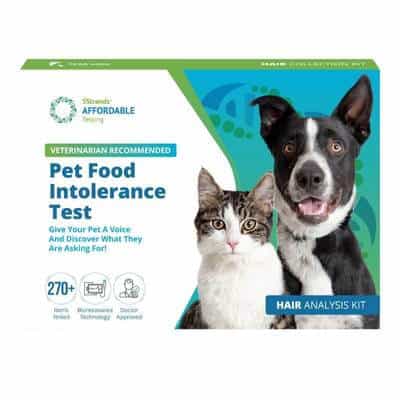
Additionally, conducting an at-home dog allergy test like the 5Strands can help determine if your dog is allergic or intolerant to certain foods. For a more comprehensive approach, consider an at-home dog gut health test, like the Embark Gut Health Test, which can provide deeper insights into your dog’s digestive health and immune function. These tests can identify food sensitivities, bacterial imbalances, and other underlying issues contributing to allergies, helping you take proactive steps to prevent discomfort and support your dog’s overall well-being.
Risks
The following symptoms may indicate a bad reaction to dates.
What to Do If A Dog Reacts Badly to Dates
Dogs showing worsening symptoms, such as blood in their vomit or stool, difficulty breathing, weakness, or collapse, should be taken to the veterinarian immediately.
1. Contact a veterinarian immediately: Even if your dog seems fine, contact your veterinarian or an emergency pet poison hotline right away. This includes services such as the ASPCA Animal Poison Control Center at 1-888-426-4435 or the Pet Poison Helpline at 1-855-764-7661. If you can’t reach your vet, you can chat live with a registered online veterinary professional via our online vet chat or video chat support (24 hours a day, 7 days a week). You can also schedule an at-home veterinary appointment with The Vets, a mobile veterinary service that provides at-home vet care nationwide for just about everything.
2. Gather important information: When speaking to a vet, provide: Quantity consumed (estimate if unsure), time of ingestion, and dog’s weight and breed (to assess potential risk).
3. Follow veterinary instructions: The vet may suggest monitoring at home or emergency treatment at the clinic.
- Keep your dog calm and prevent them from eating anything else.
- Be prepared to transport your dog to the vet quickly if advised.
- Bring any remaining date or packaging to help the vet assess the situation.
How to Safely Feed Dates to Dogs
When feeding dates to your dog, it’s important to follow a few simple guidelines to keep them safe:
Ways to Feed Dates to Dogs
As with any new food, starting slowly and feeding gradually is recommended to give the digestive system time to adjust.
Best Dates Dog Treat

Dog Treat Naturals
For owners who want to share the natural benefits of dates in a wholesome, flavorful treat, Dog Treat Naturals Lamb & Date Superfood Sticks for Dogs offer a nutrient-dense and delicious option. Made with real lamb and antioxidant-rich dates, these superfood sticks provide a balanced blend of high-quality protein and natural fruit sweetness. Each bite supports healthy digestion, sustained energy, and overall vitality, making them a smart choice for dogs who enjoy soft, meaty treats with a nutritious twist.
How Much Date Can Dogs Eat?
Treats should only constitute 10% of your dog’s diet, with the remaining 90% coming from well-balanced dog food. This guideline also applies to healthy treats like dates. Below, you’ll find general guidelines for safely portioning dates based on your dog’s weight.
| Dog Size | Serving Size | Breed Examples |
|---|---|---|
| Extra-small (2-15 lbs.) | ¼ of one date (cut into tiny pieces) — about 1–2 teaspoons mashed or diced | Shih Tzu, Yorkies, Chihuahuas, Maltese |
| Small (16-25 lbs.) | ½ of one date (diced) — about 2 teaspoons | Boston Terriers, Beagles, Dachshund |
| Medium (26-60 lbs.) | ½–1 date (diced) — about 1 tablespoon | Bulldogs, Basset Hounds, Border Collies |
| Large (61-90 lbs.) | 1 date (diced) — about 1½ tablespoons | Golden Retrievers, Pit Bulls, Boxers, Labrador Retrievers |
| Extra-large (91+ lbs.) | 1–1½ dates (diced) — about 2 tablespoons | Bullmastiffs, Great Danes, Saint Bernards, Great Pyrenees |
Can Puppies Eat Dates?
Yes, puppies can eat dates, but only in moderation and in very small amounts. Since puppies have more sensitive digestive systems, it’s best to start with just a tiny portion—such as a pea-sized piece of a fresh, pitted date—to see how they react. Feeding too much date at once can lead to digestive upset, as puppies’ stomachs are still developing and may struggle to handle the fruit’s high natural sugar and fiber content. Additionally, only feed plain dates with no added sugars, coatings, or sweeteners—avoid processed or flavored dates, as these can harm puppies. When introducing dates or any new food, avoid giving multiple new foods on the same day so you can monitor for any sensitivities or allergies. If your puppy experiences digestive issues, introducing foods one at a time makes it easier to identify the cause. Try offering a tiny piece of a soft, pitted date, then wait a few days to observe how your puppy’s digestive system reacts before giving more. Always remove the pit, as date pits are hard, indigestible, and pose a choking hazard or risk of intestinal blockage.
Alternatives
Here’s a list of alternatives to dates that are just as safe and nutritious.
Frequently Asked Questions
The Bottom Line
Dates can be a safe treat for dogs when offered responsibly and in very small portions. Their natural sweetness and nutrient content make them appealing, but the high levels of sugar and fiber mean they should only be fed occasionally. Always remove the pit, avoid any processed versions, and watch for signs of digestive upset when introducing them. With thoughtful serving and moderation, dates can be enjoyed as an occasional reward while keeping your dog’s overall health in mind.
Whether you’re introducing date or any new treat, unexpected reactions can happen. Having the right pet insurance ensures you can handle any vet visits with peace of mind. Check out our guide to the best pet insurance plans to keep your furry friend covered in every situation. If you’re looking for other healthy snack options, check out the best dog treats to find safe and nutritious alternatives. And if you’re seeking something more therapeutic to support anxiety, pain, inflammation, or other health concerns, explore the benefits of CBD oil for dogs and CBD dog treats for a natural way to help your pup feel their best.