When your dog is diagnosed with a mast cell tumor, even something as routine as filling the food bowl can suddenly feel like an important decision. The best dog foods for mast cell tumors won’t treat the cancer itself, but the right diet can help support your dog’s overall nutrition, maintain a healthy body condition, and make mealtimes easier during treatment and recovery. Dogs undergoing cancer care may experience changes in appetite, digestion, energy levels, or weight, making nutrient-dense, highly palatable food especially important. Choosing a diet with appropriate protein, calories, fats, and digestible ingredients can help your dog continue meeting essential nutritional needs when their body is under added stress. Because every dog’s diagnosis, treatment plan, and health status are different, dietary choices should also be discussed with your veterinarian or veterinary oncologist. In this guide, we’ll cover the best dog foods for mast cell tumors, key nutrients to look for, ingredients to consider, and practical tips for choosing a diet that supports your dog throughout treatment.
Can Diet Support Dogs With Mast Cell Tumors?
Diet can support dogs with mast cell tumors by helping maintain strength, body weight, hydration, and overall nutritional status during treatment, but food itself cannot cure or eliminate the cancer. A well-balanced, highly digestible diet with adequate protein and calories can be especially helpful if a dog is experiencing reduced appetite, weight loss, digestive upset, or increased nutritional demands. Some dogs with mast cell tumors may also have stomach irritation related to histamine release, so veterinarians may recommend dietary adjustments alongside medications when gastrointestinal signs are present. The best feeding plan depends on the dog’s treatment, symptoms, other health conditions, and individual tolerance, so any major dietary changes should be discussed with a veterinarian or veterinary oncologist.
Latest Research on the Best Dog Foods for Mast Cell Tumors
According to the latest research, maintaining adequate protein, calories, body weight, and muscle mass may be especially important during cancer treatment, while omega-3-enriched diets may offer supportive benefits for some dogs. More experimental approaches, such as ketogenic diets, have shown intriguing results in isolated cases but are not yet supported by enough evidence for routine use. The findings below highlight what current research can—and cannot—tell us about feeding dogs with mast cell tumors.
📄Clinical Research — Mast Cell Tumors
A Specialized Diet May Help Support Quality of Life During Chemotherapy
A randomized, double-blinded clinical trial involving dogs with mast cell tumors or multicentric lymphoma evaluated a high-protein, increased-fiber diet supplemented with omega-3 fatty acids during chemotherapy. Dogs eating the test diet showed improvements from baseline across several quality-of-life measures, although only one measure differed significantly from the control group. The findings are promising but require confirmation in larger studies.[1]
📊Nutrition Focus — Protein & Body Condition
Adequate Protein and Energy Are Important for Maintaining Muscle and Weight
Recent veterinary oncology nutrition research emphasizes protecting lean muscle, body weight, and overall nutritional status in dogs with cancer. Diets should provide adequate high-quality, digestible protein and enough calories to meet the individual dog’s needs, particularly when appetite or body condition declines. Omega-3 fatty acids are also being studied for their potential nutritional and anti-inflammatory benefits, but dietary needs should be individualized rather than based on a single “cancer diet.”[2]
⚠️Emerging Research — Ketogenic Diets
Ketogenic Diets for Mast Cell Tumors Remain Experimental
A published case report described resolution of a malignant mast cell tumor in one dog managed with a ketogenic metabolic approach. While the report has generated interest in carbohydrate restriction and cancer metabolism, a single case cannot establish that ketogenic diets treat mast cell tumors or produce the same result in other dogs. More controlled clinical research is needed before this approach can be routinely recommended for canine mast cell tumors.[3]
Key Dietary Requirements for Dogs with Mast Cell Tumors
Dogs with mast cell tumors may benefit from a diet that supports overall nutritional adequacy while accounting for the unique gastrointestinal and treatment-related concerns associated with this cancer. Because mast cells can release histamine and some dogs may be more vulnerable to stomach irritation or other digestive complications, food choices should prioritize safety, balance, and compatibility with the treatment plan. Dietary changes, homemade recipes, and supplements are best reviewed with the veterinary oncology team to ensure they support rather than complicate care.
Dietary Requirement
What It Means for Dogs With Mast Cell Tumors
Complete & balanced nutrition
Choose a diet formulated to provide all essential vitamins, minerals, amino acids, and other required nutrients.
Food safety
Favor properly cooked or commercially prepared foods; raw animal products can carry harmful bacteria and other pathogens.
GI ulcer awareness
Mast cell tumors can release histamine linked to stomach acid and ulceration, so vomiting blood or black stools require prompt veterinary care.
No automatic low-histamine diet
There is no established evidence that restricting dietary histamine treats mast cell tumors or prevents tumor-related histamine release.
Professionally formulated homemade diets
Home-cooked meals should be formulated by a veterinary nutrition professional to prevent nutrient deficiencies or excesses.
Treatment-compatible ingredients
Review herbs, supplements, treats, and major diet changes with the oncology team to avoid interfering with medications or treatment plans.
Table data sources: [4],[5]
Remember to ALWAYS consult with your vet before making any changes that could affect your dog’s health, nutrition, or well-being. If you can’t reach your vet, you can chat live with a registered online veterinary professional via our online vet chat or video chat support(24 hours a day, 7 days a week). Or use Chewy’s online vet services(6 a.m. – midnight ET). Additionally, at-home dog gut health tests can analyze your dog’s microbiome, offering insights into which nutrients their diet should include. Similarly, at-home dog allergy testing kits can identify ingredients that may not be suitable for your dog, enabling you to choose the right diet and care plan to support optimal digestion, nutrition, and health.
Best Dog Foods for Mast Cell Tumors
Here are the best dog foods for mast cell tumors this year.
Best Overall Dog Food for Dogs With Mast Cell Tumors
4.9
★★★★★
The Farmer’s Dog
Who It’s For: Dog owners seeking a well-rounded, nutrient-dense food that supports appetite, body condition, and everyday strength during mast cell tumor care.
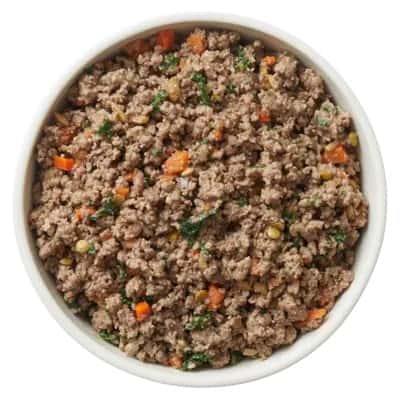
Why we recommended it:The Farmer’s Dog Human-Grade Fresh Dog Food features gently cooked recipes made from USDA-certified meat, vegetables, and lentils, ensuring optimal nutrient absorption and palatability. Each meal is formulated by board-certified veterinary nutritionists and tailored to your dog’s individual calorie and nutrient needs, which is crucial for mast cell tumor support. The food’s moisture-rich format helps hydration—important for dogs undergoing chemotherapy or radiation. We like that it avoids preservatives, fillers, and ultra-processed ingredients, which can cause inflammation and oxidative stress. The meals arrive pre-portioned, simplifying feeding and helping maintain an ideal body condition during treatment. It supports critical nutritional needs (high-quality protein, digestibility, controlled portions), which are especially important for dogs with mast cell tumors, where maintaining lean muscle, supporting immune function, and ensuring nutrient absorption matter more.
What sets it apart from competitors: Human-grade ingredient sourcing and preparation in USDA-approved facilities with the same safety standards as food for people. Its personalized plans based on a dog’s profile ensure proper calorie intake, which is crucial for dogs with health issues like mast cell tumors. Each dog’s calorie and portion plan is tailored based on breed, size, health status, and life stage.
Best Prescription Dog Food for Mast Cell Tumors Support
4.7
★★★★★
Hill’s
Who It’s For: Dogs with mast cell tumors whose veterinarians recommend a therapeutic diet tailored to specific digestive, metabolic, or treatment-related needs.
Why we recommended it:Hill’s Prescription Diet ONC Care is formulated specifically to support dogs with mast cell tumors by encouraging food intake and helping maintain body condition and lean muscle mass. The product page states the formula is “designed for pets fighting cancer” and emphasizes “highly digestible protein to help maintain strength and energy” plus ActivBiome+ prebiotic technology to support gut health. We like that the research document reports 97 % of dogs successfully transitioned within 7 days and that eating enthusiasm significantly improved by day 3 in the study cohort. It also includes relatively high fat and caloric density to help offset the increased metabolic demands and poor appetite seen in oncology patients.
What sets it apart from competitors: Targets the altered metabolism of mast cell tumor patients—balancing calories from fat and protein rather than carbohydrates to limit tumor-feeding glucose. It’s also one of the few veterinary diets backed by clinical trials measuring intake and body weight maintenance in dogs undergoing oncology treatment.
Best Dry Dog Food for Dogs with Mast Cell Tumors
4.7
★★★★★
The Honest Kitchen
Who It’s For: Dog owners who prefer a convenient dry food that delivers balanced nutrition and dependable calories while supporting dogs with mast cell tumors.
Why we recommended it:The Honest Kitchen Protein Plus+ Clusters Dog Food uses whole muscle and organ meats as central protein sources, creating a protein-forward dry diet without relying on meat meals. Its animal-protein base supports lean muscle maintenance, while fish oil and flaxseed provide fatty acids, and taurine adds another nutritionally relevant component. Bacillus coagulans provides probiotic support, while pumpkin and other plant ingredients contribute dietary fiber for digestive support. The clusters can be served as a full meal, paired with another food, or used in smaller portions, providing flexibility in how the food is incorporated into a feeding routine. It is also made without meat meals, GMO ingredients, artificial preservatives, corn, wheat, or soy. The grain-free recipe combines this relatively streamlined ingredient approach with the convenience of a ready-to-serve dry food.
What sets it apart from competitors: Protein Plus+ Clusters use the proprietary MadeHonest process, which cold-presses the ingredients before roasting and gently dehydrating them into bite-sized clusters. The food is also produced to human-grade standards in a human-food facility, giving its scoop-and-serve dry format a structural distinction from typical feed-grade extruded kibble.
Get 50% OFF with code 50CANINE (or 40CANINE for orders under $30)—Use thislink to get started.
Best Wet Dog Food for Dogs With Mast Cell Tumors
4.5
★★★★★
JustFoodForDogs
Who It’s For: Dogs with mast cell tumors that need a softer, more aromatic meal to encourage eating while providing balanced nutrition and added moisture.
Why we recommended it:JustFoodForDogs Critical Care Support is formulated to deliver high energy and digestibility. The recipe uses human-edible ingredients (ground beef, chicken thighs, chicken & beef liver, brown rice, coconut oil, beef fat, flaxseed) prepared in open kitchens with no artificial preservatives. Given the needs of dogs with mast cell tumors—where maintaining intake and nutrient absorption are key—this diet’s emphasis on palatability, caloric density, and digestibility becomes especially valuable. We like that the formula restricts simple carbohydrates (to avoid feeding excessive glucose) while focusing calories on fat and quality protein—a strategy often recommended in oncology nutrition. These components provide necessary energy, essential fatty acids (DHA, EPA), antioxidants, and nutrients that support muscle maintenance, immune health, and digestion.
What sets it apart from competitors: It specifically addresses the nutritional shifts seen in disease states (e.g., higher energy demand, appetite loss) rather than just maintenance nutrition. The focus on palatability and high-density calories makes it a more targeted option for dogs in recovery or under oncology care compared to general “sick-dog” food formulas.
Best Food for Puppies With Mast Cell Tumors
4.8
★★★★★
Raised Right
Who It’s For: Puppies with mast cell tumors that need growth-appropriate nutrition, sufficient calories, and highly digestible food alongside veterinary mast cell tumor care.
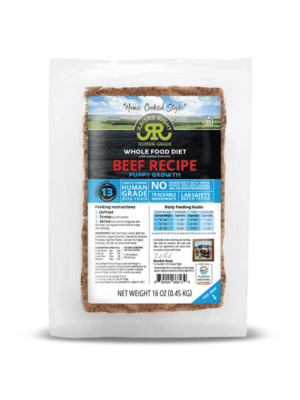
Why we recommended it: The Raised Right Human Grade Puppy Food Recipes are formulated to meet the nutritional levels established by AAFCO for growth (including for large-breed puppies). These recipes contain nutrient-dense ingredients like single-source meats including beef, chicken, or fish, combined with organ meats and superfoods such as cranberries, carrots, flaxseed oil, and cod liver oil, all of which support immune function, reduce inflammation, and promote overall puppy development. It’s paired with low-glycemic vegetables and nutrient-dense oils. The brand’s transparency is unmatched: every batch is lab-tested for pathogens with public results, a critical reassurance for immunocompromised mast cell tumor patients. We like that these puppy formulas avoid high-carb fillers, which can reduce unnecessary glucose load — potentially beneficial when metabolic changes are present.
What sets it apart from competitors: Its family-owned ethic, combined with collaboration with veterinarian Dr. Karen Becker to ensure formulation meets the highest health standards. The company uses only ingredients that pass human-grade inspection sourced from farms in the United States, avoiding fillers and preservatives. Additionally, its low-carb, high-protein profile supports lean muscle growth critical for young dogs combating mast cell tumors.
Best Dog Food for Mast Cell Tumor Remission & Prevention
4.6
★★★★★
Chi Dog
Who It’s For: Dogs in mast cell tumor remission that need complete, balanced nutrition to maintain body condition and support long-term health after treatment.
Why we recommended it: The Chi Dog Earth Diet features nutritious, mainly plant-based ingredients, including egg, tofu, sweet potato, spinach, green peas, and mushrooms, along with essential vitamins, minerals, and trace elements that contribute to optimal health. It avoids high-fat organs and heavy processing, which can be harsh on the digestive system during mast cell tumor treatment. We recommend Chi Dog Earth Diet because it offers a holistic approach blending traditional Chinese veterinary medicine principles with modern nutrition. The diet aims to balance blood and qi, reduce blood stagnation, and manage phlegm and dampness, which can be factors in mast cell tumor recovery. Its USDA-certified preparation assures human-grade safety and quality, making it easy to integrate into a healing regimen for puppies and dogs with mast cell tumors.
What sets it apart from competitors: Uses human-grade formula emphasizing low-fat, low-carbohydrate, whole-food ingredients and aligning with a holistic veterinary-nutrition philosophy (TCVM-style). It also clearly targets “inflammation, mast cell tumor remission/prevention, lipomas” in its product literature. Its design makes it stand out in the niche of supportive diets for dogs with serious health challenges, especially when traditional high-fat/high-protein therapeutic diets might not be ideal.
Best Freeze-Dried Food for Dogs With Mast Cell Tumors
4.6
★★★★★
GetJoy
Who It’s For: Dog owners seeking a calorie-dense, highly palatable option that can make mealtimes more appealing for dogs undergoing mast cell tumor care.
Why we recommended it: The Get Joy Freeze-Dried Raw Dog Food leverages USDA-sourced meats (e.g., beef, organ meats) and superfood vegetables and grains, designed by veterinary nutritionists for gut, immune and overall health. The freeze-drying process retained 97% of nutrients per the brand’s claim, which means higher nutrient availability—important when dogs may eat less or absorb nutrients less efficiently during mast cell tumor treatment. We like that the product is formulated for “all life stages” so it theoretically could support dogs with mast cell tumors across adult to senior spans. The product employs a proprietary Belly Biotic™ blend to promote gut microbiome health, which is crucial for dogs fighting mast cell tumors and undergoing treatment.
What sets it apart from competitors: It’s packed with whole-food superfood additions (broccoli, pumpkin, flaxseed) more than many peers. It combines fresh, real-food nutrition with scientifically driven formulations to enhance digestion, strengthen immunity, and reduce inflammation. Its freeze-dried format maintains nutrient integrity and convenience while avoiding heat damage common in kibble.
Best Food for Senior Dogs With Mast Cell Tumors
4.7
★★★★★
Open Farm
Who It’s For: Senior dogs with mast cell tumors that need easy-to-eat, nutrient-rich meals designed to support healthy weight, muscle, and age-related needs.
Why we recommended it: The Open Farm Senior Grain-Free Dog Kibble features ethically raised turkey and chicken from family farms, rich in lean protein and omega fatty acids for anti-inflammatory support. It includes New Zealand green-lipped mussels, known for promoting joint health, plus real fruits and vegetables like pumpkin and coconut oil, which aid digestion and provide antioxidants. It delivers balanced, minimally processed ingredients supporting overall vitality and mobility, with an emphasis on toxin-free, traceable animal proteins. Its inclusion of vitamin E, glucosamine, and chondroitin supports senior-specific needs, particularly important for dogs managing mast cell tumor-related inflammation and joint stress.
What sets it apart from competitors: Full ingredient traceability and ethical sourcing (humanely raised meats, non-GMO produce) which is uncommon among senior therapeutic-kibble options. Unlike many senior formulas that simply lower calories or fat, this recipe actively includes joint support (glucosamine/chondroitin) and non-grain, grain-free composition while maintaining decent protein levels.
Who It’s For: Dog owners considering raw feeding for a dog with mast cell tumors and willing to discuss food-safety risks and nutritional balance with their veterinarian.
Why we recommended it: The Darwin’s Intelligent Design Cancer Support formula uses whole-food, USDA-quality ingredients and is designed by veterinary nutritionists with raw feeding in mind, which means minimal processing and retention of natural nutrients. Because it emphasizes high-quality protein and fats, lower simple carbohydrates (recognizing the metabolic considerations in oncology nutrition), it aligns well with the goal of maintaining lean mass and supporting immune function. While detailed macros for the Cancer Support version are not publicly complete, the raw line is described as “high in protein and free of grains. Our veterinary meals do not contain refined carbohydrates and high-starch ingredients such as corn, wheat, rice, and soy that promote inflammation.”
What sets it apart from competitors: This formula is prescription-only, raw, and condition-specific, which places it in a distinct niche. It emphasizes veterinary supervision and tailored nutrition. The focus on raw, whole-food ingredients with medicinal mushrooms and functional antioxidants is unique, supporting immune modulation beyond basic nutrition. Their meals are prepared freshly and frozen to preserve nutrient integrity, avoiding the degradation seen in processed kibble or canned diets.
Best Canned Food for Dogs With Mast Cell Tumors
4.5
★★★★★
Hill’s
Who It’s For: Dogs with mast cell tumors that benefit from soft, moisture-rich food with a strong aroma, especially when treatment has reduced their appetite.
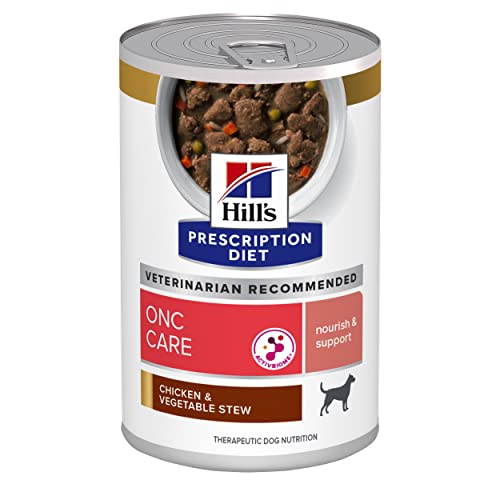
Why we recommended it: The Hill’s Prescription Diet ONC Care Wet Dog Food contains tender bite-sized chunks in gravy, made with highly digestible chicken, pork liver, chicken broth, and wholesome vegetables like carrots and green peas. It features ActivBiome+ technology, a proprietary prebiotic fiber blend that promotes gut health and consistent stool quality. With highly digestible protein and flavorful fats, the formula helps dogs maintain muscle mass, energy, and vitality. This formula offers veterinary-formulated clinical nutrition backed by research, designed to support immune function and metabolic health in dogs with mast cell tumors. Additionally, its savory taste and texture appeal to even the most finicky eaters, enhancing food intake during difficult times.
What sets it apart from competitors: The formula’s proprietary blend of nutrients tailored for mast cell tumors management, along with soft, easy-to-chew pieces in a gravy base, ensures both nutrition and appetite stimulation.
Best Dehydrated Food for Dogs With Mast Cell Tumors
4.6
★★★★★
The Honest Kitchen
Who It’s For: Dog owners seeking a shelf-stable, minimally processed option that can be rehydrated into a softer, more enticing meal for mast cell tumor patients.
Why we recommended it:The Honest Kitchen Wholemade Grain-Free contains high-quality protein sources like dehydrated chicken or beef, alongside nutrient-rich carbohydrates from sweet potatoes, potatoes, and lentils. It is fortified with fish oils providing DHA and EPA, taurine for heart health, and a comprehensive vitamin and mineral blend to ensure balanced nutrition. It embraces a human-grade standard, using only ingredients approved for human consumption, coupled with gentle dehydration that preserves natural nutrients and flavor. The absence of fillers, artificial preservatives, and common allergens supports dogs with mast cell tumors in maintaining energy and health while minimizing digestive stress.
What sets it apart from competitors: FDA “human-grade” certification, its transparency in ingredient sourcing, and its commitment to minimal processing through dehydration rather than extrusion or heavy cooking. It also offers a higher moisture content upon rehydration, aiding hydration for dogs that may be less inclined to drink water.
Get 50% OFF with code 50CANINE (or 40CANINE for orders under $30)—Use thislink to get started.
Best Dog Food to Boost the Immune System
4.5
★★★★★
Stella & Chewy’s
Who It’s For: Dogs with mast cell tumors that need complete, nutrient-rich meals supporting normal immune function without relying on exaggerated “immune-boosting” claims.
Why we recommended it: Stella & Chewy’s Freeze-Dried Raw Dog Food for Immune Support line contains a targeted blend of ingredients designed to support immune health: the product lists beta-carotene (a natural antioxidant), raspberries and cranberries (for antioxidant load), omega-3 fatty acids (which support immune cell function) and added vitamin E—“a natural antioxidant, can help defend the body of free radicals.” The freeze-dried format preserves nutrient density, making it ideal for dogs who may eat less or absorb fewer nutrients due to immune stress. It avoids added grains, potatoes, and legumes (“pea-free, lentil-free, and potato-free”) which may reduce dietary antigen exposure in immune-compromised dogs.
What sets it apart from competitors: Immune-support formulation, not just “premium raw” but one with added functional antioxidants and omega-3 sources targeted toward immune health. Packs immune-support ingredients (beta-carotene, bromelain from pineapple stem, etc.).
Best Food Topper for Dogs With Mast Cell Tumors
4.7
★★★★★
The Honest Kitchen
Who It’s For: Dogs with mast cell tumors that need extra flavor, aroma, or calories to make regular meals more appealing when appetite becomes inconsistent.
Why we recommended it:The Honest Kitchen Pour Overs® Immune Support Beef Stew provides a simple, human-grade formula made with beef bone broth, ranch-raised beef, butternut squash, carrots, blueberries and apples—ingredients rich in antioxidants and natural nutrients. It adds an extra helping of vitamin E and beta-carotene, which support immune-cell function—valuable when dogs face immunocompromise during mast cell tumor therapy. We like that this topper is easy to use: simply pour over the dog’s regular complete food, making it ideal when a dog has limited appetite or digestion capacity. The human-grade certification and absence of fillers or artificial preservatives make it a cleaner complement for a dog whose system is under stress.
What sets it apart from competitors: This topper product is specifically formulated for immune support—combining bone broth, antioxidant-rich produce and human-grade standards. Its transparency in ingredient sourcing and its vet-crafted positioning elevate it over standard toppers.
Get 50% OFF with code 50CANINE (or 40CANINE for orders under $30)—Use thislink to get started.
Other Dog Foods for Mast Cell Tumors
Best DIY Homemade Food for Dogs With Mast Cell Tumors: JustFoodForDogs DIY Nutrient Blend for Homemade Dog Food is the top choice for dog owners who prefer cooking fresh meals at home while ensuring complete and balanced nutrition. This nutrient blend provides all the essential vitamins and minerals dogs with mast cell tumors need to support their immune system and recovery. It’s formulated by veterinarians and designed to pair with fresh protein and veggies, giving you control over ingredient quality. We love how it eliminates the guesswork from homemade feeding and ensures meals meet AAFCO standards for adult dogs.
Best Dog Food for Mast Cell Tumors and Weight Loss: Bully Max High Protein & Fat Dog Food earns the top spot for helping dogs with mast cell tumors maintain or regain healthy body weight. With 535 calories per cup and 30% protein, this high-calorie formula is ideal for dogs losing weight due to illness or poor appetite. The dense nutrition supports muscle retention, energy, and recovery, while chicken meal and brown rice provide digestible protein and carbs. We like that it’s free from artificial additives and uses nutrient-rich ingredients to help dogs build strength during mast cell tumor treatment.
Best Food Power Supplement for Dogs With Mast Cell Tumors: VetSmart Formulas Critical Immune Defense Powder is the best immune-boosting supplement for dogs battling mast cell tumors. It combines medicinal mushrooms, antioxidants, and beta-glucans to enhance immune response and overall vitality. This formula supports normal cell growth, detoxification, and inflammation control—all crucial for dogs undergoing treatment. It’s also free of artificial fillers and made in the USA, ensuring purity and safety. We like that it’s easy to mix into food and backed by strong reviews for improving energy and wellness.
How to Transition Your Dog to a New Diet for Mast Cell Tumors
A gradual food change can help reduce digestive upset and make it easier for your dog to adjust to a new diet. Unless your veterinarian recommends a faster change for medical reasons, transition over about 7–10 days by slowly increasing the new food while decreasing the old food.
Transition Stage
Old Food
New Food
What to Do
Days 1–2
75%
25%
Mix a small amount of the new food into the usual meal.
Days 3–4
60%
40%
Increase the new food if your dog is adjusting comfortably.
Days 5–6
50%
50%
Serve equal portions of the old and new diets.
Days 7–8
25%
75%
Make the new food the larger portion of each meal.
Days 9–10
0%
100%
Complete the switch if your dog is tolerating the diet well.
Sensitive dogs
Reduce slowly
Increase slowly
Extend each stage for a few extra days if needed.
During treatment
Follow vet advice
Follow vet advice
Ask the oncology team whether the transition schedule needs adjusting.
If problems occur
Pause changes
Do not increase
Contact your veterinarian before continuing the transition.
Monitoring Your Dog’s Progress on a New Diet for Mast Cell Tumors
Once your dog is fully eating the new diet, watch for changes in appetite, stool quality, vomiting, energy level, and general comfort. Keep an eye on whether your dog is maintaining weight or beginning to gain or lose weight unexpectedly, since these changes can help indicate whether the diet is meeting their needs.
Also note whether existing symptoms improve, remain unchanged, or become more noticeable after the diet change. Persistent vomiting, poor appetite, diarrhea, declining energy, unexplained weight loss, or worsening symptoms should be discussed with your veterinarian, particularly in dogs undergoing treatment for mast cell tumors.
Because cancer, medications, and other health conditions can affect how a dog responds to food, ongoing monitoring is best done with veterinary guidance. Regular check-ins can help determine whether the current diet should be continued, adjusted, or replaced.
The Bottom Line
Choosing the best dog foods for mast cell tumors starts with supporting your dog’s overall nutritional needs while accounting for treatment, appetite, digestion, and body condition. A balanced, digestible diet can help maintain strength and make feeding more manageable during cancer care. Food safety, nutritional completeness, and veterinary oversight are especially important when considering homemade diets, supplements, or major dietary changes. Dogs with mast cell tumors may also need extra attention to gastrointestinal comfort because of the effects these tumors can have on the digestive system. Any new diet should be introduced gradually to reduce the risk of unnecessary stomach upset. Once the transition is complete, monitoring appetite, stool quality, vomiting, energy, weight, and symptom changes can help show how well the diet is working. Working closely with your veterinarian or veterinary oncologist remains the best way to tailor nutrition to your dog’s individual needs.
Like It? Subscribe & Share!
Sources
Canine Bible uses only high-quality sources, including peer-reviewed studies, to support the facts within our articles. Read our editorial process and product review methodology to learn more about how we fact-check, test products, and keep our content accurate, reliable, and trustworthy.
Canine Bible authorship represents the unified voice of our entire editorial team and our in-house veterinarians rather than a single author. Each article, blog post, and review published under the Canine Bible name undergoes a rigorous review process, involving all team members to guarantee accuracy and up-to-date in accordance with the latest veterinarian research. This collaborative effort is an integral part of our editorial process and aligns with our four pillars of content creation. This approach ensures our content is backed by expert knowledge and factual information, offering our readers reliable, actionable, and trustworthy content.