When a dog with hypothyroidism starts gaining weight, slowing down, or losing enthusiasm for daily activities, what goes into the food bowl can matter more than many owners realize. Because the thyroid helps regulate metabolism, dogs with an underactive thyroid may have a harder time maintaining a healthy weight and energy level, even when their portions seem reasonable. The best dog foods for hypothyroidism can support weight control, lean muscle, digestive health, and overall nutrition alongside the treatment plan recommended by your veterinarian. Choosing the wrong formula, especially one that is overly calorie-dense or poorly matched to your dog’s activity level, can make managing weight and wellness more difficult. Diet is not a replacement for thyroid medication, but it can be an important part of helping your dog feel and function at their best. In this guide, we’ll break down the best dog foods for hypothyroidism, what nutrients and features to look for, and how to choose the right option for your dog’s individual needs.
Can Diet Support Dogs With Hypothyroidism?
Hypothyroidism slows a dog’s metabolism and can contribute to weight gain, low energy, and changes in skin and coat quality. While diet cannot replace thyroid hormone replacement therapy—the standard treatment for most dogs with hypothyroidism—the right food can support overall management by helping maintain a healthy weight, preserve lean muscle, promote skin and coat health, and provide consistent, balanced nutrition. The best diet will also depend on your dog’s age, activity level, body condition, and any other health conditions. Current research offers further insight into how nutrition may influence thyroid health and where its role remains limited.
Latest Research on Diet & Hypothyroidism in Dogs
According to the latest research, nutrition may influence canine thyroid function in specific situations, but the evidence is still developing. Studies highlight the importance of avoiding nutrient deficiencies while showing that supplements such as vitamin D or zinc should not be used routinely without veterinary guidance.
📄Research Update — Dietary Iodine Deficiency
Rare Iodine Deficiency Can Directly Affect Thyroid Function
A 2026 canine case report linked severe dietary iodine deficiency with goitrous hypothyroidism. After adequate iodine intake was restored, thyroid hormone levels normalized and thyroid enlargement improved within two months, showing that nutritional hypothyroidism can be reversible in rare deficiency-driven cases.[1]
📊Emerging Evidence — Vitamin D
Vitamin D May Influence Thyroid Hormones, but Evidence Is Early
In a 2025 study of eight healthy dogs, six weeks of vitamin D3 supplementation increased total and free T4 while lowering TSH. Because the study involved healthy dogs rather than dogs with hypothyroidism, the findings do not yet support vitamin D supplementation as a thyroid treatment.[2]
⚠️Clinical Evidence — Zinc Supplementation
Zinc Shows Potential, but Routine Supplementation Is Not Established
A small study comparing levothyroxine alone with levothyroxine plus zinc found additional improvement in some laboratory measures with zinc, while many outcomes did not differ between groups. The evidence remains too limited to justify routine zinc supplementation without veterinary guidance.[3]
Key Dietary Requirements of Dogs with Hypothyroidism
Dogs with hypothyroidism benefit from a diet that is complete, digestible, and appropriate for their life stage. Consistent feeding, sensible treat portions, and good hydration can also help support steady nutrition and make day-to-day management easier.
Dietary Requirement
What to Look For
Why It Matters
Complete & balanced nutrition
Food meeting AAFCO standards for the dog’s life stage.
Provides essential nutrients in appropriate proportions.
Good digestibility
Highly digestible ingredients and well-formulated recipes.
Helps dogs efficiently absorb nutrients from each meal.
Consistent feeding schedule
Regular meals given consistently in relation to thyroid medication.
Helps keep levothyroxine absorption and dosing more predictable.
Life-stage appropriate formula
Adult, senior, or other formula suited to the dog’s current stage.
Matches changing nutritional needs over time.
Controlled extras
Limit excessive treats, table scraps, and unnecessary supplements.
Prevents the main diet from becoming nutritionally diluted.
Adequate hydration
Constant fresh water; wet food can increase moisture intake.
Supports normal digestion and overall body function.
Remember to ALWAYS consult with your vet before making any changes that could affect your dog’s health, nutrition, or well-being. If you can’t reach your vet, you can chat live with a registered online veterinary professional via our online vet chat or video chat support(24 hours a day, 7 days a week). Or use Chewy’s online vet services(6 a.m. – midnight ET). Additionally, at-home dog gut health tests can analyze your dog’s microbiome, offering insights into which nutrients their diet should include. Similarly, at-home dog allergy testing kits can identify ingredients that may not be suitable for your dog, enabling you to choose the right diet and care plan to support optimal digestion, nutrition, and health.
Best Dog Foods for Hypothyroidism
Here are the best dog foods for hypothyroidism this year.
Best Overall Dog Food for Hypothyroidism
4.9
★★★★★
The Farmer’s Dog
Who It’s For: Dog owners who want a balanced everyday diet that supports healthy weight, steady energy, lean muscle, and overall wellness in dogs with hypothyroidism.
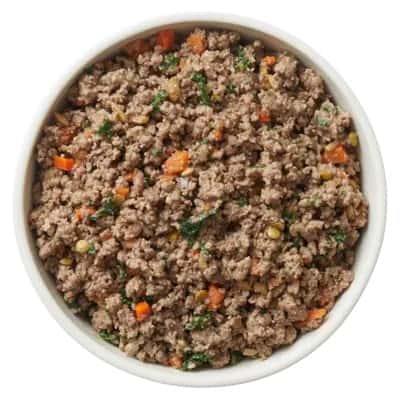
Why we recommended it:The Farmer’s Dog uses gently cooked, human-grade meats and vegetables in recipes formulated by board-certified veterinary nutritionists to provide complete and balanced nutrition. Its animal proteins supply amino acids needed to maintain lean muscle, which is useful when calorie intake must be managed carefully to maintain a healthy body condition. Vegetables contribute dietary fiber for digestive health, while recipe-specific oils provide essential fatty acids that support healthy skin and coat. The fresh meals also contain substantial moisture, adding dietary water without requiring a separate topper or broth. Digestibility testing reported by the company found approximately 93% protein digestibility, indicating that much of the dietary protein is available for absorption.
What sets it apart from competitors: Its feeding model calculates pre-portioned meals using factors such as age, weight, breed, activity level, and body-condition goals rather than relying on a generic feeding chart. Portions can also be adjusted as a dog’s weight or calorie needs change, making the system particularly useful when maintaining a consistent body condition requires closer calorie control.
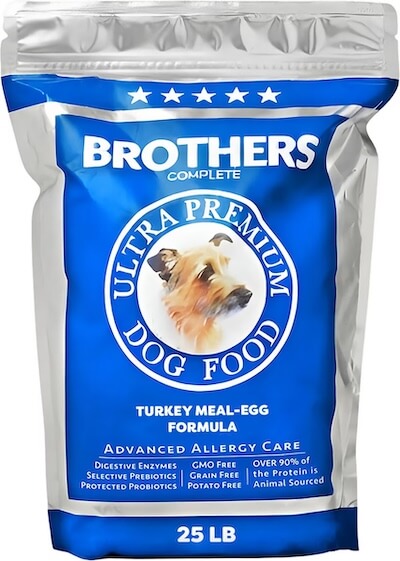
Who It’s For: Dog owners seeking higher-quality ingredients and nutrient-dense nutrition to support weight management, energy, and overall health in hypothyroid dogs.
Why we recommended it:Brothers Ultra Premium Dog Food combines concentrated animal proteins and whole eggs with lower-glycemic carbohydrates, fiber-rich plant ingredients, essential fats, vitamins, and minerals. Long-chain inulin works alongside encapsulated probiotics to support the gut microbiome, while a six-enzyme blend helps break down protein, fat, starches, lactose, and plant fibers during digestion. Pumpkin, flaxseed, vegetable pomace, and cranberry pomace provide additional sources of fiber and plant-derived nutrients. Algae-derived DHA supplies long-chain omega-3 fatty acids, while taurine and L-carnitine support normal heart function and cellular energy metabolism. For hypothyroid dogs, the protein-forward composition can help preserve lean tissue while portions are managed to maintain a healthy body condition.
What sets it apart from competitors: More than 90% of the protein in every Brothers recipe comes from animal sources, while the formulas use lower-glycemic carbohydrates without high-glycemic grains or potatoes. Brothers also uses low-temperature, small-batch processing and climate-controlled storage, giving its production model a more controlled approach than typical high-volume kibble manufacturing.
Best Dry Dog Food for Hypothyroidism
4.7
★★★★★
Open Farm
Who It’s For: Dog owners who prefer convenient, shelf-stable kibble that supports healthy weight, muscle maintenance, and balanced daily nutrition.
Why we recommended it:Open Farm Healthy Weight Dry Dog Food is veterinarian-formulated for adult weight management. Its protein-forward, lower-fat structure helps maintain lean muscle while the higher fiber content supports fullness and digestive regularity, which can be practical when managing weight in hypothyroid dogs. Oat fiber, barley, millet, pumpkin, chicory root, and fructooligosaccharides provide several forms of fiber, including prebiotics that nourish beneficial gut bacteria. L-carnitine is guaranteed at 750 mg/kg to support healthy metabolism and fatty-acid oxidation. DHA and omega-3 and omega-6 fatty acids provide nutritional support for healthy skin and coat, while taurine adds support for normal heart function. Separate feeding portions for weight loss and weight maintenance also make it easier to adjust intake as body condition changes.
What sets it apart from competitors: Every bag includes a lot code that can trace individual ingredients to their geographic origins and provide additional sourcing and safety-testing information. Open Farm also publishes a third-party screening-level life-cycle assessment for this specific recipe, reporting a carbon footprint of 1 kg CO2e per pound of food.
Why we recommended it:JustFoodForDogs Pantry Fresh Balanced Remedy uses ground turkey as its single animal protein, paired with long-grain white rice, sushi rice, and rice starch in a deliberately simple, highly digestible recipe. Its limited-ingredient, low-fat structure can be useful when a hypothyroid dog also has a sensitive gastrointestinal tract or needs closer body-condition management. The rice-based carbohydrate sources are gentle on digestion and fit the formula’s low-residue approach, while turkey supplies amino acids needed to maintain lean muscle. Sunflower, coconut, fish, and flaxseed oils provide complementary fatty acids, including EPA, DHA, and alpha-linolenic acid, that support healthy skin and coat. The recipe-specific nutrient blend adds taurine, chelated minerals, and essential vitamins to round out the whole-food ingredients.
What sets it apart from competitors: Balanced Remedy is cooked using Tetra Pak technology, allowing the whole-food meal to remain shelf-stable for up to two years unopened without added preservatives. This creates an unusual middle ground between refrigerated fresh food and conventional canned diets, combining a limited-ingredient fresh-style formulation with pantry storage.
Best Food for Puppies With Hypothyroidism
4.6
★★★★★
Raised Right
Who It’s For: Puppies with hypothyroidism that need complete growth nutrition to support healthy development, lean muscle, energy, and appropriate weight gain.
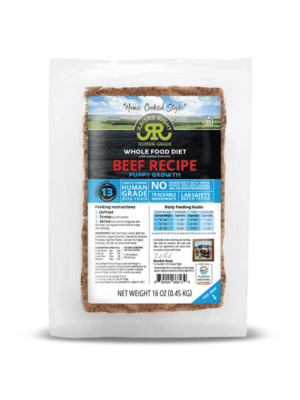
Why we recommended it:Raised Right Puppy Food is formulated specifically for puppy growth, including large-size dogs, using human-grade animal proteins, organ meats, vegetables, essential fats, and carefully selected mineral sources. Eggshell powder and dicalcium phosphate contribute minerals needed during skeletal development, while cod liver oil and, in some recipes, flaxseed oil provide essential fatty acids. The protein-forward, very-low-carbohydrate structure can be practical when maintaining lean tissue and closely managing body condition are priorities. The meals are gently cooked in a USDA-inspected human-grade facility to the minimum temperatures required for pathogen control while retaining the high-moisture character of fresh food. Raised Right’s customized feeding calculator also adjusts portions according to activity level and whether a puppy needs to maintain, gain, or lose weight.
What sets it apart from competitors: Every production batch is laboratory-tested for E. coli, Salmonella, and Listeria and held from shipment until it passes the company’s release testing. Raised Right also publishes its batch-level laboratory results online, providing unusually detailed safety transparency for a fresh puppy food.
Who It’s For: Senior dogs with hypothyroidism that need balanced nutrition to support healthy weight, muscle mass, mobility, and steady energy as they age.
Why we recommended it:Open Farm Senior Grain-Free Dog Kibble is formulated for adult and senior dogs with a protein-forward combination of humanely raised turkey and chicken to help maintain lean muscle as activity levels decline. Sweet potato, pumpkin, green and red lentils, and flaxseed provide fiber and additional nutrients that support everyday digestive function. Green-lipped mussel adds omega-3 fatty acids and other nutrients associated with hip and joint health, while glucosamine and chondroitin provide additional mobility support. Salmon oil and herring meal supply EPA and DHA, while flaxseed contributes additional omega-3s that help support healthy skin and coat. Coconut oil also provides medium-chain triglycerides, and dried chicory root contributes prebiotic inulin for gastrointestinal support.
What sets it apart from competitors: Each bag can be traced by lot code to the geographic origin of individual ingredients, along with available sourcing and safety-testing information. Its turkey and chicken are also independently certified to Global Animal Partnership animal-welfare standards, adding third-party verification to the formula’s sourcing claims.
Who It’s For: Dog owners seeking a grain-free diet for hypothyroid dogs that also supports healthy weight, lean muscle, and balanced everyday nutrition.
Why we recommended it:The Honest Kitchen Grain Free Whole Food Clusters combine human-grade animal proteins, eggs, vegetables, seeds, beneficial fats, vitamins, minerals, and probiotics in a complete dry-food format. Ingredients such as pumpkin, carrots, broccoli, kale, apples, flaxseed, and chia seed provide fiber and naturally occurring plant nutrients that support digestive health. Fish oil and flaxseed contribute omega fatty acids that help maintain healthy skin and coat, which is useful when those areas need extra nutritional support. Probiotic Bacillus coagulans is included to support the intestinal microbiome, while taurine and chelated minerals round out the nutritional profile. The recipes are crafted with veterinary nutrition input and use whole animal proteins without meat meals. Their scoop-and-serve format also provides the convenience of dry food without requiring rehydration before feeding.
What sets it apart from competitors: The proprietary MadeHonest® process cold-presses the ingredients into clusters, then roasts and gently dehydrates them instead of using conventional kibble extrusion. The clusters are also made with 100% human-grade ingredients in a human-food facility, giving the food a manufacturing standard and processing format that differs substantially from traditional dry kibble.
Get 50% OFF with code 50CANINE (or 40CANINE for orders under $30)—Use thislink to get started.
Best Food for Dogs With Allergies & Hypothyroidism
4.5
★★★★★
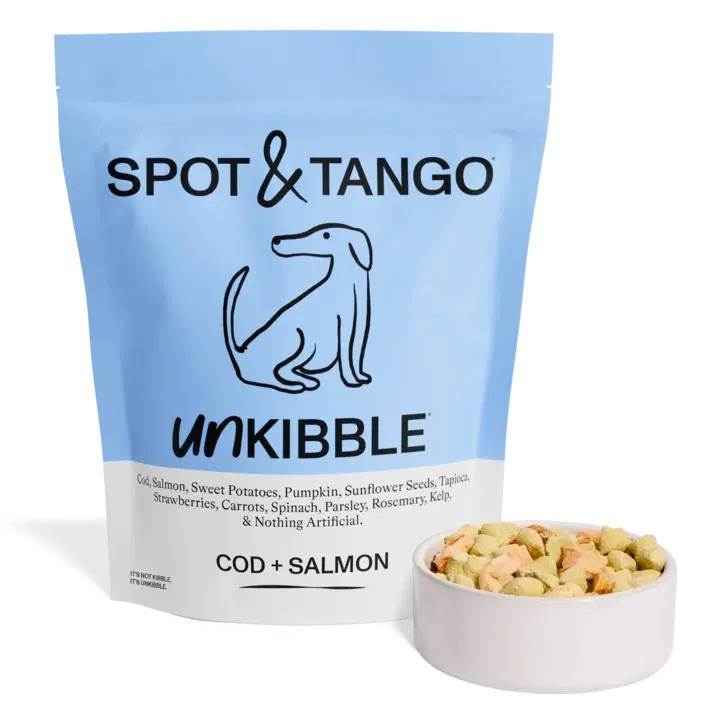
Spot & Tango
Who It’s For: Dogs with hypothyroidism and food sensitivities that need a carefully selected diet to support skin comfort, digestion, and healthy weight.
Why we recommended it:Spot & Tango UnKibble uses human-grade meats alongside whole grains or grain-free carbohydrate sources, fruits, vegetables, seeds, oils, and a targeted nutrient blend rather than powdered meat meals. Its relatively concise recipes make the ingredient panel easier to review when avoiding a known dietary trigger, while Beef + Barley, Turkey + Sweet Potato, and Cod + Salmon provide different protein and carbohydrate combinations. Animal proteins supply essential amino acids needed to maintain lean tissue, which is useful when body condition requires closer management. Recipe-specific ingredients such as salmon oil, flaxseed, and sunflower seeds provide fatty acids that support healthy skin and coat. Fruits and vegetables including pumpkin, carrots, apples, spinach, cranberries, and strawberries contribute fiber and naturally occurring plant nutrients.
What sets it apart from competitors: UnKibble uses Spot & Tango’s proprietary FreshDry™ process, which combines gentle cooking and freeze-drying to create shelf-stable dry food without refrigeration. Spot & Tango also fully owns and operates its manufacturing facility in Allentown, Pennsylvania, giving the company direct control over production rather than relying entirely on third-party manufacturing.
Why we recommended it:Open Farm GoodGut Dry Dog Food takes a gut-first approach by pairing complete daily nutrition with several complementary forms of dietary fiber. Psyllium husk provides gel-forming soluble fiber that helps support stool consistency, while chicory root supplies prebiotic inulin that nourishes beneficial intestinal bacteria. Rice bran, pumpkin, citrus pulp, and other fiber sources add fermentable and structural fibers that further support regular digestion and the gut environment. The nutrient-dense kibble also incorporates postbiotics, giving the formula another layer of microbiome and digestive support beyond fiber alone. Animal proteins supply amino acids needed to maintain lean tissue, while omega fatty acids and DHA help support healthy skin and coat. The recipes are formulated by a board-certified veterinary nutritionist, with vitamins, minerals, taurine, and other essential nutrients rounding out the diet.
What sets it apart from competitors: GoodGut pairs its nutrient-dense kibble with freeze-dried raw probiotic cubes infused with Lifeway’s CanineCulture™ blend rather than relying solely on probiotics incorporated into conventional kibble. Those cubes deliver 12 probiotic strains at 2 billion CFU per pound, giving the food a particularly distinct live-probiotic delivery system for an everyday dry diet.
Why we recommended it:Get Joy Freeze-Dried Raw Dog Food centers its recipes around USDA-sourced beef or chicken with nutrient-dense organ meats, complemented by sorghum, pumpkin, flaxseed, salmon oil, and a vitamin-mineral blend. Heart, liver, and kidney naturally contribute amino acids, iron, vitamin A, B vitamins, and other micronutrients that support muscle and normal metabolic function. Sorghum and pumpkin provide digestible carbohydrate and fiber, adding gastrointestinal support alongside the animal-based ingredients. Salmon oil supplies EPA and DHA, while flaxseed contributes additional omega fatty acids that help maintain healthy skin and coat. The freeze-dried format removes most of the moisture while creating a concentrated, shelf-stable food that can be served dry or rehydrated.
What sets it apart from competitors: Belly Biotics™ is built directly into each freeze-dried piece, combining inulin, yeast-culture postbiotics, and five live probiotic strains delivering 3 billion CFU per pound rather than relying on a surface coating. Get Joy also avoids HPP, irradiation, and acidifiers, using a competitive-inhibition safety approach and a low-temperature freeze-drying process designed to preserve those live cultures.
Best Raw Dog Food for Hypothyroidism
4.8
★★★★★
We Feed Raw
Who It’s For: Dog owners who prefer a raw-style diet with nutrient-rich ingredients to support lean muscle, healthy weight, and overall wellness.
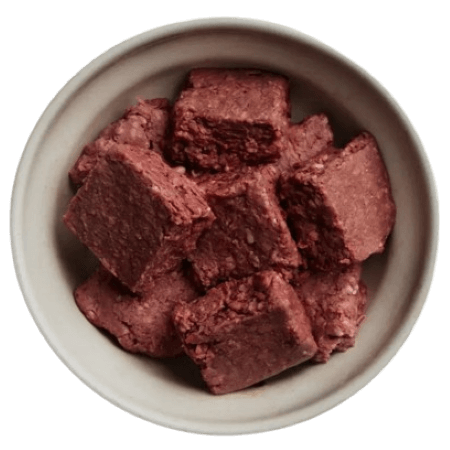
Why we recommended it:We Feed Raw builds its frozen meals around approximately 80% muscle meat, 10% organ meat, and 10% finely ground bone, along with flaxseed and a targeted vitamin-and-mineral premix. The substantial animal-protein base supplies essential amino acids needed to preserve lean muscle, which is especially useful when hypothyroidism contributes to reduced activity and easier weight gain. Organ meats such as liver and kidney naturally provide iron, B vitamins, and other micronutrients involved in energy metabolism and tissue maintenance. Finely ground bone supplies calcium and phosphorus as part of the food itself, supporting normal skeletal health. Flaxseed contributes essential fatty acids, while kelp and the added micronutrient blend help round out the nutritional profile. Multiple protein choices and pre-portioned frozen patties also make it easier to vary proteins and maintain consistent meal portions.
What sets it apart from competitors: Every We Feed Raw recipe undergoes high-pressure processing (HPP), which uses cold-water pressure rather than heat to inactivate pathogens such as Salmonella, E. coli, and Listeria while keeping the food raw. Its Chicken recipe was also named to the Clean Label Project’s 2026 Clean 16, placing it among the 16 products with the lowest overall contaminant levels in the organization’s independent testing of 79 dog foods.
Get 25% OFF your order with the code CB25. Use Canine Bible’s link to get started.
Best Air-Dried Dog Food for Hypothyroidism
4.5
★★★★★
Sundays for Dogs
Who It’s For: Dog owners seeking minimally processed, nutrient-dense food with convenient serving and nutrition that supports healthy weight and energy.
Why we recommended it:Sundays for Dogs uses a meat-forward recipe structure built around named muscle meats and organ meats alongside whole grains, seeds, fruits, and vegetables. The animal proteins provide essential amino acids for maintaining lean muscle, while organ meats naturally contribute iron, zinc, B vitamins, and other micronutrients involved in normal energy and tissue metabolism. Pumpkin, flaxseed, ancient grains, and assorted produce add fiber and naturally occurring plant nutrients that support digestive health. Recipe-specific ingredients such as fish oil and flaxseed provide omega fatty acids that help maintain healthy skin and coat, which can be useful when hypothyroidism is accompanied by dermatologic changes. Gentle air drying creates a shelf-stable, scoop-and-serve food without conventional kibble extrusion or refrigeration.
What sets it apart from competitors: Sundays takes a naturally complete approach, deriving its vitamin and mineral nutrition from whole-food ingredients rather than adding a conventional synthetic vitamin-and-mineral premix. Every batch is also tested for key nutrient levels by an independent laboratory before release, pairing that whole-food formulation philosophy with batch-level nutritional verification.
Other Dog Foods for Hypothyroidism
Best Dog Food for Small Dogs With Hypothyroidism:Hill’s Science Diet Small & Mini Dry Dog Food earns this spot because its weight-management approach is particularly relevant for small hypothyroid dogs that can gain excess weight when metabolism slows. The formula is specifically designed for small and miniature adult dogs and supports lean muscle while helping maintain a healthier body weight. Hill’s reports that more than 70% of dogs in a U.S. study lost weight within 10 weeks when fed this nutrition. Ingredients such as fiber sources and L-carnitine complement its metabolism-focused formulation, while the smaller kibble is appropriate for little mouths. For small dogs whose thyroid condition makes calorie control especially important, its combination of breed-size targeting and clinically studied weight support makes it the category winner.
Best Dog Food for Picky Eaters With Hypothyroidism:A Pup Above Fresh Dog Food stands out for dogs that regularly turn away from conventional kibble because its fresh texture, whole-food ingredients, and bone-broth-infused recipes offer a more aromatic, food-like eating experience. The meals are sous-vide cooked rather than extruded, helping retain moisture and creating a softer texture that can be especially appealing to selective eaters. Its recipes are formulated by veterinary nutritionists, use human-grade ingredients, and have demonstrated more than 93% digestibility in the company’s independent feeding trials. Substantial animal protein also supplies amino acids needed to maintain lean muscle, an important consideration when hypothyroidism contributes to reduced activity. With multiple protein recipes available, it offers useful variety without sacrificing complete and balanced nutrition, making it a strong pick when getting a picky hypothyroid dog to eat consistently is the main challenge.
Best Vegan Dog Food for Hypothyroidism:Petaluma Plant-Based Baked Dog Food wins the vegan category by providing complete adult nutrition entirely from plant-based ingredients rather than simply removing meat from a conventional formula. It combines legumes, grains, plant proteins, seeds, oils, vegetables, microalgae, taurine, L-carnitine, vitamins, and minerals to meet AAFCO requirements for adult maintenance. The formula provides substantial plant protein alongside relatively generous dietary fiber, which can help promote fullness when calorie management is important for a hypothyroid dog. Petaluma gently oven-bakes the food rather than using conventional high-pressure extrusion, and its current adult formula contains 50% organic ingredients. Formulation and review by veterinary nutrition experts, along with published laboratory nutritional testing, give this meat-free diet the nutritional structure needed to work as a complete everyday food rather than just a plant-based alternative.
Best Dehydrated Dog Food for Hypothyroidism:The Honest Kitchen Wholemade Limited Ingredient takes this category because it combines a short ingredient list with the convenience of a shelf-stable dehydrated meal. The Limited Ingredient recipes use just six key whole-food ingredients plus the vitamins and minerals required for complete nutrition, which keeps the formulation relatively straightforward for dogs that do better with simpler diets. Gentle dehydration removes moisture while maintaining the character of whole-food ingredients, and adding warm water before serving restores a moisture-rich meal that may be more satisfying than ordinary dry kibble. The line is made with human-grade ingredients and offers several protein choices, making it easier to select a recipe around individual tolerance. For hypothyroid dogs that need careful portioning but whose feeding routine benefits from a minimally processed, rehydratable food, its balance of simplicity and convenience gives it the edge here.
How to Transition Your Dog With Hypothyroidism to a New Diet
Switching foods gradually can help reduce digestive upset and make the change easier for your dog to tolerate. A typical transition takes about 7 days, although dogs with sensitive stomachs may need a slower schedule. Use the table below as a simple guide unless your veterinarian recommends a different plan.
Transition Stage
Old Food
New Food
What to Do
Days 1–2
75%
25%
Mix a small amount of the new food into regular meals.
Days 3–4
50%
50%
Increase the new food to half of each meal.
Days 5–6
25%
75%
Make the new food the larger portion.
Day 7+
0%
100%
Feed the new diet fully if the transition is going smoothly.
Sensitive dogs
Reduce gradually
Increase gradually
Extend each stage for a few extra days if needed.
Monitoring Your Dog With Hypothyroidism’s Progress on a New Diet
After the switch, pay attention to your dog’s appetite, stool quality, vomiting, and overall energy. Persistent diarrhea, repeated vomiting, refusal to eat, or a noticeable decline in energy may indicate that the new food is not being tolerated well or that another health issue needs attention.
Also track body weight and whether hypothyroidism-related signs appear to improve, stay the same, or worsen over time. Because diet alone does not determine thyroid control, dogs with hypothyroidism or other medical concerns should be monitored with veterinary guidance, especially if there are significant changes in weight, behavior, skin and coat condition, or overall health.
Frequently Asked Questions
Yes. Dry food can be suitable as long as it is nutritionally complete, appropriate for your dog’s calorie needs, and well tolerated. Whether food is dry or wet generally matters less than its overall nutritional quality and suitability for the individual dog.
Most dogs do not need a long list of forbidden foods. Avoid unbalanced homemade diets, unnecessary iodine or kelp supplements, and excessive high-calorie treats unless your veterinarian recommends otherwise.
Routine “thyroid support” supplements are not a substitute for prescribed levothyroxine. Iodine, kelp, or other supplements should only be added when a veterinarian identifies a specific need, because more is not necessarily better.
Portions should be based on your dog’s ideal body weight, calorie needs, activity level, and body condition rather than the feeding guide alone. Dogs that are overweight may need carefully controlled portions or a veterinary weight-management plan.
A nutritionally balanced diet can support normal skin and coat health, but hypothyroidism-related coat changes often improve primarily as thyroid hormone levels are brought under control. Dermatologic improvements may take longer than changes in energy or behavior after treatment begins.
The Bottom Line
Choosing the best dog food for hypothyroidism is less about finding a special “thyroid diet” and more about selecting balanced nutrition that fits your dog’s individual needs. Diet can support healthy weight, muscle condition, digestion, skin, and coat, but it does not replace prescribed thyroid medication. A complete and balanced food with appropriate calories and good digestibility is a practical starting point for most dogs. Unnecessary iodine or thyroid-support supplements should generally be avoided unless your veterinarian recommends them. When changing foods, transition gradually and watch how your dog responds to the new diet. Ultimately, the best choice should reflect your dog’s age, body condition, activity level, treatment response, and any other health concerns.
Canine Bible uses only high-quality sources, including peer-reviewed studies, to support the facts within our articles. Read our editorial process and product review methodology to learn more about how we fact-check, test products, and keep our content accurate, reliable, and trustworthy.
Canine Bible authorship represents the unified voice of our entire editorial team and our in-house veterinarians rather than a single author. Each article, blog post, and review published under the Canine Bible name undergoes a rigorous review process, involving all team members to guarantee accuracy and up-to-date in accordance with the latest veterinarian research. This collaborative effort is an integral part of our editorial process and aligns with our four pillars of content creation. This approach ensures our content is backed by expert knowledge and factual information, offering our readers reliable, actionable, and trustworthy content.