Swedish Vallhund Dog Breed Information: Traits, Facts, Care & More

Canine Bible is reader-supported. We receive affiliate commissions via some of our links. Learn more.
Swedish Vallhund Distribution Map
Click a country to see estimated Swedish Vallhund population numbers.
Estimated Swedish Vallhund Population by Country (Top 10)
Population numbers are directional estimates, not official registry counts.
Swedish Vallhund
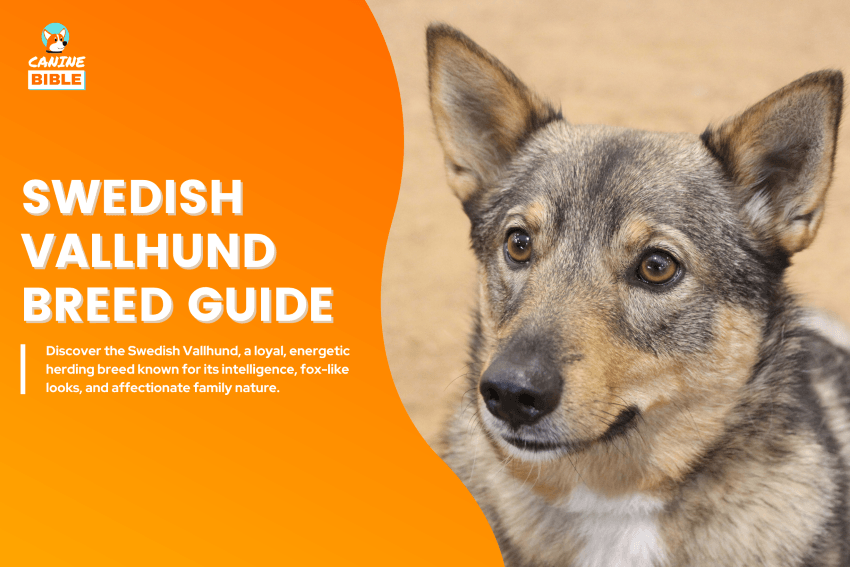
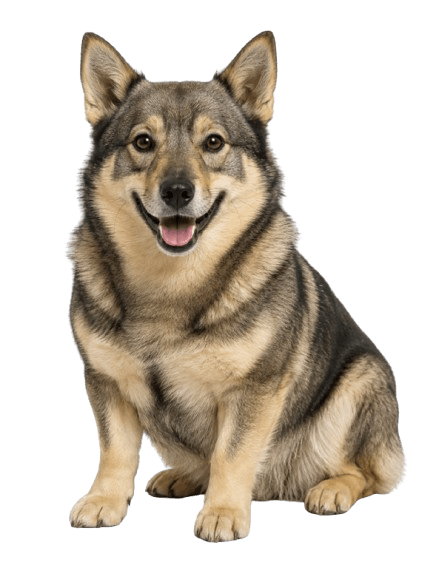
Swedish Vallhunds are intelligent, energetic, and affectionate herding dogs known for their fox-like appearance and confident personality. Originally bred in Sweden as versatile farm dogs, they excelled at herding cattle and guarding livestock. Today, Swedish Vallhunds thrive as loyal companions and active family dogs. Despite their compact size, they possess remarkable endurance, courage, and a strong work ethic that keeps them happiest with regular exercise and mental challenges. They form close bonds with their families and adapt well to homes that provide consistent training, activity, and companionship.
- Breed popularity ranking: 148 of 202
- Club: Swedish Vallhund Club of America
- Population: 3,000+ (estimated in the U.S.)
- Hypoallergenic: No
- Temperament: Intelligent, energetic, loyal, confident
- Price: $1,000 – $2,500
- Best for: Active owners and families seeking an intelligent, energetic companion that enjoys training, hiking, and outdoor activities.

Weight
20–35 lbs

Height
11.5–13.75 inches

Lifespan
12–15 years
Breed Group
Herding Group


Swedish Vallhund Growth Chart
Scientific Classification
History and Origin
The Swedish Vallhund traces its origins to ancient Sweden, where it was developed as a versatile herding and farm dog during the Viking Age. Bred to drive cattle, guard homesteads, and control vermin, these compact yet hardy dogs became indispensable to rural Scandinavian farmers. Their sturdy build, intelligence, and endurance allowed them to thrive in demanding agricultural environments for centuries.
By the Middle Ages and into the 19th century, Swedish Vallhunds remained common on farms throughout southern Sweden, particularly in the Västergötland region. As traditional farming practices declined, however, the breed’s numbers fell dramatically, bringing it close to extinction. In the 1940s, dedicated breeders led by Count Björn von Rosen launched a successful preservation effort that revived the breed.
Historically, the breed’s story reflects a remarkable transformation: from an ancient Scandinavian cattle herder to a cherished companion and competitive performance dog. The Swedish Vallhund gained international recognition in the late 20th century and was officially recognized by the American Kennel Club in 2007. Today, it remains valued for its Viking heritage, working versatility, intelligence, and loyal temperament.
Appearance
The Swedish Vallhund possesses a sturdy, wolf-like appearance and confident expression that reflects its hardworking herding heritage despite its compact size. With its wedge-shaped head, erect ears, muscular body, weather-resistant double coat, and naturally bobbed or full tail, the Swedish Vallhund is an agile, athletic breed known for its alert demeanor, endurance, and unmistakable Scandinavian charm.
Swedish Vallhund Breed Appearance
Hover or tap each numbered marker to explore key breed features.

1. Body Build
Swedish Vallhunds have a sturdy, low-set, and well-balanced body built for endurance and agility. Their slightly elongated frame, muscular build, and strong legs provide the strength and flexibility needed for herding livestock while maintaining an alert, confident stance.
2. Coat Type
The Swedish Vallhund has a dense double coat made up of a soft, insulating undercoat and a medium-length, coarse outer coat. This weather-resistant combination protects the breed from harsh climates while giving it a neat, practical appearance rather than a fluffy one.
3. Coat Colors
Swedish Vallhunds are most commonly seen in shades of gray, sable, and red with lighter cream or tan markings. Dark overlay hairs often create the breed’s distinctive wolf-like shading, while lighter markings appear on the muzzle, chest, legs, and underside.


4. Facial Markings
Facial markings typically include lighter cream or tan shading around the muzzle, cheeks, and above the eyes. Many Swedish Vallhunds display a characteristic facial mask with darker shading that enhances their alert, intelligent, and fox-like expression.
5. Chest Markings
The chest commonly features lighter cream, tan, or gray markings that contrast with the darker body coat. These lighter markings blend naturally into the breed’s wolf-like coloring while emphasizing its strong, athletic front.
6. Tail
The Swedish Vallhund may have a naturally long, naturally bobbed, or completely absent tail. Long tails are typically carried in a gentle curve rather than over the back, while natural bobtails are a distinctive trait found within the breed.
7. Ears
Swedish Vallhund ears are medium-sized, erect, and sharply pointed. Positioned high on the head, they remain highly mobile and contribute to the breed’s attentive expression while helping it stay aware of its surroundings during herding work.
8. Eyes
Their eyes are medium-sized, oval-shaped, and dark brown. Swedish Vallhunds have an alert, keen, and intelligent gaze that reflects their confidence and eagerness to work. The eyes should always appear bright, expressive, and full of curiosity.
9. Nose
The nose is black, well-developed, and proportionate to the wedge-shaped muzzle. Combined with the breed’s erect ears and expressive eyes, it completes the Swedish Vallhund’s distinctive Scandinavian, wolf-like appearance.
10. Feet
Swedish Vallhund feet are compact, oval, and well-padded for stability and endurance. Strong toes and durable pads allow the breed to move efficiently across rough terrain while herding livestock over long distances.
11. Overall Expression
Swedish Vallhunds have a confident, alert, and intelligent expression. Their combination of erect ears, dark expressive eyes, and wolf-like facial markings gives them a lively, fearless appearance that reflects their energetic personality and centuries-old working heritage.
Sexual Dimorphism
Male and female Swedish Vallhunds are very similar in size, structure, coat, and working ability. Differences tend to be subtle, with males often appearing slightly more robust while females may have a finer, more refined build, though both should conform to the same breed standard.
- May appear slightly broader through the chest, neck, and head, giving a stronger overall working-dog appearance.
- Often develops a more pronounced neck ruff and heavier bone, especially when intact.
- Typically stands toward the upper end of the breed’s accepted height and weight range, while remaining balanced and agile.
- Often appears slightly more refined in the head and frame, while retaining the breed’s sturdy proportions.
- Coat fullness may fluctuate more noticeably due to hormonal cycles, pregnancy, nursing, or spaying.
- Usually falls toward the lower end of the breed’s size range but remains equally athletic, intelligent, and capable of herding work.
Photo Gallery
Swedish Vallhund Traits & Characteristics
Swedish Vallhunds are energetic, intelligent, and full of confidence. Despite their compact size, they are fearless, highly adaptable, and often excel at demanding jobs. They are alert watchdogs, quick to notice changes in their surroundings, and highly attached to their families. Swedish Vallhunds are loyal, affectionate, intelligent, and eager to work, but they can also be independent, vocal, and determined without consistent training. Their spirited nature makes them devoted companions, but they thrive best with early socialization, regular exercise, and plenty of mental stimulation.
Core Traits
The further out a point is along a spoke, the stronger that trait is in the breed (on a scale of 1 to 10).
Remember: Dogs are individuals and not all dogs, even those of the same breed, will exhibit all the same qualities.
| Trait | Score | Description |
|---|---|---|
| Temperament | 9 | Confident, spirited, and dependable, Swedish Vallhunds are enthusiastic working dogs that thrive on companionship and activity. |
| Sociability & Friendliness | 8 | Affectionate with family and generally friendly with people and other dogs when properly socialized. |
| Intelligence | 10 | Exceptionally intelligent and quick to learn, excelling in obedience, herding, and canine sports. |
| Trainability | 9 | Highly trainable and eager to please, responding best to consistent, positive reinforcement. |
| Energy Level | 10 | Very energetic and athletic, requiring plenty of daily exercise and mental stimulation. |
| Shedding Level | 8 | Moderate to heavy seasonal shedder with a dense double coat that benefits from regular brushing. |
| Protective Instinct | 7 | Naturally alert and watchful, making an excellent watchdog without being overly aggressive. |
| Loyalty | 10 | Deeply devoted to their families and happiest when included in everyday activities. |
| Barking Level | 8 | Moderately vocal and quick to alert owners to unfamiliar sights or sounds. |
| Adaptability | 8 | Adaptable to many living situations, provided they receive sufficient exercise, training, and mental enrichment. |
Complete Traits Overview
Exercise & Activity Breakdown
Swedish Vallhunds are energetic, intelligent working dogs with exceptional stamina and a strong desire to stay active. While they don’t require nonstop exercise, they do need regular daily physical activity and mental stimulation to remain happy and prevent behavioral issues such as excessive barking, boredom, or destructive habits.
- Puppy (0–12 months): At this stage, Swedish Vallhund puppies are eager to learn and explore. Short training sessions, socialization, and basic obedience lay the foundation for good behavior. Activities like tug toys, beginner fetch, and early interactive games help build confidence, focus, and coordination.
- Adult (1–6 years): Adult Swedish Vallhunds thrive on brisk walks, hikes, herding-style activities, canine sports, and mentally challenging tasks. Agility, obedience training, scent work, and puzzle toys can keep them physically fit while satisfying their sharp minds.
- Senior (7+ years): As they age, Swedish Vallhunds may slow down but still benefit from daily walks, gentle play, and moderate exercise to maintain strength and mobility. Low-impact brain games and a consistent routine support their overall health, confidence, and emotional well-being.
Swedish Vallhund Daily Activity Breakdown
Nutrition
Swedish Vallhunds need a high-quality diet that matches their life stage (e.g., puppy, adult, senior). As an active herding breed with high energy levels and a dense double coat, it's important to feed them food specifically formulated for active or medium breed dogs to support muscle development, endurance, coat health, and overall wellness.
These diets should include a balanced mix of nutrients to support joint health, lean muscle maintenance, and immune function. Because Swedish Vallhunds can be prone to weight gain if overfed, portion control and nutrient-dense, protein-rich formulas are essential. As they age, a diet rich in omega-3s, antioxidants, and joint-supporting nutrients like glucosamine and chondroitin can help maintain mobility and cognitive function. Read our "Best Swedish Vallhund Dog Food Guide" to explore targeted nutrition tips and top food recommendations.
Nutritional Breakdown by Activity Level for Swedish Vallhund
Common Health Issues
Swedish Vallhunds are generally healthy, hardy dogs, but like many purebred breeds, they can be prone to certain inherited health conditions. Common concerns may include hip dysplasia, progressive retinal atrophy (PRA), cataracts, patellar luxation, and degenerative myelopathy. Understanding these risks can help owners recognize early warning signs, schedule routine veterinary checkups, and make proactive choices regarding diet, exercise, breeding, and preventive care.
*SA: Skin Allergies
*HM: Heart Murmurs
Recommended Health Tests for Swedish Vallhund
Routine veterinary exams and breed-appropriate screenings are important for early detection and prevention.
Proactive health measures, attentive care, and regular veterinary visits can help ensure your Swedish Vallhund lives a long, active, and healthy life as your loyal companion.
💡 Due to this breed's predisposition to certain inherited health conditions, we recommend getting pet insurance and a wellness plan for financial protection against unexpected medical expenses, ensuring your pet receives the best possible care without the burden of high out-of-pocket costs. Check out our best pet insurance and best pet wellness guides to find a suitable plan for your pet.
Care Requirements
| Grooming Task | Recommended Frequency | Importance | Tools Needed | Recommended Product |
|---|---|---|---|---|
| Brushing | 2–3 times per week (daily during seasonal shedding) | Removes loose fur, controls seasonal shedding, and keeps the double coat healthy | Slicker brush, de-shedding tool, grooming mitt | Hertzko Self Cleaning Slicker Dog Brush (View on Amazon) |
| Bathing | Every 6–8 weeks (or as needed) | Keeps the weather-resistant coat clean without stripping natural oils | dog-safe shampoo, conditioner, towel, hair dryer (optional) | OUAI Fur Bébé Pet Shampoo (View on Amazon) |
| Nail Trimming | Every 3–4 weeks | Prevents overgrowth, discomfort, and changes in gait | dog nail clippers, nail grinder, styptic powder | Coastal Pet Safari Nail Clipper (View on Amazon) |
| Ear Cleaning | Every 3–4 weeks | Helps prevent wax buildup and ear infections while keeping the ears healthy | Ear cleaning solution, cotton balls or pads (no Q-tips) | Zymox Ear Cleanser (View on Amazon) |
| Oral Care (Brushing Teeth) | Daily | Reduces plaque and tartar buildup, preventing dental disease and bad breath | Dog toothbrush, enzymatic toothpaste, dental chews | Greenies Dental Care Chews (View on Amazon) |
Swedish Vallhund Dog Trainability
Swedish Vallhunds are intelligent, alert, and eager-to-work herding dogs. While they're fast learners, their independent thinking and strong work drive can occasionally make them challenge inexperienced owners. Consistent, structured training that uses clear, positive reinforcement techniques is essential. They respond exceptionally well to praise, rewards, and mentally engaging activities—especially when training sessions are varied, purposeful, and enjoyable.
When compared to other breeds, Swedish Vallhunds thrive with early socialization, consistent leadership, and positive, reward-based training. Their intelligence and natural problem-solving abilities flourish in environments where learning remains fun and mentally stimulating. With patience, repetition, and clear expectations, they develop into confident, obedient, and highly dependable companions.
Dog Breed Trainability Comparison
Intelligence
According to canine psychologist Stanley Coren (author of The Intelligence of Dogs - View on Amazon), dog intelligence can be broken down into three types:
- Instinctive Intelligence – What a dog is bred to do (herding, guarding, retrieving).
- Adaptive Intelligence – A dog’s ability to solve problems and learn from the environment.
- Working & Obedience Intelligence – How quickly a dog learns commands and obeys them.
IQ Comparison
Swedish Vallhunds are renowned for their sharp intelligence and exceptional problem-solving abilities, especially in environments that encourage learning, activity, and teamwork. Though compact in size, they rank highly in working intelligence thanks to their ability to learn commands quickly, think independently, and retain training with ease. Their eager attitude and versatility make them excel at trick training, agility for small dogs, and performing routines, often thriving in roles where they can demonstrate their athleticism and intelligence.
Swedish Vallhunds shine when training provides both physical and mental challenges. While their independent nature may occasionally test inexperienced owners, they're highly motivated learners who excel with patient guidance and consistent routines. Their keen awareness, adaptability, and strong work ethic place them among the most intelligent and capable herding breeds.
Dog Breed Intelligence Comparison
Breeding
Swedish Vallhunds are prized for their intelligence, versatility, and loyal temperament. Like many purebred dogs, however, they can be prone to inherited health conditions such as hip dysplasia, Swedish Vallhund retinopathy (SVR), progressive retinal atrophy (PRA), cataracts, and patellar luxation. This makes responsible breeding essential. Ethical breeders should conduct appropriate health screenings and genetic evaluations to reduce the risk of passing on hereditary conditions. Proper spacing between litters is important to protect the health of both the dam and puppies, and only physically healthy, mentally stable Swedish Vallhunds should be bred.
- Age: Swedish Vallhunds should not be bred until they are fully mature—typically between 24 and 30 months of age.
- Litter size: A typical Swedish Vallhund litter includes 4–8 puppies.
- Temperament: Breeding dogs should have sound temperaments—confident, alert, and even-tempered, without signs of aggression, fearfulness, or excessive nervousness.
Is the Swedish Vallhund A Good Family Dog?
If the conditions below align with your lifestyle, activity level, personal preferences, and living situation, a Swedish Vallhund could be an excellent companion for your family. Otherwise, you may want to consider other breeds.
✅ = Ideal / Strong Match | ⚠️ = Needs Consideration | ❌ = Not Recommended
| Suitability | Category | Score (1–10) | Notes |
|---|---|---|---|
| ✅ | Family Bonding | 10 | Deeply devoted and happiest when included in everyday family life. |
| ✅ | Child Friendliness | 8 | Excellent with respectful children and enjoys active family play. |
| ✅ | Good With Other Pets | 8 | Generally gets along well with other pets when properly socialized. |
| ⚠️ | Maintenance Level | 6 | Weekly brushing is sufficient except during seasonal shedding. |
| ⚠️ | Monthly Expenses | 7 | Moderate costs for quality food, veterinary care, and grooming supplies. |
| ⚠️ | Home Size Compatibility | 7 | Can adapt to smaller homes if provided with ample daily exercise. |
| ✅ | Lifestyle Match | 10 | Ideal for active owners who enjoy hiking, training, and outdoor adventures. |
| ✅ | Trainability | 9 | Highly intelligent and eager to learn with positive, consistent training. |
| ⚠️ | Alone Time Tolerance | 6 | Prefers companionship and may become bored if left alone too long. |
| ⚠️ | Shedding & Drool Level | 6 | Moderate to heavy seasonal shedding with very little drooling. |
| ❌ | Hypoallergenic | 2 | Not hypoallergenic due to its double coat and regular shedding. |
| ✅ | Protectiveness | 8 | Naturally alert and makes an excellent watchdog without unnecessary aggression. |
| ✅ | Mental Stimulation Needs | 10 | Requires daily training, puzzles, and engaging activities to stay fulfilled. |
| ✅ | Climate Tolerance | 8 | Excellent cold tolerance; may need extra care during hot weather. |
| ✅ | Life Expectancy | 8 | Typically lives 12–15 years with proper nutrition and veterinary care. |
| ⚠️ | Barking Level | 8 | Alert and vocal; training helps prevent excessive barking. |
| ✅ | Travel Friendliness | 8 | Travels well with early socialization and crate training. |
| ✅ | Potty Training Ease | 8 | Usually learns quickly with routine, consistency, and positive reinforcement. |
Average Score: 8.17 / 10
Perfect Owner Profile for a Swedish Vallhund
The perfect Swedish Vallhund owner is someone who enjoys an active lifestyle and wants an intelligent, versatile dog that thrives on having a job to do. Swedish Vallhunds are best suited for people who can provide regular exercise, structured training, and daily mental enrichment. They thrive with owners who can give them consistent leadership, physical activity, problem-solving games, and meaningful interaction to channel their energy and working instincts.
A Swedish Vallhund is an excellent fit for active singles, couples, or families who enjoy hiking, walking, dog sports, or other outdoor activities. The ideal owner is patient, confident, and committed to ongoing training and socialization. While they adapt well to many living situations, they are happiest in homes where they have plenty of opportunities to stay physically active, mentally challenged, and closely involved with their family.
Annual Cost of Ownership
| Category | Estimated Annual Cost (USD) |
|---|---|
| Food & Treats | $450 – $700 |
| Routine Vet Care | $300 – $500 |
| Vaccinations & Preventatives | $200 – $400 |
| Pet Insurance | $350 – $700 |
| Grooming | $150 – $350 |
| Training & Socialization | $200 – $500 |
| Toys & Enrichment | $100 – $250 |
| Supplies (bed, bowls, leash, etc.) | $100 – $250 |
| Emergency Vet Fund (recommended) | $500 – $1,000 |
| Boarding or Pet Sitting | $300 – $700 |
$2,650 – $5,350
Best Places to Get A Swedish Vallhund
Online marketplaces: For pre-screened, healthy puppies, Pawrade and PuppySpot are recommended resources that offer puppies from reputable U.S. breeders.
Rescue shelters: While Swedish Vallhunds are relatively uncommon in local shelters, they do occasionally become available through breed-specific rescues and adoption organizations. Check your local animal shelters or herding dog rescues for opportunities. Online communities, such as Facebook groups, can also be valuable resources.
Breeders: Finding a reputable Swedish Vallhund breeder can be challenging due to the breed's limited availability and relatively small breeding population. Start by searching for breeders through the Swedish Vallhund Club of America or within your region. You may need to travel out of state if local options are limited. If purchasing from a distant breeder, consider arranging pickup rather than shipping when possible. Always request health clearances, veterinary records, and proof of recommended health screenings for both parents before committing.
Avoid breeders who:
- Don’t provide health clearances for both parents
- Don’t allow visits to meet the dogs or see their living conditions
- Have frequent litters with no waiting list
- Emphasize appearance over health and temperament
Frequently Asked Questions
Swedish Vallhund Breed Connections
Swedish Vallhunds are one of the oldest Nordic herding breeds, developed in Sweden for driving cattle and guarding farms. This section highlights the breed's origins, close relatives, commonly compared breeds, and other dogs admired by Swedish Vallhund enthusiasts.
◆ Ancestry & Lineage
The Swedish Vallhund descends from ancient Nordic spitz-type herding dogs that worked alongside Scandinavian farmers for over a thousand years.
- Ancient Nordic Spitz
- Scandinavian Herding Dogs
- Swedish Farm Dogs
- Viking-era Herding Dogs
◆ Related Breeds
These breeds share Nordic heritage, herding ability, or similar spitz-like features such as erect ears, dense coats, and fox-like expressions.
- Norwegian Buhund
- Finnish Spitz
- Icelandic Sheepdog
- Pembroke Welsh Corgi
- Cardigan Welsh Corgi
- Keeshond
- Lapponian Herder
◆ Commonly Compared Breeds
Prospective owners often compare Swedish Vallhunds with other compact herding breeds that combine intelligence, agility, and strong working instincts.
- Pembroke Welsh Corgi
- Cardigan Welsh Corgi
- Lancashire Heeler
- Icelandic Sheepdog
- Miniature American Shepherd
- Shetland Sheepdog
- Australian Cattle Dog
- Norwegian Buhund
◆ Breeds Swedish Vallhund Owners Also Love
Swedish Vallhund enthusiasts often appreciate other intelligent, energetic breeds that thrive on training, outdoor adventures, and close family companionship.
- Pembroke Welsh Corgi
- Australian Shepherd
- Border Collie
- Shetland Sheepdog
- Norwegian Buhund
- Miniature American Shepherd
- Finnish Spitz
- Icelandic Sheepdog
Surprising Swedish Vallhund Facts
-
They date back to the Viking Age: Swedish Vallhunds are believed to have worked alongside Viking settlers over 1,000 years ago, herding livestock and guarding farms throughout Scandinavia.
-
They were bred to herd cattle: Their long body and short legs helped them avoid kicks while expertly driving cattle across Swedish farms.
-
Natural bobtails are common: Many Swedish Vallhunds are born with naturally short or bobbed tails, while others have full-length tails—both are accepted in the breed.
-
They almost disappeared: By the 1940s the breed was close to extinction before dedicated Swedish breeders successfully revived the population.
-
They resemble Corgis but aren't the same breed: Although they share a similar build, Swedish Vallhunds developed independently as an ancient Scandinavian herding breed.
-
They're known as the "Viking Dog": This nickname reflects the breed's long history in Sweden and its close association with Viking-era farms and settlements.