The Complete Guide to Dogs Eating Chicken: Healthy or Not?

Canine Bible is reader-supported. We receive affiliate commissions via some of our links. Learn more.
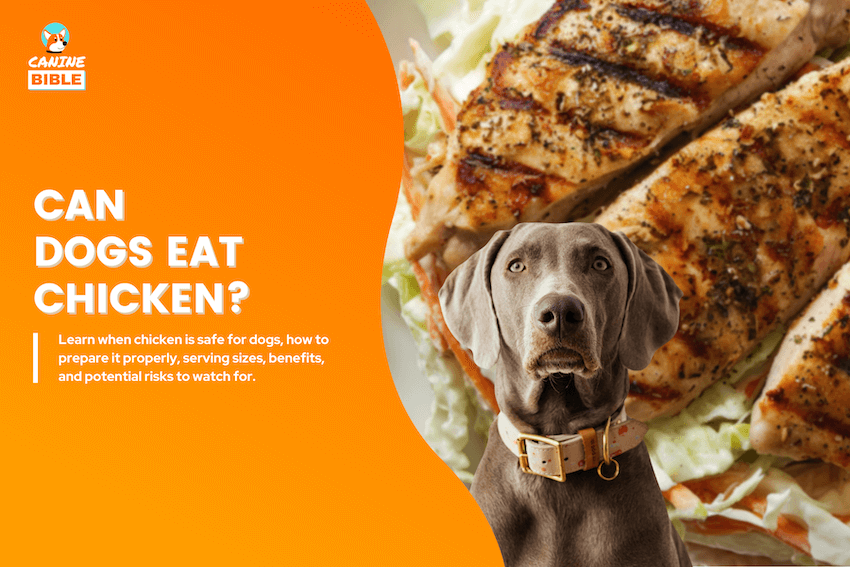
Yes, dogs can eat chicken, and it’s one of the most common and beneficial protein sources found in many dog foods. However, before adding chicken to your dog’s diet, there are a few important factors to consider. While plain, fully cooked chicken with no seasoning is generally safe, certain preparations—like fried chicken, heavily seasoned chicken, or chicken cooked with garlic and onions—can be harmful to dogs. Plus, what about chicken skin and bones? Is raw chicken a better option? And can too much chicken cause digestive issues or allergies? This guide will explore the benefits, potential risks, and the safest ways to feed chicken to your dog.
Is Chicken Good For Dogs?
Chicken can be a healthy and highly nutritious food for dogs when prepared properly and fed in moderation. As a lean, animal-based protein, chicken supports many essential bodily functions and is a staple ingredient in countless commercial dog foods.
The fat content varies by cut: skinless chicken breast is leaner, while dark meat and skin contain more fat—important to consider for dogs prone to pancreatitis or obesity.
Always feed plain, fully cooked chicken with no seasoning, oils, garlic, onions, or sauces. Avoid cooked bones, which can splinter and cause choking or internal injury. While chicken is nutritious, feeding it exclusively or in excess may lead to nutritional imbalances or food sensitivities, so it’s best used as part of a balanced diet.
Benefits
100 grams (3.5-ounce oz) of chicken contains the following nutrients:


Chicken Nutrition Chart (100g)
Nutrient Analysis
| Component | Description | Nutritional Value (per 100g of Cooked Chicken) | Safe for Dogs? |
|---|---|---|---|
| Water | Supports hydration and digestion | 65g | ✅ Safe |
| Calories | High-quality energy source | 165 kcal | ✅ Safe |
| Protein | Essential for muscle growth and repair | 31g | ✅ Safe & Beneficial |
| Fat | Provides energy and supports coat health | 3.6g | ✅ Safe (moderation) |
| Saturated Fat | Energy-dense fat | 1g | ⚠️ Limit |
| Cholesterol | Supports hormone production | 85mg | ⚠️ Moderate intake |
| Carbohydrates | Not present | 0g | ✅ Safe |
| Vitamin B6 | Supports metabolism and brain health | 0.6mg | ✅ Safe |
| Niacin (Vitamin B3) | Supports energy metabolism | 13.7mg | ✅ Safe |
| Phosphorus | Supports bones and teeth | 228mg | ✅ Safe |
| Potassium | Supports muscle and nerve function | 256mg | ✅ Safe |
| Selenium | Powerful antioxidant | 27µg | ✅ Safe |
| Iron | Supports oxygen transport | 1.3mg | ✅ Safe |
| Zinc | Supports immune system and skin health | 1mg | ✅ Safe |
| Sodium | Electrolyte balance | 74mg | ⚠️ Avoid added salt |
| Skin | High fat content | — | ⚠️ Remove for dogs |
| Bones | Risk of splintering and choking | — | ❌ Unsafe |
| Seasonings | Garlic, onion, salt are toxic | — | ❌ Unsafe |
| Overconsumption | May cause digestive upset or imbalance | — | ⚠️ Feed in moderation |
Risks & Considerations Before Feeding Chicken to Dogs
While chicken can be a safe and nutritious food for dogs when prepared correctly, there are several risks and considerations to keep in mind before feeding it to your canine companion:
Are Dogs Allergic to Chicken?
Most dogs are not allergic to chicken, and it’s generally considered safe for canine consumption. However, some dogs may develop an allergic reaction, as with any food. Food allergies in dogs typically manifest as itchy skin, hives, infections, and anaphylaxis (a medical emergency) in severe cases. If you suspect your dog is having an allergic reaction to any food, including chicken, it is crucial to consult a veterinarian.
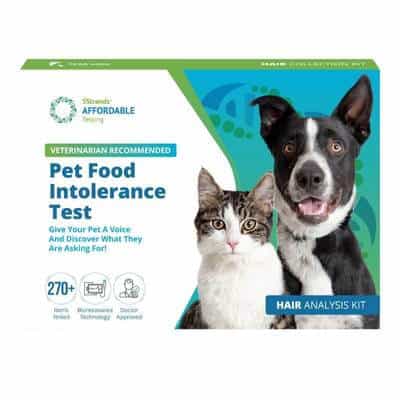
Additionally, conducting an at-home dog allergy test like the 5Strands can help determine if your dog is allergic or intolerant to certain foods. For a more comprehensive approach, consider an at-home dog gut health test, like the Embark Gut Health Test, which can provide deeper insights into your dog’s digestive health and immune function. These tests can identify food sensitivities, bacterial imbalances, and other underlying issues contributing to allergies, helping you take proactive steps to prevent discomfort and support your dog’s overall well-being.
Risks
The following symptoms may indicate a bad reaction to chicken.


What to Do If A Dog Reacts Badly to Chicken
Dogs showing worsening symptoms, such as blood in their vomit or stool, difficulty breathing, weakness, or collapse, should be taken to the veterinarian immediately.
1. Contact a veterinarian immediately: Even if your dog seems fine, contact your veterinarian or an emergency pet poison hotline right away. This includes services such as the ASPCA Animal Poison Control Center at 1-888-426-4435 or the Pet Poison Helpline at 1-855-764-7661. If you can’t reach your vet, you can chat live with a registered online veterinary professional via our online vet chat or video chat support (24 hours a day, 7 days a week). You can also schedule an at-home veterinary appointment with The Vets, a mobile veterinary service that provides at-home vet care nationwide for just about everything.
2. Gather important information: When speaking to a vet, provide: Quantity consumed (estimate if unsure), time of ingestion, and dog’s weight and breed (to assess potential risk).
3. Follow veterinary instructions: The vet may suggest monitoring at home or emergency treatment at the clinic.
- Keep your dog calm and prevent them from eating anything else.
- Be prepared to transport your dog to the vet quickly if advised.
- Bring any remaining chicken or packaging to help the vet assess the situation.
How to Safely Feed Chicken to Dogs
When feeding chicken to your dog, it’s important to follow a few simple guidelines to keep them safe and healthy:
Ways to Feed Chicken to Dogs
As with any new food, introduce chicken slowly and feed gradually to give your dog’s digestive system time to adjust.
Best Chicken Dog Food
A Pup Above
📢 Discount code below 💸
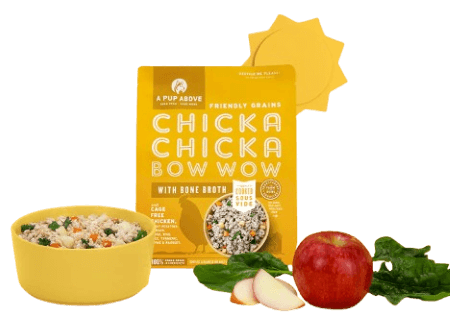
If you’re looking to add high-quality chicken to your dog’s diet while prioritizing clean, human-grade nutrition, consider A Pup Above Chicka Chicka Bow Wow. This gently cooked recipe features USDA-inspected chicken as the primary protein, paired with wholesome ingredients like leafy greens and antioxidant-rich vegetables. Designed for optimal digestibility and nutrient absorption, it delivers complete, balanced nutrition without fillers or artificial additives. The result is a fresh, protein-dense meal that supports lean muscle, healthy digestion, and overall vitality—ideal for dogs who do best on minimally processed, real-food diets.
Best Chicken Dog Treat

Open Farm
If you’re looking to treat your dog with a pure, protein-rich chicken snack made from real, responsibly sourced ingredients, consider Open Farm Freeze Dried Raw Chicken Treats. These single-ingredient treats are made with humanely raised chicken and gently freeze-dried to lock in natural flavor and nutrients without the need for fillers, grains, or artificial additives. Naturally high in lean protein and essential amino acids, they support muscle health while remaining easy to digest. The result is a clean, nutrient-dense reward that’s ideal for training or everyday treating—especially for dogs with food sensitivities or owners who prioritize transparency and quality sourcing.
How Much Chicken Can Dogs Eat?
Treats should only constitute 10% of your dog’s diet, with the remaining 90% coming from well-balanced dog food. This guideline also applies to healthy treats like chicken. Below, you’ll find general guidelines for safely portioning chicken based on your dog’s weight.
| Dog Size | Chicken Serving Size* | Breed Examples |
|---|---|---|
| Extra-small (2–15 lbs.) | 1–2 small pieces (about 1 tbsp plain, cooked, diced chicken) | Shih Tzu, Yorkies, Chihuahuas, Maltese |
| Small (16–25 lbs.) | 2–3 small pieces (about 2 tbsp plain, cooked, diced chicken) | Boston Terriers, Beagles, Dachshunds |
| Medium (26–60 lbs.) | 3–4 pieces (about ¼ cup plain, cooked, diced or shredded chicken) | Bulldogs, Basset Hounds, Border Collies |
| Large (61–90 lbs.) | 5–6 pieces (about ⅓ cup plain, cooked, diced or shredded chicken) | Golden Retrievers, Pit Bulls, Boxers, Labrador Retrievers |
| Extra-large (91+ lbs.) | 6–8 pieces (about ½ cup plain, cooked, diced or shredded chicken) | Bullmastiffs, Great Danes, Saint Bernards, Great Pyrenees |
Can Puppies Eat Chicken?
Yes, puppies can eat chicken, but only in moderation and in very small, properly prepared portions. Since puppies have more sensitive and still-developing digestive systems, it’s best to start with a tiny amount—such as 1–2 teaspoons of plain, cooked, finely diced chicken—to see how they react. Feeding too much chicken at once can lead to digestive upset, including diarrhea or vomiting, especially if the puppy isn’t used to animal proteins yet. Only plain, fully cooked, boneless, skinless chicken should be offered. Avoid raw chicken, seasoning, oils, butter, salt, garlic, onions, or sauces, as these can be harmful to puppies. Fried, processed, or deli-style chicken should also be avoided. When introducing chicken or any new food, don’t introduce multiple new foods on the same day—this makes it easier to identify food sensitivities or allergies if symptoms appear. Start with a teaspoon of plain, unseasoned, shredded or diced chicken, then wait a few days to observe how your puppy’s digestive system responds before offering more. Always remove bones and skin, as bones can splinter and pose a choking or internal injury risk, while skin contains excess fat that may upset a puppy’s stomach.
Alternatives
Here’s a list of alternatives to chicken that are just as safe and nutritious.
Frequently Asked Questions
The Bottom Line
Chicken can be a healthy, protein-rich addition to a dog’s diet when prepared correctly and fed in appropriate amounts. Plain, fully cooked, boneless chicken offers valuable nutrients that support muscle health, energy, and overall well-being, but the way it’s prepared matters just as much as the ingredient itself. Avoid seasoning, skin, and bones, introduce chicken gradually, and watch for any signs of intolerance or allergy. When used thoughtfully as part of a balanced diet, chicken can be a safe and nutritious option for many dogs.
Whether you’re introducing chicken or any new treat, unexpected reactions can happen. Having the right pet insurance ensures you can handle any vet visits with peace of mind. Check out our guide to the best pet insurance plans to keep your furry friend covered in every situation. If you’re looking for other healthy snack options, check out the best dog treats to find safe and nutritious alternatives. And if you’re seeking something more therapeutic to support anxiety, pain, inflammation, or other health concerns, explore the benefits of CBD oil for dogs and CBD dog treats for a natural way to help your pup feel their best.