When your dog has a stomach ulcer, even a normal meal can become a source of discomfort instead of comfort. The right food matters because highly irritating, fatty, or difficult-to-digest meals may worsen digestive upset, while gentler nutrition can help support the stomach as it heals. Dogs with ulcers may also eat less because of nausea, abdominal pain, or reduced appetite, making every bite nutritionally important. Choosing an appropriate diet can help maintain energy, support digestion, and make mealtimes easier while your dog receives veterinary treatment. The best options typically focus on digestibility, balanced nutrition, and ingredients that are easier on a sensitive stomach. In this guide, we’ll break down the best dog foods for stomach ulcers, what ingredients to look for and avoid, and how to choose the right option for your dog.
Can Diet Help Dogs with Stomach Ulcers?
Yes, diet can play an important supportive role for dogs with stomach ulcers by reducing digestive irritation and making meals easier to tolerate, but it does not replace veterinary treatment. Highly digestible foods, moderate fat levels, and smaller, more frequent meals may help reduce stomach workload while supporting adequate calorie and nutrient intake during recovery. Soft or moisture-rich foods can also be easier for dogs with nausea or reduced appetite to eat. The best diet depends on the cause and severity of the ulcer, so any major food change should be made with veterinary guidance, especially if your dog has vomiting, blood in the stool, black tarry stools, weakness, or loss of appetite.
Latest Research on Diet in Dogs with Stomach Ulcers
According to the latest research, nutrition can play a supportive role in managing dogs with stomach ulcers, but there is no single diet proven to work best in every case. Current evidence suggests that food choice, meal timing, and any dietary add-ons should be tailored to the dog’s underlying condition and veterinary treatment plan.
📄Research Update — Canine Ulcer Diet Therapy
Therapeutic GI Diets Are Used in Practice, but No Formula Has Been Proven Best
A 2021 canine gastric-ulcer case series incorporated veterinary gastrointestinal diets into treatment plans and concluded that appropriate diet therapy is an important part of management. However, the report did not compare different foods or isolate diet as the reason ulcers improved, so it cannot establish one specific formula as the best choice.[1]
📊Clinical Focus — Feeding & Medication Timing
Meal Timing Can Change How Ulcer Medication Performs
Research in racing sled dogs found that feeding conditions can affect omeprazole exposure and its ability to prevent exercise-associated gastric lesions. In this specialized setting, carefully timing omeprazole before feeding improved protection, showing that a dog’s feeding schedule may need to account for prescribed ulcer medications rather than focusing on food selection alone.[2]
⚠️Case Evidence — Cause-Specific Nutrition
Dietary Add-Ons Should Match the Underlying Cause
A 2024 case report involving a dog with lead-associated chronic gastric ulceration used psyllium husk specifically to help remove retained lead pellets as part of a broader treatment plan. The case does not show that psyllium treats stomach ulcers generally; instead, it demonstrates why nutritional strategies should be matched to the diagnosed cause rather than treated as universal ulcer remedies.[3]
Key Dietary Tips for Dogs with Stomach Ulcers
Feeding a dog with a stomach ulcer requires a specialized, highly digestible diet that minimizes stomach acid production and reduces digestive stress.
Key Dietary Tip
What to Do
Small, Frequent Meals
Feed your dog 3 to 4 smaller portions throughout the day instead of 1 or 2 large meals to prevent massive acid surges and chemical stress on the stomach lining.
Low-Fat Ingredients
Choose low-fat protein sources like boiled, skinless chicken, turkey, or white fish, as high-fat foods delay gastric emptying and increase stomach acid production.
High Moisture and Hydration
Mix warm water, low-sodium bone broth, or goat kefir into meals to soften the food, protect the stomach lining, and prevent dehydration.
Bland Carbohydrates
Opt for easily digestible starches like well-cooked white rice or sweet potato in moderate amounts to soothe the digestive tract.
Avoid Irritants
Completely eliminate dry hard kibble, spicy table scraps, processed treats, and high-fat foods that cause mechanical or chemical damage to the ulcerated stomach wall.
Veterinary Guidance
Consult your veterinarian about utilizing prescription gastrointestinal healing diets or mucosal protectants (such as sucralfate) alongside food management.
Remember to ALWAYS consult with your vet before making any changes that could affect your dog’s health, nutrition, or well-being. If you can’t reach your vet, you can chat live with a registered online veterinary professional via our online vet chat or video chat support(24 hours a day, 7 days a week). Or use Chewy’s online vet services(6 a.m. – midnight ET). Additionally, at-home dog gut health tests can analyze your dog’s microbiome, offering insights into which nutrients their diet should include. Similarly, at-home dog allergy testing kits can identify ingredients that may not be suitable for your dog, enabling you to choose the right diet and care plan to support optimal digestion, nutrition, and health.
Best Dog Foods for Stomach Ulcers
Here are the best dog foods for stomach ulcers this year.
Best Overall Dog Food for Stomach Ulcers
4.9
★★★★★
The Farmer’s Dog
Who It’s For: Dog owners seeking a gentle, highly digestible diet that supports comfortable eating and overall nutrition while their dog’s stomach recovers.
Why we recommended it:The Farmer’s Dog fresh dog food contains real, minimally processed meat and vegetables, with recipes crafted by board-certified veterinary nutritionists and prepared in USDA-regulated kitchens to maintain safety and nutrient integrity. The Farmer’s Dog food offers an optimal balance of protein, fat, and fiber, and its fresh format generally improves palatability and digestibility over kibble or processed diets. This food is tailored into personalized plans to fit each dog’s age, weight, and activity level, making portion control more accurate and helping maintain a healthy weight, which is crucial for long-term health. It also uses pre-portioned packs tailored to the dog’s weight, age, activity and body condition—helpful when you’re managing a dog’s diet closely to avoid GI flare-ups.
What sets it apart from competitors: Uses fresh, human-grade ingredients plus formal evidence of digestibility: the brand conducted its own long-term study on real household dogs living normal lives and measured 49 blood values, demonstrating nutritional adequacy and digestibility. Many fresh-meal competitors rely on formulation only, without such publications. Also, because the meals arrive pre-measured and the brand offers tailored plans, it reduces the guess-work in portioning—an important advantage when managing dogs with GI issues who may have trouble with over- or under-feeding.
Who It’s For: Dog owners who prefer convenient kibble with easily digestible ingredients designed to be gentler on dogs with sensitive, ulcer-prone stomachs.
Why we recommended it: The Open Farm Wild Alaskan Pollock & Oatmeal Digestive Health Dog Kibble is vet-formulated and described by the brand as “easily digestible and gentle on the stomach.” The first ingredient is wild Alaskan pollock (an Ocean Wise-recommended seafood), which provides a lean protein and is less likely to trigger common GI upsets compared to heavier proteins. The recipe incorporates stomach-soothing fibers like oatmeal and pumpkin, along with added prebiotics, probiotics and postbiotics to support gut microbiome health and stool quality. We like how the brand also emphasizes full ingredient traceability (you can track the origin of each item) and uses non-GMO grains and responsibly sourced seafood, which matters when GI health is on the line.
What sets it apart from competitors: The addition of functional botanicals like turmeric and cinnamon adds anti-inflammatory benefits uncommon in many dry dog foods. Many digestive-support kibbles rely on removal of common allergens alone, but this one adds purposeful gut-support ingredients and uses a novel lean fish protein rather than just switching to “chicken & rice.”
Why we recommended it: The Hill’s Prescription Diet Gastrointestinal Biome Digestive/Fiber Care is built around the proprietary ActivBiome+ ingredient technology, designed to “rapidly activate beneficial gut bacteria and support a healthy GI microbiome balance.” It also uses an optimally balanced blend of soluble and insoluble fibers that support regular bowel movements and help firm loose stool—that firming effect was shown in as little as 24 hours in clinical studies. The inclusion of omega-3 fatty acids (DHA & EPA) and other nutrients gives additional support for intestinal health and inflammation control. We like that this is a veterinary prescription diet rather than a generic digestive support food—its formulation, evidence base and feeding guidance are all geared toward therapeutic intervention (rather than casual maintenance).
What sets it apart from competitors: This food is backed by peer-reviewed research and proprietary microbiome technology. Hill’s maintains a global network of veterinarians and PhD nutritionists, ensuring each batch meets prescription-grade standards. The inclusion of psyllium husk, beet pulp, and ginger offers targeted gut motility support that differentiates it from other GI-focused diets.
Best Dog Food for Stomach Ulcers & Allergy Problems
4.6
★★★★★
Forza10
Who It’s For: Dogs with stomach ulcers and food sensitivities that need gentle nutrition with fewer potential allergens and easy-to-digest ingredients.
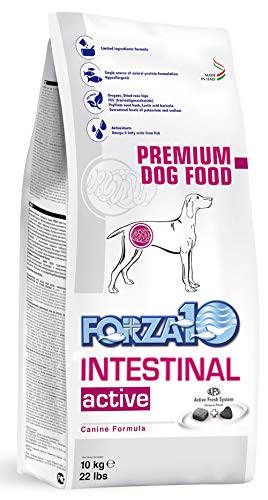
Why we recommended it: The Forza10 Active Intestinal Dry Dog Food features anchovy meal (as a novel fish protein) and hydrolyzed fish/animal proteins, which are broken down into smaller peptides—helping reduce allergenic potential and ease digestion when the gut barrier is compromised. It also includes psyllium seed husk, fructo-oligosaccharides (FOS) and yeasts for prebiotic effect, supporting beneficial gut flora and improving stool consistency. We like that the formula states “single animal protein” and avoids wheat, soy, GMOs, by-product meals, corn and artificial preservatives—features that reduce immune triggers in dogs with sensitivities. Because many GI/allergy dogs struggle with food transitions, the brand states a minimal transition period is needed—helpful when symptoms demand quick relief.
What sets it apart from competitors: Packs functional botanicals (oregano, rose hips) and psyllium/prebiotics for multi-axis support (digestion + immune + allergy). The brand also emphasizes scientific research collaborations (European universities) and manufacturing in Italy under strict oversight, which adds credibility for complex GI/allergy cases.
Best Wet Dog Food for Stomach Ulcers
4.6
★★★★★
JustFoodForDogs
Who It’s For: Dogs with stomach ulcers that benefit from soft, moisture-rich food that is easy to eat and gentle on a sensitive digestive system.
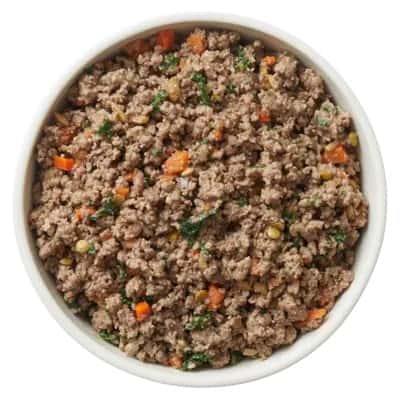
Why we recommended it: The JustFoodForDogs Pantry Fresh Balanced Remedy diet uses ground turkey as the sole animal protein and long-grain white rice and sushi rice as the carb base—both easily digestible sources. It’s explicitly formulated for dogs “that require a limited ingredient diet that is also low in fat, and highly digestible.” We note that it’s described as a “low-residue” option for sensitive guts, which makes it ideal for dogs recovering from GI upset or needing temporary support. Furthermore, the formula is made with 100 % human-grade ingredients, no preservatives, and packaged in shelf-stable Tetra Pak cartons—helpful for real life when consistent feeding matters.
What sets it apart from competitors: Focus on fresh, human-grade ingredients prepared using gentle cooking methods, preserving nutrient integrity and digestibility. Plus, its innovative Tetra Pak packaging allows for long shelf life without refrigeration until opened, making it convenient for travel and storage.
Best Raw Dog Food for Stomach Ulcers
4.5
★★★★★
Maev
Who It’s For: Dog owners seeking minimally processed raw nutrition with simple ingredients for dogs that tolerate raw diets despite sensitive stomachs.
Why we recommended it: The Maev Human-Grade Raw Food is USDA-certified, AAFCO-compliant, and made in the USA in a feed facility that meets human-grade standards. It is flash-frozen to lock in nutrients and reduce processing damage, which improves bioavailability of proteins and fats—useful when digestion is compromised. The “Weight & Digestion” or “Digestion” variant includes added chicory root (a prebiotic) and probiotic blends, which are reported to support stool quality and gut flora. We like that this format allows feeding raw in a ready-to-serve way (open, pour, serve) without the mess or bone-splitting that often deters raw feeding.
What sets it apart from competitors: Made with human-grade, whole-food ingredients with visible chunks of real meat and produce, paired with targeted formulas for specific health conditions, including digestion. Its direct-to-door frozen delivery maintains freshness and nutritional potency.
Get 20% OFF your order with the code CANINE20 —Use this link to get started.
Best Senior Dog Food for Stomach Ulcers
4.5
★★★★★
JustFoodForDogs
Who It’s For: Older dogs with stomach ulcers that need easy-to-digest nutrition tailored to aging bodies, sensitive digestion, and changing appetites.
Why we recommended it: The JustFoodForDogs Lamb & Brown Rice Recipe uses ground lamb and brown rice paired with vegetable and fruit whole-food ingredients (cauliflower, carrots, spinach, blueberries) — lending digestive-friendly fiber and antioxidant support. Its nutritional profile suggests a gentler macronutrient load compared to high-protein, high-fat formulas, which can tax a senior dog’s digestive system. We like that the brand formulates in small kitchens, uses human-grade ingredients, and reports higher digestibility than typical kibble.
What sets it apart from competitors: Fresh-frozen, human-grade approach rather than highly processed canned or dry senior diets. The lamb + brown rice base is a less common adult/senior protein-grain combo (many use chicken/rice or beef/rice), which may appeal to dogs with mild protein sensitivities. Also, the modest protein and fat levels align especially well for senior dogs who need easier digestion and slower energy release (rather than active adult performance formulas).
Best High-Protein Dog Food for Stomach Ulcers
4.7
★★★★★
The Pet’s Table
Who It’s For: Dogs needing higher protein intake from digestible sources while avoiding overly rich formulas that may be harder on a sensitive stomach.
Why we recommended it:The Pet’s Table Air-Dried Dog Food uses beef and eggs as its leading animal-protein sources, with beef liver, bovine plasma, salmon oil, fruits, and vegetables adding nutritional variety. The food is gently air-dried at low temperatures rather than extruded, creating a shelf-stable, ready-to-serve format that requires no refrigeration or preparation. Chicory root and other plant ingredients contribute dietary fiber, while salmon oil and flaxseed supply additional fatty acids. The recipe is developed with veterinary nutritionists and provides complete everyday nutrition rather than functioning solely as a protein supplement. For dogs with stomach ulcers, its main value is convenient, nutrient-dense feeding rather than any direct ulcer-healing effect.
What sets it apart from competitors: The Pet’s Table can incorporate beef & berries into a personalized Air-Dried or Mixed feeding plan based on factors such as the dog’s age, weight, and activity level instead of relying only on generic bag directions. It also publicly provides detailed manufacturer and nutrition information through its WSAVA-style questionnaire, including formulation oversight, production practices, and nutrient-analysis availability.
Best Puppy Food for Stomach Ulcers
4.7
★★★★★
Open Farm
Who It’s For: Puppies with stomach ulcers that need gentle, digestible nutrition while still receiving the calories and nutrients required for healthy growth.
Why we recommended it: The Open Farm Gently Cooked Puppy Grain-Free Freshly Crafted recipe features humanely raised chicken, wild-caught salmon and pork—all lean, digestible proteins—paired with vegetables like pumpkin and kale and added chicken bone broth to support nutrient uptake and digestion. Because GI issues often stem from diets that are overly processed and low in moisture, this fresh, gently cooked format supports hydration and smoother digestion—an advantage when gastrointestinal support is needed. Its preparation format (frozen, pre-portioned pouches) also offers convenience for owners seeking high-quality nutrition without the prep of cooking.
What sets it apart from competitors: This product stands apart by combining a human-grade ingredient sourcing policy with gentle cooking (rather than heavy extrusion) to preserve nutrient integrity and digestibility. The brand provides full ingredient traceability and uses salmon oil, flaxseed, and chicory root (pre-biotic fiber) to support gut health, which many typical puppy diets do not emphasize.
Why we recommended it:The Honest Kitchen Wholemade Whole Grain uses cage-free turkey as the primary protein and incorporates whole grains (organic oats, barley) plus vegetables and fruits (carrots, apples, cabbage) that provide gentle fiber and antioxidants—useful for a dog whose gut barrier or motility may be slightly compromised. The formula supports gut motility and fullness without overwhelming sensitive digestive tracts. We like that it’s free from GMOs, fillers, artificial preservatives, and grains known to cause sensitivities in some dogs, making it a balanced, wholesome choice that supports gastrointestinal health. The inclusion of flaxseed provides natural omega-3s for gut and skin health, while carrots and cabbage add soluble fiber that supports stool quality. The formula is human-grade and manufactured in a human food facility, ensuring safety and quality from sourcing to packaging.
What sets it apart from competitors: The food is gently dehydrated after cooking (reach 165°F internal to ensure safety) and then dried, it retains more nutrients and fewer potential irritants compared with heavily processed kibble.
Get 50% OFF with code 50CANINE (or 40CANINE for orders under $30)—Use thislink to get started.
Best Canned Dog Food for Stomach Ulcers
4.7
★★★★★
Blue Buffalo
Who It’s For: Dogs with stomach ulcers that prefer soft, palatable canned meals with added moisture and ingredients that are easier on digestion.
Why we recommended it: The Blue Buffalo Natural Veterinary Diet GI Gastrointestinal Support Wet Dog Food uses real chicken as the first ingredient and is formulated with easily digestible proteins and carbohydrates plus a prebiotic fiber blend designed to support healthy GI microflora. The wet format helps boost hydration and may ease digestion compared to dry kibble. It is free from corn, wheat, soy, and poultry by-product meals—features that reduce the burden of potential dietary irritants. While the macronutrient levels are lower than many regular adult formulas (which is intentional for GI recovery), that’s actually a strength when digestion is compromised.
What sets it apart from competitors: The inclusion of LifeSource Bits, which are antioxidant-rich vitamin and mineral blends cold-formed to preserve nutritional potency, and a commitment to high-quality, recognizable ingredients. Its combination of prebiotics, antioxidants, and digestible protein sources makes it a comprehensive option for stomach ulcer care.
Best Organic & Limited Ingredient Dog Food for Stomach Ulcers
4.7
★★★★★
Spot & Tango
Who It’s For: Dogs with sensitive stomachs that benefit from a shorter ingredient list and owners who prefer organic, simply sourced ingredients.
Why we recommended it: The Spot & Tango Fresh Dog Food features lamb (and lamb liver) as its primary protein, paired with sweet potatoes, kale, carrots and brown rice—ingredients that support nutrient absorption and digestive health without being overly rich. We like that the brand clearly publishes ingredient sourcing and nutritional data, which helps when a dog has GI issues and you’re trying to eliminate diet-related variables. The simplicity of the formula, paired with human-grade processing in a USDA kitchen, makes it a strong choice for dogs with sensitive digestion.
What sets it apart from competitors: Spot & Tango emphasizes transparency—each recipe’s ingredients, sourcing, and guaranteed analysis are publicly available. Its limited-ingredient approach minimizes the risk of triggering food sensitivities, and the gentle cooking method locks in nutrients without harsh processing.
Why we recommended it: The Purina Pro Plan Veterinary Diets EN Gastroenteric Canine Formula includes brewer’s rice and corn protein meal as highly digestible carbohydrate and protein sources, plus added dried colostrum to support gut immunity. The formulation includes prebiotic fiber for microbiome support. We like that the diet combines veterinary therapeutic backing, proven digestibility, and gut-microbiome support—all features that matter when a dog’s gastrointestinal health is compromised. The inclusion of antioxidants like vitamin E, vitamin C, and colostrum supports immune function and reduces oxidative stress that can impair healing. We like that this diet has undergone clinical research backing its efficacy for gastrointestinal support and provides a palatable formula for dogs facing digestive challenges.
What sets it apart from competitors: Therapeutic grade credentials (veterinary diet), high digestibility focused on GI recovery, and inclusion of gut-immunity elements such as colostrum and prebiotic fiber.
Other Dog Foods for Stomach Ulcers
Best Budget-Friendly Dog Food for Stomach Ulcers: Blue Buffalo True Solutions Digestive Care is built around real chicken with a vet-formulated blend of clinically proven prebiotic fiber. This formula is designed to support stool quality and everyday gut comfort. It skips corn, wheat, soy, and by-product meals, which helps many sensitive stomachs while keeping the ingredient list straightforward. We like that it balances digestibility with value and comes in larger bags that make budgeting easier over time.
Best Small Dog Food for Stomach Ulcers: Royal Canin Small Digestive Care Dry Dog Food tailored for dogs up to 22 lb, this recipe uses highly digestible proteins plus a precise mix of fibers and prebiotics to promote a balanced intestinal flora and better stool quality. The kibble size and texture suit small jaws, encouraging consistent chewing and easier digestion. It’s a science-driven option that’s often recommended when petite pups need reliable tummy support.
Best Grain-Free Dog Food for Stomach Ulcers: Dave’s Pet Food Bland Diet (editor’s note on grain-free) is a limited-ingredient chicken & rice recipe that’s gentle, gluten- and wheat-free, and crafted to calm upset stomachs—a smart pick when you want simple, soothing nutrition during flares. While this linked option contains rice, it’s popular for its straightforward, easily digested profile and lack of artificial colors or flavors. If you specifically need grain-free, consider the same line’s turkey & sweet potato variant, but the classic Chicken & Rice remains a go-to “bland diet” when rice agrees with your dog.
Best On-The-Go Dog Food for Stomach Ulcers: KOHA Limited Ingredient Bland Diet for Dogs this ready-to-serve wet food is engineered for sensitive stomachs with a single protein (chicken) plus white rice and pumpkin to support healthy stools—perfect when you don’t have time to cook a bland diet. The limited-ingredient formula helps you control variables during GI episodes, and its convenient packaging makes it easy to pack for travel or emergencies. It’s a practical pick for dogs experiencing loose stool or diarrhea who still need balanced nutrition.
Best Freeze-Dried Dog Food for Stomach Ulcers: Under the Weather Freeze-Dried Bland Diet for Dogs is shelf-stable and quick to rehydrate; this bland diet combines human-grade chicken with white rice and added electrolytes—handy when a dog is queasy and needs gentle nourishment plus hydration support. We love how portable and simple it is to prepare, making it ideal to keep on hand for sudden GI upsets or travel days. The minimal, soothing ingredient list helps you reset a sensitive stomach without cooking from scratch.
Best High-Fiber Dog Food for Stomach Ulcers: The ROYAL CANIN Veterinary Diet is perfect for dogs needing extra fiber to support healthy bowel movements, maintain stool consistency, and promote long-term digestive wellness.
How to Transition Your Dog to a New Diet for Stomach Ulcers
A gradual food change can reduce the chance of added digestive upset while your dog adjusts to a new diet. Unless your veterinarian recommends an immediate switch for medical reasons, increase the new food slowly over about 7–10 days and extend the transition if your dog is especially sensitive.
Transition Stage
Old Food
New Food
What to Do
Days 1–2
75%
25%
Introduce a small amount of the new diet while keeping most of the familiar food.
Days 3–4
50%
50%
Increase the new food if your dog is tolerating the change well.
Days 5–6
25%
75%
Make the new diet the larger portion while continuing the gradual change.
Day 7+
0%
100%
Feed the new diet fully once your dog has adjusted without digestive problems.
Sensitive dogs
Reduce slowly
Increase slowly
Extend each stage for several days if your veterinarian recommends a slower transition.
Monitoring Your Dog’s Progress on a New Diet for Stomach Ulcers
After the switch, pay attention to your dog’s appetite, stool quality, vomiting, energy level, and body weight. Keep track of whether meals are being eaten normally and whether digestive symptoms become less frequent, stay the same, or worsen.
Because stomach ulcers are a medical condition, improvement should be assessed alongside veterinary treatment rather than by diet alone. Contact your veterinarian if vomiting persists, appetite drops, your dog becomes unusually weak, loses weight, or develops blood in vomit or black, tarry stools; dogs being treated for ulcers should be monitored with veterinary guidance.
The Bottom Line
Choosing the best dog foods for stomach ulcers means focusing on nutrition that fits your dog’s digestive needs while supporting their overall recovery. No single formula has been proven best for every dog, so food selection should account for the underlying cause of the ulcer and the veterinarian’s treatment plan. A nutritionally complete diet and controlled feeding routine can help keep meals consistent without introducing unnecessary extras. When changing foods, a gradual transition can help your dog adjust without adding avoidable digestive stress. Once the new diet is established, watch appetite, stool quality, vomiting, energy, and body weight to see how well your dog is responding. Any worsening symptoms, particularly blood in vomit or black, tarry stools, require prompt veterinary attention. Ultimately, diet works best as one part of a veterinarian-guided approach to managing stomach ulcers and supporting your dog’s health.
Canine Bible uses only high-quality sources, including peer-reviewed studies, to support the facts within our articles. Read our editorial process and product review methodology to learn more about how we fact-check, test products, and keep our content accurate, reliable, and trustworthy.
Canine Bible authorship represents the unified voice of our entire editorial team and our in-house veterinarians rather than a single author. Each article, blog post, and review published under the Canine Bible name undergoes a rigorous review process, involving all team members to guarantee accuracy and up-to-date in accordance with the latest veterinarian research. This collaborative effort is an integral part of our editorial process and aligns with our four pillars of content creation. This approach ensures our content is backed by expert knowledge and factual information, offering our readers reliable, actionable, and trustworthy content.