15 Best Dog Foods for Low Thyroid in 2026: Vet-Approved

Canine Bible is reader-supported. We receive affiliate commissions via some of our links. Learn more.
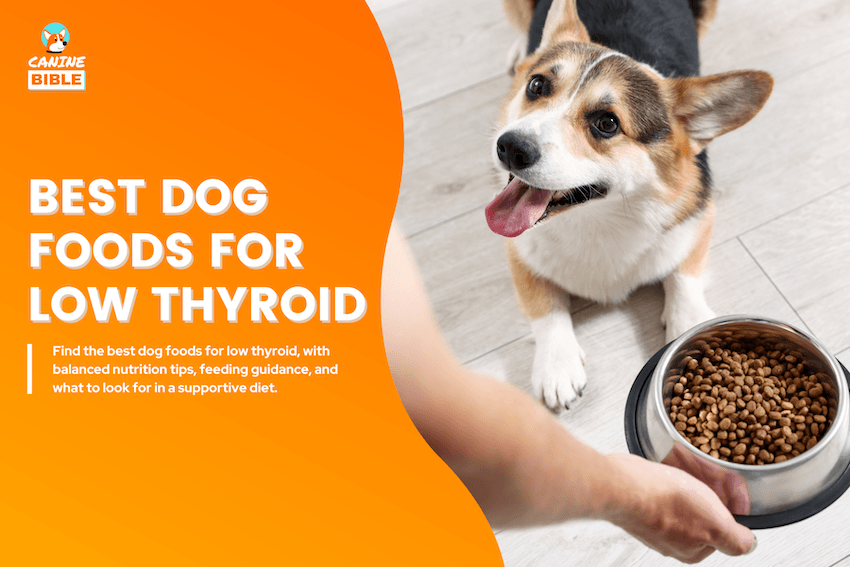
When your dog’s thyroid slows down, everything from their energy levels to their waistline can seem to slow down with it. Low thyroid function, commonly associated with hypothyroidism, can affect metabolism, weight management, skin and coat health, and overall vitality, making proper nutrition an important part of daily care. While food cannot replace veterinary treatment or thyroid medication when prescribed, the right diet can help support a healthy weight, provide balanced nutrients, and make it easier to manage some of the challenges that come with the condition. Choosing poorly suited food, especially one that is unnecessarily high in calories, may make weight control even harder for dogs with a sluggish metabolism. That is why understanding protein quality, calorie density, essential fats, and overall nutritional balance matters when comparing options. In this guide, we’ll break down the best dog foods for low thyroid, the key nutrients to look for, what to avoid, and how to choose a diet that fits your dog’s individual needs.
Can Diet Help With Low Thyroid in Dogs?
Diet cannot cure hypothyroidism in dogs, but it can play an important role in supporting healthy weight, energy levels, muscle maintenance, skin and coat condition, and overall wellness alongside veterinary treatment. Because dogs with low thyroid function often have a slower metabolism and may gain weight more easily, a diet with appropriate calories, quality protein, and balanced nutrients can help make weight management easier. Some dogs may also benefit from higher fiber, controlled fat, omega-3 fatty acids, or a therapeutic diet depending on their body condition and other health concerns.
Latest Research on the Best Dog Foods for Low Thyroid
According to the latest research, balanced iodine intake is especially important for dogs with low thyroid, as both deficiencies and excesses may disrupt normal thyroid function.
Unbalanced Homemade Diets Can Leave Dogs Short on Iodine
A 2026 case report documented primary hypothyroidism and thyroid enlargement in a dog eating a non-standardized homemade diet without vitamin and mineral supplementation. After switching to a nutritionally complete diet that supplied adequate iodine, the dog’s thyroid hormone and iodine levels normalized without thyroid hormone medication, highlighting the importance of properly balanced homemade recipes.[1]
Adequate Iodine Is Essential for Normal Thyroid Hormone Production
A separate canine case linked a long-term home-cooked diet with iodine-deficiency goitrous hypothyroidism. Thyroid hormone levels and clinical signs normalized after iodine was restored, reinforcing why dogs with low thyroid should receive complete, balanced nutrition rather than diets that may be deficient in essential trace minerals.[2]
More Iodine Is Not Necessarily Better for Thyroid Health
Controlled research in puppies found that diets supplying excessive iodine reduced thyroid iodine uptake and lowered thyroid hormone concentrations while increasing TSH. The findings suggest that both too little and too much iodine can disrupt thyroid function, so iodine supplements should not be added to a dog’s diet without veterinary guidance.[3]
Key Dietary Approaches to Support Dogs with Low Thyroid
These dietary approaches can help support dogs with low thyroid by promoting consistent feeding, balanced nutrition, and routines that work alongside veterinary treatment.
| Dietary Approach | How It May Help |
|---|---|
| Consistent meal timing | Helps keep thyroid medication absorption more predictable when meals and medication follow the same routine. |
| Avoid thyroid-containing animal tissues | Limit gullet, trachea, and neck products that may contain thyroid tissue and unexpectedly alter hormone levels. |
| Provide adequate selenium | Supports enzymes involved in normal thyroid hormone metabolism; avoid unnecessary high-dose supplements. |
| Include sufficient zinc | Supports normal skin, coat, and metabolic functions that may be affected in hypothyroid dogs. |
| Limit excessive treats | Keeps extras from displacing essential nutrients or making the daily diet harder to manage consistently. |
| Choose highly palatable foods | Wet, fresh, or softened meals may encourage reliable eating in dogs with reduced interest in food. |
| Keep medication and diet routines stable | Sudden changes in feeding habits can complicate interpretation of thyroid blood tests and treatment response. |
Remember to ALWAYS consult with your vet before making any changes that could affect your dog’s health, nutrition, or well-being. If you can’t reach your vet, you can chat live with a registered online veterinary professional via our online vet chat or video chat support (24 hours a day, 7 days a week). Or use Chewy’s online vet services (6 a.m. – midnight ET). Additionally, at-home dog gut health tests can analyze your dog’s microbiome, offering insights into which nutrients their diet should include. Similarly, at-home dog allergy testing kits can identify ingredients that may not be suitable for your dog, enabling you to choose the right diet and care plan to support optimal digestion, nutrition, and health.
Best Dog Foods for Low Thyroid
Here are the best dog foods for low thyroid of this year.
Best Overall Dog Food for Low Thyroid
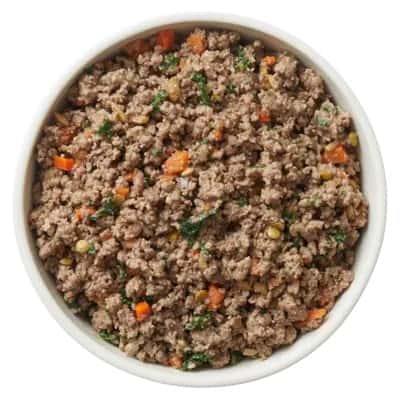
The Farmer’s Dog
Who It’s For: Dog owners seeking a balanced everyday food for dogs with low thyroid function, with quality protein and sensible calories to support healthy weight.
Why we recommended it: The Farmer’s Dog offers fresh meals tailored to your dog’s specific needs, considering dietary requirements, calorie intake, age, size, preferences, health issues such as allergies, food intolerances, cancer, and more. The company collaborates with board-certified veterinary nutritionists to ensure each recipe meets AAFCO standards for balanced nutrition.
What sets it apart from competitors: Unlike many competitors, The Farmer’s Dog exclusively uses wholesome, USDA-approved human-grade ingredients fit for human consumption. Meals are pre-portioned and delivered directly to your door, making it a hassle-free option for busy pet parents.
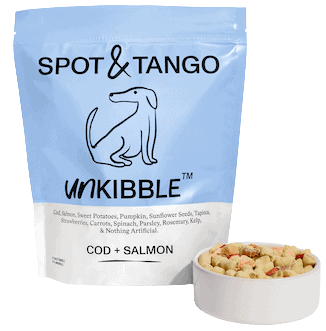
Spot & Tango
Who It’s For: Dog owners who prefer convenient kibble for dogs with low thyroid function and want balanced nutrition with portion-friendly calories.

JustFoodForDogs
Who It’s For: Dogs with low thyroid function that prefer softer, more aromatic meals, especially those needing extra moisture or help staying interested in food.
What sets it apart from competitors: The Tetra Pak technology is a standout feature. While most fresh or vet-recommended diets require freezing, this shelf-stable formula retains freshness for up to two years without refrigeration until opened—ideal for emergencies or travel. Competitors often use higher-fat proteins or synthetic fortification to enhance their products. Still, JustFoodForDogs relies on cold-pressed oils (such as sunflower, coconut, and flaxseed) to deliver omega fatty acids naturally, reducing inflammation without harsh processing.
Best Dog Food for Puppies with Low Thyroid

Open Farm
Who It’s For: Puppies with low thyroid function that need complete growth nutrition, appropriate calories, and a diet chosen with veterinary guidance.
What sets it apart from competitors: Uses a blend of proteins (pork, salmon & chicken) that are less likely to trigger food allergies. It also includes added collagen for healthy joint development, crucial for growing puppies.
Best Dog Food for Low Thyroid & Sensitive Stomachs

Open Farm Digestive Health
Who It’s For: Dogs with low thyroid function and sensitive digestion that do best with gentle, easy-to-digest ingredients and a balanced calorie profile.
What sets it apart from competitors: The recipe’s inclusion of prebiotics, probiotics, and postbiotics supports a balanced gut microbiome, which is not commonly found in standard dog foods.
Best Dog Food with Hydrolyzed Protein for Low Thyroid

VPS
Who It’s For: Dogs with low thyroid function and food sensitivities that may benefit from hydrolyzed protein as part of a veterinarian-guided diet.
What sets it apart from competitors: While most hydrolyzed dog foods require a prescription, this formula offers a premium hydrolyzed alternative without needing one, providing a cost-effective option for pet owners. The product is manufactured in the USA within an SQF-certified facility, ensuring high-quality and safety standards.
Best Budget-Friendly Dog Food for Low Thyroid
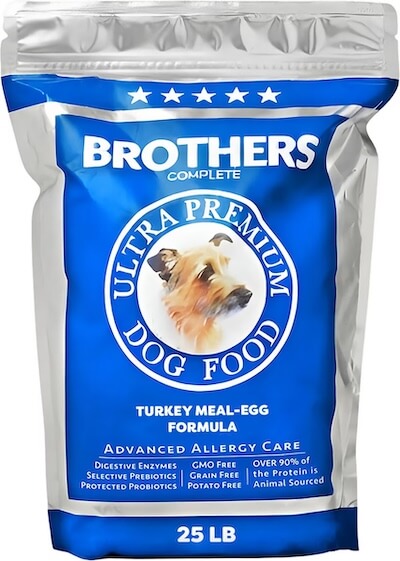
Brothers Complete
Who It’s For: Dog owners seeking an affordable, nutritionally complete option for dogs with low thyroid function without overspending on daily meals.
What sets it apart from competitors: Focuses on gut health and allergy prevention. The formula includes encapsulated probiotics and digestive enzymes to support a healthy digestive system. Additionally, using cassava root as a carbohydrate source instead of grains or potatoes may help prevent “leaky gut” issues that can lead to food allergies and skin problems.
Best Dog Food for Low Thyroid & Skin Allergies
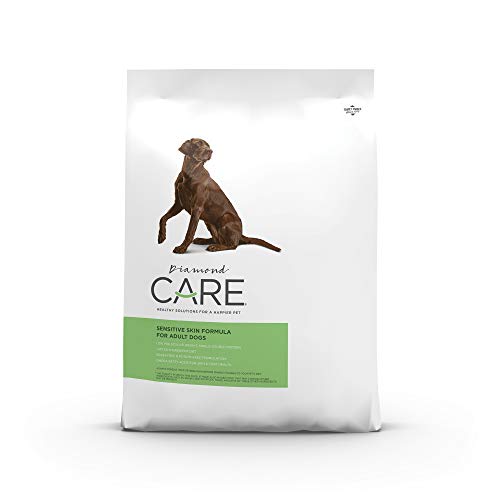
Diamond Care Sensitive Skin
Who It’s For: Dogs with low thyroid function and itchy or allergy-prone skin that need a diet focused on gentle ingredients and skin-supportive nutrition.
Why we recommended it: Diamond Care Sensitive Skin formula is made with hydrolyzed salmon, a novel protein source that is less likely to trigger allergic reactions and is rich in Omega-3 and omega-6 fatty acids, which strengthen the skin’s natural barrier, reducing irritation and itchiness. It’s also enriched with vitamins and minerals to promote skin repair and strengthen the immune system.
What sets it apart from competitors: Includes proprietary K9 Strain Probiotics to support gut health, which plays a vital role in reducing allergic reactions.
Best Dog Food For Seniors with Low Thyroid

JustFoodForDogs Lamb & Rice
Who It’s For: Senior dogs with low thyroid function that need balanced calories, quality protein, and easy-to-manage nutrition for healthy aging.
What sets it apart from competitors: Unlike heavily processed senior dog foods, this meal is lightly cooked and frozen to maintain freshness without artificial preservatives, while preserving enzymes and bioavailability, critical for seniors with weakened digestion.
Best Vet-Prescribed Dog Food for Low Thyroid
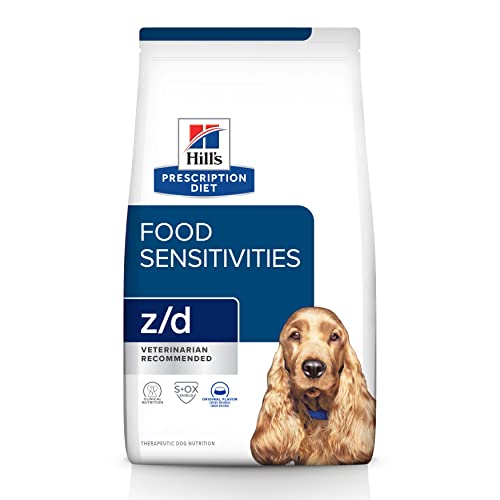
Hill’s Prescription Diet z/d
Who It’s For: Dogs with low thyroid function that need a veterinary therapeutic diet for added nutritional support alongside their prescribed treatment plan.
What sets it apart from competitors: It combines hydrolyzed proteins with a proprietary blend of prebiotics called ActivBiome+ technology, which helps nourish the gut microbiome and support digestive health. This dual-action approach targets both the immune system’s reaction to food and overall digestive well-being.
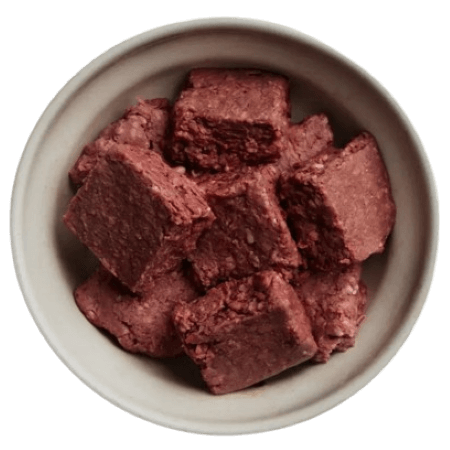
We Feed Raw
Who It’s For: Dog owners considering raw feeding for dogs with low thyroid function and who want complete nutrition, safe handling, and vet guidance.
Get 25% OFF your order with the code CB25. Use Canine Bible’s link to get started.
Homemade Dog Food for Low Thyroid
Recipes
Who It’s For: Dog owners who want to prepare meals at home for dogs with low thyroid and can follow a veterinarian-formulated recipe for complete, balanced nutrition.
Preparing homemade dog food can help dogs with low thyroid because it gives you greater control over calories, protein quality, fat levels, and ingredient selection. A well-balanced homemade diet for a dog with hypothyroidism should prioritize lean, highly digestible proteins such as turkey, chicken, fish, or lean beef, along with fiber-rich carbohydrates and vegetables that can help support healthy weight management. Moderate amounts of omega-3-rich fats, such as fish oil, may also support skin and coat health, which can be affected in dogs with low thyroid function. Because hypothyroidism is typically managed with veterinary treatment and thyroid medication, homemade food should complement—not replace—your dog’s prescribed care. For a complete and balanced homemade diet, check out our dedicated guide on homemade dog food for more vet-approved recipes, nutrition tips, and feeding guidelines. Consider using a DIY Nutrient Kit from JustFoodForDogs or The Farmer’s Dog to help provide essential vitamins and minerals, and explore our homemade dog treat recipes for simple snack ideas. Before switching to a homemade diet, consult your veterinarian or a board-certified veterinary nutritionist to make sure the recipe is complete, balanced, and appropriate for your dog’s thyroid condition, weight, age, and overall health.
Other Dog Foods for Low Thyroid
How to Transition Your Dog to a New Diet for Low Thyroid
A gradual food change can reduce digestive upset and give your dog time to adjust to the new diet. For dogs with low thyroid, keeping meals consistent is especially useful, particularly if they take thyroid medication on a set feeding schedule. The table below offers a simple 7–10 day transition plan.
| Transition Stage | Old Food | New Food | What to Do |
|---|---|---|---|
| Days 1–2 | 75% | 25% | Mix thoroughly and keep portions consistent. |
| Days 3–4 | 50% | 50% | Continue if digestion remains normal. |
| Days 5–6 | 25% | 75% | Increase the new food gradually. |
| Day 7+ | 0% | 100% | Feed the new diet consistently. |
| Sensitive dogs | Reduce more slowly | Increase more slowly | Extend the transition to 10–14 days if needed. |
Monitoring Your Dog’s Progress on a New Diet for Low Thyroid
After the switch, watch your dog’s appetite, stool quality, vomiting, energy level, and body weight. A food that suits your dog should be well tolerated, while persistent diarrhea, vomiting, poor appetite, or unexpected weight changes may signal that the diet needs adjustment.
Also pay attention to changes associated with low thyroid, such as sluggishness, difficulty maintaining a healthy weight, or changes in skin and coat condition. Improvement in hypothyroidism usually depends on appropriate thyroid treatment as well as supportive nutrition, so diet alone should not be used to judge whether the condition is controlled.
Dogs with hypothyroidism or other medical concerns should be monitored with veterinary guidance. Your veterinarian may recommend follow-up weight checks, examinations, or thyroid blood tests to determine whether treatment and nutrition remain appropriate.
The Bottom Line
Choosing the best dog food for low thyroid starts with balanced nutrition that supports healthy weight, muscle maintenance, energy, and overall wellness. Dogs with hypothyroidism often benefit from appropriate calories, quality protein, essential nutrients, and a consistent feeding routine. The right diet can complement thyroid medication and veterinary care, but it should not be viewed as a replacement for treatment. Portion control and carefully selected ingredients are especially important for dogs prone to weight gain or reduced activity. Any diet change should be introduced gradually to help minimize digestive upset and make the transition easier. After switching foods, monitor your dog’s appetite, weight, digestion, energy, and overall condition. Work with your veterinarian to make sure the diet continues to match your dog’s thyroid needs and general health.
Sources
- Diet-associated iodine-deficiency goitrous hypothyroidism in a dog: a longitudinal clinical, endocrine, and ultrasonographic evaluation
- Case Report: Technetium-99m Pertechnetate Scintigraphy Findings in a Dog With Iodine Deficiency-Induced Goitrous Hypothyroidism
- Changes in thyroid function in puppies fed a high iodine commercial diet