A dog’s gallbladder may be small, but when it isn’t working properly, even everyday meals can become harder for the body to handle. Dogs with gallbladder problems may struggle with fat digestion, appetite changes, vomiting, abdominal discomfort, or other digestive issues that make nutrition especially important. Choosing the best dog food for gallbladder problems can help support digestion, maintain a healthy weight, and provide balanced nutrition without placing unnecessary strain on the digestive system. Because gallbladder conditions can vary in severity, the right diet should also complement your veterinarian’s treatment plan rather than replace it. Ingredients, fat levels, digestibility, and overall nutrient balance can all make a meaningful difference in how well a dog tolerates its meals. In this guide, we’ll break down the best dog foods for gallbladder problems, what to look for when choosing one, and how to find an option that fits your dog’s individual needs.
Can Diet Help Dogs With Gallbladder Problems?
Yes, diet can play an important supportive role in managing some gallbladder problems in dogs, especially conditions associated with abnormal fat metabolism, hyperlipidemia, or gallbladder mucoceles. Depending on the diagnosis, veterinarians may recommend a highly digestible diet with controlled fat levels, adequate protein, appropriate fiber, and balanced essential nutrients to reduce digestive strain and support overall liver and biliary function. However, not every gallbladder condition requires a low-fat diet, and nutritional needs can vary significantly based on the underlying cause and any concurrent diseases. Diet should therefore be tailored to the individual dog and used alongside veterinary treatment rather than as a replacement for medical care.
Latest Research on Nutrition for Dogs With Gallbladder Problems
According to the latest research, nutrition may influence gallbladder health in dogs, particularly through dietary fat, fiber, omega-3 fatty acids, carbohydrate balance, and the management of high blood lipids. While no single diet has been proven to prevent or treat gallbladder disease, current evidence can help guide more informed food choices based on a dog’s specific condition and veterinary recommendations.
📄Research Update — Gallbladder Nutrition
Fat, Fiber, and Omega-3s Are Key Areas of Gallbladder Nutrition Research
A recent scoping review found that nutrition may influence gallbladder function and diseases such as gallbladder mucoceles and cholelithiasis. Current evidence supports particular attention to dietary fat and cholesterol, control of hyperlipidemia, adequate fiber, omega-3 fatty acids, and essential amino acids such as methionine and tryptophan, although more controlled studies in affected dogs are still needed.[1]
📊Diet Study — Fat, Carbohydrates & Bile
Macronutrient Balance Can Affect Gallbladder Bile Composition
In a study of six healthy Beagles, both a low-fat diet and a low-carbohydrate diet reduced gallbladder bile mucin concentrations and altered bile acid composition. The findings suggest that the proportions of dietary fat and carbohydrates can influence the gallbladder environment, although the study involved healthy dogs and does not establish either diet as a treatment for gallbladder disease.[2]
⚠️Clinical Focus — Hyperlipidemia
Managing High Blood Lipids May Be Important for Gallbladder Health
A prospective study found that dogs with hyperlipidemia had larger gallbladder volumes before and after eating than healthy control dogs, with greater distention seen in severely hyperlipidemic dogs. Although gallbladder ejection fractions were not significantly different between groups, the researchers concluded that hyperlipidemia-related distention could promote bile retention and potentially contribute to gallbladder disease.[3]
Remember to ALWAYS consult with your vet before making any changes that could affect your dog’s health, nutrition, or well-being. If you can’t reach your vet, you can chat live with a registered online veterinary professional via our online vet chat or video chat support(24 hours a day, 7 days a week). Or use Chewy’s online vet services(6 a.m. – midnight ET). Additionally, at-home dog gut health tests can analyze your dog’s microbiome, offering insights into which nutrients their diet should include. Similarly, at-home dog allergy testing kits can identify ingredients that may not be suitable for your dog, enabling you to choose the right diet and care plan to support optimal digestion, nutrition, and health.
Best Dog Foods for Gallbladder Problems
Here are the best dog foods for gallbladder problems this year.
Best Overall Dog Food for Gallbladder Problems
4.9
★★★★★
The Farmer’s Dog
Who It’s For: Dog owners seeking a balanced, easy-to-digest everyday food that supports dogs with gallbladder concerns and fits well into a vet-guided diet plan.
Why we recommended it:The Farmer’s Dog combines whole meats and vegetables with supplemental vitamins and minerals in gently cooked fresh meals developed by on-staff, board-certified veterinary nutritionists. Its human-grade ingredients are prepared in USDA-inspected, FDA-registered facilities that produce human food, rather than conventional feed-grade facilities. The recipes are clinically tested for high digestibility, while their naturally moist format also contributes water with each meal. Beef, chicken, turkey, and pork recipes provide different ingredient and nutrient profiles, giving some flexibility when matching the food to an individual dog’s needs. For dogs that specifically require fat restriction, The Farmer’s Dog also offers a low-fat chicken recipe available through veterinarian recommendation. The meals arrive ready to serve, providing complete fresh-food nutrition without preparing or balancing ingredients at home.
What sets it apart from competitors: The Farmer’s Dog calculates portions using factors including age, weight, breed, activity level, body condition, and spay or neuter status rather than relying on a universal serving chart. Meals arrive pre-portioned to those calculated needs and can be adjusted as the dog’s requirements change, creating a more individualized feeding model than measuring portions from a standard bag or can.
Why we recommended it:Freshpet Fresh Dog Food uses fresh animal proteins alongside vegetables, grains, or other carbohydrate sources, and added vitamins, minerals, and amino acids in its complete-meal recipes. The food is gently steam-cooked and kept refrigerated, with Freshpet stating that this process helps retain essential nutrients while ensuring the meals are fully cooked for food safety. Its naturally moist format contributes water with each serving, while ingredients such as vegetables and whole grains provide fiber and additional nutrients depending on the recipe. Freshpet offers multiple animal-protein options along with both grain-inclusive and grain-free recipes, providing flexibility when selecting a formula with an appropriate ingredient profile. Research involving Freshpet has also found its fresh diet to be more digestible than the extruded diet used for comparison, although digestibility varies with both formulation and processing.
What sets it apart from competitors: Freshpet’s entire U.S. product line has earned Clean Label Project Certification and the Purity Award after independent testing for more than 100 potential contaminants, including heavy metals, pesticides, bisphenols, phthalates, and acrylamide. Freshpet is currently the first and only pet-food brand to have its full U.S. portfolio achieve this certification and Purity Award recognition, giving the range an unusually broad third-party contaminant-screening distinction.
Best Dry Dog Food for Gallbladder Problems
4.7
★★★★★
Open Farm
Who It’s For: Dog owners who prefer convenient, shelf-stable kibble that is easy to portion while supporting dogs with gallbladder-related dietary needs.
Why we recommended it:Open Farm Healthy Weight Dry Dog Food is a veterinarian-formulated kibble built around humanely raised chicken, wild-caught whitefish, added fiber, and reduced dietary fat to support healthy weight management. Its animal proteins provide amino acids that help maintain lean muscle, while oat fiber helps promote fullness and supports healthy digestion. Pumpkin, dried chicory root, and fructooligosaccharides add further fiber and prebiotic support for beneficial intestinal bacteria. L-carnitine is included to support healthy metabolism and fatty-acid oxidation, while herring meal, whitefish meal, and other added fats contribute essential fatty acids within the nutritional profile. Its lower-fat design is particularly relevant when managing dogs with gallbladder mucoceles and concurrent hyperlipidemia, since high-fat feeding can contribute to mucocele progression in susceptible dogs.
What sets it apart from competitors: Each bag connects to Open Farm’s lot-code traceability system, allowing ingredient origins, sourcing details, and safety-test information to be checked for the specific production lot. The recipe also uses G.A.P.-certified chicken and Ocean Wise-recommended wild-caught fish, adding third-party sourcing verification alongside that ingredient-level transparency.
Who It’s For: Dogs that benefit from soft, moisture-rich meals that are easier to eat and can help support hydration alongside gallbladder-friendly nutrition.
Why we recommended it:JustFoodForDogs Pantry Fresh Balanced Remedy uses ground turkey as its single protein source with long-grain white rice, sushi rice, and rice starch in a low-fat, limited-ingredient, highly digestible formula. Its low-residue approach is designed to leave less undigested material moving through the gastrointestinal tract while still supplying animal protein for muscle maintenance. Coconut oil provides medium-chain triglycerides that are easier to digest and absorb than long-chain triglycerides, while sunflower, fish, and flaxseed oils contribute essential fatty acids, including EPA and DHA from fish oil. A recipe-specific nutrient blend adds vitamins, minerals, methionine, taurine, and other micronutrients to round out the formulation. The food uses 100% human-grade ingredients with no feed-grade ingredients, additives, preservatives, or added growth hormones.
What sets it apart from competitors: Pantry Fresh uses Tetra Pak technology to cook the food at low heat under pressure inside its packaging, creating a shelf-stable whole-food meal without added preservatives. Unopened packages can remain at room temperature for up to two years from manufacture and require refrigeration only after opening, giving it unusual storage flexibility for a fresh-style wet food.
Best Prescription Dog Food for Gallbladder Problems
4.5
★★★★★
Hill’s Prescription Diet
Who It’s For: Dogs that need a veterinarian-directed diet with controlled nutrition tailored to medical concerns affecting the gallbladder or digestion.
Why we recommended it:Hill’s Prescription Diet i/d Low Fat Digestive Care Dog Food is formulated as therapeutic nutrition for dogs that need reduced dietary fat alongside highly digestible nutrition. Its digestible formula helps improve nutrient absorption, while the low-fat design is also intended to help lower blood fat levels. ActivBiome+ Digestion uses a targeted prebiotic blend to rapidly nourish beneficial intestinal microbes and support stool quality, with ginger included as an additional digestive-support ingredient. Added omega-3 fatty acids provide essential lipids despite the overall fat restriction, while clinically proven antioxidants support normal immune function. Controlled minerals and additional vitamins, taurine, and L-carnitine round out the nutritional profile rather than treating fat reduction as the diet’s only objective.
What sets it apart from competitors: Beyond low-fat digestive management, i/d Low Fat is formulated to create a urinary environment that reduces the risk of both struvite and calcium oxalate crystal formation. That cross-system design gives the diet an additional urinary-health function that is less typical of foods focused primarily on gastrointestinal and fat-responsive conditions.
Best Food for Puppies with Gallbladder Problems
4.7
★★★★★
Raised Right
Who It’s For: Puppies that need growth-focused nutrition while also requiring a carefully managed diet for gallbladder or digestive concerns.
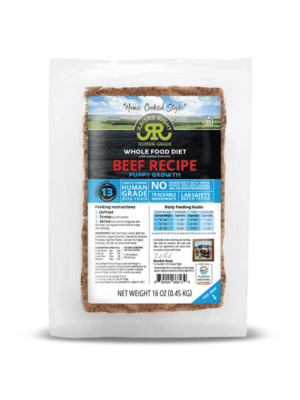
Why we recommended it:Raised Right Human Grade Puppy Food is built specifically around puppy growth using single-animal-protein recipes with muscle meat, heart, liver, produce, oils, and targeted mineral sources. The beef, chicken, and turkey formulas use relatively short ingredient lists, with organ meats contributing additional animal-derived protein and naturally occurring micronutrients. Dicalcium phosphate and eggshell powder provide calcium and phosphorus sources needed for normal skeletal development, while cod liver oil and flaxseed oil in applicable recipes add fatty acids within the nutritional profile. The meals are gently cooked in a USDA-inspected human-grade facility using ingredients that meet standards for human consumption, then frozen and served fresh. Their naturally moist format also contributes water with each meal while maintaining a nutrient-dense whole-food structure.
What sets it apart from competitors: Raised Right laboratory-tests every production batch for pathogens such as E. coli, Salmonella, and Listeria and publicly posts the results after its hold-and-release process. The company also provides an ingredient-sourcing map tracing ingredients back to current suppliers, creating transparency from ingredient origin through finished-batch safety testing.
Why we recommended it:Blackwood Lean & Senior Dry Dog Food combines chicken meal with brown rice, millet, sorghum, oats, and barley in a recipe designed for older and overweight adult dogs. Chicken meal, dried egg product, and whitefish meal provide animal-derived protein that supports lean muscle maintenance, while the grain blend supplies carbohydrate energy and dietary fiber. Beet pulp, inulin, pumpkin, and apple pomace add additional fiber, and the formula includes Lactobacillus casei, L. acidophilus, Bifidobacterium animalis, and L. reuteri fermentation products for digestive support. Flaxseed and menhaden fish oil contribute omega fatty acids, while L-carnitine participates in fatty-acid transport and energy metabolism. Taurine and amino-acid-chelated zinc, iron, manganese, and copper further complete the nutritional profile.
What sets it apart from competitors: Blackwood slow-cooks its dry foods in small batches, and Kansas State University research on its extrusion process found that the slow-processing treatment produced the highest starch gelatinization and overall percentage of starch cooked. That gives the manufacturing method a research-backed processing distinction rather than relying solely on a different ingredient list.
Best Grain-Free Dog Food for Gallbladder Problems
4.8
★★★★★
The Honest Kitchen
Who It’s For: Dog owners seeking a grain-free option for dogs with gallbladder concerns when avoiding grains is appropriate for their individual dietary needs.
Why we recommended it:The Honest Kitchen Grain Free Whole Food Clusters combine named animal proteins and organ meats with peas, potatoes, lentils, vegetables, seeds, oils, vitamins, and minerals in a complete dry-food format. Chicken, beef, turkey, and lamb recipes use whole-food animal ingredients rather than rendered meat meals, while produce such as carrots, broccoli, pumpkin, apples, and kale broadens the ingredient profile. Flaxseed, fish oil, chia seed, and coconut oil contribute fatty acids, while Bacillus coagulans provides probiotic support for healthy digestion. Taurine, kelp, vitamins, and chelated minerals further round out the nutritional profile, and the recipes are crafted with veterinary nutrition input. The grain-free clusters contain no GMO ingredients, corn, wheat, soy, or artificial preservatives and can be served directly as a complete meal without rehydration.
What sets it apart from competitors: Whole Food Clusters use The Honest Kitchen’s MadeHonest® process, which cold-presses whole-food ingredients into clusters before roasting and gently dehydrating them rather than using conventional kibble extrusion. The Honest Kitchen identifies Clusters as the first human-grade dry dog food, with ingredients sourced from the human food supply chain and production in facilities meeting human-food standards.
Get 50% OFF with code 50CANINE (or 40CANINE for orders under $30)—Use thislink to get started.
Best Food for Dogs with Gallbladder Problems & Allergies
4.6
★★★★★
JustFoodForDogs
Who It’s For: Dogs with gallbladder concerns and food allergies that need a carefully selected diet avoiding known triggers while supporting digestion.
Why we recommended it:JustFoodForDogs Frozen Fresh Dog Food uses white fish from cod, pollock, and haddock as its animal-protein base alongside sweet potatoes, russet potatoes, green beans, and broccoli. The grain-free recipe contains no beef, lamb, or poultry, while its fish provides amino acids and naturally occurring omega-3 fatty acids within a relatively focused ingredient profile. Sweet and russet potatoes provide carbohydrate energy and dietary fiber, with green beans and broccoli adding further fiber and plant-derived nutrients. Flaxseed and sunflower oil contribute essential fatty acids, while seaweed meal is included as a natural prebiotic to support gut health. A recipe-specific nutrient blend supplies additional vitamins and minerals, and the food uses 100% human-grade ingredients without additives, preservatives, or added growth hormones.
What sets it apart from competitors: JustFoodForDogs has put its daily canine diets through university-based feeding trials that went beyond minimum testing requirements, and the fish & sweet potato recipe has its own feeding-trial certificate. The company has also commissioned independently published university digestibility research on its fresh whole-food diets, giving the line a stronger research framework than fresh foods supported mainly by formulation data.
Best Food for Dogs with Gallbladder Problems & Sensitive Stomach
4.7
★★★★★
Spot & Tango
Who It’s For: Dogs with gallbladder issues and sensitive stomachs that do best with gentle, highly digestible meals designed to minimize digestive upset.
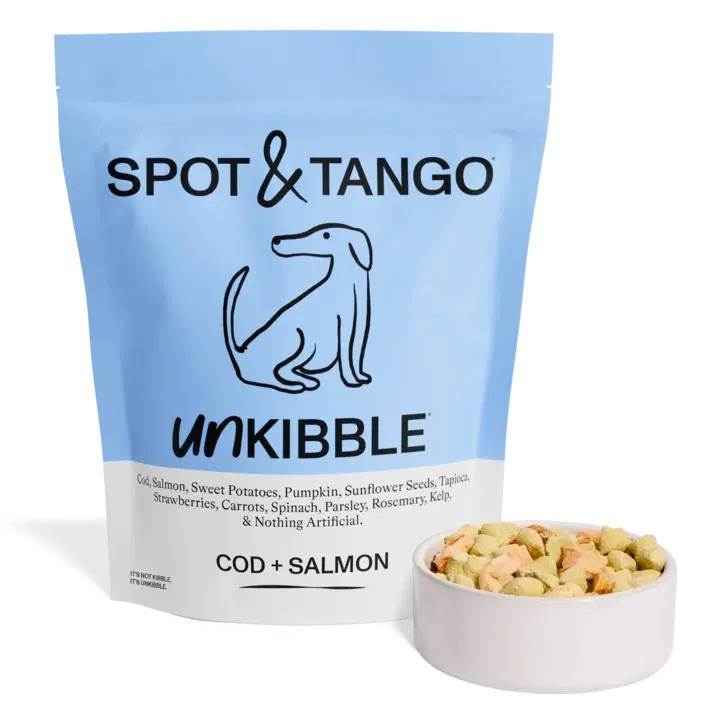
Why we recommended it:Spot & Tango UnKibble uses human-grade meat and fish alongside grains or alternative carbohydrate sources, fruits, vegetables, seeds, and a targeted nutrient blend in a shelf-stable dry format. Beef, turkey, cod, and salmon provide animal-derived protein, while barley, brown rice, sweet potatoes, and tapioca supply carbohydrate and fiber depending on the recipe. Flaxseed, salmon oil, fish oil, and sunflower seeds in applicable formulas contribute fatty acids, while pumpkin, carrots, spinach, apples, and other produce broaden the whole-food ingredient profile. The recipes contain no artificial fillers, additives, or preservatives and are developed with veterinary nutritionists. Multiple protein and carbohydrate combinations also provide some flexibility when ingredient tolerance varies between dogs.
What sets it apart from competitors: UnKibble uses Spot & Tango’s low-temperature FreshDry™ process to turn fresh, human-grade ingredients into shelf-stable dry food without requiring refrigeration, while personalized plans include a custom portion scoop based on the dog’s profile. Each batch is also third-party tested for safety and quality, adding production-level verification alongside the individualized feeding system.
Best Freeze-Dried Dog Food for Gallbladder Problems
4.8
★★★★★
Get Joy
Who It’s For: Dog owners who prefer minimally processed, convenient freeze-dried meals while carefully managing a dog’s gallbladder-related dietary needs.
Why we recommended it:Get Joy Freeze Dried Raw Dog Food combines USDA-sourced muscle meat and organ meats with sorghum, pumpkin, flaxseed, salmon oil, and supplemental vitamins and minerals in a complete freeze-dried meal. The beef recipe includes heart, kidney, and liver, while the chicken recipe uses chicken and chicken liver, providing animal-derived protein alongside naturally occurring micronutrients. Sorghum supplies carbohydrate energy, while pumpkin provides soluble fiber that supports normal digestion and stool quality. Salmon oil contributes EPA and DHA for healthy joints, brain, skin, and coat, while flaxseed adds a plant-based source of omega-3 fatty acids. The recipes are gently freeze-dried and remain shelf-stable, with no seed oils, fillers, by-products, or artificial ingredients.
What sets it apart from competitors: Get Joy builds Belly Biotics™ directly into the food, combining inulin, a yeast-culture postbiotic, and five live probiotic strains that retain 3 billion CFU per pound rather than adding gut support as a separate supplement. The company also uses a low-temperature freeze-drying process without HPP and says it relies on competitive inhibition for pathogen control, allowing the live cultures to remain part of the finished food.
Best Air-Dried Dog Food for Gallbladder Problems
4.6
★★★★★
The Pets Table
Who It’s For: Dog owners seeking nutrient-dense, shelf-stable air-dried food that offers convenience while fitting a gallbladder-conscious feeding plan.
Why we recommended it:The Pets Table Air-Dried Dog Food combines animal proteins with fruits, vegetables, grains or alternative carbohydrate sources, oils, and supplemental micronutrients in complete daily meals. Depending on the recipe, ingredients such as pumpkin, sweet potatoes, berries, oats, flaxseed, spinach, and chicory root contribute fiber and additional whole-food nutrients. Added yeast culture provides a postbiotic component for gut health, while fish and plant-derived ingredients contribute beneficial fatty acids within the nutritional profile. The recipes are developed and reviewed with veterinary nutrition expertise, including an on-staff board-certified veterinary nutritionist. Finished foods undergo nutrient analysis, pathogen testing for Salmonella, E. coli, and Listeria, along with shelf-life and digestibility testing.
What sets it apart from competitors: The Pets Table personalizes Air-Dried Plan portions using factors such as a dog’s age, weight, and activity level rather than relying solely on a generic feeding chart. Its Mixed Plan can also divide daily calories between fresh and air-dried meals while maintaining the personalized feeding target, adding flexibility without abandoning portion control.
Best Food for Dogs Without Gallbladder
4.5
★★★★★
Hill’s Science Diet
Who It’s For: Dogs without a gallbladder that need highly digestible, carefully portioned meals designed to support comfortable digestion and long-term nutrition.
Why we recommended it:Hill’s Science Diet Dry Dog Food uses a low-calorie, fiber-rich formulation designed to help adult dogs maintain a healthy body weight while providing protein for lean muscle. Powdered cellulose, pea fiber, dried beet pulp, whole oats, and fructooligosaccharides contribute different fiber sources that support healthy digestion. L-carnitine is included to support ideal body weight and plays a role in normal fatty-acid metabolism. ActivBiome+ Multi-Benefit combines prebiotic fibers and antioxidants to support digestive, immune, and organ health. Omega-6 fatty acids and vitamin E support healthy skin and coat, while taurine, vitamins, minerals, and beta-carotene further round out the nutritional profile. After gallbladder removal, bile circulation becomes continuous rather than being stored and concentrated in the gallbladder, making a lighter maintenance formula potentially useful when richer foods are poorly tolerated.
What sets it apart from competitors: Hill’s substantiates the finished adult light diet through animal feeding tests rather than relying solely on formulation calculations. It also makes its dry foods in its own U.S. facilities and applies ingredient purity and nutrient-content standards that the company states exceed industry requirements
Other Dog Foods for Gallbladder Problems
Best Food for Picky Eaters with Gallbladder Problems:A Pup Above Fresh Dog Food stands out for dogs that lose interest in conventional kibble because its gently cooked format delivers the aroma, texture, and moisture of fresh food. The recipes use animal proteins alongside vegetables and other whole-food ingredients, and A Pup Above reports about 93% digestibility for its fresh meals, which can be helpful when digestive efficiency matters. Multiple recipes provide some flexibility for rotating proteins or finding a formula a selective dog is more willing to eat. Fat and calorie levels vary between recipes, with some current formulations offering a noticeably leaner profile than others. That combination of fresh-food appeal and recipe flexibility makes it our winner for picky eaters, although dogs needing therapeutic fat restriction should have the specific formula cleared by a veterinarian.
Best Budget Dog Food for Gallbladder Problems:Nutrish Healthy Weight Dry Dog Food earns this spot by delivering a weight-management nutritional profile in a conventional dry-food format that is practical for everyday feeding. It provides 25% minimum protein while keeping fat between 8% and 11%, with 280 calories per cup, making portion control easier for dogs that also need help maintaining a lean body condition. The formula includes brown rice, barley, peas, beet pulp, and carrots, while added L-carnitine participates in normal fatty-acid metabolism. Its moderate fiber content can also help with satiety, which is useful for dogs whose calorie intake needs closer management. For gallbladder problems associated with hyperlipidemia or mucoceles, the comparatively restrained fat content is relevant because high-fat diets can worsen risk in susceptible dogs.
Best Dehydrated Dog Food for Gallbladder Problems:The Honest Kitchen Wholemade Limited Ingredient is a strong choice for dogs that benefit from a simpler ingredient list but still need a complete meal rather than a topper. Each recipe centers on just six key whole-food ingredients plus the vitamins and minerals needed for nutritional completeness, which can make the diet easier to navigate when food sensitivities overlap with digestive concerns. The food is gently dehydrated and rehydrated with warm water before serving, adding moisture back into the meal while remaining compact and shelf stable before preparation. A 10-pound box can produce about 40 pounds of prepared food, giving it much of the convenience of dry food with a softer, fresh-style serving texture. Fat varies considerably across the limited-ingredient recipes, so the appropriate formula should be selected carefully for dogs whose gallbladder condition requires fat control rather than assuming the entire line is low-fat.
How to Transition Your Dog to a New Diet for Gallbladder Problems
A gradual transition can help reduce digestive upset and make it easier for your dog to adjust to a new food. Unless your veterinarian recommends a different schedule, switch foods over about 7–10 days, increasing the new diet in small steps rather than changing meals all at once.
Transition Stage
Old Food
New Food
What to Do
Days 1–2
75%
25%
Mix a small amount of the new food into the usual meals.
Days 3–4
50%
50%
Increase the new food while keeping portions consistent.
Days 5–6
25%
75%
Make the new diet the main part of each meal.
Days 7–10
0%
100%
Feed the new diet fully if your dog is tolerating it well.
If Adjustment Is Difficult
Increase temporarily
Reduce temporarily
Slow the transition and follow your veterinarian’s advice.
Monitoring Your Dog’s Progress on a New Diet for Gallbladder Problems
After the transition is complete, pay attention to how your dog responds to the new food. Watch appetite, stool quality, vomiting, energy level, and body weight, and note whether gallbladder-related symptoms appear to improve, stay the same, or become worse.
Changes such as repeated vomiting, loss of appetite, persistent diarrhea, unusual lethargy, or unintended weight loss should be discussed with your veterinarian. Dogs with diagnosed gallbladder disease or other medical concerns may also need veterinary follow-up, including bloodwork or imaging, to determine whether the diet is supporting the overall treatment plan.
Frequently Asked Questions
Not necessarily. Low-fat diets are commonly recommended for dogs with gallbladder mucoceles associated with hyperlipidemia because high-fat feeding can worsen risk, but routine fat restriction is not appropriate for every gallbladder or liver disorder. Your veterinarian can determine the appropriate fat level based on your dog’s diagnosis and bloodwork.
Dogs that require fat restriction should generally avoid high-fat meats, poultry skin, bacon, cheese, greasy table scraps, rich treats, and other fatty foods. The exact restrictions depend on the condition, so avoid making major dietary changes without veterinary guidance.
Yes, but a homemade diet should be formulated specifically for your dog by a board-certified veterinary nutritionist or another qualified veterinary professional. Simply feeding lean meat, rice, and vegetables long term may not provide all the essential vitamins, minerals, fatty acids, and amino acids your dog needs.
After gallbladder removal, follow the discharge diet prescribed by your veterinarian, especially during recovery. Many dogs can eventually eat a complete and balanced diet, although some may need ongoing dietary adjustments if they also have hyperlipidemia, pancreatitis, liver disease, or difficulty tolerating dietary fat. Gallbladder removal generally has few long-term adverse effects, although occasional fat-malabsorption-related diarrhea or abdominal discomfort has been reported.
Yes. Vomiting, reduced appetite, abdominal discomfort, diarrhea, and jaundice can occur with gallbladder disease, particularly gallbladder mucoceles. Persistent vomiting or a sudden worsening of symptoms warrants prompt veterinary care because obstruction or gallbladder rupture can become life-threatening.
Not every dog does. Veterinary therapeutic diets can be useful when precise fat restriction or management of another medical condition is needed, but some dogs may be able to eat an appropriate complete and balanced over-the-counter food. Your veterinarian can determine whether a therapeutic diet is necessary.
The Bottom Line
Choosing the best dog food for gallbladder problems starts with understanding your dog’s specific diagnosis and nutritional needs. Diet may play a supportive role, particularly when gallbladder disease occurs alongside high blood lipids or problems with fat metabolism. Depending on the condition, a veterinarian may recommend controlled fat levels, appropriate fiber, omega-3 fatty acids, and a complete and balanced formulation. Research suggests that dietary fat, carbohydrate balance, and hyperlipidemia can influence gallbladder function, although there is no single diet that works for every dog. Once you choose a suitable food, introducing it gradually can help your dog adjust more comfortably. Monitoring appetite, digestion, energy, weight, and symptoms can also help determine how well the diet is working. Dogs with diagnosed gallbladder disease should have their diet and progress reviewed with a veterinarian as part of their overall treatment plan.
Like It? Subscribe & Share!
Sources
Canine Bible uses only high-quality sources, including peer-reviewed studies, to support the facts within our articles. Read our editorial process and product review methodology to learn more about how we fact-check, test products, and keep our content accurate, reliable, and trustworthy.
Canine Bible authorship represents the unified voice of our entire editorial team and our in-house veterinarians rather than a single author. Each article, blog post, and review published under the Canine Bible name undergoes a rigorous review process, involving all team members to guarantee accuracy and up-to-date in accordance with the latest veterinarian research. This collaborative effort is an integral part of our editorial process and aligns with our four pillars of content creation. This approach ensures our content is backed by expert knowledge and factual information, offering our readers reliable, actionable, and trustworthy content.