Tiny dogs may take up less space on the couch, but their senior nutrition needs are anything but small. As small breeds age, they can face dental issues, slower metabolism, joint stiffness, weight changes, and sensitive digestion, making the right food more important than ever. Choosing the best senior dog food for small breeds helps support their energy, mobility, immune health, and overall comfort during their golden years. The wrong formula can lead to unnecessary weight gain, picky eating, or missed nutrients that aging small dogs need most. In this guide, we’ll reveal the best senior dog foods for small breeds, what makes each one stand out, and how to choose the right option for your dog’s age, size, and health needs.
Can Diet Support Senior Small-Breed Dogs’ Health?
Yes, diet can support senior small-breed dogs’ health by helping maintain lean muscle, healthy weight, digestion, and daily energy. As small dogs age, they often burn fewer calories but still need enough high-quality protein to preserve muscle, so the best diet is not just “lighter”—it should be nutrient-dense, portion-controlled, and matched to their activity level.
Diet can also help manage common senior concerns like joint stiffness, dental difficulty, sensitive stomachs, and weight gain. Softer wet foods or rehydrated meals may help dogs with few teeth, while formulas with controlled calories, digestible protein, fiber, omega-3 fatty acids, and joint-support nutrients can better support aging bodies. Research in Veterinary Clinics of North America: Small Animal Practice notes that many older dogs benefit from lower-calorie diets while still needing increased dietary protein, especially because overweight and obesity are common in mature dogs.[1]
Latest Research on Senior Small-Breed Dog Nutrition
According to the latest research, small-breed senior dogs need the right food because aging changes calorie needs, lean-mass maintenance, and how some nutrients are digested, while small breeds also age on a different timeline and have breed-size feeding constraints. The evidence also shows that “senior” labels are inconsistent across products, so the benefit comes from the nutrient profile and format, not the label alone
📄Research Update — Senior Dog Nutrition
Senior Small-Breed Dogs Need Food Matched to Body Condition, Not Age Alone
Research on aging dogs emphasizes that senior nutrition should be adjusted based on body condition, muscle maintenance, appetite, activity level, and health status. For small breeds, this means choosing food that is calorie-appropriate, nutrient-dense, and easy to eat rather than relying only on a “senior” label.[2]
📊Clinical Focus — Nutrient Variation
Senior Dog Foods Can Vary Widely in Calories and Nutrient Design
Studies comparing adult and senior dog diets show that senior formulas are not all built the same. Protein, fat, fiber, calories, and mineral levels can differ significantly, so dog owners should compare the nutrition panel and feeding guidelines before choosing a food for a small senior dog.[3]
⚠️Owner Myth Check — Dry vs. Wet Food
Moisture and Digestibility Can Matter More Than Food Format
Research in aged dogs suggests that nutrient digestibility can be influenced by age and the moisture content of the diet. For senior small breeds with dental issues, picky appetite, or lower water intake, wet food, fresh food, or rehydrated meals may be useful when they are complete, balanced, and properly portioned.[4]
Key Facts, Studies & Numbers Small-Breed Owners Should Know
Lower energy needs: Senior small-breed dogs often need smaller portions because energy requirements tend to fall with age, sometimes around 20–25% fewer calories than younger adults. The goal is to prevent overfeeding while still covering essential nutrients.[1][5]
More protein per calorie: Older dogs can lose lean body mass over time, so senior diets should not automatically restrict protein. A higher protein density per calorie may help offset lower food intake and support muscle maintenance.[5][6]
Amino acids still matter: Protein quality is part of the picture, not just the total protein number. Senior dog research suggests some amino acid needs may differ from basic adult maintenance targets, especially when appetite and energy intake decline.[6][7][8]
Small-breed fit matters: Small dogs should not simply be fed the same way as large dogs in smaller amounts. Kibble size, portion accuracy, calorie density, and overall food composition all matter for senior small-breed feeding.[6]
Functional ingredients may help: Beyond basic nutrition, some diets use prebiotic fiber, resistant starch, or antioxidant enrichment to support gut health, glucose response, stamina, or cognitive and physical aging. Evidence is promising in some areas, but still diet-specific.[10][11][12]
Veterinary matching is important: The best senior food depends on the dog’s age, breed size, body condition, dental comfort, and health history. Dogs with kidney, weight, dental, digestive, or cognitive concerns should have feeding choices reviewed with a licensed veterinarian.[2][3]
Nutrients That Help Senior Small-Breed Dogs & Potential Risks
Nutrient / Factor
How It Helps Seniors
Wet Food Sources
Potential Risks & Considerations
Animal-based protein
Helps maintain strength and daily function.
Chicken, turkey, beef, fish, pork, eggs.
Choose vet guidance for kidney or liver disease.
Soft texture
Makes meals easier for dogs with worn or missing teeth.
Loaf, pâté, stew, minced, shredded wet foods.
Still schedule dental checks; soft food does not clean teeth.
Balanced minerals
Supports heart, bones, and normal organ function.
Complete wet foods with AAFCO statements.
Watch phosphorus and sodium in dogs with medical issues.
Omega fatty acids
Support skin, coat, joints, and normal aging comfort.
Fish oil, salmon, sardine, flaxseed oil.
Excess amounts may loosen stool or upset digestion.
Moderate fat
Adds flavor and usable energy for picky seniors.
Chicken fat, fish oil, egg, meat-based recipes.
Avoid rich formulas for dogs prone to pancreatitis.
Gentle fiber
Helps stool consistency and comfortable digestion.
Pumpkin, beet pulp, carrots, peas, oats.
Too much fiber may reduce meal satisfaction.
Joint-support nutrients
May help dogs with stiffness or slower movement.
Glucosamine, chondroitin, green-lipped mussel.
Food support is not a substitute for arthritis care.
Added taurine or L-carnitine
Supports heart function and healthy metabolism.
Senior wet formulas with targeted nutrients.
Check with a vet for heart disease or weight concerns.
Remember to ALWAYS consult with your vet before making any changes that could affect your dog’s health, nutrition, or well-being. If you can’t reach your vet, you can chat live with a registered online veterinary professional via our online vet chat or video chat support(24 hours a day, 7 days a week). Or use Chewy’s online vet services(6 a.m. – midnight ET). Additionally, at-home dog gut health tests can analyze your dog’s microbiome, offering insights into which nutrients their diet should include. Similarly, at-home dog allergy testing kits can identify ingredients that may not be suitable for your dog, enabling you to choose the right diet and care plan to support optimal digestion, nutrition, and health.
Best Senior Dog Foods for Small Breeds
Here are the best senior dog foods for small breeds of this year.
Best Overall Senior Dog Food for Small Breeds
4.9
★★★★★
The Farmer’s Dog
Who It’s For: Dog owners who want a balanced senior formula that supports energy, digestion, mobility, and everyday wellness in aging small dogs.
Why we recommended it:The Farmer’s Dog offers fresh, gently cooked meals made with whole meat, vegetables, and added vitamins and minerals to create complete daily nutrition. Its recipes are formulated by on-staff Board-Certified Veterinary Nutritionists, giving the meals a more structured formulation basis than a generic fresh-food blend. The soft texture is easier to chew and serve than dry kibble, especially when appetite or dental comfort affects mealtime. Its moisture-rich format also supports hydration, which can help digestion and stool quality. The meals are gently cooked to reduce pathogen risk while preserving more natural moisture than heavily processed dry food. The combination of digestible animal protein, fiber-containing plants, and controlled portions can help support lean muscle maintenance, steadier energy, and a healthy body condition.
What sets it apart from competitors: The meal-plan model is more individualized than a standard small-breed senior bag because portions are calculated from the dog’s profile, including age, weight, body condition, breed, activity level, and spay/neuter status. It is also sold directly through a frozen subscription format, which allows the feeding amount to be adjusted over time as weight, activity, or health needs change.
Why we recommended it:Purina Pro Plan Senior Dry Dog Food uses real chicken, rice, corn protein meal, poultry by-product meal, soybean meal, whole grains, fish oil, and added vitamins and minerals. The formula focuses on senior maintenance rather than basic adult nutrition, with nutrients that support lean tissue, mobility, digestion, and daily energy. Its high-protein structure helps support muscle maintenance, including cardiac muscle, while the dry kibble format keeps feeding simple and consistent. Glucosamine and EPA are included for joint health, while live probiotics help support gut microbiome resilience during normal stress. Inulin adds a prebiotic-style fiber source, and calcium, phosphorus, and other minerals help maintain bones and teeth. From a practical nutrition standpoint, it brings muscle, joint, digestive, dental, and immune-supportive components into one daily dry-food formula.
What sets it apart from competitors: Its shredded-blend format creates two textures in one bowl instead of relying on a uniform kibble shape. The Adult 7+ small-breed structure also makes it more specific than a general senior recipe simply portioned into smaller servings.
Best Wet Senior Dog Food for Small Breeds
4.7
★★★★★
Hill’s Science
Who It’s For: Dogs who need softer, more flavorful meals that are easier to chew and help add moisture to their daily diet.
Why we recommended it:Hill’s Science Diet Adult 7+ Small & Mini Wet Dog Food features a Chicken & Vegetables Stew recipe made with chicken, pork liver, brown rice, carrots, green peas, spinach, and added vitamins, minerals, and amino acids. The wet texture adds moisture while creating a softer meal that is easier to chew and lap up than dry kibble. Its protein sources help support lean muscle maintenance, which becomes increasingly important as activity levels and muscle turnover change with age. The formula is also made with ingredients described as easy to digest, helping support nutrient use from each serving. Balanced minerals are included to support heart and kidney health, while L-carnitine, taurine, vitamin E, and B vitamins add functional support for metabolism, cellular protection, and daily maintenance.
What sets it apart from competitors: The 3.5 oz tray format is the clearest structural advantage because it offers smaller, pre-portioned servings compared with larger wet-food cans. It also reduces leftover handling, which is useful when rotating wet food with dry food or keeping portions more controlled.
Best Grain-Free Senior Dog Food for Small Breeds
4.8
★★★★★
Open Farm
Who It’s For: Dog owners seeking a grain-free senior recipe for small dogs with grain sensitivities or specific dietary preferences.
Why we recommended it:Open Farm Senior Grain-Free Dry Dog Food features humanely raised turkey and chicken, sweet potato, ocean whitefish meal, legumes, pumpkin, flaxseed, salmon oil, chicory root, turmeric, and New Zealand green-lipped mussel. Its animal-protein foundation helps support lean mass, which can become harder to maintain with age. The grain-free carbohydrate base uses ingredients like sweet potato, peas, chickpeas, and lentils, adding energy and fiber without relying on traditional grains. Fish-based ingredients and salmon oil add omega fatty acids, which help nourish skin, coat, and inflammatory balance. Green-lipped mussel contributes naturally occurring compounds associated with joint comfort, while chicory root brings inulin, a prebiotic fiber that helps feed beneficial gut bacteria and supports digestive regularity.
What sets it apart from competitors: Open Farm’s lot-code transparency system lets each bag be traced to ingredient origins, safety test results, and sourcing information, which is not common in standard dry senior dog food. The recipe also publishes a carbon footprint estimate of 0.91 kg CO2e per pound, giving it a measurable sustainability data point beyond the usual ingredient panel.
Why we recommended it:Purina Pro Plan AdvantEDGE Senior Support Plus Dry Dog Food features real chicken as the first ingredient, along with rice, whole grains, poultry by-product meal, soybean meal, fish meal, fish oil, and added vitamins and minerals. The formula is described as highly digestible, which helps support nutrient use and stool consistency during daily feeding. Live probiotics are included to help support digestive health and gut microbiome resilience during normal daily stress. Its protein-forward structure helps preserve lean tissue, while the chicken-and-rice base gives the diet a familiar flavor and carbohydrate profile. The shredded blend texture adds softer pieces mixed with kibble, creating more texture variation than a uniform dry food. Vegetable oil supplies medium-chain triglycerides for efficient energy use, while fish oil contributes EPA and DHA for omega fatty acid support.
What sets it apart from competitors: Its senior design is built around a three-part support system that targets cognition, immune response, and mobility in one small-breed dry formula. That structure gives it a more targeted senior framework than many sensitive-stomach-style kibbles that focus mostly on digestion alone.
Best Freeze-Dried Senior Dog Food for Small Breeds
4.5
★★★★★
Dr. Marty
Who It’s For: Dog owners who want nutrient-rich, minimally processed meals or toppers with the convenience of shelf-stable feeding.
Why we recommended it:Dr. Marty Nature’s Blend Dog Food uses turkey, beef, salmon, duck, organ meats, seeds, fruits, vegetables, egg, and mixed tocopherols for natural preservation. The concentrated animal-protein base helps support muscle maintenance and body condition during daily feeding. Its freeze-dried format removes moisture without heavy heat processing, helping preserve texture and nutrient density while keeping the food shelf-stable before rehydration. Salmon, flaxseed, and pumpkin seed contribute fatty acids that support skin, coat, and normal inflammatory balance. Organ meats add naturally occurring micronutrients, while fruits and vegetables such as apple, blueberry, carrot, cranberry, spinach, broccoli, kale, and sweet potato help round out the formula with plant-based phytonutrients and fiber.
What sets it apart from competitors: Active Vitality is built specifically for dogs age 7+, rather than being a general freeze-dried formula repackaged for seniors. Its senior-focused design highlights tart cherry and New Zealand green mussel, with the latter noted as a source of glucosamine and chondroitin for mobility support.
Best Vegan Senior Dog Food for Small Breeds
4.7
★★★★★
Petaluma
Who It’s For: Dog owners seeking a plant-based senior diet for small breeds due to ethical, environmental, or ingredient preference reasons.
Why we recommended it:Petaluma Baked Pumpkin & Peanut Butter Flavor for Senior Dogs uses chickpeas, potato protein, organic oats, organic barley, pea protein, pumpkin, peanut butter, apple sauce, flaxseed, carrots, marine microalgae, kelp, glucosamine, turmeric extract, taurine, L-carnitine, and added vitamins and minerals. Its protein comes from plant-based sources, giving the formula amino acid support without animal ingredients. Pumpkin and miscanthus grass add fiber, which can help stool quality and digestive rhythm. Marine microalgae supplies DHA, a direct omega-3 source often used for brain and cellular health. Glucosamine and curcumin are included for mobility-focused support, while L-carnitine helps with fat metabolism and healthy body condition. The food is oven-baked, which gives the kibble a denser texture and a pumpkin, apple, and peanut butter flavor profile.
What sets it apart from competitors: Its senior-specific vegan positioning makes it more targeted than many plant-based dry foods made for broad adult life stages. Petaluma also publishes a full laboratory analysis and emphasizes a “real nutritional label” approach, while its Illinois baking process uses solar power for an added production-level sustainability point.
Best Dehydrated Senior Dog Food for Small Breeds
4.8
★★★★★
The Honest Kitchen
Who It’s For: Dog owners who want a lightweight, whole-food-style senior meal that rehydrates easily and feels less processed than kibble.
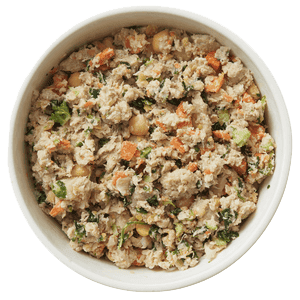
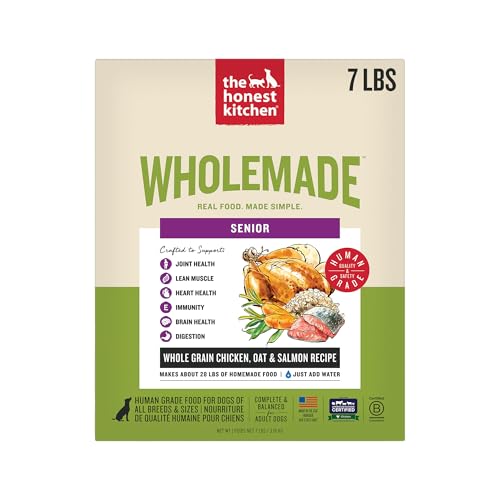
Why we recommended it:The Honest Kitchen Wholemade Dehydrated Senior Dog Food is made as a shelf-stable dehydrated senior food that becomes a soft, warm meal after mixing with water and waiting 3 minutes. The recipe options include whole-food ingredients such as chicken or beef, oats, barley, flaxseed, potatoes, carrots, salmon, pumpkin, kelp, cranberries, blueberries, fish oil, taurine, chondroitin sulfate, L-carnitine, and Bacillus coagulans fermentation product. Its senior-focused design brings together support for joint mobility, brain health, heart health, immunity, digestion, and lean muscle retention. Whole grains provide digestible carbohydrates for steady energy, while flaxseed and fish oil add fatty acids that help maintain skin, coat, and normal inflammatory balance. Chondroitin sulfate gives the formula a joint-support angle, and L-carnitine helps with fat metabolism and body-condition management.
What sets it apart from competitors: The human-grade standard is the clearest structural distinction here, with ingredients required to meet human-food safety and quality standards. The food is also made in a facility that follows human-food facility standards, creating a different production framework than many dehydrated diets made under conventional feed-grade manufacturing rules.
Get 50% OFF with code 50CANINE (or 40CANINE for orders under $30)—Use thislink to get started.
Best Limited Ingredient Senior Dog Food for Small Breeds
4.5
★★★★★
Canidae
Who It’s For: Dogs who do best with simple recipes that limit extra ingredients and make it easier to manage food sensitivities.
Why we recommended it:Canidae Pure Farm to Bowl Dry Senior Dog Food uses chicken, chicken meal, turkey meal, sweet potatoes, garbanzo beans, peas, potatoes, sun-cured alfalfa meal, chicken fat, and added vitamins and minerals in a grain-free senior recipe. The limited-ingredient structure keeps the formula simpler, with fewer core ingredients than many multi-protein or heavily layered dry foods. Chicken is the first ingredient, while chicken meal and turkey meal add concentrated animal protein and naturally occurring glucosamine and chondroitin sulfate. That combination supports lean muscle maintenance while adding a joint-focused nutrient angle. Sweet potatoes, garbanzo beans, peas, and potatoes provide digestible carbohydrate and fiber sources without relying on corn, wheat, or soy. The formula includes taurine for heart-related nutritional support and Bacillus amyloliquefaciens fermentation product for digestive health.
What sets it apart from competitors: This recipe uses responsibly sourced proteins and ingredients from farmers using regenerative farming practices. It is also cooked in Canidae’s Brownwood, Texas, facility in small batches, with each batch tested for pathogens, toxins, and nutrient consistency before release.
Best High-Protein Senior Dog Food for Small Breeds
4.6
★★★★★
ORIJEN
Who It’s For: Senior small dogs who need extra protein support to help maintain lean muscle, strength, and healthy daily activity.
Why we recommended it:ORIJEN High Protein Dry Dog Food Senior Recipe is built around chicken, turkey, salmon, whole herring, chicken liver, eggs, lentils, beans, peas, pumpkin, fruit, kelp, pollock oil, and added probiotics. The protein-forward structure helps support muscle maintenance during senior feeding without relying heavily on starch. Fish ingredients and pollock oil provide EPA, DHA, and omega fatty acids, which help support skin, coat, brain function, and normal inflammatory response. Glucosamine is included for joint support, while pumpkin, apple pomace, legumes, and chicory root contribute fiber sources that can help stool quality and digestive rhythm. The recipe is grain-free and made without added soy, corn, tapioca, or wheat ingredients. From a clinical nutrition angle, its calorie distribution leans heavily on protein and fat rather than starch, giving the formula a more nutrient-dense dry-food profile.
What sets it apart from competitors: Its 85% animal-ingredient structure and WholePrey approach create a meat-heavy formulation model that is uncommon in standard senior kibble. Instead of relying mainly on isolated supplements for nutrient variety, it uses multiple animal parts such as muscle meat, liver, heart, gizzard, fish, and egg to broaden the natural nutrient profile.
Best Senior Dog Food for Small Breeds for Weight Management
4.7
★★★★★
Purina Pro Plan
Who It’s For: Dogs who need controlled calories and satisfying nutrition to help manage weight without feeling deprived at mealtime.
Why we recommended it:Purina Pro Plan Senior Dry Dog Food combines senior nutrition with a controlled-calorie dry-food structure. Chicken is the first ingredient, with rice, whole grains, egg product, fish oil, wheat bran, vitamins, minerals, and added amino acids in the formula. The protein-focused structure helps support lean muscle during calorie management. Its lower-fat approach helps reduce calorie load while still providing nutrients for daily maintenance. Natural prebiotic fiber helps nourish specific intestinal bacteria, which can support digestive regularity during structured feeding. Glucosamine and EPA are included for joint health and mobility, while omega-6 fatty acids and vitamin A help maintain skin and coat condition. The crunchy kibble and shredded pieces add texture variation without switching away from a dry-food format.
What sets it apart from competitors: This formula combines Adult 7+ nutrition with a weight-management framework, instead of treating aging and calorie control as separate formula goals. It also has 15% less fat than Pro Plan Complete Essentials Shredded Blend Chicken & Rice Formula, giving it a measurable weight-control distinction while still keeping the shredded-blend texture.
Best Senior Dog Food for Small Breeds for Hip and Joint Support
4.8
★★★★★
JustFoodForDogs
Who It’s For: Senior small dogs who need added joint-supporting nutrients to help with stiffness, mobility, and everyday comfort.
Why we recommended it:JustFoodForDogs Pantry Fresh Joint & Skin Support uses ground pork, quinoa, kale, carrots, Fuji apples, sunflower oil, coconut oil, fish oil, and a recipe-specific nutrient blend. The wet texture adds moisture and aroma while making the meal softer than dry kibble. Pork provides animal-based amino acids that help support muscle maintenance as activity and body condition change with age. Quinoa contributes plant-based protein, fiber, and minerals, while kale, carrots, and apples add antioxidant and fiber support. Fish oil supplies EPA and DHA, which are useful for skin, coat, and normal inflammatory balance. Coconut oil provides medium-chain triglycerides, a fat type that is generally easier to absorb than long-chain fats. The formula combines protein, moisture, fatty acids, and targeted micronutrients in a ready-to-serve wet meal.
What sets it apart from competitors: The shelf-stable Tetra Pak format is the key structural difference, giving it a fresh-style wet meal format that can be stored unopened in the pantry for up to two years. It also uses type II collagen in the recipe’s joint-support framework, giving it a more targeted mobility angle than many standard senior wet foods.
Best Raw Senior Dog Food for Small Breeds
4.5
★★★★★
We Feed Raw
Who It’s For: Dog owners who prefer raw-style feeding and want a senior-friendly option made with meat-focused, minimally processed ingredients.
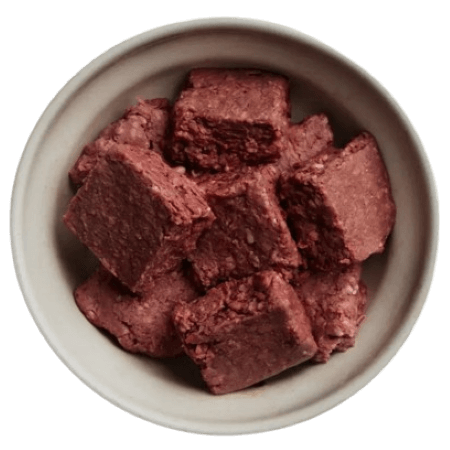
Why we recommended it:We Feed Raw offers frozen raw patties made from muscle meat, organ meat, finely ground bone, and a small vitamin-and-mineral blend to create complete meals. Its recipes are formulated by a PhD nutrition expert, which gives the raw format a more structured nutritional basis than homemade raw feeding. The patties are built around a roughly 80/10/10 structure: about 80% muscle meat, 10% bone, and 10% organs, plus added nutrients for balance. Muscle meat supplies amino acids, organs contribute concentrated micronutrients, and ground bone provides minerals such as calcium and phosphorus. The food is naturally high in moisture, giving the meal a softer texture than dry kibble. Each patty is thawed and served without cooking, so the format keeps raw feeding more straightforward for daily portion control.
What sets it apart from competitors: The custom meal-plan system is the clearest structural advantage because We Feed Raw calculates feeding portions based on weight, activity level, and body condition instead of leaving raw feeding amounts to guesswork. It also pairs frozen raw delivery with HPP pathogen-control processing, creating a more controlled model than sourcing raw ingredients and balancing meals at home.
Get 25% OFF your order with the code CB25. Use Canine Bible’s link to get started.
Other Senior Dog Food for Small Breeds
Best Budget Senior Dog Food for Small Breeds:Blue Buffalo Small Breed Senior Dry Dog Food is a strong budget winner because it gives small senior dogs a dedicated age-and-size formula without moving into fresh, frozen, or prescription-level pricing. It starts with real chicken and includes brown rice, fruits, vegetables, and whole grains, making it a practical everyday kibble for older small dogs that still chew dry food well. The formula includes glucosamine and chondroitin, which is helpful for senior dogs that need mobility support as they age. Its LifeSource Bits add a blend of antioxidants, vitamins, and minerals for immune health, which adds extra value in a budget-friendly dry food. It is also made without chicken or poultry by-product meals, corn, wheat, soy, artificial flavors, or artificial preservatives, making it a reliable pick for dog owners who want a simple, affordable senior kibble.
Best Senior Dog Food for Small Breeds With Dental Issues:Royal Canin Canine Health Nutrition Dog Food wins this category because its soft loaf-in-sauce texture is much easier for older small dogs to eat than crunchy kibble. It is formulated for mature small-breed dogs over 8 years old, making it especially suitable for seniors with reduced chewing comfort, missing teeth, or declining appetite. The moist texture can make meals more appealing, while the highly palatable recipe helps encourage eating when a senior dog’s sense of smell starts to fade. It also includes antioxidants such as vitamins E and C, lutein, and taurine to support cellular health, along with a reduced phosphorus level to help support kidney health. This food does not replace dental care, but it is a smart mealtime choice for small senior dogs that need softer food while still getting complete and balanced maintenance nutrition.
How Small-Breed Senior Nutrition Differs From Large-Breed
Small senior dogs do not always need the same food strategy as large senior dogs. Their meals often need to be more portion-precise, easier to chew, and matched to their faster metabolism, smaller mouths, and higher risk of weight gain from even small feeding mistakes. This table breaks down the main differences in a simple, practical way.
Nutrition Factor
Small Senior Breeds
Large Senior Breeds
What Dog Owners Should Do
Portion size
Need smaller, more exact servings.
Usually have larger calorie ranges.
Measure meals instead of guessing.
Kibble size
Need smaller pieces or softer textures.
Can often handle larger kibble.
Choose food your dog can chew comfortably.
Calorie control
Small weight gains can matter quickly.
Weight changes may be easier to spot.
Track body shape and adjust portions early.
Meal frequency
May do better with smaller meals.
Often fed larger meals once or twice daily.
Split meals if your dog gets hungry or nauseous.
Dental comfort
Dental issues can make hard food difficult.
Chewing problems vary by dog.
Use wet, fresh, or softened food if needed.
Joint support
Still important, especially with age or extra weight.
Often a major focus due to body size.
Look for mobility support when stiffness appears.
Appetite
Picky eating is common in some small seniors.
Appetite changes may signal health issues.
Watch sudden changes and call your vet if they persist.
Diet choice
Needs food matched to size, teeth, weight, and health.
Needs food matched to mobility, weight, and digestion.
Choose based on your dog, not breed size alone.
How to Transition Your Senior Small-Breed Dog to a New Diet
A gradual diet transition helps reduce the risk of loose stool, vomiting, gas, or appetite refusal when switching senior small-breed dog food. Older dogs may be more sensitive to sudden food changes, especially if they already have digestive issues. Use this table as a simple starting plan, and slow down if your dog shows stomach upset.
Transition Stage
Old Food
New Food
What to Watch
Days 1–2
75%
25%
Check appetite, stool, gas, and comfort.
Days 3–4
50%
50%
Slow down if stool becomes loose.
Days 5–6
25%
75%
Watch for vomiting, itching, or food refusal.
Day 7+
0%
100%
Continue monitoring weight and stool quality.
Sensitive dogs
Reduce more slowly
Increase gradually
Extend the switch to 10–14 days if needed.
Medical diets
Follow vet instructions
Follow vet instructions
Do not change prescription diets without guidance.
Monitoring Your Senior Small-Breed Dog’s Progress on a New Diet
After switching foods, watch your senior small-breed dog closely for the first few weeks. Appetite, stool quality, vomiting, gas, energy level, itching, and overall comfort can all show whether the new food is working well. A good diet should help your dog eat consistently, maintain healthy stools, and stay at a stable weight.
Track weight and body condition rather than relying only on the feeding chart. Small dogs can gain or lose weight quickly, so even slight portion changes may matter. If your dog becomes less active, refuses meals, vomits repeatedly, has diarrhea, or loses weight unexpectedly, contact your veterinarian.
For dogs with kidney disease, pancreatitis, diabetes, heart disease, allergies, chronic digestive problems, or dental pain, diet changes should be monitored with veterinary guidance. In those cases, the “best” food is not just the one with the best ingredient list, but the one that fits your dog’s medical needs and can be fed safely long term.
Frequently Asked Questions
Small kibble can be easier for small senior dogs to pick up and chew, especially if they still have healthy teeth. However, dogs with dental pain, missing teeth, or chewing difficulty may do better with wet food, fresh food, or kibble softened with warm water. Dry food alone does not replace dental care or guarantee better oral health.
Older small dogs with few teeth often do best with soft wet food, loaf-style food, fresh food, or rehydrated dehydrated food. These textures are easier to chew and can help dogs continue eating comfortably. Make sure the food is complete and balanced if it is being used as the main diet.
Yes, wet dog food can be a good choice for senior small breeds that need softer texture, stronger aroma, or more moisture in their meals. It can be especially helpful for dogs with dental problems or reduced water intake. Watch portions carefully, because calories still matter even when the food looks lighter or softer.
The healthiest wet dog food for senior dogs is complete and balanced, easy to chew, appropriately portioned, and suited to your dog’s health needs. Good senior wet foods often focus on digestibility, moisture, protein, balanced minerals, and nutrients for skin, coat, heart, or kidney support. For dogs with medical conditions, the healthiest choice is the one your veterinarian confirms is appropriate.
Chicken-free senior dog food can be helpful if your dog has a confirmed chicken allergy, intolerance, or repeated digestive or skin reactions linked to chicken. It is not automatically healthier for every small senior dog. If you switch to another protein, make sure the formula is complete and balanced and still meets your dog’s calorie, digestion, and life-stage needs.
The Bottom Line
Choosing the best senior dog food for small breeds comes down to matching the formula to your dog’s age, size, appetite, digestion, dental health, and weight needs. Small senior dogs often need nutrient-dense meals that are easy to chew, properly portioned, and supportive of aging joints, muscles, and immune health. Dry food can be convenient for everyday feeding, while wet, fresh, dehydrated, freeze-dried, or raw options may work better for picky eaters or dogs with chewing challenges. The right food should also help maintain a healthy weight, since even a few extra pounds can affect mobility and comfort in small breeds. Always check that the recipe is complete and balanced, and transition slowly to avoid stomach upset. For dogs with medical conditions like kidney disease, pancreatitis, allergies, or chronic digestive issues, ask your veterinarian before changing diets. With the right senior food, your small dog can enjoy better comfort, steady energy, and healthier golden years.
Like It? Subscribe & Share!
Sources
Canine Bible uses only high-quality sources, including peer-reviewed studies, to support the facts within our articles. Read our editorial process and product review methodology to learn more about how we fact-check, test products, and keep our content accurate, reliable, and trustworthy.
Canine Bible authorship represents the unified voice of our entire editorial team and our in-house veterinarians rather than a single author. Each article, blog post, and review published under the Canine Bible name undergoes a rigorous review process, involving all team members to guarantee accuracy and up-to-date in accordance with the latest veterinarian research. This collaborative effort is an integral part of our editorial process and aligns with our four pillars of content creation. This approach ensures our content is backed by expert knowledge and factual information, offering our readers reliable, actionable, and trustworthy content.