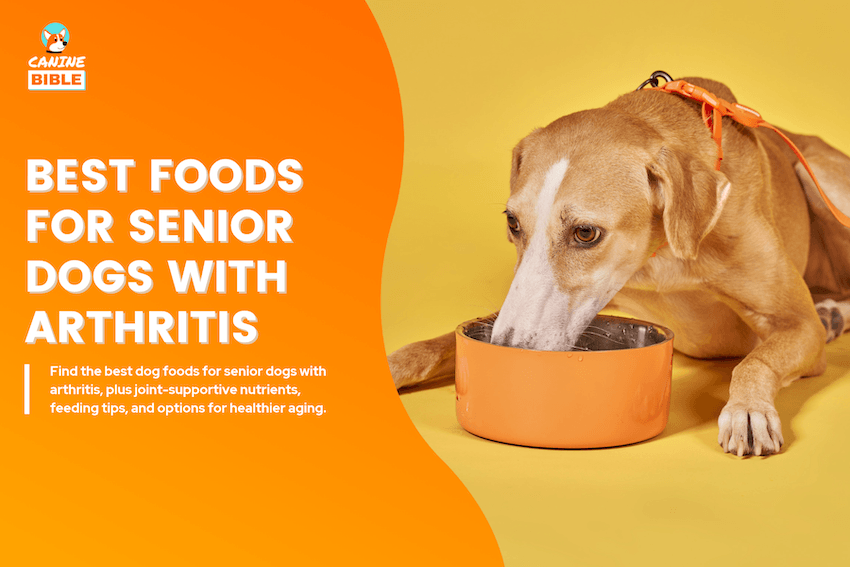
12 Best Foods for Senior Dogs With Arthritis 2026: Vet-Approved

Canine Bible is reader-supported. We receive affiliate commissions via some of our links. Learn more.
When your senior dog starts hesitating before climbing the stairs or taking longer to stand up, their food bowl may deserve just as much attention as their exercise routine. The best dog food for seniors with arthritis can help support healthy body weight, muscle maintenance, joint function, and overall mobility as dogs age. Choosing the wrong diet may add unnecessary calories or fall short on nutrients older dogs need, potentially making everyday movement more difficult. A well-balanced senior formula with quality protein, appropriate calories, beneficial fats, and joint-supportive nutrients can complement your veterinarian’s arthritis management plan. Because every older dog has different activity levels, health needs, and food preferences, finding the right formula requires looking beyond the “senior” label on the bag. In this guide, we’ll review the best dog foods for seniors with arthritis, explain what ingredients and nutritional features to look for, and help you choose an option that fits your aging dog’s needs.
Can Diet Help Senior Dogs with Arthritis?
Diet can help senior dogs with arthritis by supporting a healthy body weight, preserving lean muscle, and providing nutrients that promote joint health and mobility. Foods with appropriate calories, high-quality protein, and omega-3 fatty acids may be especially useful as part of a broader arthritis management plan. However, diet does not cure arthritis, so dogs with ongoing pain, stiffness, or reduced mobility should also be evaluated by a veterinarian for additional treatment.
Latest Research on the Best Dog Foods for Senior Dogs with Arthritis
According to the latest research, nutrition can play a meaningful supportive role in managing canine osteoarthritis, but the evidence is stronger for specific nutrients and formulations than for generic “joint support” claims.
Omega-3-Enriched Diets Have Some of the Strongest Evidence for Canine Arthritis
A 2022 systematic review and meta-analysis of therapeutic diets and nutraceuticals for osteoarthritis found clear evidence of clinical pain-relieving effects from omega-3-enriched diets and omega-3 supplements. For senior dogs with arthritis, this supports prioritizing foods that provide meaningful amounts of marine-derived omega-3 fatty acids rather than relying only on broad “joint support” claims.[1]
Specific Bioactive Collagen Peptides May Improve Gait and Quality of Life
A 2024 double-blind, placebo-controlled study in dogs with naturally occurring osteoarthritis found that 12 weeks of supplementation with specific bioactive collagen peptides improved several objective gait measurements and owner-assessed quality of life. The findings are promising for arthritis-focused nutrition, although they apply to the specific collagen peptide formulation studied rather than collagen ingredients in general.[2]
Combination Formulas May Help, but the Exact Ingredients and Doses Matter
A 2026 randomized controlled study of 20 dogs with osteoarthritis found improvements in pain and lameness with an oral formula containing fish oil, avocado-soybean unsaponifiables, and several plant extracts. Because multiple active ingredients were given together and the study was small, the results support the specific formulation tested rather than proving that every food or supplement containing these ingredients will provide the same benefit.[3]
Key Dietary Tips for Senior Dogs with Arthritis
Managing a senior dog’s arthritis through proper nutrition helps reduce joint inflammation, preserve muscle mass, and control pain.
| Dietary Tips | What to Keep in Mind |
|---|---|
| High-quality protein | Aging dogs need adequate or increased amounts of digestible animal protein to help prevent muscle wasting and maintain strength, even as their overall calorie needs drop. |
| Targeted joint supplements | Ingredients such as glucosamine and chondroitin are commonly added to mobility-focused diets for senior dogs with arthritis. |
| Calorie control | Because older dogs often have slower metabolisms and lower activity levels, reduce portions or consider a lower-calorie, high-fiber therapeutic diet to help prevent weight gain. |
| Reduced joint load | Keeping your senior dog at a lean body weight helps minimize physical stress and pressure on painful, arthritic joints. |
| Healthy treats | Replace high-calorie processed snacks and fatty table scraps with lower-calorie options such as carrots, green beans, or blueberries. |
| Raised food & water bowls | Elevate your dog’s food and water bowls so they do not have to bend uncomfortably low to reach meals, which may reduce strain on sore neck and leg joints. |
| Hydration support | Keep fresh water easily accessible at all times. You can also increase moisture intake by mixing warm water, suitable broth, or wet food into their regular meals. |
| Quiet feeding spaces | Feed older dogs in a calm, separate area away from other pets so they can eat comfortably at their own pace without unnecessary stress. |
Remember to ALWAYS consult with your vet before making any changes that could affect your dog’s health, nutrition, or well-being. If you can’t reach your vet, you can chat live with a registered online veterinary professional via our online vet chat or video chat support (24 hours a day, 7 days a week). Or use Chewy’s online vet services (6 a.m. – midnight ET). Additionally, at-home dog gut health tests can analyze your dog’s microbiome, offering insights into which nutrients their diet should include. Similarly, at-home dog allergy testing kits can identify ingredients that may not be suitable for your dog, enabling you to choose the right diet and care plan to support optimal digestion, nutrition, and health.
Best Food For Senior Dogs With Arthritis
Here are Canine Bible’s best dog food brands for senior dogs with arthritis this year.
Best Overall Dog Food for Senior Dogs With Arthritis

Just Food For Dogs
Who It’s For: Dog owners seeking a balanced everyday diet that supports joint health, mobility, muscle maintenance, and healthy aging in arthritic seniors.
Why we recommended it: JustFoodForDogs (JFFD) offers the best overall dog food options for senior dogs because it’s specifically formulated to support the changing nutritional needs of aging pups. As dogs age, they often face issues like slower metabolism, joint pain, and reduced kidney or liver function. Their recipe addresses those concerns with a veterinary-developed formula lower in calories but rich in high-quality protein from real, gently cooked meats like chicken or beef—helping maintain lean muscle without overburdening the kidneys. It also contains targeted nutrients like omega-3 fatty acids for joint and brain support, taurine for heart health, and a balanced blend of vitamins and minerals to keep aging bodies functioning well.
What sets it apart from competitors: It’s soft, moist, and made in small batches for optimal nutrient retention. Use the highest-quality meats and produce, the same ingredients you can find in grocery stores and restaurants.
Best Dry Food for Senior Dogs With Arthritis

Open Farm Senior
Who It’s For: Dog owners who prefer convenient, shelf-stable kibble that supports joint comfort, mobility, and healthy weight in senior dogs with arthritis.
Why we recommended it: Open Farm senior dry dog food prioritizes ingredients beneficial for seniors. This formula includes glucosamine, chondroitin sulfate, and New Zealand Green Lipped Mussel, providing exceptional joint support, promoting flexibility, and reducing the risk of arthritis, a common issue in older dogs. Additionally, omega-3 fatty acids from salmon oil and flaxseed support cognitive function, heart health, and skin health, while fiber-rich ingredients like sweet potatoes, peas, and lentils aid in digestion. Plus, it’s grain-free, making it gentler on sensitive stomachs. The company also adheres to high animal welfare standards, making it a strong choice for pet owners who value ethical sourcing.
What sets it apart from competitors: Open Farm uses humanely raised meat as the primary protein source, ensuring better digestibility and nutritional value. Moreover, it combines beneficial ingredients with natural antioxidants from cranberries, raspberries, and dandelion greens, ensuring a comprehensive approach to senior dog health without relying on fillers or artificial additives. Every ingredient is traceable back to its source.

Hill’s Science Senior Vitality
Who It’s For: Senior dogs with arthritis who benefit from soft, moisture-rich food that is easy to eat while supporting joints, mobility, and healthy aging.
Best Food for Senior Dogs With Arthritis & Sensitive Stomachs

JustFoodForDogs Lamb & Rice
Who It’s For: Senior dogs with arthritis and sensitive digestion who need gentle ingredients that support joint health without adding unnecessary stomach stress.
What sets it apart from competitors: Unlike heavily processed senior dog foods, this meal is lightly cooked and frozen to maintain freshness without artificial preservatives while preserving enzymes and bioavailability—critical for seniors with weakened digestion.
Best Food for Senior Dogs with Arthritis & Allergies
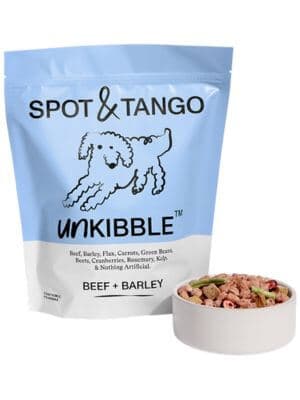
Spot & Tango UnKibble
Who It’s For: Senior dogs with arthritis and food sensitivities who need a joint-supportive diet made with carefully selected, allergy-conscious ingredients.
What sets it apart from competitors: UnKibble provides the benefits of fresh food in a dry form. Their innovative Fresh Dry™ technology gently cooks and locks in nearly 100% of nutrients. It doesn’t need refrigeration and is boosted with super herbs for join, immunity, digestive support, and more.
Best Dehydrated Dog Food for Senior Dogs With Arthritis

The Honest Kitchen
Who It’s For: Dog owners seeking minimally processed, nutrient-rich food that can be rehydrated for easier eating while supporting arthritic senior dogs.
📢 Discount code below 💸
Why we recommended it: The Honest Kitchen Dehydrated Dog Food offers safety and digestibility. It’s human-grade labeled, meaning every ingredient meets FDA standards for human consumption, reducing contamination risks—a relief for seniors with weakened immune systems. The rehydration process creates a soft texture, making it easier for senior dogs with dental issues to consume and digest. Simply add warm water and wait three minutes for a tasty, homemade meal you and your senior pup will love.
What sets it apart from competitors: The Honest Kitchen’s gently dehydrated meals retain more natural nutrients, flavors, and enzymes than traditional kibble, making them closer to a fresh or raw diet but in a shelf-stable form.
Get 50% OFF with code 50CANINE (or 40CANINE for orders under $30) — Use this link to get started.
Best Freeze-Dried Dog Food for Senior Dogs With Arthritis

Sojos Senior Freeze-Dried
Who It’s For: Dog owners who want nutrient-dense, minimally processed food with high-quality protein and joint-friendly nutrition for arthritic seniors.
What sets it apart from competitors: The gentle freeze-drying process preserves the nutritional integrity of the raw ingredients, offering a diet that closely mimics what dogs would eat in the wild. This approach ensures that essential enzymes and nutrients remain intact, supporting overall health and vitality in senior dogs.
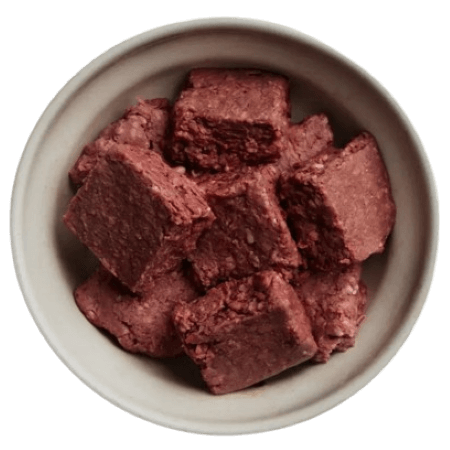
We Feed Raw
Who It’s For: Dog owners choosing a raw diet for senior dogs and seeking protein-rich nutrition that supports lean muscle, joints, and healthy body condition.
📢 Discount code below 💸
What sets it apart from competitors: We Feed Raw distinguishes itself through its personalized meal plans tailored to each dog’s specific needs, considering factors like age, weight, activity level, and health concerns. Their recipes are protein-packed with 80% meat and organs and 15% non-GMO fruits, vegetables, vitamins, and minerals to give your dog a complete BARF diet. It’s minimally processed, never cooked, pure, natural nutrition to keep your best friend strong.
Get 25% OFF your order with the code CB25. Use Canine Bible’s link to get started.
Best Dog Food for Senior Dogs with Joint Pain & Arthritis

Hill’s Science Diet Healthy Mobility
Who It’s For: Senior dogs with noticeable stiffness or joint discomfort who need nutrition focused on mobility, joint support, and maintaining lean muscle.
What sets it apart from competitors: Adds L-carnitine to support a healthy metabolism. Hill’s avoids artificial preservatives, leaning on vitamin E and citric acid for freshness, which gentler stomachs tolerate better than synthetic alternatives. The inclusion of brown rice and barley provides steady energy without spiking blood sugar, a thoughtful touch for diabetic-prone dogs. Hill’s has a small breed mobility formula for small breeds needing joint and skeletal support.
Best Senior Dog Food for Arthritis & Dementia

Purina Pro Bright Mind
Who It’s For: Senior dogs facing arthritis and cognitive decline who need a diet that supports joint mobility, healthy aging, and normal brain function.
What sets it apart from competitors: Bright Mind combines MCTs with botanical oils for a dual approach: quick energy from ketones and long-term support from DHA. The kibble’s texture is also coated with a savory enhancer, appealing to picky eaters who lose interest in food as cognition wanes. Purina also offers a more powerful, prescription-required alternative, Purina NeuroCare, for more severe cases of cognitive decline.
Best Food for Senior Dogs With Arthritis to Gain Weight

Purina Pro Plan Performance
Who It’s For: Underweight senior dogs with arthritis who need calorie-dense, protein-rich nutrition to regain weight while supporting muscles and joints.
What sets it apart from competitors: Added glucosamine supports aging joints, a thoughtful touch for seniors who gain mobility as they bulk up. While designed for sporting dogs, its balanced calcium-phosphorus ratio (1.2:1) and omega-3s also benefit seniors by reducing inflammation.
Best Food for Senior Dogs With Arthritis to Lose Weight

Natural Balance Ultra Fat Dogs
Who It’s For: Overweight senior dogs with arthritis who need controlled calories and adequate protein to reduce joint strain while preserving lean muscle.
What sets it apart from competitors: This diet doesn’t sacrifice taste or nutrition. The recipe includes superfoods and guaranteed levels of antioxidant vitamins and minerals to help maintain a healthy immune system. It’s also grain-inclusive, leaning on digestible barley instead of high-carb fillers like potatoes, which can spike blood sugar.
Homemade Food for Senior Dogs With Arthritis
Homemade food for senior dogs with arthritis is often recommended because it allows for complete control over ingredients, ensuring that meals are tailored to their specific health needs. As dogs age, they may develop sensitivities to certain commercial ingredients, struggle with digestion, or require a softer texture due to dental issues. Additionally, homemade meals can be adjusted to support conditions like arthritis, kidney health, and weight management, which are common in senior dogs. By preparing meals at home, you can prioritize high-quality proteins, healthy fats, and essential nutrients while avoiding fillers, artificial additives, and preservatives that might negatively impact an aging dog’s health. For a deeper dive into recipes and nutritional guidelines, check out our full article on homemade dog food.
Other Dog Food for Senior Dogs With Arthritis
How to Transition Your Senior Dog With Arthritis to a New Diet
Senior dogs often do best with a gradual food change rather than an abrupt switch, especially when they are already managing arthritis or other age-related concerns. A transition over about 7–10 days gives the digestive system time to adjust while helping your dog become comfortable with the new food; some seniors may need a slower schedule.
| Transition Stage | Old Food | New Food | Feeding Tip |
|---|---|---|---|
| Days 1–2 | 75% | 25% | Mix both foods thoroughly at each meal. |
| Days 3–4 | 50% | 50% | Keep meals and feeding times consistent. |
| Days 5–6 | 25% | 75% | Continue increasing the new food gradually. |
| Day 7+ | 0% | 100% | Feed the new diet as the regular meal. |
| For slower transitions | Reduce gradually | Increase gradually | Extend each stage for several days if your senior dog needs more time. |
Monitoring Your Senior Dog’s Progress on a New Diet
After the switch, watch your senior dog’s appetite, stool quality, vomiting, and general energy level. Persistent diarrhea, repeated vomiting, refusal to eat, or unusual lethargy can indicate that the new diet is not being tolerated well and should be discussed with your veterinarian.
Track body weight and any changes in day-to-day comfort or function, such as willingness to rise, walk, climb stairs, or participate in normal activities. Improvements may be gradual, so looking for consistent trends over several weeks is more useful than judging the diet after only a few meals.
Senior dogs with arthritis often have additional medical needs, so diet changes should be monitored with veterinary guidance when appropriate. Contact your veterinarian if arthritis symptoms noticeably worsen, weight changes unexpectedly, or new health concerns develop.
The Bottom Line
Choosing the best dog food for senior dogs with arthritis comes down to supporting mobility, maintaining a healthy body condition, and meeting the changing nutritional needs of an aging dog. A well-chosen diet should provide adequate protein for muscle maintenance while keeping calories appropriate for your dog’s activity level and weight. Joint-supportive nutrients can complement other parts of an arthritis management plan, but food should be selected based on the individual dog rather than marketing claims alone. Texture, digestibility, appetite, and other age-related health concerns can also influence which formula works best. When changing foods, a gradual transition helps older dogs adjust more comfortably. Afterward, monitoring weight, digestion, appetite, energy, and mobility can help determine how well the new diet is working. Working with your veterinarian is especially important when arthritis occurs alongside other medical conditions or significant changes in your senior dog’s health.
Sources
- A 2022 Systematic Review and Meta-Analysis of Enriched Therapeutic Diets and Nutraceuticals in Canine and Feline Osteoarthritis
- The oral intake of specific Bioactive Collagen Peptides (BCP) improves gait and quality of life in canine osteoarthritis patients—A translational large animal model for a nutritional therapy option
- A randomized, double-blind, controlled study on the efficacy of an oral dietary supplement containing fish oil, ASU and phytotherapeutic extracts in canine osteoarthritis