If your dog gets itchy skin, recurring ear trouble, or digestive upset after meals, chicken may be one ingredient worth investigating. Chicken is widely used in dog food, which can make finding a suitable diet surprisingly difficult for dogs with a confirmed or suspected chicken allergy. Choosing the right food matters because continued exposure to a problem ingredient may keep uncomfortable symptoms going and make it harder to pinpoint what is triggering them. A good chicken-free formula should provide complete, balanced nutrition while using alternative protein sources your dog can tolerate. It is also important to read ingredient labels carefully, since chicken-derived ingredients can appear in foods that are not marketed as chicken recipes. In this guide, we’ll break down the best dog foods for allergies to chicken, what to look for on the label, and how to choose an option that fits your dog’s nutritional needs.
Signs Your Dog May Be Allergic to Chicken
A chicken allergy can affect more than your dog’s digestion. Common signs include persistent itching, red or inflamed skin, frequent licking or chewing of the paws, recurring ear infections, and hair loss caused by scratching. Some dogs may also develop gastrointestinal symptoms such as vomiting, diarrhea, excessive gas, or frequent soft stools.
These symptoms can overlap with environmental allergies, parasites, infections, and other food sensitivities, so they do not automatically confirm a chicken allergy. If symptoms repeatedly appear or worsen when your dog eats chicken-containing foods, talk with your veterinarian about an elimination diet or other appropriate testing to help identify the trigger.
Why Chicken Is a Common Problem Ingredient for Some Dogs
Chicken is widely used across dog foods, treats, toppers, and flavored products, so dogs may encounter it in many parts of their diet. For dogs that react to chicken proteins, this widespread use can make the trigger harder to identify and avoid consistently.
Factor
Why It Matters
Where It May Appear
Widespread use
Chicken is used in many commercial diets.
Dry food, wet food, treats, toppers.
Frequent exposure
Some dogs eat chicken-containing foods for years.
Daily meals and routine snacks.
Multiple ingredient names
Chicken may appear in several forms.
Chicken meal, liver, broth, by-products.
Mixed-protein foods
A food may contain chicken alongside another protein.
Multi-meat recipes and treats.
Hidden dietary sources
Small extras can interfere with avoidance diets.
Chews, supplements, flavored medications.
Remember to ALWAYS consult with your vet before making any changes that could affect your dog’s health, nutrition, or well-being. If you can’t reach your vet, you can chat live with a registered online veterinary professional via our online vet chat or video chat support(24 hours a day, 7 days a week). Or use Chewy’s online vet services(6 a.m. – midnight ET). Additionally, at-home dog gut health tests can analyze your dog’s microbiome, offering insights into which nutrients their diet should include. Similarly, at-home dog allergy testing kits can identify ingredients that may not be suitable for your dog, enabling you to choose the right diet and care plan to support optimal digestion, nutrition, and health.
Best Best Foods for Dogs With Chicken Allergies
Here are the best foods for dogs with chicken allergies of this year.
Best Overall Food for Dogs with Chicken Allergies
4.9
★★★★★
The Farmer’s Dog
Who It’s For: Dog owners who have dogs with chicken allergies, seeking a balanced, high-quality chicken-free formula that supports everyday health, energy, digestion, and long-term well-being.
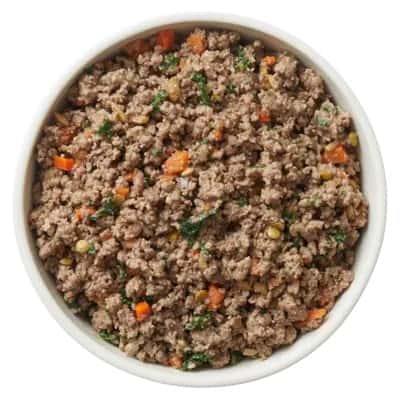
Why we recommended it:The Farmer’s Dog offers fresh, gently cooked meals made with whole meat, vegetables, and added nutrients, with non-chicken recipe choices available when building a plan. Each recipe is developed by board-certified veterinary nutritionists and formulated to provide complete and balanced nutrition under AAFCO standards for the appropriate life stages. The lower-heat cooking process destroys foodborne pathogens while avoiding the intensive extrusion used to manufacture conventional kibble. Whole muscle and organ meat account for at least half of the recipes, supplying amino acids required for tissue maintenance, enzyme production, and normal immune function. Fiber-containing vegetables and legumes contribute to stool quality, intestinal motility, and satiety, while clinical testing has found the meals highly digestible.
What sets it apart from competitors: Its subscription model calculates portions using the dog’s age, breed, body condition, activity, and reproductive status rather than assigning a broad feeding range based only on weight, and the portions can be revised as those factors change. Production in registered human-food facilities with third-party food-safety certification provides a more controlled manufacturing framework than many feed-grade fresh diets.
Who It’s For: Dog owners who want a soft, moisture-rich chicken-free meal that is flavorful, easy to eat, and helpful for dogs that need extra hydration.
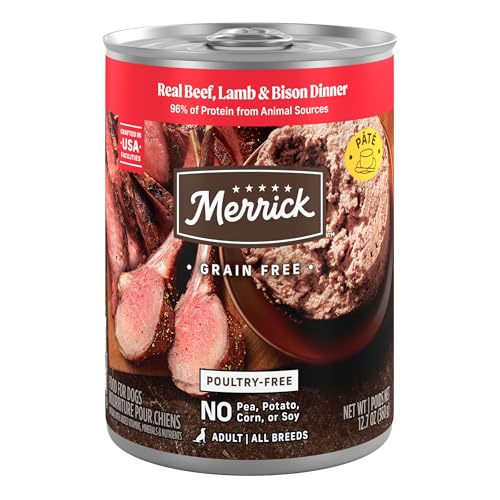
Why we recommended it:Merrick Grain Free Canned Dog Food features several animal-protein sources in a soft pâté formulated as complete and balanced nutrition for adult dogs. These ingredients supply essential amino acids used to maintain muscle tissue, synthesize enzymes, and support routine cellular repair. Added vitamins and minerals provide the micronutrient balance needed for regular feeding rather than leaving the formula as a meat-only mixture. Its substantial moisture content contributes water with every portion, which can be useful for dogs that drink inconsistently. The pâté can be mixed evenly through kibble rather than leaving large pieces that selective eaters may avoid. It can also function as a full meal or a measured topper when the accompanying food portion is adjusted accordingly.
What sets it apart from competitors: The recipe excludes chicken and other poultry ingredients rather than replacing chicken meat while retaining other poultry derivatives. Its 96% animal-sourced protein figure provides a measurable indication of where most of the formula’s protein originates.
Best Air-Dried Food for Dogs with Chicken Allergies
4.7
★★★★★
The Pets Table
Who It’s For: Dog owners seeking nutrient-dense, minimally processed food with a chewy texture, concentrated flavor, and convenient shelf-stable storage.
Why we recommended it:The Pets Table Air Dried Grain Free Dog Food for Dogs uses a low-temperature air-drying process rather than conventional high-heat extrusion. This gradually removes moisture while producing a shelf-stable texture that remains softer and denser than standard kibble. Chicken-free, grain-free recipe options use identifiable animal proteins alongside fruits, vegetables, oils, and added micronutrients. Protein supplies amino acids needed for muscle development and tissue repair, while added fats provide concentrated energy and essential fatty acids. Postbiotics and dried chicory root help maintain the intestinal environment and support normal digestion. Finished products undergo nutrient analysis, digestibility trials, shelf-life testing, and screening for organisms such as Salmonella, E. coli, and Listeria. The shelf-stable format also requires less storage and preparation than fresh or frozen meals.
What sets it apart from competitors: Its personalized subscription can combine air-dried meals with fresh food rather than limiting the plan to a single format. Portions are calculated from the dog’s profile, and either format can provide all or part of the daily calories, offering more flexibility than fixed-bag foods with generic feeding charts.
Why we recommended it:Open Farm Ancient Grains Dry Dog Food offers several chicken-free recipes built around animal protein, non-GMO grains, fruits, vegetables, and added vitamins and minerals. Oats, quinoa, millet, sorghum, and brown rice contribute digestible carbohydrates, fiber, B vitamins, and minerals rather than relying on peas or potatoes. The animal proteins provide amino acids needed to maintain muscle, repair tissues, and support normal enzyme and hormone production, while fish ingredients and oils supply omega fatty acids that help maintain the skin barrier and coat condition. Pumpkin and other plant ingredients contribute fermentable and insoluble fibers that can assist stool formation and regular intestinal movement. Taurine, DHA, calcium, phosphorus, and antioxidant vitamins support cardiovascular function, development, bone maintenance, and cellular protection.
What sets it apart from competitors: Each bag carries a lot code connected to a traceability system showing ingredient origins, safety-testing information, third-party certifications, and carbon-emissions data, offering more batch-specific disclosure than general country-of-origin statements. Its animal proteins are also tied to recognized animal-welfare or sustainable-seafood standards rather than relying solely on internal sourcing claims.
Best Food for Dogs with Chicken Allergies & Sensitive Stomachs
4.7
★★★★★
JustFoodForDogs
Who It’s For: Dogs with sensitive digestion that need a gentle chicken-free recipe made with carefully selected proteins and easy-to-digest ingredients.
Why we recommended it:JustFoodForDogs Frozen Fresh Dog Food combines a lean marine protein with cooked root vegetables, green vegetables, plant oils, and a targeted nutrient blend. The formula contains no chicken ingredients and is prepared without grains or gluten, which keeps the ingredient profile relatively straightforward. Its lean composition may be easier to portion than richer, higher-fat fresh foods. Cooked vegetables provide several fiber types that support stool consistency, intestinal transit, and fermentation by beneficial gut microbes. Fish-derived and plant-based fats contribute essential fatty acids involved in maintaining the intestinal lining, skin barrier, and normal inflammatory response, while added vitamins and minerals fill the nutritional gaps that would remain in an unfortified meat-and-vegetable meal.
What sets it apart from competitors: Its daily diets have been examined through independent university research rather than relying only on formulation calculations or internal feeding observations. Peer-reviewed studies have evaluated nutrient and amino-acid digestibility, fecal characteristics, blood values, and intestinal microbiota changes, a research framework still uncommon among commercial frozen diets.
Best Dehydrated Food for Dogs with Chicken Allergies
4.8
★★★★★
The Honest Kitchen
Who It’s For: Dog owners who prefer a lightweight, minimally processed chicken-free meal that becomes fresh and flavorful when mixed with water.
Why we recommended it:The Honest Kitchen Wholemade™ Dehydrated Whole Grain Dog Food combines dehydrated animal protein with barley, oats, produce, flaxseed, and a vitamin-and-mineral blend. The chicken-free recipe is formulated as a complete adult meal rather than an unbalanced base mix, allowing it to be served daily after rehydration. Whole grains provide carbohydrates for energy and fiber that helps regulate intestinal transit and stool structure, while flaxseed supplies essential fatty acids involved in maintaining the skin barrier. Fruits and vegetables add naturally occurring phytonutrients, and taurine and fortified micronutrients help cover nutritional needs that whole ingredients alone may not provide consistently. The proteins are cooked to an internal temperature of at least 165°F before dehydration to control foodborne pathogens, meaning the meal is cooked rather than raw.
What sets it apart from competitors: Every ingredient and production step must retain human-edible status, with manufacturing taking place in facilities that follow applicable human-food safety requirements. Signed supplier guarantees and compliance audits create a documented human-grade framework that extends beyond recognizable ingredients and is uncommon among dehydrated diets produced under conventional feed-grade rules.
Get 50% OFF with code 50CANINE (or 40CANINE for orders under $30)—Use thislink to get started.
Best Raw Food for Dogs with Chicken Allergies
4.6
★★★★★
We Feed Raw
Who It’s For: Dog owners seeking a raw, protein-rich chicken-free diet made with minimally processed ingredients and a focus on natural nutrition.
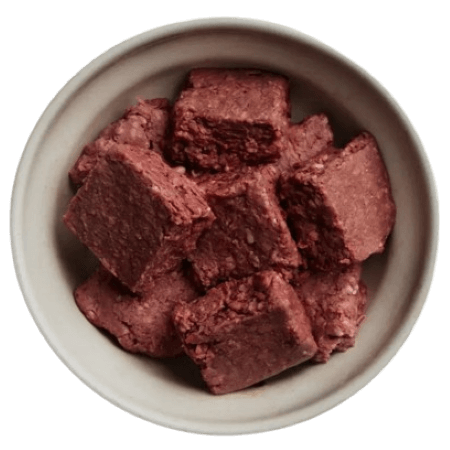
Why we recommended it:We Feed Raw offers frozen, single-protein recipes that allow chicken to be excluded without requiring a homemade raw-food formulation. Each meal follows an approximate ratio of 80% muscle meat, 10% nutrient-rich organs, and 10% finely ground bone, plus a small vitamin-and-mineral premix. Muscle and organ tissues supply concentrated amino acids and micronutrients involved in tissue repair, oxygen transport, enzyme activity, and energy metabolism. Finely ground bone contributes calcium and phosphorus for skeletal maintenance and development, while the added premix fills nutritional gaps that can occur when raw diets rely only on meat, organs, and bone. The recipes are formulated by a PhD animal nutrition expert, and several protein choices can be selected or rotated according to dietary history.
What sets it apart from competitors: High-pressure processing applies cold-water pressure to sealed meals to reduce potentially harmful pathogens without cooking the food, adding a defined safety step that many traditional raw-feeding methods lack. Its personalized meal-plan model calculates quantities from the individual dog’s profile and ships corresponding portions rather than relying only on a generic retail feeding chart.
Get 25% OFF your order with the code CB25. Use Canine Bible’s link to get started.
Who It’s For: Puppies that need a complete chicken-free recipe with balanced protein, fat, and essential nutrients to support healthy growth and development.
Why we recommended it:Open Farm Ancient Grains Dry Puppy Food combines animal proteins with nutrient-dense grains and fortified micronutrients for puppy growth. Its amino-acid supply supports the rapid development of muscle, organs, enzymes, and other tissues during the first year of life. DHA contributes to normal brain and retinal development, while controlled calcium and phosphorus levels help provide the mineral framework needed for developing bones and teeth. Omega fatty acids support skin-barrier function and normal inflammatory signaling. Whole grains contribute usable energy, fiber, and B vitamins without relying on peas, legumes, or potatoes as major carbohydrate sources. Clearly stated calorie content also makes it easier to adjust portions as a puppy’s growth rate and body condition change.
What sets it apart from competitors: A lot-code traceability system allows buyers to review where individual ingredients were sourced rather than receiving only broad country-of-origin statements. Key animal ingredients are also tied to external welfare and responsible-sourcing standards, creating a more verifiable procurement framework than internal sourcing language alone.
Best Grain-Free Food for Dogs with Chicken Allergies
4.6
★★★★★
Nature’s Logic
Who It’s For: Dog owners seeking a chicken-free, grain-free formula for dogs that do better without common grains or prefer alternative carbohydrate sources.
Why we recommended it:Nature’s Logic Dry Dog Food offers a chicken-free, grain-free formula in which most of the protein comes from animal sources. Concentrated meat meals supply amino acids used for muscle maintenance, tissue renewal, immune activity, and metabolic enzyme production. Fish meal contributes naturally occurring taurine and marine fatty acids, while pork fat supplies concentrated energy and supports the absorption of fat-soluble nutrients. Dried chicory root and fermentation ingredients provide prebiotic and probiotic components that help maintain a stable intestinal microbial environment. Fruits, vegetables, seeds, kelp, and other whole-food ingredients add dietary variety and antioxidant compounds. The kibble remains straightforward to portion for daily feeding and contains no artificial colors, flavors, or chemical preservatives.
What sets it apart from competitors: The recipe derives its micronutrient profile from food ingredients, fermentation materials, animal tissues, and mineral-rich components. It also uses tapioca instead of peas, potatoes, soybeans, lentils, or chickpeas, distinguishing it from many grain-free kibbles built around pulse-heavy formulas.
Best Food With Grains for Dogs with Chicken Allergies
4.5
★★★★★
ACANA
Who It’s For: Dog owners who want a balanced chicken-free recipe with wholesome grains for steady energy, fiber, and everyday digestive support.
Why we recommended it:ACANA Dry Dog Food combines beef, pork, and lamb with oats, sorghum, millet, produce, and added nutrients in a chicken-free recipe. Its animal ingredients supply amino acids used in muscle maintenance, tissue repair, and normal metabolic function. The grain blend provides digestible energy and multiple fiber types without relying on wheat, corn, soy, or tapioca. Added prebiotics and probiotics help maintain the intestinal microbial environment, while fibrous ingredients contribute bulk and support regular stool formation. Fish oil provides DHA, EPA, and other omega fatty acids involved in skin-barrier integrity and normal neurological function. Taurine, antioxidant-rich plant ingredients, and fortified micronutrients support cardiac, immune, skeletal, and cellular processes, while the moderate calorie density remains practical for measured daily feeding.
What sets it apart from competitors: Fresh or raw animal ingredients are preserved through refrigeration or freezing before production, and the finished kibble receives a freeze-dried coating to enhance aroma and palatability. Its documented 60-to-40 formulation structure provides a more measurable breakdown of animal ingredients versus grains, produce, and supplemental nutrients than vague meat-first language alone.
Best Food for Senior Dogs with Chicken Allergies
4.7
★★★★★
Purina Pro Plan
Who It’s For: Senior dogs that need a chicken-free formula with digestible protein, supportive nutrients, and balanced calories for healthy aging.
Why we recommended it:Purina Pro Plan Adult 7 Plus Complete Essentials Shredded Blend is formulated to support senior maintenance. Beef is listed first, and the protein concentration helps older dogs preserve lean muscle as age-related muscle loss becomes more likely. Glucosamine and EPA support joint structure and mobility, while fish oil supplies DHA and EPA for neurological function and normal inflammatory signaling. Natural prebiotic fiber feeds selected intestinal bacteria, and viable Bacillus coagulans helps support gut-microbiome resilience during routine stress. Vitamin A and linoleic acid contribute to skin-barrier integrity and coat condition, while antioxidant vitamins help protect cells from oxidative damage. The clearly stated calorie density makes portions easier to adjust as activity levels decline, but the inclusion of poultry by-product meal means the recipe is not reliably chicken-free.
What sets it apart from competitors: The dual-texture combination of crunchy kibble and tender shredded pieces provides more variety than a uniform senior kibble. It also combines joint, cognitive, digestive, skin, and antioxidant support in one senior-focused formula rather than concentrating on only one area of aging.
Best Freeze-Dried Food for Dogs with Chicken Allergies
4.8
★★★★★
Get Joy
Who It’s For: Dog owners seeking a lightweight, shelf-stable chicken-free food that delivers concentrated flavor and raw-style nutrition with less mess.
Why we recommended it:Get Joy Beef Recipe combines beef muscle meat and organs with sorghum, pumpkin, flaxseed, salmon oil, and a fortified nutrient blend. The beef ingredients provide complete amino acids for muscle maintenance, tissue renewal, enzyme production, and normal immune activity. Organ meats add concentrated iron, zinc, vitamin A, vitamin B12, and other micronutrients involved in oxygen transport and energy metabolism. Sorghum supplies gluten-free carbohydrate energy, while pumpkin and inulin contribute fibers that support stool consistency and regular intestinal movement. Salmon oil and flaxseed provide omega fatty acids used in skin-barrier maintenance, neurological function, and normal inflammatory signaling. Added vitamins and chelated minerals help keep the recipe nutritionally complete, while the food can be served dry or rehydrated to adjust its texture and moisture content.
What sets it apart from competitors: A prebiotic, five-strain probiotic, and yeast-derived postbiotic system is incorporated throughout the meal rather than supplied as a separate supplement or surface coating, with 3 billion CFU of live cultures stated per pound. The recipe also uses a low-temperature pathogen-control process instead of the high-pressure processing commonly applied to freeze-dried raw foods.
Other Foods for Dogs with Chicken Allergies
Best Dog Food for Small Dogs with Chicken Allergies:Sundays for Dogs offers air-dried, chicken-free recipe options with a soft, jerky-like texture that small dogs may find easier to manage than large, hard kibble. The food is calorie-dense, allowing smaller dogs to receive complete nutrition without eating an oversized portion. Whole animal proteins are paired with produce, gluten-free grains, and added nutrients in formulas designed to meet AAFCO standards for all life stages. Its shelf-stable format is simple to scoop, store, and take on trips, with no refrigeration or rehydration required. These practical qualities make Sundays the category winner for small dogs.
Best Limited-Ingredient Food for Dogs with Chicken Allergies:Natural Balance Limited Ingredient Adult Dry Dog Food uses focused recipes built around a limited selection of animal proteins and carbohydrate sources. Several formulas are explicitly made without chicken or poultry, helping dog parents avoid long, complicated ingredient panels when managing a suspected sensitivity. The recipes are complete and balanced for adult maintenance, so they can function as regular meals rather than occasional specialty foods. Options with duck, beef, lamb, salmon, bison, or venison allow the diet to be matched more carefully to a dog’s feeding history. Natural Balance wins this category for its straightforward formulation approach.
Best Food for Picky Eaters with Chicken Allergies:Nom Nom Freshly-Made Frozen Grain-Free Dog Food has a soft, moisture-rich texture and fresh-food aroma that can make meals more appealing to dogs that regularly walk away from dry kibble. Its recipes combine cooked animal proteins with vegetables and supplemental nutrients in complete, portioned meals. Dog parents can rotate among suitable recipes to introduce variety without constantly changing feeding formats. Nom Nom specifically recommends selecting multiple recipes for picky dogs, which can help prevent boredom while preserving a consistent meal plan. It earns this category for its combination of palatability, tender texture, and recipe flexibility.
Best Premium Food for Dogs with Chicken Allergies:Get Real by Chewy offers freshly prepared meals with animal protein, vegetables, and added nutrients in a soft, refrigerated format. The moisture-rich texture can be especially appealing to dogs that prefer fresh food over dry kibble. Pre-portioned packaging helps keep serving sizes more consistent and reduces the effort involved in preparing homemade meals. The recipe provides the convenience of ready-to-serve fresh feeding while still delivering complete daily nutrition. Its combination of freshness, easy portioning, and practical storage makes it a strong premium choice.
Best Chicken-Free Dog Food for Allergies:Yumwoof Perfect Kibble Non-GMO Air-Dried Dog Food uses a gentle air-drying process that creates a soft, chewy texture without requiring refrigeration. Its recipes feature human-grade, non-GMO ingredients and are formulated as complete and balanced meals for all life stages. The concentrated format delivers a rich aroma and meat-forward texture that can work well for selective eaters. Air drying also makes the food easy to store, measure, and serve compared with frozen or refrigerated diets. Its combination of ingredient transparency, shelf stability, and limited-processing appeal makes Yumwoof a strong option for dogs with dietary sensitivities.
How to Avoid Hidden Chicken Ingredients in Dog Food
Chicken can appear under several ingredient names and may also be present in mixed-protein foods, treats, toppers, chews, supplements, and flavored medications. For dogs following a chicken-free diet or veterinary elimination trial, checking the entire ingredient list—not just the recipe name on the front of the package—is important for avoiding accidental exposure.
Ingredient or Source
Where It May Appear
Why It Matters
What Owners Should Check
Chicken
Dry, wet, and fresh foods
Direct source of chicken protein.
Scan the full ingredient list.
Chicken meal
Kibble and baked foods
Concentrated chicken ingredient.
Do not rely on the recipe name alone.
Chicken liver or organs
Foods, treats, and toppers
Still contains chicken-derived proteins.
Look for liver, heart, or organ listings.
Chicken broth or stock
Wet foods and toppers
May introduce chicken-derived material.
Check broths, stocks, and flavoring ingredients.
Chicken by-products
Foods and some treats
Can contain chicken tissues and proteins.
Check for by-product and by-product meal.
Unspecified poultry
Foods, treats, and flavorings
The poultry species may not be clear.
Confirm whether chicken is included.
Mixed-protein recipes
Multi-meat foods and treats
Chicken may accompany the featured protein.
Review every animal protein listed.
Treats, chews, and supplements
Snacks and daily add-ons
Small exposures can disrupt an elimination trial.
Check every product your dog consumes.
Flavored medications
Preventives and oral medicines
Animal-derived flavoring may be present.
Ask your veterinarian about ingredients.
What to Do If Your Dog Still Has Allergy Symptoms Without Chicken
Removing chicken does not guarantee that itching, ear problems, digestive upset, or skin irritation will disappear. Another food ingredient may be involved, or the symptoms may be related to environmental allergies, parasites, skin or ear infections, or an elimination trial that was not strict enough or long enough.
Keep a simple record of your dog’s symptoms and review everything they consume, including meals, treats, toppers, chews, supplements, and flavored medications. Even small unplanned exposures can make it difficult to judge whether a chicken-free diet is helping. If symptoms persist, worsen, or repeatedly return, have your dog evaluated by a veterinarian. Your vet may recommend a structured elimination diet, further testing, or treatment for another underlying cause rather than continuing to change foods at random.
Frequently Asked Questions
It may help if chicken is actually triggering your dog’s symptoms. Improvement usually takes time, and itching can also result from environmental allergies, parasites, or skin infections, so persistent symptoms should be evaluated by a veterinarian.
Look for clearly identified protein sources, a complete and balanced nutritional profile, and no chicken ingredients if your dog needs to avoid chicken. During a veterinary elimination diet, avoiding unapproved treats, toppers, chews, and flavored medications is also important.
Yes. Dry food can be suitable as long as the formula meets your dog’s nutritional needs and does not contain the ingredient your dog reacts to. Check the entire ingredient list rather than relying only on the recipe name or front-of-package claims.
It can be, particularly when a veterinarian recommends a hydrolyzed-protein therapeutic diet. However, “hypoallergenic” is used broadly on some commercial foods, so the label alone does not guarantee that a product is appropriate for a chicken-allergic dog.
Diet may help when a food allergy contributes to ongoing skin inflammation, but it does not directly treat a yeast infection. Yeast overgrowth usually requires veterinary diagnosis and appropriate treatment alongside management of any underlying allergy.
The Bottom Line
Finding the best dog food for a chicken allergy starts with choosing a complete and balanced diet that avoids chicken and other ingredients your dog may react to. Always read the full ingredient list, since chicken can appear in meals, broths, organ meats, treats, supplements, and flavored medications. A novel-protein or hydrolyzed diet may be appropriate for some dogs, especially when recommended as part of a veterinary elimination trial. Monitor your dog for changes in itching, skin condition, ear health, digestion, appetite, and energy after switching foods. Keep in mind that persistent symptoms may be caused by another food ingredient or a non-food issue such as environmental allergies, parasites, or infection. If symptoms continue or worsen, work with your veterinarian to identify the underlying cause and develop an appropriate feeding plan.
Like It? Subscribe & Share!
Sources
Canine Bible uses only high-quality sources, including peer-reviewed studies, to support the facts within our articles. Read our editorial process and product review methodology to learn more about how we fact-check, test products, and keep our content accurate, reliable, and trustworthy.
Canine Bible authorship represents the unified voice of our entire editorial team and our in-house veterinarians rather than a single author. Each article, blog post, and review published under the Canine Bible name undergoes a rigorous review process, involving all team members to guarantee accuracy and up-to-date in accordance with the latest veterinarian research. This collaborative effort is an integral part of our editorial process and aligns with our four pillars of content creation. This approach ensures our content is backed by expert knowledge and factual information, offering our readers reliable, actionable, and trustworthy content.