10 Best Dog Foods for Luxating Patella in 2026: Vet-Approved

Canine Bible is reader-supported. We receive affiliate commissions via some of our links. Learn more.
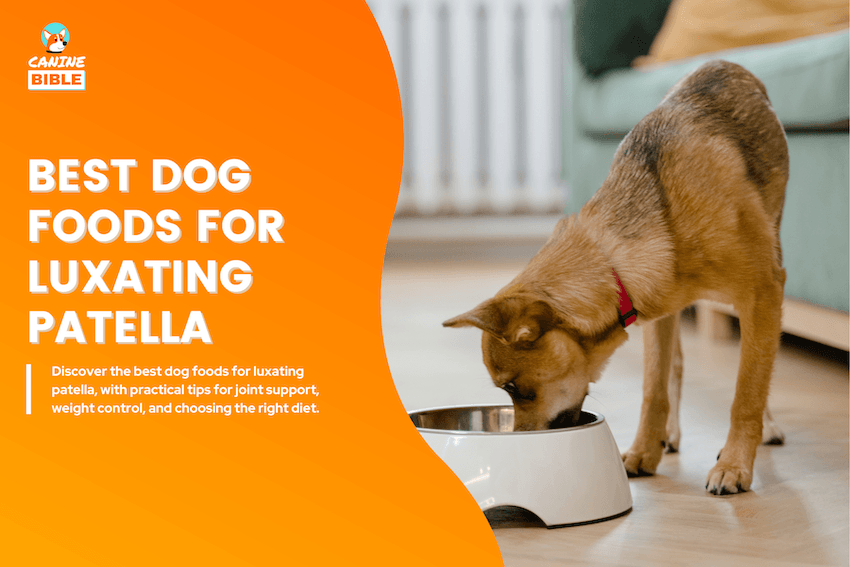
A tiny kneecap can cause a surprisingly big problem when it keeps slipping out of place. For dogs with luxating patella, nutrition cannot correct the joint itself, but the right diet can help support a healthy body weight, strong muscles, and overall joint health. Extra pounds can place additional stress on already vulnerable knees, making thoughtful calorie control and nutrient quality especially important. Foods rich in high-quality protein, omega-3 fatty acids, and other joint-supporting nutrients can complement the treatment plan recommended by your veterinarian. Choosing the best dog food for luxating patella is therefore less about finding a “miracle” formula and more about giving your dog nutritional support that helps them stay comfortable and active. In this guide, we’ll break down the best dog foods for luxating patella, the nutrients worth prioritizing, what to avoid, and how to choose the right option for your dog.
Can Diet Help With Luxating Patella in Dogs?
Diet cannot correct a luxating patella, but it can help support joint health, muscle strength, mobility, and a healthy body weight. Keeping dogs lean is especially important because excess weight can place added stress on unstable knee joints. A balanced diet with quality protein, appropriate calories, and joint-supportive nutrients may help dogs stay active and comfortable alongside veterinary treatment. Any major diet changes or supplements should be discussed with a veterinarian, especially for dogs with ongoing pain, mobility issues, or other health conditions.
Latest Research on Nutrition & Joint Health in Dogs With Luxating Patella
According to the latest research, maintaining a lean body weight and providing joint-supportive nutrition, including omega-3 fatty acids, may help support mobility and reduce added stress on the knees of dogs with luxating patella.
Higher Body Weight May Add to Patellar Cartilage Stress
A 2024 study of dogs undergoing surgery for medial patellar luxation found cartilage erosion was common in the patellofemoral joint, and greater body weight was significantly associated with more extensive cartilage erosion of the patella. The finding supports avoiding excess weight as part of protecting an already compromised knee, although the study showed an association rather than proving that weight loss reverses cartilage damage.[1]
Lean Body Condition Is a Key Nutritional Goal for Joint Health
A recent veterinary review identifies patellar luxation as a developmental condition that can lead to osteoarthritis and emphasizes nutritional oversight, avoiding excess weight, and maintaining a lean body condition as important parts of joint management. Diet does not correct the luxating patella itself, but appropriate calorie intake can help limit unnecessary mechanical stress on the stifle.[2]
Omega-3-Rich Diets May Support Mobility When Osteoarthritis Is Present
In a randomized, double-blind trial, dogs with naturally occurring stifle or hip osteoarthritis fed a veterinary diet rich in fish-derived omega-3 fatty acids showed improvements in weight-bearing and daily activity measures. The trial was not specific to dogs with luxating patella, so the evidence applies to managing associated osteoarthritis rather than correcting patellar instability.[3]
Remember to ALWAYS consult with your vet before making any changes that could affect your dog’s health, nutrition, or well-being. If you can’t reach your vet, you can chat live with a registered online veterinary professional via our online vet chat or video chat support (24 hours a day, 7 days a week). Or use Chewy’s online vet services (6 a.m. – midnight ET). Additionally, at-home dog gut health tests can analyze your dog’s microbiome, offering insights into which nutrients their diet should include. Similarly, at-home dog allergy testing kits can identify ingredients that may not be suitable for your dog, enabling you to choose the right diet and care plan to support optimal digestion, nutrition, and health.
Best Dog Foods for Luxating Patella
Here are the best dog foods for luxating patella this year.
Best Overall Dog Food for Luxating Patella
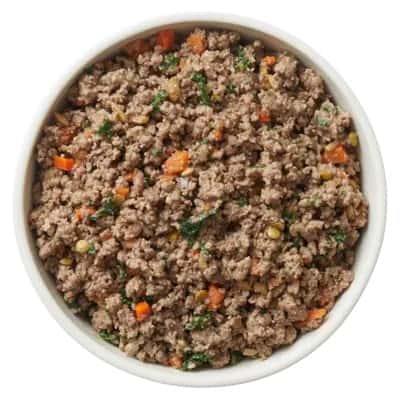
The Farmer’s Dog
Who It’s For: Dog owners seeking balanced everyday nutrition to support healthy weight, strong muscles, and joint health in dogs with luxating patella.
Why we recommended it: The Farmer’s Dog fresh dog food offers a balanced, human-grade diet that emphasizes lean proteins and anti-inflammatory vegetables, making it a smart choice for dogs with joint challenges. Each plan is tailored to your dog’s weight, breed, age, and activity level—helping manage a healthy weight, which is crucial for reducing strain on the hips. Feeding your dog The Farmer’s Dog comes with numerous scientifically-supported health benefits of fresh dog food, including longer lifespans, better digestibility, higher energy levels, and more. The Farmer’s Dog is gently cooked from scratch, ensuring all nutritional integrity is retained — this means that your dog will receive the healthiest and most nutritious meal with every serving.
What sets it apart from competitors: The Farmer’s Dog offers an extensive dog profile and diet customization to meet your dog’s specific dietary needs, including calorie intake, age, size, preferences, health issues (such as joint problems, cancer, and obesity), and more.
Get 50% OFF your order with Canine Bible’s link.

JustFoodForDogs
Who It’s For: Dogs with luxating patella that prefer soft, moist meals while benefiting from balanced nutrition that supports weight and joint health.

Hill’s Mobility j/d
Who It’s For: Dog owners who want convenient, complete kibble that supports lean muscle, healthy weight, and joint health in dogs with luxating patella.

Royal Canin Joint Care
Who It’s For: Large dogs with luxating patella that need controlled calories and joint-supportive nutrition to help minimize unnecessary strain on their knees.

Open Farm
Who It’s For: Senior dogs with luxating patella that need easy-to-digest nutrition supporting healthy weight, aging muscles, joints, and everyday mobility.

MAEV Hip & Joint
Who It’s For: Dog owners seeking a raw-style diet for dogs with luxating patella, with protein-rich nutrition that supports lean muscle and healthy weight.
📢 Discount code below 💸
Get 20% OFF your order with the code CANINE20 — Use this link to get started.

The Honest Kitchen Functional Pour Overs
Who It’s For: Dog owners looking to complement their dog’s regular diet with nutrients that support joint health and mobility in dogs with luxating patella.
📢 Discount code below 💸
Get 50% OFF with code 50CANINE (or 40CANINE for orders under $30) — Use this link to get started.

Stella & Chewy’s
Who It’s For: Dog owners seeking nutrient-dense, convenient meals with minimally processed ingredients for dogs with luxating patella and joint-support needs.

Hill’s Healthy Mobility
Who It’s For: Small dogs with luxating patella that need appropriately sized meals and controlled calories to support healthy weight, muscles, and knee health.

AvoDerm Joint Health
Who It’s For: Dogs with luxating patella that thrive on kibble and need complete nutrition focused on weight control, muscle maintenance, and joint support.
How to Transition Your Dog With Luxating Patella to a New Diet
A gradual transition helps reduce digestive upset and gives your dog time to adjust to the new food. For dogs with luxating patella, keeping meals consistent is especially helpful when the new diet is intended to support healthy weight and joint health. Use the schedule below as a simple guide, unless your veterinarian recommends a different pace.
| Transition Stage | Old Food | New Food | What to Do |
|---|---|---|---|
| Days 1–2 | 75% | 25% | Mix thoroughly and keep portions consistent. |
| Days 3–4 | 50% | 50% | Increase the new food if digestion remains normal. |
| Days 5–6 | 25% | 75% | Continue the transition without adding new treats or toppers. |
| Day 7+ | 0% | 100% | Feed the new diet as directed and measure portions carefully. |
| If Digestive Upset Occurs | Previous tolerated ratio | Previous tolerated ratio | Slow the transition and contact your vet if symptoms persist. |
Monitoring Your Dog With Luxating Patella’s Progress on a New Diet
After changing foods, watch your dog’s appetite, stool quality, vomiting, and energy level. Mild digestive changes can occur at first, but persistent diarrhea, vomiting, poor appetite, or unusual tiredness should be discussed with your veterinarian.
Track body weight and body condition over time, especially if weight management is part of your dog’s joint-care plan. Also note whether mobility, willingness to exercise, stiffness, or signs of knee discomfort improve or worsen. Dogs with luxating patella or other medical concerns should be monitored with veterinary guidance so feeding adjustments can be made safely.
The Bottom Line
Choosing the best dog foods for luxating patella starts with supporting a healthy weight, strong muscles, and overall joint health. While diet cannot correct an unstable kneecap, thoughtful nutrition can complement your dog’s veterinary care and help reduce unnecessary stress on the knees. Look for balanced foods with appropriate calories, quality protein, and nutrients that support mobility and joint function. The best choice will also depend on your dog’s age, size, activity level, and individual health needs. Transition to a new food gradually to minimize digestive upset and make the change easier to tolerate. Once the new diet is established, monitor weight, appetite, digestion, energy, and mobility for changes. Working with your veterinarian can help ensure your dog receives nutrition suited to their long-term needs.
Sources
- Medial patellar luxation induces cartilage erosion in dogs: a retrospective study of prevalence and risk factors
- A proposed framework for practical multimodal management of osteoarthritis in growing dogs
- Effects of feeding a high omega-3 fatty acids diet in dogs with naturally occurring osteoarthritis