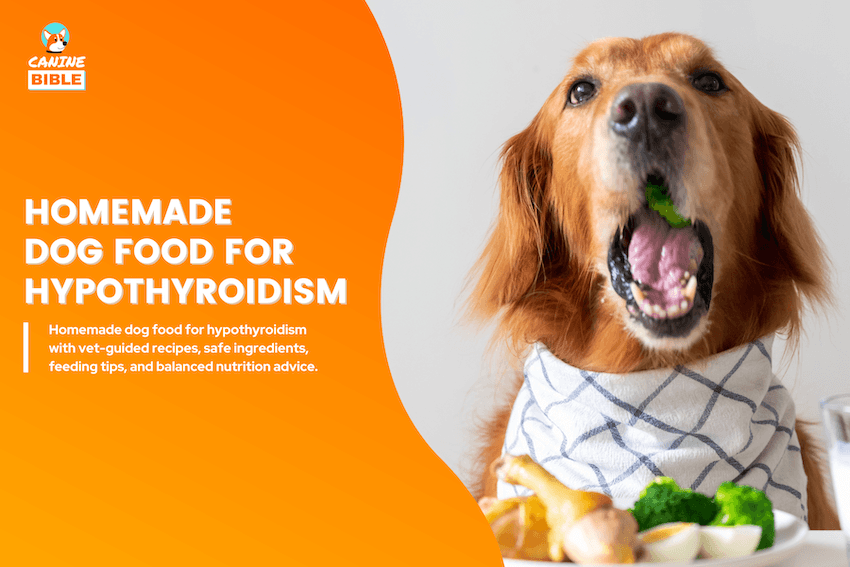
10 Homemade Dog Food Recipes for Hypothyroidism: Vet-Approved

Canine Bible is reader-supported. We receive affiliate commissions via some of our links. Learn more.
This content was reviewed and fact-checked by veterinarian Dr. Aukse Caraite, DVM.
Many dog owners consider homemade dog food because they want more control over ingredients, need to manage food sensitivities, have a picky eater, or simply want to offer fresher meals. For dogs with hypothyroidism, a carefully planned homemade diet may support overall wellness by providing quality protein, wholesome carbohydrates, healthy fats, and key nutrients that help maintain energy, skin, coat, and weight. However, homemade dog food for hypothyroidism must be balanced properly, because missing vitamins, minerals, or essential fatty acids can lead to nutritional deficiencies over time. This guide will walk you through recipe ideas, safe ingredients, important nutrients dogs need, practical feeding tips, and ways to make meals more suitable for dogs with thyroid-related weight or skin concerns. With the right guidance, homemade meals can be a practical and nourishing part of your dog’s care routine.
Can Homemade Dog Food Help With Hypothyroidism?
Yes, homemade dog food may help some dogs with hypothyroidism because it gives owners more control over ingredients, portions, calories, moisture, protein, fat, fiber, sodium, treats, and other diet factors. This can be especially useful for dogs that need weight management, have food sensitivities, or do better with fresher, simpler meals.
However, homemade food does not treat, cure, or prevent hypothyroidism. Dogs with this condition still need proper diagnosis, medication when prescribed, accurate portion control, and regular monitoring of weight, energy, skin, coat, and lab results. Home-prepared diets also need to be complete and balanced, and research has found that many homemade dog food recipes can have nutritional problems without expert formulation, so guidance from a veterinarian or board-certified veterinary nutritionist is strongly recommended.[1]
Homemade food can be useful for some dogs with hypothyroidism, but the plan should be measured, nutritionally complete, appropriate for your dog’s needs, and monitored over time.
Reasons to Feed Homemade Dog Food for Hypothyroidism
A homemade, fresh diet can help manage, prevent, and potentially alleviate health problems in your dog.
| Reason | Description | Benefit |
|---|---|---|
| Calorie Control | Meals can be portioned to match your dog’s needs. | Supports healthy weight management. |
| Lean Protein | Balanced recipes can include digestible lean meats. | Helps maintain muscle and energy. |
| Healthy Fats | Meals can include appropriate fat sources in moderation. | Supports skin, coat, and overall wellness. |
| Fiber Support | Dog-safe vegetables can add gentle fiber. | May support fullness and digestion. |
| Ingredient Control | Owners can avoid unnecessary fillers or excess fat. | Creates cleaner, more targeted meals. |
| Portion Precision | Food can be weighed and served consistently. | Helps prevent overfeeding. |
| Picky Eater Support | Texture and flavor can be adjusted safely. | May improve meal acceptance. |
| Treat Control | Snacks can be counted within daily calories. | Reduces hidden calorie intake. |
| Veterinary Balance | Recipes should be complete and professionally reviewed. | Helps prevent nutrient deficiencies. |
Homemade Dog Food for Hypothyroidism Risks
Homemade dog food for hypothyroidism can be helpful for some dogs because it allows better control over calories, protein, fat, fiber, treats, and ingredients. However, it can become risky if the recipe is not complete and balanced, portions are guessed, supplements are skipped, or owners change ingredients without veterinary guidance.
The biggest concern is that dogs with hypothyroidism often need careful weight control and steady nutrition, not random recipe changes or “thyroid-boosting” claims. A study analyzing home-prepared dog and cat diet recipes found frequent nutrient deficiencies in dog recipes, including low copper, choline, vitamin E, zinc, and calcium, which shows why homemade diets should be formulated or reviewed by a veterinarian or board-certified veterinary nutritionist.[2]


| Statistic | Issue |
|---|---|
| 85.4% | Copper and choline were below recommendations in dog recipes, which may affect normal metabolism, liver function, and overall nutrient balance. |
| 82.9% | Vitamin E was below recommendations in dog recipes, which matters for antioxidant protection, skin health, and immune support. |
| 75.6% | Zinc was below recommendations in dog recipes, a concern for coat quality, skin barrier health, wound healing, and immune function. |
| 73.2% | Calcium was below recommendations in dog recipes, which can disrupt bone, tooth, muscle, and calcium-to-phosphorus balance. |
How to Avoid These Risks
- Understand your dog’s nutritional needs
- Do not use inadequate or dangerous recipes
- Ensure your dog’s meal is balanced
- Do not use toxic ingredients
- Understand the impact of food and dietary changes
- Do not neglect your dog’s health conditions
- Switch to homemade gradually
- The diet must be suited for your dog’s life stage (puppies, adults, or seniors)
✅ Consult a veterinarian or veterinary nutritionist through video platforms like Dutch (available anytime, anywhere) to ensure your homemade recipe is complete and balanced for your dog’s breed, age, and health needs. You can also use our 24/7 chat with an online vet service or use Chewy’s online vet services (6 a.m. – midnight ET). For further guidance on dog nutrition, consult “Home-Prepared Dog & Cat Diets: the Healthful Alternative” by Donald R. Strombeck, DVM, Ph.D., a renowned veterinary expert. This book is a go-to resource for healthy homemade dog nutrition for most pet nutritionists.
✅ Use a dog gut health test to understand your dog’s microbiome and tailor meals for optimal digestion and nutrient absorption.
✅ Conduct a dog allergy test like EasyDNA to identify food sensitivities and avoid ingredients that may trigger allergic reactions.
✅ Supplement homemade food properly with essential vitamins, minerals, and omega fatty acids to prevent nutrient deficiencies. The best supplement to ensure your dog’s meals are complete and balanced is The Farmer’s Dog DIY Nutrient Mix. Alternatively, Ruff Greens VitaSmart is another great option you can sprinkle over your dog’s food for a balanced diet.
How Many Calories Should a Dog With Hypothyroidism Eat?
Use this as a starting estimate. Dogs with hypothyroidism do not have one universal calorie target, so daily calories should be based on their ideal weight, body condition, activity level, medication status, and overall health.
Use our dog calorie calculator to find the exact caloric needs of your dog based on its weight. Ensure you follow the 10% rule if feeding treats to your dog. Food would account for 90% of the total calories, and treats the remaining 10%.
| Type of Dog | 30 lb (14 kg) | 40 lb (18 kg) | 50 lb (23 kg) | 60 lb (27 kg) | 70 lb (32 kg) |
|---|---|---|---|---|---|
| Inactive Dog With Hypothyroidism | 680 | 840 | 990 | 1,140 | 1,280 |
| Weight-Control Dog With Hypothyroidism | 610 | 755 | 890 | 1,025 | 1,150 |
| Adult Maintenance Dog With Hypothyroidism | 755 | 935 | 1,100 | 1,265 | 1,420 |
| Active Dog With Hypothyroidism | 830 | 1,030 | 1,210 | 1,390 | 1,560 |
| Senior Dog With Hypothyroidism | 650 | 805 | 950 | 1,095 | 1,230 |
| Recently Diagnosed Dog Starting Diet Changes | 680–830 | 840–1,030 | 990–1,210 | 1,140–1,390 | 1,280–1,560 |
These are general daily calorie estimates based on ideal weight. Dogs with hypothyroidism may need calorie adjustments depending on body condition, activity level, thyroid medication response, age, and veterinary guidance.
Homemade Food For Puppies with Hypothyroidism
A puppy with hypothyroidism still needs a complete and balanced puppy diet, not a restrictive homemade recipe focused only on thyroid support. Puppies have different nutritional needs than adult dogs and require carefully controlled protein, fat, calcium, phosphorus, iodine, and calories to support growth, bone development, metabolism, and immune health. Because hypothyroidism in puppies may be linked to congenital or juvenile endocrine problems and can affect growth, weight, skin, coat, and energy, homemade food should only be used with guidance from a veterinarian or board-certified veterinary nutritionist to avoid deficiencies, slowed growth, or long-term complications.
| Guideline | Details |
|---|---|
| Vet diagnosis first | Do not assume low energy, weight gain, or poor coat is hypothyroidism. Puppies need veterinary testing and follow-up care. |
| Use puppy-specific nutrition | Homemade meals must meet growth needs for protein, fat, calcium, phosphorus, calories, vitamins, and minerals. |
| Avoid calorie restriction | Do not put a growing puppy on an adult-style weight-loss diet unless your veterinarian directs it. |
| Be careful with iodine | Avoid seaweed, kelp, thyroid supplements, or iodine boosters unless specifically prescribed by your veterinarian. |
| Balance calcium and phosphorus | Never skip the vet-approved calcium source or puppy nutrient balancer in a homemade growth diet. |
| Monitor growth closely | Track weight, body condition, appetite, energy, stool quality, skin, coat, and normal puppy development. |
| Medication timing matters | If thyroid medication is prescribed, ask your veterinarian how to time meals, treats, and supplements around each dose. |
| Seek vet help quickly | Call your vet if your puppy has poor growth, unusual sleepiness, rapid weight gain, weakness, hair loss, skin changes, or appetite changes. |
Homemade Dog Food Delivery Service for Hypothyroidism
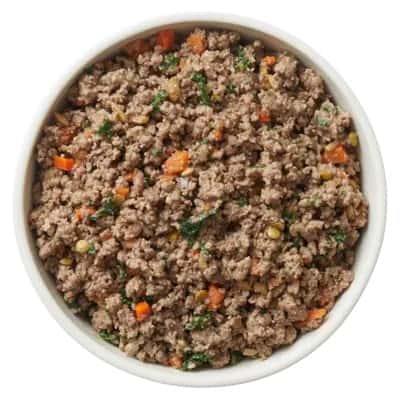
The Farmer’s Dog
Who It’s For: Dog owners who don’t have time to cook or cannot balance nutrients to provide a balanced diet.
The Farmer’s Dog is one of our homemade dog food delivery options. They offer various fresh, homemade dog food options tailored to your dog’s unique dietary needs, age, health conditions, and nutritional goals. For instance, if your dog has food-related health issues like allergies or illnesses, The Farmer’s Dog can create a customized recipe tailored to their needs. Their meals are made with real, human-grade ingredients and delivered to your doorstep. The food is developed by veterinary nutritionists who adhere to AAFCO nutritional guidelines. In our experience, using a dog food delivery service saves you time, allowing you to focus on more important things, such as taking your dog for walks or training. Additionally, you won’t have to worry about the hassle of meal planning, grocery shopping, or cooking, and you can mitigate the risks of cooking for dogs.
Best Homemade Food Recipes for Hypothyroidism
Explore homemade dog food recipes for hypothyroidism, including balanced meals and low-calorie treats that may fit into a vet-guided weight management plan.
Note: Consult your vet before adjusting your dog’s diet. The recipes below don’t specify serving sizes, as they depend on your dog’s breed, weight, age, activity level, and health. As a guideline, consider feeding the equivalent amount you’d give in kibble, but always consult your veterinarian for proper portioning.
Turkey, Brown Rice & Green Bean Weight-Support Bowl
A practical homemade dog food recipe with lean turkey, brown rice, green beans, carrots, and pumpkin. This meal is designed for dogs with hypothyroidism who may need steady portions, lean protein, fiber, and weight-aware ingredients as part of a vet-guided homemade diet plan.
Ingredients
- 1 lb lean ground turkey, fully cooked and drained
- 1 ½ cups cooked brown rice
- 2 cups green beans, chopped and steamed
- ¾ cup carrots, finely diced and steamed
- ½ cup plain pumpkin puree
- 1 tsp fish oil, only if approved by your veterinarian
- Vet-approved calcium source or canine nutrient balancer, as directed
Why It Works
- Lean turkey provides animal protein without excess fat.
- Brown rice offers a familiar, moderate carbohydrate source.
- Green beans add low-calorie volume for fullness.
- Pumpkin supports stool quality and gentle digestion.
- Fish oil may support skin and coat when appropriate.
Instructions
- Cook the ground turkey in a skillet until fully done, then drain excess fat.
- Cook the brown rice separately according to package directions.
- Steam the green beans and carrots until soft enough to mash lightly.
- Combine turkey, rice, vegetables, and pumpkin in a large bowl.
- Mix well and allow the food to cool completely before serving.
- Add fish oil and any calcium or nutrient balancer only as directed by your veterinarian.
- Serve measured portions as part of a vet-guided homemade diet plan for your dog’s age, weight, health status, and calorie needs.
Chicken, Oat & Pumpkin Gentle Energy Meal
A mild homemade dog food recipe using skinless chicken breast, oats, pumpkin, peas, and zucchini. It offers lean protein, gentle fiber, and measured carbohydrates for dogs with hypothyroidism who need practical, portion-controlled meals under veterinary guidance.
Ingredients
- 1 lb skinless, boneless chicken breast, cooked and shredded
- 1 cup cooked plain oats
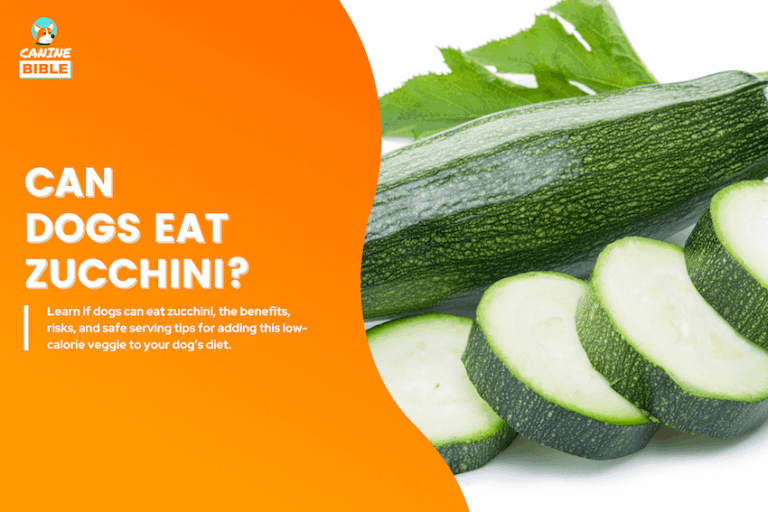
- 1 cup zucchini, finely diced and steamed
- ½ cup peas, cooked
- ½ cup plain pumpkin puree
- 1 tsp ground flaxseed, only if approved by your veterinarian
- Vet-approved calcium source or canine nutrient balancer, as directed
Why It Works
- Chicken breast is lean and easy to portion.
- Oats provide a soft, digestible carbohydrate source.
- Pumpkin and zucchini add fiber without heavy fat.
- Peas add texture and small amounts of plant nutrients.
- Flaxseed may add fiber and fatty acids when suitable.
Instructions
- Boil or bake the chicken breast until fully cooked, then shred into small pieces.
- Cook plain oats with water only, without salt, sugar, milk, or flavorings.
- Steam the zucchini and peas until tender.
- Combine chicken, oats, zucchini, peas, and pumpkin in a large mixing bowl.
- Stir until evenly combined and let the food cool before serving.
- Add flaxseed, calcium, or nutrient balancer only if your veterinarian has included them in your dog’s plan.
- Serve in measured portions as part of a vet-guided homemade diet plan, especially if your dog is taking thyroid medication.
Salmon, Sweet Potato & Spinach Skin-Coat Bowl
A fish-based homemade dog food recipe with cooked salmon, sweet potato, spinach, cucumber, and pumpkin. It is designed for dogs with hypothyroidism who may benefit from measured calories, quality protein, and skin-and-coat-supportive ingredients in a vet-guided plan.
Ingredients
- 12 oz boneless cooked salmon, skin removed and checked for bones
- 1 ½ cups cooked sweet potato, mashed
- 1 cup spinach, lightly steamed and finely chopped
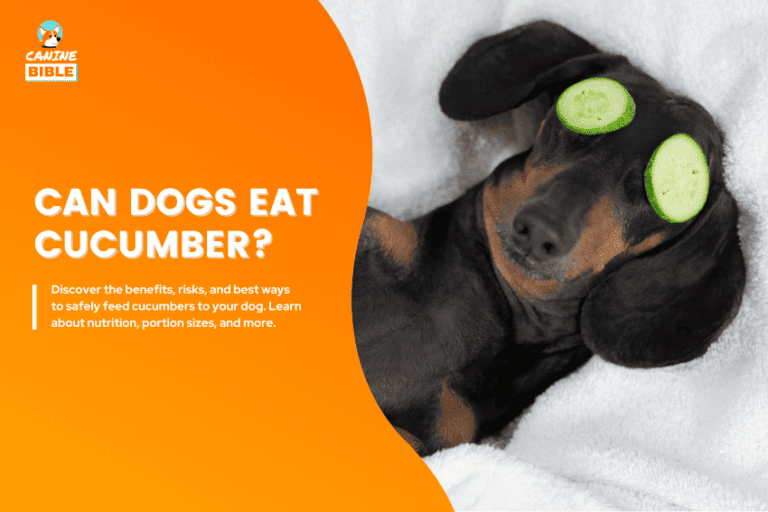
- ¾ cup cucumber, peeled and diced
- ½ cup plain pumpkin puree
- ¼ cup cooked quinoa
- Vet-approved calcium source or canine nutrient balancer, as directed
Why It Works
- Salmon provides protein and naturally occurring omega-3 fats.
- Sweet potato adds digestible energy in a measured amount.
- Spinach and cucumber add moisture and variety.
- Pumpkin contributes gentle fiber for stool quality.
- The recipe avoids added salt and rich sauces.
Instructions
- Bake or steam the salmon until fully cooked, then remove skin and carefully check for bones.
- Cook the sweet potato until soft and mash it without butter, salt, or seasoning.
- Lightly steam the spinach, then chop it finely.
- Cook the quinoa separately and measure out ¼ cup cooked quinoa.
- Combine salmon, sweet potato, spinach, cucumber, pumpkin, and quinoa in a bowl.
- Mix gently until evenly combined and cool completely before serving.
- Add any calcium source or nutrient balancer only under veterinary direction and serve as part of a measured homemade diet plan.
Lean Beef, Barley & Zucchini Comfort Bowl
A satisfying homemade dog food recipe made with lean beef, barley, zucchini, carrots, and pumpkin. It offers a heartier texture while keeping fat and portions controlled for dogs with hypothyroidism as part of a veterinarian-guided feeding plan.
Ingredients
- 1 lb extra-lean ground beef, fully cooked and drained well
- 1 ¼ cups cooked pearl barley
- 1 ½ cups zucchini, diced and steamed
- ¾ cup carrots, diced and steamed
- ½ cup plain pumpkin puree
- 1 tbsp chopped parsley, optional
- Vet-approved calcium source or canine nutrient balancer, as directed
Why It Works
- Extra-lean beef keeps this meal satisfying without excess grease.
- Barley adds a chewy, measured carbohydrate source.
- Zucchini adds moisture and low-calorie volume.
- Carrots add gentle sweetness without unsafe ingredients.
- Pumpkin helps create a soft, mixable texture.
Instructions
- Cook the extra-lean ground beef until fully browned, then drain and blot away excess fat.
- Cook the barley separately in water until tender.
- Steam the zucchini and carrots until soft.
- Combine the beef, barley, vegetables, pumpkin, and parsley in a large bowl.
- Mix thoroughly and let the meal cool before serving.
- Add a calcium source or nutrient balancer only according to your veterinarian’s directions.
- Use measured portions and adjust only with veterinary guidance based on weight, activity, and thyroid management plan.
Pork Tenderloin, Millet & Carrot Plate
A lean pork-based homemade dog food recipe with millet, carrots, green beans, and pumpkin. This option adds variety for dogs with hypothyroidism while keeping calories, fat, and ingredients controlled under veterinary supervision.
Ingredients
- 1 lb pork tenderloin, trimmed, cooked, and chopped
- 1 cup cooked millet
- 1 cup carrots, diced and steamed
- 1 ½ cups green beans, chopped and steamed
- ½ cup plain pumpkin puree
- 1 tsp fish oil, only if approved by your veterinarian
- Vet-approved calcium source or canine nutrient balancer, as directed
Why It Works
- Pork tenderloin is lean when trimmed carefully.
- Millet adds a mild, gluten-free carbohydrate source.
- Green beans help add fullness with fewer calories.
- Carrots and pumpkin create a soft, appealing texture.
- Fish oil may support coat quality when approved.
Instructions
- Trim visible fat from the pork tenderloin and cook until fully done.
- Chop the cooked pork into small, bite-size pieces.
- Cook millet separately in water without salt or seasoning.
- Steam the carrots and green beans until tender.
- Mix pork, millet, vegetables, and pumpkin in a large bowl.
- Cool completely, then add fish oil and any balancer only if included in your vet-guided plan.
- Serve measured portions based on your dog’s ideal weight, activity level, and veterinary nutrition plan.
Whitefish, Quinoa & Broccoli Hydration Bowl
A light homemade dog food recipe made with whitefish, quinoa, broccoli, zucchini, and pumpkin. This bowl keeps fat moderate, adds moisture-rich vegetables, and fits best as part of a vet-guided homemade diet plan for dogs with hypothyroidism.
Ingredients
- 1 lb cooked whitefish, boneless and flaked
- 1 cup cooked quinoa
- 1 cup zucchini, diced and steamed
- ¾ cup broccoli florets, steamed and finely chopped
- ½ cup plain pumpkin puree
- ¼ cup cucumber, peeled and diced
- Vet-approved calcium source or canine nutrient balancer, as directed
Why It Works
- Whitefish is a lean animal protein option.
- Quinoa adds measured energy and texture.
- Zucchini and cucumber add moisture without many calories.
- Broccoli adds fiber when cooked and served in moderate amounts.
- Pumpkin helps bind the ingredients into a soft bowl.
Instructions
- Steam, bake, or poach the whitefish until fully cooked, then check carefully for bones.
- Cook quinoa separately in water without salt or seasoning.
- Steam the zucchini and broccoli until tender, then chop the broccoli finely.
- Combine whitefish, quinoa, zucchini, broccoli, pumpkin, and cucumber in a bowl.
- Stir gently to avoid over-mashing the fish.
- Cool completely and add the calcium source or nutrient balancer only as directed by your veterinarian.
- Feed measured portions as part of a complete vet-guided diet plan, not as a stand-alone long-term diet.
Egg, Turkey & Pumpkin Breakfast Mash
A soft homemade dog food mash with lean turkey, cooked egg, pumpkin, rice, and green vegetables. This recipe is easy to mix, easy to portion, and suitable only as part of a vet-guided homemade diet plan for dogs with hypothyroidism.
Ingredients
- 12 oz lean ground turkey, fully cooked and drained
- 2 large eggs, hard-boiled and chopped
- 1 cup cooked white rice
- 1 cup green beans, chopped and steamed
- ½ cup zucchini, finely diced and steamed
- ½ cup plain pumpkin puree
- Vet-approved calcium source or canine nutrient balancer, as directed
Why It Works
- Turkey and egg provide animal-based protein.
- Rice creates a soft, familiar base for picky dogs.
- Green beans and zucchini add volume and moisture.
- Pumpkin helps create a smooth, mashable texture.
- Measured servings help avoid accidental overfeeding.
Instructions
- Cook the ground turkey thoroughly and drain any excess fat.
- Hard-boil the eggs, cool them, peel them, and chop them finely.
- Cook the rice separately in plain water.
- Steam the green beans and zucchini until tender.
- Combine turkey, eggs, rice, vegetables, and pumpkin in a large bowl.
- Mash lightly for a softer texture and cool completely before serving.
- Add calcium or a nutrient balancer only as directed by your veterinarian or veterinary nutritionist.
Skinless Duck, Rice & Green Veggie Bowl
A flavorful homemade dog food recipe using skinless duck, white rice, green beans, zucchini, and pumpkin. This recipe offers variety for picky dogs with hypothyroidism while keeping fat controlled and portions measurable in a vet-guided plan.
Ingredients
- 12 oz cooked duck breast, skin removed and chopped
- 1 ¼ cups cooked white rice
- 1 ½ cups green beans, chopped and steamed
- 1 cup zucchini, diced and steamed
- ½ cup plain pumpkin puree
- ¼ cup chopped cooked carrots
- Vet-approved calcium source or canine nutrient balancer, as directed
Why It Works
- Skinless duck adds flavor while limiting excess fat.
- Rice provides a simple, familiar carbohydrate base.
- Green beans add volume for dogs needing weight control.
- Zucchini and pumpkin add moisture and fiber.
- Small carrot pieces improve texture and acceptance.
Instructions
- Cook the duck breast thoroughly, remove all skin, and trim visible fat.
- Chop the duck into small pieces and blot away extra grease.
- Cook the white rice separately in plain water.
- Steam green beans, zucchini, and carrots until soft.
- Mix duck, rice, vegetables, and pumpkin in a large bowl.
- Cool completely before adding any veterinary-approved balancer.
- Serve measured portions as part of a nutritionally balanced homemade plan created or reviewed by a veterinary professional.
Turkey, Chicken Liver & Vegetable Mineral-Smart Stew
A homemade dog food stew with lean turkey, a small amount of chicken liver, rice, squash, and green beans. This recipe uses liver only as a measured accent and should be used under veterinary guidance for dogs with hypothyroidism.
Ingredients
- 14 oz lean ground turkey, fully cooked and drained
- 2 oz chicken liver, fully cooked and finely chopped
- 1 cup cooked white rice
- 1 cup butternut squash, cooked and mashed
- 1 ½ cups green beans, chopped and steamed
- ½ cup low-sodium, onion-free, garlic-free broth or water
- Vet-approved calcium source or canine nutrient balancer, as directed
Why It Works
- Lean turkey provides the main protein source.
- A small amount of liver adds flavor and nutrients without overdoing it.
- Squash and green beans add fiber and volume.
- Rice keeps the stew simple and easy to portion.
- Extra moisture can improve palatability for picky dogs.
Instructions
- Cook the ground turkey fully and drain away excess fat.
- Cook the chicken liver thoroughly, then chop it finely.
- Cook the rice and squash separately until soft.
- Steam the green beans and chop them into small pieces.
- Combine turkey, liver, rice, squash, green beans, and water or safe broth in a pot.
- Warm gently for 3–5 minutes, then cool completely before serving.
- Add calcium or a nutrient balancer only according to your veterinarian’s instructions, since liver amounts and supplements should be controlled.
Lean Lamb, Lentil & Squash Moderate-Fat Bowl
A varied homemade dog food recipe made with lean lamb, lentils, squash, green beans, and spinach. This bowl is best for dogs with hypothyroidism who need measured servings and ingredient variety as part of a balanced, vet-guided homemade diet plan.
Ingredients
- 12 oz lean ground lamb, fully cooked and drained very well
- 1 cup cooked lentils, plain and unsalted
- 1 cup cooked butternut squash, mashed
- 1 ½ cups green beans, chopped and steamed
- ½ cup spinach, lightly steamed and finely chopped
- ¼ cup cooked brown rice
- Vet-approved calcium source or canine nutrient balancer, as directed
Why It Works
- Lean lamb provides variety for dogs who tolerate it well.
- Lentils add fiber and texture in a measured amount.
- Squash and green beans add volume and moisture.
- Spinach is cooked and used moderately for variety.
- Draining lamb well helps keep fat more controlled.
Instructions
- Cook the lean ground lamb until fully done, then drain and blot away excess fat.
- Cook lentils separately in plain water until soft.
- Cook and mash the butternut squash without butter, salt, or seasoning.
- Steam green beans and spinach until tender, then chop finely.
- Combine lamb, lentils, squash, green beans, spinach, and brown rice in a large bowl.
- Cool completely before adding any veterinary-approved nutrient balancer or calcium source.
- Serve only in measured amounts as part of a vet-guided plan, since lamb can be more calorie-dense than lean poultry or whitefish.
Supplement for Dogs with Hypothyroidism
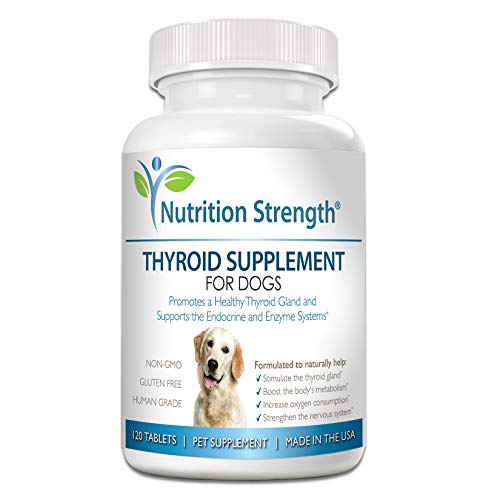
Do you want more support options for dogs with hypothyroidism? Along with a vet-guided diet, weight management plan, and prescribed treatment, supplements may help support your dog’s thyroid function, metabolism, energy levels, and skin and coat health. The Nutrition Strength Thyroid Supplement for Dogs is our recommended supplement for dogs with hypothyroidism because it is designed to support normal thyroid health while also helping with common thyroid-related concerns like low energy, weight changes, and coat quality. It can be a helpful add-on for dogs who need extra nutritional support, but always ask your veterinarian before using it, especially if your dog is already taking thyroid medication.
Make Homemade Dog Food Faster & Balanced With This Machine

Chef Paw
The ChefPaw Pet Food Maker is a game-changer for pet parents who want to feed fresh, homemade meals without spending hours in the kitchen. It blends, cooks, and mixes ingredients in one automated device, streamlining the entire process from preparation to cleanup. With a large 6.4 lb batch capacity and cook time of just 40 minutes, you can prep a week’s worth of meals in one go. Its precise temperature control and programmable settings ensure consistent results and safe food handling every time. It also helps eliminate guesswork, making it easier to create balanced meals with the right texture and nutrient retention. Whether you’re cooking in bulk or customizing meals for allergies or preferences, ChefPaw saves time, reduces mess, and supports healthier meals feeding with less effort at a fraction of the cost of premium kibble. Additionally, the free ChefPaw App provides over 50 balanced recipes with step-by-step instructions, detailed nutritional breakdowns, and custom portion guides specifically tailored to your dog.
Monitor Your Dog’s Weight And Health
A dog’s weight and gut health are essential indicators of their health, and you need to track them when switching to a new diet (i.e., homemade). Maintaining a healthy weight is easier when your dog is fed the right dog food. If your dog’s weight increases or decreases rapidly, it may be due to a food-related health issue. Unbalanced meal plans can cause skin or coat issues, excessive tiredness, allergies, weight loss, malnutrition, and dog obesity. If you notice any of these symptoms while feeding your dog, stop immediately and consult an expert.
Foods Your Dog Should Never Eat
Below is a list of the most common toxic ingredients that dogs should avoid.
Here is the complete list of toxic dog foods. Alternatively, consider buying a magnetic dog list to put on your refrigerator as a reminder when cooking for your dog.

Toxic & Safe List
The Bottom Line
Homemade dog food for hypothyroidism can be a helpful option for some dogs because it gives owners more control over ingredients, calories, portions, protein, fiber, and fat levels. This can be especially useful for dogs that struggle with weight gain, low energy, picky eating, or skin and coat concerns. However, homemade meals should not be viewed as a cure or replacement for veterinary care, thyroid medication, or regular monitoring. Dogs with hypothyroidism need a diet that is carefully balanced to prevent nutrient deficiencies and support their overall health. Always work with your veterinarian or a board-certified veterinary nutritionist before making homemade food your dog’s main diet, especially if supplements, fish oil, calcium, or nutrient balancers are needed. With the right guidance, measured portions, and complete nutrition, homemade meals can become a practical and nourishing part of your dog’s long-term care routine.
Are there other alternatives to homemade dog food? Raw dog diets are gaining popularity for their significant health benefits. Check our article on raw food for dogs to learn about the benefits and risks, and get the best raw dog food or even prepare homemade raw dog food. Additionally, if your dog is prone to food allergies or food-related health issues, consider exploring vegan dog food options. Plant-based diets are also gaining popularity among dogs with food sensitivities and other health issues.
Like It? Subscribe & Share!
Sources
Canine Bible uses only high-quality sources, including peer-reviewed studies, to support the facts within our articles. Read our editorial process and product review methodology to learn more about how we fact-check, test products, and keep our content accurate, reliable, and trustworthy.