Chinese Crested Dog Breed Information: Traits, Facts, Care & More

Canine Bible is reader-supported. We receive affiliate commissions via some of our links. Learn more.
Chinese Crested Distribution Map
Click a country to see estimated Chinese Crested population numbers.
Estimated Chinese Crested Population by Country (Top 10)
Population numbers are directional estimates, not official registry counts.
Chinese Crested
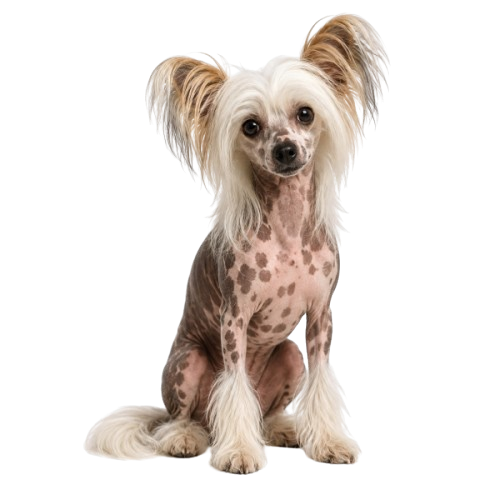
Chinese Cresteds are affectionate, playful, and highly people-oriented companion dogs known for their unique appearance and loving nature. Available in both Hairless and Powderpuff varieties, they form strong bonds with their families and thrive on human interaction. Originally developed as companion dogs and ratters aboard ships, today’s Chinese Cresteds excel as devoted household pets. Despite their delicate appearance, they are alert, agile, and surprisingly athletic. They adapt well to apartment living but require regular socialization, mental stimulation, and proper skin or coat care to stay healthy and happy.
- Breed popularity ranking: 79 of 202
- Club: American Chinese Crested Club
- Population: 50,000+ (estimated in the U.S.)
- Hypoallergenic: Yes (often considered allergy-friendly)
- Temperament: Affectionate, playful, alert, intelligent, loyal
- Price: $1,200 – $3,500
- Best for: Owners seeking a loving, unique companion that thrives on close human companionship and indoor living.

Weight
8–12 lbs

Height
11–13 inches

Lifespan
13–18 years

Breed Group
Toy Group
Chinese Crested Growth Chart
Scientific Classification
History and Origin
The Chinese Crested traces its origins to ancient hairless dogs that were found in various parts of the world, including Africa, Asia, and Central America. While its exact ancestry remains uncertain, the breed became closely associated with Chinese merchant ships, where these small dogs were valued for controlling rats and other vermin during long voyages. Over time, sailors introduced them to ports around the world, contributing to the breed’s global distribution and development.


By the 18th and 19th centuries, Chinese Cresteds were appearing in Europe and North America, though they remained relatively uncommon. The breed gained greater attention during the late 19th and early 20th centuries through the efforts of dedicated breeders and enthusiasts who preserved and refined its distinctive appearance. The development of both the Hairless and Powderpuff varieties helped establish the breed’s unique identity among companion dogs.
Historically, the breed’s story reflects a fascinating journey: from practical shipboard ratters to affectionate household companions and successful show dogs. The Chinese Crested gained wider recognition throughout the 20th century and was officially recognized by the American Kennel Club in 1991. Today’s Chinese Crested is the result of ancient hairless ancestry, maritime history, selective breeding, and modern kennel-club standardization, creating one of the most distinctive companion breeds in the world.
Appearance
The Chinese Crested is a small, elegant companion dog known for its unique appearance and affectionate nature. Available in Hairless and Powderpuff varieties, it features expressive eyes, large upright ears, and a graceful build. Its distinctive look, light movement, and loving personality make it truly unforgettable.
Chinese Crested Breed Appearance
Hover or tap each numbered marker to explore key breed features.

1. Body Build
Chinese Cresteds have a fine-boned, elegant, and graceful body with a slightly rectangular outline. Despite their delicate appearance, they are surprisingly agile and athletic. Their light frame allows for effortless movement, while their balanced proportions contribute to the breed’s distinctive refinement and charm.
2. Coat Type
The Chinese Crested comes in two varieties: Hairless and Powderpuff. Hairless Cresteds have smooth skin with silky hair on the head, feet, and tail, while Powderpuffs possess a soft, flowing double coat covering the entire body. Both varieties share the same breed standard and temperament.
3. Coat Colors
Chinese Cresteds can appear in virtually any color or combination of colors. Common colors include white, black, cream, chocolate, blue, slate, and apricot. Many individuals also display spotted, mottled, or parti-colored patterns, especially in the Hairless variety, making each dog uniquely patterned.
4. Facial Markings
The Chinese Crested has a refined head with a tapered muzzle, prominent cheeks, and expressive eyes. Large upright ears contribute to the breed’s alert appearance, while the overall facial expression combines intelligence, curiosity, and affection. The breed’s distinctive head crest further enhances its unique look.


5. Chest Markings
The chest is moderately deep and well-developed without appearing heavy. Combined with the breed’s slender frame, it contributes to an elegant silhouette and balanced proportions. The smooth contours of the chest and ribcage support the Chinese Crested’s agile movement and graceful overall appearance.
6. Tail
The Chinese Crested’s tail is long, tapering, and carried gracefully when the dog is moving. In the Hairless variety, it is often adorned with a flowing plume of silky hair, while Powderpuffs have a fully coated tail. The tail contributes to the breed’s elegant outline and balanced appearance.
7. Ears
Chinese Crested ears are large, erect, and set low enough to frame the face attractively. Hairless dogs typically display prominent feathering on the ears, while Powderpuffs may have either erect or drop ears. Their ears contribute significantly to the breed’s alert and expressive appearance.
8. Eyes
Their eyes are medium-sized, dark, and widely set, creating a warm and intelligent expression. Chinese Cresteds are known for their attentive gaze and affectionate demeanor. The eyes should appear bright and expressive, reflecting the breed’s lively and people-oriented personality.
9. Nose
The nose is well-developed and typically matches the dog’s skin or coat pigmentation. It features open nostrils and a refined shape that complements the breed’s tapered muzzle. Together with the eyes and ears, the nose helps create the Chinese Crested’s distinctive and elegant facial expression.
10. Feet
Chinese Crested feet are distinctive, hare-like, with elongated toes and flexible joints. This unique foot structure contributes to the breed’s agility and graceful movement. In Hairless dogs, the feet are often adorned with silky “socks” of hair that enhance their elegant appearance.
11. Overall Expression
Chinese Cresteds have an affectionate, alert, and charming expression. Their combination of expressive eyes, large ears, graceful posture, and distinctive crest creates a look that is both elegant and endearing. The breed’s friendly nature and close bond with people are often reflected in its attentive and loving demeanor.
Sexual Dimorphism
Male and female Chinese Cresteds are very similar in overall appearance, coat variety, and breed type. Differences are generally subtle, with most variation resulting from individual genetics, conditioning, and hormone-related coat or skin changes rather than dramatic differences in structure.
- May appear slightly larger or more muscular through the chest, neck, and shoulders while maintaining the breed’s elegant outline.
- Often displays a somewhat stronger head and overall presence, particularly in intact males.
- No consistent breed-standard difference in accepted size, skin pigmentation, coat variety, or color compared with females.
- May appear slightly finer-boned and more refined in the head, neck, and overall silhouette.
- Hair growth and skin condition can fluctuate more noticeably due to hormonal cycles, pregnancy, nursing, or spaying.
- No consistent breed-standard difference in accepted size, skin pigmentation, coat variety, or color compared with males.
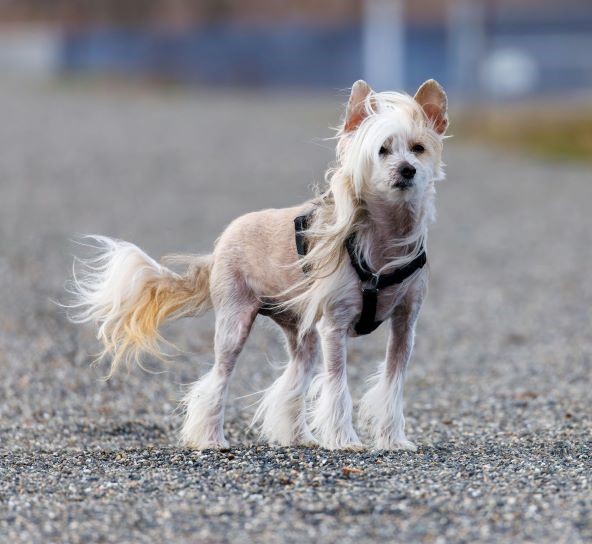
Photo Gallery

Chinese Crested Traits & Characteristics
Chinese Cresteds are affectionate, playful, and deeply devoted companion dogs known for their strong attachment to their families. Despite their delicate appearance, they are alert, intelligent, and surprisingly spirited. They thrive on human interaction and enjoy being involved in daily activities. Chinese Cresteds are typically friendly, sensitive, and eager to please, though some can be reserved with strangers. Their loving nature makes them excellent companions, and they do best with positive training, early socialization, and plenty of attention from their owners.
Core Traits
The further out a point is along a spoke, the stronger that trait is in the breed (on a scale of 1 to 10).
Remember: Dogs are individuals and not all dogs, even those of the same breed, will exhibit all the same qualities.
| Trait | Score | Description |
|---|---|---|
| Temperament | 9 | Affectionate, cheerful, and people-oriented, Chinese Cresteds thrive on companionship and form strong bonds with their families. |
| Sociability & Friendliness | 9 | Generally friendly with family, visitors, and other pets when properly socialized, though some can be reserved with strangers. |
| Intelligence | 8 | Smart and observant dogs that learn quickly and enjoy interactive games and mental stimulation. |
| Trainability | 8 | Responds well to positive reinforcement and consistent training, especially when motivated by praise and rewards. |
| Energy Level | 6 | Moderately active with playful bursts of energy, but generally content with daily walks and indoor activities. |
| Shedding Level | 3 | Very low shedding overall. Hairless varieties shed minimally, while Powderpuffs shed lightly with regular grooming. |
| Protective Instinct | 3 | Alert to unusual sounds but not naturally protective. Better suited as a companion than a watchdog. |
| Loyalty | 10 | Exceptionally devoted to their owners and often prefer staying close to their favorite people throughout the day. |
| Barking Level | 4 | Usually not excessive barkers, though they may vocalize when excited, seeking attention, or alerting to visitors. |
| Adaptability | 9 | Highly adaptable to apartments, houses, and travel, provided they receive adequate companionship and care. |
Complete Traits Overview
Exercise & Activity Breakdown
Chinese Cresteds are moderately active, affectionate companion dogs that enjoy daily walks, playtime, and mental enrichment. They don’t require intense exercise but thrive with regular activity and close interaction with their owners. Consistent engagement helps keep them healthy, confident, happy, and emotionally balanced.
- Puppy (0–12 months): At this stage, Chinese Crested puppies are curious, energetic, and eager to learn. Short play sessions, socialization, and basic obedience training help build confidence and good manners. Activities such as gentle fetch, interactive games, and positive reinforcement games support healthy development.
- Adult (1–6 years): Adult Chinese Cresteds benefit from daily walks, indoor play sessions, training exercises, and mentally stimulating activities. Puzzle toys, trick training, scent games, and light canine sports such as rally or agility can help keep them physically active and mentally engaged.
- Senior (7+ years): As they age, Chinese Cresteds may become less active but still require regular exercise to maintain mobility and overall health. Gentle walks, low-impact play, and enrichment activities help keep their minds sharp while supporting joint health and emotional well-being.
Chinese Crested Daily Activity Breakdown
Nutrition
Chinese Cresteds need a high-quality diet that matches their life stage (e.g., puppy, adult, senior). As a small companion breed with unique skin and coat needs, it’s important to feed them food specifically formulated for toy or small breed dogs to support healthy skin, energy levels, and overall wellness.
These diets should include a balanced blend of nutrients to support skin health, dental care, immune function, and the maintenance of lean muscle. Because Chinese Cresteds can be prone to dental issues and sensitive skin, portion control and nutrient-dense, small-bite formulas are especially beneficial. As they age, a diet rich in omega-3 fatty acids, antioxidants, and joint-supporting nutrients such as glucosamine can help maintain mobility, cognitive function, and long-term health. Read our “Best Chinese Crested Dog Food Guide" to explore targeted nutrition tips and top food recommendations.
Nutritional Breakdown by Activity Level for Chinese Crested
Common Health Issues
Chinese Cresteds are generally healthy and long-lived dogs, but they can be prone to certain hereditary and breed-specific conditions. Common concerns include dental disease, progressive retinal atrophy (PRA), primary lens luxation, patellar luxation, skin allergies, and Legg-Calvé-Perthes disease. Hairless varieties may also require extra skin care to prevent irritation and sun damage. Routine veterinary exams, proper nutrition, and preventive care help support lifelong health and well-being.
*SS: Sun Sensitivity
Recommended Health Tests for Chinese Crested
Routine veterinary exams and breed-appropriate screenings are important for early detection and prevention.
Proactive health measures, attentive skin and dental care, and regular veterinary visits can help ensure your Chinese Crested lives a happy and healthy life as your loyal companion
💡 Due to this breed's predisposition to dental disease, skin conditions, eye disorders, allergies, and other hereditary health concerns, we recommend getting pet insurance and a wellness plan for financial protection against unexpected medical expenses. This can help your pet receive the best possible care without the burden of high out-of-pocket costs. Check out our best pet insurance and best pet wellness guides to find a suitable plan for your pet.
Care Requirements
| Grooming Task | Recommended Frequency | Importance | Tools Needed | Recommended Product |
|---|---|---|---|---|
| Brushing | 2–3 times per week (Powderpuff); weekly skin exfoliation (Hairless) | Prevents tangles in Powderpuffs and helps remove dead skin cells, debris, and buildup in Hairless Chinese Cresteds | Slicker brush, de-shedding tool, grooming mitt | Hertzko Self Cleaning Slicker Dog Brush (View on Amazon) |
| Bathing | Every 1–2 weeks | Essential for maintaining healthy skin, preventing clogged pores, acne, irritation, and excessive oil buildup | dog-safe shampoo, conditioner, towel, hair dryer (optional) | OUAI Fur Bébé Pet Shampoo (View on Amazon) |
| Nail Trimming | Every 3–4 weeks | Prevents overgrowth, discomfort, altered gait, and potential injuries while walking | dog nail clippers, nail grinder, styptic powder | Coastal Pet Safari Nail Clipper (View on Amazon) |
| Ear Cleaning | Every 2–4 weeks | Helps prevent wax buildup, irritation, and ear infections while maintaining overall ear health | Ear cleaning solution, cotton balls or pads (no Q-tips) | Zymox Ear Cleanser (View on Amazon) |
| Oral Care (Brushing Teeth) | Daily | Extremely important for Chinese Cresteds due to their high risk of missing teeth, plaque buildup, periodontal disease, and early tooth loss | Dog toothbrush, enzymatic toothpaste, dental chews | Greenies Dental Care Chews (View on Amazon) |
Chinese Crested Dog Trainability
Chinese Cresteds are intelligent, affectionate, and people-oriented companion dogs. While they’re generally eager to please, their sensitive nature means they respond best to gentle, positive training methods. Consistent, reward-based training helps build confidence, strengthen trust, and encourage good behavior. They tend to learn quickly when sessions are kept fun, encouraging, and engaging, especially when praise, treats, and affection are involved.
When compared to other breeds, Chinese Cresteds thrive with patient guidance, early socialization, and positive reinforcement rather than harsh corrections. Their strong bond with their families and desire for companionship often make them highly responsive learners. With consistency, repetition, and a supportive environment, they can develop into well-mannered, confident, and adaptable companions.
Dog Breed Trainability Comparison
Intelligence
According to canine psychologist Stanley Coren (author of The Intelligence of Dogs - View on Amazon), dog intelligence can be broken down into three types:
- Instinctive Intelligence – What a dog is bred to do (herding, guarding, retrieving).
- Adaptive Intelligence – A dog’s ability to solve problems and learn from the environment.
- Working & Obedience Intelligence – How quickly a dog learns commands and obeys them.
IQ Comparison
Chinese Cresteds are known for their keen intelligence, curiosity, and strong desire to bond with their owners. They tend to learn quickly in environments that provide positive reinforcement, consistency, and plenty of interaction. Though sensitive in nature, they often excel in obedience-based learning when training is encouraging and rewarding. Their alert minds and eagerness to please make them highly capable in trick training, companion-focused activities, and interactive learning games, often thriving when given attention and mental stimulation.
Pomeranians thrive when training feels like play. Though their independent streak can challenge first-time owners, they learn quickly with patience, positive reinforcement, and consistency. Their alert nature, confidence, and eagerness to engage help them excel in obedience, tricks, and learning new tasks.
Dog Breed Intelligence Comparison
Breeding
Chinese Cresteds are cherished for their affectionate nature, intelligence, and strong bond with their families. Like many purebred dogs, however, they can be prone to inherited health conditions such as dental disease, patellar luxation, progressive retinal atrophy (PRA), primary lens luxation (PLL), skin disorders, and allergies. This makes responsible breeding essential. Ethical breeders should perform health screenings and genetic testing to help reduce the risk of passing on hereditary conditions. Proper spacing between litters is important to protect the health of both the dam and puppies, and only physically healthy, mentally stable Chinese Cresteds should be bred.
- Chinese Cresteds should not be bred until they are fully mature—typically between 18 and 24 months of age.
- Litter size: A typical Chinese Crested litter includes 2–5 puppies.
- Temperament: Breeding dogs should have sound temperaments—affectionate, alert, friendly, and confident, without signs of aggression, extreme fearfulness, or chronic nervousness.
Is The Chinese Crested A Good Family Dog?
If the conditions below align with your lifestyle, personal preferences, and living situation, a Pomeranian could be a wonderful pet for your family. Otherwise, you may want to consider other breeds.
✅ = Ideal / Strong Match | ⚠️ = Needs Consideration | ❌ = Not Recommended
| Suitability | Category | Score (1–10) | Notes |
|---|---|---|---|
| ✅ | Family Bonding | 10 | Extremely affectionate and people-oriented; forms strong bonds with family members. |
| ✅ | Child Friendliness | 7 | Generally good with respectful children, though supervision is recommended due to their delicate build. |
| ✅ | Good With Other Pets | 8 | Usually friendly and social with other dogs and household pets when properly introduced. |
| ⚠️ | Maintenance Level | 7 | Requires regular skin care, bathing, and dental maintenance, especially in the Hairless variety. |
| ⚠️ | Monthly Expenses | 7 | Skin care products, dental care, grooming, and routine veterinary visits can increase costs. |
| ✅ | Home Size Compatibility | 10 | Excellent apartment dog; adapts very well to small homes and indoor living. |
| ✅ | Lifestyle Match | 9 | Great for attentive owners seeking a loving companion that enjoys close interaction. |
| ✅ | Trainability | 8 | Intelligent and eager to please; responds well to positive reinforcement training. |
| ⚠️ | Alone Time Tolerance | 4 | Can develop separation anxiety and prefers companionship throughout the day. |
| ✅ | Shedding & Drool Level | 9 | Hairless variety sheds very little; both varieties have minimal drooling. |
| ✅ | Hypoallergenic | 8 | Often considered one of the more allergy-friendly breeds, especially the Hairless variety. |
| ⚠️ | Protectiveness | 6 | Alert and watchful but not typically a strong guard dog. |
| ✅ | Mental Stimulation Needs | 8 | Benefits from interactive toys, training sessions, and regular engagement. |
| ⚠️ | Climate Tolerance | 5 | Sensitive to both cold and strong sun exposure; often requires protective clothing or sunscreen. |
| ✅ | Life Expectancy | 9 | Often lives 13–18 years with proper care and preventive health management. |
| ⚠️ | Barking Level | 6 | Moderately vocal and alert but usually less excessive than many toy breeds. |
| ✅ | Travel Friendliness | 9 | Small size and adaptable nature make them excellent travel companions. |
| ⚠️ | Potty Training Ease | 6 | Can be somewhat challenging to housetrain; consistency and routine are important. |
Average Score: 7.56 / 10
Perfect Owner Profile for a Chinese Crested
The perfect Chinese Crested owner is someone who wants an affectionate, people-oriented companion that thrives on close human interaction. Chinese Cresteds are best suited for individuals or families who enjoy spending plenty of time with their dog and can provide consistent attention, gentle training, and routine skin or coat care. They thrive with owners who can offer daily companionship, positive reinforcement, mental stimulation, and a comfortable indoor lifestyle while managing their sensitivity to weather and separation anxiety.
A Chinese Crested is a great fit for singles, couples, seniors, or families with respectful children who understand how to handle a small and delicate dog gently. The ideal owner should be patient, attentive, and comfortable with a breed that forms strong emotional bonds and prefers being involved in everyday activities. While well-suited for apartments and smaller homes, Chinese Cresteds still need engagement, socialization, and an owner who can meet both their emotional and grooming needs consistently.
Annual Cost of Ownership
| Category | Estimated Annual Cost (USD) |
|---|---|
| Food & Treats | $250 – $450 |
| Routine Vet Care | $300 – $600 |
| Vaccinations & Preventatives | $200 – $400 |
| Pet Insurance | $300 – $700 |
| Grooming & Skin Care | $300 – $700 |
| Training & Socialization | $150 – $350 |
| Toys & Enrichment | $75 – $200 |
| Supplies (bed, bowls, leash, clothing, etc.) | $100 – $250 |
| Dental Care | $200 – $600 |
| Emergency Vet Fund (recommended) | $300 – $800 |
| Boarding or Pet Sitting | $200 – $500 |
$2,375 – $5,550
Best Places to Get A Chinese Crested
Online marketplaces: For pre-screened, healthy puppies, Pawrade and PuppySpot are recommended resources that offer puppies from reputable U.S. breeders.
Rescue shelters: While Chinese Cresteds are rarely available at local shelters, opportunities can occasionally arise. Check your local animal shelters, breed-specific rescues, or adoption networks for available dogs. Online communities and rescue groups can also be helpful resources.
Breeders: Finding a reputable Chinese Crested breeder can be challenging due to the specialized care, health testing, and genetic screening required for the breed. Start by searching locally within your state. You may need to travel if quality breeders are unavailable nearby. Always request health clearances, DNA testing results, and veterinary records for both parents. Responsible breeders should prioritize health, temperament, and proper socialization while guiding long-term care.
Avoid breeders who:
- Don’t provide health clearances for both parents
- Don’t allow visits to meet the dogs or see their living conditions
- Have frequent litters with no waiting list
- Emphasize appearance over health and temperament
Frequently Asked Questions
Chinese Crested Breed Connections
Chinese Cresteds are unique toy companion dogs known for their affectionate personalities, elegant appearance, and distinctive Hairless and Powderpuff varieties. This section explores the breed’s origins, related breeds, commonly compared dogs, and companion breeds often loved by Chinese Crested enthusiasts.
Ancestry & Lineage
The Chinese Crested has a complex history linked to ancient hairless dogs that traveled aboard trading ships and were later refined as companion animals.
- Ancient Hairless Dogs
- African Hairless Dogs
- Chinese Trading Dogs
- Companion Toy Breeds
Related Breeds
These breeds share similarities in appearance, hairless genetics, toy size, companion temperament, or historical background.
Commonly Compared Breeds
People often compare Chinese Cresteds with other small companion breeds when looking for affectionate, apartment-friendly, and low-shedding dogs.
Breeds Chinese Crested Owners Also Love
Chinese Crested owners often enjoy other affectionate companion breeds known for strong family bonds, intelligence, and portable size.
- Papillon
- Havanese
- Maltese
- Cavalier King Charles Spaniel
- Toy Poodle
- Chihuahua
- Bichon Frise
- Italian Greyhound
Surprising Chinese Crested Facts
-
The Hairless variety isn’t completely hairless: Chinese Cresteds still have distinctive hair on their head, tail, and feet, creating their unique “crest,” “plume,” and “socks” appearance.
-
One litter can produce both coat types: Hairless and Powderpuff Chinese Cresteds can be born in the same litter because both varieties come from the same breed genetics.
-
They’re known for their warm skin: The Hairless variety often feels noticeably warm to the touch, which has contributed to their reputation as affectionate lap dogs and “living hot water bottles.”
-
They frequently excel in dog sports: Despite their delicate appearance, Chinese Cresteds often perform well in agility, obedience, rally, and trick training competitions.
-
The breed may not have originated in China: Historians believe Chinese Cresteds likely descended from African or other ancient hairless dogs before becoming associated with Chinese trading ships.
-
They are famous for winning “ugliest dog” contests: Several Chinese Cresteds have gained international attention through unique appearance competitions, helping make the breed widely recognizable.