When your dog suddenly refuses food, vomits on the rug, or has a bout of diarrhea at 2 a.m., a simple bland diet can feel like a lifeline. The best bland diets for dogs matter because they give the digestive system a break while still providing gentle, easy-to-digest nutrition during short-term stomach upset. Choosing the wrong foods, however, can make symptoms worse or delay care when your dog needs a vet. A good bland diet should be mild, temporary, and matched to your dog’s size, symptoms, and overall health. In this guide, we’ll break down the best bland diet options for dogs, when to use them, what ingredients to avoid, and how to transition your pup safely back to regular food.
Can a Bland Food Diet Help Improve Your Dog’s Health?
Yes, a bland diet can help improve a dog’s short-term digestive health when used for the right reason, especially during mild acute diarrhea, stomach upset, or recovery from a dietary indiscretion. Research supports the use of highly digestible, lower-fat, low-residue diets because they reduce digestive workload, improve nutrient absorption, and may help normalize stool consistency while the gut settles. A 2020 review in Animals describes highly digestible gastrointestinal diets as a traditional nutritional strategy for acute diarrhea, while a randomized controlled trial in Journal of the American Veterinary Medical Association found that easily digestible diets, with or without psyllium, were effective for noninfectious acute colitis in dogs.[1][2]
That said, a bland diet is not a cure-all or a long-term “health booster.” Plain, homemade, bland meals like boiled chicken and rice are often incomplete if fed for too long, and they may not address underlying causes such as parasites, pancreatitis, food allergies, inflammatory bowel disease, or infections. Newer research also shows that targeted gastrointestinal diets with fiber, prebiotics, probiotics, or microbiome-focused ingredients can improve stool quality and digestive recovery more specifically than a basic bland meal in some dogs. Use bland diets as short-term support, and contact a vet if diarrhea lasts more than 24–48 hours, includes blood, or comes with vomiting, lethargy, dehydration, or appetite loss.[3][4]
Latest Research on Bland Diets for Dogs
According to the latest research, bland diets are commonly used when dogs have vomiting or diarrhea, but research emphasizes that even temporary diets should be nutritionally appropriate and purpose-built, not just improvised boiled chicken and rice.
📄Research Update — Digestive Nutrition
Bland Diets Work Best When Matched to the Digestive Issue
Veterinary nutrition research shows that diet can play an important role in managing common gastrointestinal problems in dogs, but the right approach depends on the condition. Highly digestible, low-fat, fiber-modified, or elimination-style diets may be used differently for acute diarrhea, chronic enteropathy, food-responsive disease, or fat-sensitive digestion.[5]
📊Clinical Focus — Diet Transitions
Sudden Food Changes Can Trigger More Digestive Upset
Research in healthy puppies found that abrupt dietary changes can affect diarrhea symptoms, fecal fermentation, gut microbiota, and metabolic patterns. This supports using a gradual transition when moving to a bland or sensitive-stomach diet, unless a veterinarian recommends an immediate change for medical reasons.[6]
⚠️Owner Myth Check — Homemade Bland Meals
Chicken and Rice Should Not Become the Long-Term Plan
Plain homemade bland meals may help during short-term stomach upset, but they are usually not nutritionally complete for extended feeding. Research on home-prepared dog diets found that many include varied ingredients, yet few meet complete nutritional standards, making vet-formulated plans important when bland feeding lasts beyond a brief recovery period.[7]
Key Facts, Studies & Numbers Owners Should Know
“Bland” usually means more than chicken and rice: In veterinary GI nutrition, bland-style diets are typically highly digestible, low-fat, low-lactose, and sometimes hypoallergenic—not just plain or flavorless food.[8]
Protein choice may matter during acute GI upset: For acute vomiting or diarrhea, older veterinary guidance notes that using a different, simple protein source may reduce the chance of sensitizing a dog to its regular staple protein during gastroenteritis.[8]
Fiber can be useful for large-bowel diarrhea: Higher mixed soluble and insoluble fiber, often with prebiotic support, has been linked with improved stool quality in dogs with acute or chronic large-bowel diarrhea.[9][10]
Diet alone can help many chronic enteropathy cases: In chronic enteropathy, carefully selected diets such as novel-protein, hydrolyzed, highly digestible, or fiber-modified diets can resolve or markedly improve signs in roughly half of referred dogs.[11]
Pancreatitis needs stricter fat control: For dogs with pancreatitis or risk of pancreatitis, low-fat diets are commonly used for treatment and prevention, making rich foods and high-fat “bland” meals a poor fit.[12]
Homemade diets work best when professionally balanced: Personalized homemade diets may help some dogs with GI or skin disease under veterinary supervision, but protein-losing enteropathy cases showed every homemade diet needed nutrition-service modification to meet nutrient needs.[12]
Best Ingredients for a Bland Dog Diet and Potential Risks
Diet Factor
Potential Benefit
Food Sources
Risks & Considerations
Short-term use
Gives the stomach a temporary break during mild upset.
Bland diet pouches, canned GI food, vet-approved meals.
Not for prolonged feeding unless complete and balanced.
Puppies, seniors, and tiny breeds may need closer monitoring.
Plain preparation
Keeps meals gentle and avoids unnecessary irritants.
Boiled lean meat, plain rice, plain pumpkin, prepared bland diets.
Never add butter, oil, salt, garlic, onion, or gravy.
Vet red flags
Helps identify when bland food is not enough.
Vet exam, stool testing, bloodwork, prescription GI diets.
Seek care for blood, repeated vomiting, lethargy, pain, or dehydration.
Remember to ALWAYS consult with your vet before making any changes that could affect your dog’s health, nutrition, or well-being. If you can’t reach your vet, you can chat live with a registered online veterinary professional via our online vet chat or video chat support(24 hours a day, 7 days a week). Or use Chewy’s online vet services(6 a.m. – midnight ET). Additionally, at-home dog gut health tests can analyze your dog’s microbiome, offering insights into which nutrients their diet should include. Similarly, at-home dog allergy testing kits can identify ingredients that may not be suitable for your dog, enabling you to choose the right diet and care plan to support optimal digestion, nutrition, and health.
Best Bland Diets For Dogs
Here are the best bland diets for dogs of this year.
Best Overall Bland Diet for Dogs
4.9
★★★★★
JustFoodForDogs
Who It’s For: Dog owners who want a gentle, reliable bland diet that helps soothe mild stomach upset without feeling complicated, messy, or difficult to feed during short-term digestive issues.
Why we recommended it: The JustFoodForDogs Wet Dog Food uses ground turkey as a single animal protein with white and brown rice, giving the recipe a fairly straightforward digestive profile for dogs that struggle with heavier meals. The formula is limited-ingredient, grain-inclusive, legume-free, and low in fat, which can be helpful when the goal is to reduce digestive workload without relying on a very restrictive homemade diet. Its rice base provides bland, familiar carbohydrates, while turkey liver adds naturally occurring micronutrients that support energy metabolism and red blood cell function. The recipe also includes natural prebiotics for gut support and is taurine-fortified, giving it more nutritional structure than a basic chicken-and-rice bland meal. Because it is gently cooked and served as a wet food, it offers a softer texture and higher palatability for dogs that may be reluctant to eat during stomach upset.
What sets it apart from competitors: This recipe replaced the previous Balanced Remedy formula with a revised targeted-nutrition approach that uses more nutrients from whole foods while reducing reliance on supplemental oils. It also sits in a less common middle ground: a fresh frozen, adult-maintenance sensitive-stomach recipe rather than a shelf-stable canned bland diet or a veterinary-only gastrointestinal formula.
Best Premium Bland Diet for Dogs
4.8
★★★★★
Freshpet
Who It’s For: Dog owners seeking a higher-quality bland diet made with carefully chosen ingredients for dogs that need extra digestive support, comfort, and easier mealtimes.
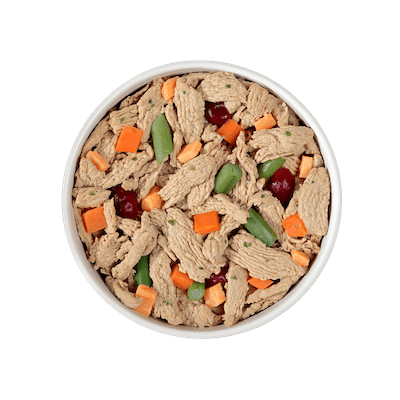
Why we recommended it:Freshpet Vital Shredded Chicken Recipe with Sweet Potatoes features shredded chicken, egg, sweet potatoes, carrots, oats, cranberries, green beans, spinach, pumpkin, fish oil, vitamins, and minerals in a refrigerated format. The ingredient mix gives the meal a practical digestive angle: chicken and egg contribute animal-based amino acids, while sweet potatoes and pumpkin supply prebiotic-style fiber that helps nourish beneficial gut bacteria and support stool consistency. Carrots, spinach, and cranberries add plant nutrients and antioxidants, which can be helpful during periods when a dog’s appetite or routine feeding pattern is less steady. The recipe is developed by veterinary nutritionists and formulated to meet AAFCO Dog Food Nutrient Profiles for all life stages, so it offers broader nutritional coverage than a basic homemade bland meal. It also avoids artificial preservatives, colors, flavors, and additives, which can matter for dogs that do better with a simpler refrigerated recipe.
What sets it apart from competitors: This recipe earned the Clean Label Project Purity Award after independent testing determined it met that program’s highest purity standard. It also comes from landfill-free kitchens and is marked plastic neutral, giving it a verified production-and-packaging angle that many refrigerated dog foods do not clearly document at the recipe level.
Best Bland Diet for Dogs With Diarrhea
4.6
★★★★★
Whole Life
Who It’s For: Dogs dealing with loose stool who need simple, easy-to-digest food that helps calm digestion, support hydration, and ease them back toward normal meals safely at home.
Why we recommended it: The Whole Life Dog Bland Diet for Dogs keeps the formula intentionally basic with chicken and rice, which is exactly the kind of simple protein-and-carbohydrate pairing often used when the digestive tract needs a short break. Chicken provides familiar animal protein, while rice offers a low-residue carbohydrate source that is generally easier to tolerate when stool is loose, or the gut is irritated. It can sit in the pantry until needed, then be rehydrated with boiling water into a warm, softer texture that is gentler for dogs with low appetite or nausea. The rehydration step also adds fluid to the meal, which is practical when diarrhea or vomiting raises concern about hydration. This kind of pared-down meal reduces ingredient complexity, limiting the number of dietary variables during a flare-up. The feeding directions recommend preparing the daily portion, dividing it into three smaller meals, and adjusting water for consistency, which can be easier on the stomach than one large serving during short-term recovery.
What sets it apart from competitors: Whole Life makes this meal in its own human-grade facility, which is FDA-registered and third-party-certified BRC AA-rated. That gives it a stronger documented safety-and-processing profile than many basic bland-diet mixes that only emphasize convenience or ingredient simplicity.
Best Wet Bland Diet for Dogs
4.5
★★★★★
Dave’s
Who It’s For: Dog owners who prefer a soft, moisture-rich bland diet that is easy to serve, gentle on the stomach, and appealing to picky eaters or dogs with reduced appetite and nausea.
Why we recommended it:Dave’s Bland Diet Dog Food uses a straightforward chicken-and-rice format in a canned pâté, which gives sensitive dogs a softer meal with fewer moving parts than many highly varied wet recipes. Chicken supplies animal protein for tissue repair and maintenance, while white rice and rice flour provide a gentle starch base that can be useful when the gut is irritated and stool quality is inconsistent. The formula is wheat-free, wheat-gluten-free, and carrageenan-free, narrowing common irritant variables without turning the meal into an overly stripped-down topper. Added vitamins, minerals, choline, and potassium chloride give it more nutritional coverage than plain boiled chicken and rice made at home. The higher-moisture canned format also helps deliver fluid alongside calories, which is useful when a dog’s intake is reduced during stomach upset.
What sets it apart from competitors: It is a ready-to-serve canned restricted diet that does not require cooking, thawing, rehydrating, or refrigeration before opening. It also comes in multiple can sizes and has related dry, lamb, and semi-moist treat versions, giving the line more feeding-format flexibility than many single-format bland diets.
Best Dry Bland Diet for Dogs
4.7
★★★★★
Open Farm
Who It’s For: Dogs that do better with kibble-style meals but still need a mild, digestible formula that supports sensitive stomachs, easy feeding, and everyday convenience at home or on busy days.
Why we recommended it:Open Farm Digestive Health Dog Food is built around a dry digestive-health format rather than a temporary boiled-meal approach, which makes it useful for dogs that need steadier day-to-day feeding support. Wild Alaskan pollock provides a fish-based animal protein with naturally occurring omega fatty acids, while oatmeal, barley, pumpkin, coconut meal, and flaxseed bring varied fiber sources that can influence stool bulk, motility, and fermentation patterns in the colon. The recipe also includes chicory root, fructooligosaccharides, yeast culture, and Bacillus coagulans, giving it a gut-focused profile that addresses both microbial nourishment and live probiotic support. It is veterinarian-formulated and designed as a complete-and-balanced meal. It also avoids corn, wheat, soy, artificial flavors, preservatives, additives, rendered poultry, and meat meals, which helps keep the formula focused for dogs whose stomachs react poorly to overly complex kibble blends.
What sets it apart from competitors: Open Farm’s traceability system lets each bag be checked by lot code to view ingredient origins, safety test results, third-party certification details, and carbon-emissions information. The brand also publishes a screening-level life-cycle assessment for this recipe, listing its carbon footprint at 1.33 kg CO2e per lb, which gives it a transparency layer most dry digestive formulas do not document at the recipe level.
Who It’s For: Dogs with pancreatitis concerns that need a very gentle, low-fat bland diet to help reduce digestive strain while following a vet-guided feeding plan during flare-ups or recovery.
Why we recommended it:Under the Weather Bland Diet for Dogs uses a very simple freeze-dried chicken-and-rice format with white rice, freeze-dried chicken breast, glycine, sodium chloride, and potassium chloride. For pancreatitis-prone dogs, the value is not that it treats pancreatitis, but that it avoids the rich ingredients, oils, gravies, and fatty extras that can make recovery feeding harder to manage. The recipe rehydrates with boiling water, turning a dry pantry item into a soft meal that may be easier to tolerate when appetite is low, or the digestive tract needs a quieter feeding routine. Sodium and potassium are included as electrolytes, which is practical during stomach upset when fluid balance can become a concern. The low-fat profile gives it a more appropriate short-term bland-diet role than many meat-heavy recovery foods, while the limited ingredient list makes it easier to keep feeding variables controlled.
What sets it apart from competitors: The ready-to-rehydrate pouch format offers a chicken-and-rice-style bland meal without cooking, chilling, shredding, or portioning meat at home. It also has a 3-year shelf life, giving it a stronger emergency-pantry role than fresh, frozen, or refrigerated bland diets that require more planning.
Best Bland Diet for Puppies
4.6
★★★★★
JustFoodForDogs
Who It’s For: Puppy owners who need a gentle, age-appropriate bland diet that supports young digestive systems without skipping the nourishment growing dogs still require during short stomach upsets.
Why we recommended it:JustFoodForDogs Pantry Fresh Wet Dog Food offers a controlled, low-residue recipe built around ground turkey, rice ingredients, targeted oils, and a recipe-specific nutrient blend. For a puppy dealing with a temporary digestive wobble, that kind of simplified meal structure can reduce unnecessary dietary complexity while still providing more nutritional coverage than plain homemade turkey and rice. The rice base is useful from a gut-management standpoint because bland starches are typically less demanding during periods of intestinal irritation. Coconut oil contributes medium-chain triglycerides, which are absorbed differently from longer-chain fats and may be easier for some sensitive digestive systems to handle. Fish oil and flaxseed oil add essential fatty acids, including DHA-supportive sources that matter during growth, although the recipe itself is still labeled for maintenance rather than growth.
What sets it apart from competitors: The shelf-stable Pantry Fresh format gives it a structural advantage over frozen fresh meals and homemade bland diets: it can be stored unopened in a pantry and served without cooking, thawing, or rehydrating. The Tetra Pak packaging system also creates a different use case than traditional cans, making it easier to keep a ready-to-feed bland meal on hand for sudden stomach issues.
Best Bland Diet for Senior Dogs
4.5
★★★★★
Purina Pro Plan
Who It’s For: Senior dogs that need a softer, gentler diet to support aging digestion, easier chewing, steady nourishment, and comfort during short-term stomach upset or lower appetite days.
Why we recommended it:Purina Pro Plan AdvantEDGE Senior Support Plus features real chicken as the first ingredient and uses a shredded chicken-and-rice dry format designed specifically for adult dogs 7 and older. Its digestive angle comes from a highly digestible formula with live probiotics, which can help maintain gut microbial balance and nutrient use in older dogs whose digestion may become less efficient with age. The recipe also includes vegetable oil as a source of medium-chain triglycerides, a fat type often used in senior nutrition because it can provide a readily available energy source for aging dogs. Fish oil, glucosamine, and targeted fatty acids give the formula a joint-and-mobility focus, while Bright Mind technology is positioned for alertness and mental sharpness in senior dogs. Antioxidant nutrients, including vitamins C and E, add immune-supportive value during a life stage when resilience can gradually decline.
What sets it apart from competitors: This formula bundles several age-related support areas into one dry-food platform rather than treating senior nutrition as only a lower-calorie or joint-care category. It also comes in standard, small-breed, and large-breed senior versions, allowing the same senior-support concept to be matched more closely to body size and feeding needs.
Best Short-Term Recovery Bland Diet for Dogs
4.6
★★★★★
Under The Weather
Who It’s For: Dog owners who want a quick, shelf-stable recovery meal for temporary diarrhea, vomiting, travel stress, or appetite dips without cooking from scratch during busy days at home.
Why we recommended it:Under the Weather Easy to Digest for Sick Dogs contains white rice, freeze-dried chicken breast, glycine, sodium chloride, and potassium chloride in a just-add-water format designed for digestive upset. Its simple chicken-and-rice base gives recovering dogs a mild protein-and-starch meal without rich sauces, heavy fats, or multiple proteins that may complicate tolerance. The added sodium and potassium act as electrolytes, which is useful during short-term stomach upset when hydration and fluid balance can become more important. Because the formula is freeze-dried, it can be prepared only when needed and rehydrated into a warm, soft meal that is easier to serve during low-appetite days. The directions recommend feeding it for 2–3 days, or as long as a veterinarian recommends, then gradually transitioning back to regular food. That short-use design makes it a practical recovery bridge rather than a long-term daily diet.
What sets it apart from competitors: Under the Weather’s body-weight-based preparation guide reduces guesswork during stressful recovery feeding, with separate dry-food and water amounts for small, medium, and large dogs. The unopened 3-year shelf life also makes it useful as an emergency pantry meal, unlike fresh or refrigerated recovery foods that require more planning.
Best Prescription Bland Diet for Dogs
4.8
★★★★★
Hill’s Prescription Diet
Who It’s For: Dog owners whose vets recommend a therapeutic bland diet for ongoing digestive issues, recovery support, or more controlled ingredients and nutrition at home during treatment.
Why we recommended it:Hill’s Prescription Diet Gastrointestinal Dry Dog Food is built around a high-fiber, microbiome-focused approach rather than a simple temporary bland meal. The formula uses Hill’s ActivBiome+ Digestion technology, a proprietary blend of prebiotic fibers designed to nourish beneficial gut bacteria and encourage postbiotic production in the gastrointestinal tract. Clinically, that matters because stool quality is strongly influenced by microbial fermentation, intestinal water balance, and the ratio of soluble to insoluble fiber moving through the colon. This diet is clinically shown to help firm loose stool in as little as 24 hours and reduce the risk of recurrence, which makes it especially relevant for dogs with recurring digestive instability. Chicken, barley, rice, oats, beet pulp, citrus pulp, pumpkin, cranberry, ginger, psyllium husk, fish oil, and flaxseed create a layered digestive-care profile without relying on a one-note bland recipe.
What sets it apart from competitors: This is a veterinarian-authorized therapeutic diet, not a general over-the-counter sensitive-stomach kibble, and vet approval is required before purchase. It also adds a urinary-care dimension by promoting an environment that helps reduce the risk of struvite and calcium oxalate crystal formation, which gives it a broader clinical scope than stool-focused digestive diets alone.
Best Homemade Bland Diet for Dogs
4.7
★★★★★
The Honest Kitchen
Who It’s For: Dog owners who prefer preparing simple, vet-guided meals at home using plain, gentle ingredients for short-term digestive relief and flexible portion control during recovery.
Why we recommended it:The Honest Kitchen Dog Food takes a practical “homemade without the saucepan” approach: warm water turns the dry mix into a soft meal in about three minutes. The Whole Grain Chicken recipe uses chicken with barley, potatoes, flaxseed, oats, peas, carrots, parsley, bananas, celery, minerals, taurine, vitamins, kelp, fish oil, and choline chloride, giving it a broader nutrient profile than a plain homemade bland bowl. From a digestive standpoint, rehydration changes the eating experience: the meal becomes moist, softer, and easier to consume than dry kibble, which can help dogs that need a gentler texture or better meal acceptance. The grains and vegetables contribute digestible carbohydrates and plant fiber, while added taurine, vitamins, minerals, and fish oil help round out nutrients that are often missing from improvised bland meals. It can be served as a complete meal, a topper, or inside enrichment toys, which makes it useful when feeding needs vary by appetite, routine, or recovery stage.
What sets it apart from competitors: The Honest Kitchen emphasizes that every ingredient must meet human-food safety and quality standards, suppliers provide a signed Human Food Grade Guarantee, and the food is made in a facility held to human-food facility standards. Also, proteins are gently cooked to an internal temperature of at least 165°F before dehydration, which separates it from raw-style dehydrated meals.
Best Low-Fat Bland Diet for Dogs
4.6
★★★★★
Royal Canin
Who It’s For: Dogs that need a gentler, lower-fat option to support digestion, especially when rich foods may trigger stomach upset, loose stool, or pancreatitis concerns during recovery.
Why we recommended it:Royal Canin Gastrointestinal Low Fat is formulated for adult dogs that need nutritional management with fat restriction, rather than just a temporary bland meal. The recipe uses highly digestible proteins with balanced fibers, including prebiotics, plus EPA and DHA to help support digestive function and stool quality. The lower-fat design can reduce the digestive burden on dogs that struggle to process dietary fat, while the adapted fiber level helps maintain usable energy despite fat restriction. Brewers rice, barley, beet pulp, pea fiber, psyllium husk, fish oil, and fructooligosaccharides create a more targeted gut-support structure than plain rice-and-protein feeding. It is also formulated to meet nutrient profiles for adult maintenance, so it can be used as a complete daily diet when clinically appropriate. The dry format makes portioning predictable, which matters for dogs that need consistent fat intake and carefully managed meals over time.
What sets it apart from competitors: This formula is available through select retailers and veterinary clinics, with purchase tied to veterinary direction or prescription access. It also has a matching low-fat loaf format, giving dogs that need the same therapeutic nutrition a dry-and-wet feeding option without switching diet categories.
Best Low-Fat Alternative Bland Diet for Dogs
4.8
★★★★★
JustFoodForDogs
Who It’s For: Dog owners who want a fresher, less processed alternative to traditional bland diets while still keeping meals gentle, digestible, convenient, and easy to serve at home daily.
Why we recommended it:JustFoodForDogs Pantry Fresh Wet Dog Food uses a familiar chicken-and-rice foundation with chicken breast, chicken thighs, long-grain rice, carrots, spinach, and apples, giving sensitive dogs a gentle meal structure without relying on a heavily mixed protein base. The recipe’s lower-fat wet-food profile can be useful when rich foods tend to trigger soft stool, while the rice base offers a digestible starch source that helps keep the meal mild. Carrots, spinach, and apples add plant fiber and naturally occurring micronutrients, which can help support stool quality without turning the formula into a high-fiber therapeutic diet. From a physiological standpoint, the moisture-rich format may be easier to manage during appetite dips because it delivers hydration and calories together in a softer texture. The recipe is also nutritionally balanced as a complete meal, which makes it more complete than a temporary homemade bland bowl.
What sets it apart from competitors: The Tetra Pak shelf-stable format lets unopened meals be stored in a cupboard or pantry for up to two years, unlike frozen fresh meals that require freezer space or canned foods with a different packaging system. It also carries an all-life-stages formulation, including large-breed growth, which is uncommon among wet bland-style meals that are often limited to adult maintenance.
Best Bland Diet for Dogs With Sensitive Stomachs
4.7
★★★★★
Open Farm
Who It’s For: Lorem ipsum dolor sit amet, consectetur adipiscing elit. orem ipsum dolor sit amet, consectetur adipiscing elit.
Why we recommended it:Open Farm Tummy Rescue Freshly Crafted Dog Food offers a limited-ingredient, gently cooked fresh recipe built around turkey, pumpkin, and oats, giving sensitive dogs a softer and less complicated meal format. The turkey provides animal-based amino acids for daily tissue maintenance, while pumpkin and oats bring gentle carbohydrate and fiber sources that can help support stool consistency without turning the recipe into a heavy therapeutic GI diet. Its high-moisture, fresh-cooked texture may be easier for sensitive dogs to tolerate because calories and hydration come together in a soft meal rather than a dry, dense kibble. It can also be served as a complete meal or topper, which makes it practical for dogs that need a gradual shift toward fresh food. The fresh frozen pouch format also helps preserve the recipe until thawing, which is useful for dogs that need consistent portions during sensitive-stomach feeding.
What sets it apart from competitors: Open Farm’s ingredient-level transparency system shows sourcing origins by ingredient rather than giving only a general sourcing statement. The recipe also lists a measured carbon footprint of 1.44 kg CO2e per lb based on a screening-level life-cycle assessment, which gives it a verifiable impact metric rarely shown on fresh digestive-support foods.
Who It’s For: Dog owners who want a shelf-stable, easy-to-prepare bland diet with simple ingredients that can be rehydrated for softer texture and gentler feeding on busy days or travel.
Why we recommended it:We Feed Raw Freeze Dried Recipe offers a freeze-dried raw format made for adult dogs, with cage-free chicken and grass-fed beef recipes built around meat, organs, non-GMO fruits and vegetables, and added nutrients. The formula is designed to be complete and balanced for adult maintenance, which gives it more structure than DIY raw feeding or plain temporary bland meals. Its meat-forward composition provides concentrated amino acids and organ-derived micronutrients, while produce ingredients and salmon oil help broaden the nutrient profile beyond muscle meat alone. From a processing standpoint, freeze-drying removes moisture through sublimation, helping create a shelf-stable food while avoiding the high-heat cooking used in many kibble formulas. The nuggets can be served dry or rehydrated, which allows texture flexibility for dogs that prefer softer meals.
What sets it apart from competitors: Its raw ingredients undergo high-pressure processing before freeze-drying because freeze-drying alone does not reliably eliminate pathogens. That extra validated kill step gives this raw-style food a stronger food-safety framework than freeze-dried raw meals that rely only on dehydration and sourcing controls.
Get 25% OFF your order with the code CB25. Use Canine Bible’s link to get started.
Best Bland Diet for Dogs With Vomiting
4.8
★★★★★
KOHA
Who It’s For: Dogs with vomiting or nausea who need a gentle, low-fat meal that is soft, simple, and easier to reintroduce in small portions after stomach upset or a brief appetite dip.
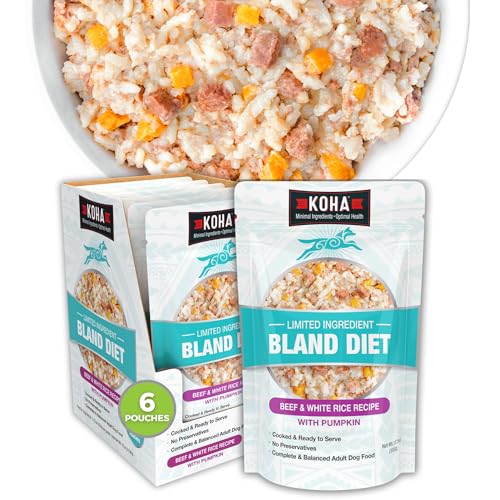
Why we recommended it:KOHA Limited Ingredient Bland Diet Dog Food uses a straightforward wet-food recipe built around chicken breast, white rice, chicken broth, and pumpkin, which gives dogs a gentle meal profile after stomach upset. The chicken provides familiar animal protein, while white rice offers a mild starch source that is commonly used during digestive recovery. Pumpkin adds a small amount of plant fiber, which can help support stool consistency without making the formula too bulky. The high-moisture texture is useful after vomiting because it delivers fluid along with calories, making meals softer and easier to tolerate than dry kibble. The formula is also free from fillers and artificial preservatives, helping keep the diet more focused during short-term stomach-sensitive feeding.
What sets it apart from competitors: KOHA can be used as a full meal or mixed half-and-half with a current food, which helps when a dog needs a gentler step back toward normal eating. The brand also recommends a 5-day-or-longer transition, giving this bland diet a more structured reintroduction plan than many quick-use recovery foods.
Other Bland Diets for Dogs
Best Budget Bland Diet for Dogs:Grandma Lucy’s Freeze-Dried Dog Food wins this category because it keeps the formula very simple with just USDA freeze-dried chicken and white rice. It is easy to prepare with boiling water, making it a practical pantry option when a dog suddenly needs a gentle meal without cooking from scratch. The recipe is positioned for stomach upset or diarrhea and is suitable for all life stages, which adds flexibility for multi-dog homes. Its two-ingredient structure, shelf-stable format, and lower price point make it a strong budget-friendly pick for short-term bland feeding.
Best Bland Diet for Dogs With Gastrointestinal Issues:Blue Buffalo Gastrointestinal Support Wet Dog Food is the winner for dogs that need a more clinical wet-food approach to digestive support. It is a veterinary-prescribed formula made with real whitefish as the first ingredient, readily digestible ingredients, prebiotic fibers, and reduced fat for dogs that may have trouble digesting richer foods. The wet texture also helps add moisture, which can be useful when dogs with GI issues are eating less or need a softer meal. Because it is a prescription diet, it fits best when a vet wants targeted gastrointestinal support rather than a basic short-term bland meal.
Best Grain-Free Bland Diet for Dogs:Nature’s Recipe Grain-Free Dog Food wins here for dogs that need a grain-free daily food with digestive-support ingredients rather than a temporary chicken-and-rice bland pouch. The salmon, sweet potato, and pumpkin recipe uses real salmon as the first ingredient and includes fiber from sweet potatoes and pumpkin to support digestive and immune health. It avoids corn, wheat, soy, poultry by-products, artificial colors, preservatives, and flavors, which helps keep the formula approachable for dogs that do better without common grain-based ingredients. This is best viewed as a gentler grain-free maintenance option, not an emergency bland diet for severe vomiting or diarrhea.
How to Transition Your Dog to a New Bland Diet
A gradual transition helps your dog’s digestive system adjust without adding more stress, especially if they already have loose stool, vomiting, or a sensitive stomach. This is a simple step-by-step plan, but dogs with active illness, pancreatitis, chronic GI disease, or prescription diet needs should follow their veterinarian’s instructions.
Transition Stage
What to Feed
What to Watch
Risks & Considerations
Days 1–2
75% old food and 25% new bland diet.
Appetite, stool firmness, gas, nausea, or refusal to eat.
Go slower if your dog has a very sensitive stomach.
Days 3–4
50% old food and 50% new bland diet.
Look for improving stool and fewer digestive symptoms.
Pause here if stool softens or appetite drops.
Days 5–6
25% old food and 75% new bland diet.
Energy level, hydration, vomiting, and stool frequency.
Do not add rich toppers, treats, or table scraps.
Day 7+
100% new bland diet if your dog is tolerating it well.
Consistent appetite, normal stool, and steady energy.
Call your vet if symptoms return or worsen.
For acute upset
Follow your vet’s timing if vomiting or diarrhea is active.
Repeated vomiting, blood, pain, weakness, or dehydration.
Some dogs need immediate vet care, not a slow transition.
For prescription diets
Use the transition schedule your veterinarian recommends.
Symptom control, medication response, and weight changes.
Do not switch off a prescribed GI diet without approval.
For picky eaters
Warm wet food slightly or add plain warm water.
Whether your dog eats enough of the new diet.
Avoid broth with onion, garlic, salt, or seasoning.
After recovery
Transition back to regular food gradually if appropriate.
Any return of diarrhea, vomiting, or poor appetite.
Long-term bland feeding should be complete and balanced.
Monitoring Your Dog’s Progress on a New Bland Diet
After switching foods, watch your dog’s appetite, stool quality, vomiting, energy level, and water intake. A bland diet is helping if stools become more formed, vomiting stops, appetite improves, and your dog seems brighter within a reasonable recovery window.
Also track weight and meal tolerance, especially in puppies, seniors, small breeds, or dogs with chronic medical issues. If your dog loses weight, refuses food, becomes lethargic, has blood in the stool, vomits repeatedly, or seems painful, contact your veterinarian instead of continuing to adjust food at home.
Dogs with pancreatitis, chronic enteropathy, kidney disease, diabetes, food allergies, or prescription diet needs should be monitored with veterinary guidance. In those cases, the goal is not just “gentle food,” but the right diet for the specific condition.
Frequently Asked Questions
The best bland diet is usually a simple, low-fat, easy-to-digest meal such as boiled skinless chicken or turkey with plain white rice, or a complete commercial gastrointestinal diet. For a short-term upset stomach, keep meals small, plain, and free from butter, oil, seasoning, garlic, or onion.
A bland diet may be used short term for puppies, but puppies are more vulnerable to dehydration, low blood sugar, and nutrient gaps. If a puppy has diarrhea, vomiting, poor appetite, or low energy, contact your vet before relying on home feeding.
Yes, a simple homemade bland diet can be made with plain boiled lean meat and white rice for short-term use. However, homemade chicken and rice is not complete and balanced, so it should not be used long term unless formulated by a veterinary nutritionist.
Choose a vet nutritionist-recommended or prescription diet if your dog has chronic diarrhea, pancreatitis, food allergies, inflammatory bowel disease, weight loss, or repeated vomiting. These diets are designed to meet medical and nutritional needs more precisely than a basic bland meal.
Most short-term bland diets are used for only a few days, then your dog is gradually transitioned back to regular food once symptoms improve. If symptoms continue, return after switching back, or require bland feeding for more than a brief recovery period, your vet should reassess the cause.
The Bottom Line
A bland diet can be a helpful short-term tool when your dog is dealing with mild vomiting, diarrhea, or digestive sensitivity, but it works best when matched to the actual problem. The right option may be a simple chicken-and-rice-style meal, a wet sensitive-stomach food, a low-fat veterinary diet, or a fiber-focused GI formula, depending on your dog’s symptoms and health history. For temporary stomach upset, bland diets may help calm digestion, improve stool quality, and make meals easier to tolerate. However, homemade bland meals are usually not complete and balanced, so they should not become a long-term feeding plan unless formulated by a veterinary nutrition professional. Dogs with pancreatitis, chronic GI issues, food allergies, repeated vomiting, bloody stool, dehydration, or weight loss should be managed with veterinary guidance rather than trial-and-error feeding. When introducing any new bland diet, transition gradually when possible and monitor appetite, stool, energy, and symptom changes closely. The best bland diet for your dog is the one that supports recovery while still meeting their nutritional needs safely.
Like It? Subscribe & Share!
Sources
Canine Bible uses only high-quality sources, including peer-reviewed studies, to support the facts within our articles. Read our editorial process and product review methodology to learn more about how we fact-check, test products, and keep our content accurate, reliable, and trustworthy.
Canine Bible authorship represents the unified voice of our entire editorial team and our in-house veterinarians rather than a single author. Each article, blog post, and review published under the Canine Bible name undergoes a rigorous review process, involving all team members to guarantee accuracy and up-to-date in accordance with the latest veterinarian research. This collaborative effort is an integral part of our editorial process and aligns with our four pillars of content creation. This approach ensures our content is backed by expert knowledge and factual information, offering our readers reliable, actionable, and trustworthy content.