Lyme disease can leave an active dog suddenly stiff, tired, and reluctant to do the things they normally love. While food cannot cure the infection, the best dog foods for Lyme disease can provide valuable nutritional support during treatment and recovery. A well-balanced diet with high-quality protein, beneficial fats, antioxidants, and easily digestible ingredients may help support immune function, maintain muscle, and keep your dog eating when their appetite is less reliable. Choosing the right food also matters because dogs dealing with Lyme disease may experience joint discomfort, low energy, or kidney complications that can change their nutritional needs. The goal is not to replace veterinary care, but to give your dog a diet that supports their body while prescribed treatment addresses the infection. In this guide, we’ll break down the best dog foods for Lyme disease, what ingredients to look for, what to avoid, and how to choose an option that fits your dog’s individual needs.
Can Diet Help Dogs with Lyme Disease?
A good diet can help dogs maintain energy, muscle mass, hydration, and body condition while they recover from Lyme disease. Dogs with a reduced appetite, nausea, or digestive upset may do better with smaller, highly palatable meals that are easy to digest, while adequate protein and calories can help prevent unwanted weight and muscle loss. Food choices should also be adjusted to the dog’s appetite, digestive tolerance, medications, and any complications identified by a veterinarian.
Latest Research on Diet & Lyme Disease in Dogs
According to the latest research, there is no proven “Lyme disease diet” that treats or clears Borrelia infection in dogs; nutrition is supportive, while appropriate veterinary treatment remains essential.
📄Research Update — Lyme Disease Nutrition
There Is No Proven “Lyme Disease Diet” for Dogs
Current veterinary guidance does not identify a specific food or dietary pattern that treats Borrelia burgdorferi infection in dogs. Diet should be viewed as supportive care, while antibiotics and other veterinarian-directed treatments address clinical Lyme disease and its complications.[1]
📊Clinical Focus — Lyme Nephritis
Kidney Involvement Can Change a Dog’s Nutritional Needs
When Lyme disease is associated with protein-losing nephropathy or Lyme nephritis, veterinary recommendations may include protein- and phosphorus-restricted diets based on kidney disease stage, along with omega-3 fatty acids and other medical therapies. A prescription renal diet may therefore be appropriate for some affected dogs, but only when kidney findings support its use.[2]
⚠️Clinical Evidence — Renal Assessment
Choose Food Based on the Dog’s Kidney Status, Not a Positive Lyme Test Alone
A study of dogs with protein-losing nephropathy found that Borrelia-seroreactive dogs were more likely to have abnormalities including azotemia and hyperphosphatemia. The study did not test diets, but it reinforces why kidney function, urine protein loss, and laboratory results should be evaluated before deciding whether a dog with Lyme disease needs specialized renal nutrition.[3]
Key Dietary Tips for Dogs with Lyme Disease
Support a dog’s nutrition during Lyme disease treatment with a complete and balanced diet, appropriate supplements when needed, limited extras, and safe food-handling practices.
Dietary Tip
What to Consider
Antioxidant-rich whole foods
Small amounts of dog-safe fruits and vegetables, such as blueberries, carrots, or leafy greens, can provide antioxidants, fiber, and beneficial plant nutrients alongside a complete diet.
Probiotics & joint supplements
Ask your veterinarian whether a canine probiotic or joint-support supplement such as glucosamine is appropriate, particularly during antibiotic treatment or when joint discomfort is present.
Complete & balanced nutrition
Use a food formulated to be complete and balanced for your dog’s life stage so essential vitamins, minerals, amino acids, and fatty acids are supplied in appropriate proportions.
Keep treats & toppers limited
Use extras such as fruits, vegetables, or other toppers sparingly so they complement the main food rather than dilute the nutritional balance of the daily diet.
Practice careful food safety
Choose properly handled, commercially prepared foods and avoid raw or unpasteurized animal products that may expose a recovering dog to unnecessary foodborne pathogens.
Remember to ALWAYS consult with your vet before making any changes that could affect your dog’s health, nutrition, or well-being. If you can’t reach your vet, you can chat live with a registered online veterinary professional via our online vet chat or video chat support(24 hours a day, 7 days a week). Or use Chewy’s online vet services(6 a.m. – midnight ET). Additionally, at-home dog gut health tests can analyze your dog’s microbiome, offering insights into which nutrients their diet should include. Similarly, at-home dog allergy testing kits can identify ingredients that may not be suitable for your dog, enabling you to choose the right diet and care plan to support optimal digestion, nutrition, and health.
Best Dog Foods For Lyme Disease
Here are the best dog foods for dogs with Lyme disease this year.
Best Overall Dog Food For Lyme Disease
4.9
★★★★★
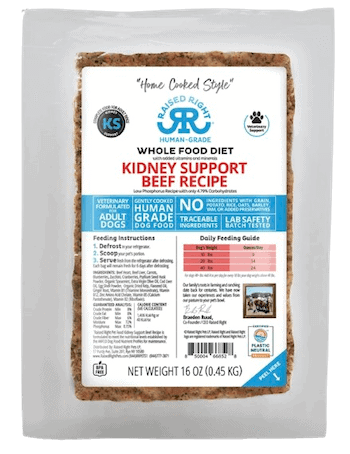
Raised Right
Who It’s For: Dog owners seeking a balanced, high-quality food to support energy, muscle, immune health, and overall recovery in dogs managing Lyme disease.
Why we recommended it:Raised Right Kidney Recipes use whole food ingredients you’d recognize from your own kitchen—like turkey thigh, carrots, and blueberries—without synthetic additives, preservatives, or ultra-processing. This makes it a great choice for dogs with sensitive systems or compromised renal health, as it’s easy to digest and less taxing on the kidneys. The brand’s veterinary-formulated kidney support recipes are designed to reduce protein and phosphorus intake while still providing essential nutrients, helping to slow the progression of kidney disease. The recipe is gently cooked and contains no high-carb fillers, legumes, grains, or synthetic additives, addressing concerns often associated with many commercial or prescription brands.
What sets it apart from competitors: Its extremely low phosphorus and moderate protein levels are tailored for kidney health, but without sacrificing ingredient quality or relying on synthetic phosphorus binders. Regular lab testing for every batch provides added peace of mind for dog owners
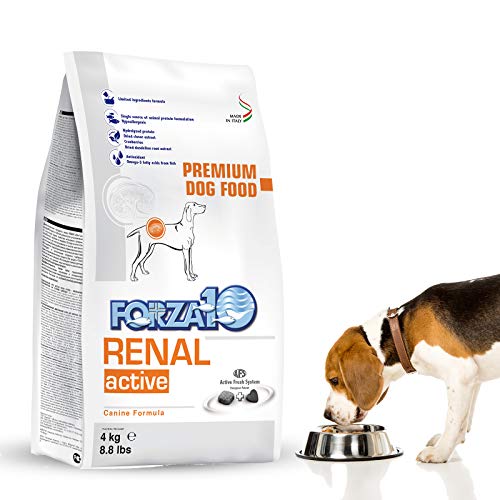
Who It’s For: Dog owners who prefer convenient kibble that delivers balanced nutrition and supports steady energy, muscle maintenance, and wellness during Lyme disease recovery.
Why we recommended it:Forza10 Kidney Care offers a well-researched formula developed by veterinarians, focusing on reducing phosphorus and protein to minimize kidney strain. The food also includes added antioxidants and omega-3 fatty acids from fish meal and anchovy oil, which help combat inflammation and support cardiovascular health—two crucial considerations for dogs with lyme disease. It’s also certified GMO-free and made in Iceland, where strict quality controls ensure ingredient safety and traceability. Many owners appreciate the product’s impact on maintaining stable creatinine levels and appetite in their dogs, though a few note that picky eaters may not take to the flavor right away.
What sets it apart from competitors: Its use of therapeutic plant extracts like dandelion and cranberry, which may support urinary tract health and detoxification. The brand’s “Active Line” philosophy integrates nutraceuticals and herbal ingredients into its kibble without relying on synthetic chemicals or artificial preservatives.
Best Wet Dog Food For Lyme Disease
4.8
★★★★★
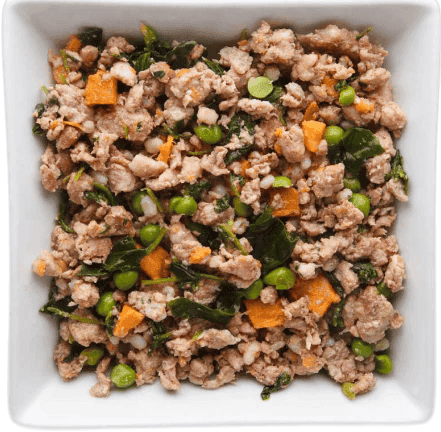
Chidog Water Diet
Who It’s For: Dogs with Lyme disease that benefit from a softer, moisture-rich meal that is easy to eat and helps support hydration, appetite, and daily nutrition.
Why we recommended it:Chidog Water Diet offers a vet-approved, nutritionally balanced, and highly hydrating solution for managing Lyme disease. Its recipe uses lean pork as the primary protein, which is easier for compromised kidneys to process compared to organ meats or fish, and includes gentle carbohydrates like pearled barley alongside green peas, watercress, and sweet potato to support overall health and digestion. The food’s high moisture content plays a critical role in protecting kidney function—proper hydration is essential for flushing toxins, and Chidog addresses this by crafting a stew-like formula that many dogs find enjoyable, particularly those reluctant to drink water directly.
What sets it apart from competitors: A holistic approach, blending principles of Traditional Chinese Veterinary Medicine (TCVM) with modern nutritional science. The recipes are made from human-grade, non-GMO ingredients and gently cooked to retain nutrients and digestibility. Chidog’s fresh formula is naturally low in sodium and phosphorus, contains no artificial additives, and avoids ingredients that commonly cause sensitivity, like poultry and fish.
Best Prescription Dog Food For Lyme Disease
4.6
★★★★★
Hill’s Prescription Diet k/d
Who It’s For: Dogs with Lyme disease that need veterinarian-directed nutrition for added support when complications or other health concerns affect their dietary needs.
Why we recommended it:Hill’s Prescription Diet k/d has a clinically proven track record of not only protecting vital kidney function but also supporting longevity and quality of life in dogs with Lyme disease. Its nutrient profile—lowered phosphorus and sodium, moderate protein from high-quality sources, L-carnitine for energy, and omega-3 fatty acids for anti-inflammatory support—directly addresses the unique metabolic challenges of Lyme disease. Enhanced Appetite Trigger (E.A.T.) technology is included in some recipes to boost nutrient intake, which is a central concern for dogs with poor appetite.
What sets it apart from competitors: The food contains the proprietary S+OXSHIELD blend to reduce the risk of urinary stone formation—a concern for many kidney patients. It also features a prebiotic blend (ActivBiome+ Kidney Defense) to nourish the gut microbiome and further limit toxic waste buildup, a relatively unique feature in the category. Its use of carefully selected protein sources (including egg and chicken), as well as an array of vitamins, antioxidants, and amino acids, supports both renal and overall immune health.
Best Dehydrated Dog Food For Lyme Disease
4.5
★★★★★
Dr. Harvey’s
Who It’s For: Dog owners seeking minimally processed, shelf-stable food with quality ingredients to support nutrition and mealtime appeal in dogs with Lyme disease.
Why we recommended it:Dr. Harvey’s Canine Health Miracle Dog Food offers a flexible, moisture-rich solution for managing kidney function, hydration, and overall vitality. The base mix is made with whole grains, vegetables, herbs, and vitamins—free from artificial additives, GMOs, and preservatives—which collectively provide foundational nutrition to support renal health. It’s low in phosphorus and protein content in the base (without meat), letting you adjust meat type and portion as your veterinarian recommends. For dogs prone to dehydration—a common hazard of Lyme disease—the rehydration step ensures each meal is moisture-rich, reducing kidney strain and supporting optimal toxin elimination.
What sets it apart from competitors: The recipe’s reliance on real, minimally processed food also improves nutrient bioavailability compared to standard kibble, and the fresh preparation is widely credited by owners for renewed appetite—even in dogs who had rejected other renal foods.
Best Budget-Friendly Dog Food For Lyme Disease
4.7
★★★★★
VFS Low Phosphorus Formula
Who It’s For: Dog owners who want affordable, balanced nutrition that supports energy, muscle, and overall wellness in dogs recovering from or managing Lyme disease.
Why we recommended it:VFS Low Phosphorus Formula delivers targeted renal support at a budget-friendly price point while still being formulated by veterinary nutritionists. VFS Low Phosphorus Formula is notable for its very low phosphorus content (max 0.12%), low protein, and reduced sodium, each crucial for slowing the progression of Lyme disease and minimizing strain on compromised kidneys. It is fortified with antioxidants like vitamins C and E, enhanced omega-3 fatty acids (DHA & EPA), and B-vitamins that collectively support health and reduce oxidative stress.
What sets it apart from competitors: Unlike most renal diets that are stocked only in vet clinics, this option can be purchased at pet specialty retailers, making it more accessible for owners. The food’s inclusion of premium US-sourced meats and eggs, absence of artificial ingredients, and strong palatability also distinguish it within the renal support market.
Best Wet Prescription Dog Food For Lyme Disease
4.8
★★★★★
JustFoodForDogs Pantry Fresh Renal Support
Who It’s For: Dogs with Lyme disease that need vet-prescribed nutrition in a soft, moisture-rich format that is easier to eat and supports specialized dietary needs.
Why we recommended it:JustFoodForDogs Pantry Fresh Renal Support Low Protein balances restricted but high-quality protein (mainly lamb), restricted phosphorus and sodium, and enriched omega-3 fatty acids, all critical for managing Lyme disease. The incorporation of ingredients like cauliflower, blueberries, spinach, and carrots enhances antioxidant support and provides vitamins beneficial to kidney and liver health. Its low phosphorus content (around 0.1%) and controlled electrolyte levels help reduce kidney workload and progression of damage. Importantly, the product is gently cooked and human-grade, ensuring nutrient retention and palatability, which is vital for dogs that often lose appetite due to kidney troubles.
What sets it apart from competitors: The innovative Tetra Pak packaging offers a two-year shelf life unopened, a rare advantage among renal supports that usually require refrigeration—this makes it exceptionally practical for storage and transport.
Best Canned Dog Food For Lyme Disease
4.6
★★★★★
Purina Pro Plan
Who It’s For: Dogs with Lyme disease that prefer soft, flavorful meals with added moisture to support appetite, hydration, and balanced daily nutrition during recovery.
Why we recommended it:Purina Pro Plan Veterinary Diets NF Kidney Function Canine Formula combines clinical specificity with widely accessible, palatable nutrition. Formulated through collaboration between Purina nutritionists, researchers, and veterinarians, the NF Kidney Function formula focuses on reducing the burden on the kidneys by providing restricted, high-quality protein, limited phosphorus, and lower sodium—critical dietary factors for prolonging quality of life and supporting kidney filtration. It’s also fortified with antioxidants to help control cell damage associated with both kidney and systemic inflammation.
What sets it apart from competitors: It is one of the most extensively available veterinary renal foods, supported by evidence through feeding trials that confirm its completeness for adult maintenance per AAFCO protocols. The formula’s ingredient list is transparent and designed to avoid unnecessary fillers, prioritizing digestibility and real nutritional value.
Best Dog Food For Lyme Disease & Sensitive Stomach
4.8
★★★★★
Dimond Care
Who It’s For: Dogs with Lyme disease and sensitive stomachs that need gentle, highly digestible nutrition to support recovery without adding unnecessary digestive stress.
Why we recommended it:Diamond Care RX Renal Formula Adult Dry Dog Food delivers clinically relevant renal support—specifically limited phosphorus and sodium—while using easy-to-digest protein sources like egg and potato protein for maximum absorption and minimal digestive distress. The inclusion of probiotics (multiple strains) and both soluble and insoluble fibers, such as chicory root and psyllium seed husk, helps soothe the digestive system and maintain optimal gut health. Many owners report that their dogs with both kidney and digestive issues fare well on this diet, noting improvements in stool quality, appetite, and sustained energy.
What sets it apart from competitors: Narrow ingredient profile and a careful balance of carbohydrates to avoid GI upset while providing complete nutrition. The food goes further than most standard renal diets with its antioxidant blend (vitamin E, zinc, selenium), live probiotics, and high palatability, even for dogs with chronic medical issues.
Best Dog Food Supplement For Lyme Disease
4.6
★★★★★
Dr. Harvey’s Kidney Health
Who It’s For: Dog owners seeking targeted nutritional support to complement a balanced diet and help maintain joints, immune health, and overall wellness during Lyme disease recovery.
Why we recommended it:Dr. Harvey’s Kidney Health Supplement for Dogs combines traditional Chinese herbs and medicinal mushrooms—like Rehmannia, Cordyceps, Reishi, Shiitake, and Poria—with supportive botanicals (Astragalus, Codonopsis, Milk Thistle, Burdock) and immune-boosting ingredients (bee pollen, brewer’s yeast). These all-natural components work in synergy to reduce inflammation, support urinary function, and strengthen kidney health—all without synthetic additives.
What sets it apart from competitors: The NASC Quality Seal and small-batch manufacturing reflect high product safety and ingredient integrity, providing additional confidence for dog owners seeking premium quality
How to Transition Your Dog to a New Diet for Lyme Disease
Switching foods gradually can help reduce digestive upset, especially when a dog is already coping with illness or medication. Unless your veterinarian recommends a different approach, use the schedule below to slowly replace the old food with the new diet over about a week.
Transition Stage
Old Food
New Food
What to Do
Days 1–2
75%
25%
Mix a small amount of the new food into the usual diet.
Days 3–4
50%
50%
Increase the new food while keeping meals consistent.
Days 5–6
25%
75%
Make the new diet the majority of each meal.
Day 7+
0%
100%
Feed the new diet fully if the transition has gone smoothly.
If extra time is needed
Adjust as needed
Increase slowly
Extend each stage for a few days rather than rushing the change.
Monitoring Your Dog’s Progress on a New Diet for Lyme Disease
After the switch, watch your dog’s appetite, stool quality, vomiting, energy level, and body weight. Consistent eating, normal stools, stable weight, and gradually improving energy can indicate that the new diet is being tolerated well, while persistent diarrhea, vomiting, poor appetite, or unintended weight loss deserves attention.
Also keep track of whether Lyme-related signs appear to improve, stay the same, or worsen rather than assuming every change is diet-related. Dogs with Lyme nephritis, kidney abnormalities, ongoing medication needs, or other medical concerns should be monitored with veterinary guidance, including follow-up testing when recommended.
The Bottom Line
The best dog foods for Lyme disease should support overall nutrition while your dog receives appropriate veterinary treatment. A complete and balanced diet can help maintain energy, muscle, body condition, and appetite throughout recovery. Some dogs may benefit from highly palatable or easier-to-digest foods, depending on how they feel during treatment. If kidney involvement such as Lyme nephritis develops, a veterinarian may recommend a more specialized renal diet. Gradual food transitions can help reduce digestive upset and make it easier to assess how well a new diet is tolerated. Monitoring appetite, stool quality, weight, energy, and changes in symptoms can help you spot problems early. Ultimately, the right food should match your dog’s individual health needs and complement—not replace—their veterinary care.
Like It? Subscribe & Share!
Sources
Canine Bible uses only high-quality sources, including peer-reviewed studies, to support the facts within our articles. Read our editorial process and product review methodology to learn more about how we fact-check, test products, and keep our content accurate, reliable, and trustworthy.
Canine Bible authorship represents the unified voice of our entire editorial team and our in-house veterinarians rather than a single author. Each article, blog post, and review published under the Canine Bible name undergoes a rigorous review process, involving all team members to guarantee accuracy and up-to-date in accordance with the latest veterinarian research. This collaborative effort is an integral part of our editorial process and aligns with our four pillars of content creation. This approach ensures our content is backed by expert knowledge and factual information, offering our readers reliable, actionable, and trustworthy content.