Glen of Imaal Terrier Dog Breed Information: Traits, Facts, Care & More

Canine Bible is reader-supported. We receive affiliate commissions via some of our links. Learn more.
Glen of Imaal Terrier Distribution Map
Click a country to see estimated Glen of Imaal Terrier population numbers.
Estimated Glen of Imaal Terrier Population by Country (Top 10)
Population numbers are directional estimates, not official registry counts.
Glen of Imaal Terrier
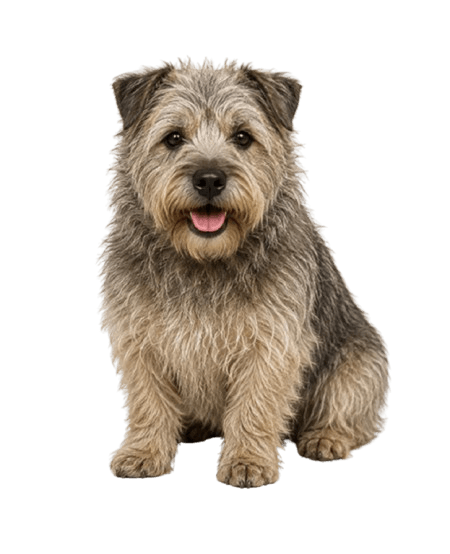
Glen of Imaal Terriers are sturdy, intelligent, and affectionate small dogs known for their rugged build and calm confidence. Originally bred in Ireland to hunt vermin and work on farms, today’s Glen of Imaal Terriers thrive as loyal family companions and versatile working dogs. Despite their compact size, they possess remarkable strength, determination, and an independent nature that keeps them engaged. Glen of Imaal Terriers form deep bonds with their families and enjoy interactive play and companionship. They adapt well to many living situations but need regular exercise, mental stimulation, and routine grooming to maintain their harsh, weather-resistant coats.
- Breed popularity ranking: 180 of 202
- Club: Glen of Imaal Terrier Club of America
- Population: 5,000+ (estimated in the U.S.)
- Hypoallergenic: No
- Temperament: Gentle, loyal, courageous, spirited
- Price: $2,000–$3,500
- Best for: Owners seeking a small, lively companion with a big personality and a love for attention.

Weight
32–40 lbs

Height
12.5–14 inches

Lifespan
10–14 years
Breed Group
Terrier Group


Glen of Imaal Terrier Growth Chart
Scientific Classification
History and Origin
The Glen of Imaal Terrier traces its origins to the remote Glen of Imaal valley in County Wicklow, Ireland, where it was developed as a hardy farm dog and skilled vermin hunter. Its ancestors were sturdy working terriers brought to Ireland centuries ago, and the breed was refined through practical selection for strength, endurance, and versatility rather than appearance. The Glen’s development centered on rural farms, where a compact yet powerful dog was highly valued.
By the 17th and 18th centuries, Glen of Imaal Terriers had become established as dependable working dogs throughout the region, excelling at hunting badgers, foxes, and rodents while also serving as loyal family companions. Unlike many terrier breeds, they were bred for quiet determination instead of constant barking, allowing them to work efficiently in the field. Their isolated homeland helped preserve the breed’s unique characteristics for generations.
Historically, the breed’s story reflects a steady evolution: from rugged Irish farm worker to a cherished companion and respected show dog. The Glen of Imaal Terrier gained official recognition by the Irish Kennel Club in 1934, with later recognition from major international kennel clubs, including the American Kennel Club in 2004. Today’s Glen remains a symbol of Irish heritage, working ability, resilience, and devoted companionship.
Appearance
The Glen of Imaal Terrier possesses a rugged strength and quiet confidence that gives them a sturdy, workmanlike appearance despite their modest size. With their harsh weather-resistant coat, muscular low-slung body, broad head, and slightly bowed front legs, Glen of Imaal Terriers are distinctive working dogs known for their expressive eyes, balanced proportions, and calm yet determined demeanor.
Glen of Imaal Terrier Breed Appearance
Hover or tap each numbered marker to explore key breed features.

1. Body Build
Glen of Imaal Terriers have a sturdy, low-slung, and well-balanced body with a longer-than-tall frame. Their compact yet muscular build reflects their heritage as hardworking farm dogs, giving them exceptional strength, endurance, and stability despite their modest size.
2. Coat Type
The Glen of Imaal Terrier has a medium-length double coat consisting of a soft, insulating undercoat and a harsh, weather-resistant outer coat. This protective combination helped shield the breed while working in Ireland’s rugged countryside. The coat lies close to the body and requires only moderate grooming.
3. Coat Colors
Glen of Imaal Terriers are recognized primarily in blue and brindle or wheaten shades. Brindle markings may range from light to dark, while blue coats often display silver-gray tones. Small white markings on the chest or feet may occur, but the breed’s rugged, natural coloring remains its defining feature.


4. Facial Markings
Facial markings are generally subtle and blend naturally with the coat color. Glen of Imaal Terriers have a broad head with bushy eyebrows, a well-developed beard, and a strong muzzle that create an alert yet gentle expression. Dark shading around the muzzle is common in blue-coated dogs.
5. Chest Markings
The chest is broad, deep, and muscular, emphasizing the breed’s strength and working heritage. Coat color on the chest usually matches the rest of the body, although small white patches may occasionally appear. The well-developed forequarters contribute to the Glen’s powerful appearance.
6. Tail
The Glen of Imaal Terrier’s tail is medium in length, thick at the base, and carried level or slightly raised when the dog is alert. It complements the breed’s balanced outline and sturdy build without curling over the back or appearing overly long.
7. Ears
Glen of Imaal Terrier ears are small to medium-sized and fold forward or slightly to the side when relaxed. When alert, they lift subtly, enhancing the breed’s attentive and intelligent expression while maintaining its characteristic terrier look.
8. Eyes
Their eyes are medium-sized, round, and dark brown, conveying a calm, intelligent, and confident expression. Well-set beneath pronounced brows, the eyes should appear bright and alert while reflecting the breed’s steady temperament.
9. Nose
The nose is always black, broad, and well-developed, complementing the Glen’s strong muzzle. Wide nostrils support the breed’s historical role as a scenting and working terrier while contributing to its balanced facial proportions.
10. Feet
Glen of Imaal Terrier feet are compact, strong, and well-padded. The front feet turn out slightly, a unique characteristic of the breed, providing stability and traction on rough terrain while supporting its powerful, low-set body.
11. Overall Expression
Glen of Imaal Terriers have a calm, determined, and confident expression. Their combination of expressive dark eyes, bushy brows, sturdy posture, and rugged coat gives them a distinctive appearance that reflects both their gentle nature and hardworking Irish heritage.
Sexual Dimorphism
Male and female Glen of Imaal Terriers are very similar in appearance, with only subtle differences in size, musculature, and overall build. Both sexes share the breed’s characteristic sturdy, low-slung body, harsh double coat, and calm, confident expression.
- Usually slightly larger and heavier-boned, with a broader head and more pronounced musculature.
- Often develops a fuller neck and more substantial overall frame as it reaches maturity.
- No consistent breed-standard differences in coat type, color, or markings compared with females.
- Often slightly lighter in build with a somewhat more refined head, though still muscular and sturdy.
- May mature a little earlier than males while maintaining the breed’s characteristic strength and low-set frame.
- No significant breed-standard differences in coat type, color, markings, or body proportions compared with males.
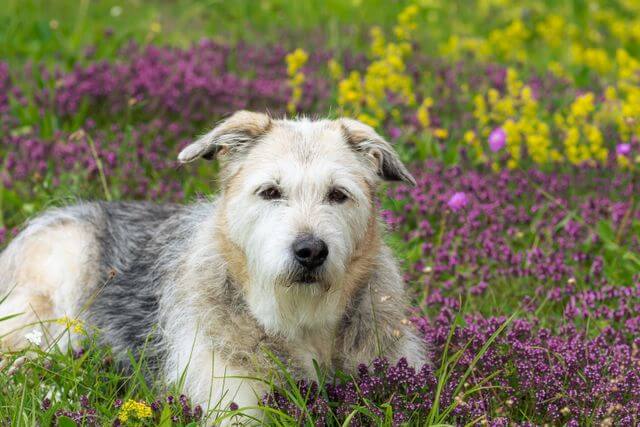
Photo Gallery
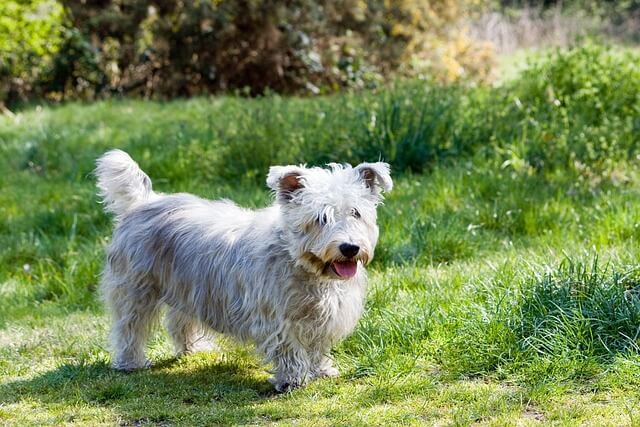
Glen of Imaal Terrier Traits & Characteristics
Glen of Imaal Terriers are calm, courageous, and full of determination. Despite their compact size, they are strong, independent, and often work with quiet confidence rather than constant energy. They tend to be loyal family companions, less vocal than most terriers, and deeply devoted to their families. Glens are gentle, intelligent, affectionate, and adaptable, but they can also be stubborn, self-reliant, and strong-willed without consistent training. Their steady temperament makes them dependable companions, but they do best with early socialization, positive reinforcement, and regular mental stimulation.
Core Traits
The further out a point is along a spoke, the stronger that trait is in the breed (on a scale of 1 to 10).
Remember: Dogs are individuals and not all dogs, even those of the same breed, will exhibit all the same qualities.
| Trait | Score | Description |
|---|---|---|
| Temperament | 8 | Calm, courageous, and affectionate, Glen of Imaal Terriers are steady companions with a quiet confidence. |
| Sociability & Friendliness | 8 | Friendly and devoted to family but may be reserved with strangers and selective around unfamiliar dogs. |
| Intelligence | 8 | Highly intelligent problem-solvers that learn quickly, especially with engaging, reward-based training. |
| Trainability | 7 | Trainable with consistency and patience, though their independent terrier nature can make them stubborn. |
| Energy Level | 6 | Moderately active and content with daily walks and playtime rather than constant high-intensity exercise. |
| Shedding Level | 5 | Low to moderate shedding thanks to a harsh double coat that benefits from regular brushing. |
| Protective Instinct | 7 | Naturally alert and courageous, they will watch over their family without being overly aggressive. |
| Loyalty | 9 | Deeply devoted to their family and known for forming strong, lasting bonds with their owners. |
| Barking Level | 4 | Quieter than most terriers, they typically bark only when there is a good reason. |
| Adaptability | 8 | Adapts well to homes of various sizes when given regular exercise, companionship, and mental stimulation. |
Complete Traits Overview
Exercise & Activity Breakdown
Glen of Imaal Terriers are sturdy, moderate-energy dogs with a calm yet determined nature. While they don't require the nonstop activity of many terrier breeds, they do benefit from regular daily exercise and mental enrichment to stay fit, confident, and prevent boredom-related behaviors.
- Puppy (0–12 months): At this stage, Glen of Imaal Terrier puppies are curious and eager to learn. Short play sessions, early socialization, and positive training build confidence and good manners. Activities like interactive games, gentle games, and basic obedience help develop focus and coordination.
- Adult (1–6 years): Adult Glen of Imaal Terriers thrive on daily walks, interactive games, scent work, and mentally engaging activities. Puzzle toys, obedience training, and moderate canine sports such as rally or earthdog provide healthy physical exercise while satisfying their working instincts.
- Senior (7+ years): As they age, Glen of Imaal Terriers may slow down but still benefit from daily walks and low-impact play to maintain muscle tone and joint health. Gentle enrichment games and a consistent routine help support their physical fitness and emotional well-being. Support their overall health and emotional stability.
Glen of Imaal Terrier Daily Activity Breakdown
Nutrition
Glen of Imaal Terriers need a high-quality diet that matches their life stage (e.g., puppy, adult, senior). As a sturdy, moderate-energy breed with a muscular build, it's important to feed them food specifically formulated for small or medium breed dogs to support lean muscle, joint health, and overall well-being.
These diets should include a balanced blend of high-quality protein, healthy fats, and essential nutrients to support skin and coat health, digestion, and immune function. Because Glen of Imaal Terriers can be prone to weight gain if overfed, portion control and nutrient-dense, protein-rich formulas are essential. As they age, a diet rich in omega-3s, antioxidants, and joint-supporting nutrients like glucosamine can help maintain mobility and long-term health. Read our "Best Glen of Imaal Terriers Dog Food Guide" to explore targeted nutrition tips and top food recommendations.
Nutritional Breakdown by Activity Level for Glen of Imaal Terrier
Common Health Issues
Glen of Imaal Terriers are generally hardy, long-lived dogs, but like many purebred breeds, they can be prone to certain inherited health conditions. Common concerns may include hip dysplasia, progressive retinal atrophy, elbow dysplasia, allergies, obesity, and occasional thyroid disorders. Understanding these risks can help owners recognize early warning signs, schedule routine veterinary checkups, and make proactive choices regarding diet, exercise, weight management, and preventive care.
*IC: Interdigital Cysts
*Obes. : Obesity
Recommended Health Tests for Glen of Imaal Terrier
Routine veterinary exams and breed-appropriate screenings are important for early detection and prevention.
Proactive health management, proper nutrition, and routine veterinary care can help ensure your Glen of Imaal Terrier enjoys a long, active, and healthy life as your devoted companion.
💡 Due to this breed's predisposition to orthopedic and inherited health conditions, we recommend considering pet insurance and a preventive wellness plan to help manage unexpected veterinary expenses and routine healthcare costs. Check out our best pet insurance and best pet wellness guides to find a suitable plan for your pet.
Care Requirements
| Grooming Task | Recommended Frequency | Importance | Tools Needed | Recommended Product |
|---|---|---|---|---|
| Brushing | 1–2 times per week | Prevents mats and tangles in the undercoat, removes debris from the soft furnishings, and maintains coat health | Slicker brush, de-shedding tool, grooming mitt | Hertzko Self Cleaning Slicker Dog Brush (View on Amazon) |
| Bathing | Every 8–12 weeks (or as needed) | Preserves natural weather-resistant coat oils, cleans dirty furnishings, and keeps the wire coat crisp | dog-safe shampoo, conditioner, towel, hair dryer (optional) | OUAI Fur Bébé Pet Shampoo (View on Amazon) |
| Nail Trimming | Every 3–4 weeks | Prevents overgrowth, pain, and abnormal toe splay on heavy front paws turned slightly outward | dog nail clippers, nail grinder, styptic powder | Coastal Pet Safari Nail Clipper (View on Amazon) |
| Ear Cleaning | Every 1–2 weeks | Prevents ear infections by removing trapped moisture and debris beneath rose or semi-prick folded ears | Ear cleaning solution, cotton balls or pads (no Q-tips) | Zymox Ear Cleanser (View on Amazon) |
| Oral Care (Brushing Teeth) | 2–3 times per week (preferably daily) | Reduces plaque and tartar buildup, prevents periodontal disease, and maintains healthy gums and breath | Dog toothbrush, enzymatic toothpaste, dental chews | Greenies Dental Care Chews (View on Amazon) |
Glen of Imaal Terrier Dog Trainability
Glen of Imaal Terriers are intelligent, confident, and determined companion dogs. While they’re capable learners, their independent nature and occasional stubborn streaks can make training both rewarding and a bit challenging. Consistent, structured training that uses clear, positive reinforcement techniques is essential. They respond well to praise, treats, and playful engagement—especially when training is kept short, upbeat, and interesting to match their attention span.
When compared to other breeds, Glen of Imaal Terriers benefit from patient guidance, early socialization, and firm yet positive training. Their intelligence and independent nature flourish in environments where learning feels rewarding. With patience, repetition, and clear boundaries, they grow into confident, well-mannered companions.
Dog Breed Trainability Comparison
Intelligence
According to canine psychologist Stanley Coren (author of The Intelligence of Dogs - View on Amazon), dog intelligence can be broken down into three types:
- Instinctive Intelligence – What a dog is bred to do (herding, guarding, retrieving).
- Adaptive Intelligence – A dog’s ability to solve problems and learn from the environment.
- Working & Obedience Intelligence – How quickly a dog learns commands and obeys them.
IQ Comparison
Glen of Imaal Terriers are known for their clever intelligence and independent nature, especially in environments that encourage interaction, problem-solving, and purposeful learning. Though compact in size, they can perform well in obedience-based IQ studies for their ability to learn new commands and retain them with practice. Their practical minds and determination make them capable at trick training, earthdog activities, and performing routines, often thriving in roles where they can work independently and earn praise.
Glen of Imaal Terriers shine when training is made rewarding and engaging. While their strong-willed nature may challenge novice owners, they’re capable learners who excel with patient guidance and consistent routines. Their keen awareness and confidence allow them to punch above their size in intelligence and problem-solving.
Dog Breed Intelligence Comparison
Breeding
Glen of Imaal Terriers are cherished for their loyalty, intelligence, and gentle nature. Like many purebred dogs, however, they can be prone to inherited health conditions such as hip dysplasia, elbow dysplasia, progressive retinal atrophy, and growth-related leg issues. This makes responsible breeding essential. Ethical breeders should conduct health screenings and genetic testing to help reduce the risk of passing on serious conditions. Proper spacing between litters is important to protect the health of both the dam and puppies, and only physically healthy, mentally stable Glen of Imaal Terriers should be bred.
- Age: Glen of Imaal Terriers should not be bred until they are fully mature—typically after 18 months of age.
- Litter size: A typical Glen of Imaal Terrier litter includes 3–6 puppies.
- Temperament: Breeding dogs should have sound temperaments—calm, confident, and affectionate, without signs of aggression, fearfulness, or extreme nervousness.
Is The Glen of Imaal Terrier A Good Family Dog?
If the conditions below align with your lifestyle, personal preferences, and living situation, a Glen of Imaal Terrier could be a wonderful pet for your family. Otherwise, you may want to consider other breeds.
✅ = Ideal / Strong Match | ⚠️ = Needs Consideration | ❌ = Not Recommended
| Suitability | Category | Score (1–10) | Notes |
|---|---|---|---|
| ✅ | Family Bonding | 9 | Deeply devoted, affectionate, and calm companion around the home. |
| ✅ | Child Friendliness | 8 | Sturdy and patient; handles gentle children much better than fragile toy breeds. |
| ⚠️ | Good With Other Pets | 5 | High prey drive for small animals; requires early socialization around other dogs. |
| ✅ | Maintenance Level | 8 | Low shedding; needs weekly brushing and occasional hand-stripping or trimming. |
| ⚠️ | Monthly Expenses | 6 | Moderate food costs; joint care monitoring and grooming add to upkeep. |
| ✅ | Home Size Compatibility | 8 | Highly adaptable to apartments or houses, provided daily walk needs are met. |
| ✅ | Lifestyle Match | 8 | Ideal for families wanting a calm, moderate-energy dog with a working background. |
| ⚠️ | Trainability | 6 | Smart but independent and stubborn; needs patient, positive reinforcement. |
| ✅ | Alone Time Tolerance | 7 | Generally calmer indoors than most terriers and tolerates reasonable alone time. |
| ✅ | Shedding & Drool Level | 8 | Sheds very minimally; tight jowls mean virtually no drooling. |
| ❌ | Hypoallergenic | 3 | Low shedding, but still produces dander and allergens. |
| ✅ | Protectiveness | 8 | Fearless and alert watchdog with a surprisingly deep, formidable bark. |
| ✅ | Mental Stimulation Needs | 7 | Enjoys scent games and problem-solving, but less hyperactive than other terriers. |
| ⚠️ | Climate Tolerance | 6 | Thrives in cold, wet weather; prone to overheating in hot climates. |
| ✅ | Life Expectancy | 8 | A healthy breed with a typical lifespan of 10–14 years. |
| ✅ | Barking Level | 9 | Unusually quiet for a terrier; bred to work silently and rarely barks without reason. |
| ⚠️ | Travel Friendliness | 6 | Substantial weight (30–40 lbs) means they require solid vehicle restraints. |
| ✅ | Potty Training Ease | 7 | Generally straightforward to housebreak with consistent routine and positive rewards. |
Average Score: 7.22 / 10
Perfect Owner Profile for a Glen of Imaal Terrier
The perfect Glen of Imaal Terrier owner is someone who wants a sturdy dog with a big personality. Glens are best suited for people who enjoy a loyal, calm companion but are also willing to provide structure, training, and regular exercise. They thrive with owners who can give them daily attention, mental stimulation, walks, and consistent boundaries to manage independence, stubbornness, and boredom.
A Glen of Imaal Terrier is a great fit for singles, couples, seniors, or families with respectful children who understand how to handle a sturdy dog gently. The ideal owner should be patient, attentive, and comfortable with a dog that loves being involved in daily life. Glens adapt well to different homes, but they still need engagement, socialization, and a confident owner who will not let their calm nature excuse bad habits.
Annual Cost of Ownership
| Category | Estimated Annual Cost (USD) |
|---|---|
| Food & Treats | $350 – $550 |
| Routine Vet Care | $300 – $500 |
| Vaccinations & Preventatives | $200 – $400 |
| Pet Insurance | $300 – $600 |
| Grooming | $150 – $350 |
| Training & Socialization | $150 – $300 |
| Toys & Enrichment | $75 – $150 |
| Supplies (bed, bowls, leash, etc.) | $100 – $200 |
| Emergency Vet Fund (recommended) | $300 – $600 |
| Boarding or Pet Sitting | $200 – $400 |
$2,125 – $4,050
Best Places to Get A Glen of Imaal Terrier
Online marketplaces: For pre-screened, healthy puppies, Pawrade and PuppySpot are recommended resources that offer puppies from reputable U.S. breeders.
Rescue shelters: While Glen of Imaal Terriers are rarely available at local shelters, opportunities can occasionally arise. Check your local animal shelters or dog rescue organizations for information. Online communities, such as Facebook groups, can also be helpful resources.
Breeders: Finding a reputable Glen of Imaal Terrier breeder can be challenging due to the limited number of breeders of this rare, purebred working dog. Start by searching locally within your state. You may need to travel out of state if local options are unavailable. If purchasing from a breeder farther away, consider shipping the puppy if pickup is not an option. It’s essential to request medical records and health certifications for both parents. The Glen of Imaal Terrier Club of America’s breeder resources are a trusted starting point for finding responsible breeders.
Avoid breeders who:
- Don’t provide health clearances for both parents
- Don’t allow visits to meet the dogs or see their living conditions
- Have frequent litters with no waiting list
- Emphasize appearance over health and temperament
Frequently Asked Questions
Glen of Imaal Terrier Breed Connections
The Glen of Imaal Terrier is one of four native Irish terrier breeds, developed for rugged farm work and subterranean hunting in County Wicklow. This section highlights where the breed comes from, its native cousins, similar low-slung working dogs, and breeds preferred by Glen of Imaal enthusiasts.
Ancestry & Lineage
Originating in the isolated Glen of Imaal in County Wicklow, Ireland, this breed descends from native Irish hunting dogs crossed with low-slung hound-type terriers brought by Flemish and Lowland soldiers.
- Native Irish Working Terriers
- Historic Lowland Soldier Hounds
- Wicklow Farm Terriers
- Subterranean Badger Dogs
Related Breeds
These breeds share native Irish heritage, similar working backgrounds, or unique achondroplastic (dwarfism) body structures with short legs and heavy bone frame.
- Irish Terrier
- Kerry Blue Terrier
- Soft Coated Wheaten Terrier
- Sealyham Terrier
- Dandie Dinmont Terrier
- Skye Terrier
- Scottish Terrier
- Bedlington Terrier
Commonly Compared Breeds
Prospective owners often compare the Glen of Imaal Terrier with other sturdy, low-slung, or medium-sized working terriers when looking for a calm yet tough companion.
- Sealyham Terrier
- Cairn Terrier
- West Highland White Terrier
- Scottish Terrier
- Border Terrier
- Dandie Dinmont Terrier
- Norwich Terrier
- Norfolk Terrier
Breeds Glen of Imaal Owners Also Love
Glen fans often appreciate other distinctive, loyal working terriers and native British and Irish breeds known for personality, quiet devotion, and rugged charm.
- Soft Coated Wheaten Terrier
- Kerry Blue Terrier
- Border Terrier
- Cairn Terrier
- Irish Terrier
- Welsh Terrier
- Staffordshire Bull Terrier
- Cardigan Welsh Corgi
Surprising Glen of Imaal Terrier Facts
-
They were bred to be silent hunters: unlike most notoriously vocal terriers, Glens were specifically bred to hunt badgers and fox underground without barking, giving away their position or alerting prey.
-
Famous for the "Glen Sit": Glens frequently sit upright on their hindquarters with their chest out and front legs hanging freely, a unique postural trait rarely seen performed so naturally in other dog breeds.
-
They are a true dwarf breed: the Glen is an achondroplastic breed, featuring short, heavy-boned legs carrying a substantial, big-dog torso that weighs up to 40 pounds despite standing only 12.5 to 14 inches tall.
-
Legendary "Turnspit" dog history: folklore says Glens were historically used on farms to run inside a wooden tread-wheel turned over kitchen hearths to cook meat evenly on a spit.
-
One of the rarest native Irish breeds: developed in the remote Glen of Imaal in County Wicklow, Ireland, they remained relatively isolated for centuries and are today listed as a vulnerable native breed.
-
Their front feet naturally turn outward: known as being slightly "bowed," their powerful, outward-turned front paws were specifically adapted to help them dig and clear earth efficiently out of burrows.