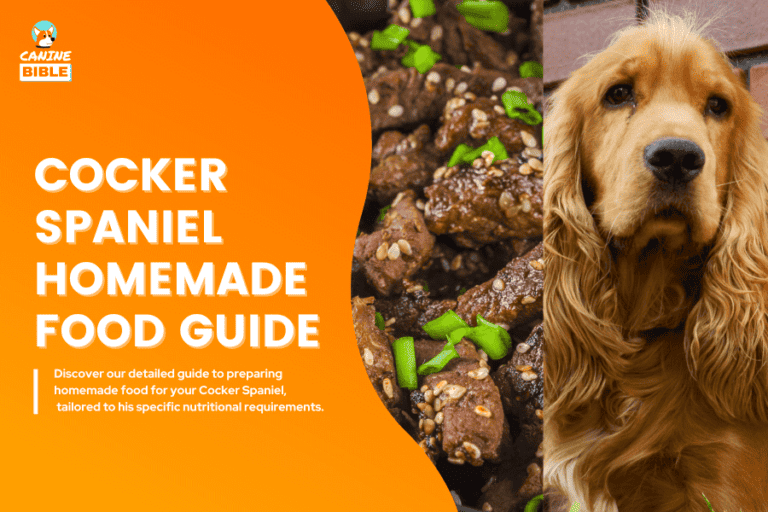
Poodle Feeding Chart: How Much to Feed a Poodle? (Puppy, Adult & More)

Canine Bible is reader-supported. We receive affiliate commissions via some of our links. Learn more.
Most adult Poodles need about ½ to 3 cups of food per day, divided into two meals, depending on whether they are Toy, Miniature, or Standard size. Toy Poodles may need only small portions, while active Standard Poodles often require much more. But the right amount depends on more than breed size. Age, weight, activity level, metabolism, food calories, and whether your Poodle is spayed or neutered all affect daily portions. Feeding too much can lead to weight gain, while feeding too little may leave your dog short on energy and nutrients. Poodles can also have different feeding needs during puppyhood, adulthood, senior years, pregnancy, or high-activity periods. This guide explains how much to feed a Poodle by size, life stage, weight, and daily routine so you can build a safer, more accurate feeding plan.
Why Feeding a Poodle the Right Amount Matters
| Why It Matters | Key Impact |
|---|---|
| Supports healthy weight | Feeding the right amount helps prevent excess weight gain in Toy, Miniature, and Standard Poodles, especially less active or spayed/neutered dogs. |
| Protects joint health | Keeping a Poodle at a healthy weight helps reduce extra stress on the hips, knees, and joints, which is especially important for active Standard Poodles and smaller Poodles prone to kneecap issues. |
| Avoids overfeeding | Portion control helps lower the risk of obesity, which can develop when owners feed by cup size alone without considering a Poodle’s size, activity level, and calorie needs. |
| Supports growth | Proper feeding gives Poodle puppies the nutrients and energy they need while helping avoid excessive growth or weight gain during key developmental stages. |
| Improves energy balance | The right portions help match food intake to your Poodle’s size, age, metabolism, daily exercise, and whether they are a Toy, Miniature, or Standard variety. |
| Reduces digestive issues | Feeding the correct amount and dividing meals properly can help reduce stomach upset, picky eating patterns, and discomfort from meals that are too large. |
| Supports coat health | Balanced portions help provide steady nutrition for a Poodle’s dense, curly coat, supporting skin health, coat quality, and overall condition. |
| Builds feeding confidence | Knowing how much to feed makes daily care easier and helps owners adjust portions as their Poodle grows, ages, gains weight, loses weight, or changes activity level. |
Poodle Feeding Chart – At a Glance
This Poodle feeding chart is a practical starting point, but it should not replace checking your dog food’s calorie density or getting guidance from your veterinarian. Feeding amounts can vary depending on whether your Poodle is a puppy, adult, or senior, as well as whether the food is more calorie-dense or less calorie-dense. Use the chart below as a simple reference point before adjusting portions to your dog’s body condition, activity level, and specific food.
| Life Stage / Age | Type of Food | Suggested Daily Amount | Meals Per Day |
|---|---|---|---|
| Puppy (0–8 weeks) | Mother’s milk, milk replacer if needed, then softened puppy food during weaning | n/a to very small portions | On demand to 4 |
| Puppy (8 weeks–6 months) | Puppy food formulated for small, medium, or large breeds based on Poodle size | ¼–2½ cups/day | 3–4 |
| Puppy (6–12 months) | Puppy food or gradual transition to adult food depending on Toy, Miniature, or Standard size | ½–3 cups/day | 2–3 |
| Adult | Adult dog food matched to your Poodle’s size, weight, and activity level | ½–3 cups/day | 2 |
| Senior | Senior, lower-calorie, or weight-management food if needed | ⅓–2½ cups/day | 2 |
Important: These amounts are a starting point only. The right amount to feed a Poodle depends on whether they are Toy, Miniature, or Standard size, as well as age, body condition, activity level, metabolism, neuter status, and the calorie content of the food, so portions should always be adjusted based on the individual dog.
Remember to always consult with your vet before making changes to your Poodle’s diet, portions, feeding schedule, or food type, especially if your dog has health concerns, weight issues, or special nutritional needs. If you can’t reach your vet, you can chat live with a registered online veterinary professional through our online vet chat or video chat support, available 24/7, or use Chewy’s online vet services from 6 a.m. to midnight ET.
How Much to Feed a Poodle (By Life Stage)
How much to feed a Poodle depends on four main things: age, body weight, activity level, and the calorie density of the food. For most healthy adult Poodles, a realistic starting point is about 2.5 to 4 cups of dry food per day, but a better way to size meals is by calories per day first, then convert that to cups using the food label. Veterinary guidance is clear that feeding amounts should be individualized and adjusted based on body condition, not just breed alone. You can use our dog calorie calculator to determine the right amount for your Poodle.
Poodles can be easy to overfeed because their needs can shift quite a bit between puppyhood, peak activity, adulthood, and senior years. The goal is not simply to fill the bowl, but to maintain a lean, healthy body condition, steady energy, and controlled growth in puppies.


Poodle Puppy Feeding Chart
| Age | Typical Weight | Type of Food | Suggested Daily Amount | Meals Per Day | Feeding Notes |
|---|---|---|---|---|---|
| 0–4 weeks | Varies by Poodle size | Mother’s milk or puppy milk replacer | n/a | On demand | No solid food yet. Feeding is typically managed by the mother or breeder. |
| 4–8 weeks | Varies by Poodle size | Mother’s milk + softened puppy food | Small frequent portions | 4 | Start weaning gradually with softened puppy food matched to Toy, Miniature, or Standard Poodle size. |
| 8–12 weeks | Toy: 1–4 lb Miniature: 3–8 lb Standard: 8–18 lb |
Puppy food formulated for your Poodle’s expected adult size | Toy: ¼–¾ cup/day Miniature: ½–1 cup/day Standard: 1–2 cups/day |
3–4 | Split meals evenly and monitor appetite, stool quality, and steady growth without excess weight gain. |
| 3–6 months | Toy: 3–6 lb Miniature: 6–12 lb Standard: 18–35 lb |
Puppy food formulated for small, medium, or large breeds based on Poodle size | Toy: ½–1 cup/day Miniature: ¾–1½ cups/day Standard: 1½–3 cups/day |
3 | Keep your puppy lean during this growth stage and avoid overfeeding, especially with fast-growing Standard Poodles. |
| 6–12 months | Toy: 4–8 lb Miniature: 10–18 lb Standard: 30–55 lb |
Puppy food or gradual transition to adult food depending on size and maturity | Toy: ½–1 cup/day Miniature: 1–2 cups/day Standard: 2–3½ cups/day |
2–3 | Toy and Miniature Poodles may mature sooner, while Standard Poodles often need puppy food longer to support controlled growth. |
| 12–18 months | Toy: adult size Miniature: adult size Standard: 40–70 lb |
Adult food for Toy and Miniature Poodles; puppy food or transition food for Standards | Toy: ½–1 cup/day Miniature: 1–2 cups/day Standard: 2½–4 cups/day |
2 | Most Toy and Miniature Poodles are ready for adult food by this stage, while many Standard Poodles transition closer to 12–18 months. |
Important: This puppy feeding chart is only a starting point. The right amount depends on your Poodle puppy’s variety, age, weight, growth rate, activity level, body condition, and the calorie density of the food, so always adjust portions based on your puppy’s individual needs.
Adult Poodle Feeding Chart
| Poodle Size | Activity Level | Calories Per Day | Suggested Daily Amount | Meals Per Day | Feeding Notes |
|---|---|---|---|---|---|
| Toy Poodle | Low to moderate activity | 180–350 kcal | ¼–¾ cup/day | 2 | Best for small adults with light walks, indoor play, or lower daily activity needs. |
| Miniature Poodle | Moderate activity | 350–650 kcal | ¾–1½ cups/day | 2 | A practical starting point for most healthy Miniature Poodles with regular walks and play. |
| Standard Poodle | Moderate activity | 900–1,400 kcal | 2–3½ cups/day | 2 | Often fits healthy adult Standard Poodles with daily walks, play, training, or moderate exercise. |
| Standard Poodle | High activity | 1,400–1,800 kcal | 3–4½ cups/day | 2 | May fit very active Standard Poodles that hike, run, swim, train often, or participate in dog sports. |
Important: This adult Poodle feeding chart is only a starting point. Actual calorie and portion needs can vary based on whether your dog is a Toy, Miniature, or Standard Poodle, as well as body condition, metabolism, age, neuter status, activity level, and the calorie density of the food, so adjust as needed to keep your dog lean and healthy.
Senior Poodle Feeding Chart
| Poodle Size | Activity Level | Calories Per Day | Suggested Daily Amount | Meals Per Day | Feeding Notes |
|---|---|---|---|---|---|
| Toy Poodle | Low to moderate activity | 150–300 kcal | ⅓–⅔ cup/day | 2 | Best for older Toy Poodles with lighter exercise, slower metabolism, or reduced daily activity. |
| Miniature Poodle | Low to moderate activity | 300–550 kcal | ⅔–1¼ cups/day | 2 | A practical starting point for senior Miniature Poodles that still walk daily but need controlled calories. |
| Standard Poodle | Low activity | 750–1,100 kcal | 1¾–2¾ cups/day | 2 | Best for older Standard Poodles with lighter exercise, reduced mobility, or a tendency to gain weight. |
| Standard Poodle | Moderate activity | 1,100–1,400 kcal | 2½–3½ cups/day | 2 | Fits healthy senior Standard Poodles that still enjoy regular walks, play, swimming, or moderate daily activity. |
Important: This senior Poodle feeding chart is only a starting point. Actual calorie and portion needs can vary based on whether your dog is a Toy, Miniature, or Standard Poodle, as well as body condition, muscle mass, mobility, dental health, appetite, health issues, and the calorie density of the food, so reassess portions regularly as your dog ages.
Pregnant Poodle Feeding Chart
| Life Stage | Pregnancy Stage | Calories Per Day | Suggested Daily Amount | Meals Per Day | Feeding Notes |
|---|---|---|---|---|---|
| Pregnant Poodle | Weeks 1–4 | About maintenance | Usually no increase yet | 2 | Early pregnancy usually does not require much extra food. Avoid overfeeding, especially in Toy and Miniature Poodles where small weight changes matter. |
| Pregnant Poodle | Weeks 5–6 | About 10%–25% above normal | Gradually increase portions | 2–3 | Energy needs begin to rise as fetal growth speeds up. Increase food slowly and monitor body condition, appetite, and stool quality. |
| Pregnant Poodle | Weeks 6–8 | About 30%–60% above normal | About 15%–25% more food by late pregnancy | 3–4 | This is often the highest-demand stage. Smaller, more frequent meals may be easier for pregnant Poodles, especially Toy and Miniature varieties with limited stomach space. |
| Pregnant Poodle | Last few days before whelping | Varies | Appetite may drop slightly | 3–4 small meals | Some Poodles eat less right before labor. Keep fresh water available, offer small meals, and do not force large portions. |
Important: Most pregnant Poodles do not need a major food increase during the first half of pregnancy, but calorie needs usually rise in the last 3 to 4 weeks. The right amount depends on whether your dog is a Toy, Miniature, or Standard Poodle, along with litter size, body condition, appetite, activity level, and the calorie density of the food. A nutrient-dense, highly digestible gestation/lactation or all-life-stages diet is commonly used in late pregnancy, but your veterinarian should guide portion changes and diet selection during pregnancy and nursing.
Puppy vs Adult vs Senior
Poodles do not need the same amount of food throughout life. Puppies need more calories and more frequent meals to support controlled growth, adults need balanced maintenance feeding to stay lean and healthy, and seniors often need fewer calories if their activity level drops, though some still do well on similar portions if they remain active and maintain good body condition.

| Life Stage | Main Feeding Goal | Typical Meal Frequency | General Feeding Approach |
|---|---|---|---|
| Puppy | Support steady growth by Poodle size | 3 to 4 meals daily | Feed a puppy formula matched to Toy, Miniature, or Standard Poodle size and adjust portions gradually as growth, weight, and appetite change. |
| Adult | Maintain lean weight, muscle, and coat health | 2 meals daily | Feed measured portions based on whether your Poodle is Toy, Miniature, or Standard, along with activity level, body condition, and food calories. |
| Senior | Maintain condition without excess weight gain | 2 meals daily | Monitor body condition, muscle tone, dental health, and mobility closely, then adjust portions if activity slows, appetite changes, or weight shifts. |
How Activity Level Changes Feeding Amount
A highly active Poodle usually burns more calories than a less active one, so two dogs of the same age and size may still need different feeding amounts. Dogs that get daily long walks, swimming, running, fieldwork, or intense play often need more food to maintain a healthy weight and steady energy levels.
On the other hand, less active, mostly indoor, recovering, or older Poodles may need fewer calories to avoid unwanted weight gain. The best approach is to adjust food gradually, not in big jumps, and watch your dog’s body condition, weight trend, and energy level to see whether the current amount is working.
Types of Food to Feed a Poodle
Looking for the best Poodle dog foods? Poodles can do well with different feeding formats, but the right choice is not just a matter of preference. Portion size, calorie density, nutritional completeness, cost, storage, and day-to-day convenience all matter when deciding what is practical and appropriate for your dog.
| Feeding Type | Main Advantages | Main Drawbacks | Best Fit For | Important Note for Golden Retrievers |
|---|---|---|---|---|
| Dry food | Affordable, easy to store, and simple to measure. | Calorie density varies and taste appeal may differ. | Owners wanting a practical everyday option. | Always check calories per cup before portioning. |
| Wet food | Tasty, moist, and useful for picky eaters. | Costs more and is harder to feed exclusively. | Dogs needing extra moisture or meal appeal. | Mixing with kibble changes total daily calories. |
| Fresh food | Ingredient transparency and less processed appearance. | More expensive and needs refrigeration. | Owners prioritizing fresh-style feeding. | It must still be complete and balanced. |
| Raw food | Appeals to owners wanting minimal processing. | Food safety and balance concerns are higher. | Owners working with veterinary guidance. | Use extra caution with long-term nutrition balance. |
Dry Food
Dry dog food is the most common option because it is convenient, easy to store, and usually more affordable than other feeding formats. It also makes daily portioning easier for many Poodle owners. Still, calorie density can vary a lot by brand, so one cup of one kibble may provide far more calories than another. That is why it is important to check the label, not just the scoop.
Wet Food
Wet dog food is often more appealing because of its texture, smell, and higher moisture content. It can work well for picky eaters or dogs that benefit from softer meals. However, it is usually more expensive and less practical to feed exclusively. If you mix wet and dry food, make sure to count the full calories from both.
Fresh Food
Fresh dog food appeals to some owners because it offers visible ingredients and a less processed look. Depending on the formula, it may also feel easier to portion and serve. The main point is that it still needs to be complete and balanced for long-term feeding. A food is not nutritionally better just because it looks fresh or homemade.
Raw Food
Some owners choose raw dog food because they prefer a less processed feeding style. But raw diets for dogs also come with food safety, storage, and nutritional balance concerns, especially if they are homemade. For that reason, raw feeding should be approached carefully and ideally with veterinary guidance. For Poodles, balanced long-term nutrition matters more than feeding trends.
Other Types
The best option is the one that is complete and balanced, practical for the owner, and appropriate for the dog’s body condition and health needs. For most Poodles, consistency and proper portioning matter more than the feeding format itself.
Best Feeding Schedule for Poodles
Meal timing matters because it helps support digestion, appetite control, daily routine, and easier monitoring of how much your Poodle is actually eating. While many adult and senior Poodles do best with two meals per day, younger puppies usually need more frequent meals to support growth and steady energy.
| Age Group | Recommended Meals per Day | Example Schedule | Notes |
|---|---|---|---|
| Young puppy | 3 to 4 meals | 7:00 AM, 11:00 AM, 3:00 PM, 7:00 PM | Young Poodle puppies usually do better with smaller, more frequent meals, especially Toy and Miniature Poodles with smaller stomachs. |
| Older puppy | 3 meals | 7:00 AM, 1:00 PM, 7:00 PM | As growth becomes more stable, many Poodle puppies can transition to three meals daily, while very small puppies may need slower adjustments. |
| Adult | 2 meals | 7:00 AM, 6:00 PM | Two meals daily works well for many adult Poodles and helps keep portions consistent across Toy, Miniature, and Standard sizes. |
| Senior | 2 meals | 7:00 AM, 6:00 PM | Many senior Poodles do well on two meals, but portion size may need adjustment based on weight, dental health, appetite, mobility, and activity level. |
Feeding Food & Treats Correctly
Poodle Treat Balance
A simple rule of thumb is to keep treats to about 10% of your Poodle’s daily calories, while the other 90% comes from complete and balanced dog food.
Balance
This should make up most of your Poodle’s daily calories and come from a complete and balanced diet matched to their size and life stage.
Treats should stay limited, especially for Toy and Miniature Poodles where small extras can quickly add too many calories.
Important: This is a general guideline, not a strict rule for every dog. If your Poodle is overweight, underweight, very active, pregnant, nursing, or on a veterinary diet, ask your vet how treats should fit into the daily total.
This feeding chart shows how daily calories can be divided between complete dog food and treats, so it is easier to estimate both cups per day and a reasonable treat limit for a Poodle.
| Poodle Size | Activity Level | Daily Calories | Food Calories Target (90%) |
Treat Calories Limit (10%) |
Approx. Food Amount | Meals Per Day |
|---|---|---|---|---|---|---|
| Toy Poodle | Low | 180–250 kcal | 162–225 kcal | 18–25 kcal | About ½ cup/day | 2 meals |
| Toy Poodle | Moderate | 250–350 kcal | 225–315 kcal | 25–35 kcal | About ½–¾ cup/day | 2 meals |
| Miniature Poodle | Low | 350–500 kcal | 315–450 kcal | 35–50 kcal | About ¾–1¼ cups/day | 2 meals |
| Miniature Poodle | Moderate | 500–650 kcal | 450–585 kcal | 50–65 kcal | About 1¼–1½ cups/day | 2 meals |
| Standard Poodle | Low | 900–1,200 kcal | 810–1,080 kcal | 90–120 kcal | About 2–3 cups/day | 2 meals |
| Standard Poodle | Moderate | 1,200–1,500 kcal | 1,080–1,350 kcal | 120–150 kcal | About 3–3½ cups/day | 2 meals |
| Standard Poodle | High | 1,500–1,800 kcal | 1,350–1,620 kcal | 150–180 kcal | About 3½–4½ cups/day | 2 meals |
Important: This chart assumes treats stay around 10% of daily calories and that your dog food averages roughly 380–420 calories per cup. Poodle needs vary widely by Toy, Miniature, or Standard size, body condition, age, activity level, neuter status, and food calorie density, so adjust portions based on your individual dog.
Signs You’re Overfeeding or Underfeeding Your Poodle
Knowing the signs of overfeeding or underfeeding can help you catch small problems before they turn into bigger weight or health issues. These signs can help you tell whether your dog’s current portions still match their needs.
Signs you may be overfeeding
Signs you may be underfeeding
What Changes a Poodle’s Feeding Needs
A Poodle’s feeding needs can change with age, body weight, and life stage. Puppies need more food to support growth, while adults need enough to maintain a healthy weight, and seniors may need fewer calories if they become less active. Even twoPoodles that look similar in size may need different portions depending on where they are in life.
Body condition matters just as much as the number on the scale. A dog that is gaining excess fat may need less food, while a leaner dog that is maintaining muscle well may need more. Spay or neuter status can also affect calorie needs, since some dogs become easier to overfeed after the procedure if portions are not adjusted.
Other factors can also change how much a Poodle should eat, including pregnancy, lactation, health issues, and the calorie density of the food itself. A more calorie-dense food can require much smaller portions, while a less calorie-dense food may require more volume to meet the same needs. That is why feeding should always be adjusted to the individual dog, not just the breed or cup amount alone.
Tips for Feeding a Poodle the Right Amount
These tips align with AAHA, WSAVA, and Merck guidance to base feeding on the individual dog’s weight, life stage, body condition, and total calorie intake rather than using a single fixed breed rule.
| Tip | Why It Helps | How to Apply It |
|---|---|---|
| Measure meals | Eyeballing portions can easily overfeed small Poodles or underfeed active Standard Poodles. | Use a measuring cup or kitchen scale daily, especially for Toy and Miniature Poodles. |
| Check kcal per cup | Different foods can vary sharply in calorie density, which matters when portions are small. | Read the bag and recalculate cups after switching foods or formulas. |
| Split daily food | Smaller, consistent meals can support digestion and help reduce hunger between feedings. | Divide the full daily amount between morning and evening, or use 3 meals for puppies. |
| Track body shape | Poodles can hide weight changes under their curly coat. | Check ribs, waist, and abdominal tuck every few weeks instead of relying on coat appearance. |
| Count treats | Small treats can quickly add too many calories for Toy and Miniature Poodles. | Keep treats within roughly ten percent of daily calories and reduce meal portions if needed. |
| Adjust for activity | A calm Toy Poodle and an athletic Standard Poodle can have very different calorie needs. | Increase or decrease food gradually when exercise, training, weight, or routine changes. |
| Use size-appropriate puppy food | Growing Poodles need nutrition that matches their expected adult size and growth rate. | Choose puppy food suited for Toy, Miniature, or Standard Poodles until the appropriate adult transition. |
| Reweigh regularly | Small weight changes are easier to correct early, especially in smaller Poodles. | Check weight monthly and adjust portions if your Poodle gains, loses, or changes activity level. |
Common Mistakes When Feeding a Poodle
Even small feeding mistakes can lead to gradual weight gain, digestive issues, or poor body condition over time, which is why it helps to watch for the most common ones early.
| Mistake | Why It’s a Problem |
|---|---|
| Using breed only | Poodles vary widely by size, so feeding only by breed ignores whether your dog is Toy, Miniature, or Standard, as well as age, activity, and body condition. |
| Ignoring food calories | One cup of one food may contain far more calories than another, which can quickly overfeed small Poodles or underfeed active Standard Poodles. |
| Free-feeding meals | Open access makes portions harder to control and can encourage grazing, picky eating, or gradual weight gain. |
| Skipping treat calories | Extra snacks can add up quickly, especially for Toy and Miniature Poodles with smaller daily calorie needs. |
| Growing too fast | Overfeeding Poodle puppies can promote excess weight during growth, while Standard Poodle puppies need controlled nutrition to support steady development. |
| Not reassessing | Needs change after neutering, aging, illness, weight changes, grooming-related activity shifts, or changes in daily exercise. |
| Changing too fast | Large food changes can upset digestion and make it harder to tell whether your Poodle’s portion size, food type, or transition speed is the issue. |
| Watching bowl size | Empty bowls do not always mean true hunger, and picky behavior does not always mean your Poodle needs a richer or larger meal. |
Long-term Feeding Guide for a Poodle
A Poodle’s feeding needs will change over time, so the right amount at one stage may not be right a year later. Puppies need regular adjustments as they grow, adults usually need more stable maintenance feeding, and seniors often need closer monitoring as activity, muscle condition, and metabolism change.
The best long-term approach is to reassess portions regularly instead of relying on fixed numbers forever. Watch your dog’s body condition, weight trend, energy level, and overall health, and adjust food gradually if your Poodle starts gaining excess weight, losing condition, or becoming less active. Health changes, medications, and spay or neuter status can also affect how much food is appropriate over time.
For most owners, consistency matters more than chasing exact cup amounts. Feed a complete and balanced diet, measure meals carefully, monitor treats, and check in with your veterinarian when your dog’s body condition or health needs change. Over the years, the goal is simple: keep your Poodle lean, well-muscled, and thriving with steady, practical adjustments as needed.
Food to Never Feed a Poodle
| Food | Why It Should Be Avoided | What It Can Cause |
|---|---|---|
| Chocolate | Contains theobromine and caffeine, which dogs process poorly. Smaller Poodles may be affected by relatively small amounts. | Vomiting, diarrhea, restlessness, tremors, seizures. |
| Grapes and raisins | Can be toxic even in small amounts and should never be given to Toy, Miniature, or Standard Poodles. | Vomiting, lethargy, kidney failure. |
| Onions, garlic, leeks, and chives | Can damage red blood cells, whether raw, cooked, powdered, or mixed into human foods. | Anemia, weakness, pale gums. |
| Xylitol | This sugar substitute can trigger a dangerous insulin release and is especially risky for small Poodles because even tiny amounts can be serious. | Low blood sugar, collapse, liver failure. |
| Alcohol | Even small amounts can be harmful to dogs, especially smaller Toy and Miniature Poodles. | Vomiting, disorientation, breathing problems. |
| Cooked bones | They can splinter easily and may be especially dangerous for smaller Poodles with smaller mouths and digestive tracts. | Choking, mouth injury, intestinal blockage. |
| Macadamia nuts | These nuts are toxic to dogs and should be avoided completely. | Weakness, vomiting, tremors. |
| Avocado | Contains persin and is also very fatty, which may upset digestion or contribute to pancreatitis risk. | Stomach upset, pancreatitis risk. |
| Caffeine | Overstimulates the nervous system and heart. Coffee, tea, energy drinks, and caffeine pills are unsafe. | Hyperactivity, rapid heart rate, tremors. |
| Raw bread dough | Can expand in the stomach and produce alcohol, creating a serious emergency. | Bloating, pain, dangerous stomach expansion. |
| Very fatty foods | Too rich for many dogs and can overwhelm digestion, especially in Poodles prone to stomach sensitivity or weight gain. | Vomiting, diarrhea, pancreatitis. |
| Salty foods | Too much sodium can be dangerous and can quickly exceed safe limits in smaller Poodles. | Excessive thirst, vomiting, sodium poisoning. |
| Corn on the cob | The cob is hard to digest and can get stuck, especially in smaller dogs. | Intestinal blockage. |
| Moldy food | May contain harmful toxins and should never be offered as a treat or table scrap. | Tremors, seizures, vomiting. |
| Artificial sweeteners and unknown supplements | Some ingredients may be toxic or unsafe for dogs, especially products made for humans. | Low blood sugar, stomach upset, poisoning. |
Important: If your Poodle eats a potentially toxic food, contact your vet right away. Some foods can be dangerous even in small amounts, especially for Toy and Miniature Poodles.
Here is the complete list of toxic foods Poodles should avoid.
Frequently Asked Questions
The Bottom Line
Feeding a Poodle well starts with matching portions to their size, age, activity level, and body condition—not just following a generic cup amount. Toy, Miniature, and Standard Poodles can have very different calorie needs, so measuring meals, limiting treats, and adjusting portions over time are key. Puppies need steady nutrition for healthy growth, adults need balanced portions to maintain lean muscle and coat health, and seniors often need closer monitoring as activity and metabolism change. Use feeding charts as a starting point, but let your Poodle’s weight, shape, energy, digestion, and veterinarian’s guidance determine the final amount.