The 5 Best Dog Foods for Liver Shunt in 2026: Vet-Approved

Canine Bible is reader-supported. We receive affiliate commissions via some of our links. Learn more.
When your dog has a liver shunt, every meal becomes more than just fuel—it can influence how hard their liver has to work. Because abnormal blood flow can limit the liver’s ability to process nutrients and filter certain waste products, choosing the right food plays an important role in day-to-day management. The best dog foods for liver shunt typically focus on highly digestible nutrition, carefully selected protein sources, appropriate protein levels, and balanced vitamins and minerals. A poorly matched diet may worsen digestive or neurological symptoms, while a veterinarian-guided diet can help support energy, maintain healthy body condition, and reduce unnecessary metabolic stress. Since every dog’s condition and tolerance can differ, the right food should complement—not replace—the treatment plan recommended by your veterinarian. In this guide, we’ll break down the best dog foods for liver shunt, the key nutrients to look for, ingredients to approach carefully, and how to choose a diet that fits your dog’s specific needs.
Best Food for Dogs With Liver Shunt According to Science
Liver shunts in dogs require careful dietary management to reduce the buildup of ammonia and other toxins, support adequate nutrition, and help control signs of hepatic encephalopathy. According to research, the best dog food for liver shunt is typically a complete and balanced diet with moderate, highly digestible protein, carefully selected protein sources, adequate calories, and controlled purine levels when urate stones are a concern.
| Dietary Component | Recommendation & Rationale |
|---|---|
| Protein Amount | Use moderate, individualized protein levels rather than severe restriction to help control hepatic encephalopathy while maintaining muscle and protein stores. |
| Protein Source | Favor highly digestible vegetable, soy, or dairy proteins when tolerated, as these may produce less ammonia and be better tolerated than meat proteins. |
| Nutritional Adequacy & Meal Size | Choose a complete diet appropriate for the dog’s life stage and divide food into smaller meals to limit the amount of protein consumed at one time. |
Table source: [1],[2],[3],[4],[5]
Ingredients & Nutrients to Avoid for Dogs with Liver Shunt
| What to Avoid | Reason |
|---|---|
| Excessive Protein | Too much protein can raise intestinal ammonia production and worsen hepatic encephalopathy in sensitive dogs. |
| Severe Protein Restriction | Over-restricting protein can contribute to muscle loss and poor nutritional status, reducing ammonia-handling capacity. |
| Large Meat-Heavy Meals | Large animal-protein loads may be harder to tolerate and can increase nitrogen and ammonia production after meals. |
| Organ Meats | Liver, kidney, and other organs are rich in protein and purines, which may be unsuitable for dogs prone to urate stones. |
| High-Purine Fish & Seafood | Purine-rich foods can increase uric acid production, a concern in dogs predisposed to ammonium urate stones. |
| Meat Extracts & Yeast Concentrates | These concentrated ingredients can be high in purines and add unnecessary uric acid precursors to the diet. |
| High-Protein Treats & Chews | Jerky and protein-dense chews can push daily protein intake above the amount a dog with a liver shunt tolerates. |
| Low-Calorie Diets | Too few calories can encourage tissue breakdown and worsen nutritional status in dogs with impaired liver function. |
| Unbalanced Homemade Diets | Poorly formulated recipes may provide unsuitable protein, energy, minerals, or purines and cause nutrient deficiencies. |
| Protein Supplements | Unnecessary protein powders can raise nitrogen intake and interfere with a veterinarian-directed protein plan. |
Table source: [6],[7],[8]
Remember to ALWAYS consult with your vet before making any changes that could affect your dog’s health, nutrition, or well-being. If you can’t reach your vet, you can chat live with a registered online veterinary professional via our online vet chat or video chat support (24 hours a day, 7 days a week). Or use Chewy’s online vet services (6 a.m. – midnight ET). Additionally, at-home dog gut health tests can analyze your dog’s microbiome, offering insights into which nutrients their diet should include. Similarly, at-home dog allergy testing kits can identify ingredients that may not be suitable for your dog, enabling you to choose the right diet and care plan to support optimal digestion, nutrition, and health.
Disclaimer: The foods reviewed here were selected for qualities that may support dogs with liver shunt, but they are not medical treatments or substitutes for veterinary care. Every dog’s condition is unique, and what works for one may not work for another. Always consult your veterinarian to determine the best diet for your dog’s specific needs.
Best Dog Foods for Liver Shunt
Here are the best foods for dogs with liver shunt this year.
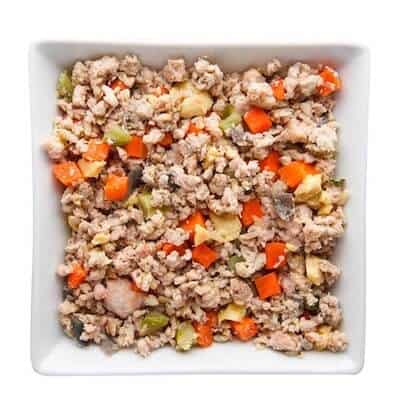
Chidog Wood Diet
Who It’s For: Dog owners seeking an accessible, non-prescription diet with controlled protein and highly digestible ingredients to support dogs managing a liver shunt.

Hill’s Prescription Diet l/d Liver Care
Who It’s For: Dogs with a diagnosed liver shunt who need a veterinarian-prescribed diet formulated to manage protein intake and support liver function.

JFFD Hepatic Recipe
Who It’s For: Dog owners who prefer fresh, human-grade meals with digestible ingredients and carefully managed protein for a dog living with a liver shunt.

ROYAL CANIN Canine Hepatic
Who It’s For: Dogs with a liver shunt and sensitive digestion who need gentle, highly digestible food with carefully controlled protein and stomach-friendly ingredients.

Hill’s Live Care I/d
Who It’s For: Dogs with a liver shunt who prefer soft, moisture-rich meals that are easy to eat while providing digestible nutrition and carefully managed protein.

Rx Vitamins
Who It’s For: Dog owners seeking a vet-approved supplement to complement a liver-shunt diet with targeted nutrients that support liver health and overall nutrition.
How to Transition Your Dog With Liver Shunt to a New Diet
Dogs with a liver shunt can be sensitive to sudden dietary changes, so a gradual transition helps reduce digestive upset and makes it easier to see how well the new food is tolerated. Unless your veterinarian recommends a different schedule, use the plan below to slowly replace the old food over about a week.
| Transition Stage | Old Food | New Food | What to Do |
|---|---|---|---|
| Days 1–2 | 75% | 25% | Mix thoroughly and keep meals consistent. |
| Days 3–4 | 50% | 50% | Continue only if the change is well tolerated. |
| Days 5–6 | 25% | 75% | Increase the new food while keeping portions measured. |
| Day 7+ | 0% | 100% | Feed the new diet as directed by your veterinarian. |
Monitoring Your Dog With Liver Shunt’s Progress on a New Diet
After the switch, watch your dog’s appetite, stool quality, vomiting, energy level, and body weight. These changes can help show whether the diet is being tolerated and whether your dog is maintaining good nutritional status.
Also pay attention to liver-shunt symptoms such as unusual tiredness, disorientation, pacing, staring, drooling, weakness, or other neurological changes. If symptoms worsen, appetite drops, vomiting or diarrhea persists, or weight declines, contact your veterinarian promptly.
Dogs with a liver shunt should be monitored with veterinary guidance, especially when diet is part of medical management. Your veterinarian may recommend follow-up exams or testing to determine whether the feeding plan needs adjustment.
The Bottom Line
Choosing the best dog food for liver shunt starts with finding a diet that supports nutrition while helping limit the buildup of ammonia and other waste products. Moderate amounts of highly digestible protein are generally preferred over either excessive protein or severe restriction. Protein source also matters, with carefully selected options often being better tolerated than large amounts of meat-based protein. Adequate calories help maintain body condition and reduce unnecessary tissue breakdown. Dogs prone to ammonium urate stones may also benefit from diets that avoid excessive purines. Treats, supplements, and homemade meals should fit the same nutritional goals as the main diet. Because tolerance can vary between dogs, dietary choices should be made alongside veterinary guidance and adjusted to the individual dog’s needs.
Sources
- Apparent dietary protein requirement of dogs with portosystemic shunt
- Soy protein isolate versus meat-based low-protein diet for dogs with congenital portosystemic shunts
- Outcome of non-surgical dietary treatment with or without lactulose in dogs with congenital portosystemic shunts
- Commercial diet recommendations and follow-up for a large breed puppy with an intrahepatic portosystemic shunt
- Comparison of diet, lactulose, and metronidazole combinations in the control of pre-surgical clinical signs in dogs with congenital extrahepatic portosystemic shunts
- Retrospective Review of 27 Cases of Congenital Portosystemic Shunt in Dogs from 2015 to 2023
- Hepatic encephalopathy in dogs and cats
- Nutritional Management of Hepatobiliary Diseases in Dogs and Cats