The Complete Guide to Dogs Eating Raw Eggs: Bad or Good?

Canine Bible is reader-supported. We receive affiliate commissions via some of our links. Learn more.
Yes, dogs can eat raw eggs in moderation, and this nutrient-rich food can offer some benefits for skin, coat, and muscle health. However, before cracking a raw egg into your dog’s bowl, there are a few important factors to consider. While raw eggs provide high-quality protein and healthy fats, they can also carry risks like Salmonella contamination or biotin interference if fed too often. What about egg whites—are they safe to serve alone? Can dogs eat the shell for extra calcium? And are cooked eggs a safer alternative? This guide breaks down the benefits, potential risks, and the safest ways to incorporate raw eggs into your dog’s diet.
Are Raw Eggs Good For Dogs?
Raw eggs can be a nutritious addition to your dog’s diet when fed safely and in moderation.
Always use fresh, clean eggs and feed them in small amounts. Avoid giving raw eggs daily, as overconsumption may pose risks like biotin interference or bacterial contamination. Dogs with weakened immune systems, puppies, or seniors may be safer with cooked eggs instead. Let your veterinarian guide you if your dog has digestive issues or underlying health conditions.
Benefits
100 grams (3.5-ounce oz) of raw eggs contain the following nutrients:


Raw Egg Nutrition Chart (100g)
Nutrient Analysis
| Component | Description | Nutritional Value (per 100g of Raw Egg) | Safe for Dogs? |
|---|---|---|---|
| Water | Helps keep dogs hydrated and supports normal bodily functions | 76g | ✅ Safe |
| Calories | Provides concentrated energy from protein and fat | 143 kcal | ✅ Safe (in moderation) |
| Protein | High-quality, complete protein that supports muscles, skin, and immune health | 12.6g | ✅ Safe and beneficial |
| Fat | Source of essential fatty acids that support skin, coat, and energy | 10.6g | ✅ Safe (limit for dogs with pancreatitis or obesity) |
| Carbohydrates | Very low carb content; eggs are primarily protein and fat | 0.7g | ✅ Safe |
| Natural Sugars | Minimal naturally occurring sugars | 0.4g | ✅ Safe |
| Cholesterol | Found mainly in the yolk; excess may not suit dogs with fat-related issues | 372mg | ⚠️ Limit for dogs with pancreatitis or high-fat restrictions |
| Vitamin A | Supports vision, immune function, and skin health | 160µg (≈ 520 IU) | ✅ Safe |
| Vitamin D | Helps regulate calcium and phosphorus for healthy bones | 2µg | ✅ Safe (in moderation) |
| Vitamin B12 | Supports red blood cell production and nervous system function | 1.1µg | ✅ Safe |
| Riboflavin (Vitamin B2) | Important for energy metabolism and healthy skin | 0.45mg | ✅ Safe |
| Folate (Vitamin B9) | Essential for cell growth and DNA synthesis | 47µg | ✅ Safe |
| Choline | Supports brain function, liver health, and metabolism | 294mg | ✅ Safe and beneficial |
| Potassium | Helps maintain normal muscle contractions and nerve signaling | 138mg | ✅ Safe |
| Calcium | Supports bone, teeth, and muscle function | 56mg | ✅ Safe (not a sole calcium source) |
| Phosphorus | Works with calcium to support bones and energy metabolism | 198mg | ✅ Safe (use caution in dogs with kidney disease) |
| Iron | Needed for healthy red blood cells and oxygen transport | 1.8mg | ✅ Safe |
| Selenium | Antioxidant mineral that helps protect cells from damage | 30µg | ✅ Safe |
| Raw Egg White (Avidin) | Contains avidin, which can bind biotin if fed in large amounts over time | — | ⚠️ Occasional use only; avoid daily large servings |
| Eggshell | Shell is rich in calcium but must be finely ground to avoid choking | Varies | ✅ Safe when finely crushed; ❌ Unsafe if fed in large sharp pieces |
| Salmonella Risk | Raw eggs may carry bacteria that can affect some dogs and humans | — | ⚠️ Use fresh, high-quality eggs; consider cooked eggs for vulnerable dogs |
| Overconsumption | Too many eggs can add excess calories and fat, leading to weight gain or GI upset | — | ⚠️ Feed as an occasional treat, not a main diet |
Risks & Considerations Before Feeding Raw Eggs to Dogs
While raw eggs can be a safe and nutritious treat for dogs when given in moderation, there are several risks and considerations to keep in mind before feeding them to your canine companion:
| Component | Description | Effects on Dogs | Safe for Dogs? |
|---|---|---|---|
| Salmonella | Bacteria that may be present in raw eggs | Can cause vomiting, diarrhea, fever, dehydration, and bacterial infection | ⚠️ Risky |
| Avidin | Protein in raw egg whites that binds biotin (Vitamin B7) | May reduce biotin absorption if fed excessively over time | ⚠️ Safe in moderation |
| Raw Egg Whites | Low nutrient part of the egg compared to the yolk | Feeding alone may cause nutrient imbalance or biotin deficiency | ⚠️ Safe in small amounts |
| High Fat Content | Raw yolks contain high levels of fat | May trigger pancreatitis or diarrhea in sensitive dogs | ⚠️ Risky for sensitive dogs |
| Caloric Density | Eggs are calorie-dense and easy to overfeed | May lead to weight gain, especially in small or inactive dogs | ⚠️ Risky if overfed |
| Food Allergies | Eggs are a common allergen for dogs | May cause itching, ear infections, or digestive upset | ⚠️ Risk varies by dog |
| Eggshell Pieces | Sharp or large shell fragments not ground properly | Possible choking hazard or GI irritation | ❌ Unsafe unless finely crushed |
| Cross-Contamination | Bacteria spread from raw eggs to hands, bowls, or surfaces | Can expose both dogs and humans to harmful bacteria | ⚠️ Risky without proper hygiene |
| Digestive Sensitivity | Some dogs react poorly to rich or raw foods | May cause vomiting, gas, bloating, or diarrhea | ⚠️ Depends on the dog |
| Unbalanced Diet | Relying heavily on eggs without balanced dog food | Can create nutrient deficiencies over time | ❌ Unsafe as a main diet |
Are Dogs Allergic to Raw Eggs?
Most dogs are not allergic to raw eggs, and it’s generally considered safe for canine consumption. However, some dogs may develop an allergic reaction, as with any food. Food allergies in dogs typically manifest as itchy skin, hives, infections, and anaphylaxis (a medical emergency) in severe cases. If you suspect your dog is having an allergic reaction to any food, including raw eggs, it is crucial to consult a veterinarian.
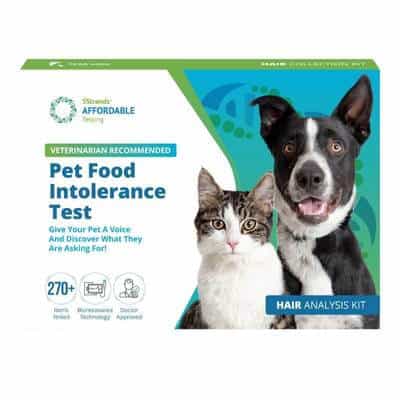
Additionally, conducting an at-home dog allergy test like the 5Strands can help determine if your dog is allergic or intolerant to certain foods. For a more comprehensive approach, consider an at-home dog gut health test, like the Embark Gut Health Test, which can provide deeper insights into your dog’s digestive health and immune function. These tests can identify food sensitivities, bacterial imbalances, and other underlying issues contributing to allergies, helping you take proactive steps to prevent discomfort and support your dog’s overall well-being.


Risks
The following symptoms may indicate a bad reaction to raw eggs.
What to Do If A Dog Reacts Badly to Raw Eggs
Dogs showing worsening symptoms, such as blood in their vomit or stool, difficulty breathing, weakness, or collapse, should be taken to the veterinarian immediately.
1. Contact a veterinarian immediately: Even if your dog seems fine, contact your veterinarian or an emergency pet poison hotline right away. This includes services such as the ASPCA Animal Poison Control Center at 1-888-426-4435 or the Pet Poison Helpline at 1-855-764-7661. If you can’t reach your vet, you can chat live with a registered online veterinary professional via our online vet chat or video chat support (24 hours a day, 7 days a week). You can also schedule an at-home veterinary appointment with The Vets, a mobile veterinary service that provides at-home vet care nationwide for just about everything.
2. Gather important information: When speaking to a vet, provide: Quantity consumed (estimate if unsure), time of ingestion, and dog’s weight and breed (to assess potential risk).
3. Follow veterinary instructions: The vet may suggest monitoring at home or emergency treatment at the clinic.
- Bring any remaining raw eggs or packaging to help the vet assess the situation.
- Keep your dog calm and prevent them from eating anything else.
- Be prepared to transport your dog to the vet quickly if advised.
How to Safely Feed Eggs to Dogs
When feeding eggs to your dog, it’s important to follow a few simple guidelines to keep them safe:
- Crack the egg and remove the shell (or only use the shell if it’s finely ground into a powder).
- Serve in moderation — think of eggs as an occasional treat, not a daily meal.
- Start with small amounts to see how your dog’s stomach handles it.
- Prefer cooked eggs (boiled or scrambled) to reduce the risk of Salmonella.
- If feeding raw, use fresh, high-quality eggs and practice good hygiene with bowls and surfaces.
- Skip seasoning, oil, butter, salt, and cheese — serve eggs plain.
- Avoid eggs for dogs with pancreatitis, fat restrictions, or known egg allergies unless your vet approves.
- Monitor for any reactions, such as itching, ear issues, vomiting, or diarrhea.
Ways to Feed Eggs to Dogs
- As a topper: Add a small amount of cooked or raw egg on top of your dog’s regular food.
- Scrambled eggs: Lightly scrambled in a non-stick pan with no oil, butter, or seasoning.
- Boiled eggs: Hard-boil the egg, peel it, and chop into bite-sized pieces as a simple snack or meal add-on.
- Egg and kibble mix: Stir a spoonful of cooked egg into kibble to boost flavor and protein.
- Homemade egg treats: Bake dog-friendly biscuits or pupcakes using egg as a binding ingredient.
- Egg & yogurt snack: Mix a bit of cooked egg with plain, unsweetened yogurt for a protein-rich treat (if your dog tolerates dairy).
- Occasional raw egg: For healthy adult dogs and with your vet’s okay, you can crack a small amount of raw egg over food once in a while.
As with any new food, introduce eggs gradually and watch your dog closely—if you notice any signs of stomach upset or allergies, stop feeding eggs and consult your veterinarian.
Safe Alternatives to Raw Eggs
Here’s a list of alternatives to raw eggs that are safe for dogs
Frequently Asked Questions
The Bottom Line
Feeding your dog raw eggs may seem like a natural, nutrient-rich choice, but the potential risks outweigh the benefits. Bacterial contamination, digestive upset, and long-term nutrient imbalances make raw eggs an unsafe option for most dogs. Fortunately, dogs can still enjoy the nutritional value of eggs safely when they are fully cooked, offering protein, vitamins, and healthy fats without exposing them to harmful pathogens. By choosing safer alternatives and following veterinary guidance, you can confidently support your dog’s health while avoiding unnecessary risks associated with raw egg consumption.
If you’re looking for other healthy snack options, check out the best dog treats to find safe and nutritious alternatives.