What Happens & What to Dog If Dog Eats Pepperoni: Vet-Advice

Canine Bible is reader-supported. We receive affiliate commissions via some of our links. Learn more.
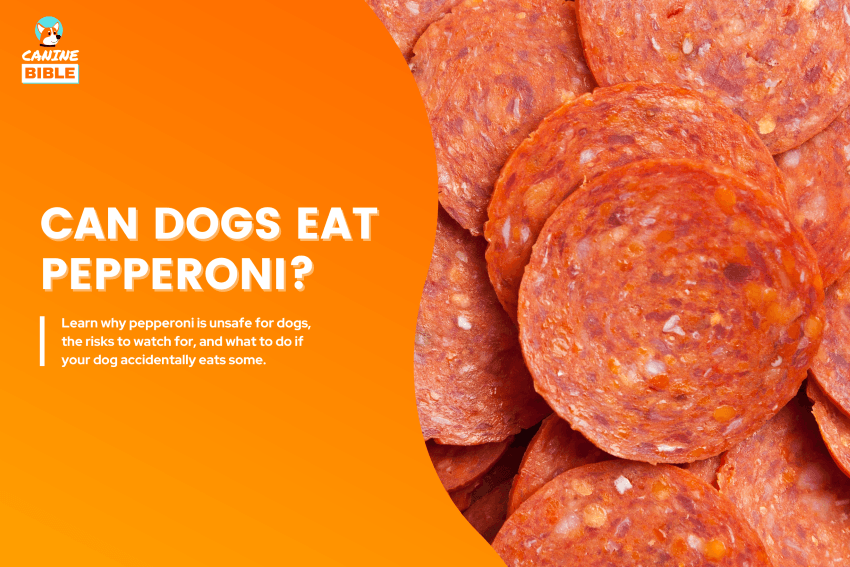
No, dogs should not eat pepperoni. While it may seem like a tasty, protein-rich treat, pepperoni is highly processed and loaded with salt, fat, spices, and preservatives that can upset a dog’s stomach and potentially lead to more serious health issues, such as pancreatitis. Even a few slices can be too much for some dogs, especially smaller breeds or dogs with sensitive stomachs. But what if your dog only ate a small piece? Are turkey pepperoni or uncured varieties any safer? And what symptoms should you watch for afterward? This guide will break down the risks of pepperoni, possible side effects, and what to do if your dog accidentally eats it.
Are Pepperoni Good For Dogs?
No, Pepperoni is not good for dogs. It is toxic and potentially life-threatening. All forms of pepperoni, including cooked, dried, baked, processed, and mixed into other foods, are unsafe for dogs.
Why Are Pepperoni Toxic to Dogs?
Pepperoni is unsafe for dogs because it is heavily processed and typically contains excessive amounts of salt, fat, spices, and preservatives. Many varieties also include ingredients like garlic or onion powder, which are toxic to dogs, while the overall richness of pepperoni can place dangerous stress on their digestive system and pancreas.
| Component | Description | Effects on Dogs | Safe for Dogs? |
|---|---|---|---|
| High Sodium | Pepperoni contains a very high amount of salt | Can contribute to sodium ion poisoning and dehydration risk | ❌ Not Safe |
| Excess Fat | A rich processed meat that is high in saturated fat | Can trigger pancreatitis and digestive complications | ❌ Not Safe |
| Garlic Powder | Common seasoning used in many pepperoni recipes | Can damage red blood cells and lead to toxicity | ❌ Not Safe |
| Onion Powder | Frequently added for flavor in processed meats | May cause oxidative damage to red blood cells | ❌ Not Safe |
| Spices & Seasonings | Includes paprika, pepper, chili, and other strong flavorings | Can irritate the digestive tract and make pepperoni harder for dogs to tolerate | ❌ Not Safe |
| Nitrates/Nitrites | Preservatives used to cure and extend shelf life | Add to the overall health burden of heavily processed meat products | ❌ Not Safe |
| Processed Meat | Highly concentrated, cured, and heavily seasoned meat product | No safe nutritional benefit for dogs and higher risk than plain cooked meat | ❌ Not Safe |
Toxic Dosage
There is no clearly established toxic dose of pepperoni for dogs because the risk depends on the dog’s size, overall health, and the specific ingredients in the product. Some dogs may develop serious complications after eating only a small amount, while others may appear unaffected at first. Because pepperoni is high in salt and fat and may contain toxic seasonings like garlic or onion powder, even a few slices can be dangerous, especially for small dogs or dogs with underlying health conditions.


Symptoms of Pepperoni Toxicity
The following symptoms may indicate a bad reaction to pepperoni
Early signs (6–12 hours post-ingestion)
Progressive symptoms


- Dehydration (dry gums, weakness, excessive panting)
- Abdominal pain, which may indicate pancreatitis or severe digestive irritation
- Tremors, disorientation, or other neurological changes in more serious cases
- Worsening weakness or collapse as toxicity progresses
If untreated, pepperoni ingestion can lead to serious complications such as sodium poisoning, pancreatitis, or other life-threatening conditions.
Immediate Actions If Your Dog Eats Pepperoni
Dogs showing worsening symptoms, such as blood in their vomit or stool, difficulty breathing, weakness, or collapse, should be taken to the veterinarian immediately.
1. Contact a veterinarian immediately: Even if your dog seems fine, contact your veterinarian or an emergency pet poison hotline right away. This includes services such as the ASPCA Animal Poison Control Center at 1-888-426-4435 or the Pet Poison Helpline at 1-855-764-7661. If you can’t reach your vet, you can chat live with a veterinary professional via our online vet chat or video chat support (24 hours a day, 7 days a week).
2. Do not induce vomiting without guidance: Avoid inducing vomiting unless instructed by a veterinarian. Inducing vomiting can sometimes worsen the situation if not done correctly.
3. Gather important information: When speaking to a vet, provide:
- Quantity consumed (estimate if unsure)
- Time of ingestion (how long ago the pepperoni were eaten)
- Dog’s weight and breed (to assess potential risk)
4. Follow veterinary instructions: The vet may suggest monitoring at home or emergency treatment at the clinic.
- Keep your dog calm and prevent them from eating anything else.
- Be prepared to transport your dog to the vet quickly if advised.
- Bring any remaining pepperoni or packaging to help the vet assess the situation.
How Veterinarians Diagnose & Treat Pepperoni Poisoning
Veterinarians diagnose pepperoni poisoning in dogs based on a history of ingestion, clinical symptoms, and diagnostic tests. Blood tests may be used to evaluate hydration status, electrolyte balance, and pancreatic values, while additional lab work can help assess whether the high salt, fat, or toxic seasonings in the pepperoni are affecting the dog’s system. Treatment focuses on early decontamination and supportive care. If ingestion was recent, vomiting may be induced, followed by activated charcoal in some cases to help limit further absorption. Intravenous fluid therapy may be started to correct dehydration, support circulation, and stabilize the dog during recovery.
Regular monitoring is often needed to watch for complications such as sodium imbalance, pancreatitis, or other toxic effects. Supportive treatments may also include anti-nausea medication, pain control, gastrointestinal protectants, and careful dietary management. Early veterinary intervention significantly improves outcomes, especially when a large amount was eaten or the dog is small, sensitive, or has underlying health conditions.
Estimated Vet Bill for Pepperoni Poisoning Treatment
| Treatment/Service | Estimated Cost (USD) |
|---|---|
| Emergency Vet Visit & Examination | $100 – $250 |
| Inducing Vomiting (if appropriate) | $50 – $100 |
| Activated Charcoal Administration | $40 – $80 |
| Blood Tests (Electrolytes, Pancreatic Values, Chemistry Panel) | $100 – $300 |
| Urinalysis | $50 – $150 |
| IV Fluids (for Dehydration or Sodium Imbalance) | $500 – $1,500 |
| Hospitalization (Per Day) | $300 – $800 |
| Medications (Anti-nausea, Pain Relief, GI Support, etc.) | $50 – $250 |
| Treatment for Pancreatitis or Severe Salt Toxicity | $1,000 – $3,000+ |
| Extended Critical Care Monitoring | $1,500 – $5,000+ |
Total Estimated Cost:
- Mild Cases (Early Intervention): $150 – $600
- Moderate Cases (IV Fluids + Monitoring): $800 – $2,500
- Severe Cases (Hospitalization, Pancreatitis, or Salt Toxicity Management): $2,000 – $5,000+
💡 Pet insurance consideration: If a dog has pet insurance, some costs may be covered, but owners should check their policy details. Without insurance, emergency vet care can be costly. We recommend getting pet insurance to protect against unexpected medical emergencies and ensure your pet receives the best possible care without the burden of high out-of-pocket expenses. Check out our best pet insurance and best pet wellness guides to find a suitable plan for your pet.
At-Home Tests & Prevention Tips to Avoid Poisoning Dogs
Safe Alternatives to Pepperoni
Here’s a list of alternatives to pepperoni that are safe for dogs
Frequently Asked Questions
The Bottom Line
Pepperoni may seem like a harmless meaty snack, but it is one of those human foods that is far riskier for dogs than many owners realize. Its high salt and fat content, along with common seasonings like garlic and onion powder, make it a poor and potentially dangerous choice. While a tiny bite may not always lead to an emergency, it is never a food worth offering on purpose. Safer treats like plain cooked chicken, turkey, or dog-specific meaty snacks give your dog the flavor they enjoy without the unnecessary risks. When it comes to processed meats, choosing caution is always the better option.
If you’re looking for other healthy snack options, check out the best dog treats to find safe and nutritious alternatives.