What to Do If Dog Ate Bacon: Toxic Dosage & Vet-Advice

Canine Bible is reader-supported. We receive affiliate commissions via some of our links. Learn more.
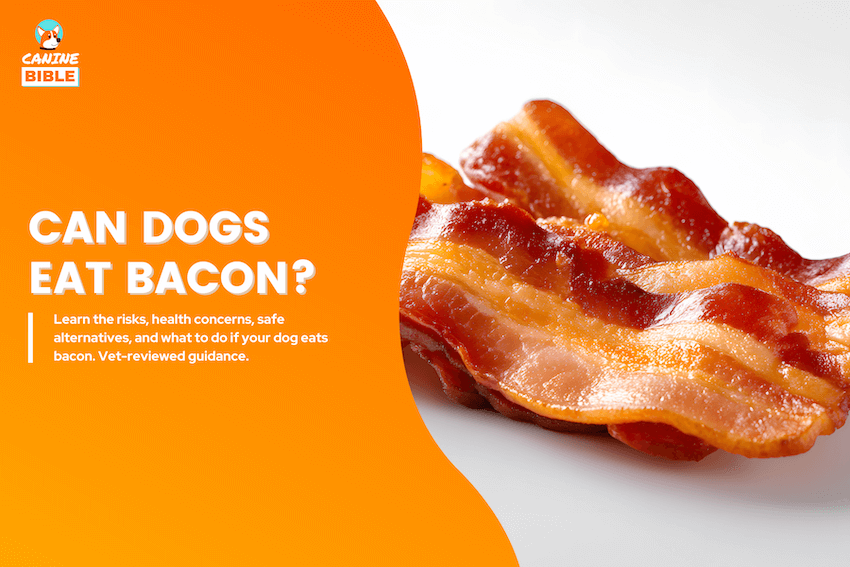
No, dogs should not eat bacon. While it may be tempting to share a crispy slice with your pup, bacon is not a safe or healthy option for dogs. Bacon is extremely high in fat, sodium, and seasonings—all of which can be harmful or even dangerous for dogs. The high fat content can trigger digestive upset, including vomiting, diarrhea, and abdominal pain, and in more severe cases may lead to pancreatitis, a serious inflammatory condition. Excess sodium can also contribute to dehydration, salt poisoning, and long-term health issues like heart disease. But what about small amounts? Are certain types of bacon—like turkey bacon or low-sodium bacon—any safer? Can dogs eat bacon-flavored treats without problems? This guide will break down the risks of feeding bacon to dogs, safer alternatives, and what to do if your dog accidentally eats bacon.
Is Bacon Good For Dogs?
No, bacon is not good for dogs. According to the latest research and veterinary findings, feeding bacon to dogs can pose significant health risks:
Whether cooked, crispy, greasy, or raw, bacon can be harmful to dogs and should not be a regular part of their diet.
Why Is Bacon Toxic to Dogs?
According to veterinary research and clinical evidence, bacon is considered unsafe for dogs due to a combination of nutritional imbalances and harmful compounds:


| Component | Description | Effects on Dogs | Safe for Dogs? |
|---|---|---|---|
| High Sodium | Bacon contains extremely high levels of salt due to curing methods. | Can lead to dehydration, vomiting, diarrhea, and sodium poisoning. | ❌ Not Safe |
| Excess Fat | Bacon is naturally rich in saturated fats and greasy oils. | May trigger pancreatitis, obesity, and digestive upset. | ❌ Not Safe |
| Nitrates | Common preservatives used to cure and flavor processed bacon. | Can contribute to digestive irritation and organ stress. | ❌ Not Safe |
| Artificial Smoke | Added to bacon to enhance flavor and create a smoky aroma. | May irritate the stomach and increase toxin exposure. | ❌ Not Safe |
| Bacon Bits | Highly processed toppings with concentrated salt and additives. | Can be harmful even in small amounts due to high sodium. | ❌ Not Safe |
| Bacon Grease | Rendered fat left over after cooking bacon, extremely dense in oils. | Can rapidly cause vomiting, diarrhea, and pancreatitis. | ❌ Not Safe |
| Raw Bacon | Uncooked meat that may contain bacteria and parasitic organisms. | Increases risk of infection, food poisoning, and illness. | ❌ Not Safe |
Toxic Dosage
The amount of bacon that can cause harm varies widely among individual dogs. Some may show symptoms like vomiting, diarrhea, or pancreatitis after eating just a small piece, while others may appear unaffected—at least initially. Veterinarians report that even a few bites of high-fat foods like bacon can trigger pancreatitis in sensitive dogs, especially small breeds or those with prior digestive issues. Bacon’s excessive fat and sodium content can also contribute to salt poisoning if enough is consumed. A dog’s size, overall health, and individual tolerance all influence how severely they may react.
Symptoms of Bacon Toxicity
The following symptoms may indicate a bad reaction to bacon.
Early signs (6–12 hours post-ingestion)
Progressive symptoms


- Dehydration (dry gums, excessive panting, weakness)
- Abdominal pain (dog may whimper or show discomfort when touched)
- Signs of pancreatitis (hunched posture, fever, persistent vomiting)
- Reduced appetite or refusal to eat
- Reduced urination (possible sign of dehydration or organ stress)
If untreated, ingestion of high-fat foods like bacon can lead to acute pancreatitis, which may become life-threatening without prompt veterinary care.
Immediate Actions if Your Dog Eats Bacon
Dogs showing worsening symptoms, such as blood in their vomit or stool, difficulty breathing, weakness, or collapse, should be taken to the veterinarian immediately.
1. Contact a veterinarian immediately: Even if your dog seems fine, contact your veterinarian or an emergency pet poison hotline right away. This includes services such as the ASPCA Animal Poison Control Center at 1-888-426-4435 or the Pet Poison Helpline at 1-855-764-7661. If you can’t reach your vet, you can chat live with a veterinary professional via our online vet chat or video chat support (24 hours a day, 7 days a week). You can also schedule an at-home veterinary appointment with The Vets, a mobile veterinary service that provides at-home vet care nationwide for just about everything.
2. Do not induce vomiting without guidance: Avoid inducing vomiting unless instructed by a veterinarian. Inducing vomiting can sometimes worsen the situation if not done correctly.
3. Gather important information: When speaking to a vet, provide:
- Quantity consumed (estimate if unsure)
- Time of ingestion (how long ago the bacon was eaten)
- Dog’s weight and breed (to assess potential risk)
4. Follow veterinary instructions: The vet may suggest monitoring at home or emergency treatment at the clinic.
- Keep your dog calm and prevent them from eating anything else.
- Be prepared to transport your dog to the vet quickly if advised.
- Bring any remaining bacon or packaging to help the vet assess the situation.
How Veterinarians Diagnose & Treat Bacon Poisoning
Veterinarians diagnose bacon-related illness in dogs based on the amount ingested, the dog’s symptoms, and diagnostic testing. Blood tests (serum biochemistry) help evaluate pancreatic and organ function by measuring levels of amylase, lipase, and inflammatory markers, which often rise sharply during pancreatitis. Tests may also assess sodium levels to detect dehydration or salt toxicity. Urinalysis is used to evaluate hydration status and kidney function, especially if vomiting or diarrhea is severe.
Treatment focuses on stabilizing the dog, reducing inflammation, and preventing further complications. If ingestion was recent, vomiting may be induced, followed by activated charcoal to limit absorption of harmful fats or seasonings. Most dogs with bacon-induced pancreatitis require aggressive intravenous fluid therapy to correct dehydration, flush excess sodium, and support organ function. Additional treatments—such as anti-nausea medications, pain relief, antibiotics (if needed), and fat-restricted dietary management—are commonly used to support recovery and reduce pancreatic strain.
Regular monitoring of pancreatic enzymes, electrolytes, and hydration status is essential. Dogs with moderate to severe pancreatitis may require hospitalization for 24–72 hours, and in critical cases, intensive care or plasma transfusions may be necessary. Early intervention significantly improves outcomes, but if severe pancreatitis or salt poisoning develops, the prognosis becomes more guarded.
Estimated Vet Bill for Bacon Poisoning Treatment
| Treatment/Service | Estimated Cost (USD) |
|---|---|
| Emergency Vet Visit & Examination | $100 – $250 |
| Inducing Vomiting (if ingestion was recent) | $50 – $100 |
| Activated Charcoal (to reduce absorption of fats/seasonings) | $40 – $80 |
| Blood Tests (Pancreatic Enzymes & Electrolytes) | $100 – $250 |
| Urinalysis | $50 – $150 |
| IV Fluids (24–48 Hours of Therapy) | $500 – $1,500 |
| Hospitalization (Per Day) | $300 – $800 |
| Medications (Anti-nausea, Pain Relief, Antibiotics) | $50 – $200 |
| Extended Hospitalization (for severe pancreatitis) | $1,000 – $3,000+ |
| Intensive Care or Plasma Transfusion (if complications arise) | $800 – $2,500+ |
Total Estimated Cost:
- Mild Cases (Early Intervention — vomiting, diarrhea, mild stomach upset): $300 – $800
- Moderate Cases (Pancreatitis Treatment, IV Fluids, Monitoring): $1,000 – $2,500
- Severe Cases (Intensive Care, Extended Hospitalization, Organ Complications): $3,000 – $8,000+
💡 Pet insurance consideration: If a dog has pet insurance, some costs may be covered, but owners should check their policy details. Without insurance, emergency vet care can be costly. We recommend getting pet insurance for financial protection against unexpected medical emergencies, ensuring your pet receives the best possible care without the burden of high out-of-pocket expenses. Check out our best pet insurance guide to find a suitable plan for your pet.
At-Home Tests & Prevention Tips to Avoid Poisoning Dogs
Safe Alternatives to Bacon
Here’s a list of alternatives to bacon that are safe for dogs
Frequently Asked Questions
The Bottom Line
Bacon may be a favorite comfort food for humans, but it’s far from an ideal treat for dogs. Its high fat, sodium, and seasoning content can quickly lead to digestive issues, dehydration, or even pancreatitis in sensitive pups. While the occasional tiny piece might not harm every dog, the risks outweigh any momentary enjoyment. Sticking to healthier, dog-safe alternatives ensures your pet gets the flavor and excitement they crave without compromising their well-being. When in doubt, choose treats made specifically for dogs and always consult your veterinarian before introducing new foods.
If you’re looking for other healthy snack options, check out the best dog treats to find safe and nutritious alternatives.