What Happens & What to Do If Dog Ate Corn Cobs: Vet-Advice

Canine Bible is reader-supported. We receive affiliate commissions via some of our links. Learn more.
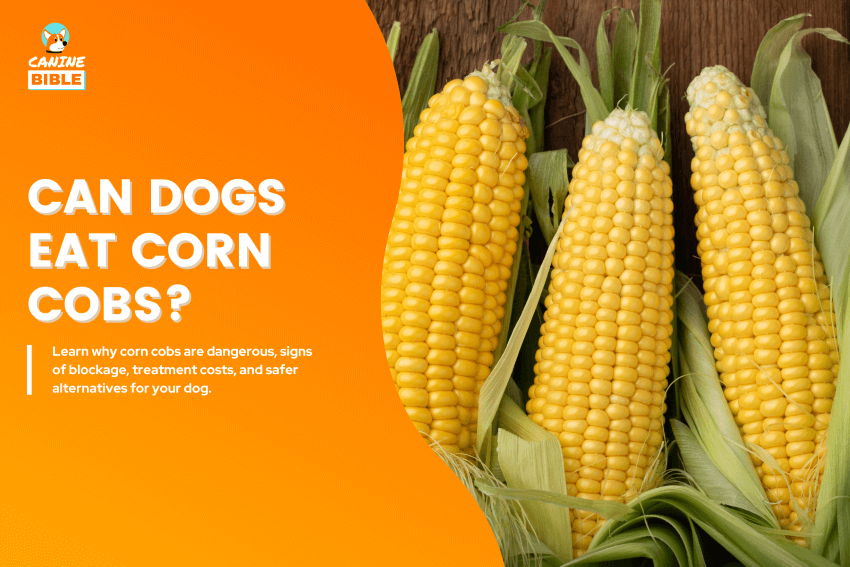
No, dogs should not eat corn cobs. While it may seem harmless to toss your pup a leftover cob after a summer barbecue, corn cobs can be extremely dangerous for dogs. Unlike corn kernels, which are generally safe in moderation, the cob itself is tough, fibrous, and indigestible. If swallowed, it can cause choking or become lodged in the stomach or intestines, leading to a serious and potentially life-threatening blockage that may require emergency surgery. But what about small pieces of cob? Are cooked cobs safer than raw ones? And what should you do if your dog sneaks one off the table? This guide will explore the risks of feeding dogs corn cobs, signs of intestinal obstruction, safer alternatives, and exactly what steps to take if your dog eats one accidentally.
Are Corn Cobs Good For Dogs?
No, corn cobs are not safe for dogs. While plain corn kernels are generally safe in moderation, the cob itself is not good.
Why Are Corn Cobs Dangerous to Dogs?
While corn itself is not dangerous, corn cobs are harmful because they are tough, fibrous, and indigestible. Their rigid shape makes them easy to swallow in large chunks, especially if they smell like leftover food.
| Risk | Why Corn Cobs Are Dangerous | What Can Happen | Severity Level |
|---|---|---|---|
| Intestinal Blockage | Corn cobs are dense and don’t break down in a dog’s digestive system. | Obstruction in the stomach or intestines, often requiring emergency surgery. | 🔴 Very High |
| Choking Hazard | The size and shape can lodge in the throat or be swallowed in large chunks. | Airway blockage, distress, and risk of suffocation. | 🔴 Very High |
| Intestinal Perforation | Fibrous, rough edges can scrape or tear the intestinal lining if it gets stuck. | Internal bleeding, infection (peritonitis), and life-threatening complications. | 🔴 Critical |
| Vomiting & Dehydration | A blockage prevents normal movement of food and water through the gut. | Repeated vomiting, dehydration, weakness, and worsening illness. | 🟠 High |
| Severe Abdominal Pain | Obstructions create pressure, gas buildup, and inflammation. | Restlessness, whining, hunched posture, painful abdomen. | 🟠 High |
| Constipation or Straining | Partial blockages slow stool movement and irritate the intestines. | Straining to poop, small stools, discomfort, possible worsening blockage. | 🟡 Moderate |
| Delayed Symptoms | Dogs may seem normal at first even when a cob is lodged internally. | Symptoms can appear 12–72 hours later, delaying treatment. | 🟠 High |
| Emergency Surgery Risk | Because cobs don’t digest, removal often requires an invasive procedure. | Anesthesia risk, hospitalization, and recovery time (plus high costs). | 🔴 Very High |
Symptoms of Corn Cob Digestion
The following symptoms may indicate that your dog has swallowed part of a corn cob and is developing a gastrointestinal blockage.


Early signs (6–12 hours post-ingestion)
Progressive symptoms
- Persistent vomiting (with little or no food coming up)
- Abdominal pain (dog may whimper, hunch, or resist being touched)
- Constipation or inability to pass stool
- Diarrhea (sometimes with mucus or blood)
- Dehydration (dry gums, weakness)
- Collapse in severe cases
If left untreated, a corn cob blockage can lead to intestinal obstruction, tissue damage, rupture, and life-threatening infection (sepsis).

Immediate Actions if Your Dog Eats Corn Cobs
Dogs showing worsening symptoms, such as blood in their vomit or stool, difficulty breathing, weakness, or collapse, should be taken to the veterinarian immediately.
1. Contact a veterinarian immediately: Even if your dog seems fine, contact your veterinarian or an emergency pet poison hotline right away. This includes services such as the ASPCA Animal Poison Control Center at 1-888-426-4435 or the Pet Poison Helpline at 1-855-764-7661. If you can’t reach your vet, you can chat live with a veterinary professional via our online vet chat or video chat support (24 hours a day, 7 days a week).
2. Do not induce vomiting without guidance: Avoid inducing vomiting unless instructed by a veterinarian. Inducing vomiting can sometimes worsen the situation if not done correctly.
3. Gather important information: When speaking to a vet, provide:
- Quantity consumed (estimate if unsure)
- Time of ingestion (how long ago the corn cobs were eaten)
- Dog’s weight and breed (to assess potential risk)
4. Follow veterinary instructions: The vet may suggest monitoring at home or emergency treatment at the clinic.
- Keep your dog calm and prevent them from eating anything else.
- Be prepared to transport your dog to the vet quickly if advised.
- Bring any remaining corn cobs or packaging to help the vet assess the situation.
How Veterinarians Diagnose & Treat Corn Cobs Blockage
Veterinarians diagnose corn cob ingestion based on a history of exposure, clinical symptoms, and diagnostic imaging. Because corn cobs are not toxic but instead cause a mechanical blockage, the focus is on identifying an obstruction in the gastrointestinal tract. Physical exams may reveal abdominal pain, bloating, dehydration, or signs of distress. Diagnostic tests often include abdominal X-rays or ultrasound, which help detect foreign material, gas buildup, or intestinal blockage. In some cases, bloodwork is performed to assess dehydration, electrolyte imbalances, and organ function—especially if vomiting has been ongoing.
Treatment depends on how quickly the ingestion is caught. If the cob was swallowed recently and is still in the stomach, a veterinarian may attempt to safely induce vomiting or remove it via endoscopy. However, if the corn cob has moved into the intestines and caused an obstruction, emergency surgery is typically required to remove the foreign body. Supportive care such as intravenous fluids, pain management, and anti-nausea medications are often administered to stabilize the dog before and after treatment. Prompt intervention significantly improves outcomes, but delayed treatment can lead to intestinal rupture, infection, or life-threatening complications.
Estimated Vet Bill for Corn Cob Poisoning Treatment
| Treatment/Service | Estimated Cost (USD) |
|---|---|
| Emergency Vet Visit & Examination | $100 – $300 |
| X-Rays (Abdominal Radiographs) | $150 – $400 |
| Abdominal Ultrasound | $300 – $600 |
| Inducing Vomiting (If Recently Ingested) | $75 – $150 |
| Endoscopic Removal (If Still in Stomach) | $800 – $2,000 |
| Emergency Intestinal Surgery (Foreign Body Removal) | $1,500 – $4,000+ |
| IV Fluids & Stabilization (24–48 Hours) | $500 – $1,500 |
| Hospitalization (Per Day) | $400 – $1,000 |
| Medications (Pain Relief, Anti-Nausea, Antibiotics) | $75 – $250 |
| Complications (Intestinal Rupture or Infection) | $3,000 – $6,000+ |
Total Estimated Cost:
- Mild Cases (Early Detection & Induced Vomiting): $200 – $600
- Moderate Cases (Imaging + Endoscopy or Short Hospital Stay): $800 – $2,500
- Severe Cases (Emergency Surgery + Hospitalization): $1,500 – $6,000+
💡 Pet insurance consideration: If a dog has pet insurance, some costs may be covered, but owners should check their policy details. Without insurance, emergency vet care can be costly. We recommend getting pet insurance for financial protection against unexpected medical emergencies, ensuring your pet receives the best possible care without the burden of high out-of-pocket expenses. Check out our best pet insurance guide to find a suitable plan for your pet.
Safe Alternatives to Corn Cobs
Here’s a list of alternatives to corn cobs that are safe for dogs
Frequently Asked Questions
The Bottom Line
Corn cobs may seem harmless after a backyard barbecue, but they pose a serious risk to dogs. While corn kernels can be enjoyed in moderation, the cob itself is tough, indigestible, and one of the more common food-related causes of intestinal blockages in dogs. Even a small piece can lead to choking or a costly emergency surgery. If your dog manages to grab one, quick action and a call to your veterinarian can make all the difference. Prevention is simple: keep cobs out of reach, secure trash bins, and offer safer vegetable alternatives instead. When it comes to your dog’s health, it’s always better to trade a risky treat for a safe one — especially when the stakes can be so high.
If you’re looking for other healthy snack options, check out the best dog treats to find safe and nutritious alternatives.